Artwork
A Crowd at City Gates
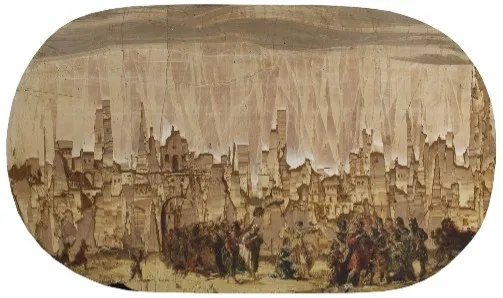
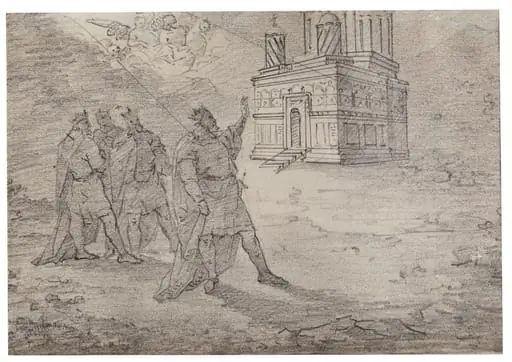
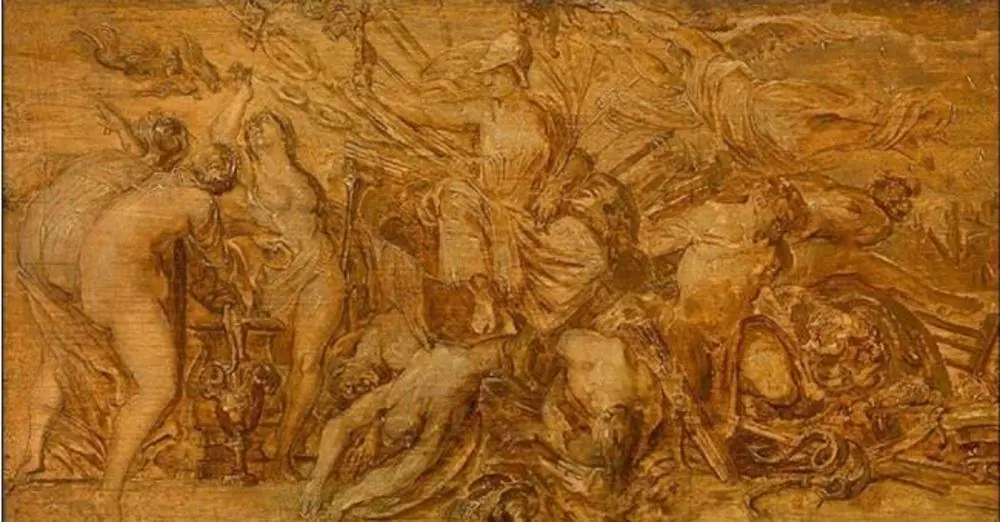
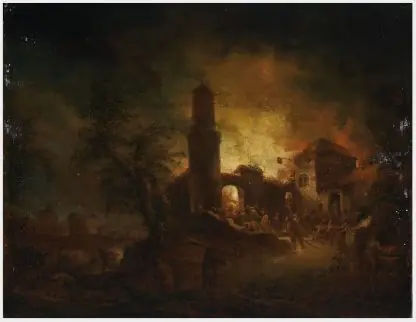
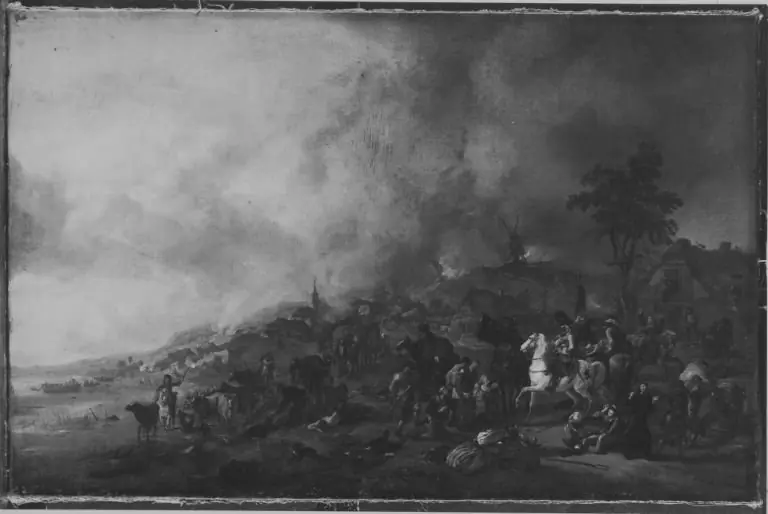
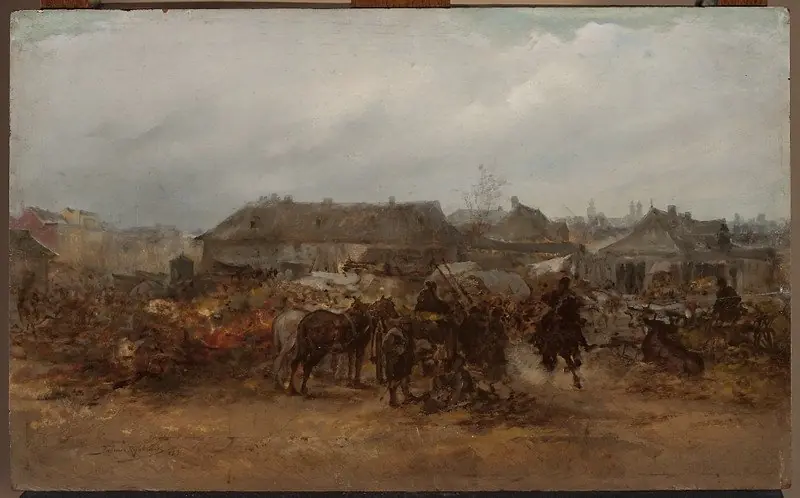
A Crowd at City Gates is an unspecified painting by Unknown. It is held in the collection of the National Gallery of Ireland. This painting depicts a bustling gathering at the entrance of a walled city, rendered with attention to the rhythms of daily life.
About this work
Overview
Figures of varying ages and social appearances congregate near the gate, their postures and interactions suggesting informal exchange.
This painting depicts a bustling gathering at the entrance of a walled city, rendered with attention to the rhythms of daily life. Figures of varying ages and social appearances congregate near the gate, their postures and interactions suggesting informal exchange. The background features simplified medieval architecture, while the foreground remains the focal point, anchored by direct eye contact between subjects and viewer.
Subject & Meaning
The scene captures a moment of transition—people arriving, departing, or waiting at the city’s threshold. The mix of clothing styles across figures implies a deliberate blurring of time, perhaps to emphasize enduring human behaviors rather than historical accuracy. The gestures and clustered formations suggest community, uncertainty, or anticipation, without signaling a specific event.
Technique & Style
The artist employs muted earth tones—ochres, browns, and grays—to unify the composition and ground the scene in realism. Brushwork is loose yet deliberate, defining forms without excessive detail. Light falls evenly across the group, avoiding dramatic contrasts, which reinforces the ordinary, untheatrical nature of the moment.
History & Provenance
The painting’s origin and early ownership are undocumented. It lacks signatures or inscriptions that would link it to a known artist or collection. Its style aligns with 19th-century genre painting traditions, though its deliberate anachronisms distinguish it from strictly historical works of the period.
Context
During the 19th century, artists increasingly turned to scenes of common life as subjects worthy of serious attention. This work fits within that trend, yet its anachronistic dress and ambiguous setting set it apart from contemporaneous depictions of specific locales or eras, suggesting a more symbolic or timeless intent.
Legacy
Though not widely exhibited or reproduced, the painting contributes to a quieter strand of genre art that prioritizes atmosphere over narrative. Its refusal to anchor itself in a precise time or place invites viewers to consider the universality of public gatherings and thresholds as enduring human experiences.
Artist & collection

 Domestic Scene
 Giacomo and Cardinal Marco, investing Andrea, Abbot of San Zeno, with his Benefice
 The Nymph of Fontainebleau
 Portrait of a Woman
 Madonna and Child with Saints in the Enclosed Garden
 Venus and Minerva
 Family Group of Four on Sofa
 Wall painting from Room H of the Villa of P. Fannius Synistor at Boscoreale