Artwork
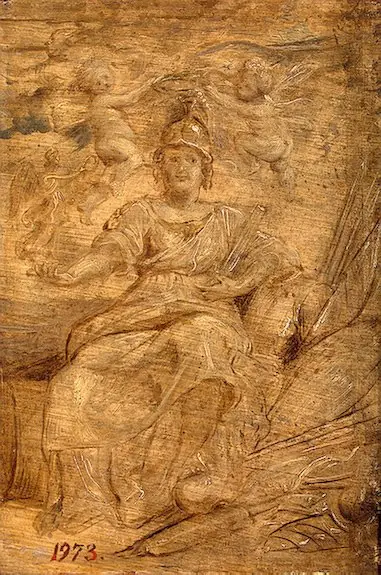
Bellona
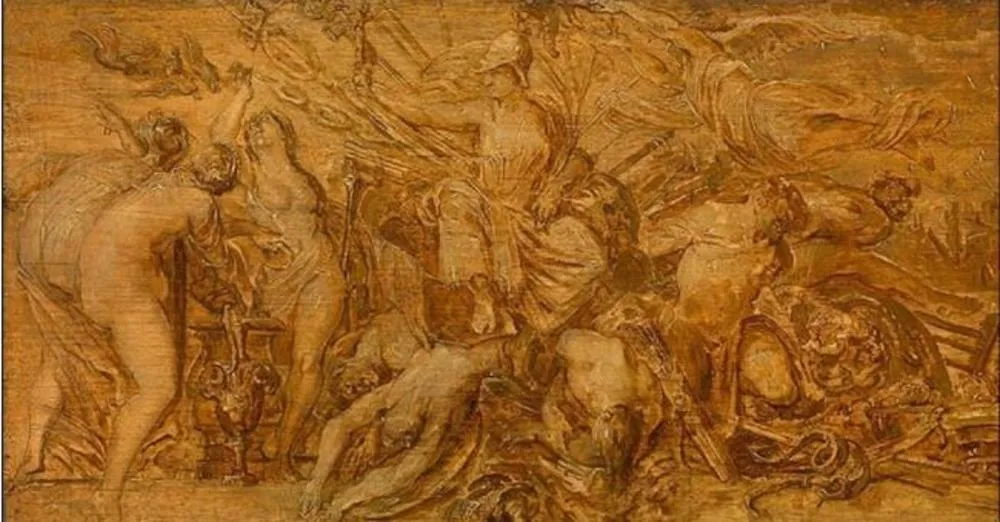
Bellona is an oil painting by the Flemish Baroque painting artist Peter Paul Rubens. It dates from 1616 and is held in the collection of the Royal Museum of Fine Arts Antwerp.
About this work
Overview
The painting’s composition and palette align with the visual language of the Counter-Reformation, emphasizing emotional intensity and grandeur.
Painted in 1616 by Peter Paul Rubens, Bellona is an oil-on-canvas work rooted in the Flemish Baroque tradition. It presents a mythological subject with theatrical energy, reflecting Rubens’s dual role as artist and diplomat. The painting’s composition and palette align with the visual language of the Counter-Reformation, emphasizing emotional intensity and grandeur. It remains part of the Royal Museum of Fine Arts Antwerp’s permanent collection.
Subject & Meaning
The central figure is Bellona, the Roman goddess of war, identified by her spear and shield. Surrounding her are allegorical figures, some nude or semi-clad, suggesting the chaos and fervor of battle. Rubens blends classical mythology with symbolic undertones, possibly evoking the moral and spiritual dimensions of conflict.
The scene does not depict a specific historical event but rather an abstract representation of martial power and divine authority.
Technique & Style
Rubens employs vigorous brushwork and a rich, warm palette dominated by golds and reds to convey movement and texture. The figures are rendered with muscular vitality and fluid contours, characteristic of his Baroque style. Light falls dramatically across the forms, enhancing their three-dimensionality.
The composition is tightly packed, creating a sense of dynamic tension that draws the viewer into the scene’s emotional core.
History & Provenance
Commissioned during Rubens’s mature period, Bellona was likely intended for a private or civic patron in Antwerp. It entered the collection of the Royal Museum of Fine Arts Antwerp in the 19th century, where it has remained since. Its continuous presence in the city underscores its significance to regional artistic heritage and Rubens’s enduring local influence.
Context
Created during the Thirty Years’ War, the painting reflects a European climate steeped in religious and political conflict. Rubens, who navigated both artistic and diplomatic circles, often used classical themes to comment on contemporary power structures. Bellona fits within a broader trend of using mythological imagery to explore themes of authority, violence, and order in a turbulent age.
Legacy
The painting exemplifies Rubens’s ability to synthesize classical antiquity with Baroque dynamism, influencing later generations of European painters. While not as widely exhibited as his larger commissions, Bellona remains a key example of his allegorical approach and technical mastery. Its preservation in Antwerp ensures its role in understanding the city’s artistic identity during the early 17th century.
Artist & collection
Artist
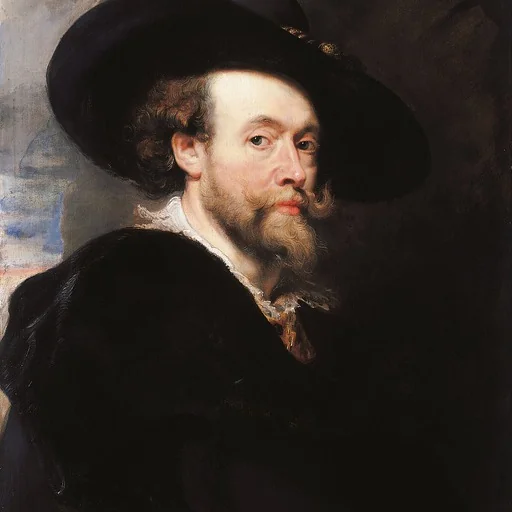
Sir Peter Paul Rubens ( ROO-bənz; Dutch:; 28 June 1577 – 30 May 1640) was a Flemish artist and diplomat.

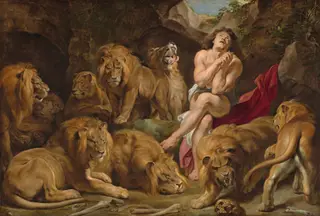
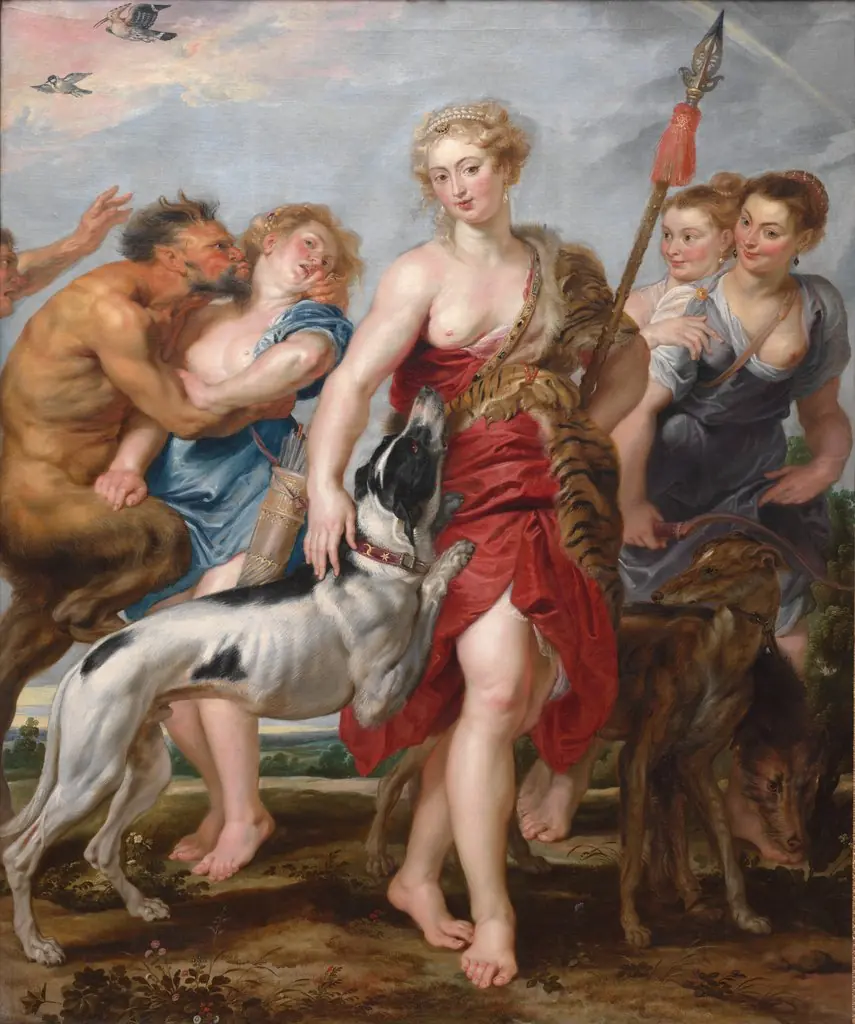
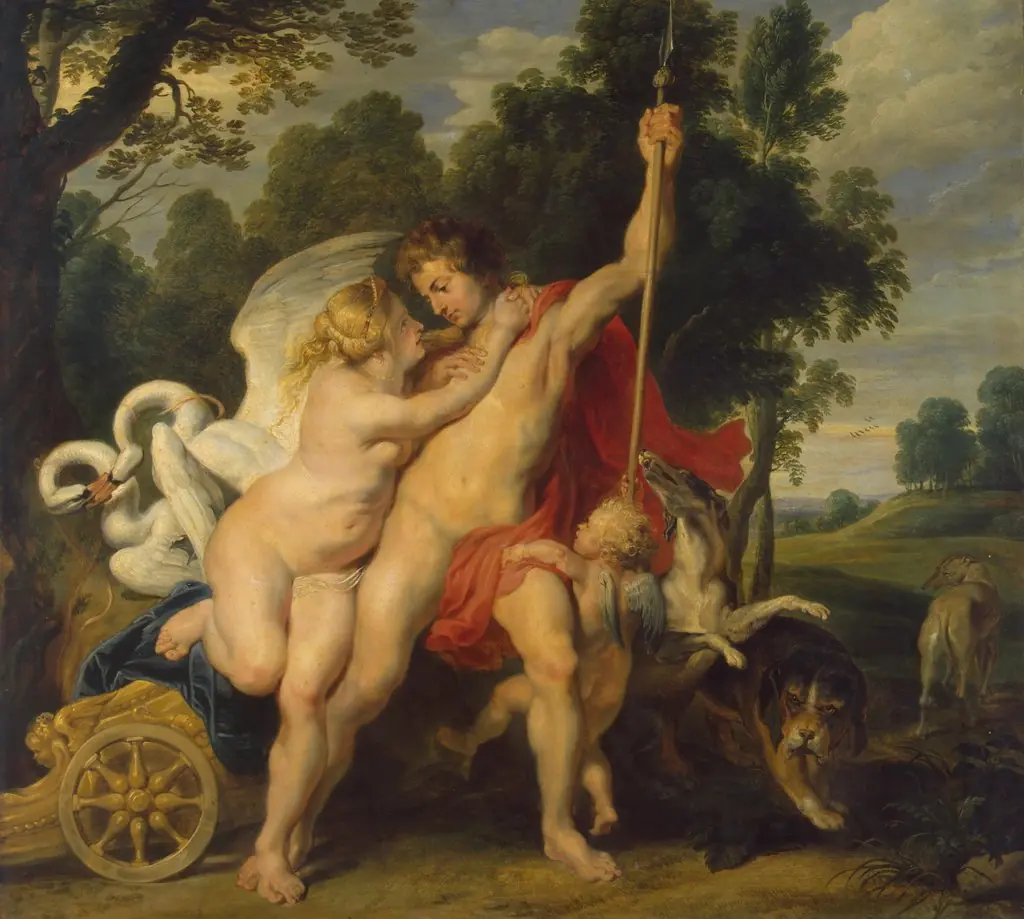
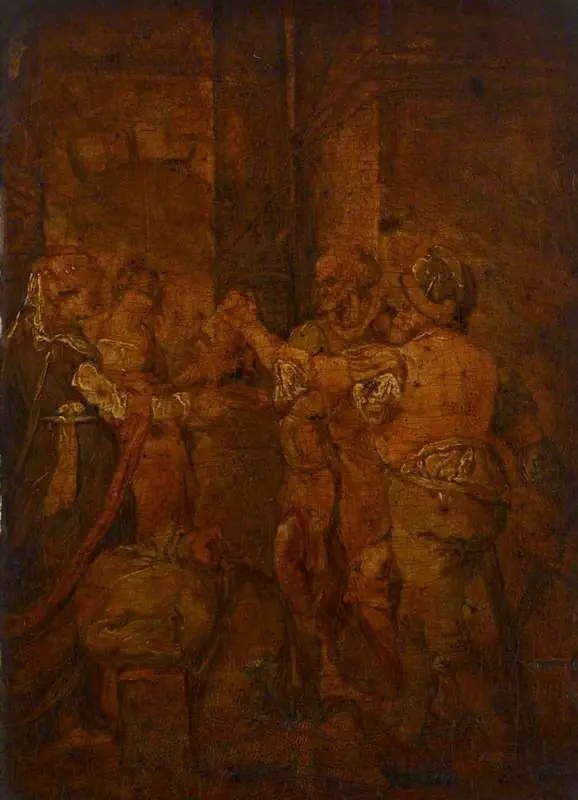
- Salome Receiving the Saint John the Baptist's Head
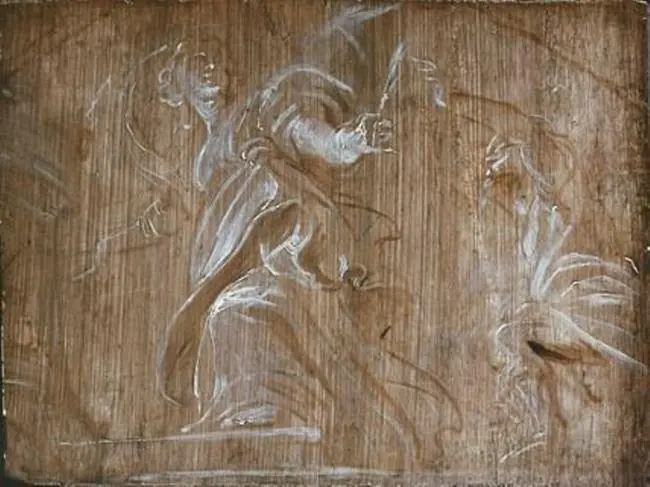 St Barbara pursued by her Father
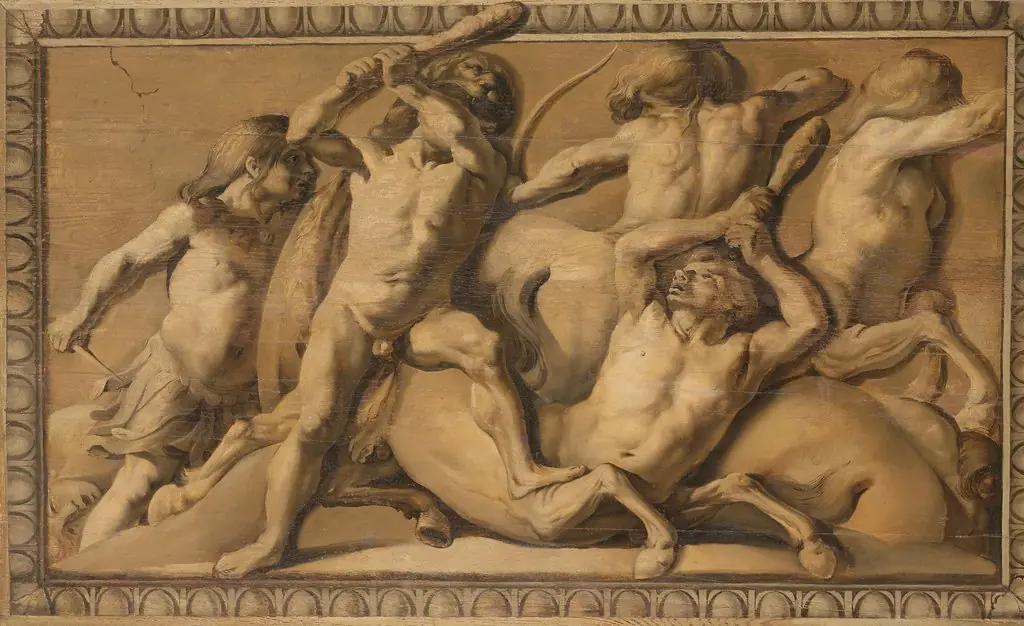 Hercules Defeated the Centaurs
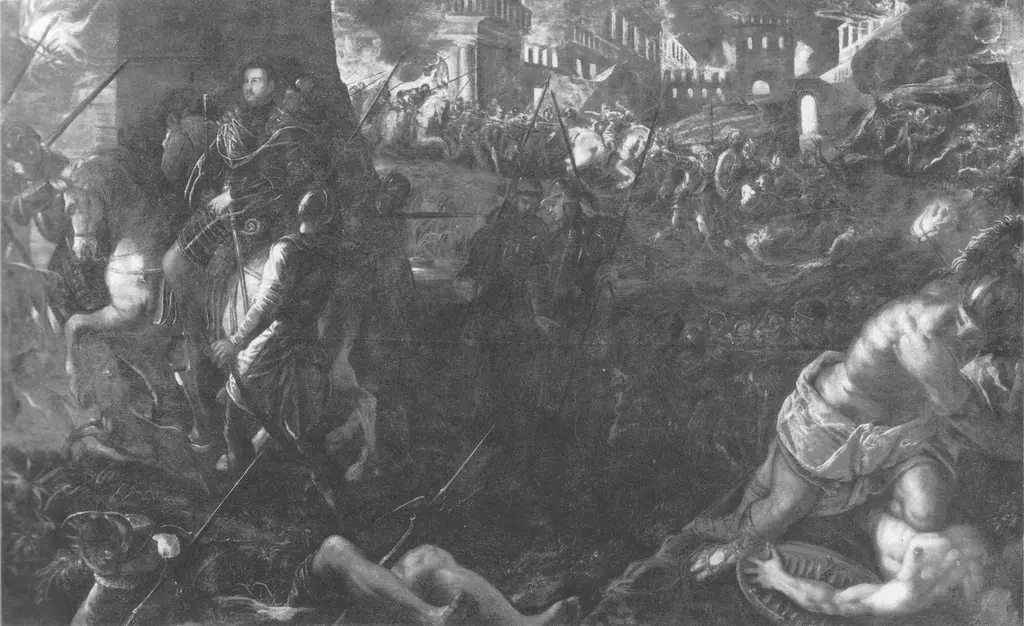 Gonzaga-Zyklus, II. Reihe, 1. Einnahme von Mailand
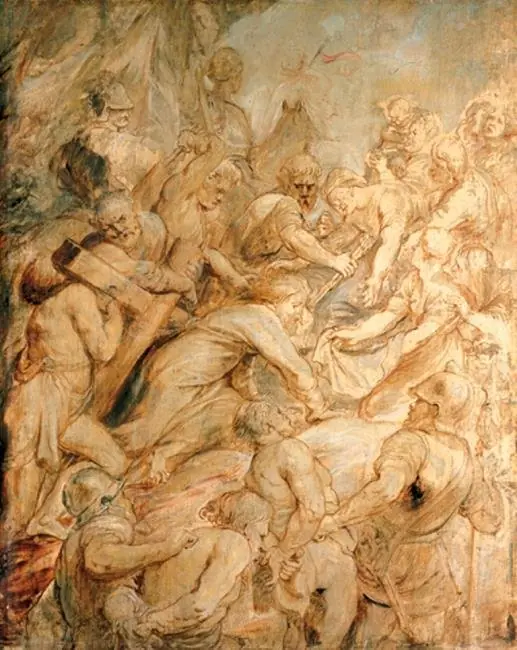 Christ carrying the cross, 1634-1637
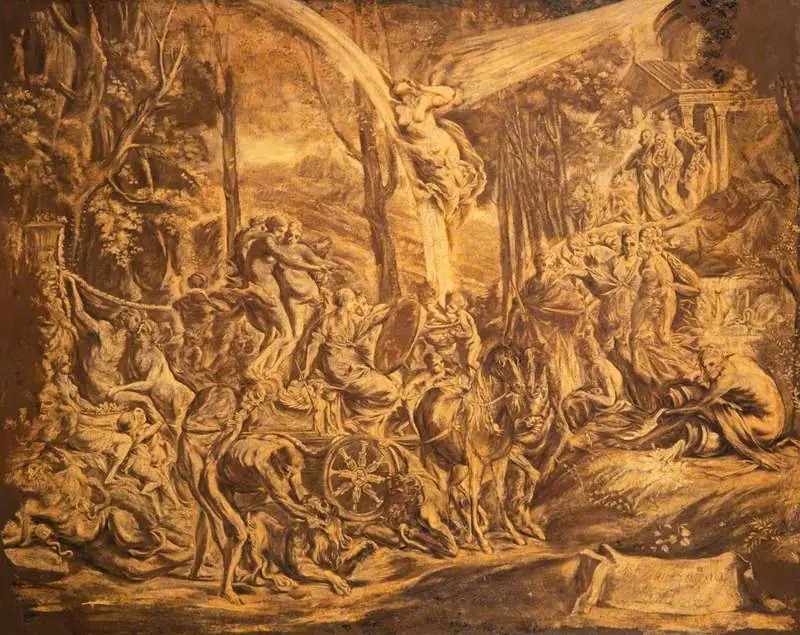 The Triumph of Painting
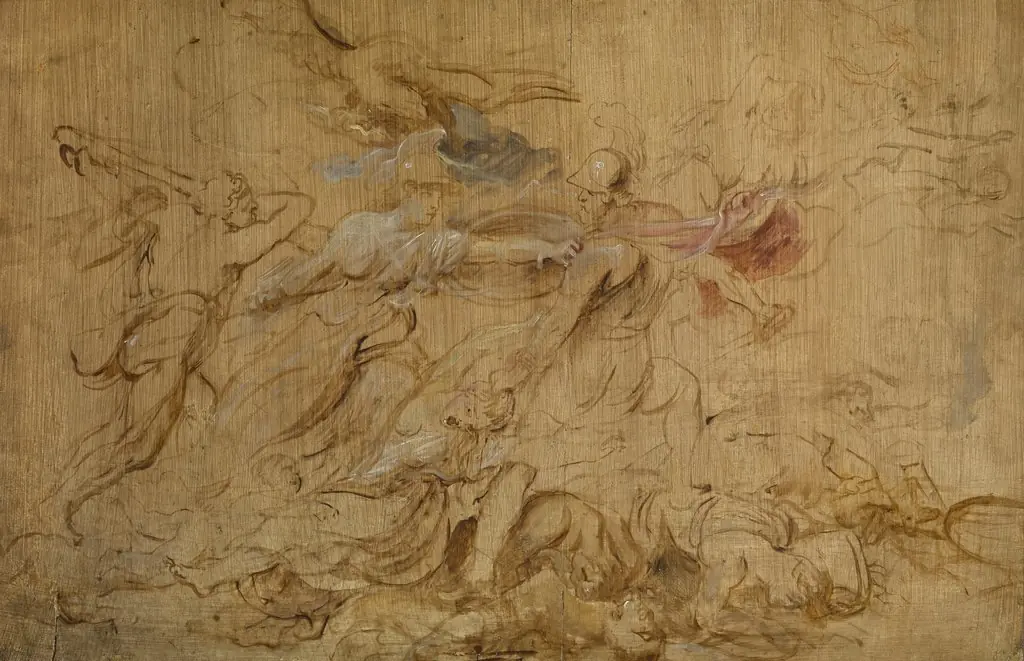 Hercules and Minerva expelling Mars
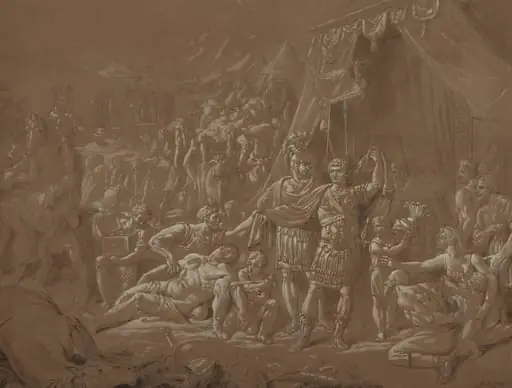 A Scene from the Life of Trajan
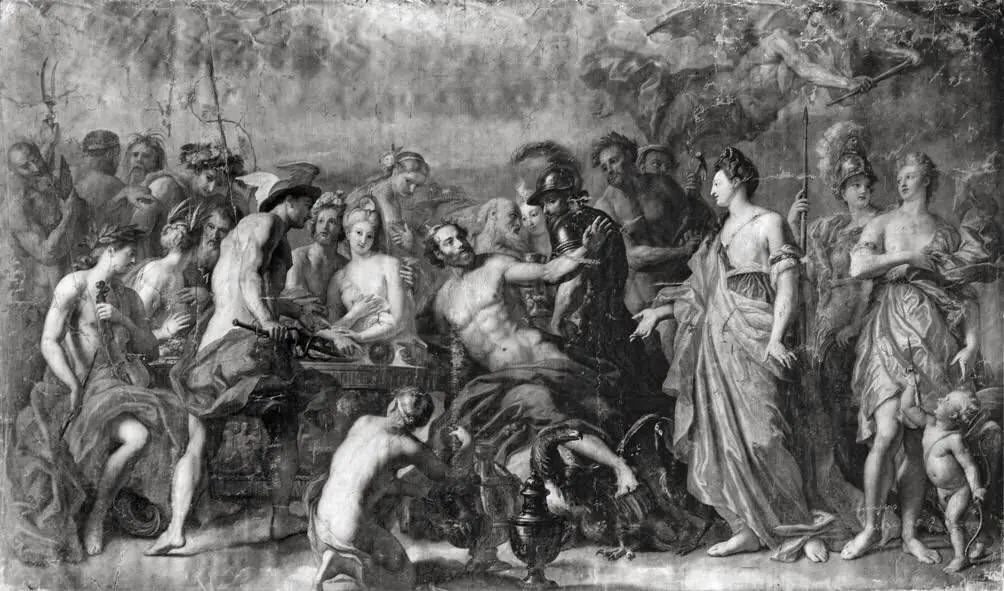 Der Erisapfel
 Scenă alegorică
 Marie de' Medici as Athena Pallas
 The Triumph of Neptune and Amphitrite