Artwork
Lady writing a love letter
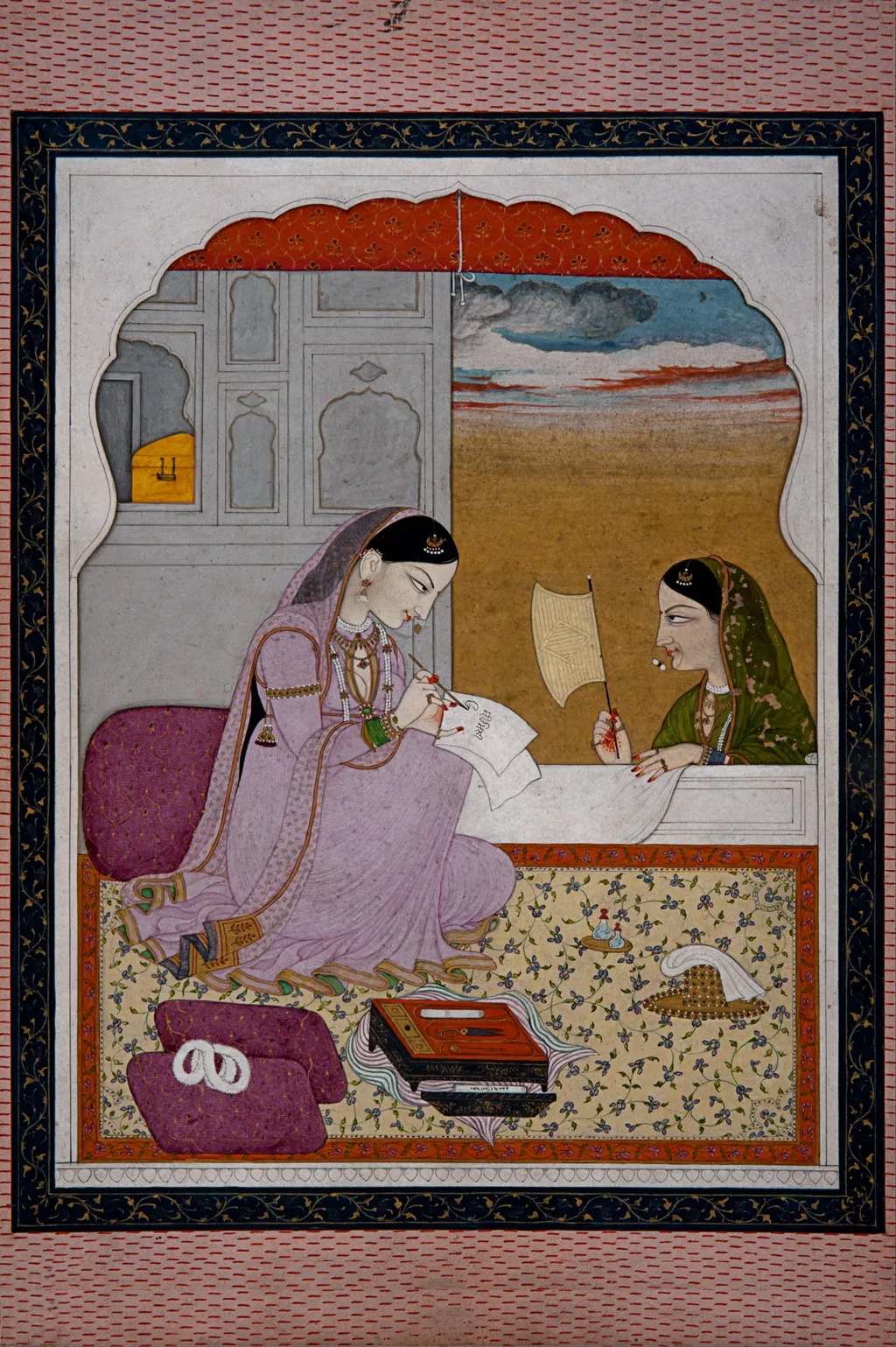
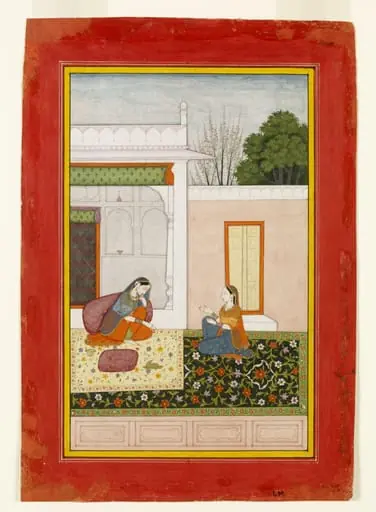
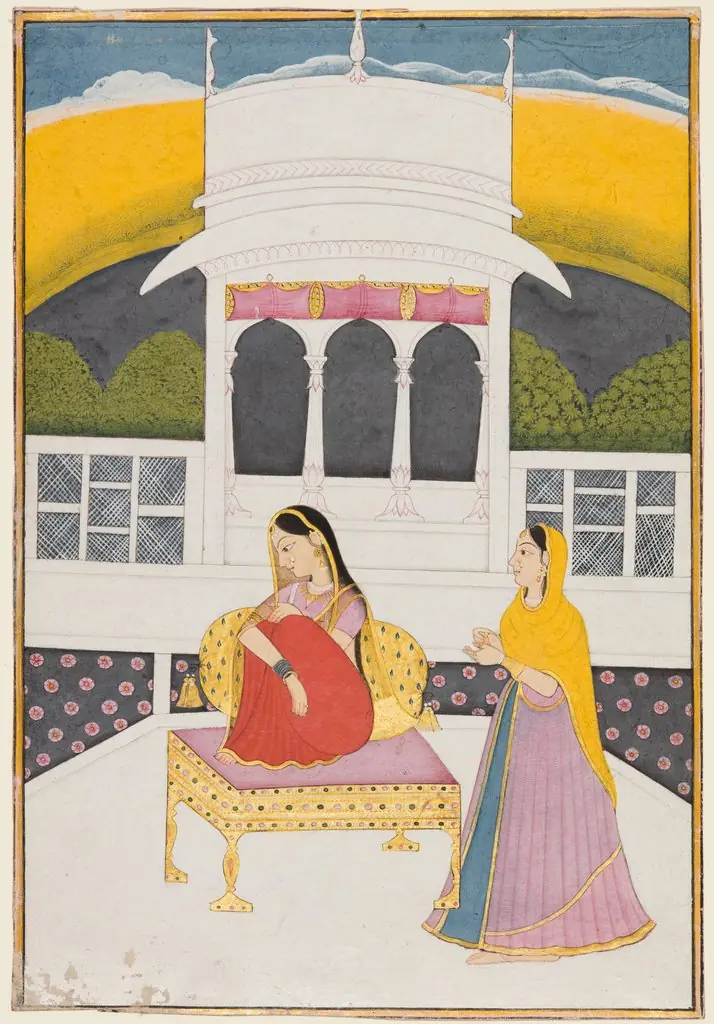
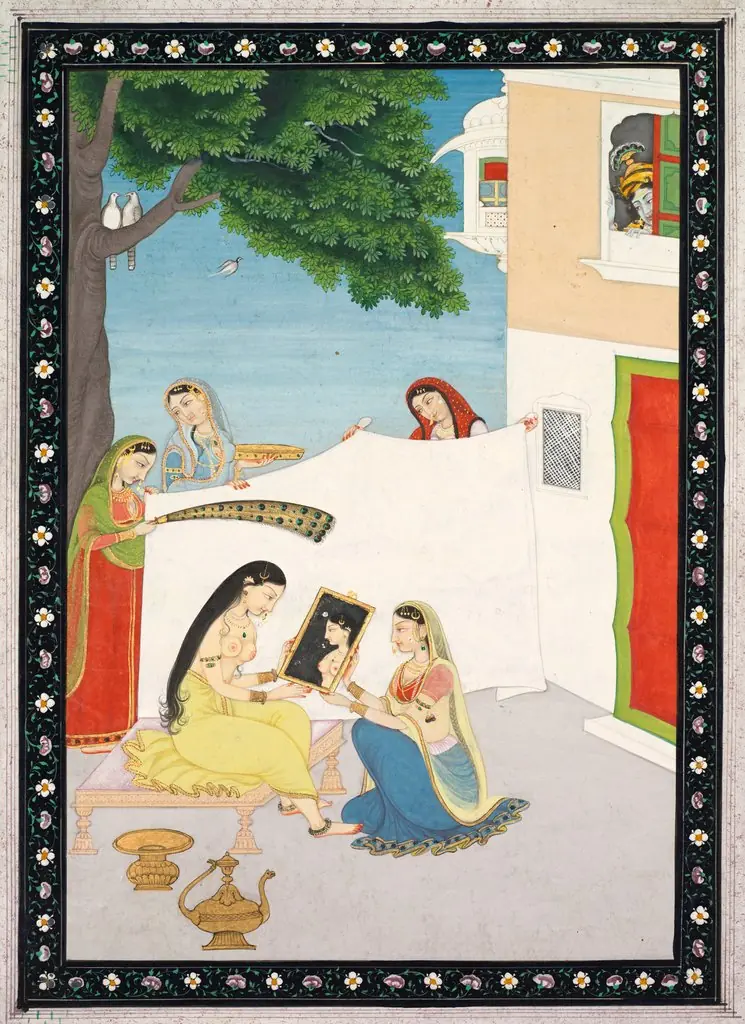
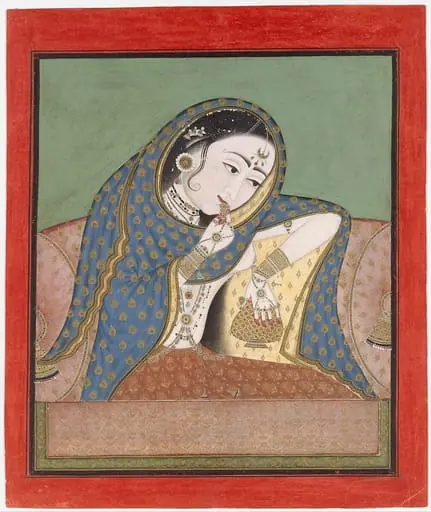
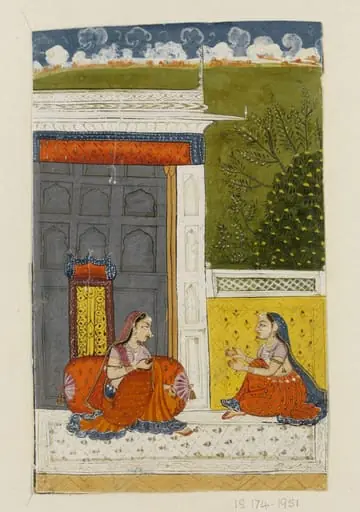
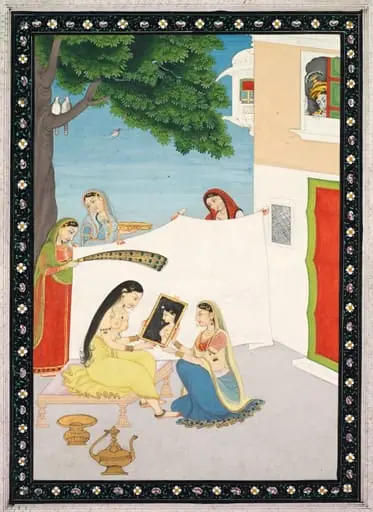
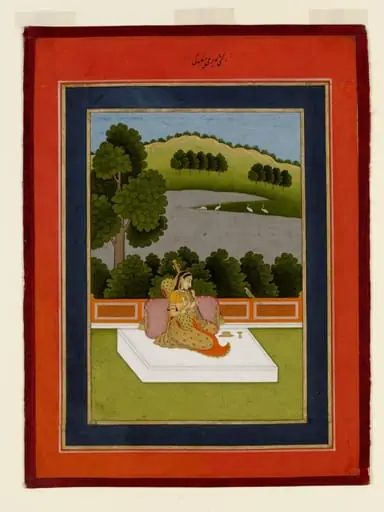
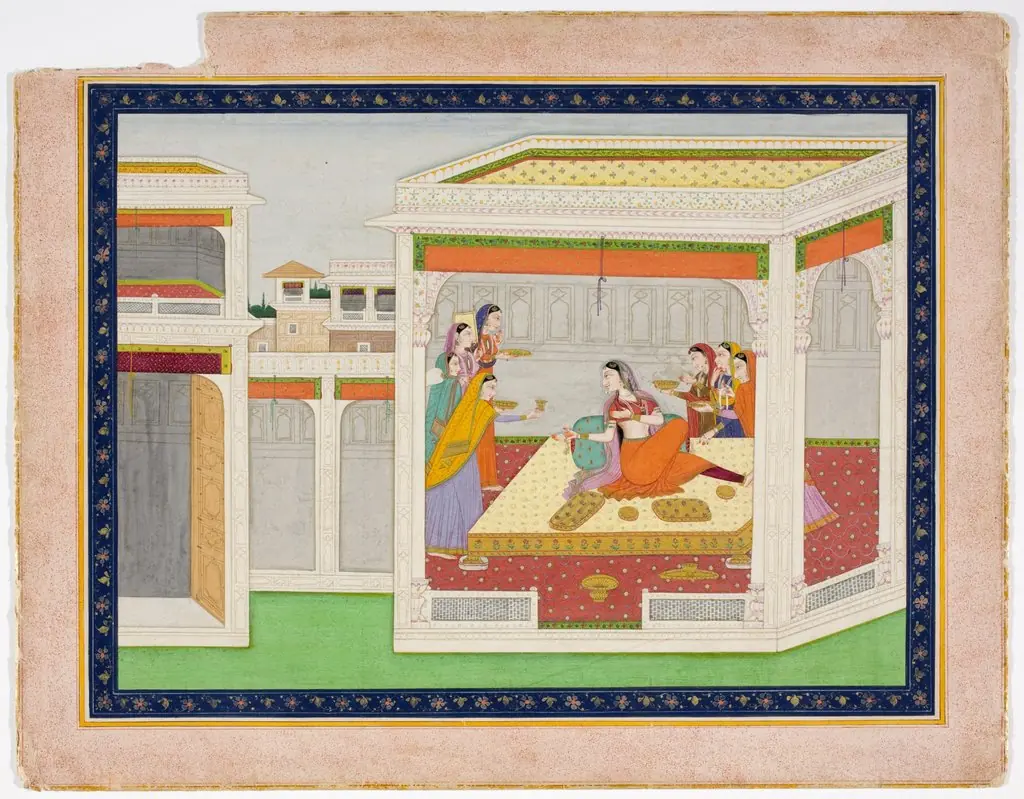
Lady writing a love letter is an unspecified painting by Unknown. It is held in the collection of the National Museum. This oil painting depicts a woman seated on the floor, engaged in the quiet act of writing a letter.
About this work
Overview
The composition emphasizes stillness and introspection, typical of 17th-century Dutch interior scenes.
This oil painting depicts a woman seated on the floor, engaged in the quiet act of writing a letter. Dressed in a finely patterned pink garment and adorned with jewelry, she is surrounded by modest domestic objects: a small box, an open book, and a writing surface. A window behind her reveals a soft sky, framing the scene with natural light. The composition emphasizes stillness and introspection, typical of 17th-century Dutch interior scenes.
Subject & Meaning
The woman’s act of writing suggests a private, intimate moment—likely a love letter—imbuing the scene with emotional subtlety. Her attire and surroundings indicate modest affluence, but the focus remains on her solitary concentration. The presence of a book and a decorative box hints at literacy and personal belongings, reinforcing themes of domestic life and emotional expression in a time when such moments were rarely depicted with such nuance.
Technique & Style
The artist employs fine brushwork to render the textures of fabric, jewelry, and wall patterns with precision. Light falls gently from the window, modeling the woman’s form and highlighting the intricate details of her dress. The background is rendered with soft, muted tones, drawing attention to the figure. The composition is balanced and contained, reflecting the restrained aesthetic of Dutch genre painting of the period.
History & Provenance
The painting has been held by the National Museum since at least the early 20th century, though its earlier ownership remains undocumented. It is attributed to a Dutch painter active in the mid-1600s, likely influenced by the domestic scenes of Vermeer or de Hooch. No records of its commission or original owner have been identified, suggesting it may have entered the museum’s collection through a broader acquisition of Dutch works.
Context
Created during the Dutch Golden Age, the painting reflects a cultural interest in private, everyday moments—especially those involving women in domestic spaces. While grand historical or religious subjects dominated elsewhere in Europe, Dutch artists turned to interiors, letters, and quiet rituals as worthy subjects. This work aligns with a broader trend of portraying emotional subtlety through restrained environments and careful observation.
Legacy
Though not widely known outside institutional circles, the painting contributes to the understanding of how 17th-century Dutch artists captured the dignity of ordinary life. Its focus on a woman’s private act, rendered without melodrama, offers insight into gendered domesticity and the quiet agency of women in early modern society. It remains a quiet example of genre painting’s enduring power to convey human intimacy.
Artist & collection

 Domestic Scene
 Giacomo and Cardinal Marco, investing Andrea, Abbot of San Zeno, with his Benefice
 The Nymph of Fontainebleau
 Portrait of a Woman
 Madonna and Child with Saints in the Enclosed Garden
 Venus and Minerva
 Family Group of Four on Sofa
 Wall painting from Room H of the Villa of P. Fannius Synistor at Boscoreale