Artwork
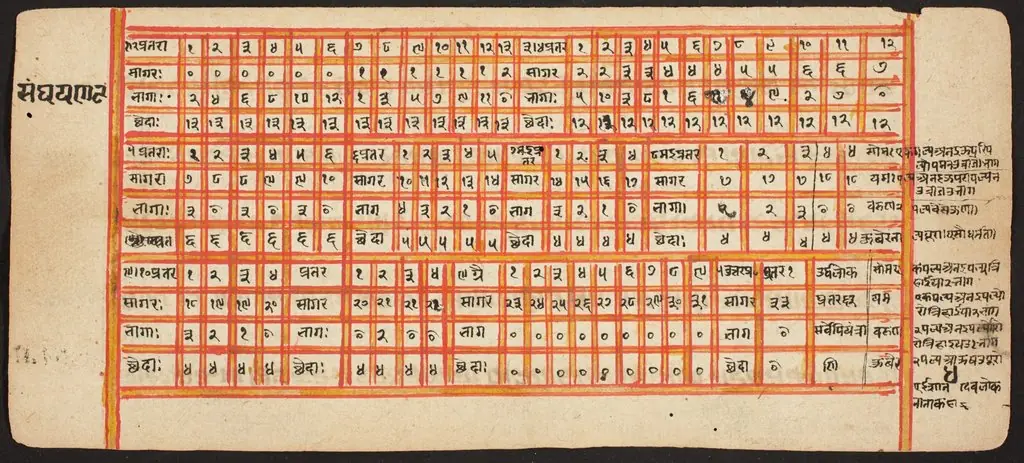
Tantric Manuscript "Sangrahani Sutra"
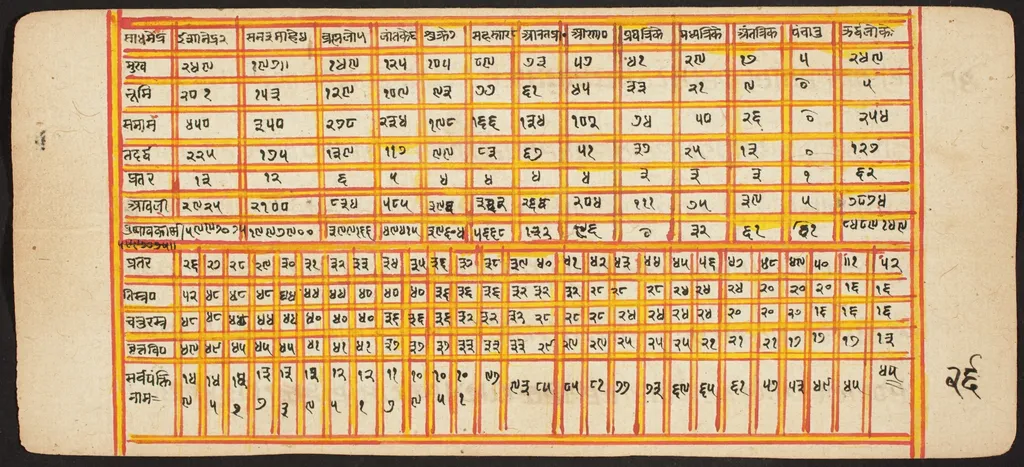
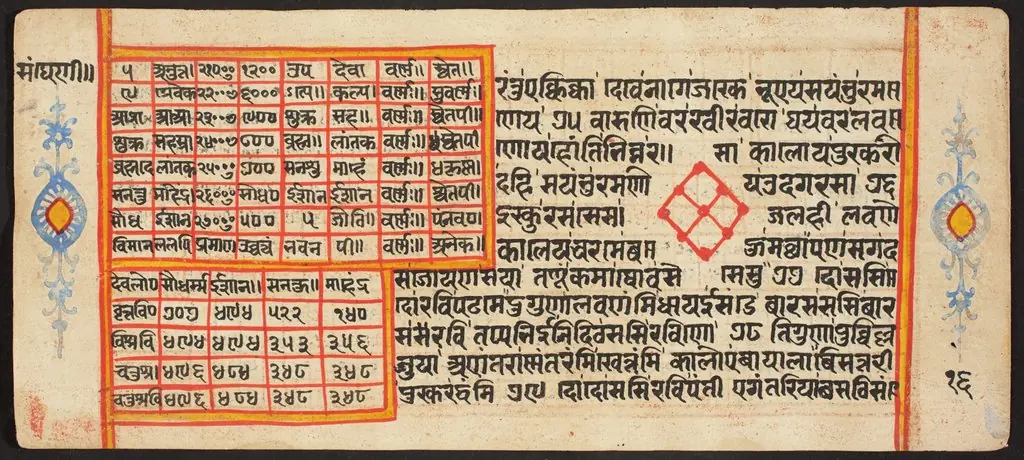
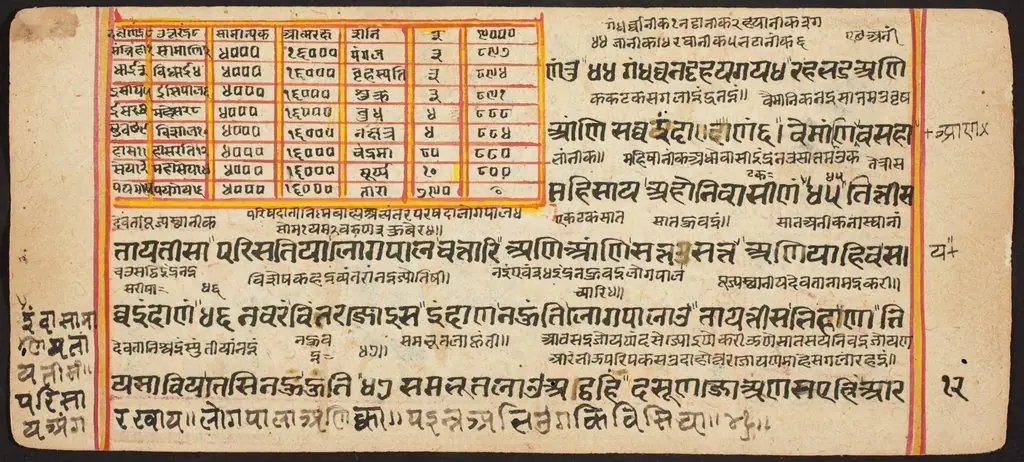
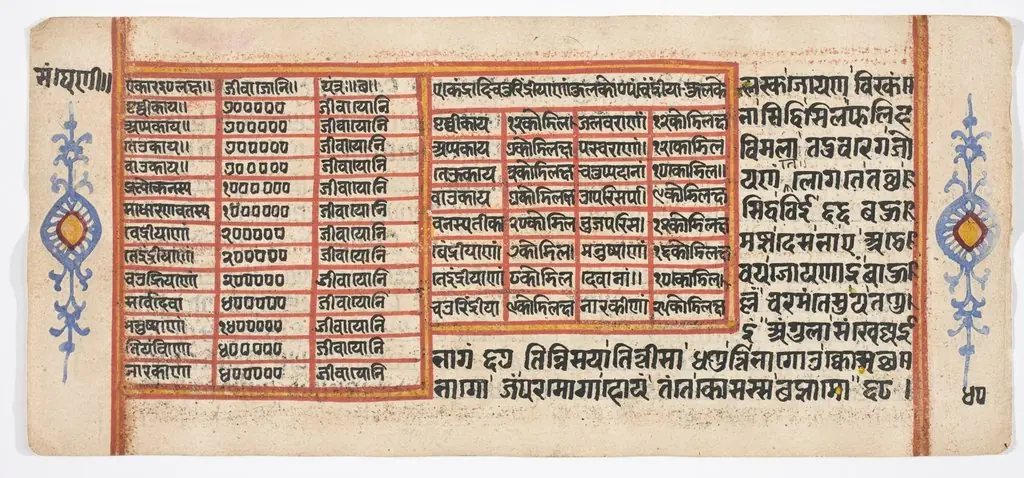
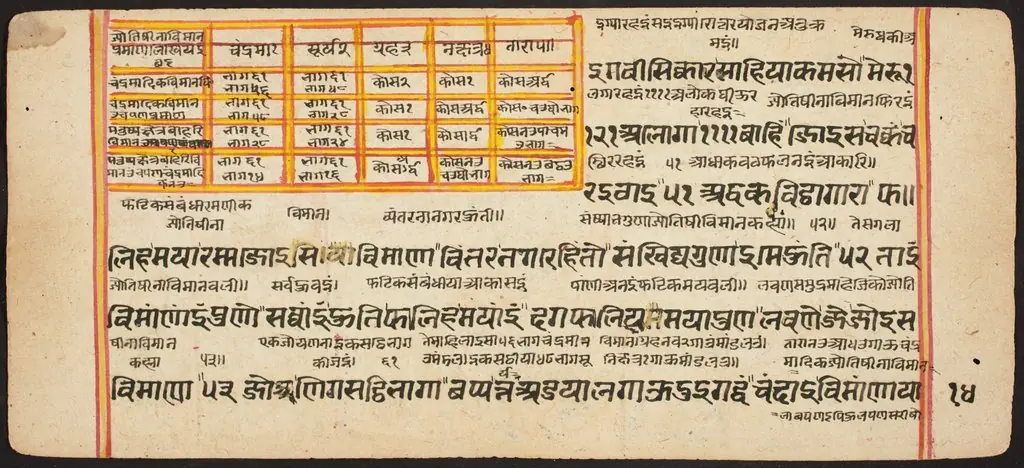
Tantric Manuscript "Sangrahani Sutra" is an unspecified painting by Unknown. It is held in the collection of the Detroit Institute of Arts. The 'Sangrahani Sutra' is a painted manuscript originating from the tantric Buddhist tradition in medieval India.
About this work
Overview
Its visual elements are meticulously arranged to align with esoteric teachings, serving as both a devotional aid and a map of spiritual states.
The 'Sangrahani Sutra' is a painted manuscript originating from the tantric Buddhist tradition in medieval India. Created on palm leaf or paper, it functions as a ritual object rather than a literary text, combining sacred script with symbolic imagery to guide meditative practice. Its visual elements are meticulously arranged to align with esoteric teachings, serving as both a devotional aid and a map of spiritual states.
Subject & Meaning
The manuscript illustrates deities, mandalas, and esoteric symbols drawn from Vajrayana Buddhist cosmology. Each figure and geometric form corresponds to specific mental states or cosmic principles, intended to be visualized during meditation. The imagery is not decorative but instructional, encoding pathways to enlightenment through structured contemplation of divine forms and their interrelationships.
Technique & Style
Painted in mineral pigments with fine brushwork, the illustrations follow strict iconographic conventions. Lines are precise, colors are muted yet deliberate, and compositions are symmetrical to reflect cosmic order. The style avoids naturalism, favoring stylized forms that prioritize symbolic clarity over realism, consistent with tantric visual traditions across South Asia.
History & Provenance
Produced likely in eastern India between the 8th and 12th centuries, the manuscript was used in monastic or tantric practice centers. Its survival suggests it was preserved in temple libraries or private collections, possibly transported to Nepal or Tibet where tantric traditions continued. Few such illustrated sutras remain intact, making this a rare artifact of early tantric material culture.
Context
This work emerged during a period when tantric Buddhism was flourishing in Bengal and Bihar, blending ritual, philosophy, and visual symbolism. It reflects a shift from textual study to embodied practice, where images became essential tools for transmitting complex doctrines. Similar manuscripts were used alongside mantra recitation and ritual performance, reinforcing the integration of art and spirituality.
Legacy
The 'Sangrahani Sutra' exemplifies how sacred art functioned as a living medium in tantric practice. Its influence extended into Tibetan and Himalayan traditions, shaping the visual language of later thangkas and ritual texts. Though no longer in active use, it remains a key reference for understanding the material dimensions of esoteric Buddhist practice in medieval India.
Artist & collection

 Domestic Scene
 Giacomo and Cardinal Marco, investing Andrea, Abbot of San Zeno, with his Benefice
 The Nymph of Fontainebleau
 Portrait of a Woman
 Madonna and Child with Saints in the Enclosed Garden
 Venus and Minerva
 Family Group of Four on Sofa
 Wall painting from Room H of the Villa of P. Fannius Synistor at Boscoreale
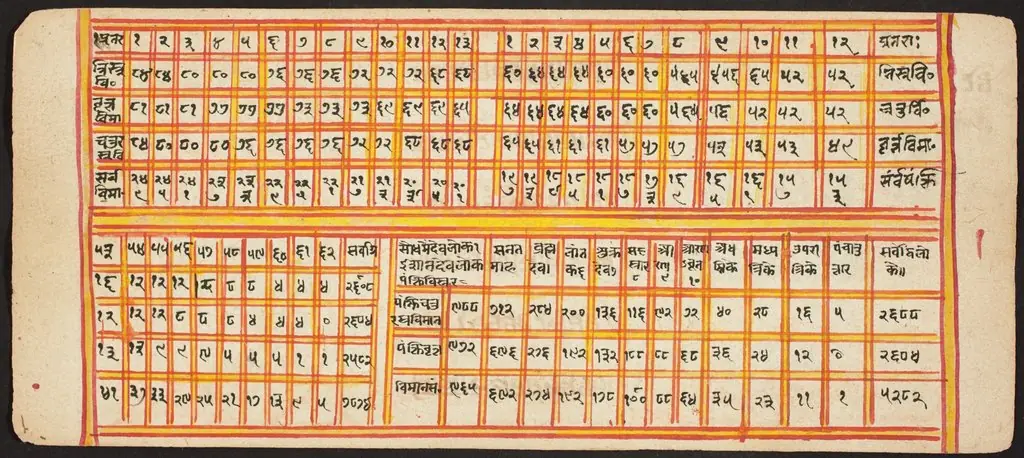 Tantric Manuscript "Sangrahani Sutra"
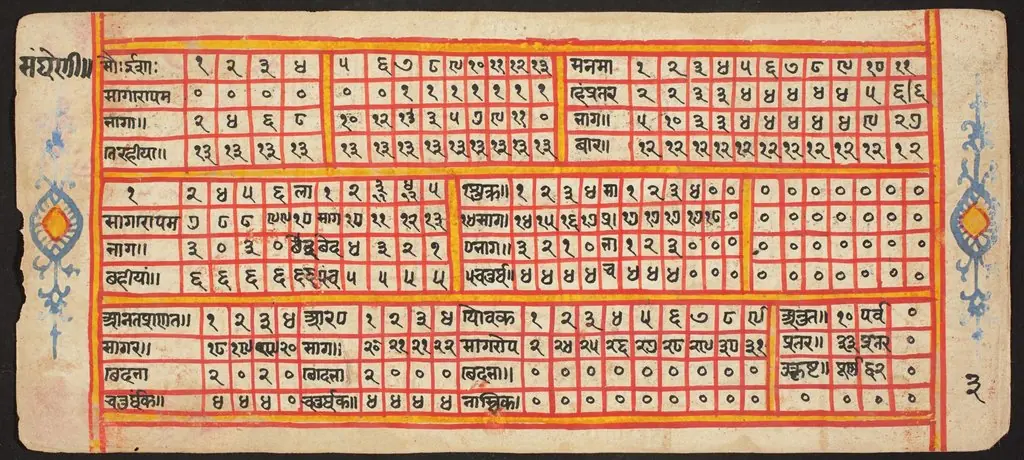 Tantric Manuscript "Sangrahani Sutra"
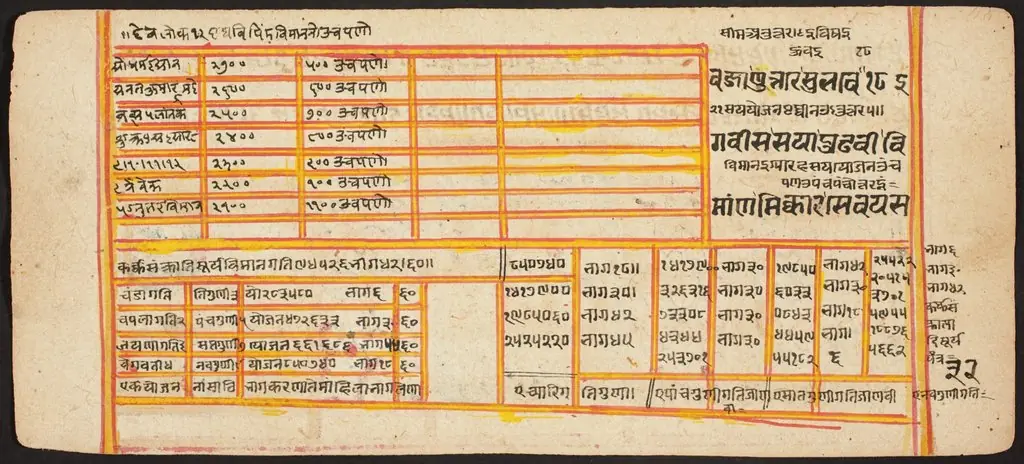 Tantric Manuscript "Sangrahani Sutra"
 Tantric Manuscript "Sangrahani Sutra"
 Tantric Manuscript "Sangrahani Sutra"
 Tantric Manuscript "Sangrahani Sutra"
 Tantric Manuscript "Sangrahani Sutra"
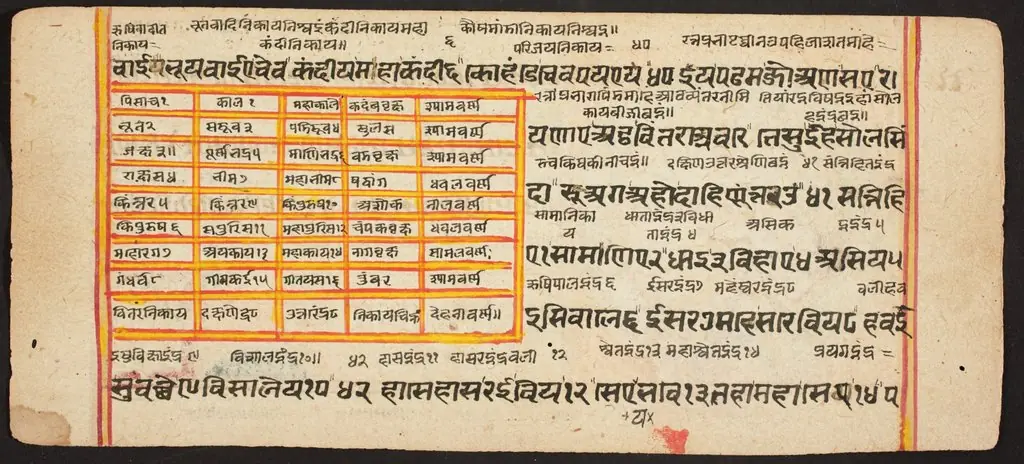 Tantric Manuscript "Sangrahani Sutra"
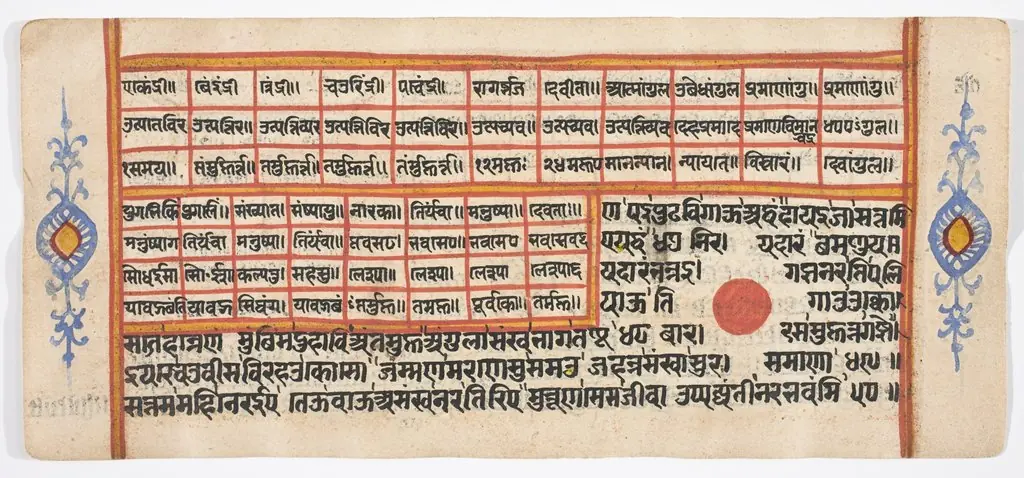 Tantric Manuscript "Sangrahani Sutra"
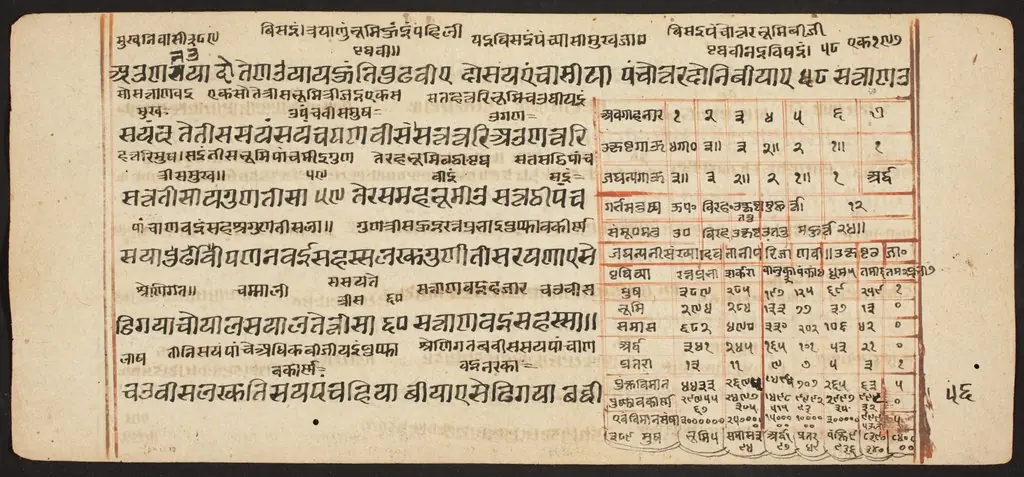 Tantric Manuscript "Sangrahani Sutra"
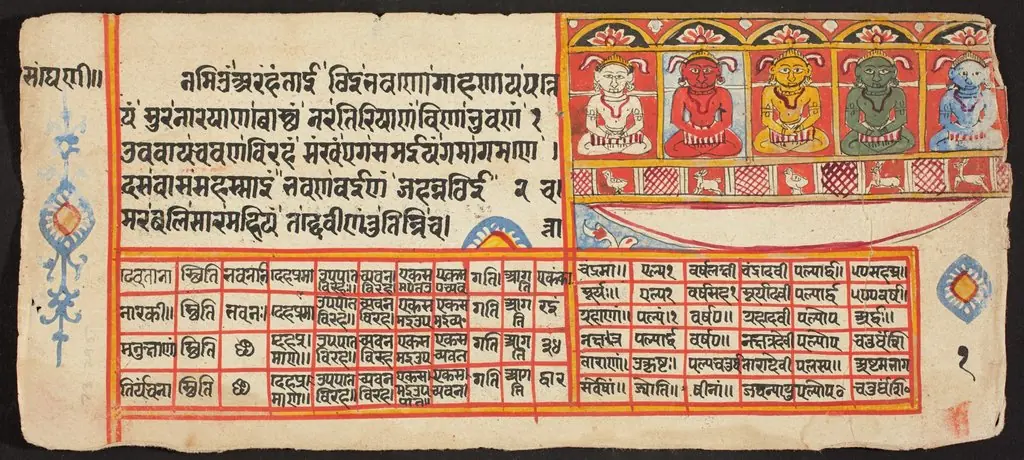 Tantric Manuscript "Sangrahani Sutra"
 Tantric Manuscript "Sangrahani Sutra"