Artwork
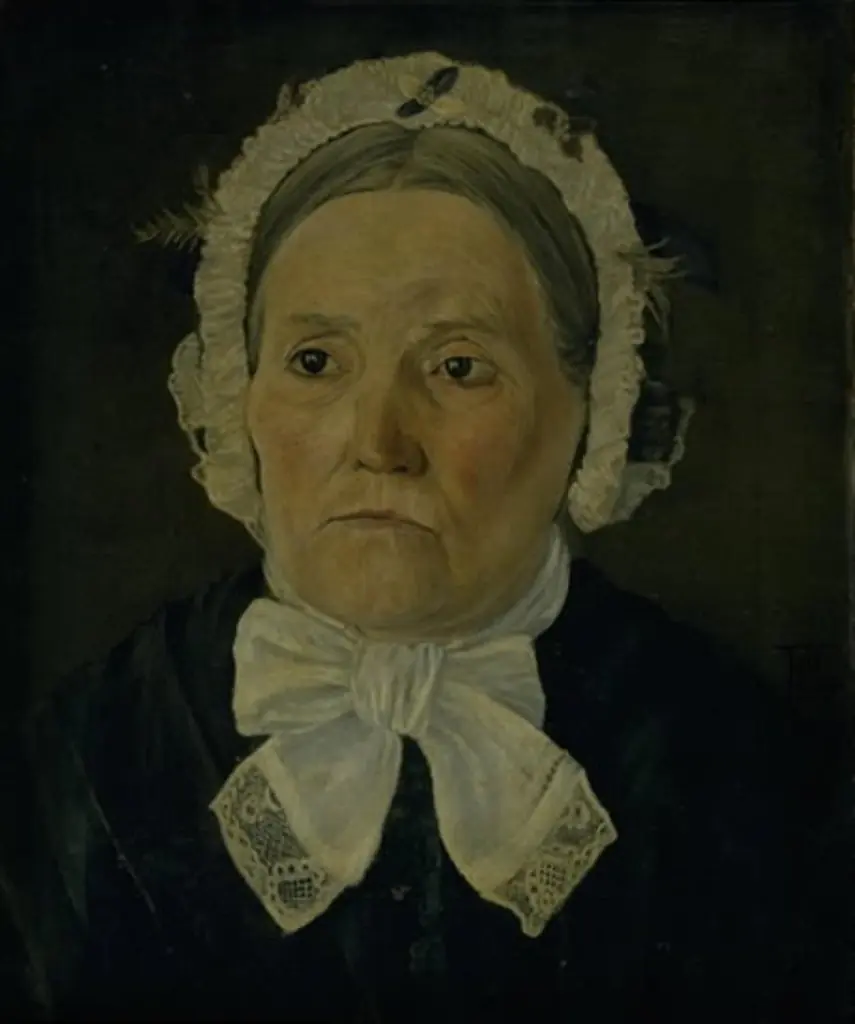
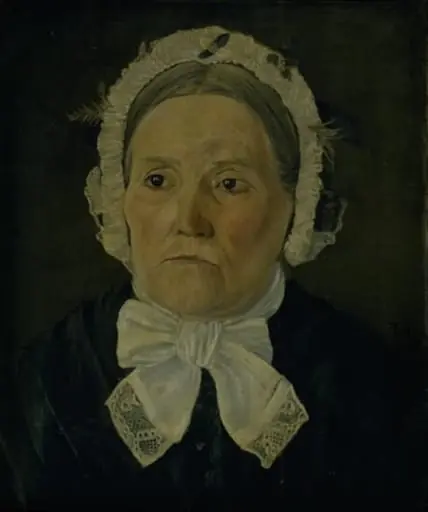
Portrait of the Holy Fool Xenia Petrova (Xenia of Petersburg)
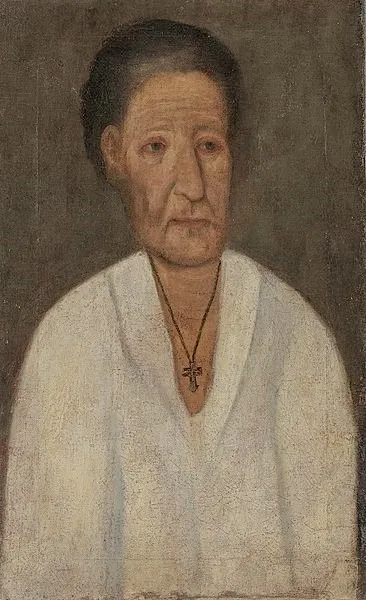
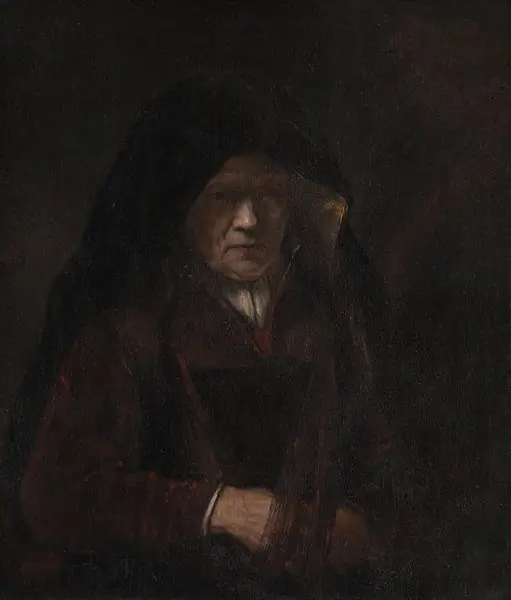
Portrait of the Holy Fool Xenia Petrova (Xenia of Petersburg) is an oil painting by the Realist artist Unknown. It dates from 1800 and is held in the collection of the Hermitage Museum. This oil painting depicts Xenia Petrova, a revered figure in Russian Orthodox tradition known as a holy fool.
About this work
Overview
The artist’s attention to facial detail conveys a sense of inner life, avoiding theatricality in favor of solemn presence.
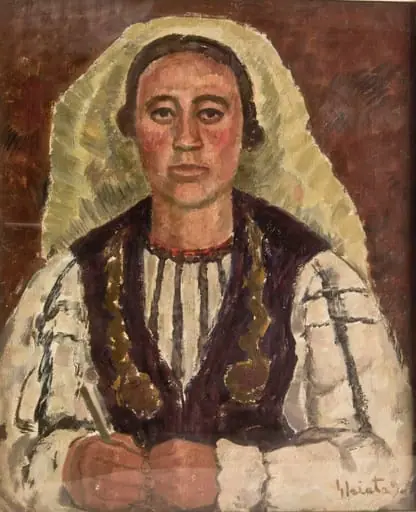
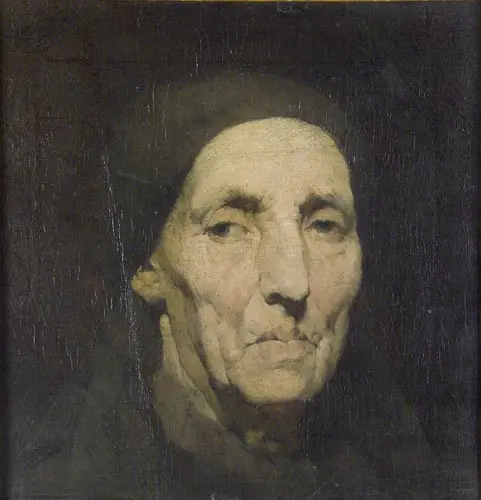
This oil painting depicts Xenia Petrova, a revered figure in Russian Orthodox tradition known as a holy fool. Rendered with quiet intensity, the subject wears a simple white robe and a cross, her dark hair pulled back. The muted brown background isolates her figure, emphasizing her stillness. The artist’s attention to facial detail conveys a sense of inner life, avoiding theatricality in favor of solemn presence.
Subject & Meaning
Xenia Petrova was a 16th-century saint who renounced worldly possessions after her husband’s death, living as a beggar in St. Petersburg. Known for her piety and eccentric devotion, she became a symbol of spiritual humility. This portrait captures her not as a mythic figure but as a grounded, contemplative woman, reflecting the Orthodox veneration of holy fools who embraced poverty as a path to divine truth.
Technique & Style
The artist employed oil paint to build subtle layers of tone, creating soft transitions in the skin and fabric. Wrinkles and fine lines on the face are rendered with precision, suggesting age and lived experience. The muted palette and lack of decorative elements focus attention on the subject’s gaze, which holds a quiet, unguarded introspection. Texture is suggested rather than exaggerated, reinforcing the painting’s restrained emotional tone.
History & Provenance
The painting resides in the State Hermitage Museum in St. Petersburg, where it has been held since at least the 19th century. Its origins trace to a tradition of religious portraiture in Russia, though the specific artist remains unidentified. It likely dates from the late 18th or early 19th century, a period when interest in local saints and ascetic figures was revived among both clergy and the educated elite.
Context
During the 18th and 19th centuries, Russian Orthodoxy saw renewed interest in the lives of holy fools—individuals who used apparent madness to critique social norms and embody spiritual ideals. Portraits like this one served devotional purposes, offering viewers a visual anchor for prayer and reflection. Unlike Western religious art, these images avoided grandeur, favoring simplicity and psychological depth.
Legacy
The painting contributes to a broader corpus of Russian religious portraiture that values inner spirituality over external splendor. It continues to be studied for its quiet realism and its reflection of popular piety. While not widely reproduced, it remains a significant example of how faith was visually articulated in everyday terms, preserving the memory of a saint whose life defied conventional expectations.
Artist & collection

 Domestic Scene
 Giacomo and Cardinal Marco, investing Andrea, Abbot of San Zeno, with his Benefice
 The Nymph of Fontainebleau
 Portrait of a Woman
 Madonna and Child with Saints in the Enclosed Garden
 Venus and Minerva
 Family Group of Four on Sofa
 Wall painting from Room H of the Villa of P. Fannius Synistor at Boscoreale