Artwork
The Dance
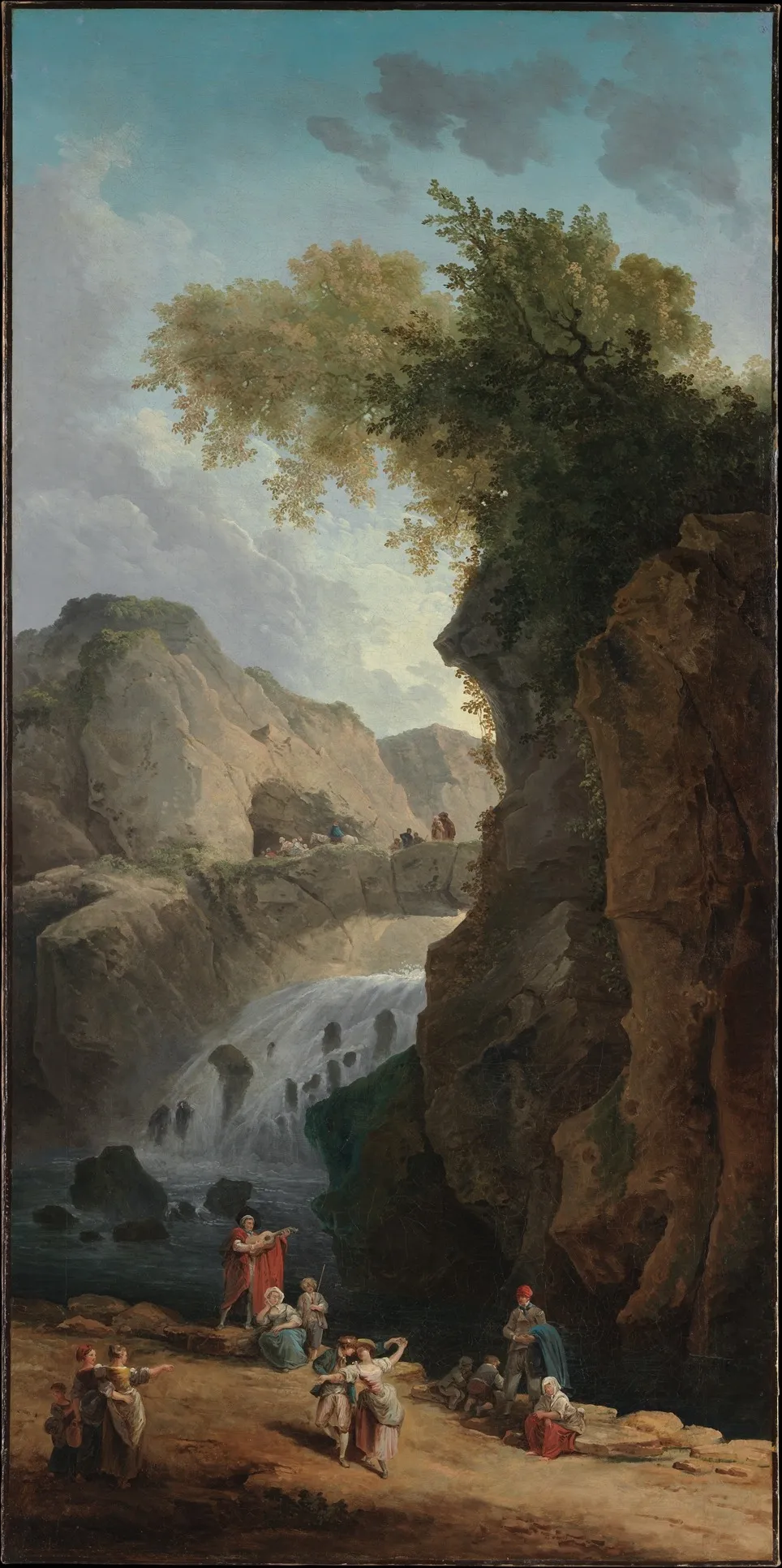
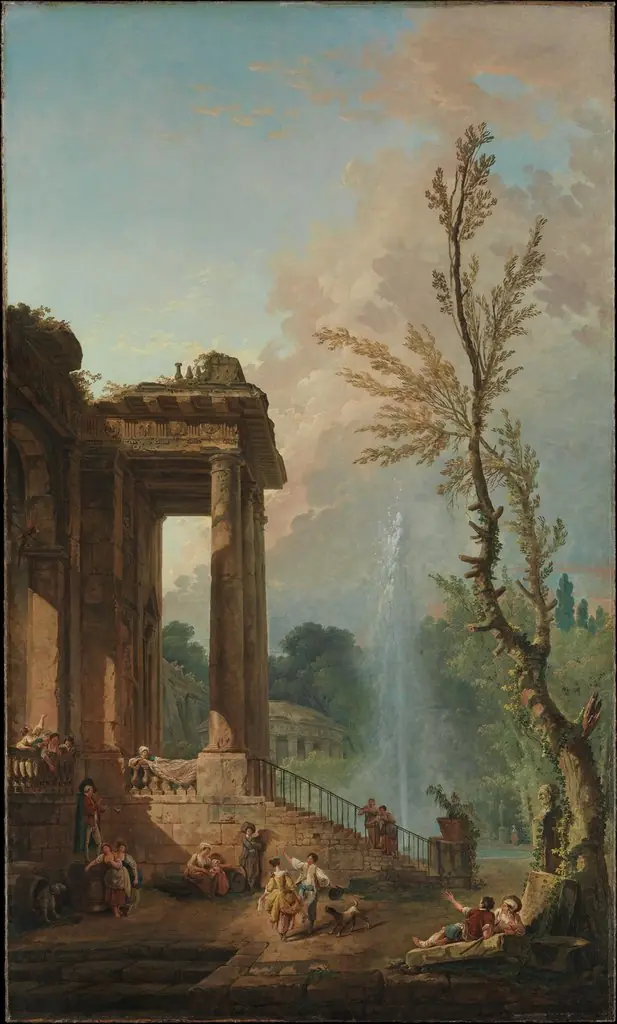
The Dance is an oil painting by the Rococo painting artist Hubert Robert. It dates from 1750 and is held in the collection of the Metropolitan Museum of Art.
About this work
Subject & Meaning
The dance itself functions as the central symbolic motif, evoking themes of harmony, courtship, and the idealized rhythms of pastoral life.
The painting depicts a man and a woman engaged in dance, set within a landscape that includes a waterfall. The pairing of human figures with a cascading waterfall situates the scene within the tradition of pastoral and Arcadian imagery, where movement, nature, and leisure intertwine. The dance itself functions as the central symbolic motif, evoking themes of harmony, courtship, and the idealized rhythms of pastoral life.
The waterfall reinforces these associations, suggesting vitality and the timeless flow of nature as a backdrop to human interaction. Together, the figures and setting convey a vision of graceful sociability framed by untamed yet picturesque scenery.
Technique & Style
The work is executed in oil on canvas, a standard support for easel paintings in mid‑18th‑century France. The canvas measures 173.4 cm by 85.4 cm, as recorded in the catalogue data, and the paint layer consists of thin, blended strokes that model figures and landscape with a soft, luminous tonality typical of Hubert Robert’s Rococo idiom. The composition captures a fleeting moment of a couple dancing beside a waterfall, rendered with delicate chiaroscuro that emphasizes the translucency of light on wet rock.
The surface remains largely intact, showing only minor craquelure in the varnish, indicating careful handling since its creation in 1750.
History & Provenance
Hubert Robert’s The Dance is dated to circa 1750, aligning with the artist’s early career in Rome. The work entered the collection of the Metropolitan Museum of Art, where it remains housed. No documented commission or early ownership chain prior to the museum’s acquisition has been published in accessible records.
Technical and stylistic analysis situates the painting within Robert’s Roman period, characterized by its Arcadian themes and classical motifs.
The painting is held by the Metropolitan Museum of Art, accessioned as 1975.1.234. It was first recorded in 1750, aligning with its documented inception year. The work has not been cited in any major exhibition histories within the provided sources.
Overview
Hubert Robert, a French painter, created The Dance around 1750. This oil painting exemplifies the Rococo movement, presenting a lively gathering by a natural setting. It is housed in The Metropolitan Museum of Art.
Robert was known for his landscape compositions, often blending realistic and imagined architectural or natural elements, a style evident in this work.
Context
Hubert Robert was a French artist whose career spanned the late Rococo period, with some elements foreshadowing Romanticism. He gained renown for his landscape paintings and capricci, a genre that combined real and fantastical architectural ruins or natural features into evocative compositions. The Dance fits within this tradition, illustrating his skill in crafting picturesque and engaging outdoor scenes that often invite contemplation of nature and human interaction.
Artist & collection
Artist
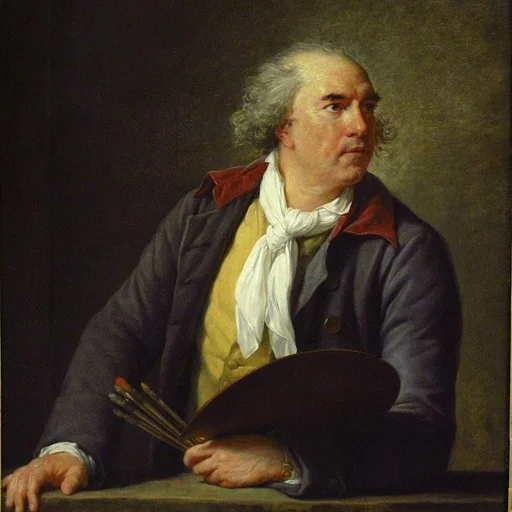
Hubert Robert (French pronunciation:; 22 May 1733 – 15 April 1808) was a French painter in the school of Romanticism, noted especially for his landscape paintings and capricci, or semi-fictitious picturesque depictions of ruins in Italy…

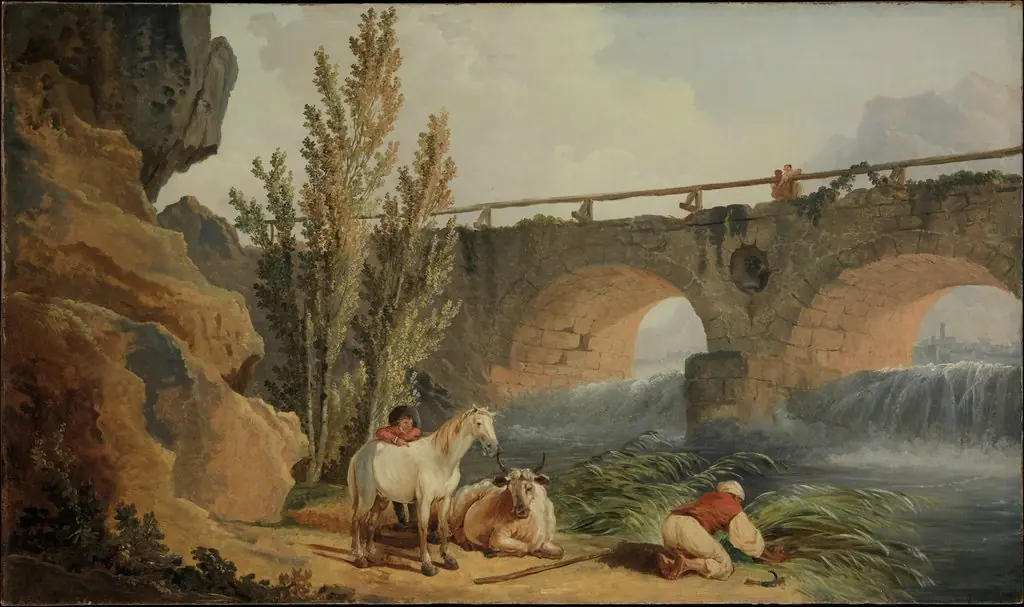
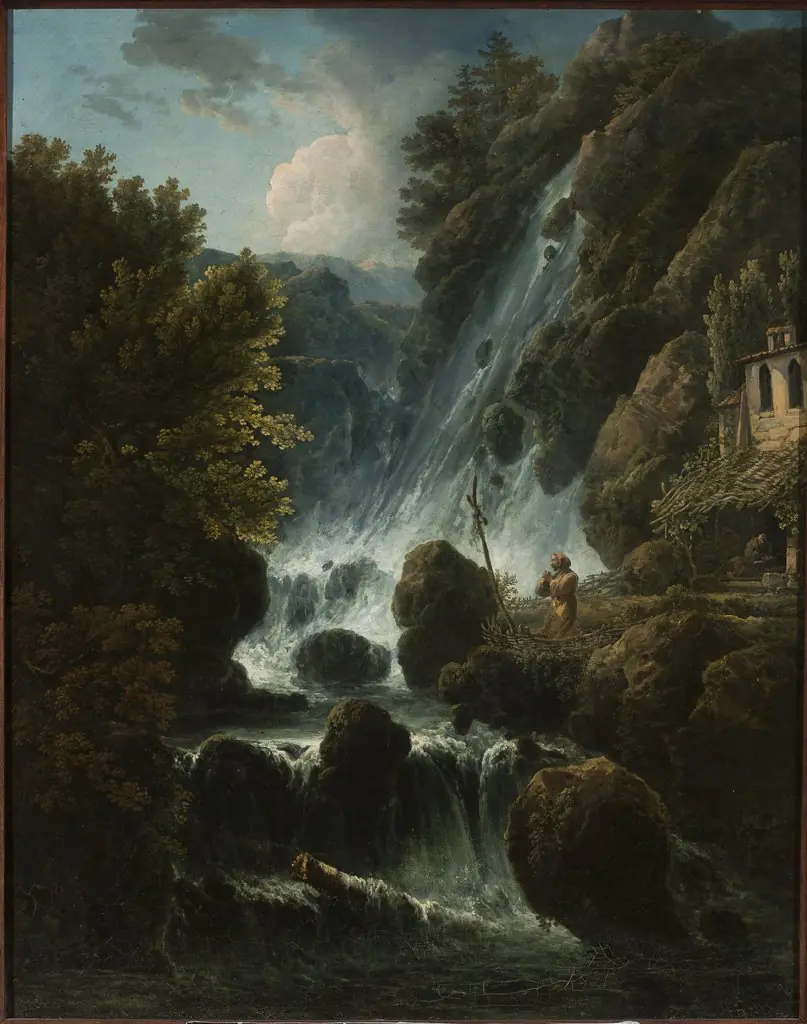
- Hermit praying at the waterfall
 The Waterfalls at Tivoli
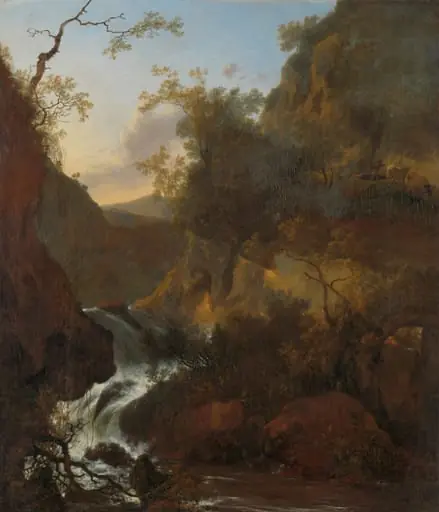 A waterfall
 The Waterfalls at Tivoli
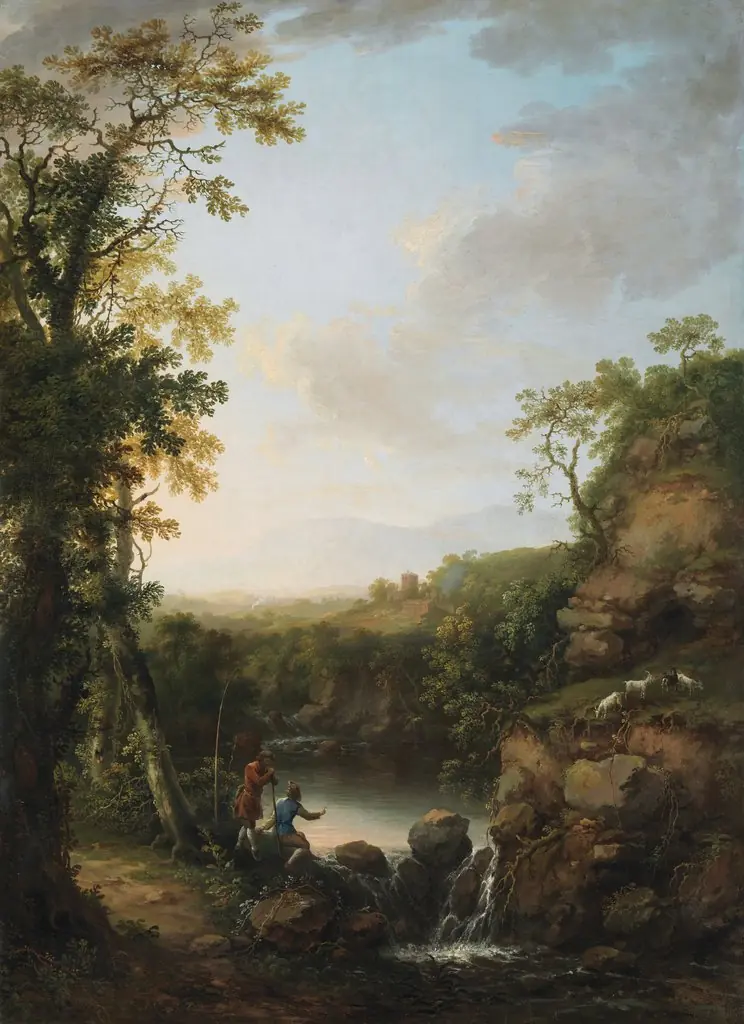 River Landscape with Fisherman
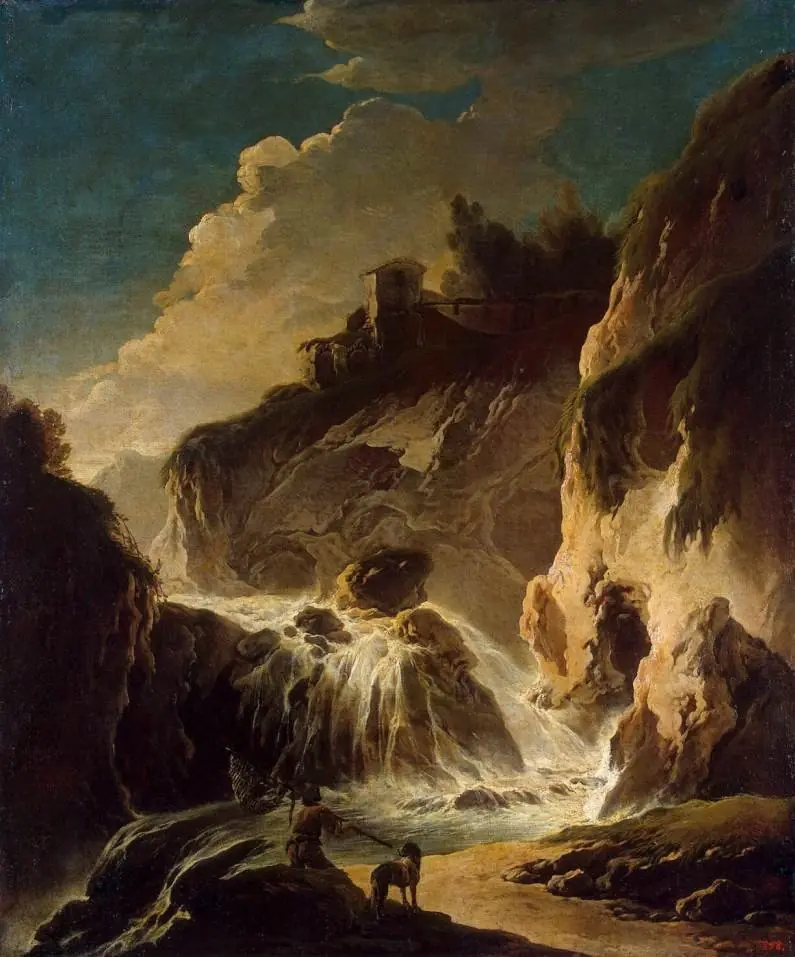 Landscape with a Waterfall
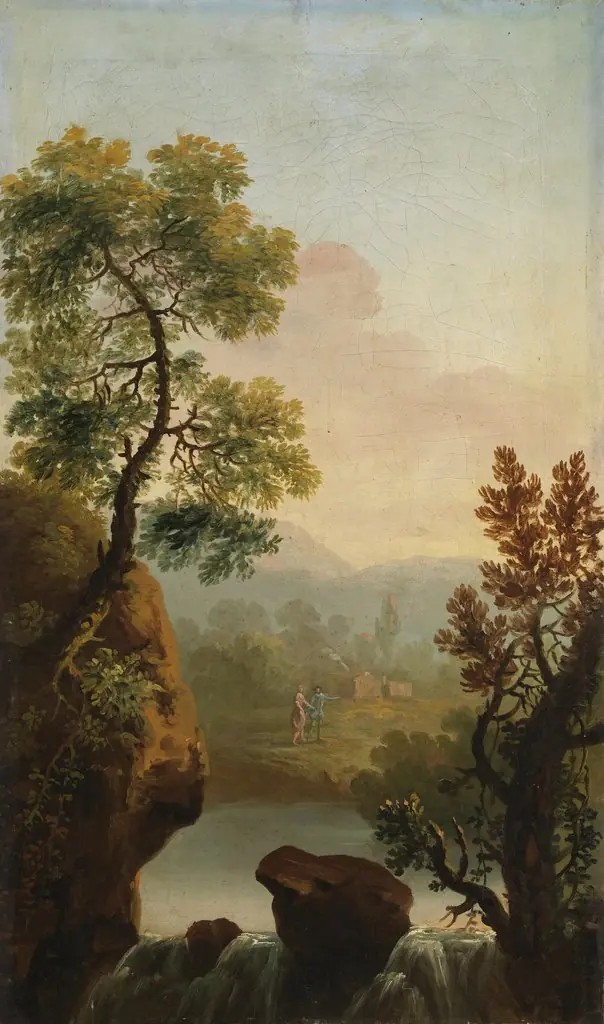 Landscape with Figures in the Background
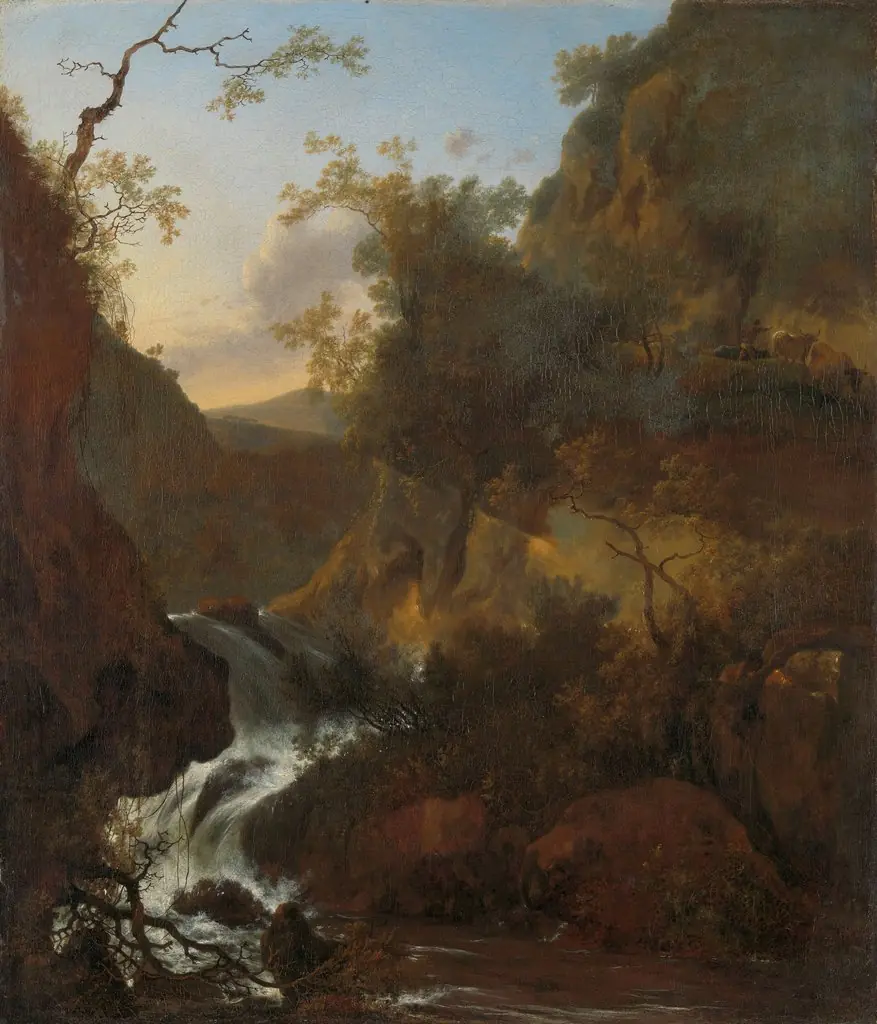 A waterfall
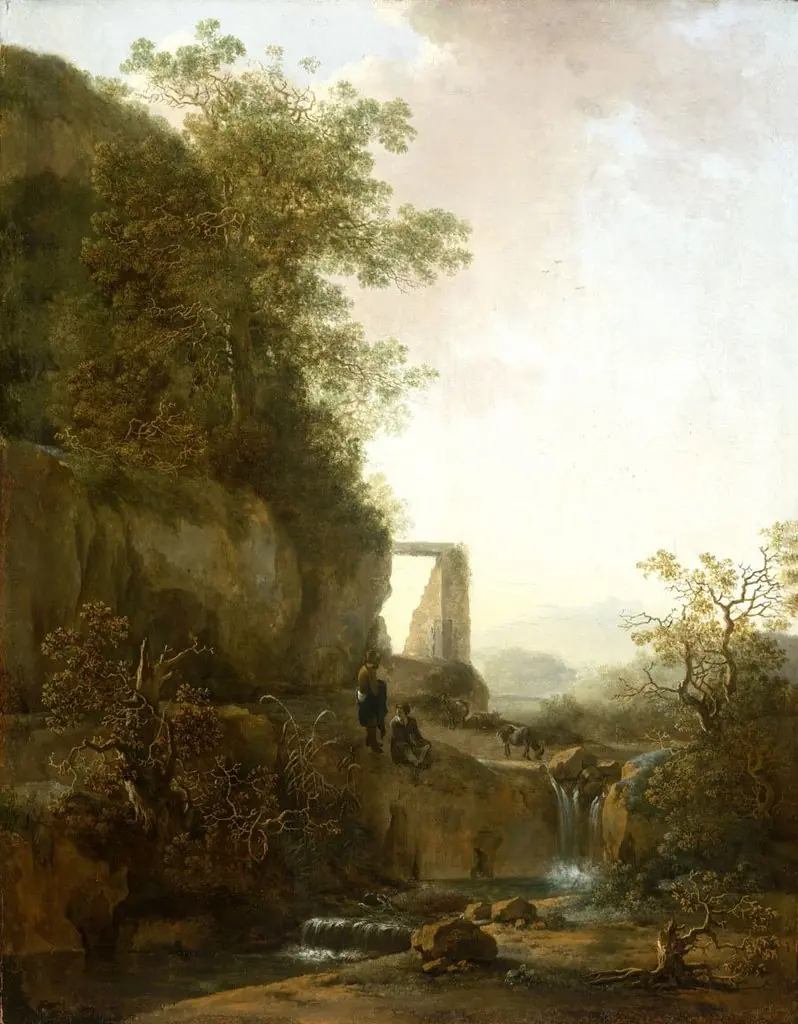 A Small Waterfall
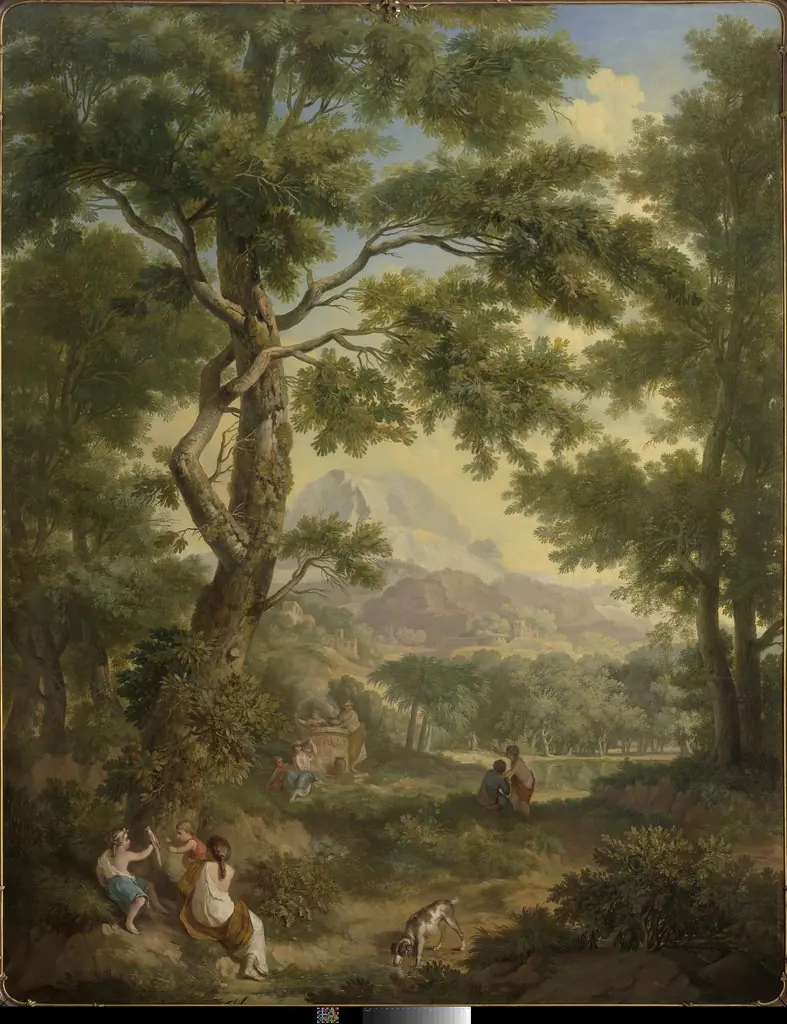 Arcadisch landschap met linksvoor kinderen met een vogel en een hond
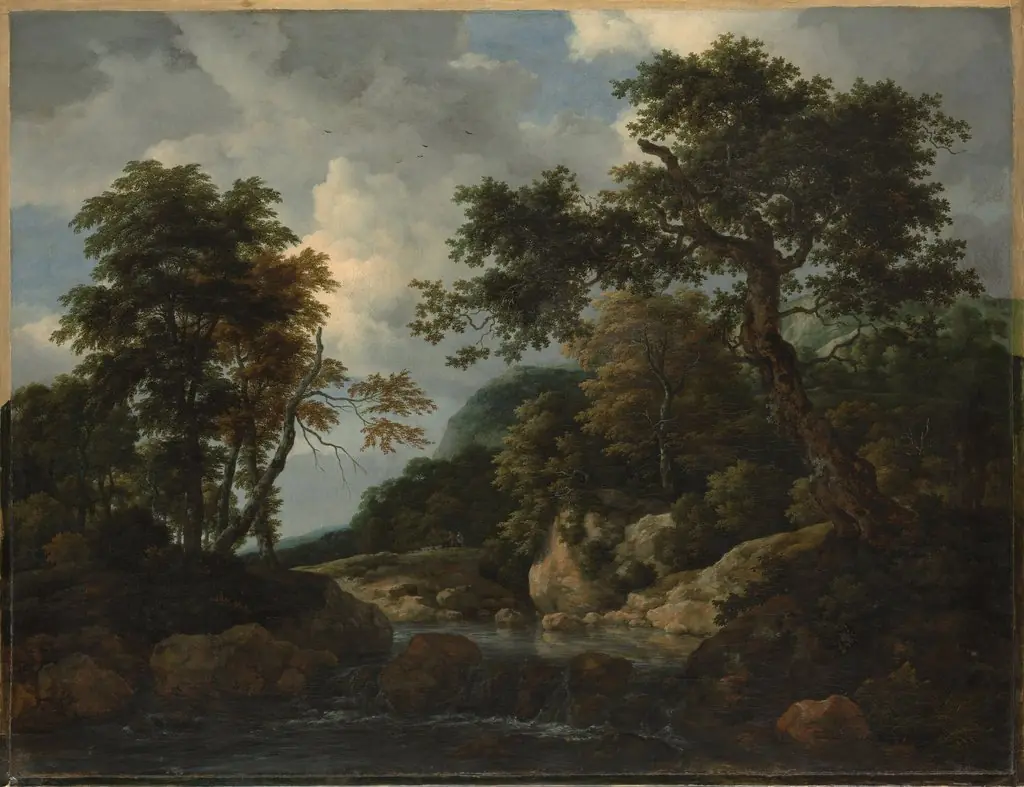 The Forest Stream
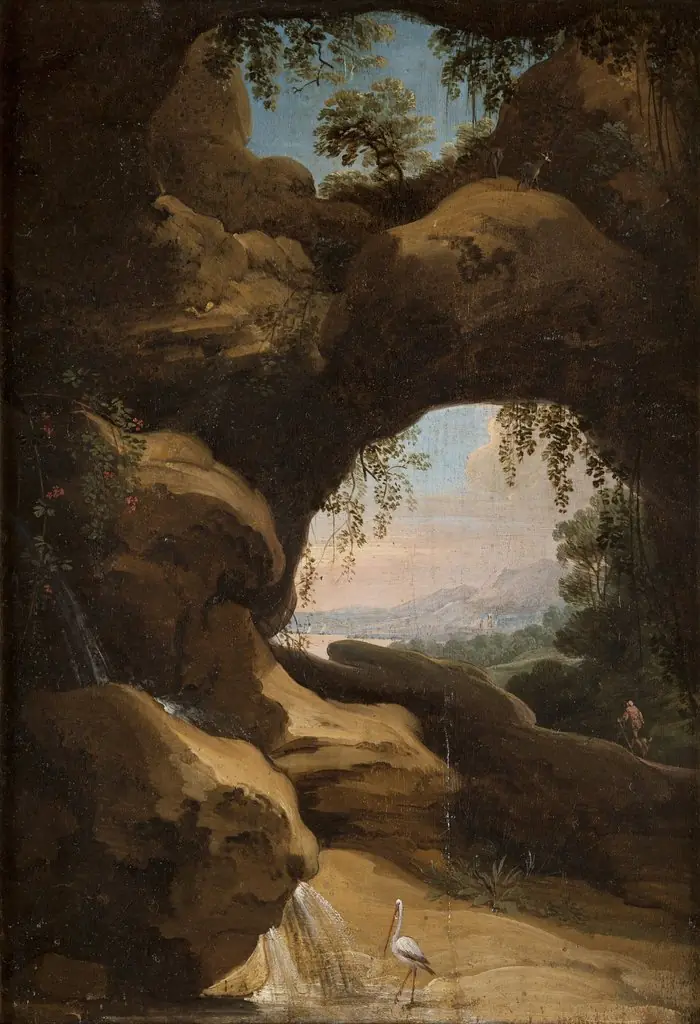 Italian Landscape with a view from a Grotto