Artwork
Alexandru Ipsilanti
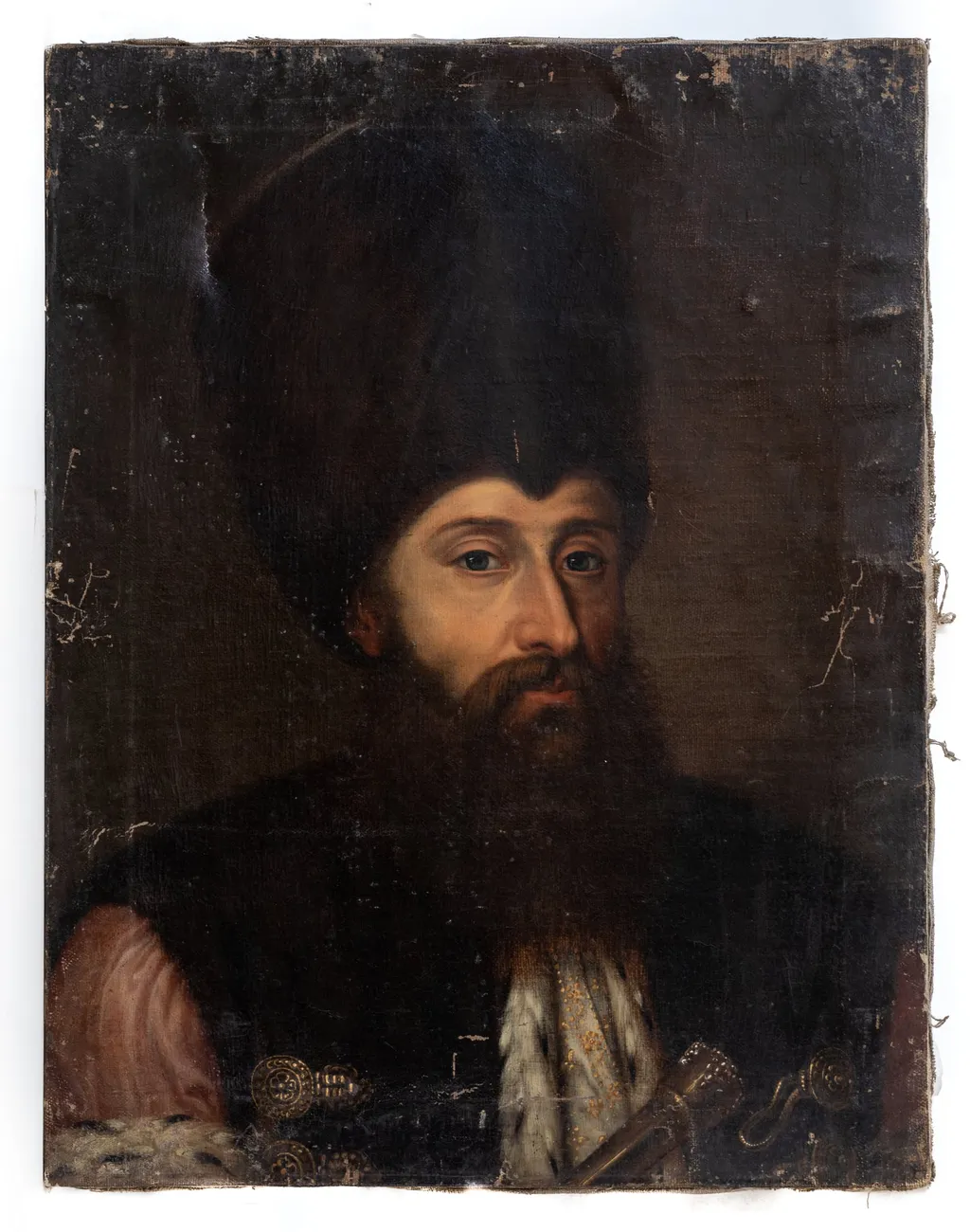
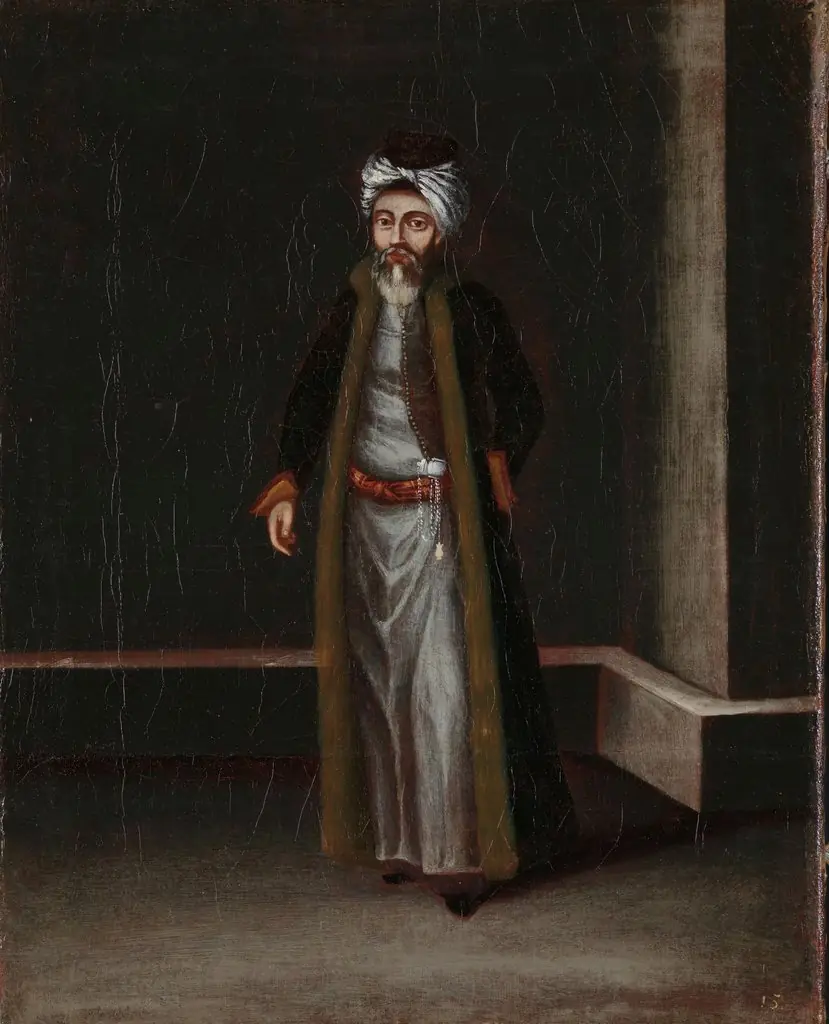
Alexandru Ipsilanti is an unspecified painting by Hugo Kołłątaj. It is held in the collection of the Moldova National Museum Complex.
About this work
Overview
Alexandru Ipsilanti is a portrait depicted in a traditional image format. The subject, a man with a dark beard and mustache, is prominently displayed against a dark background, with his face illuminated from above, creating a strong contrast.
Subject & Meaning
The portrait captures Alexandru Ipsilanti, likely a figure of significance given the formal attire, including a fur collar. His direct gaze and the curved staff in his right hand may symbolize authority or leadership, though the specific context or symbolism of the staff is not immediately clear from the image alone.
Technique & Style
The painting utilizes chiaroscuro, an artistic technique where strong contrasts between light and dark are used to create a sense of volume. The lighting, coming from above, highlights the subject's face, making it the focal point. The artwork shows signs of aging, including cracks and fading, particularly around the edges.
History & Provenance
Limited information is provided about the painting's history or provenance. The visible aging and stylistic elements suggest it could be from a period when chiaroscuro was commonly employed, but without specific details, precise dating or attribution to a particular artist or school cannot be made.
Context
The use of chiaroscuro places the painting within a broader tradition of European portraiture that emphasized dramatic lighting to convey depth and emotion. The subject's attire and the staff suggest a possible Eastern European or Byzantine influence, given the fur collar and the style of the staff.
Legacy
The legacy of Alexandru Ipsilanti as a portrait is not extensively detailed here. However, the techniques used, particularly the effective employment of chiaroscuro, contribute to the broader artistic heritage of using light and shadow to enhance portraiture.
Artist & collection
Artist
This Polish folk painter worked in the late eighteenth and early nineteenth centuries, creating religious scenes with bold colors and simple shapes.
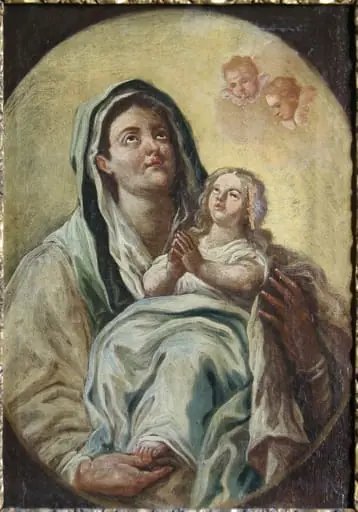 Fecioara Maria cu Pruncul Isus (în Reg. Inv.: Maria cu copilul Isus)
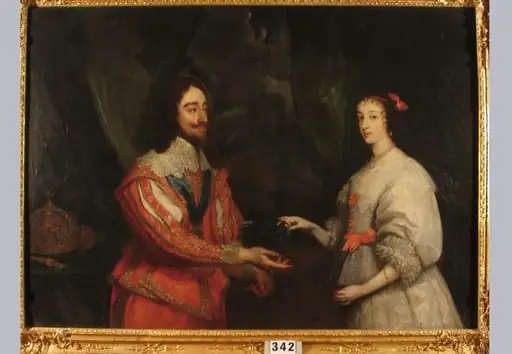 Regele Charles I Stuart al Angliei și soția sa Henrietta Maria de Franța (în Reg. Inv.: Carol I al Angliei și soția sa Henriette din Franța)
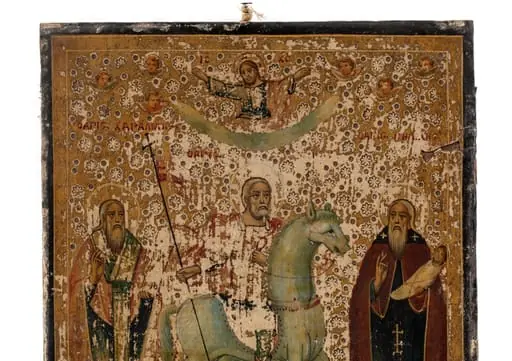 Sfântul Haralambie cu alți doi sfinți
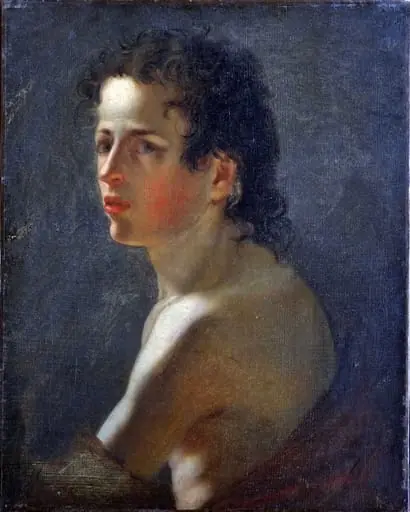 Portret de bărbat
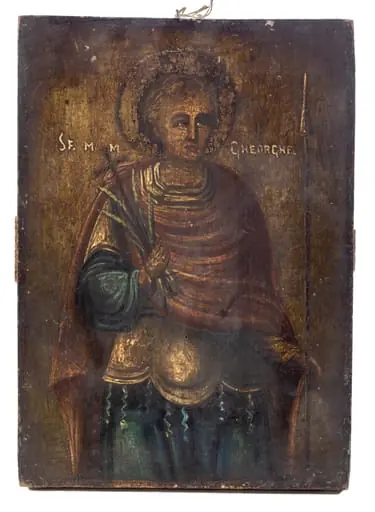 Sfântul Gheorghe
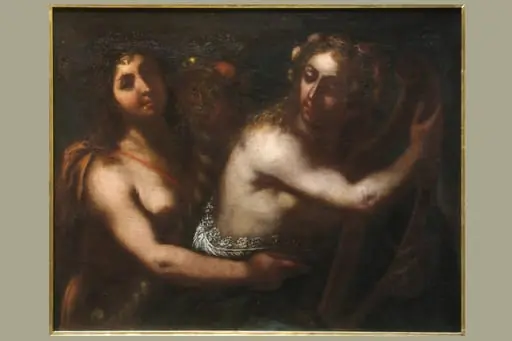 Vertumnus și Pomona (în Reg. Inv.: Vertumnus și Flora)
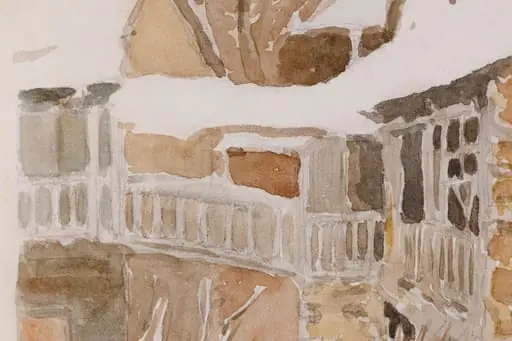 Iarnă
Iarnă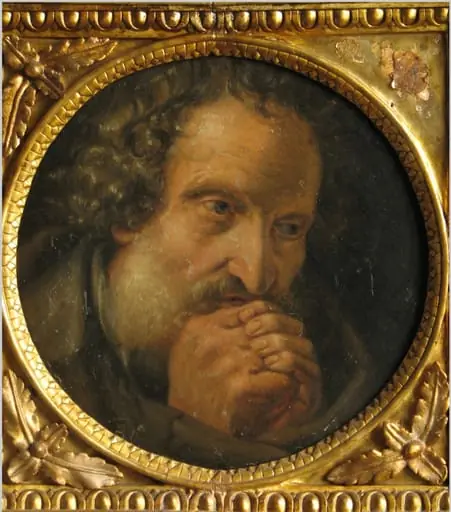 Sfântul Petru
- Portretul banului Dimitrie Ghica
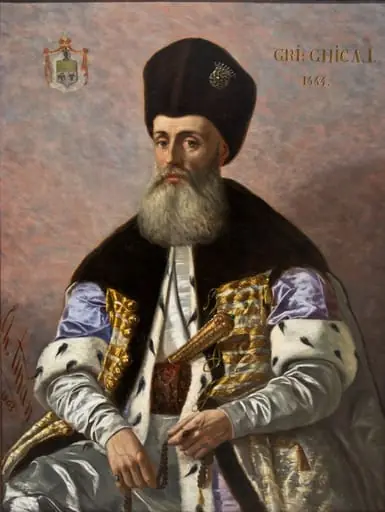 Grigore Ghica I
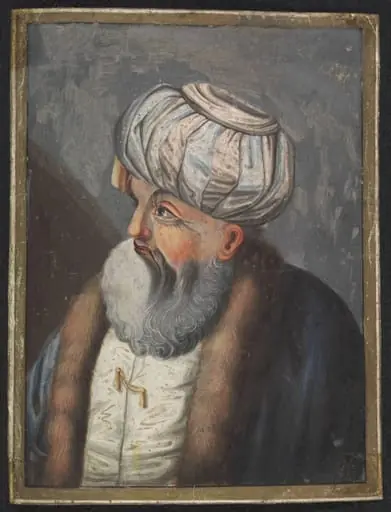 Portrait, head and shoulders, facing left, possibly of an Ottoman Pasha
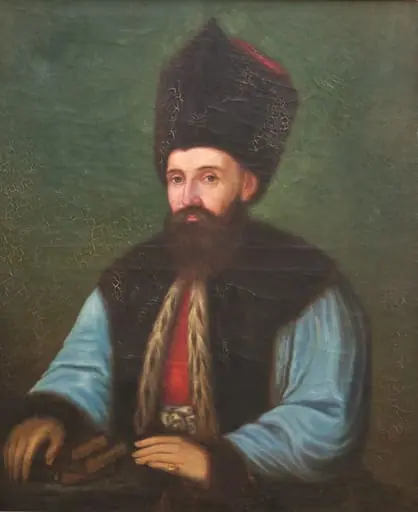 Portretul lui Grigore Brâncoveanu
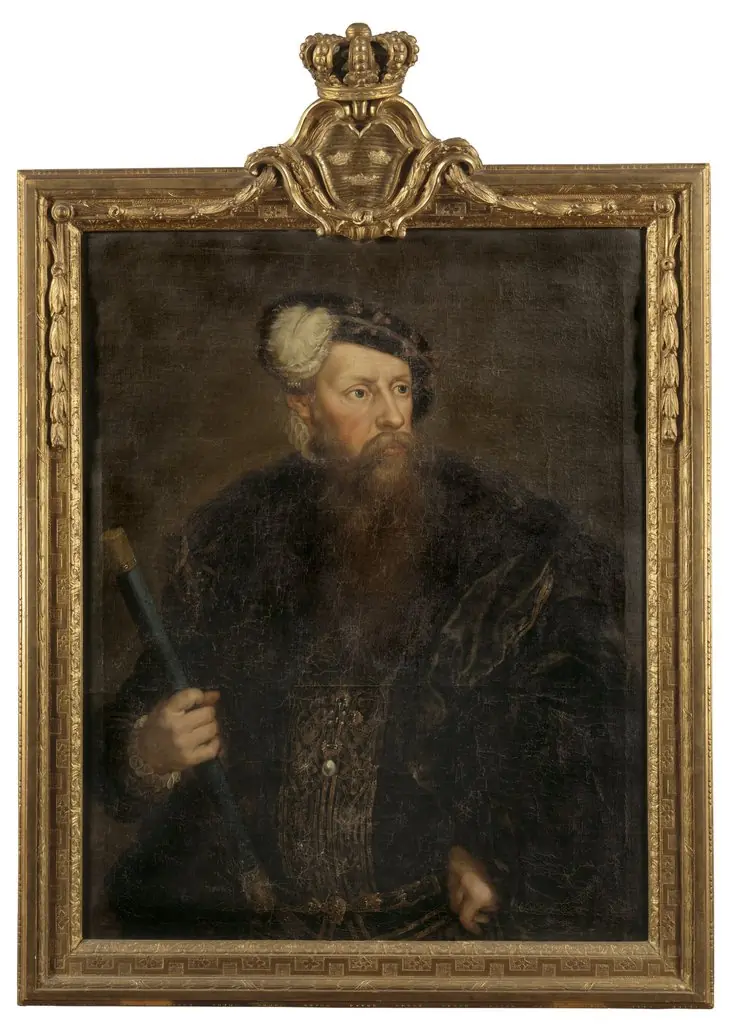 Gustav Vasa (1496-1560), kung av Sverige
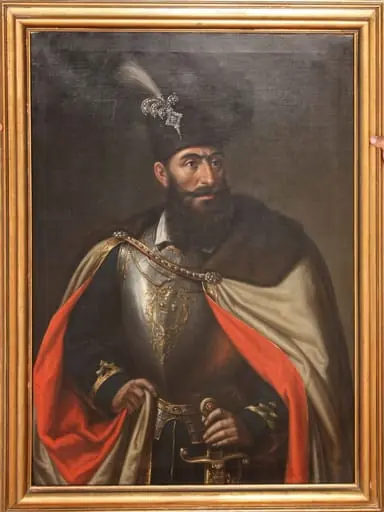 Mihai Viteazul
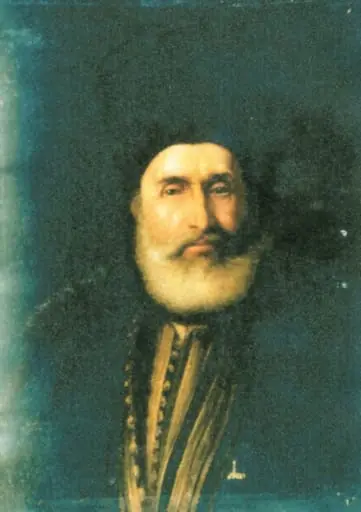 Marele Ban Năsturel Herescu
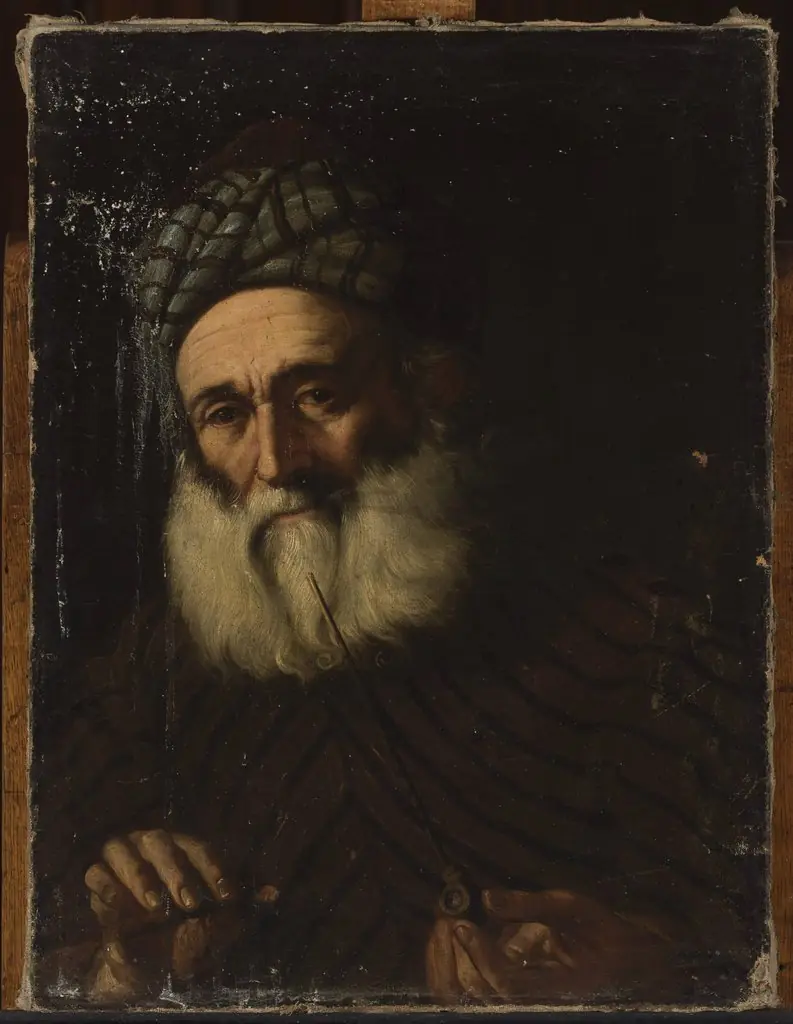 Study of a man smoking a pipe
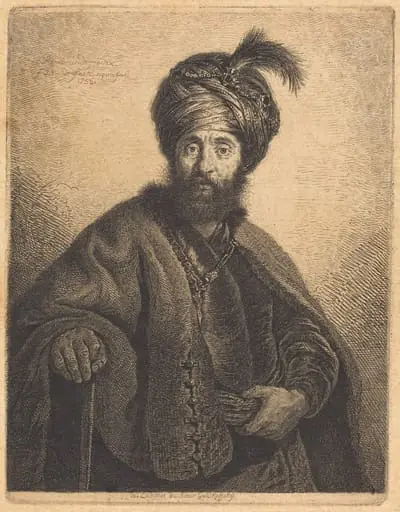 The Persian
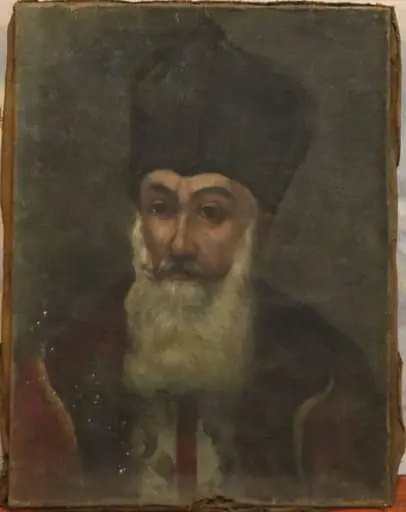 Ioan Vodă Caragea
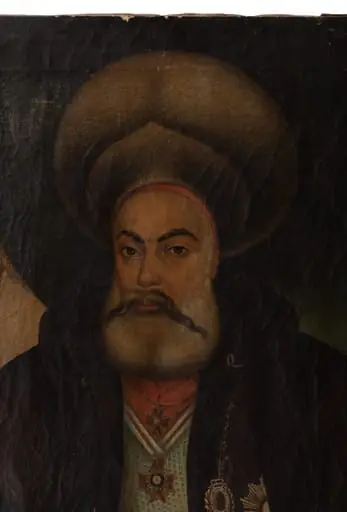 Logofătul Alecu Ghica
 A Jewish Money-Changer