Artwork
A Jewish Money-Changer
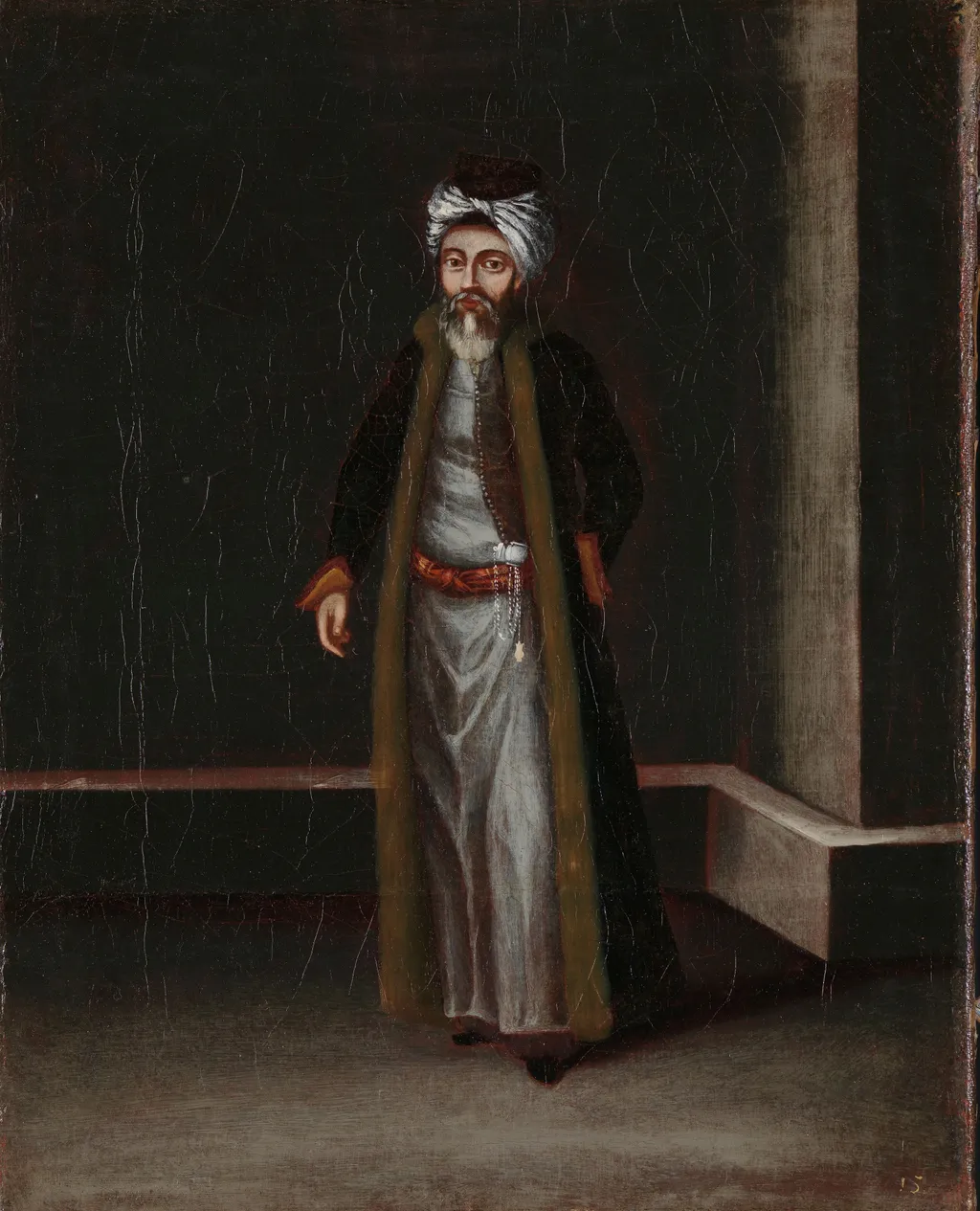
A Jewish Money-Changer is an oil painting by the Rococo painting artist Jean Baptiste Vanmour. It dates from 1718 and is held in the collection of the Rijksmuseum.
About this work
Subject & Meaning
As a portrait genre piece, the work captures the specific identity of a money changer within the context of 18th-century Levantine trade.
The painting depicts a money changer, a figure central to the work's title and visual subject. Created in Istanbul in 1718 by Jean Baptiste Vanmour, the portrait focuses on this individual engaged in financial exchange, reflecting the artist's documented interest in the commercial and cultural life of the Ottoman Empire. As a portrait genre piece, the work captures the specific identity of a money changer within the context of 18th-century Levantine trade.
The subject represents the intersection of commerce and daily life in the region during the period, serving as a historical record of the profession as observed by a European artist stationed in the city.
Technique & Style
Executed in 1718, this portrait is an oil painting on canvas. The work measures 39.5 cm in height and 30.5 cm in width. Created in Istanbul, the piece depicts a money changer, reflecting the artist's focus on Levantine subjects during his residence in the Ottoman Empire.
The composition adheres to the conventions of portraiture from the early eighteenth century, utilizing oil paint to render the figure and attire.
History & Provenance
Jean Baptiste Vanmour executed this oil painting on canvas in Istanbul in 1718. The work depicts a money changer and was created for or owned by the Calkoen family, specifically Cornelis Calkoen and Nicolaas Calkoen.
Over time, the painting entered several Dutch institutional collections. It was held by the Directie van de Levantse handel en de Navigatie op de Middellandse Zee, the Koninklijk Kabinet van Zeldzaamheden, and the Nederlandsch Museum voor Geschiedenis en Kunst before becoming part of the Rijksmuseum's holdings.
A Jewish Money-Changer is an oil portrait painted in 1718 by Jean Baptiste Vanmour. The work measures 39.5 cm by 30.5 cm and was created in Istanbul while depicting a money changer. It entered the collection of Cornelis Calkoen and Nicolaas Calkoen before being acquired by the Rijksmuseum, where it is now held under inventory number SK-A-1234.
The painting was first exhibited publicly in 1925 as part of the Rijksmuseum’s Dutch Golden Age showcase and later featured in the 1975 exhibition "Dutch Artists in the Ottoman Empire".
Overview
Jean Baptiste Van Mour, a Flemish‑French painter active in the early eighteenth century, completed the oil‑on‑canvas work A Jewish Money‑Changer in 1718. The painting is part of the Rijksmuseum’s collection and exemplifies the decorative yet restrained aesthetic associated with the Rococo period.
Own this work as a print
Artist & collection
Artist
Jean Baptiste Vanmour or Van Mour (9 January 1671 – 22 January 1737) was a Flemish-French painter, remembered for his detailed portrayal of life in the Ottoman Empire during the Tulip Era and the rule of Sultan Ahmed III.

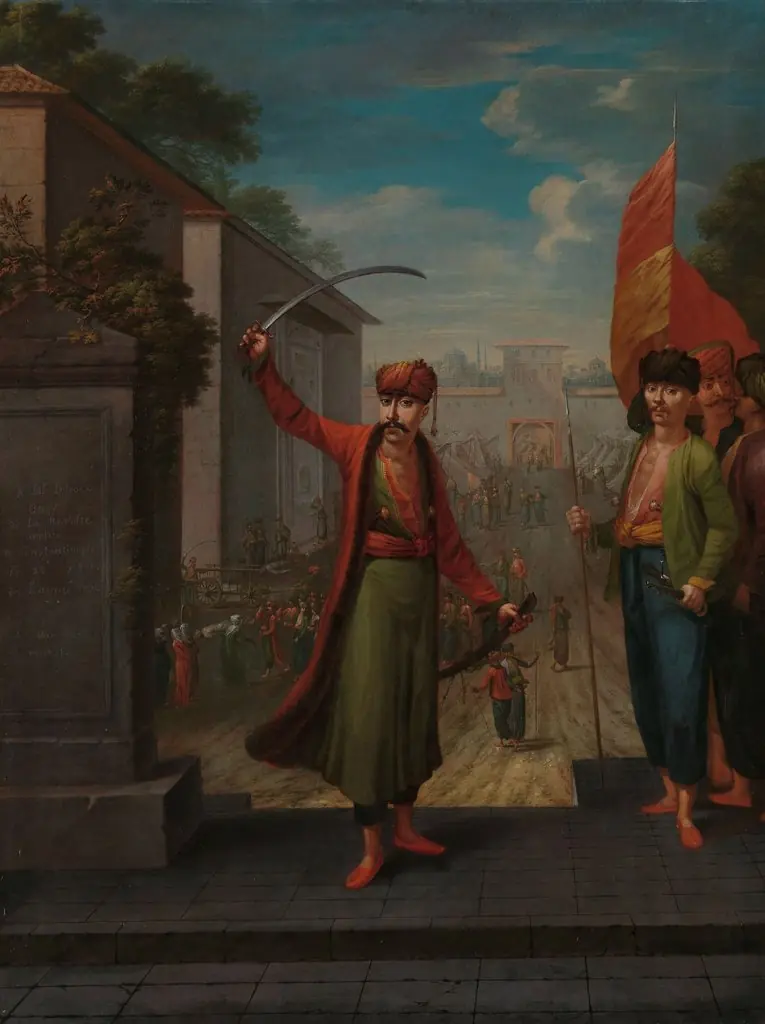 Patrona Halil
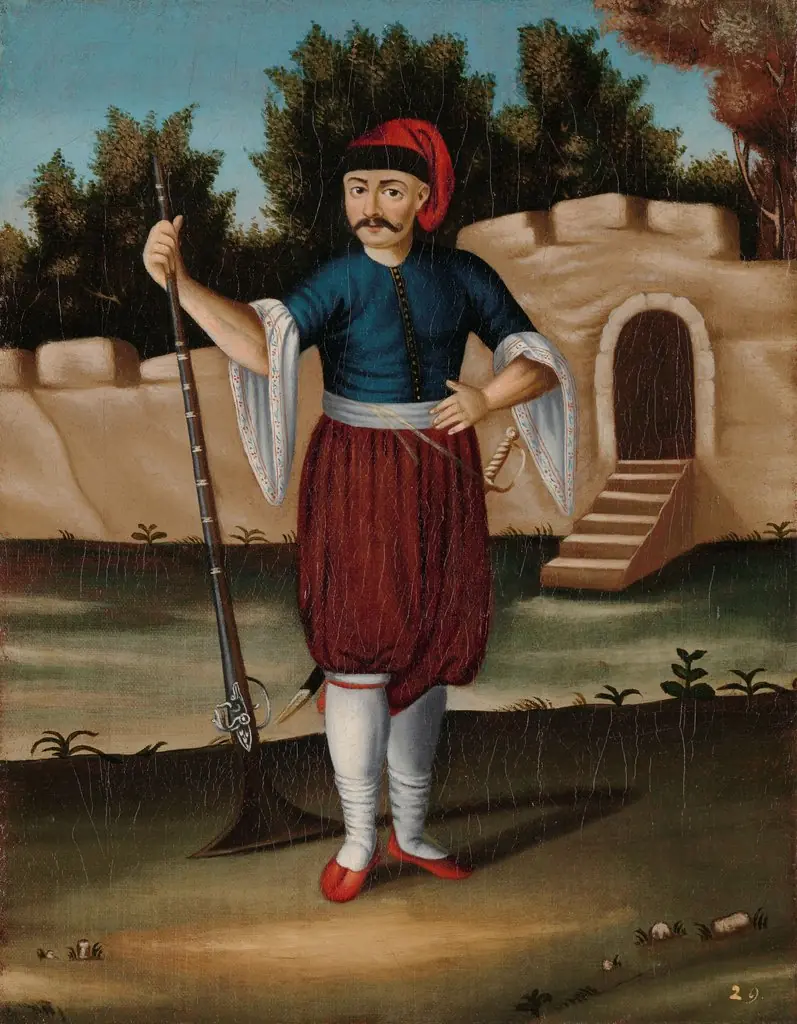 Man from the Albanian Coast
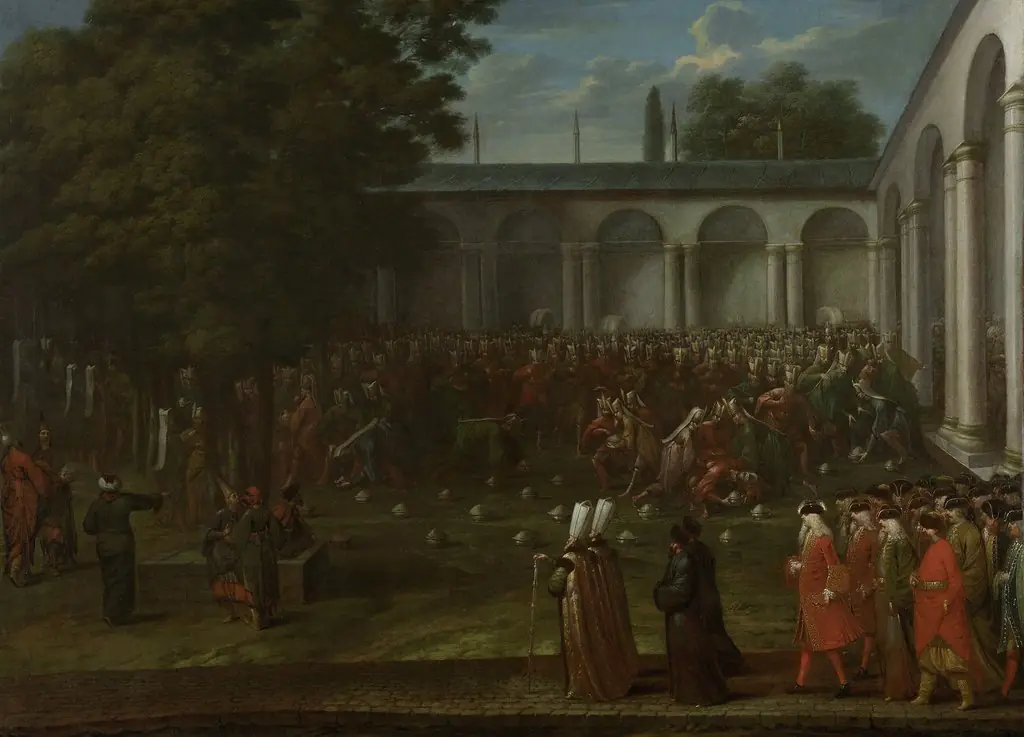 Cornelis Calkoen on his Way to his Audience with Sultan Ahmed III
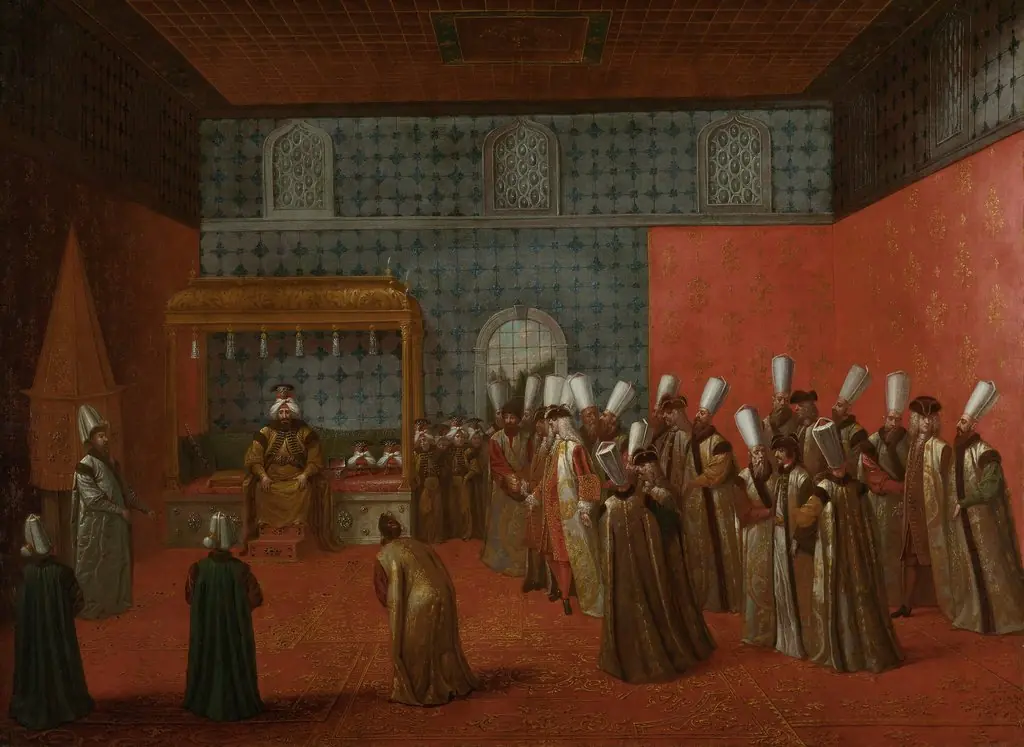 Ambassador Cornelis Calkoen at his Audience with Sultan Ahmed III
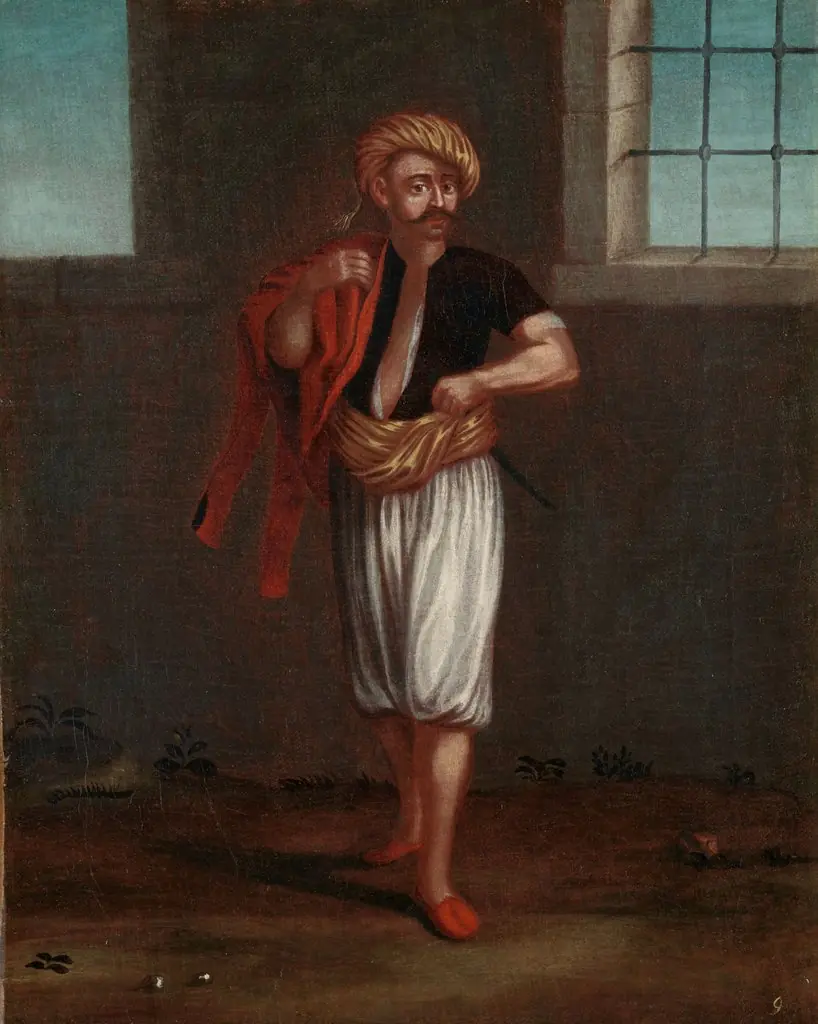 An Albanian Sailor
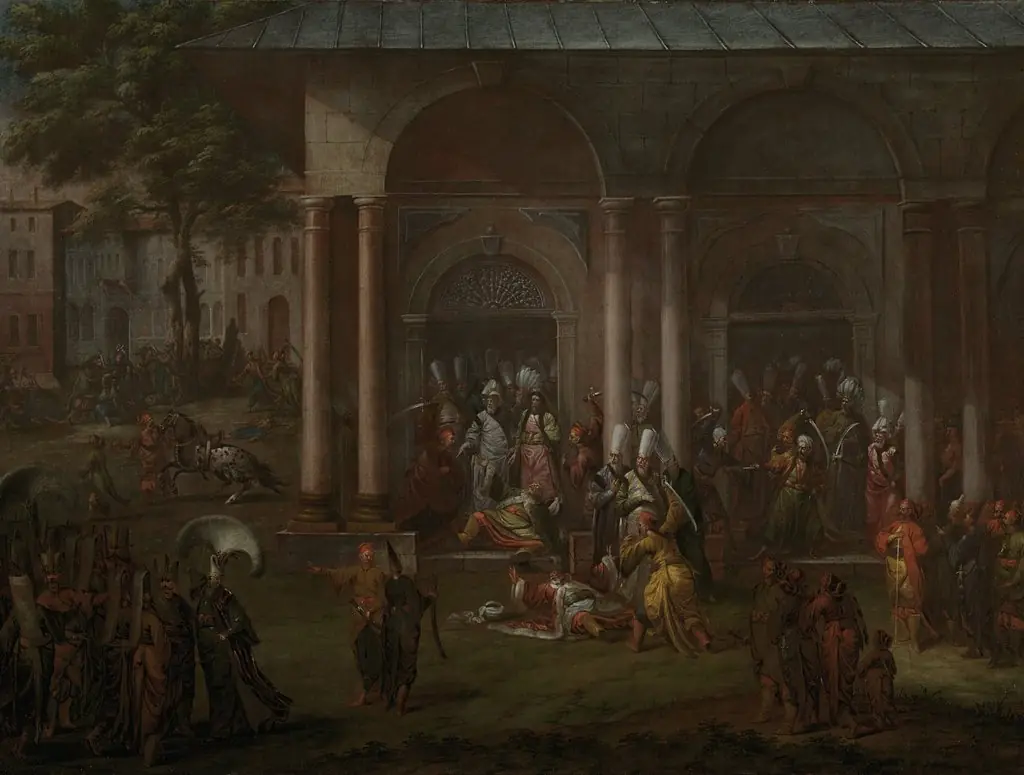 The Murder of Patrona Halil and his Fellow Rebels
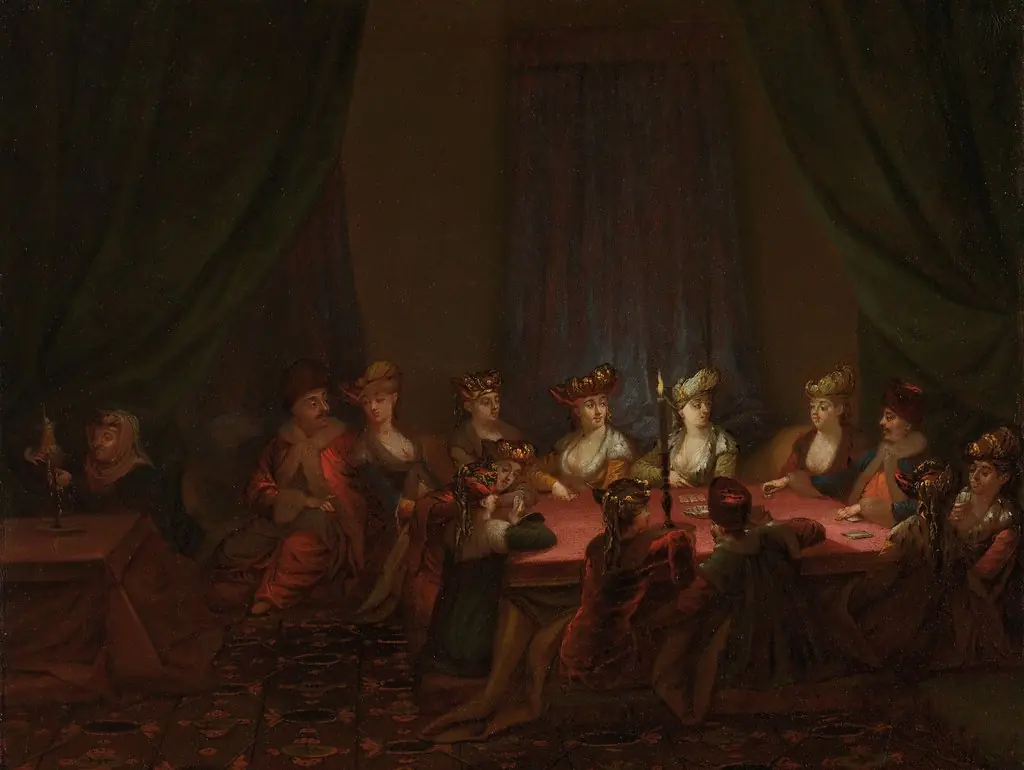 Party of Armenians Playing Cards
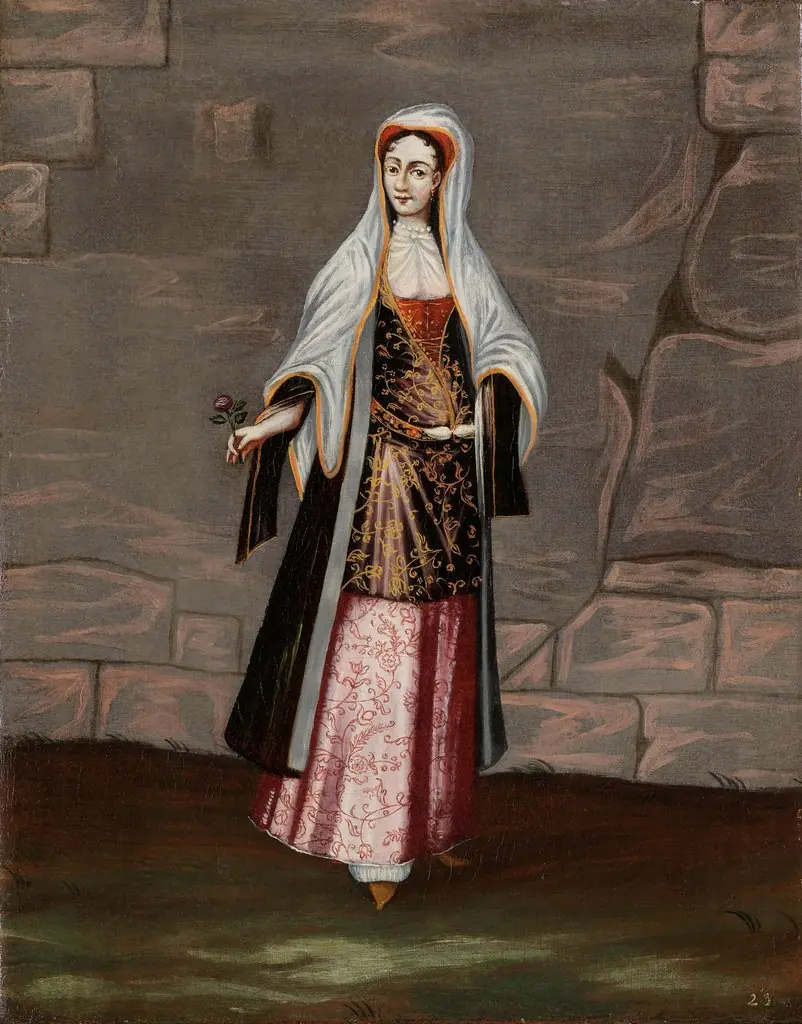 Woman from the Island of Mykonos
- The Janissary Aga, Commander-in-Chief of the Janissaries
 The Janissary Aga, Commander-in-Chief of the Janissaries
 Portrait, head and shoulders, facing left, possibly of an Ottoman Pasha
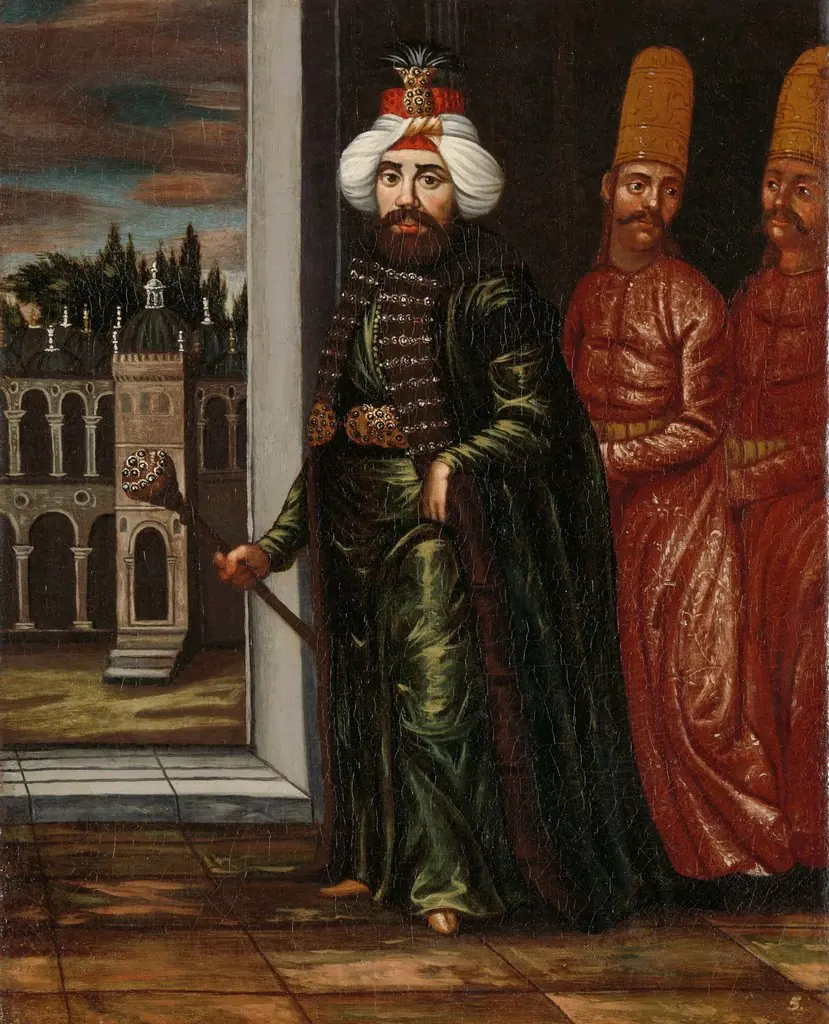 Portrait of Sultan Ahmed III
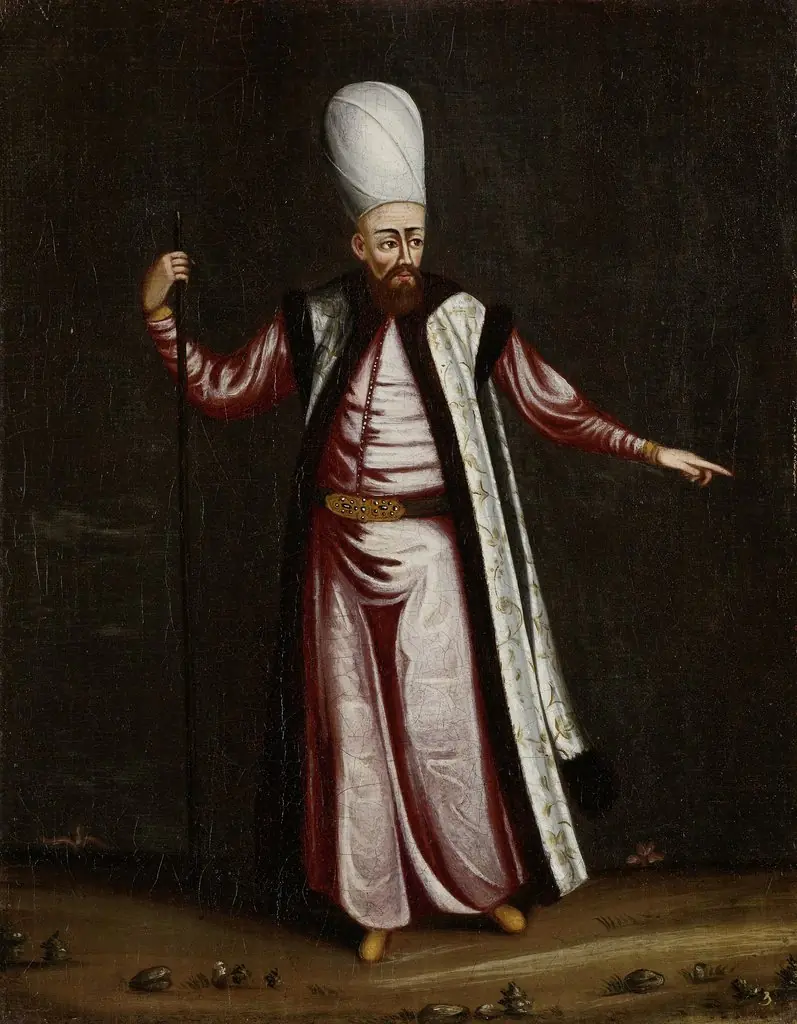 The Capoudgi Bachi, Grand-master of the Seraglio
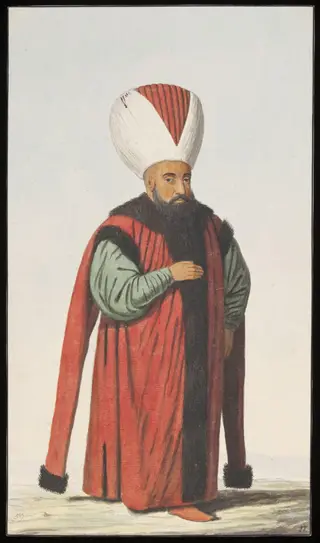 Reis Efendi or Minister
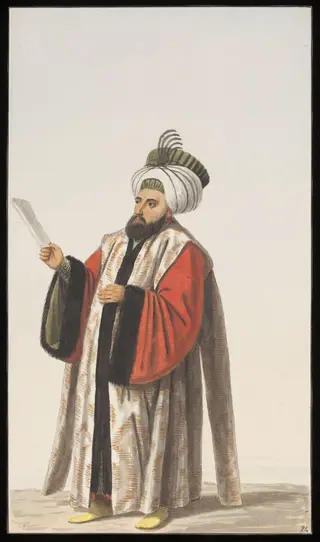 Amedcibey, or Receiver General of provincial correspondence addressed to the Grand Vizier
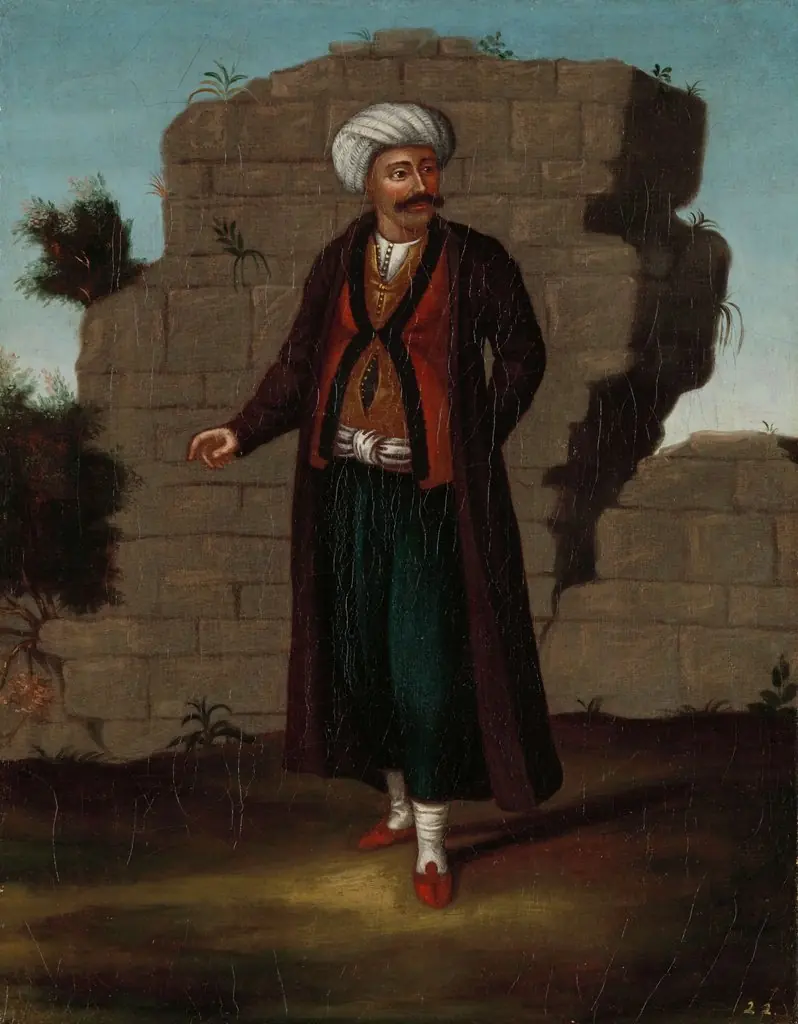 Man from the Island of Mykonos
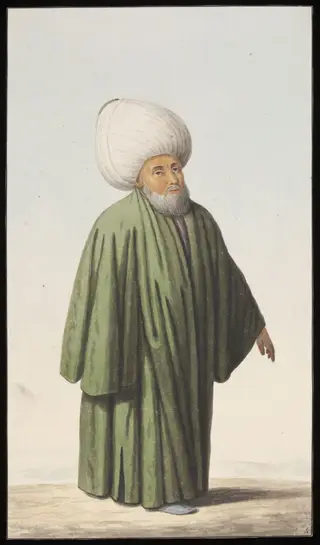 An Ottoman cleric, possibly the Nakibulesraf, or the representative at Istanbul of the Sherif of Mecca
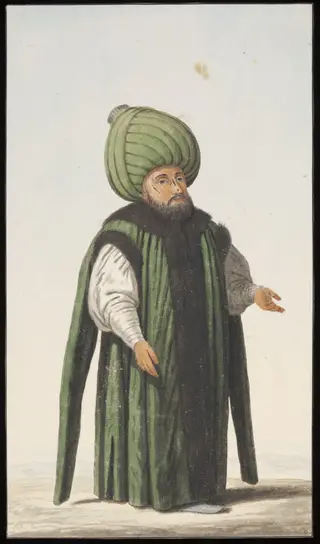 A senior Ottoman official
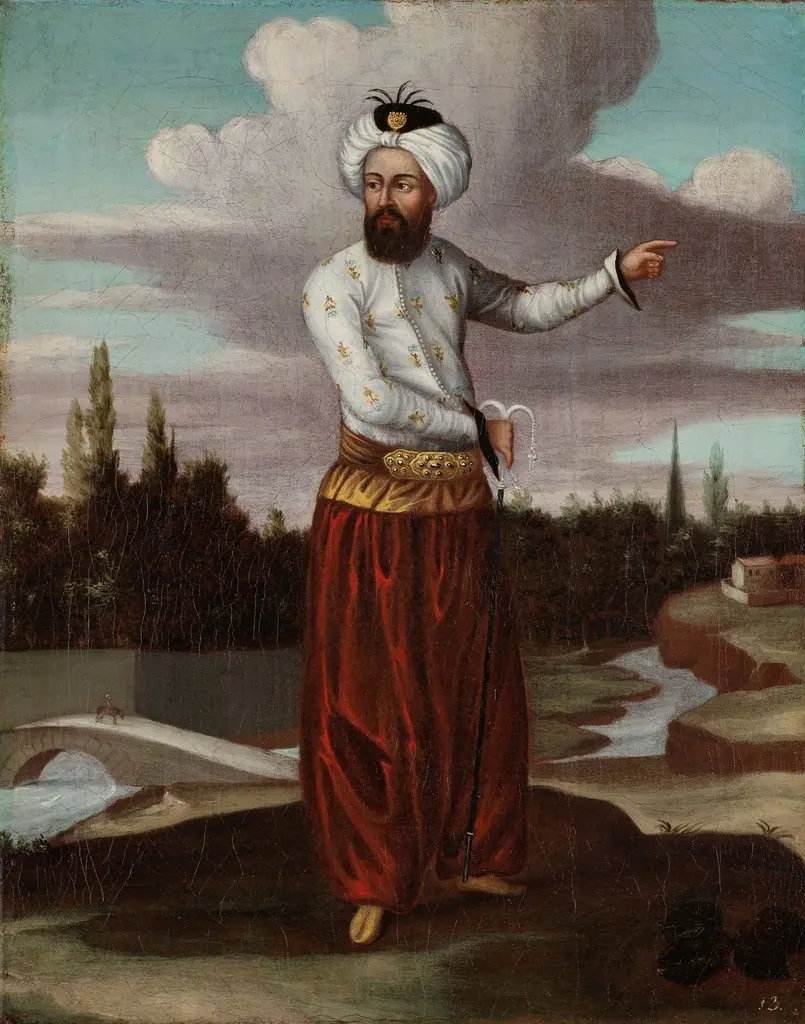 A Chaous, a Courier to the Sultan