Artwork
Fecioara Maria cu Pruncul Isus (în Reg. Inv.: Maria cu copilul Isus)
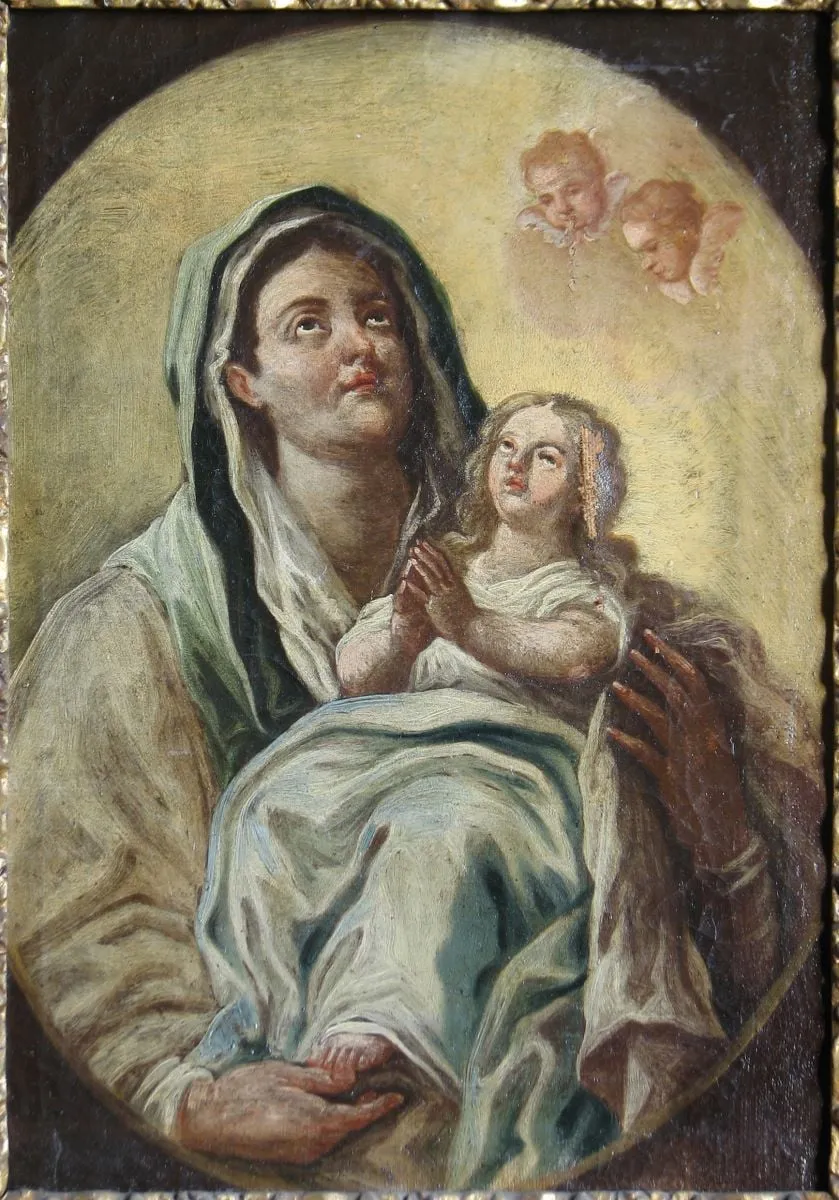
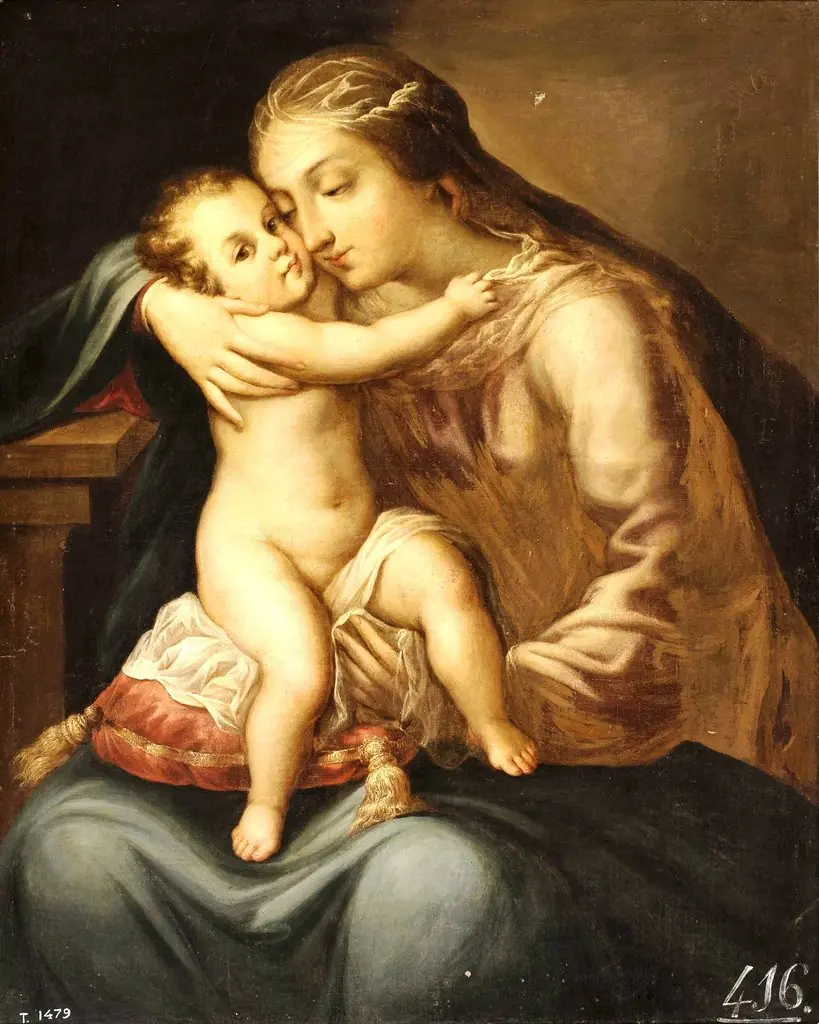
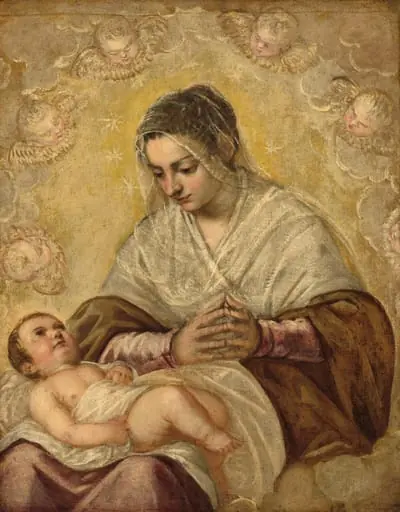
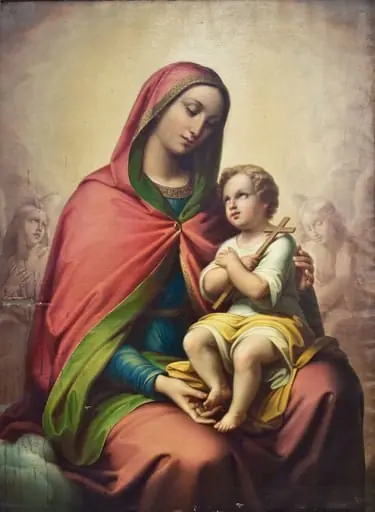
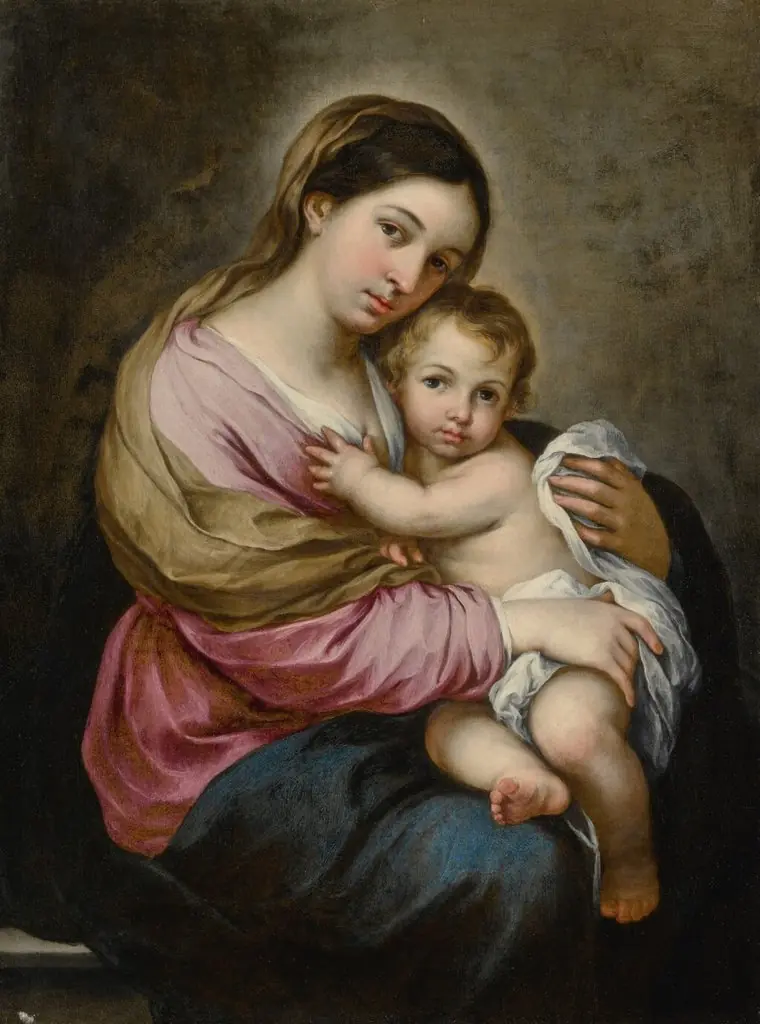
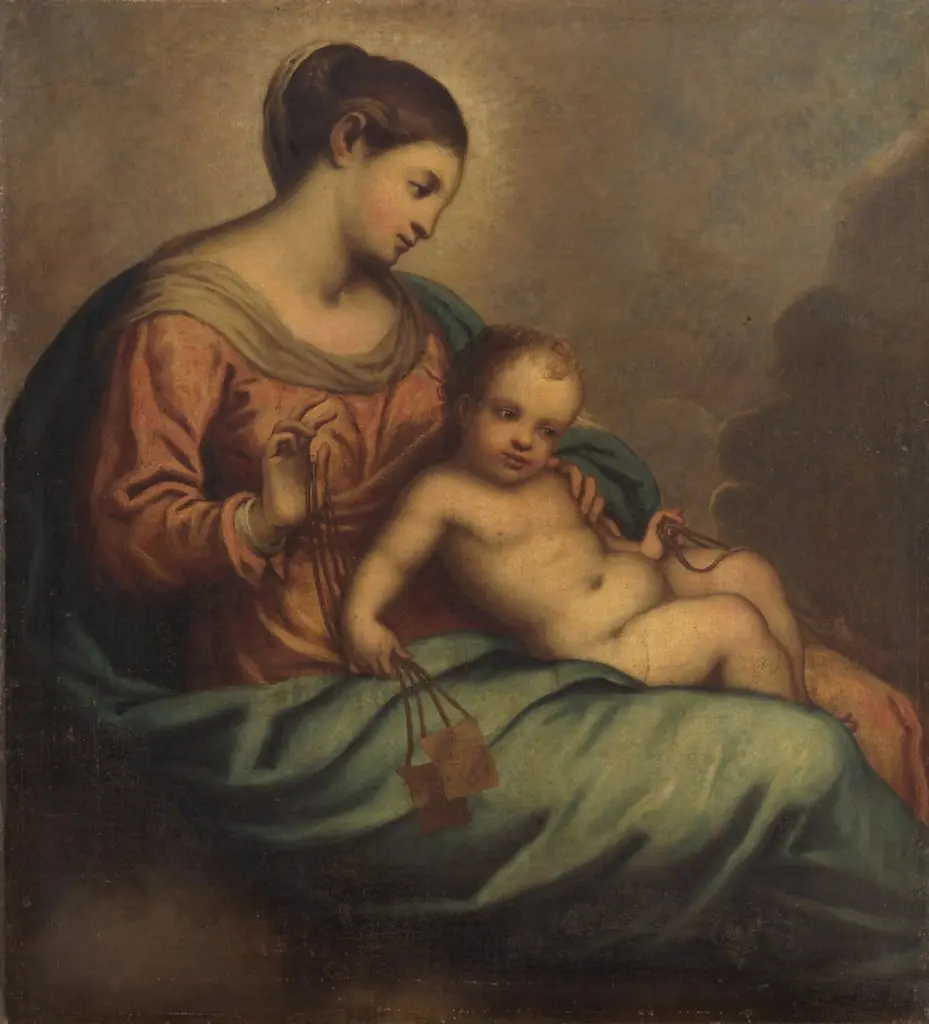
Fecioara Maria cu Pruncul Isus (în Reg. Inv.: Maria cu copilul Isus) is an unspecified painting by the Baroque artist Hugo Kołłątaj. It is held in the collection of the Brukenthal National Museum. This devotional image portrays a seated woman, traditionally identified as the Virgin Mary, holding an infant who is likely Jesus.
About this work
Overview
Their gestures and expressions convey a mood of tender contemplation, characteristic of religious icons intended for private prayer.
This devotional image portrays a seated woman, traditionally identified as the Virgin Mary, holding an infant who is likely Jesus. Rendered in warm tones against a soft yellow background, the composition emphasizes stillness and quiet reverence. The figures are dressed in simple white garments, with the mother wearing a green headscarf.
Their gestures and expressions convey a mood of tender contemplation, characteristic of religious icons intended for private prayer.
Subject & Meaning
The scene presents a conventional Byzantine-inspired motif of the Virgin and Child, emphasizing maternal tenderness and spiritual devotion. Mary’s upward gaze suggests intercession or contemplation of the divine, while the infant’s clasped hands indicate early piety. The imagery avoids dramatic narrative, instead focusing on quiet intimacy to evoke personal reverence. The subject served as a focus for meditation, reinforcing the sacredness of motherhood within Christian devotion.
Technique & Style
The painting employs gentle, smooth brushwork and a limited palette dominated by warm yellows, white, and muted green. Forms are softly modeled with minimal shadow, enhancing the flat, timeless quality typical of folk or regional iconography. The lack of perspective and stylized proportions reflect a devotional rather than naturalistic approach, prioritizing spiritual presence over anatomical accuracy.
History & Provenance
The work is cataloged under the registry number Maria cu copilul Isus, suggesting its origin in a Romanian Orthodox context, likely from the 18th or 19th century. It may have been produced by a local artisan for domestic or chapel use, common in rural communities where formal ecclesiastical art was scarce. Its survival indicates continued veneration, though its exact provenance remains undocumented.
Context
Within Romanian religious culture, such images were central to household worship, often displayed in prayer corners or near family altars. The style aligns with regional icon traditions that blended Byzantine conventions with local aesthetics, avoiding Western Renaissance influences. These works were not merely decorative but functional, serving as conduits for daily prayer and spiritual connection.
Legacy
Though not attributed to a known artist, the painting contributes to a broader corpus of vernacular religious art that sustained faith in communities with limited access to formal church art. Its preservation offers insight into how devotional practices were adapted locally, preserving theological themes through accessible, intimate visual language rather than grand ecclesiastical commissions.
Artist & collection
Artist
This Polish folk painter worked in the late eighteenth and early nineteenth centuries, creating religious scenes with bold colors and simple shapes.

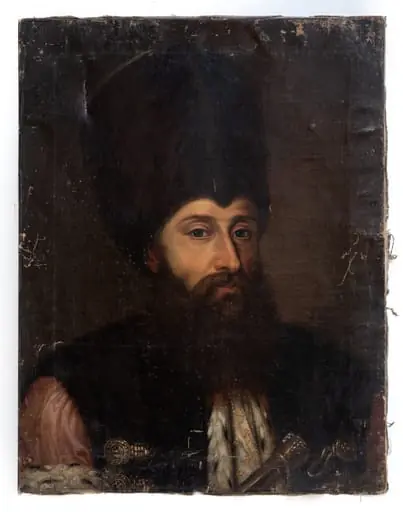 Alexandru Ipsilanti
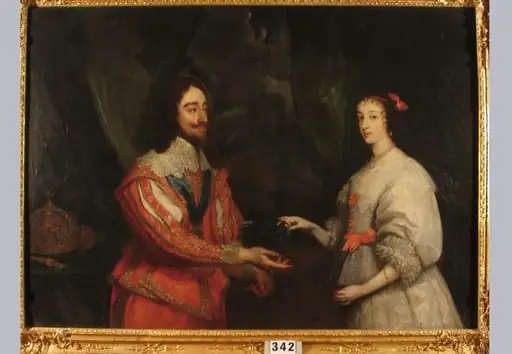 Regele Charles I Stuart al Angliei și soția sa Henrietta Maria de Franța (în Reg. Inv.: Carol I al Angliei și soția sa Henriette din Franța)
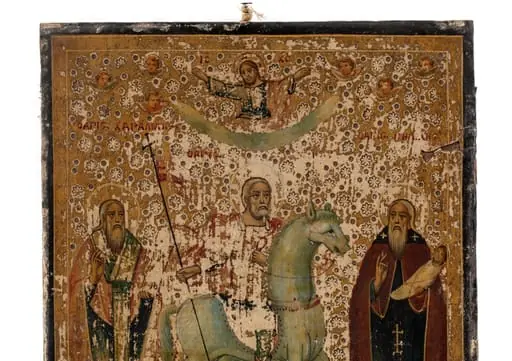 Sfântul Haralambie cu alți doi sfinți
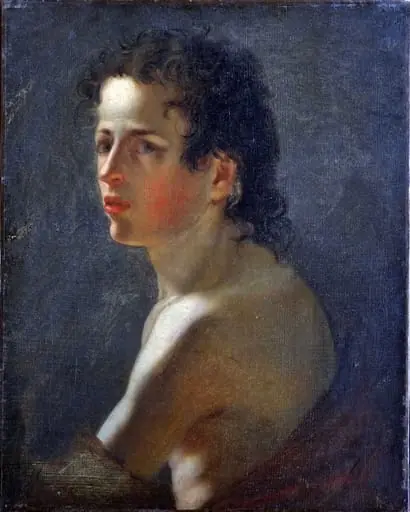 Portret de bărbat
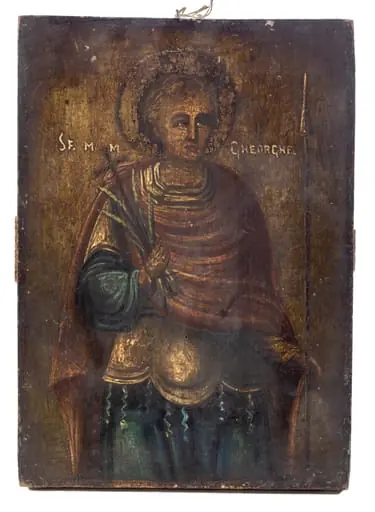 Sfântul Gheorghe
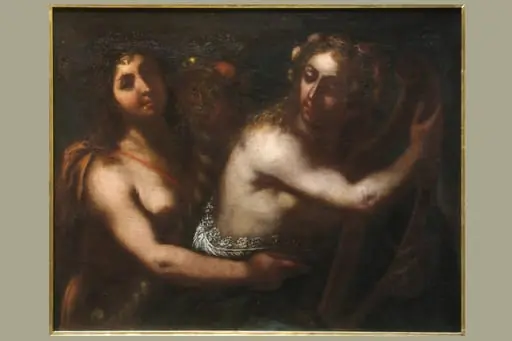 Vertumnus și Pomona (în Reg. Inv.: Vertumnus și Flora)
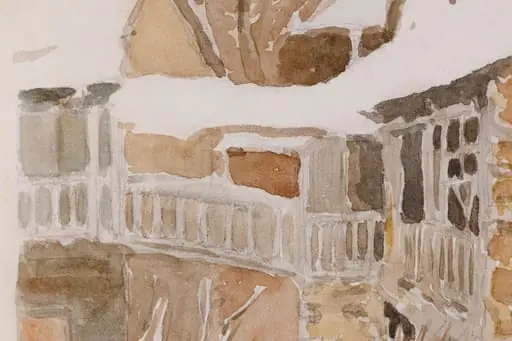 Iarnă
Iarnă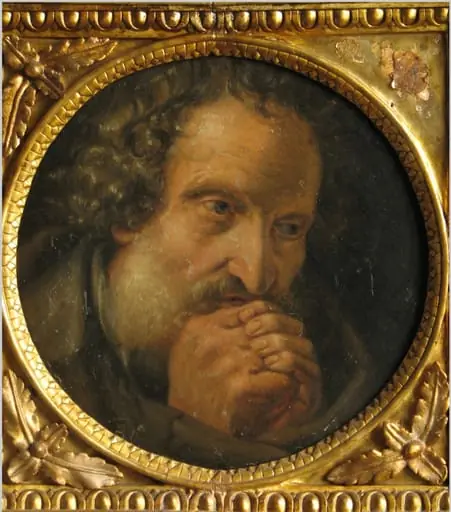 Sfântul Petru