Artwork
Philibert Orry (1689-1747)
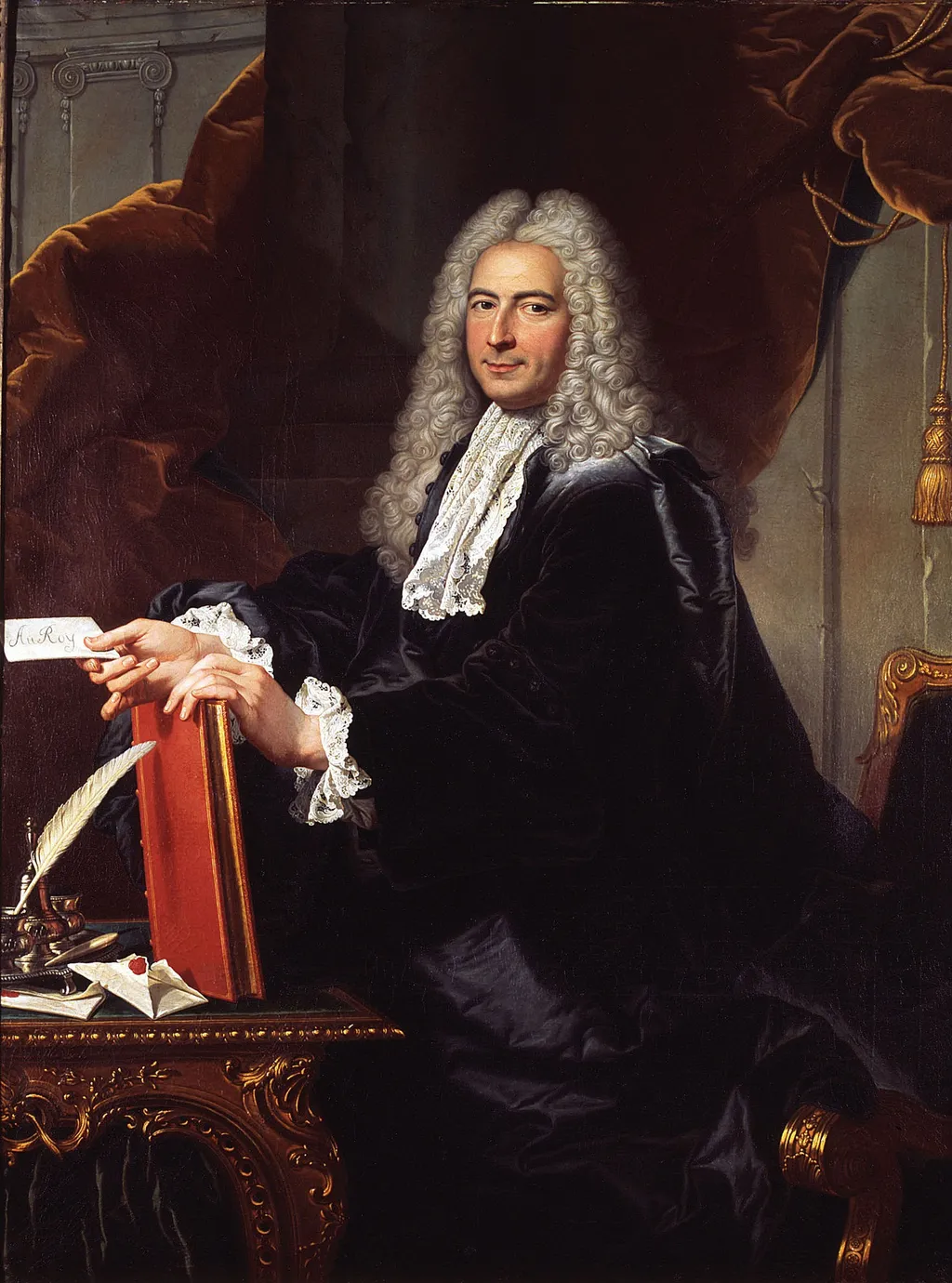
Philibert Orry (1689-1747) is an oil painting by the Rococo painting artist Rigaud Hyacinthe. It dates from 1738 and is held in the collection of the Palace of Versailles. This 1738 oil-on-canvas portrait, created by Hyacinthe Rigaud, captures Philibert Orry in a formal, refined setting.
About this work
Overview
The painting is now held in the collections of the Museum of the History of France at the Palace of Versailles, where it is inventoried as MV 3767.
Philibert Orry (1689-1747) is an oil-on-canvas portrait painted in 1738 by the French artist Hyacinthe Rigaud. Measuring 146 by 112 centimetres, the work depicts the sitter in his capacity as Contrôleur Général des Finances, one of the most powerful financial offices under the French monarchy. The painting is now held in the collections of the Museum of the History of France at the Palace of Versailles, where it is inventoried as MV 3767. As a late work by Rigaud, the leading portraitist of the French elite during the reign of Louis XIV and the early decades of Louis XV, the portrait exemplifies the formal conventions of state portraiture while recording a key administrator of the period.
Subject & Meaning
The portrait represents Philibert Orry seated in three-quarter length, dressed in a dark velvet robe with white lace cravat and cuffs, and a long curled white wig, the standard costume of a high royal official. His hands rest upon a red leather folder or book set on a gilded table, which also bears a quill pen in an inkwell, a sealed letter, and scattered papers. He holds a small card reading Au Roy, a direct address to the king that underscores his service to the crown. The setting includes heavy brown drapery pulled aside with a gold tassel to reveal a stone column and architectural moulding, elements that lend classical authority to the scene. The objects on the table, quill, sealed letter, and ledger, function as attributes of administrative labour, identifying Orry not merely as a nobleman but as an active minister of state. The overall iconography situates the sitter within the machinery of royal government, emphasising loyalty, diligence, and proximity to power.
Technique & Style
Rigaud executed the portrait in oil on canvas, employing the smooth, refined brushwork for which he was celebrated. The surface is carefully finished, with particular attention paid to the contrasting textures of velvet, lace, and wood. Light falls strongly across the face, hands, and lace, while much of the robe and background remain in shadow, a chiaroscuro effect that focuses attention on the sitter's physiognomy and the symbolic objects before him. The palette is dominated by deep browns, blacks, and creamy whites, with restrained touches of red and gold that relieve the sobriety of the official costume. This restrained colour scheme and the emphasis on material luxury through precise handling align the work with Rigaud's established manner, which balanced psychological presence with the representation of status.
History & Provenance
The painting is dated to 1738, a period when Orry had already served as Contrôleur Général des Finances since 1730 and would later become Directeur Général des Bâtiments du Roi. The work entered the French national collections and is now located at the Museum of the History of France, Palace of Versailles, under multiple inventory numbers: MV 3767, INV 7561, and B 2211. Its presence in the Versailles collections reflects the institutional practice of preserving images of royal ministers as part of the visual record of the French state. The portrait's exhibition history and earlier private provenance are not documented in the available sources.
Context
Hyacinthe Rigaud (1659-1743) was the pre-eminent portrait painter of the French aristocracy and official class from the 1680s until his death, having succeeded to a near-monopoly on elite portraiture after the death of his predecessors. By 1738, Rigaud was in his late seventies and had already painted the definitive portraits of Louis XIV and generations of courtiers. The commission of Philibert Orry fits within this late phase of Rigaud's career, when he continued to document the administrative elite of the early Louis XV period. The work belongs to a tradition of functional state portraiture in which the image served both as personal commemoration and as an assertion of institutional continuity. Critical reception of the painting in its own time is not recorded in the available collectanea, though Rigaud's reputation guaranteed the prestige of any commission from his hand.
Legacy
The portrait of Philibert Orry remains in the public collections at Versailles, accessible as part of the national patrimony. In the modern period, the image has circulated through commercial reproduction markets, including print and canvas editions distributed by poster retailers and fine-art print services, a common fate for canonical works in major museums. One vendor lists the work under attribution to the studio of Rigaud, suggesting some uncertainty in the broader literature about the division of labour between the master and his workshop in late productions. The painting retains its utility as a historical document of French administrative portraiture and as an example of Rigaud's sustained capacity to convey the dignity of state office.
Own this work as a print
Artist & collection
Artist
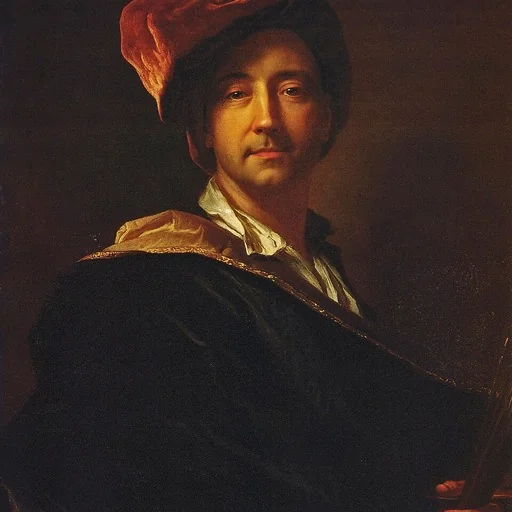
Jacint Rigau-Ros i Serra (Catalan pronunciation:; 18 July 1659 – 29 December 1743), known in French as Hyacinthe Rigaud (pronounced ), was a Catalan-French baroque painter most famous for his portraits of Louis XIV and other members of the…

 Portrait du sculpteur Jean Thierry
 Charles-Jean-Baptiste Fleuriau, Comte de Morville (1686-1732)
 Portrait of Johann Christoph Freiherr von Bartenstein (1689-1767)
 Johann Traugott von Seilen din Brașov
 Portrait de Joseph Fleuriau d'Armenonville (1660-1728)
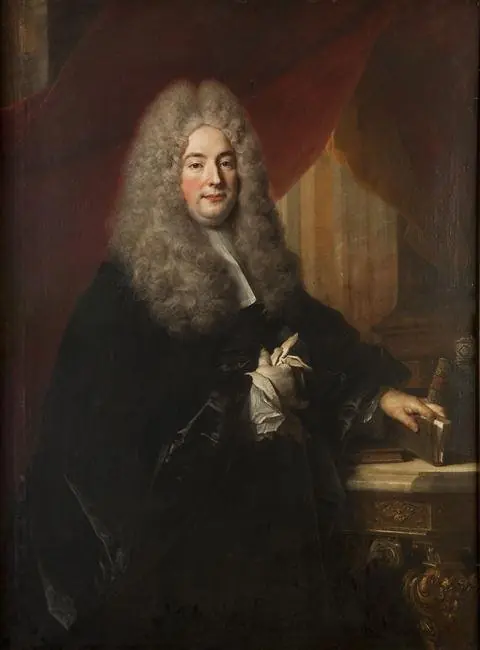 Thomas Morant, conseiller d'Etat
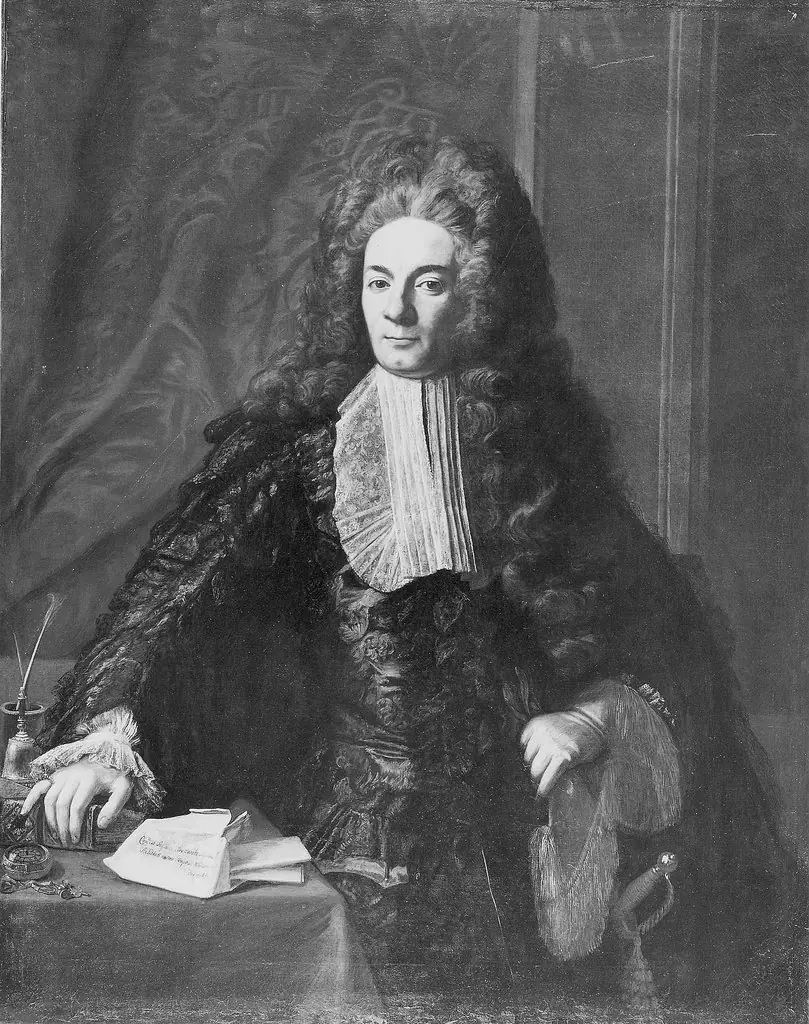 Jacopo Butera
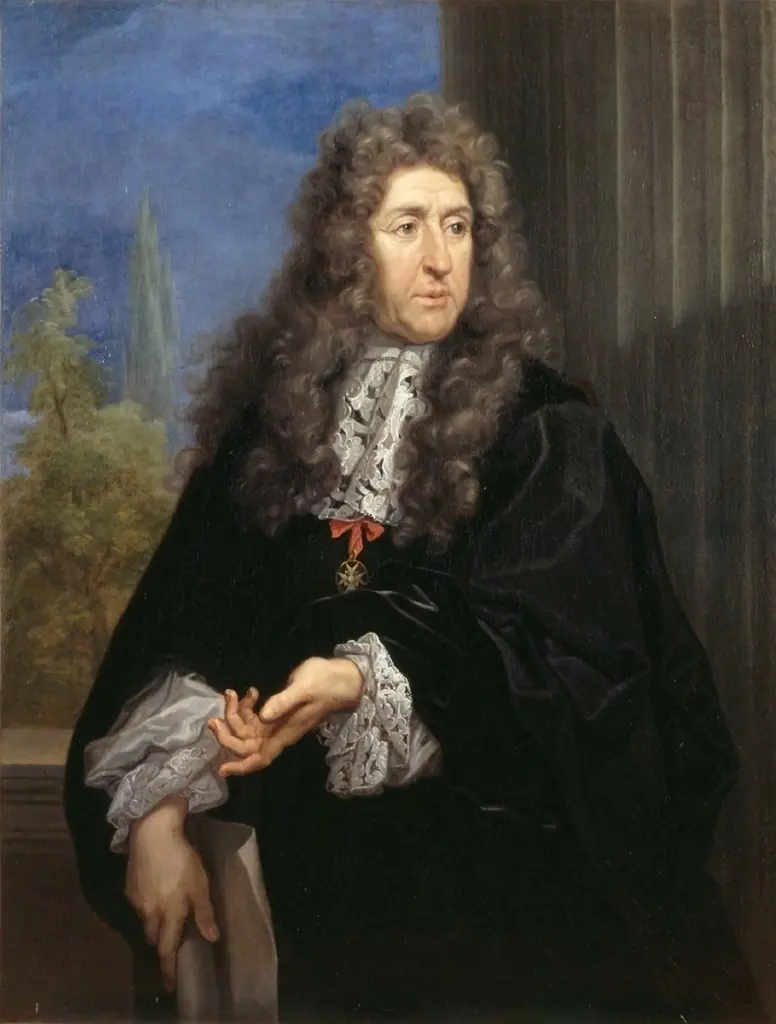 André Le Nôtre
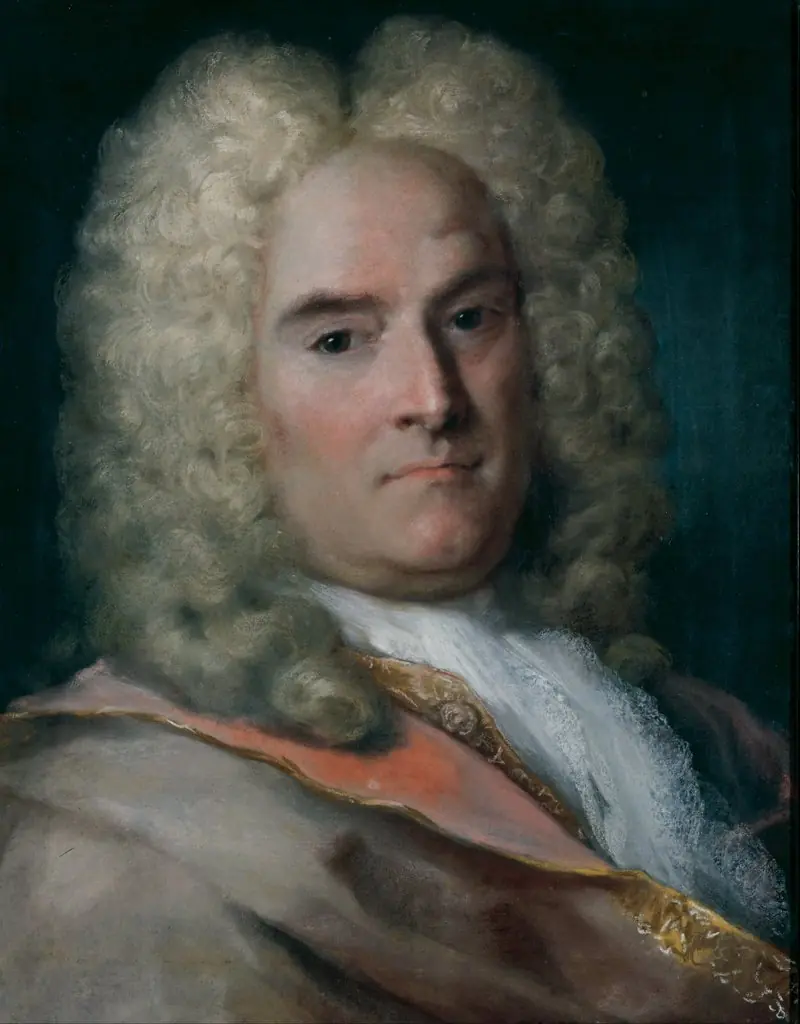 A Gentleman in a Gray Cape over a Gold-Embroidered Coat
 François-Marie Arouet known as Voltaire
 Portrait de Conrad Detlef, comte de Dehn
- Louis-Philogène Brulart de Sillery, marquis de Puisieux (1702-1770)