Artwork
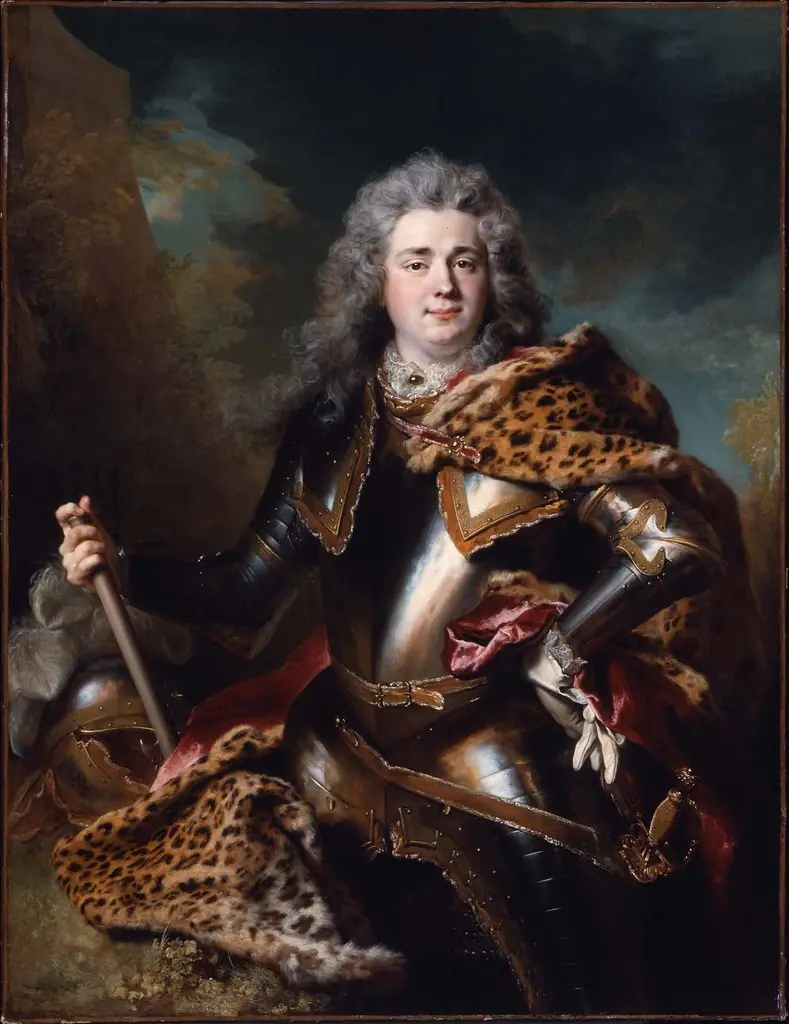
Portrait of a Military Officer
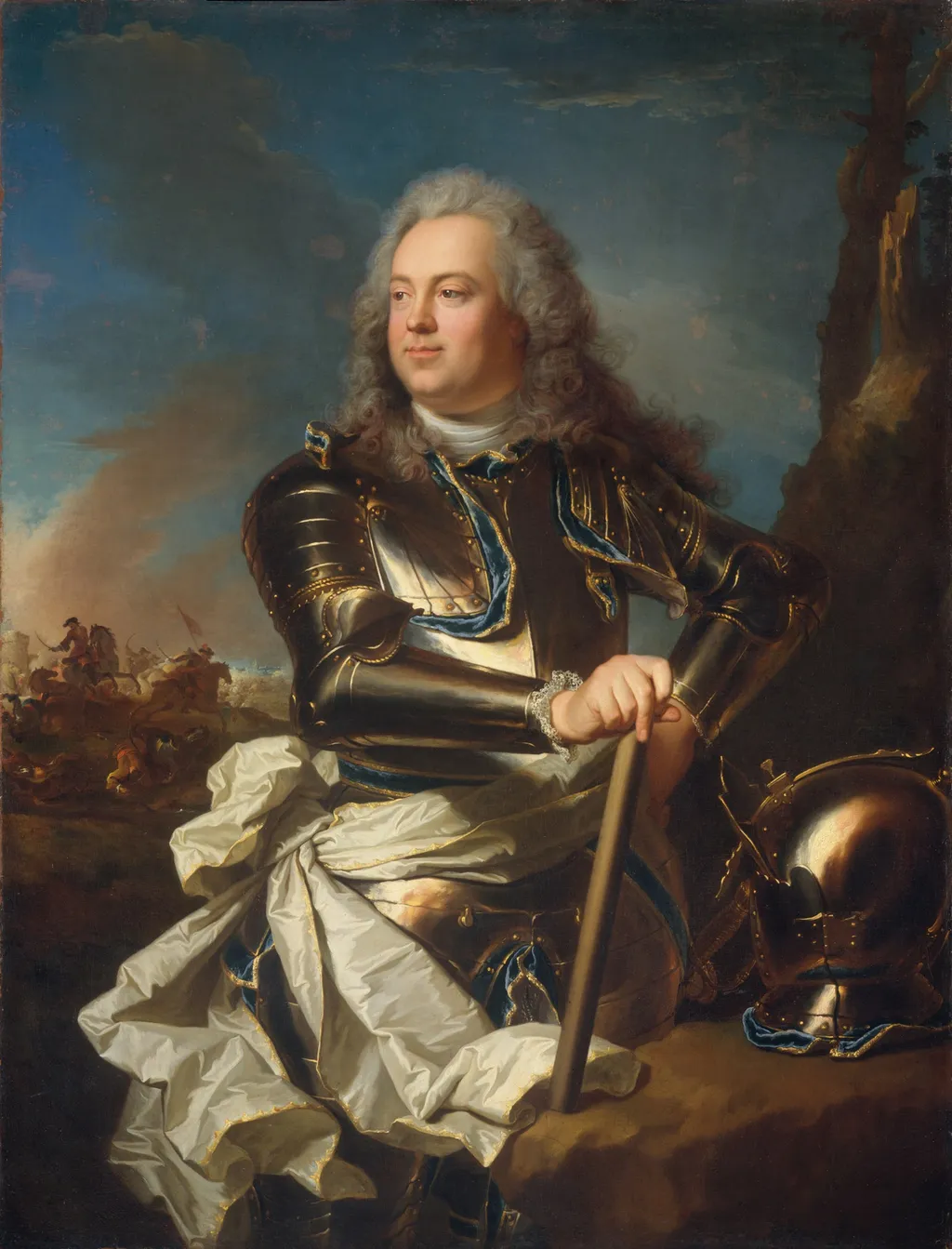
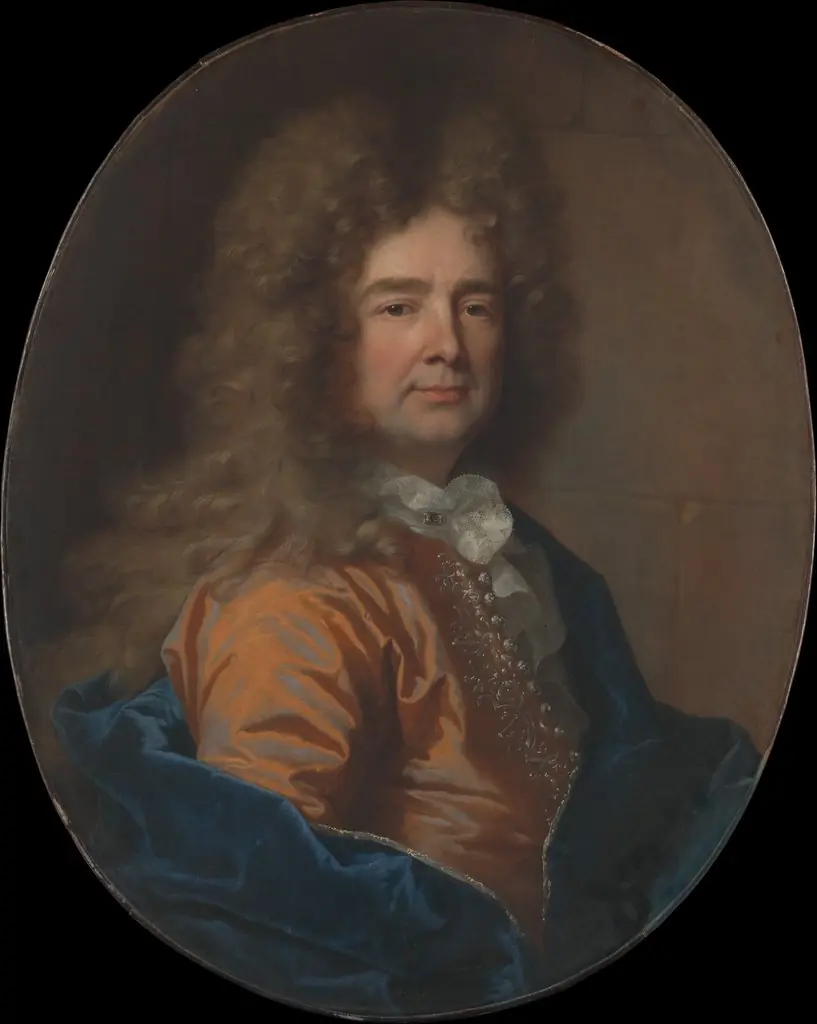
Portrait of a Military Officer is an oil painting by the Baroque artist Rigaud Hyacinthe. It dates from 1710 and is held in the collection of the Metropolitan Museum of Art.
About this work
Subject & Meaning
His uniform and the formal pose signal rank and authority, reflecting the prestige of the French officer class during the early 18th century.
The painting shows a man identified as a military officer, rendered in the Baroque style by Hyacinthe Rigaud in 1710. His uniform and the formal pose signal rank and authority, reflecting the prestige of the French officer class during the early 18th century. The work, executed in oil on canvas, later entered the collection of the Metropolitan Museum of Art.
By emphasizing the sitter's martial bearing, Rigaud's portrait functions as a visual statement of power and social standing, embodying the intersection of military service and aristocratic identity.
Technique & Style
Created in 1710, this portrait by Hyacinthe Rigaud is executed in oil paint on a canvas support. The work exemplifies the Baroque movement through its formal depiction of a military officer. The painting measures 137.2 cm in height and 105.1 cm in width.
As an example of early 18th-century portraiture, the piece uses the oil medium to render the subject's attire and status with the precision typical of Rigaud's style, capturing the military figure within a structured composition.
History & Provenance
The painting is held by the Metropolitan Museum of Art, New York, where it is recorded under accession number 1975.1.208. It is catalogued as a portrait of a military officer by Hyacinthe Rigaud, dated to 1710. No exhibition history is documented in the available sources.
Overview
Hyacinthe Rigaud, a prominent Catalan-French Baroque artist, completed Portrait of a Military Officer in 1710. This oil painting, now part of The Metropolitan Museum of Art's collection, exemplifies the French Classical Baroque style. It depicts an unidentified man in formal military dress, characteristic of the era's grand portraiture.
Rigaud was renowned for his ability to capture the likeness and status of the French nobility and military elite.
Context
Hyacinthe Rigaud was highly sought after for his ability to capture the likeness and prestige of the French aristocracy and military elite during the late 17th and early 18th centuries. This portrait aligns with the prevailing taste for grand, formal depictions that not only recorded an individual's appearance but also communicated their power, wealth, and social standing within the hierarchical society of the French court.
Own this work as a print
Artist & collection
Artist
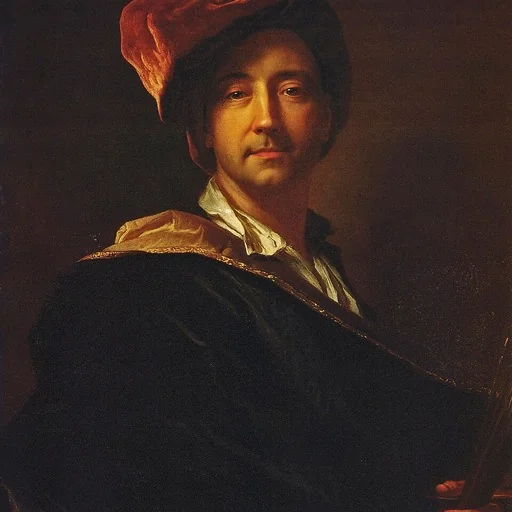
Jacint Rigau-Ros i Serra (Catalan pronunciation:; 18 July 1659 – 29 December 1743), known in French as Hyacinthe Rigaud (pronounced ), was a Catalan-French baroque painter most famous for his portraits of Louis XIV and other members of the…

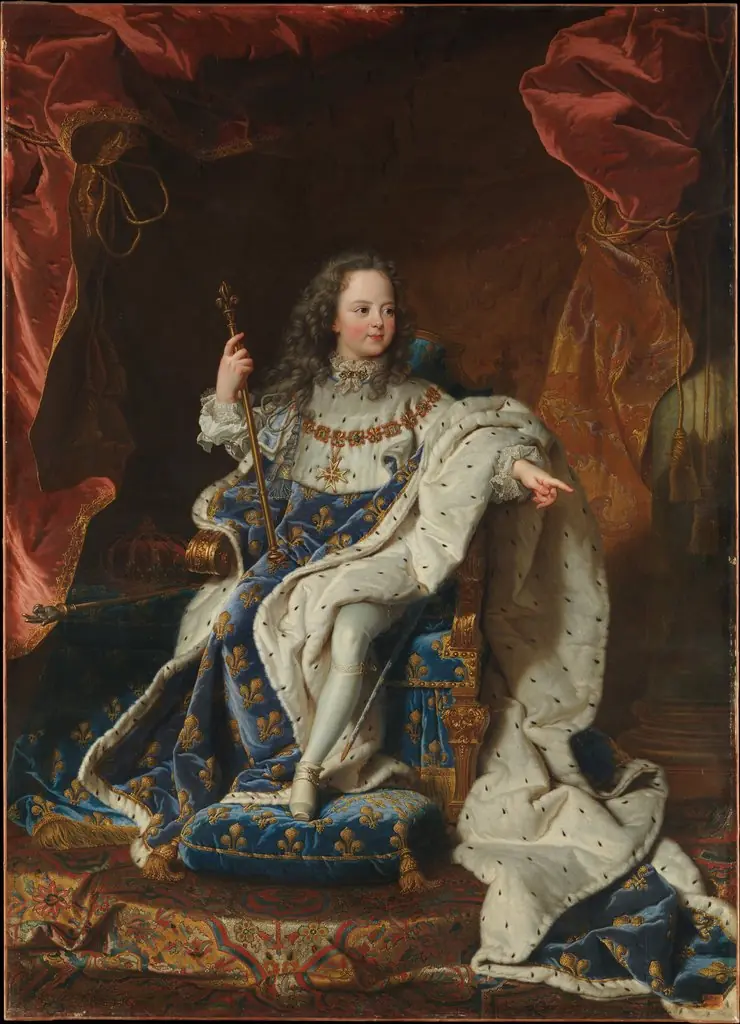
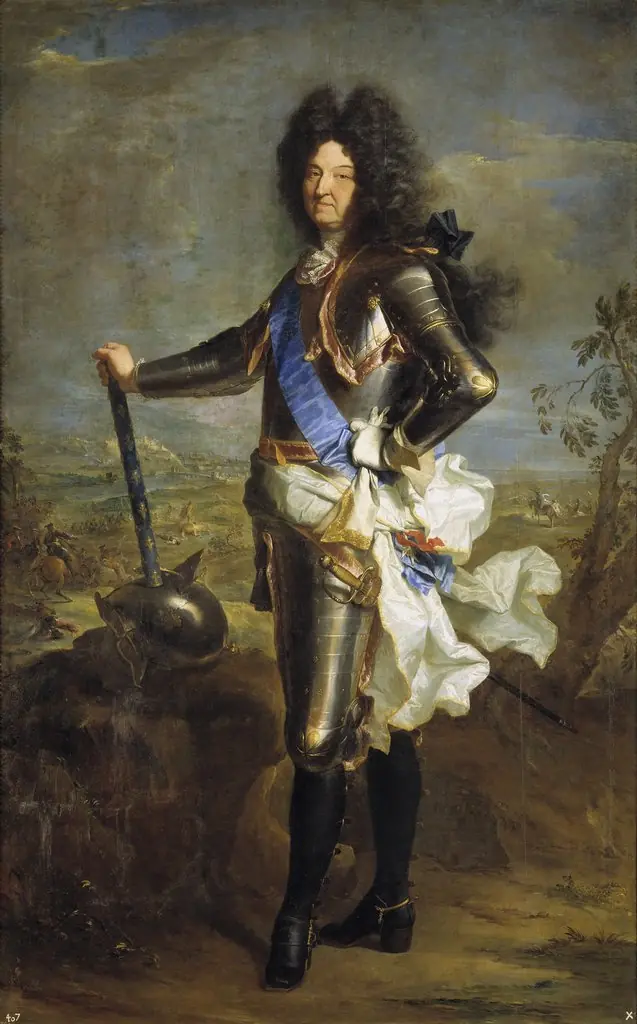
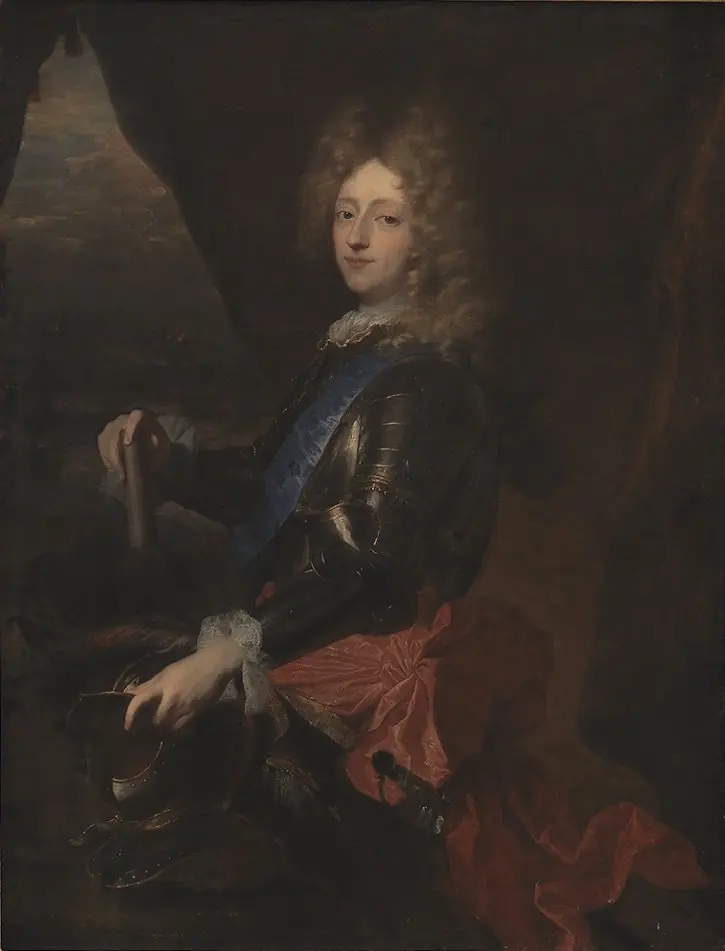
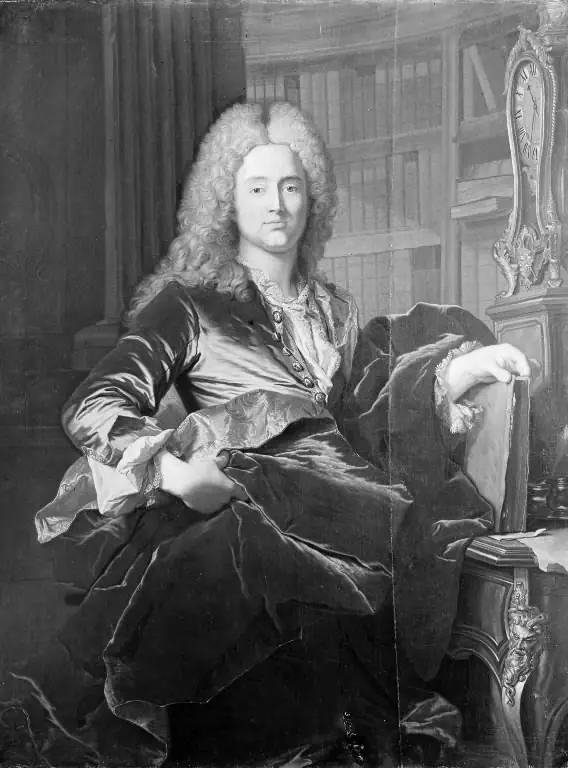
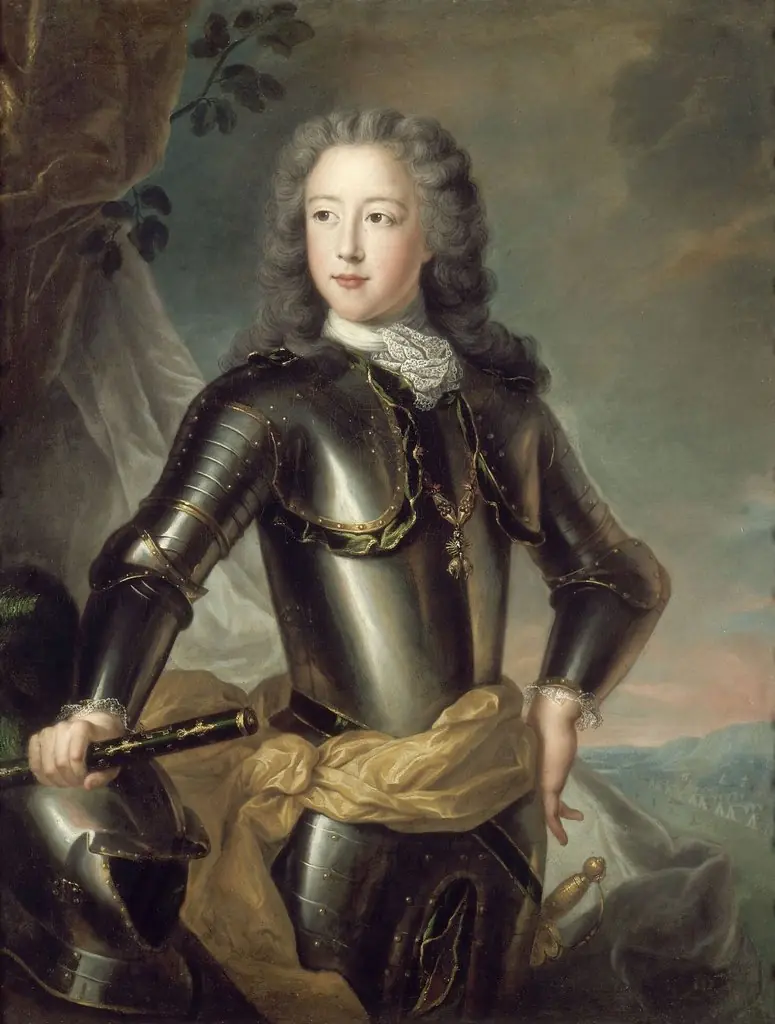 Portrait of Léopold Clément (1707-1723), Hereditary Prince of Lorraine
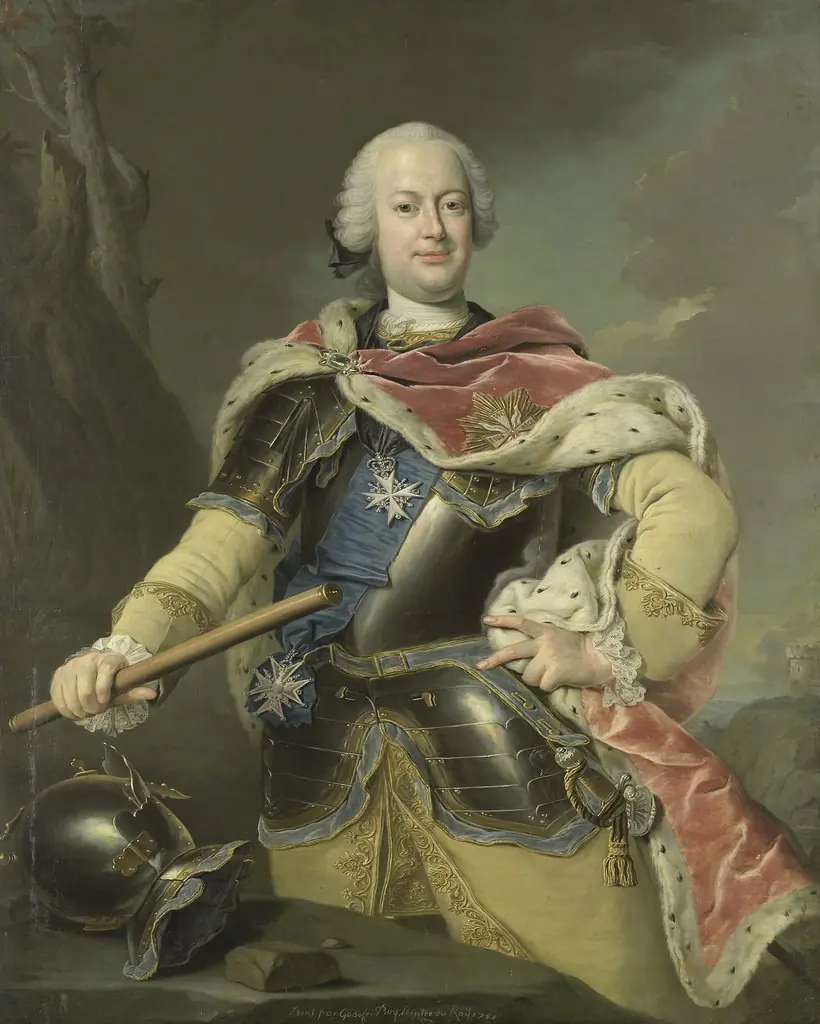 Friedrich Christian (1722-63), Elector of Saxony and King of Poland
 François Armand de Gontaut, Duc de Biron
 Friedrich Christian, Prince-Elector of Saxony, Prince of Poland
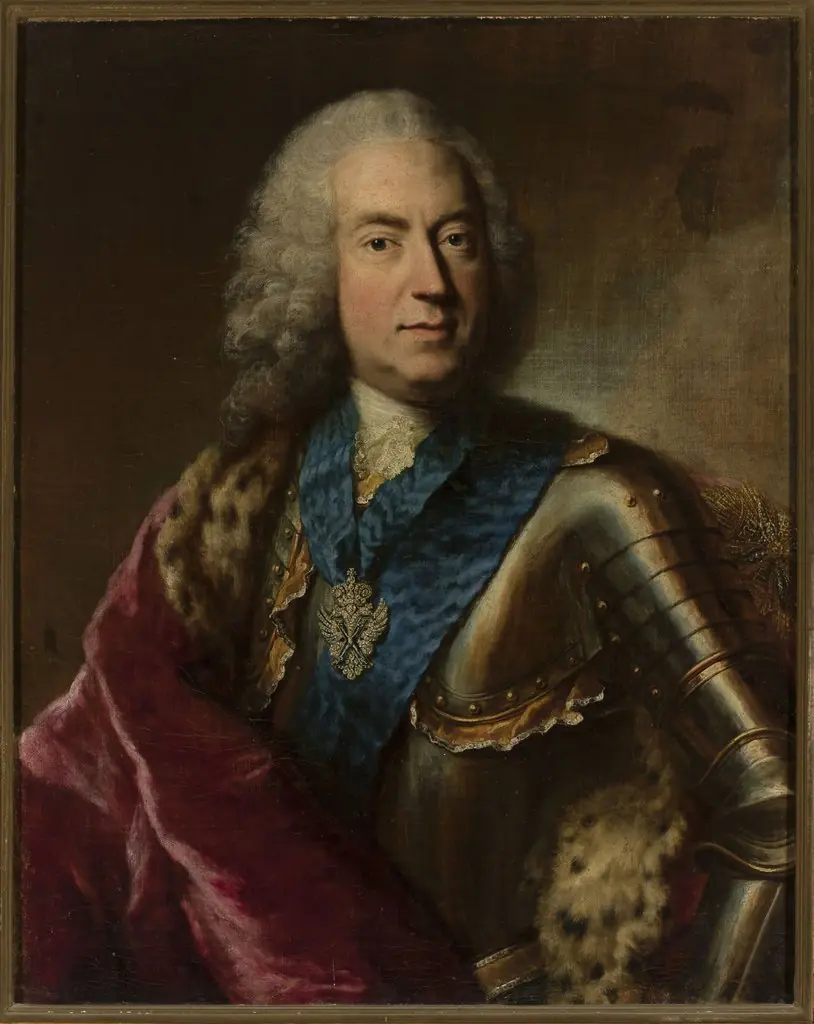 Portrait of Karl August Rex, Saxon minister
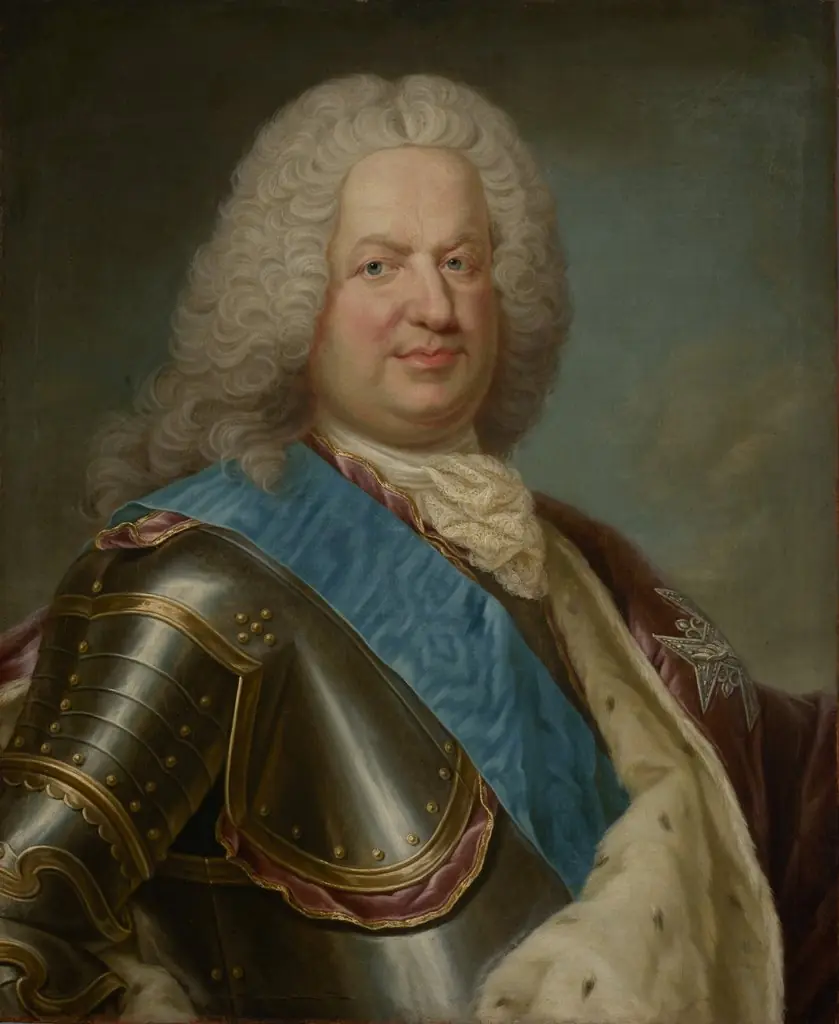 Portrait of Stanislaus Leszczyński (1677–1766))
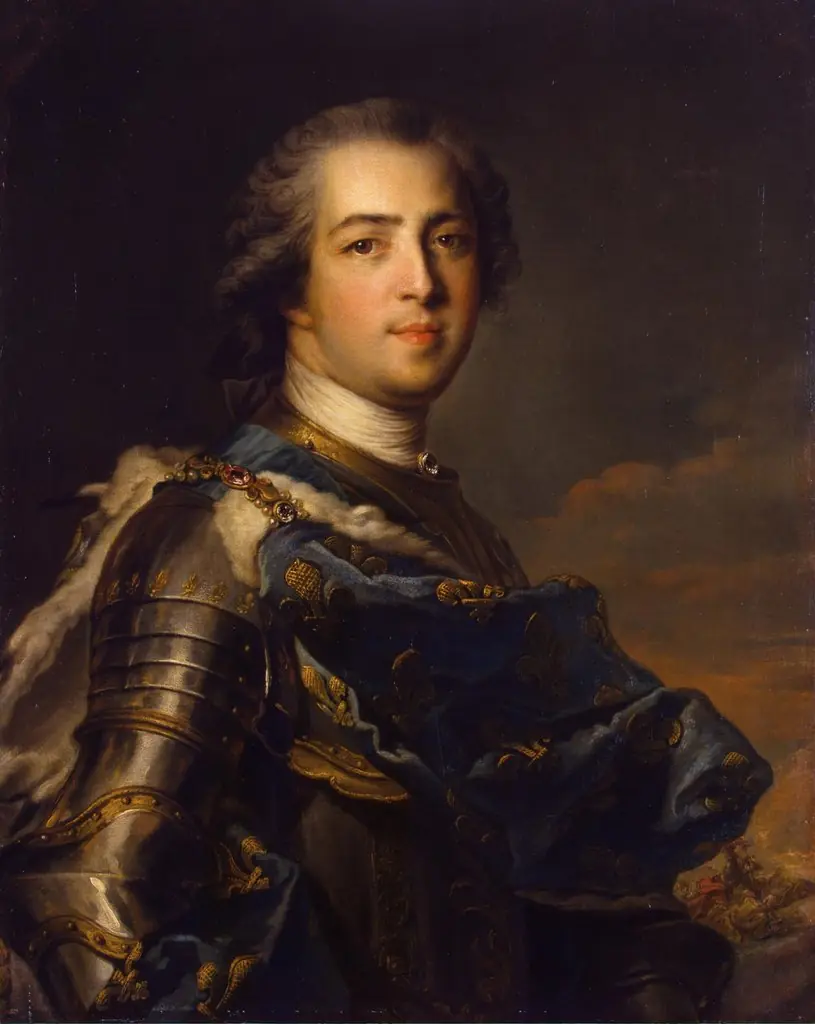 Portrait of Louis XV of France
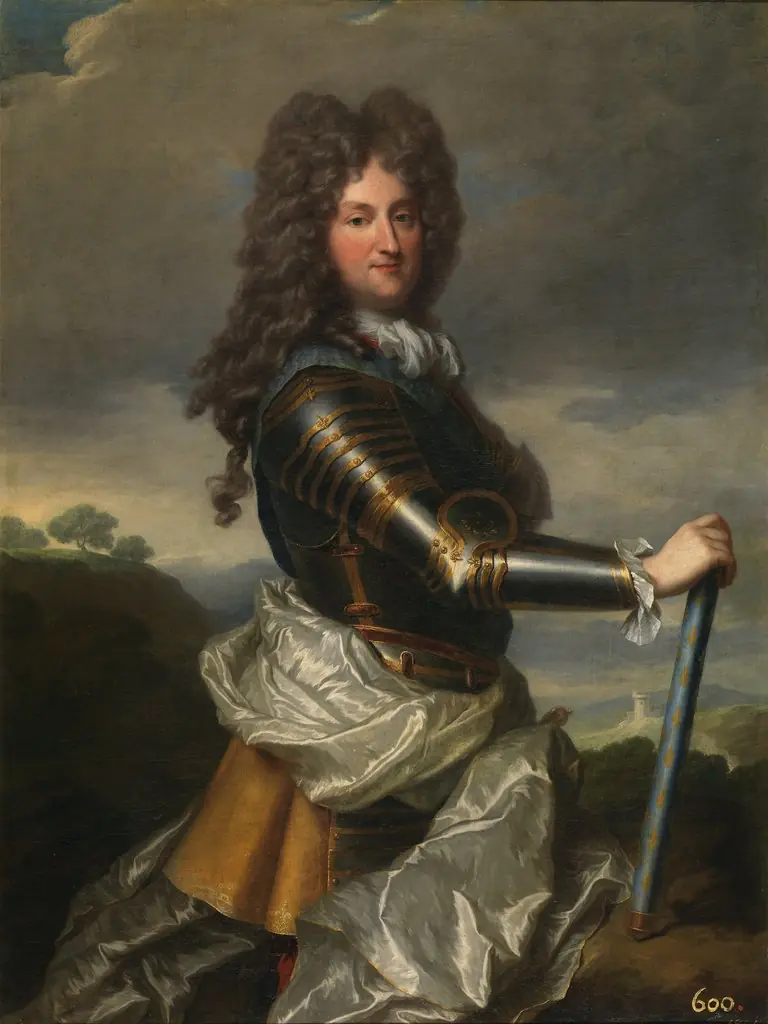 Felipe de Orléans regente de Francia
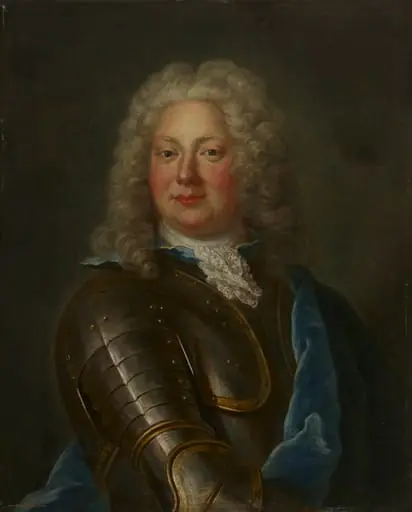 Hovimarsalkka Gustaf Jakob Horn af Rantzien
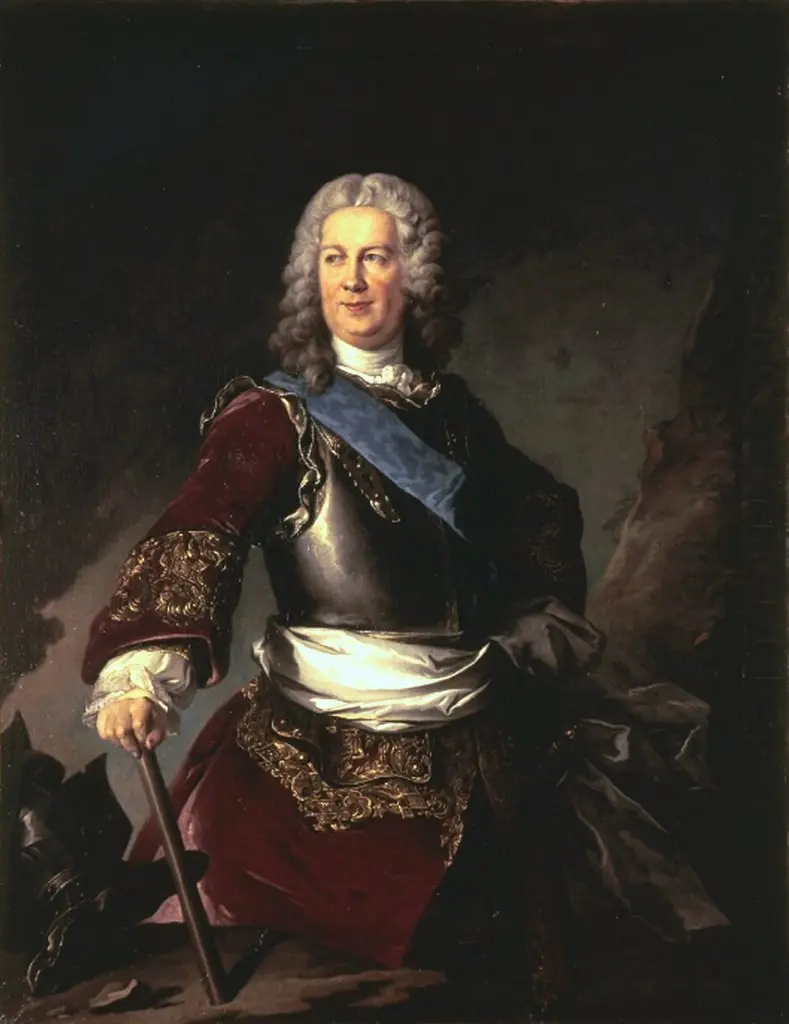 Thomas Goyon de Matignon (1684-1766), comte de Gacé, seigneur de Briquebec, Brigadier des armées du Roi en 1719.
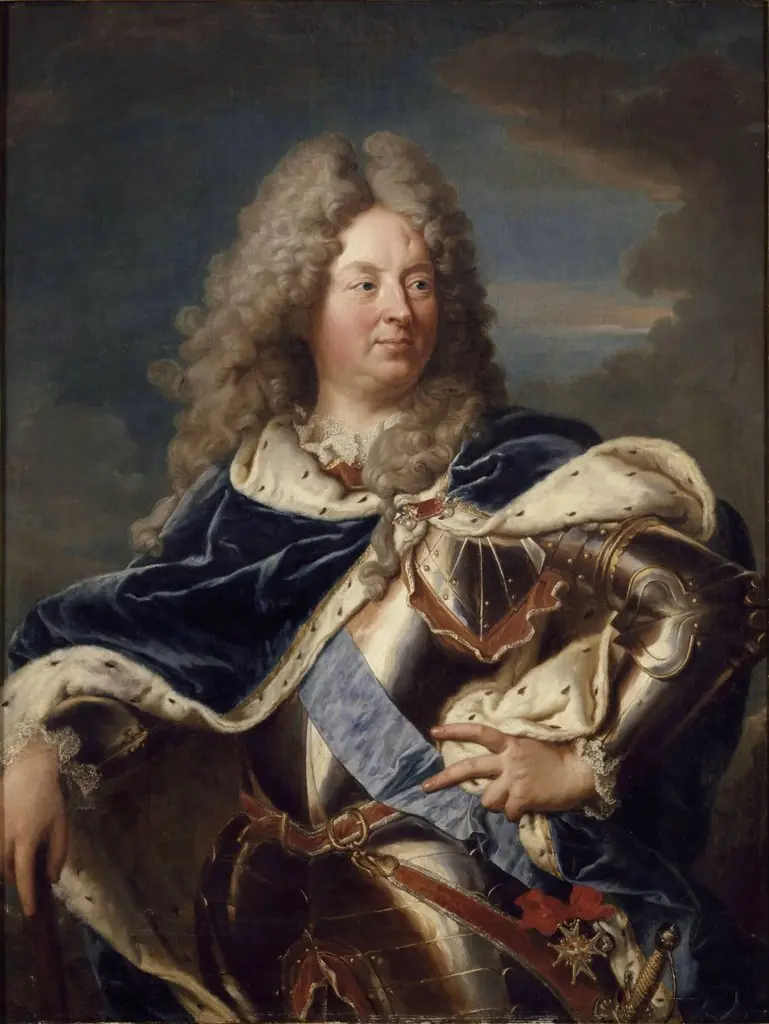 Portrait of the Duke of Antin
- Portrait of an army officer