Artwork
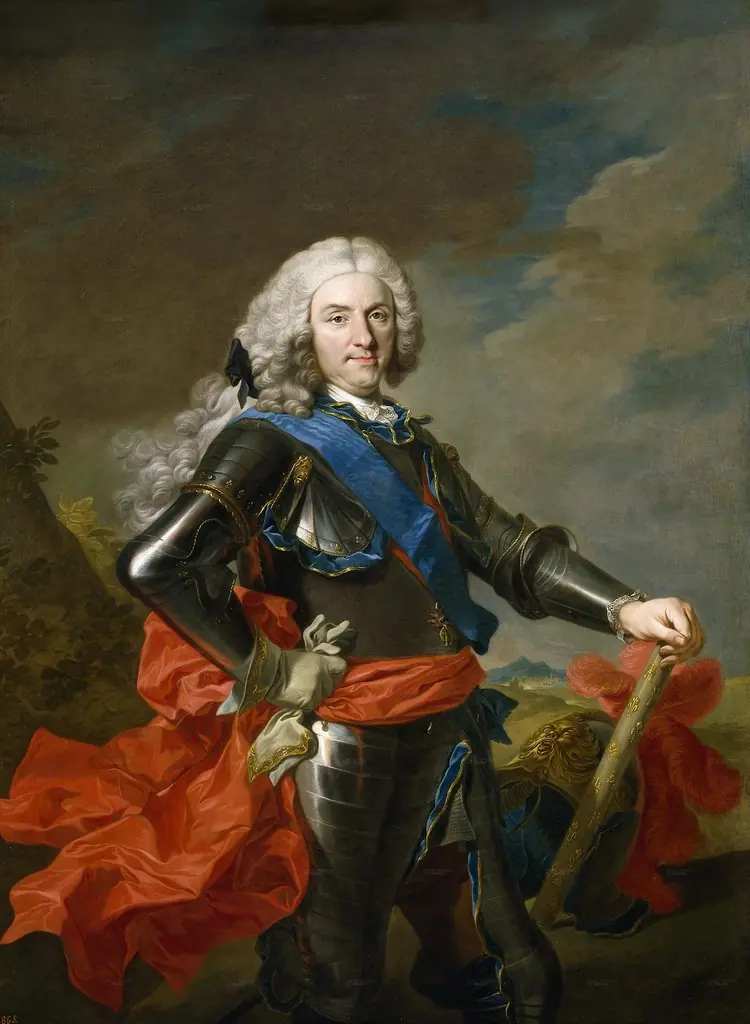
Portrait of Philip V, King of Spain
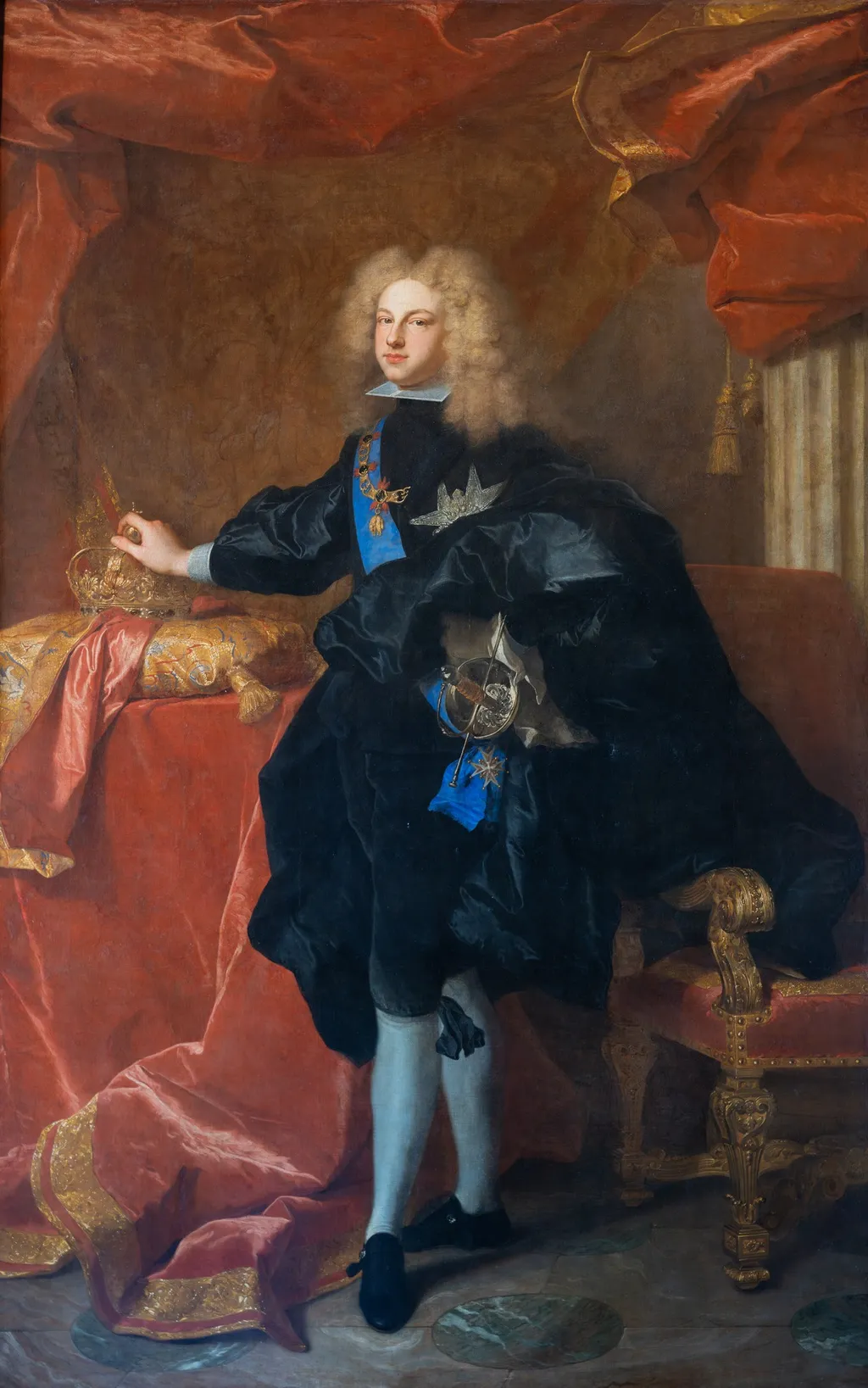
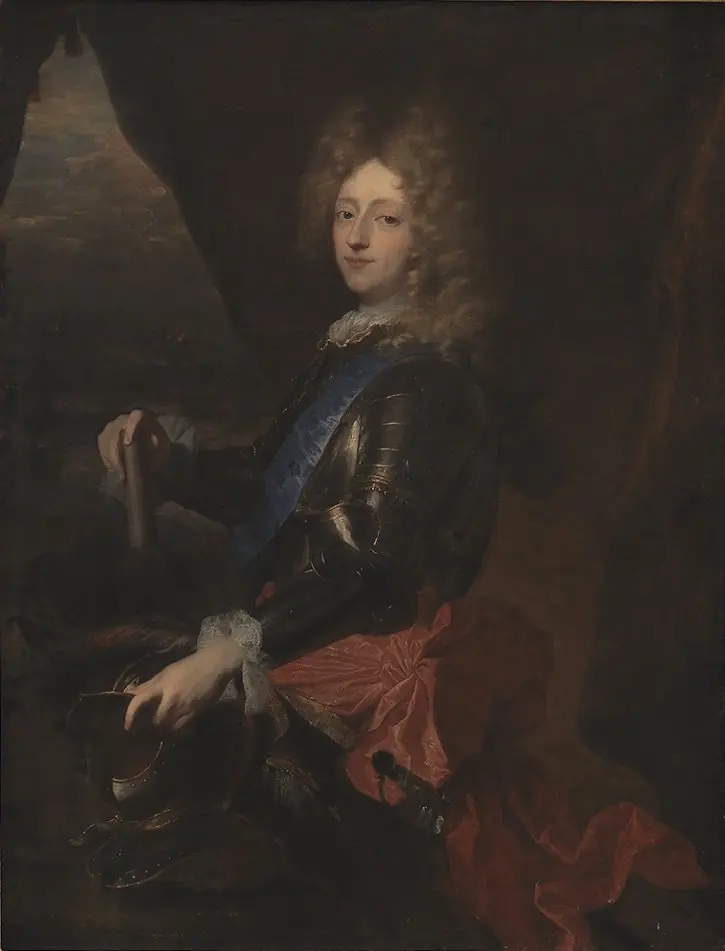
Portrait of Philip V, King of Spain is an oil painting by the Baroque artist Rigaud Hyacinthe. It dates from 1700 and is held in the collection of the Department of Paintings of the Louvre.
About this work
Subject & Meaning
He is seated in a fauteuil, a type of armchair often reserved for royalty in portraiture to denote status and stability.
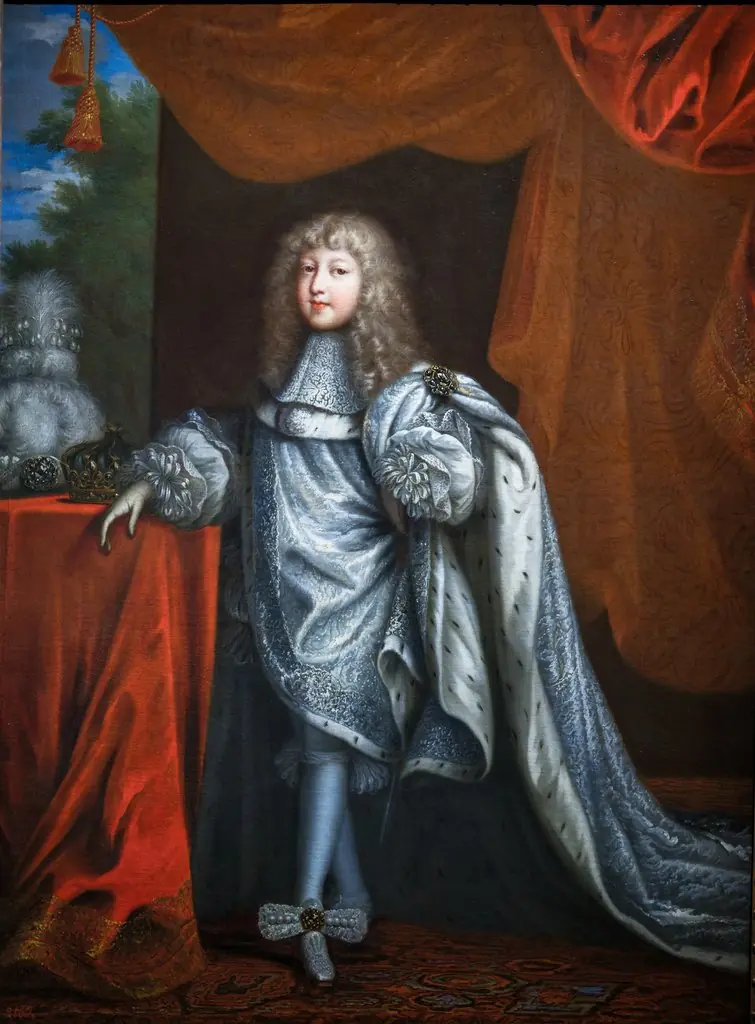
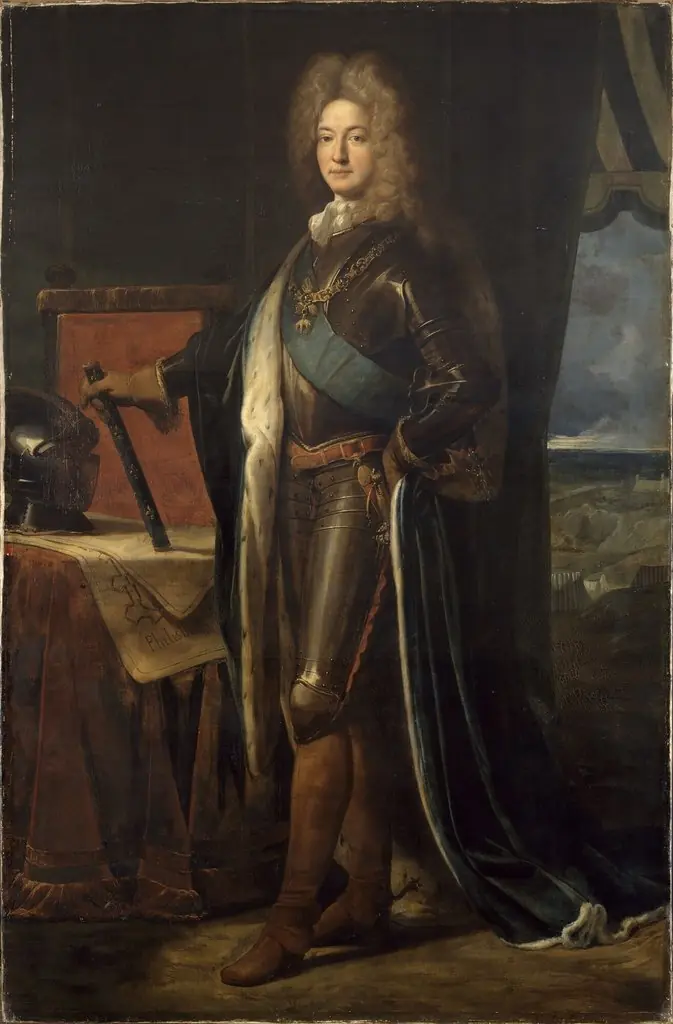
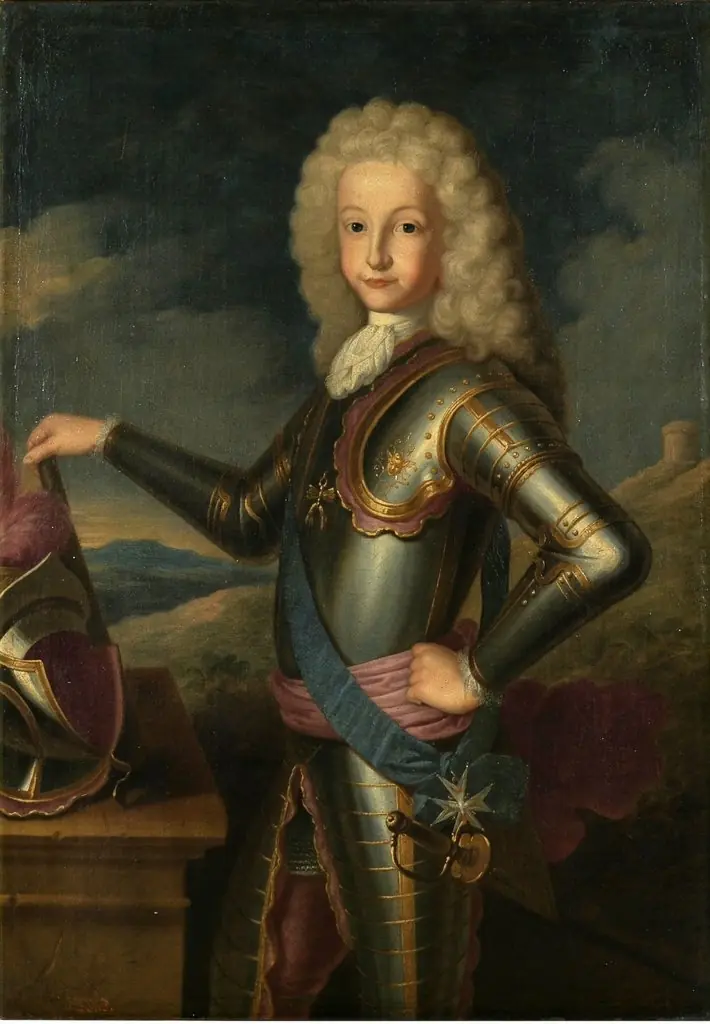
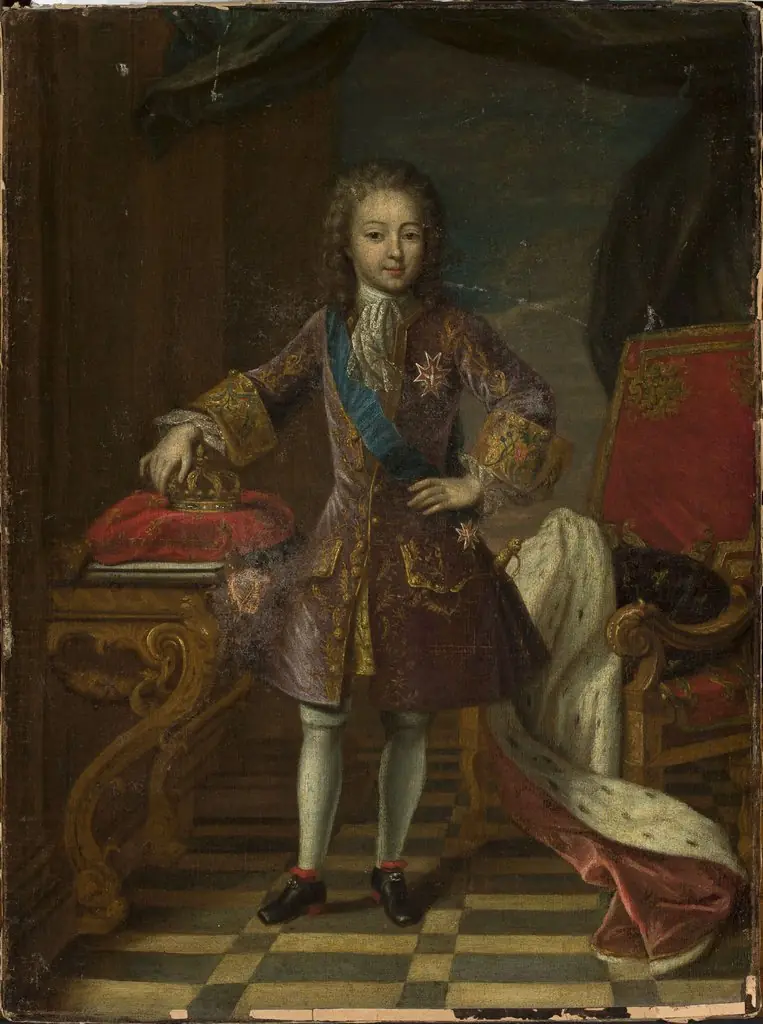
The work depicts Philip V of Spain (1683–1746), the first Bourbon monarch of Spain, rendered in a formal Baroque style. The iconography centers on the trappings of absolute monarchy: the subject is shown alongside a crown and a sword, traditional emblems of military command and sovereign authority. He is seated in a fauteuil, a type of armchair often reserved for royalty in portraiture to denote status and stability.
Commissioned during the year of his accession, the portrait functions as a political statement legitimizing his rule and connecting him to the broader European dynastic power structures. By including these specific regalia, the painting visually asserts Philip's right to the throne and his role as a warrior-king, reinforcing the grandeur expected of a ruler in the early eighteenth century.
Technique & Style
The work is an oil painting executed on canvas, a standard support for large-scale Baroque portraits of the period. Rigaud applied oil paint in thin, blended layers to render the sitter's flesh and the rich textures of Philip V's regalia, using chiaroscuro to model the face and drapery with a polished finish that emphasizes the sitter's authority. The composition balances frontal immediacy with a slight turn of the head, while the gilt crown, embroidered cloak, and sword are rendered with precise, almost decorative detail, creating a sumptuous visual language that merges realism with courtly symbolism.
The painting's surface remains largely intact, though minor craquelure is visible along the edges of the canvas, a condition typical of 18th‑century works after prolonged display in the Louvre's Salon exhibitions.
History & Provenance
Hyacinthe Rigaud painted Portrait of Philip V, King of Spain in 1700, depicting the monarch in royal regalia including a crown, sword, and fauteuil, rendered in oil on canvas (230 cm × 155 cm). Louis XIV of France commissioned the work, which entered the French royal collection and was displayed at the Salon of 1704 before becoming part of the national collection; it is now housed in the Palace of Versailles.
The painting Portrait of Philip V, King of Spain by Hyacinthe Rigaud is housed in the Museum of the History of France at the Palace of Versailles, which is part of the national museums of France. It is catalogued under multiple inventory numbers, including MV 8493, INV 7499, and B 2288, as recorded in the Joconde database of the French Ministry of Culture. The work entered the royal collection under Louis XIV and has been displayed in significant exhibitions such as the Salon of 1704 and the retrospective Hyacinthe Rigaud or the Sun Portrait. Its provenance reflects ownership by the French State following the reign of Louis XIV.
Overview
This oil painting is a portrait of Philip V, King of Spain, created by Hyacinthe Rigaud in 1700. It is now held at the Palace of Versailles.
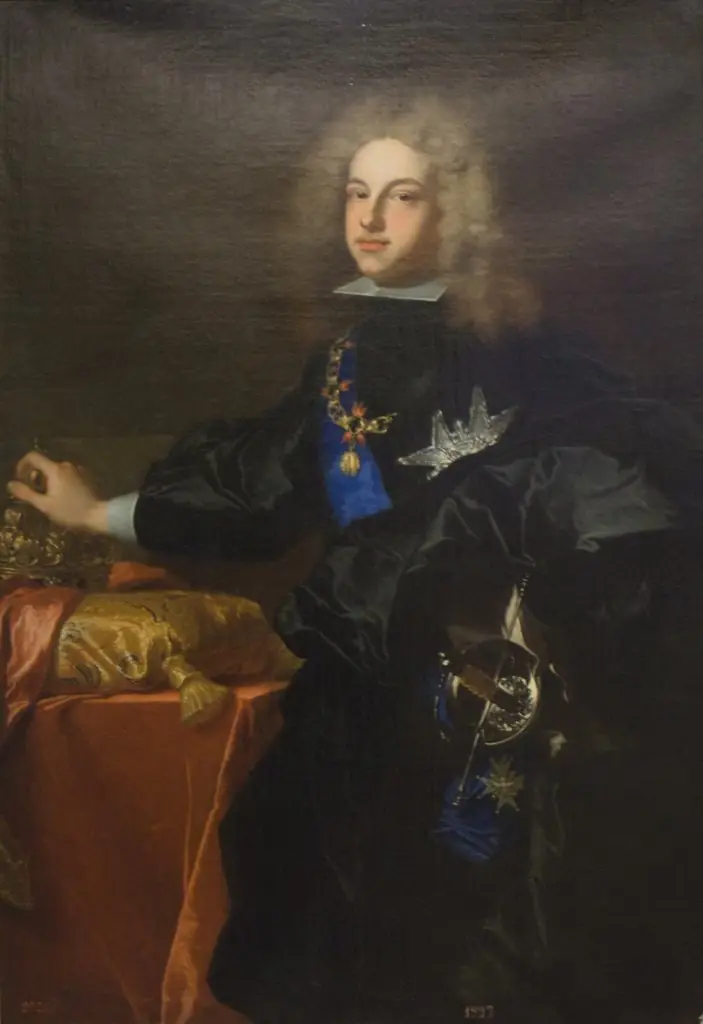
Own this work as a print
Artist & collection
Artist
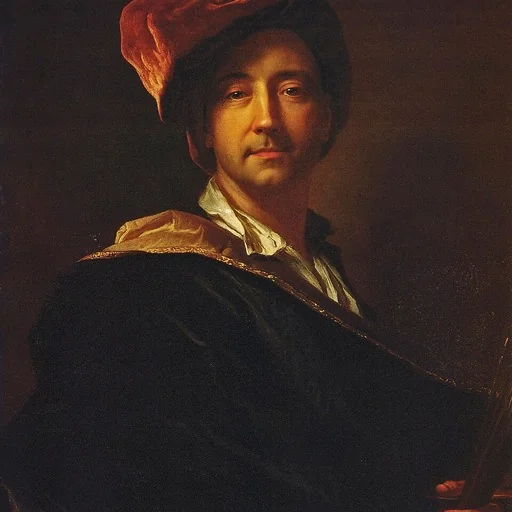
Jacint Rigau-Ros i Serra (Catalan pronunciation:; 18 July 1659 – 29 December 1743), known in French as Hyacinthe Rigaud (pronounced ), was a Catalan-French baroque painter most famous for his portraits of Louis XIV and other members of the…

Museum
Department of Paintings of the Louvre
Continue through works from the same source collection.