Artwork
Felipe V, King of Spain
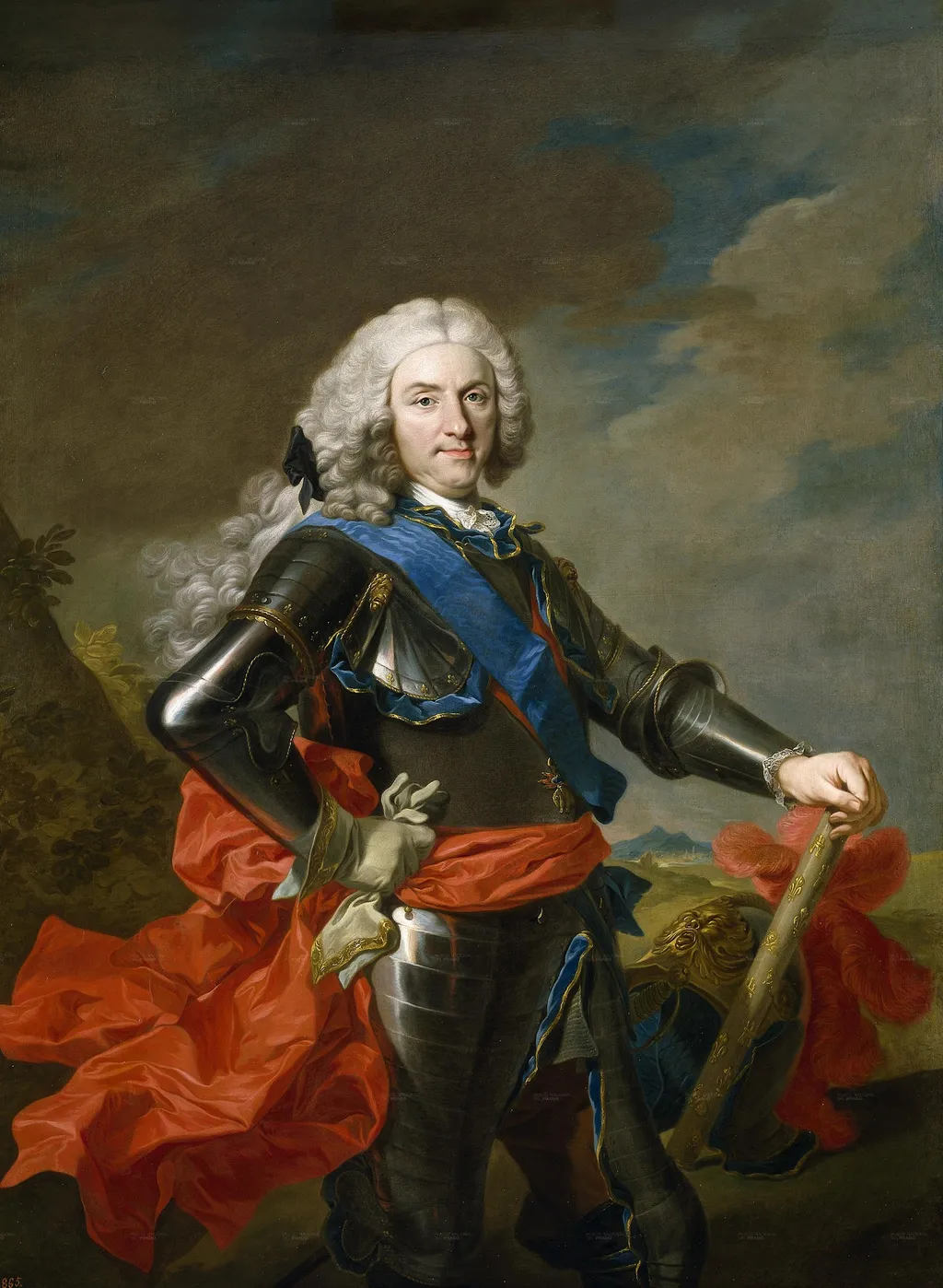
Felipe V, King of Spain is an oil painting by the Rococo painting artist Louis-Michel van Loo. It dates from 1739 and is held in the collection of the Museo del Prado.
About this work
Subject & Meaning
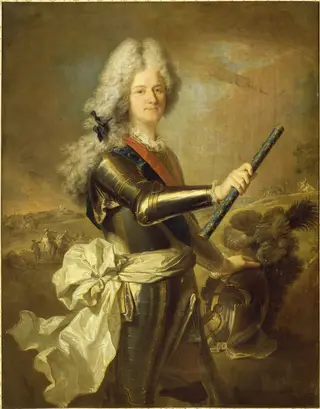
According to the Wikidata record, the work depicts the Order of the Holy Spirit, the Golden Fleece, and a sceptre among its iconographic elements.
The painting portrays Felipe V, King of Spain, in a formal state portrait. According to the Wikidata record, the work depicts the Order of the Holy Spirit, the Golden Fleece, and a sceptre among its iconographic elements. These regalia and chivalric orders are standard attributes of Spanish royal portraiture, signaling the sitter's sovereign authority, his Catholic devotion, and his dynastic ties to the broader European order of Catholic monarchies.
The inclusion of the sceptre in particular marks the king in his constitutional role as ruler, while the Golden Fleece, a Habsburg inheritance continued by the Spanish Bourbons, visually anchors Felipe V's claim to legitimate succession. Together, these symbols frame the portrait as an assertion of legitimate, divinely sanctioned kingship rather than a personal likeness alone.
Technique & Style
The portrait of Felipe V, King of Spain is executed in oil paint on canvas, a standard medium for formal state portraiture of the period. According to the work's cataloguing, the canvas measures 154 cm in height by 113.5 cm in width, yielding a vertical format suited to a standing or seated royal figure. The painting is held in the collection of the Museo del Prado.
Stylistically, the work belongs to the French academic tradition associated with Louis-Michel van Loo, who served as court painter to the Spanish Bourbons. The composition incorporates the iconographic attributes of Spanish monarchy, depicting the king with the Order of the Holy Spirit, the collar of the Golden Fleece, and a sceptre, regalia rendered through the precise handling of oil glazes typical of van Loo's courtly portrait practice.
Legacy
The portrait of Felipe V by Louis-Michel van Loo, painted in 1739, established a royal iconography that influenced subsequent Spanish monarchical imagery, reinforcing the Bourbon dynasty's visual authority. Its depiction of regalia such as the Order of the Holy Spirit and Golden Fleece set a precedent for ceremonial portraiture in European courts, shaping diplomatic gift exchanges and courtly commissions throughout the 18th century. The work's presence in the Museo del Prado has ensured continued scholarly attention, cementing van Loo's reputation as a pivotal court painter whose stylistic blend of French Rococo elegance and Spanish monarchical symbolism resonated across later generations of artists.
Overview
Louis-Michel van Loo’s 1739 oil portrait presents Felipe V, the first Bourbon monarch of Spain. Executed in the Rococo period, the work now belongs to the collection of Madrid’s Museo del Prado. The king is shown in full regalia, emphasizing his sovereign authority through elaborate costume and insignia.
History & Provenance
Completed shortly after Felipe V’s death, the painting entered the Spanish royal collection and was later transferred to the Prado Museum, where it has been on public display since the museum’s early years. Its provenance reflects the work’s role as an official royal likeness.
Context
The portrait aligns with 18th‑century European court portraiture, where sovereigns were depicted with regalia to convey political continuity. The inclusion of both the Golden Fleece and the Holy Spirit orders links Spanish royal identity to broader Habsburg‑Bourbon networks of honor.
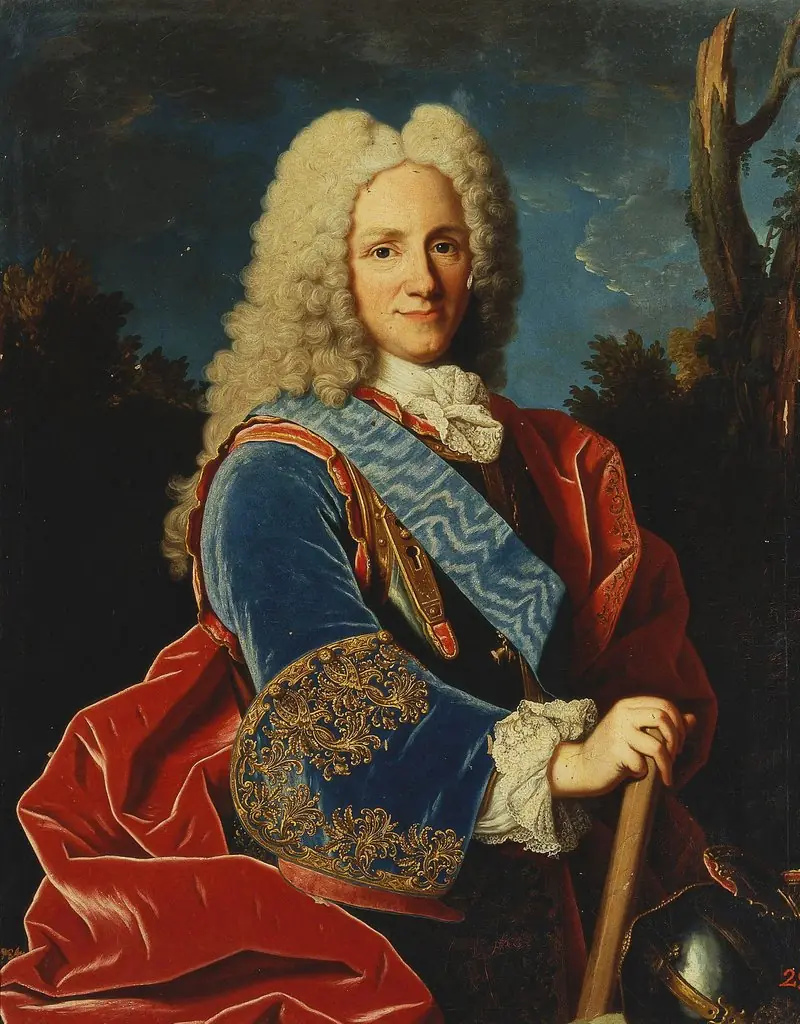
Own this work as a print
Artist & collection

 Crown Prince Frederick Augustus of Saxony
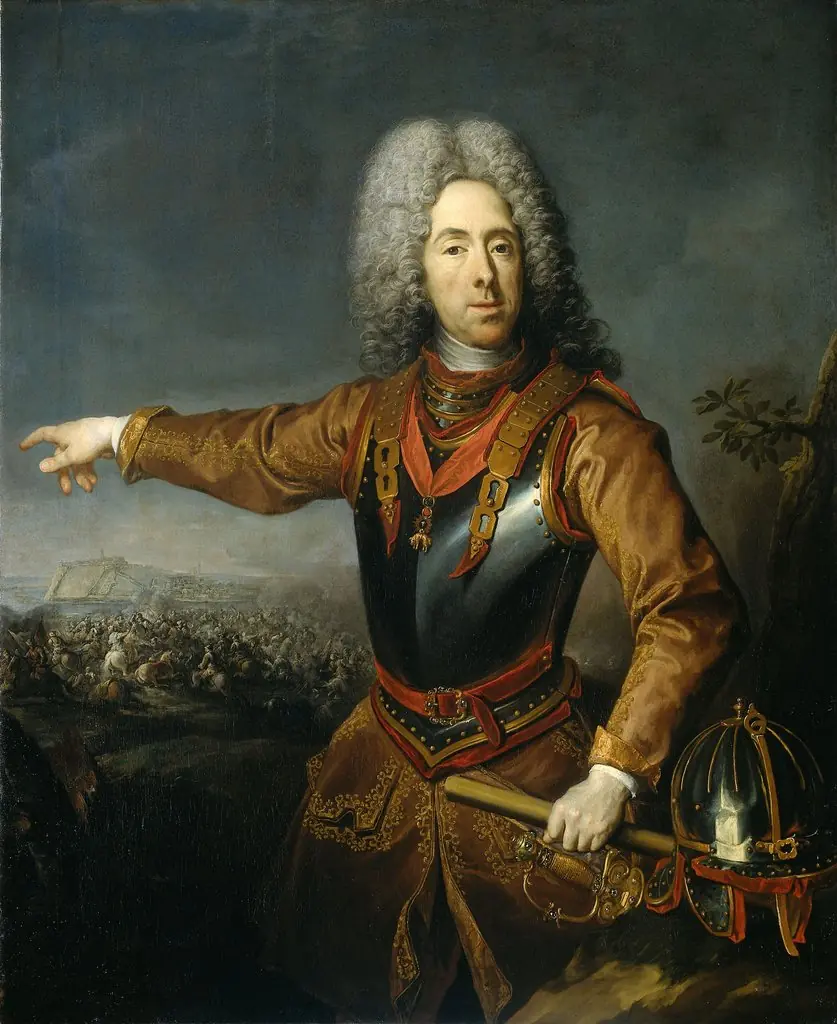 Portrait of Eugene, Prince of Savoy
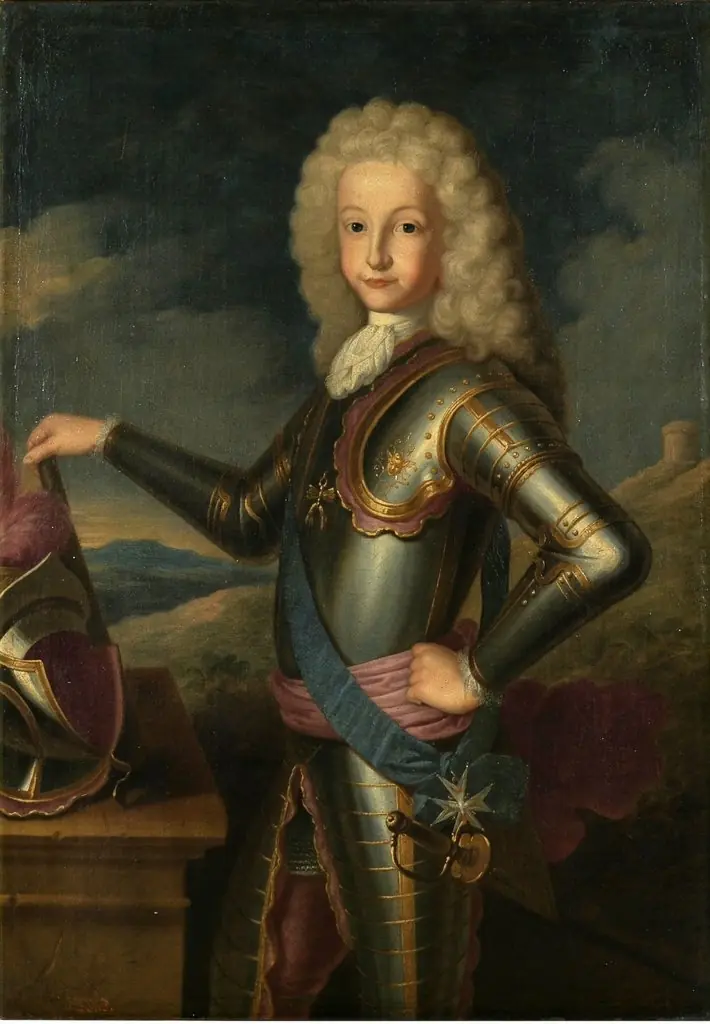 Luis I con armadura a los 10 años
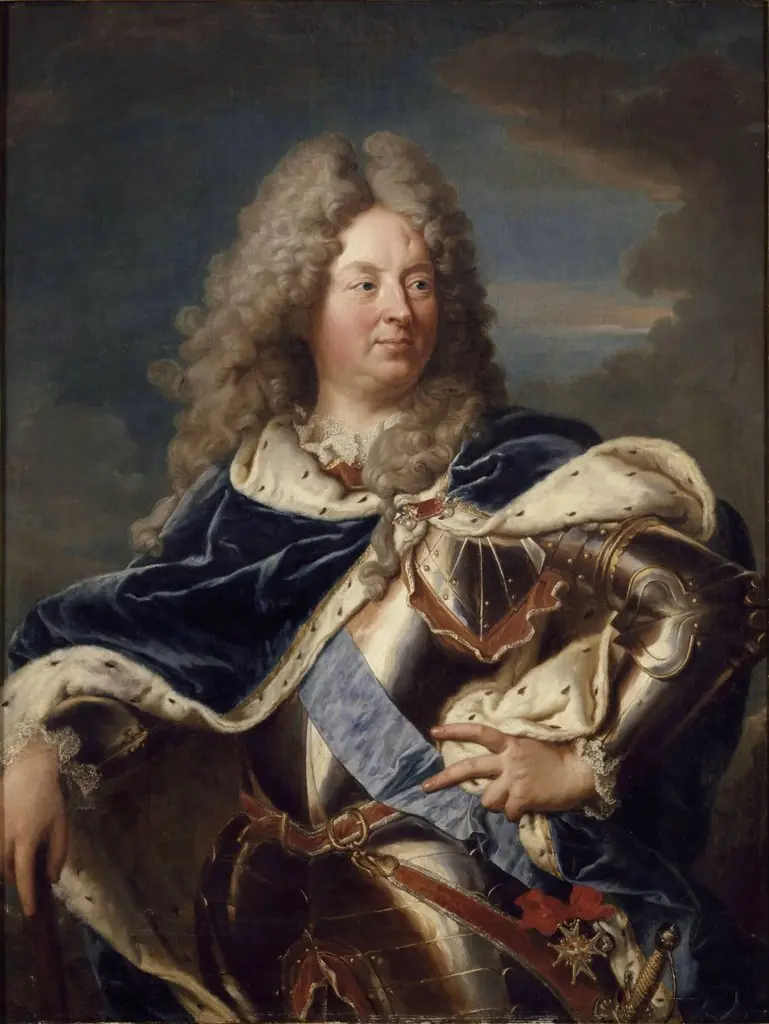 Portrait of the Duke of Antin
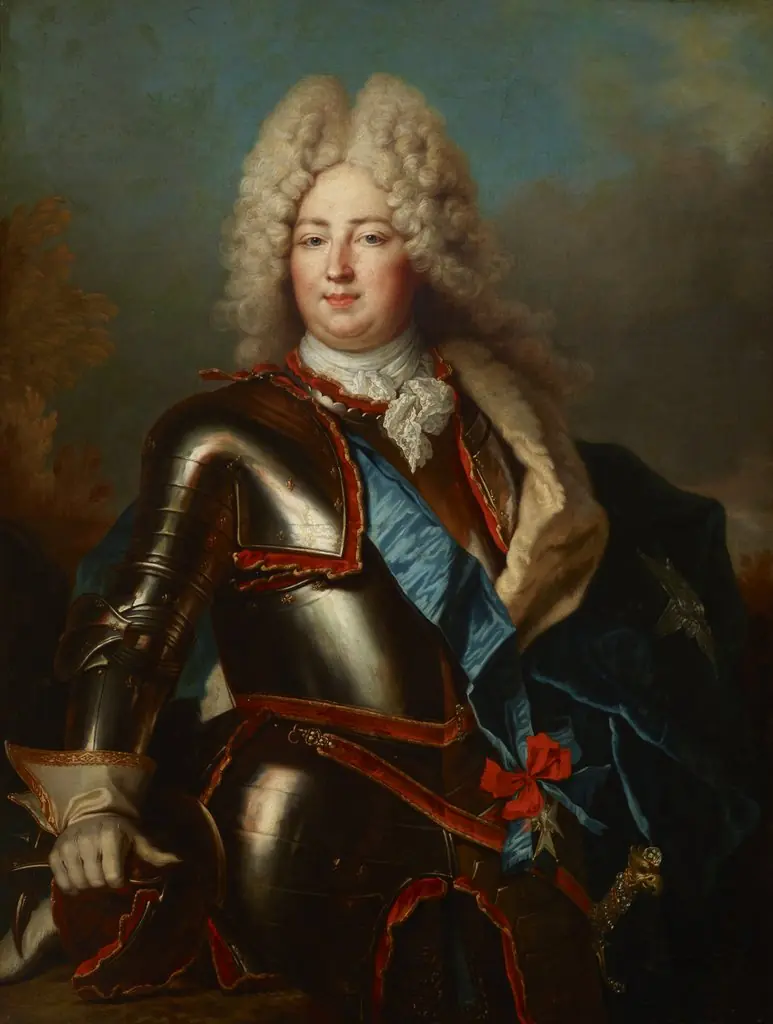 Portrait of Charles de France (1686–1714)
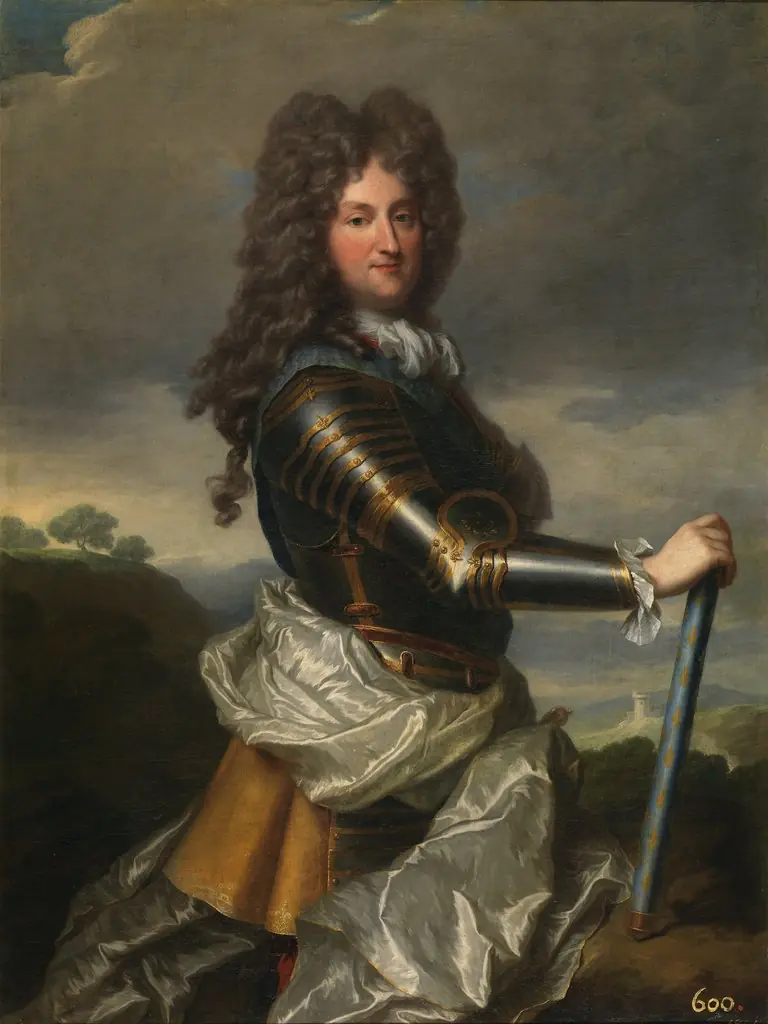 Felipe de Orléans regente de Francia
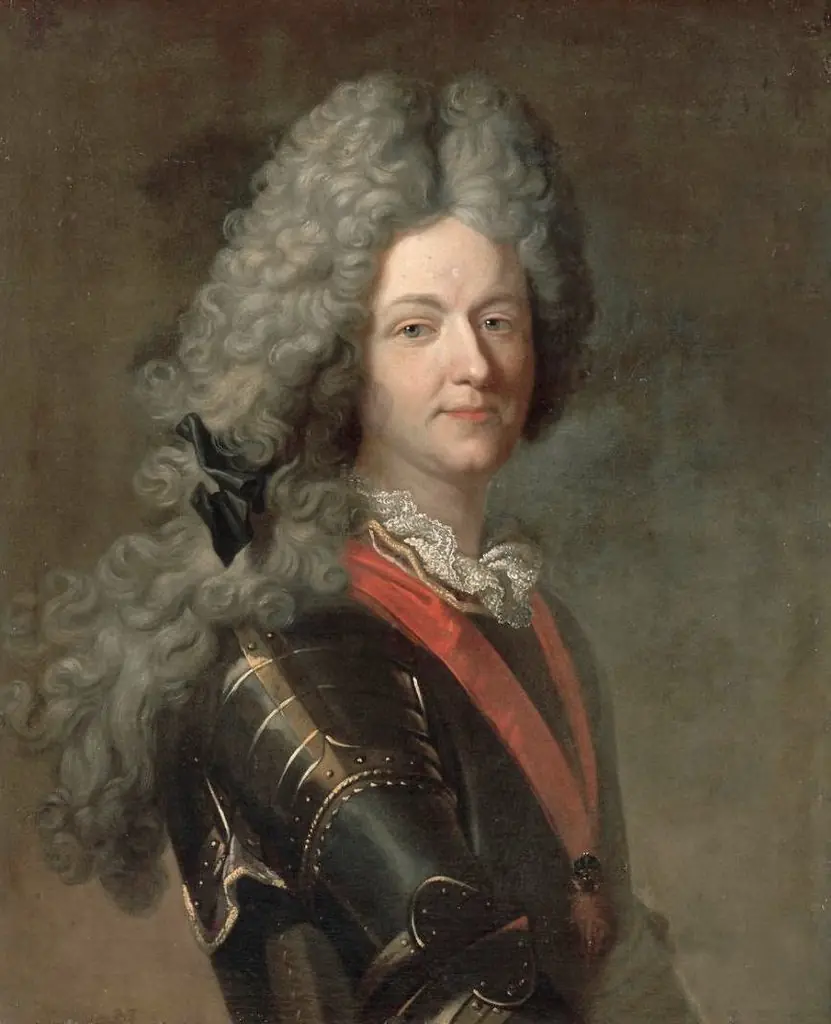 Jacques de Fitz-James, duc de Berwick
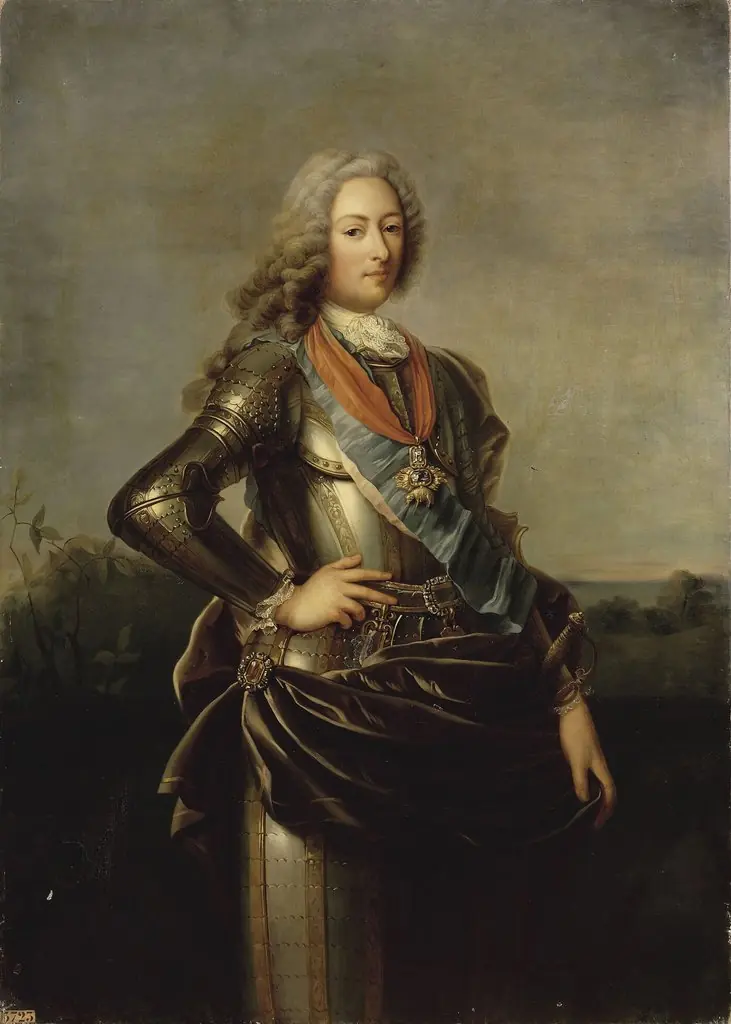 Louis of Orleans, Duke of Orleans
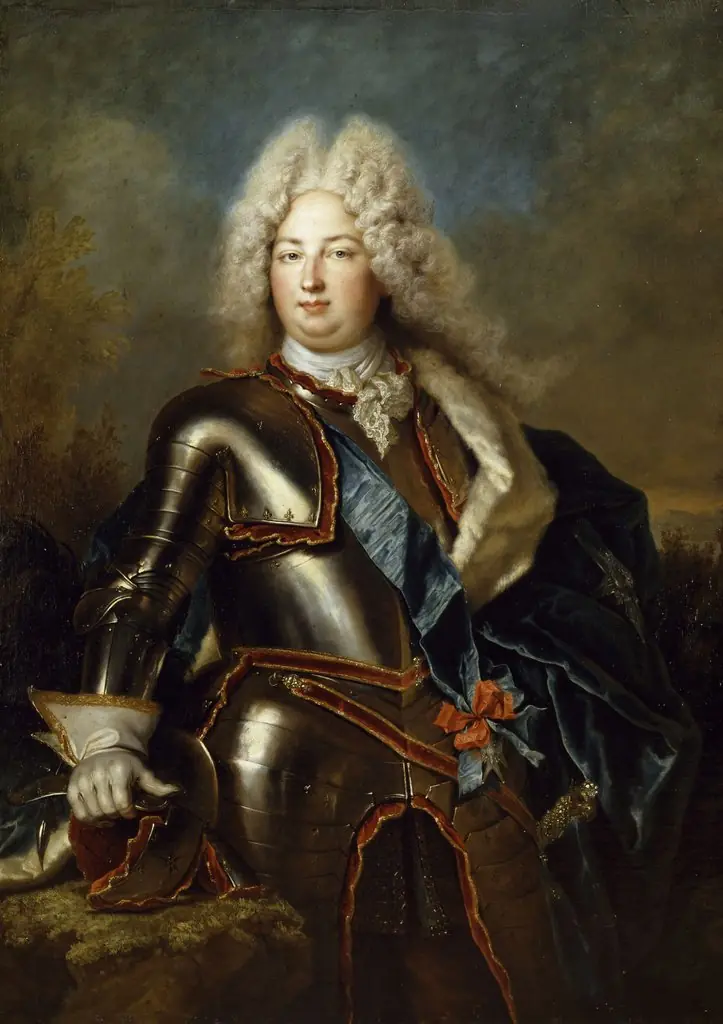 Charles of France, Duke of Berry
 Portrait of James FitzJames, 1st Duke of Berwick (1670-1734)