Artwork
Playing Cards
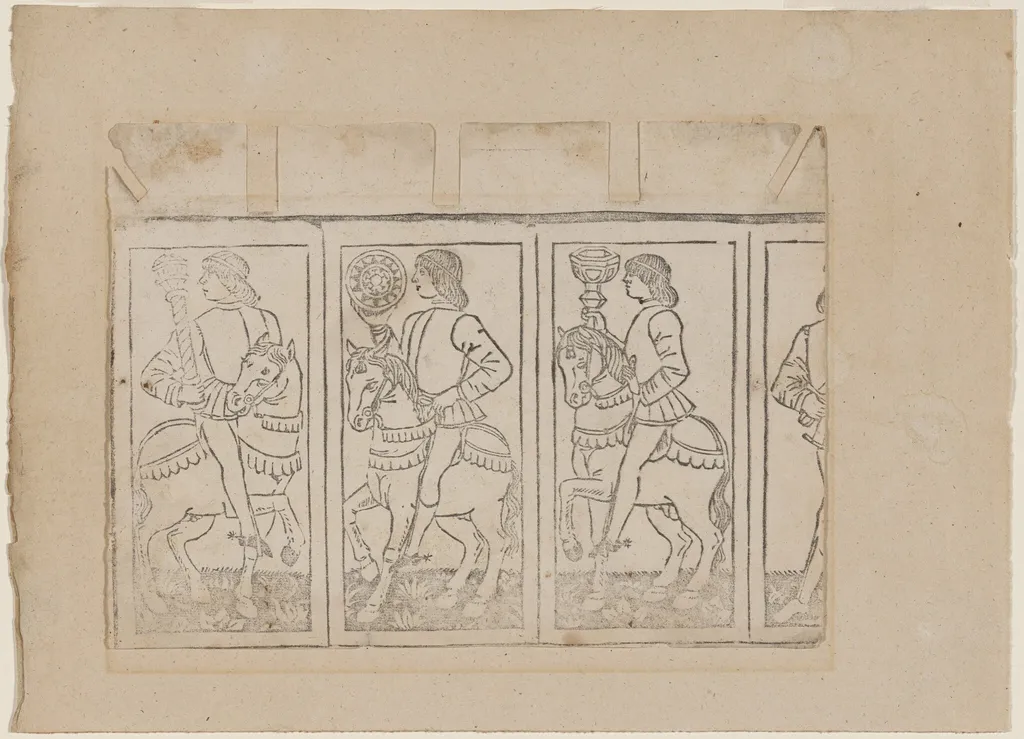
Playing Cards is an ink print by the Renaissance artist Italian 15th Century. It dates from 1470 and is held in the collection of the National Gallery of Art.
About this work
Overview
Playing Cards is a woodcut print composed of three panels, each depicting a man on horseback adorned in Renaissance attire, holding various objects such as a shield and a goblet, with their mounts elaborately saddled and bridled, set against a plain background to accentuate detail.
Subject & Meaning
The subject matter focuses on elegantly dressed men on decorated horses, suggesting themes of nobility or chivalry, though the specific meaning or narrative behind the objects (shield, goblet) they hold is not immediately clear without contextual information.
Technique & Style
Executed in woodcut, the print exhibits a characteristic rough, textured appearance, with visible tool marks underscoring the medium's tactile nature. Despite this, the technique achieves remarkable detail in the intricate designs of the costumes and horse accoutrements.
History & Provenance
No specific historical or provenance details are provided for 'Playing Cards', leaving its date, artist, and ownership history unspecified.
Context
The Renaissance-style clothing and the woodcut medium situate the work within a broader European artistic tradition, potentially from the 15th to 17th centuries, when woodcuts were common for mass-producing images.
Artist & collection

Artist
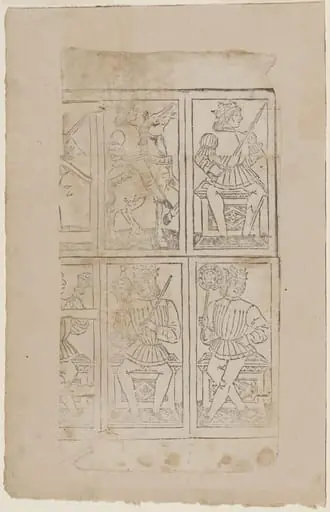
An anonymous Italian engraver from the 1490s carved images that could be peeled apart like paper dolls.

![The Destruction of the Egyptian Idols [verso], by Italian 15th Century](https://artifactworldgallery.com/img/italian-15th-century--the-destruction-of-the-egyptian-idols-verso--646d3c2b8098cfee-w320.webp)
![The Flight into Egypt [recto], by Italian 15th Century](https://artifactworldgallery.com/img/italian-15th-century--the-flight-into-egypt-recto--8f4d5275d7f90f98-w320.webp)
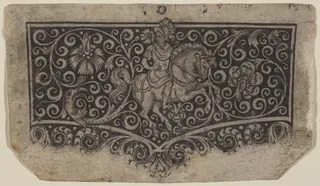 Arabesque with Knight
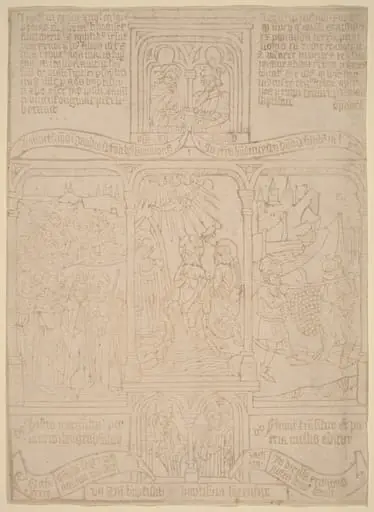 The Baptism of Christ; Pharoah Passing through the Red Sea; Joshua and Caleb
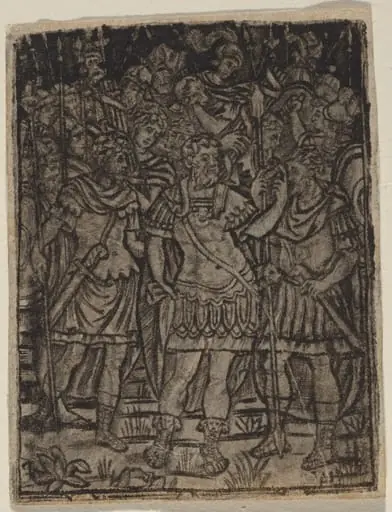 Roman General Addressing His Troops
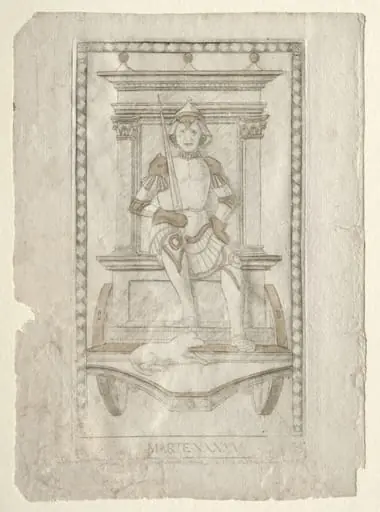 Mars (from the Tarocchi, series A: Firmaments of the Universe, #45)
 H Beard Print Collection
 Conquest of a Town
 Mucius Scaevola
 Mock Joust of War in Reinforced Field Armor
 Last Judgment