Artwork
Portrait of a lady
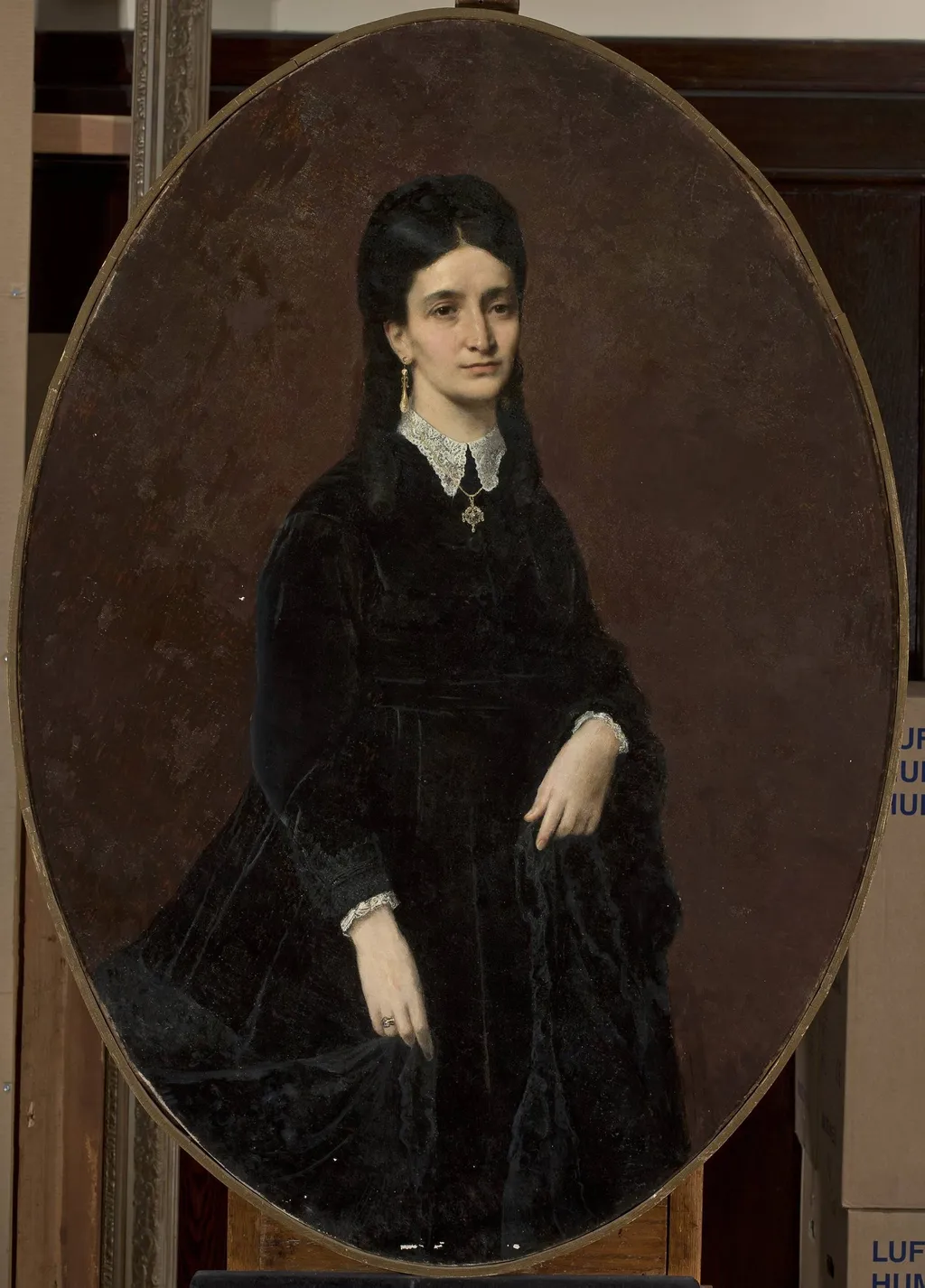
Portrait of a lady is an oil painting by the Realist artist Józef Simmler. It dates from 1855 and is held in the collection of the National Museum in Warsaw.
About this work
The painting's use of chiaroscuro creates a sense of depth and dimensionality, drawing the viewer's attention to the subject's face and hands.
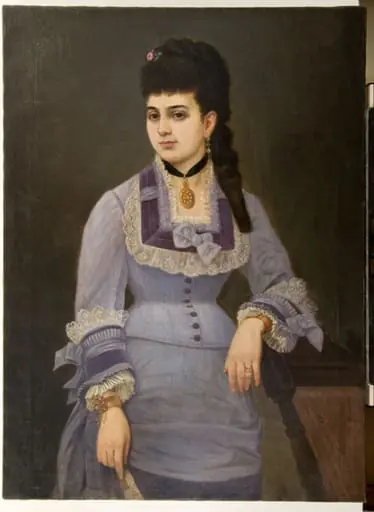
The painting is a portrait of a woman in a dark dress, with a white lace collar and a gold necklace. Her dark hair is pulled back, and she wears dangling earrings. The background is a muted brown color.
The woman's attire and hairstyle suggest a formal setting, possibly from the 19th century. Her expression is serious, and her gaze is directed slightly to the side.
The painting's use of chiaroscuro creates a sense of depth and dimensionality, drawing the viewer's attention to the subject's face and hands. Next, explore the work of artist Józef Simmler.
Overview
Portrait of a Lady is an oil on canvas painting by the Polish artist Józef Simmler, held in the collection of the National Museum in Warsaw. Measuring 143 by 100 centimeters, the work exemplifies Simmler's gifts as a portraitist and his role in shaping Polish art of the nineteenth century through a classical, emotionally resonant approach to depicting his subjects.
Technique & Style
Simmler executed the portrait in oil on canvas with smooth, highly finished brushwork in the face and hands, contrasting with more textured handling in the costume and background. The surface后者 shows fine craquelure throughout, consistent with its age. The oval format, visible within a thin gold frame, was a conventional choice for formal portraiture of the period, lending the composition a sense of intimacy and classical balance. The artist's approach aligns with the costume painting styles prevalent in France that Simmler absorbed during his studies, yet his application infuses the work with what critics have identified as a distinctive humaneness. The careful modulation of tone within the black dress and the precise rendering of lace and jewelry demonstrate technical accomplishment, while the flat, dark brown background isolates the figure in a manner typical of mid-nineteenth-century European portraiture.
History & Provenance
The painting is currently located at the National Museum in Warsaw, where it is accessioned in the national collection. Its provenance and exhibition history prior to this placement are not documented in the available sources. Simmler's most celebrated work, The Death of Barbara Radziwillowna (1860), was exhibited by the Warsaw-based Society for the Promotion of the Fine Arts in 1861 and is now held at the same museum, suggesting institutional continuity in the collection and display of Simmler's major works in Poland's capital.
Context
Józef Simmler came from a wealthy German Protestant family, and this affluent upbringing enabled him to study in Dresden, Munich, and Paris. These experiences exposed him to prevailing European styles, particularly French costume painting, which he adapted to Polish subjects and themes. His major contribution to Polish art lies in the humaneness his paintings evoked; he was especially gifted as a portraitist, producing works that allowed the public a view of the past while conveying deep senses of compassion, dread, and tenderness. The Portrait of a Lady stands within this oeuvre as a representative example of his ability to merge technical refinement with emotional accessibility. His other notable works include Children of King Edward (1847), Portrait of a Nobleman with a Parrot (1859), and the aforementioned Death of Barbara Radziwillowna.
Legacy
Simmler's reputation rests primarily on his historical and portrait compositions that shaped Polish visual culture during a formative period of national art institutions. The preservation of Portrait of a Lady in the National Museum in Warsaw ensures its continued availability for public engagement and scholarly study. His familial connections extended into intellectual circles; his daughter's brother-in-law was Eduard Strasburger, the noted Polish-German botanist, and one of his grandsons was Henryk Leon Strasburger, a Polish delegate to the League of Nations. These associations reflect the social standing of Simmler's circle and the integration of artistic and scientific elites in Polish society of the era.
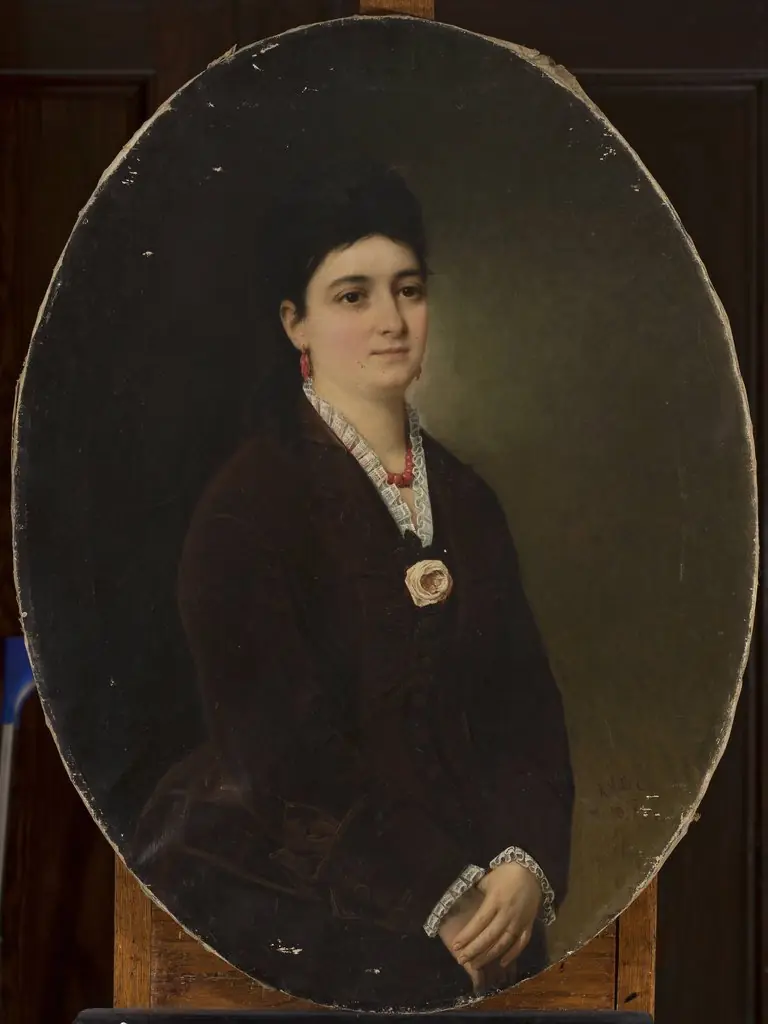
Own this work as a print
Artist & collection
Artist
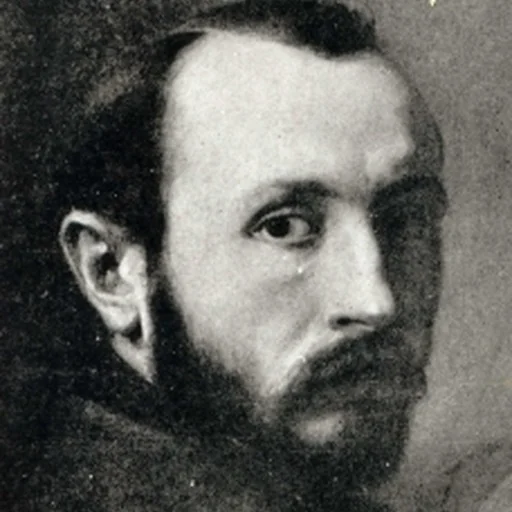
Józef Simmler (March 14, 1823, in Warsaw – March 1, 1868, in Warsaw) was a Polish painter known for his classical style and his Polish subjects.

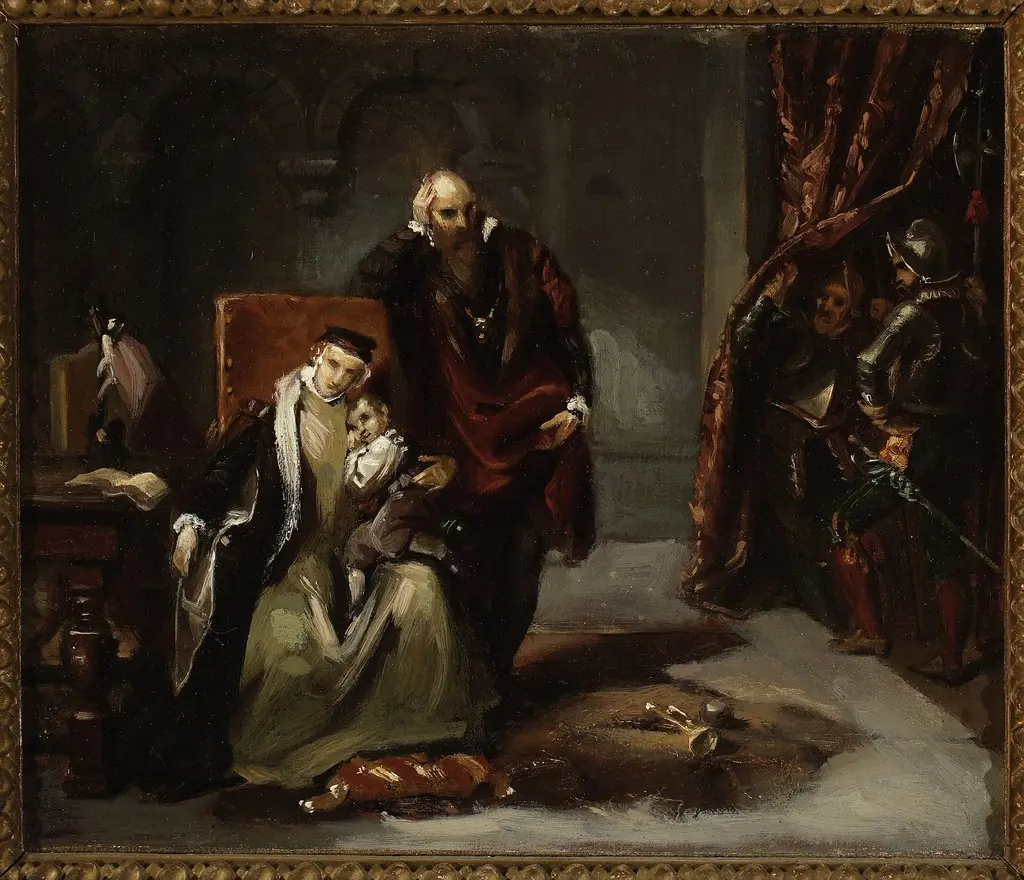 Catherine Jagiellon with her son Sigismund imprisoned in the Gripshom Castle (sketch)
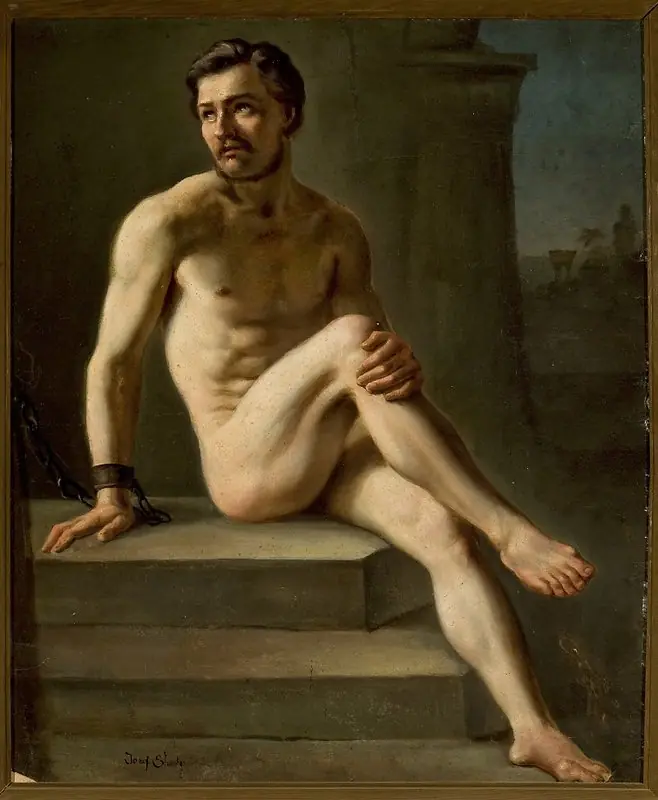 Male nude study
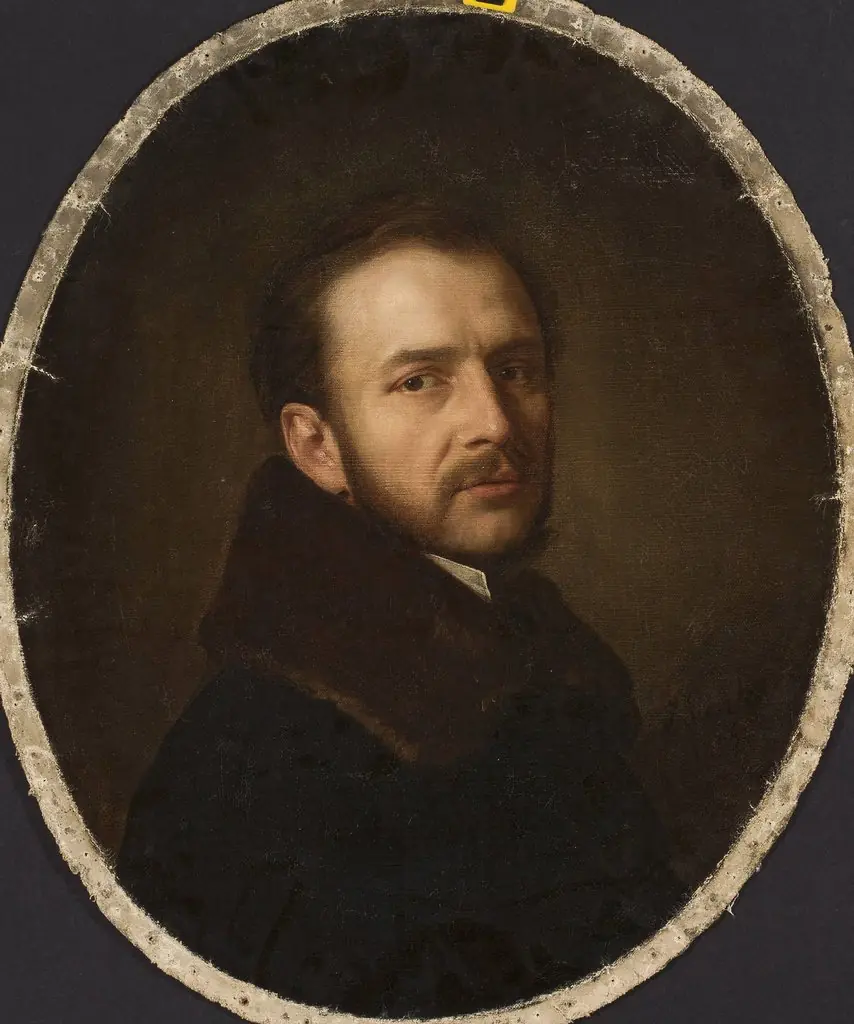 Portrait of a man
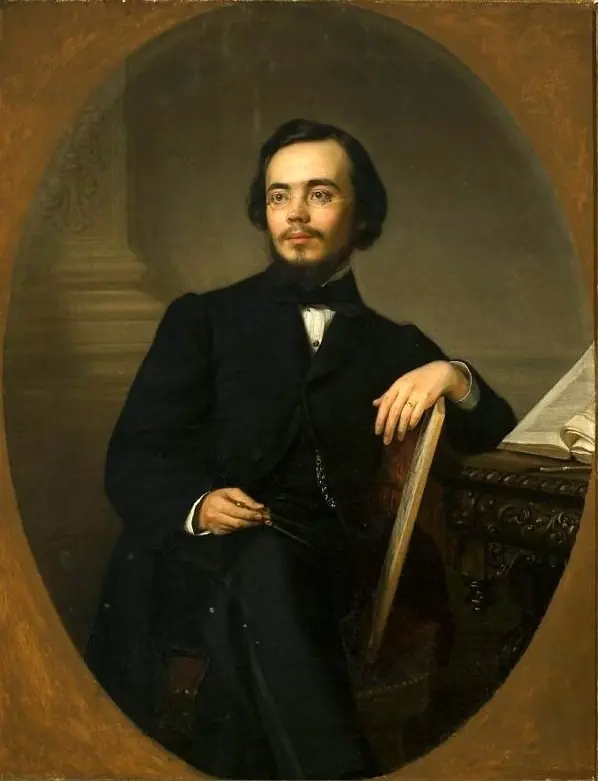 Portrait of Aleksander Waszkowski, member of the National Government in 1863
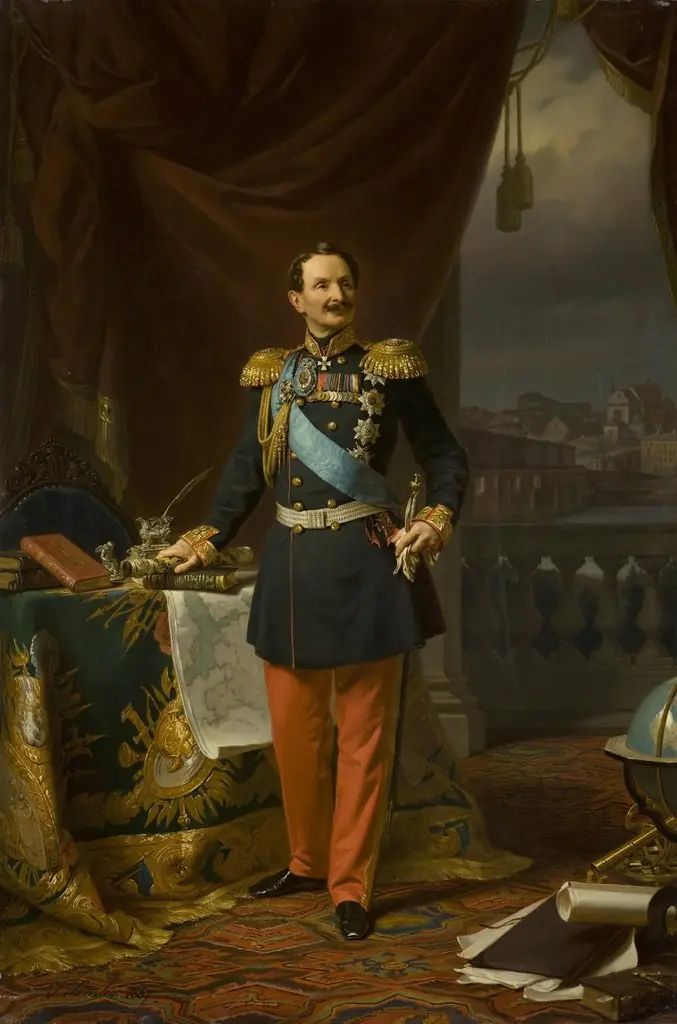 Portrait of Field-Marshal Count Fiodor (Friedrich Wilhelm) Berg
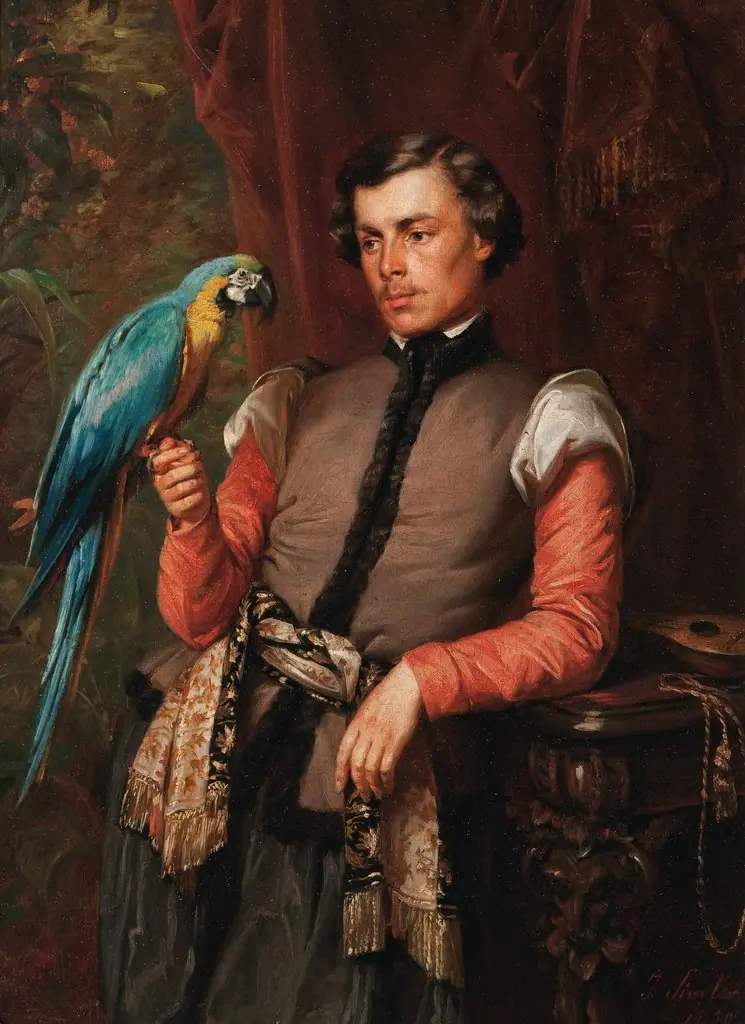 Nobleman with a Parrot
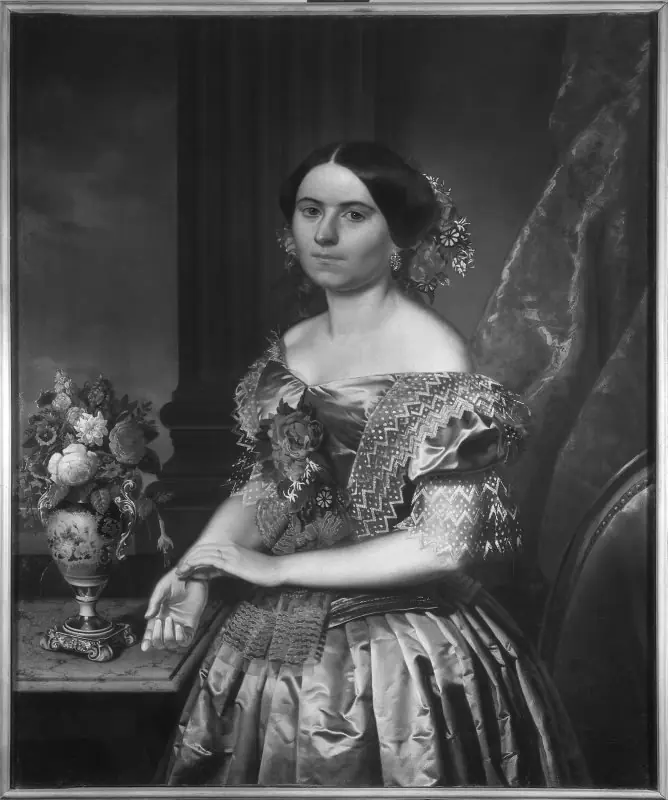 Portrait of Mrs. Skwarcowa
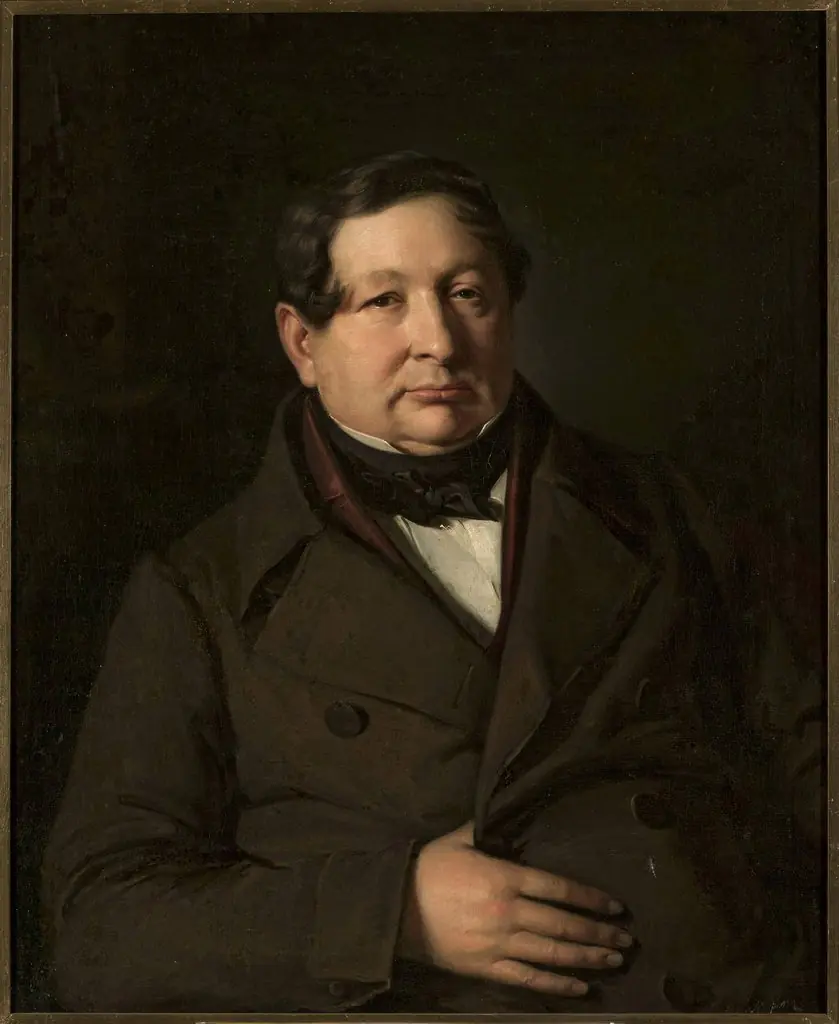 Portrait of Jakub Simmler, artist’s father
- Portrait of Maria Sędziak née Żyżniewska
 Dr. Flodor
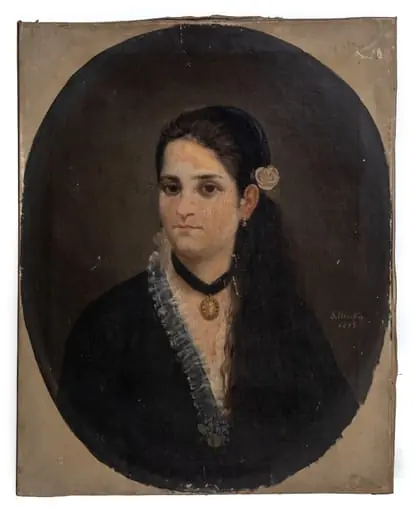 Portret de femeie
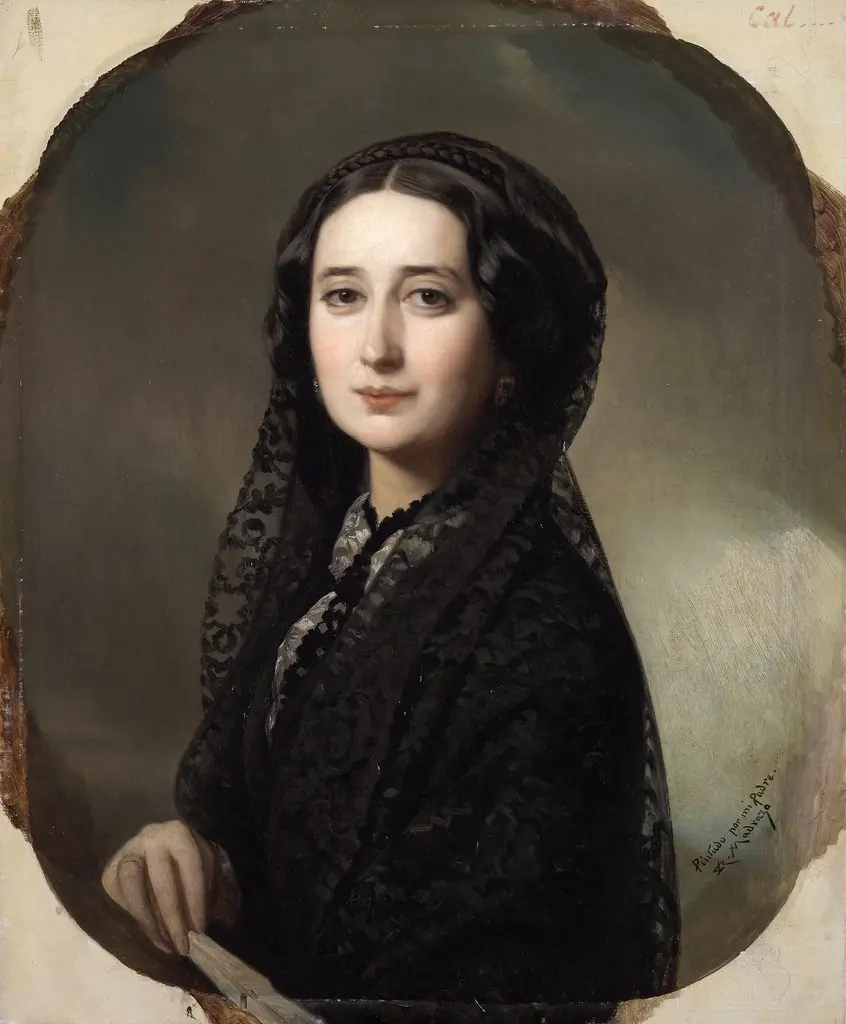 Carolina Coronado
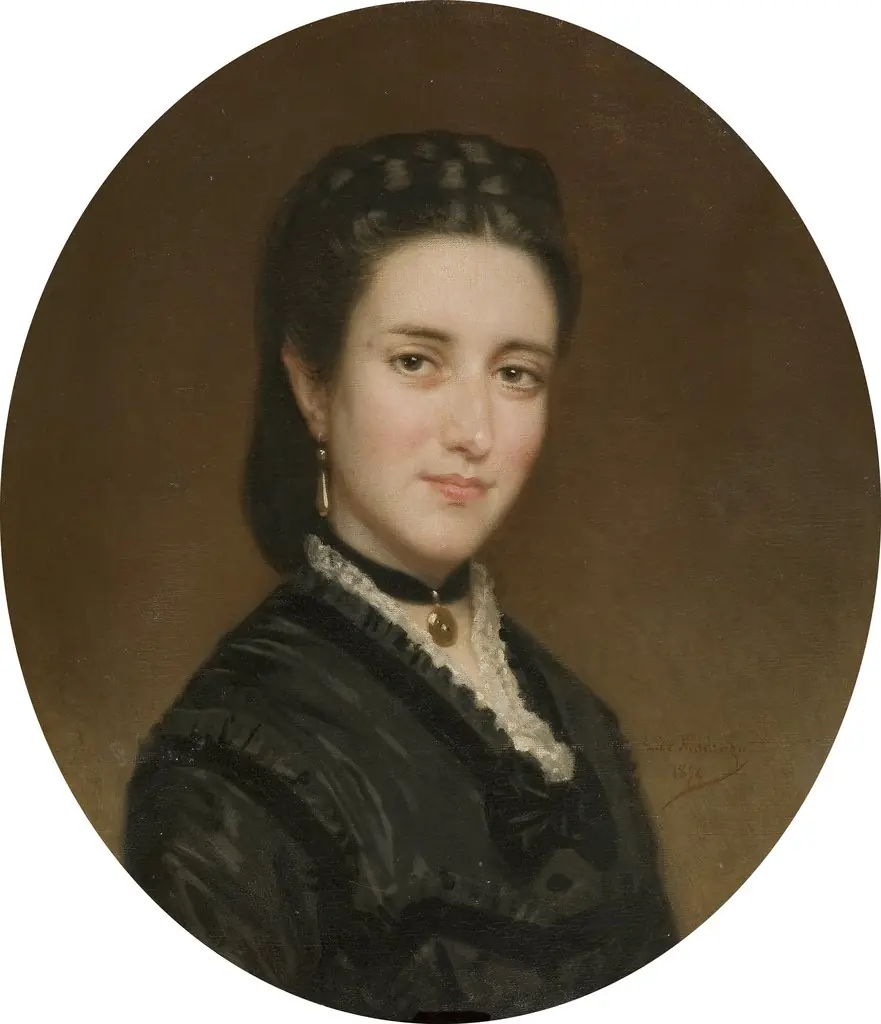 La señora de Creus
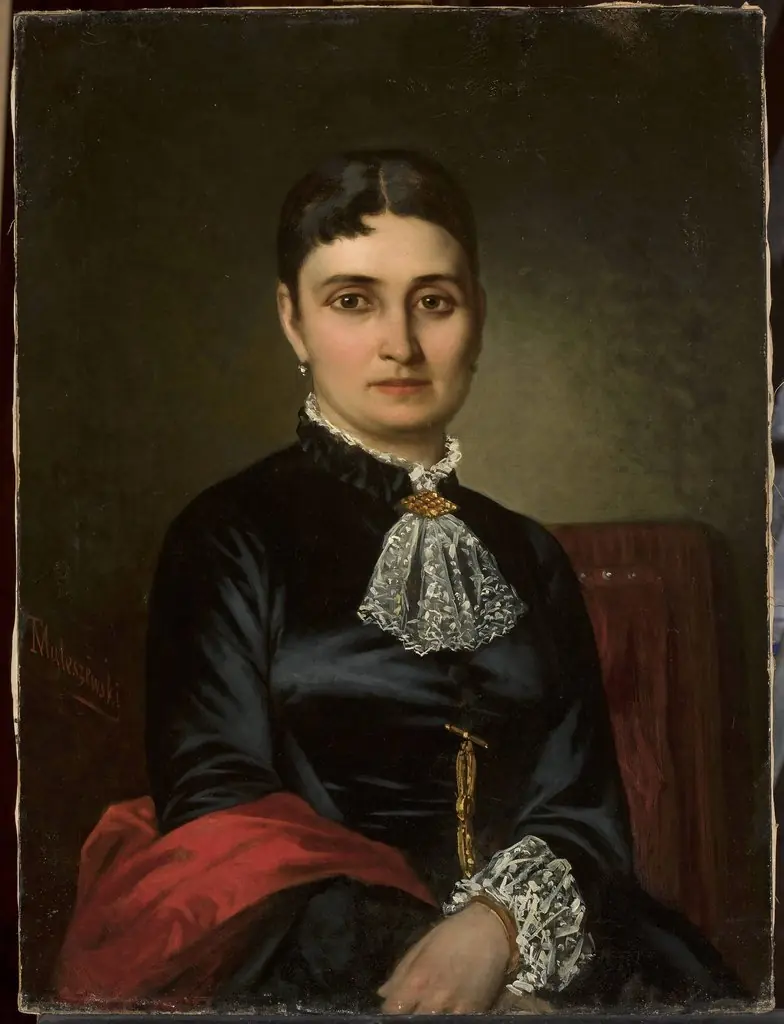 Portrait of Apolonia Anaszkowska
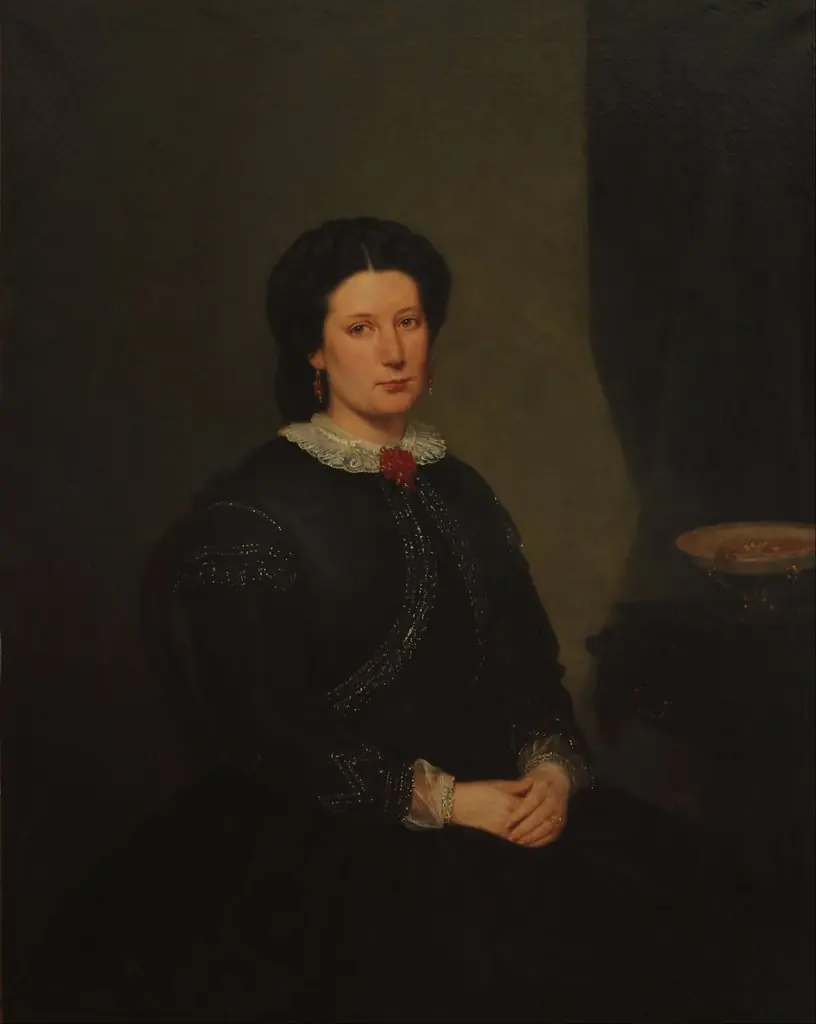 Retrato de la Señora Adela Eastman de Barros
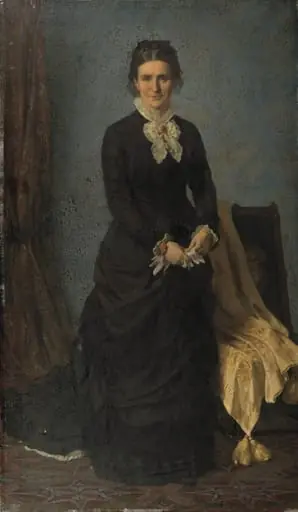 Kammerherreinde Caroline Amalie Meldahl, f. Ræder
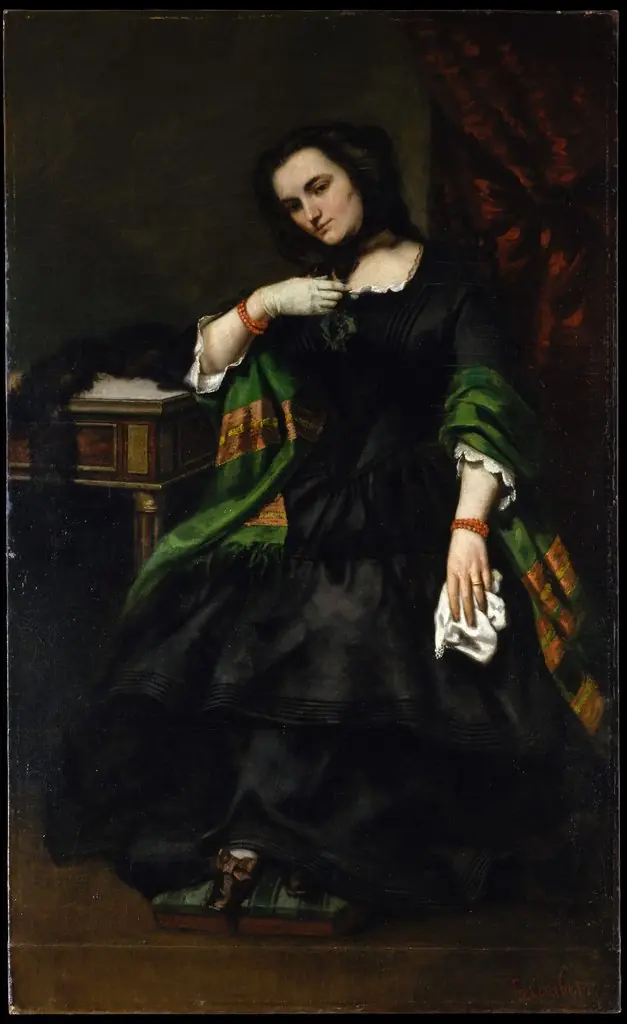 Madame Auguste Cuoq (Mathilde Desportes, 1827–1910)
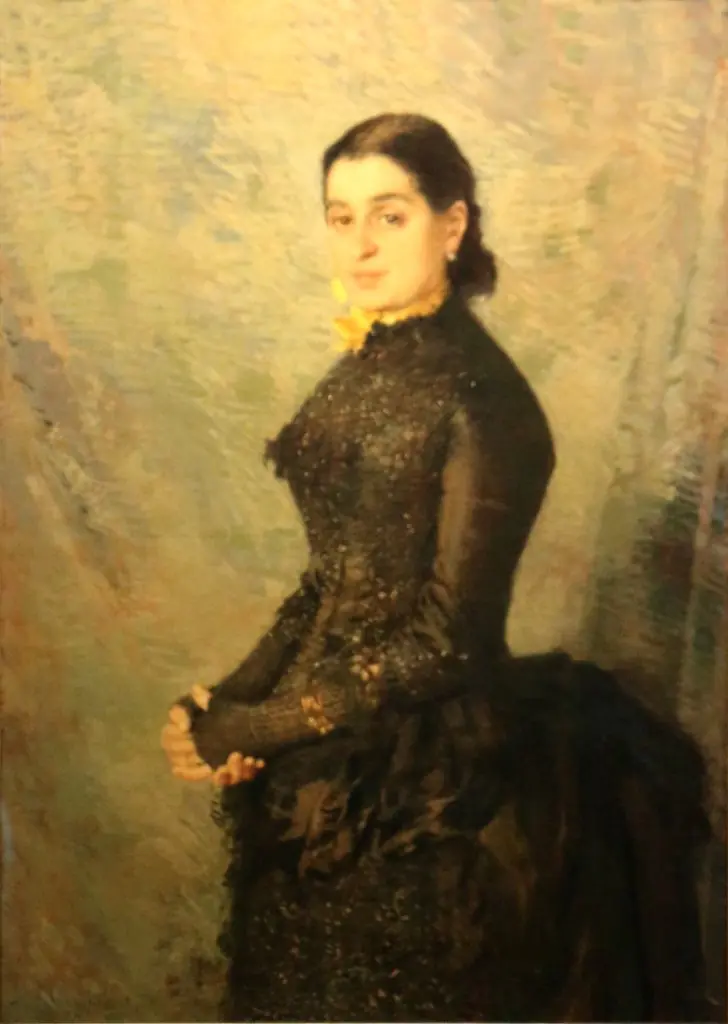 portrait of Mrs Wiener
 Portret de femeie
 Portret de tânără