Artwork
Portrait of Aleksander Waszkowski, member of the National Government in 1863
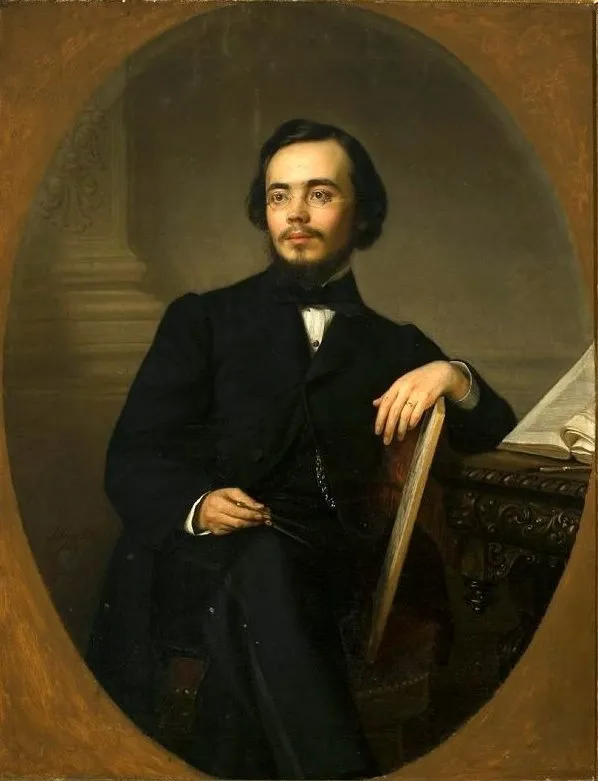
Portrait of Aleksander Waszkowski, member of the National Government in 1863 is an oil painting by the Realist artist Józef Simmler. It dates from 1864 and is held in the collection of the National Museum in Warsaw.
About this work
Overview
Measuring 123 by 96 centimetres, the work is executed in an oval format and is currently held in the collection of the National Museum in Warsaw.
The Portrait of Aleksander Waszkowski, member of the National Government in 1863 is an oil-on-canvas portrait painted by the Polish artist Józef Simmler in 1864. Measuring 123 by 96 centimetres, the work is executed in an oval format and is currently held in the collection of the National Museum in Warsaw. The painting is a significant document of Polish political history, portraying a key figure from the January Uprising of 1863, and exemplifies Simmler's reputation as a gifted portraitist who brought psychological depth and technical refinement to depictions of Polish national subjects.
Subject & Meaning
The subject, Aleksander Waszkowski, is identified as a participant in the 1863 January Uprising and a member of the National Government, the insurgent authority that directed the Polish-Lithuanian revolt against Russian rule. Simmler depicts him seated in three-quarter view, wearing a dark suit with white shirt and black bow tie, his left arm resting on the back of a wooden chair while his right hand holds gloves in his lap. A ring on his left hand and an open book or document on a carved wooden table beside him suggest both personal status and political engagement. The fluted column with ornate capital in the background evokes classical associations of civic virtue and republican tradition, while the muted, hazy atmosphere creates an introspective mood befitting a man who had recently participated in a failed national cause. The presence of glasses, beard, and mustache are recorded as distinctive facial features, and the book he holds or the document nearby underscores his intellectual and governmental role.
Technique & Style
Simmler worked in oil on canvas, employing the smooth, highly finished brushwork characteristic of academic portraiture. The palette is restrained, dominated by browns, blacks, and warm neutrals that unify the figure with his surroundings. Light falls evenly across the sitter, creating soft shadows that model the facial features and fabric without dramatic chiaroscuro. The artist paid particular attention to the careful modeling of the face and the texture of materials, from the dark suit to the white shirt. The oval composition is framed by a warm brown tone at the outer edges of the canvas, a device that contains the image and focuses attention on the sitter. The overall handling reflects the influence of the Munich School, with which Simmler had connections through his training and travels, combined with the formal conventions of French costume painting that he adapted to Polish historical subjects.
History & Provenance
The portrait was painted in 1864, immediately following the suppression of the January Uprising, a moment when portraying members of the National Government carried significant political resonance. The work entered the collection of the National Museum in Warsaw, where it remains today. While specific details of its commission and early ownership have not been preserved in the available sources, the museum's accession of the painting reflects its institutional commitment to preserving art related to Polish national history. The painting has been exhibited and reproduced in contexts related to both Simmler's oeuvre and the visual documentation of the 1863 uprising.
Context
Józef Simmler (1823-1868) came from a wealthy German Protestant family, and his affluent upbringing enabled him to study in Dresden, Munich, and Paris. He is best known for Death of Barbara Radziwillowna (1860), which achieved immense popularity when exhibited by the Warsaw-based Society for the Promotion of the Fine Arts in 1861. Simmler's major contribution to Polish art lay in the humaneness his paintings evoked; he was particularly gifted as a portraitist and adapted French styles of costume painting to produce works that allowed viewers access to the Polish past. His paintings conveyed not merely historical reproduction but emotional qualities of compassion, dread, and tenderness. The portrait of Waszkowski belongs to a period when Simmler was already established as a leading painter of Polish subjects, and it participates in the broader nineteenth-century project of using portraiture to commemorate political figures and preserve national memory during a time of partition and foreign domination.
Legacy
The portrait remains in the National Museum in Warsaw as a tangible connection to the 1863 January Uprising and its leadership. As a work by Simmler, it forms part of the oeuvre of an artist whose Death of Barbara Radziwillowna became a canonical image in Polish art. The painting continues to serve as a historical document, reproduced in scholarly and commercial contexts alike, and it contributes to the understanding of how portraiture functioned as a mode of political commemoration in partitioned Poland. Simmler's broader legacy includes his influence on subsequent Polish painters through his synthesis of European academic techniques with specifically Polish subject matter, and his descendants' connections to Polish public life, including his grandson Henryk Leon Strasburger, a delegate to the League of Nations.
Artist & collection
Artist
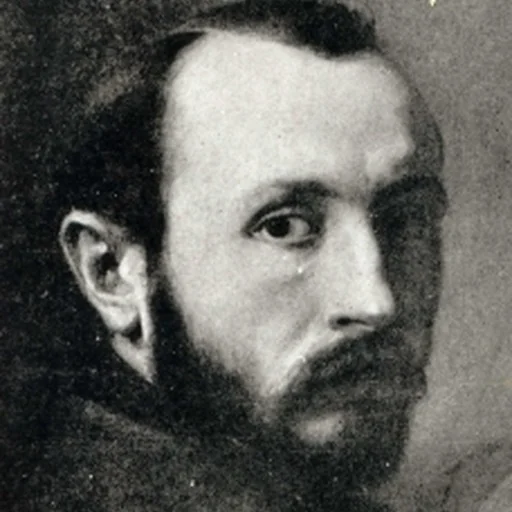
Józef Simmler (March 14, 1823, in Warsaw – March 1, 1868, in Warsaw) was a Polish painter known for his classical style and his Polish subjects.

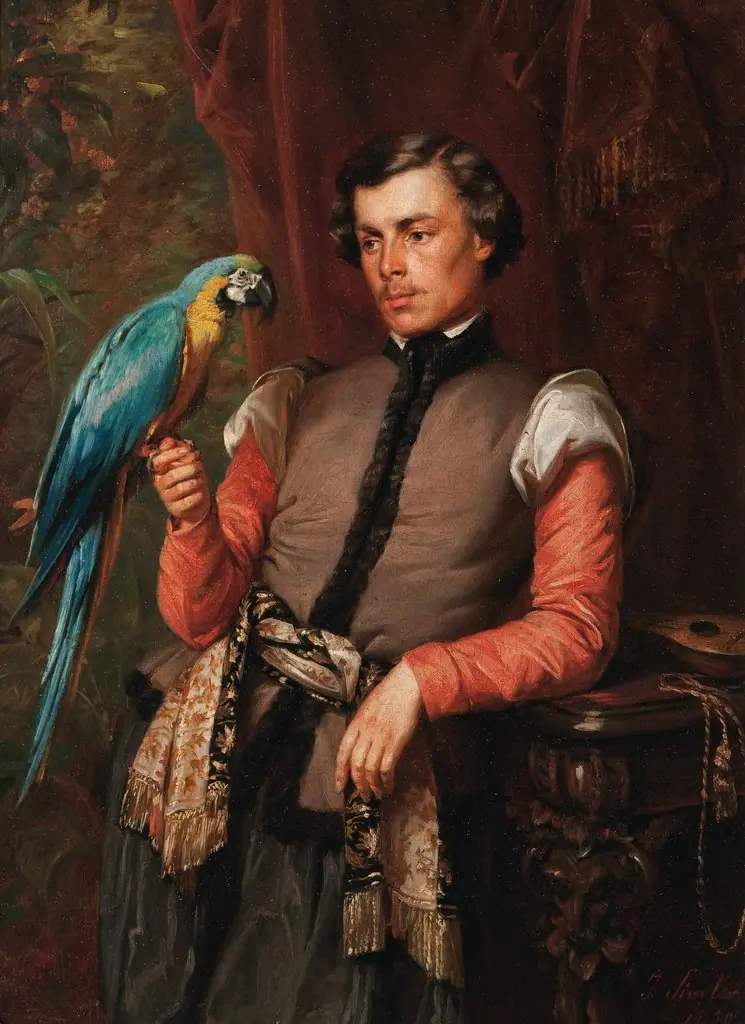
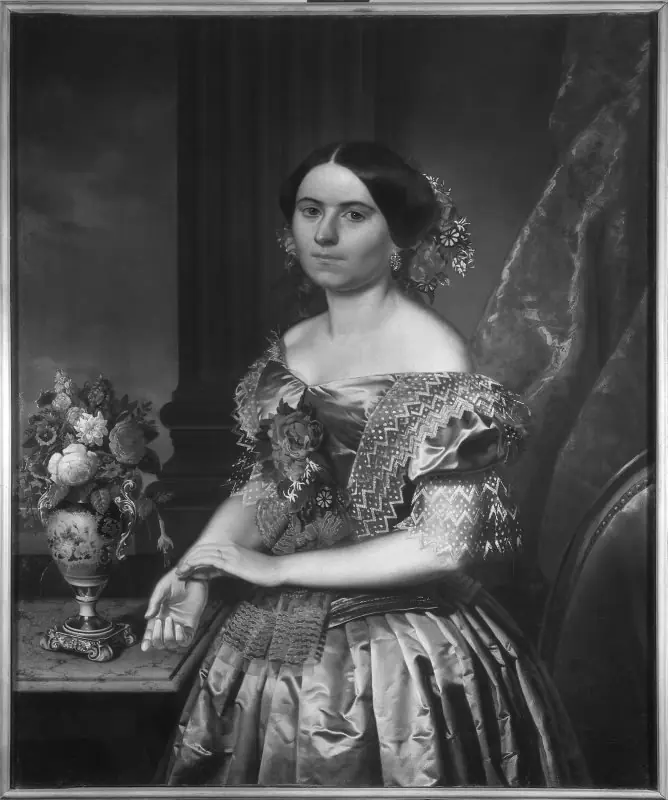
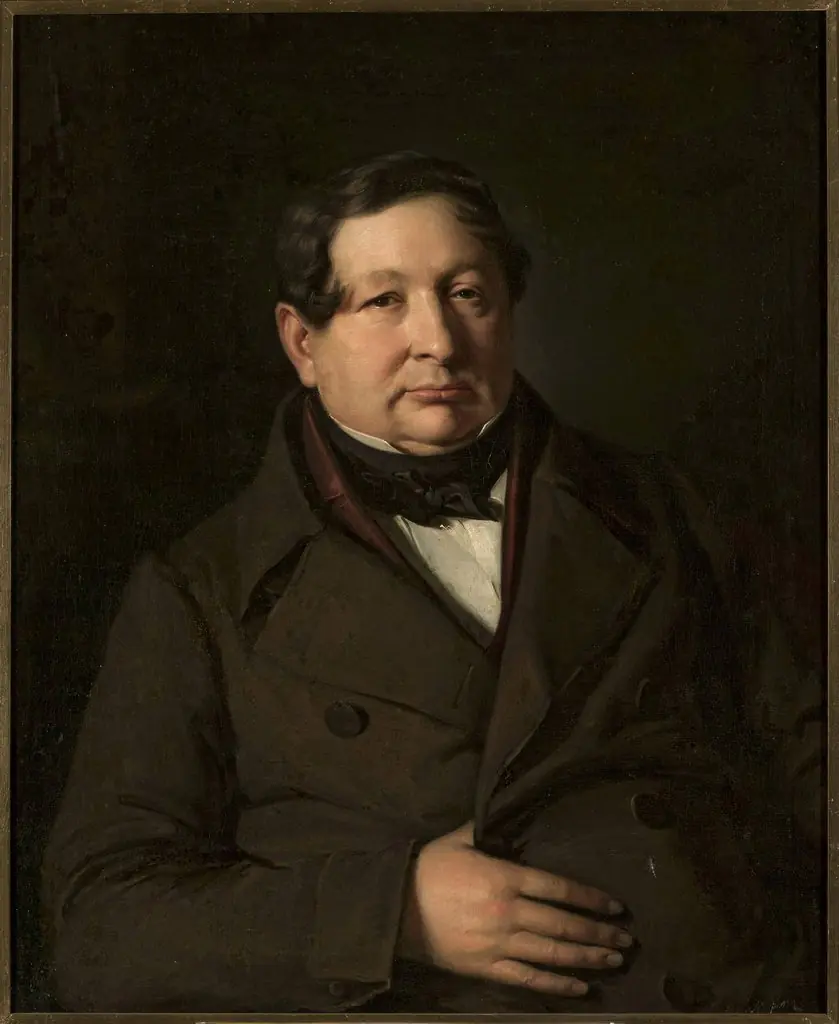
- Eulogio Florentino Sanz y Sánchez
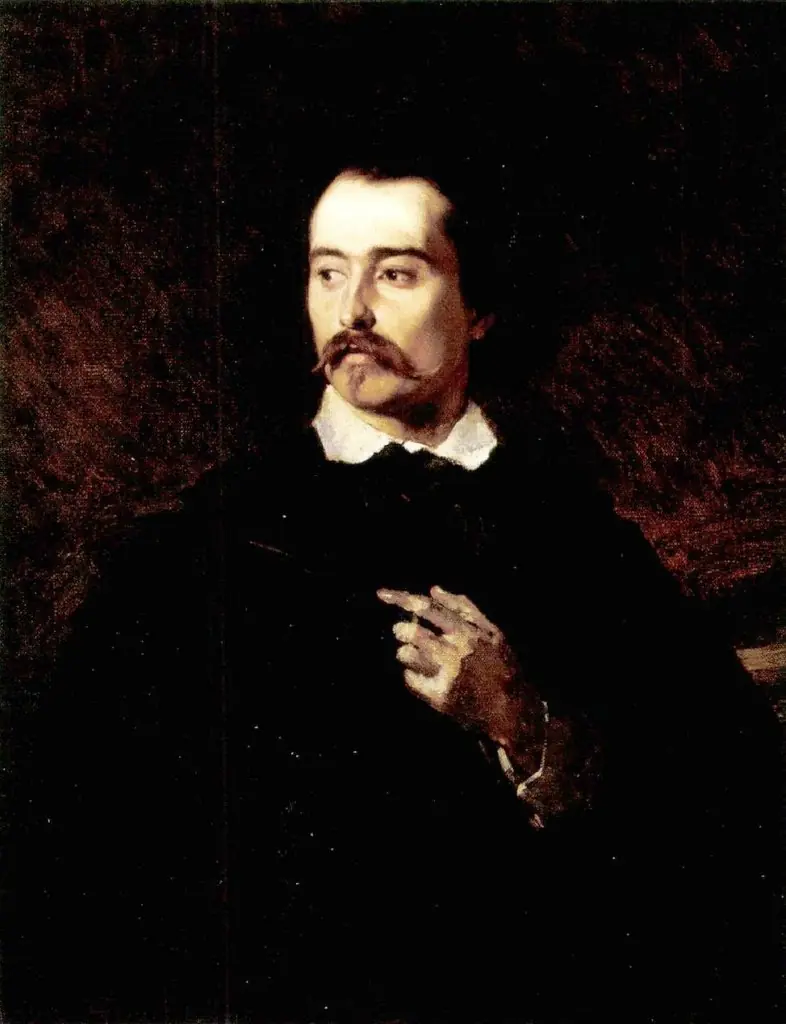 Portrait of Painter József Borsos
 Portret van een man
 Portrait of Prince Nikolai Yusupov
 Portretul lui P. Lochmann
 Autoportret la 20 de ani
 Portrait of Zygmunt Krasiński (1812–1859)
 Gheorghe Lazăr
 El pintor Benito Soriano Murillo
 Portrait of Alexei Bobrinsky
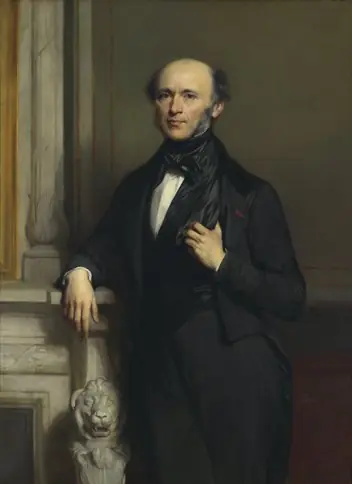 Portrait of Joseph-Gustave Allard (1803-1869)
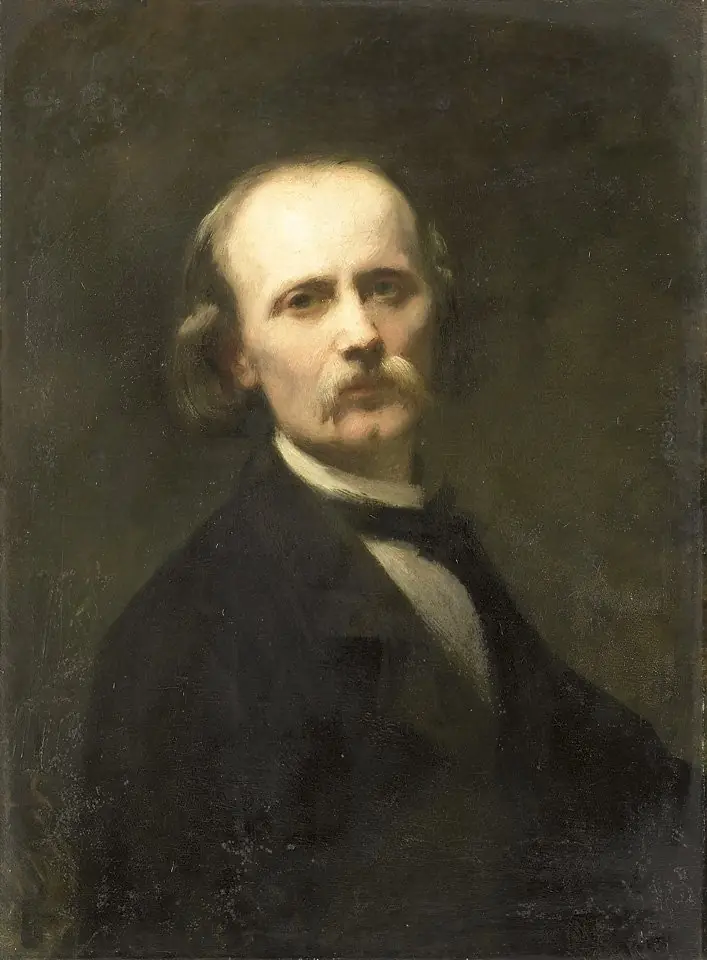 Self-Portrait