Artwork
HNLMS Steam Warship Medusa Forcing Passage through the Shimonoseki Strait
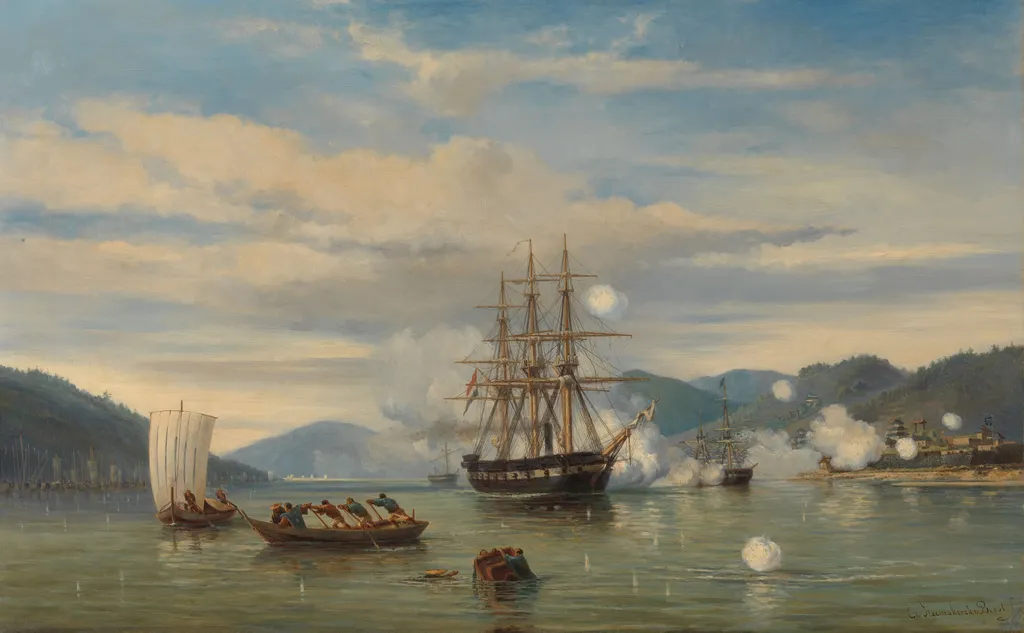
HNLMS Steam Warship Medusa Forcing Passage through the Shimonoseki Strait is an oil painting by the Realist artist Jacob Eduard van Heemskerck van Beest. It dates from 1864 and is held in the collection of the Rijksmuseum.
About this work
Technique & Style
Jacob Eduard van Heemskerck van Beest executed the 1864 oil painting on canvas, depicted in marine art style as part of the Rijksmuseum collection. The work measures 68 cm in height by 107 cm in width and portrays a vessel navigating a narrow strait under dramatic lighting, reflecting formal qualities of 19th-century maritime realism.
History & Provenance
Jacob Eduard van Heemskerck van Beest painted HNLMS Steam Warship Medusa Forcing Passage through the Shimonoseki Strait in 1864 as an oil on canvas work.
Jacob Eduard van Heemskerck van Beest painted HNLMS Steam Warship Medusa Forcing Passage through the Shimonoseki Strait in 1864 as an oil on canvas work. The painting entered the Rijksmuseum collection shortly after its creation and remains on display there. Its dimensions are 68 cm in height by 107 cm in width.
The painting HNLMS Steam Warship Medusa Forcing Passage through the Shimonoseki Strait is held in the collection of the Rijksmuseum in Amsterdam. It was created by Jacob Eduard van Heemskerck van Beest in 1864 and is cataloged as a marine art work on canvas. The source material does not provide a specific inventory or accession number for the work, nor does it document any exhibition history.
Context
The painting HNLMS Steam Warship Medusa Forcing Passage through the Shimonoseki Strait by Jacob Eduard van Heemskerck van Beest was completed in 1864 and is housed in the Rijksmuseum, where it is categorized within the broader tradition of marine art and mythological themes, reflecting 19th-century Dutch naval Romanticism and the artist's focus on historical naval subjects.
Scholarly attention to the work is limited, with most documentation centering on its provenance and physical attributes rather than critical discourse; its reception during the artist's lifetime remains sparse, and contemporary scholarship largely treats it as an example of period naval illustration rather than a transformative piece within maritime painting.
Within the artist's oeuvre, the painting exemplifies van Beest's recurring interest in historical naval engagements and mythological narratives rendered through a realistic yet dramatic lens, situating it amid 19th-century Dutch Romanticism and the evolution of marine art toward more dynamic compositions that blend factual detail with artistic interpretation.
Overview
Jacob Eduard van Heemskerck van Beest’s 1864 oil painting, HNLMS Steam Warship Medusa Forcing Passage through the Shimonoseki Strait, records a Dutch warship navigating a confined channel. The canvas captures the vessel amid a burst of cannon fire, its smoke mingling with a mist‑laden sea and a softly clouded sky. The work is part of the Rijksmuseum’s permanent collection.
Subject & Meaning
The composition centers on the steam warship Medusa as it forces its way through the narrow Shimonoseki Strait, a strategic waterway in Japan. Smaller rowing boats flee the scene, emphasizing the ship’s dominance and the tension of naval power in a foreign landscape. The juxtaposition of military might against a tranquil shoreline suggests both conquest and the precariousness of the encounter.
Own this work as a print
Artist & collection
Artist
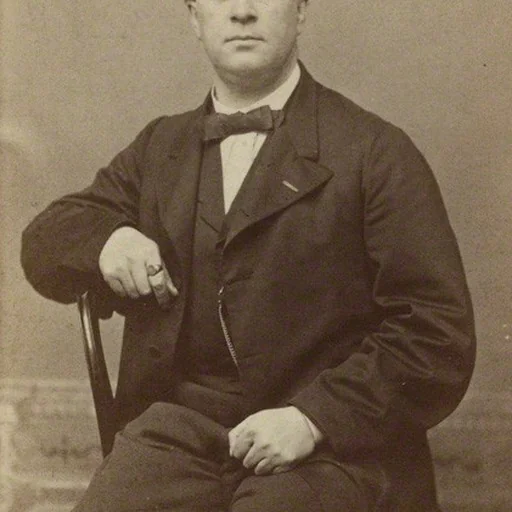
Jacob Eduard van Heemskerck van Beest
Jkhr. Jacob Eduard van Heemskerck van Beest (Dutch pronunciation:; 28 February 1828 – 24 December 1894) was a Dutch painter.

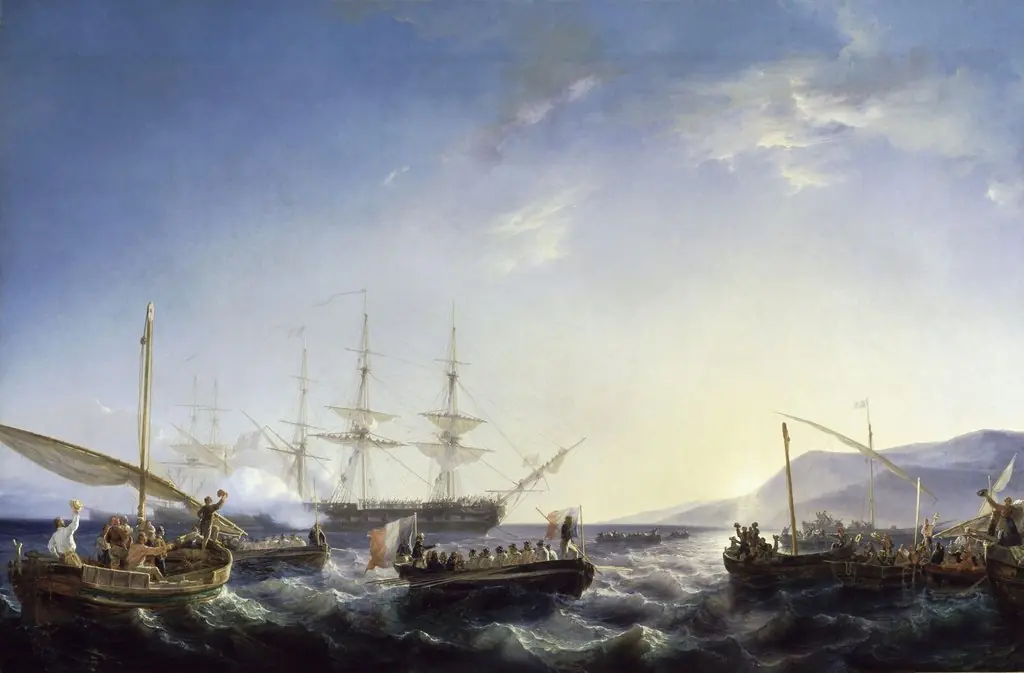 Bonaparte arriving in France back from Egypt on 9 October 1799
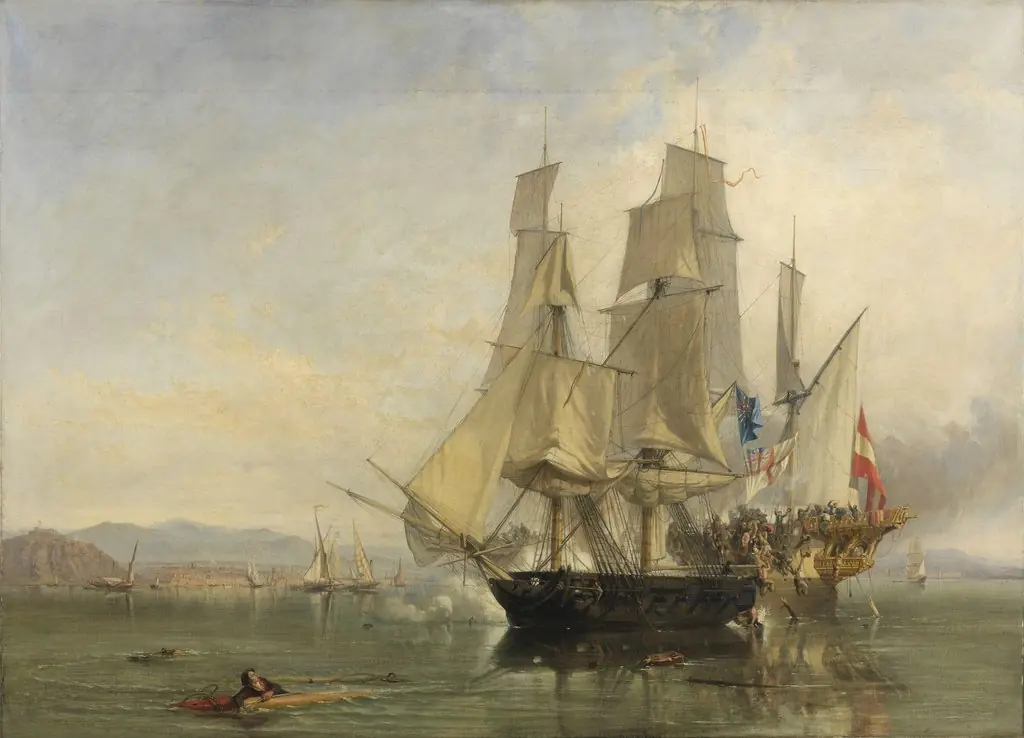 The Action and Capture of the Spanish Xebeque Frigate El Gamo
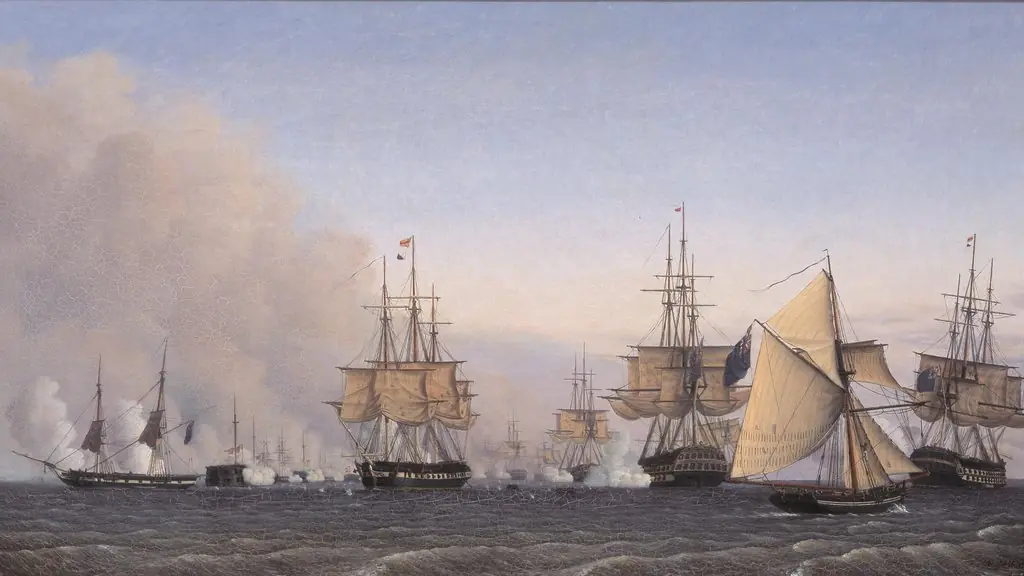 Slaget på Rheden den 2. april 1801
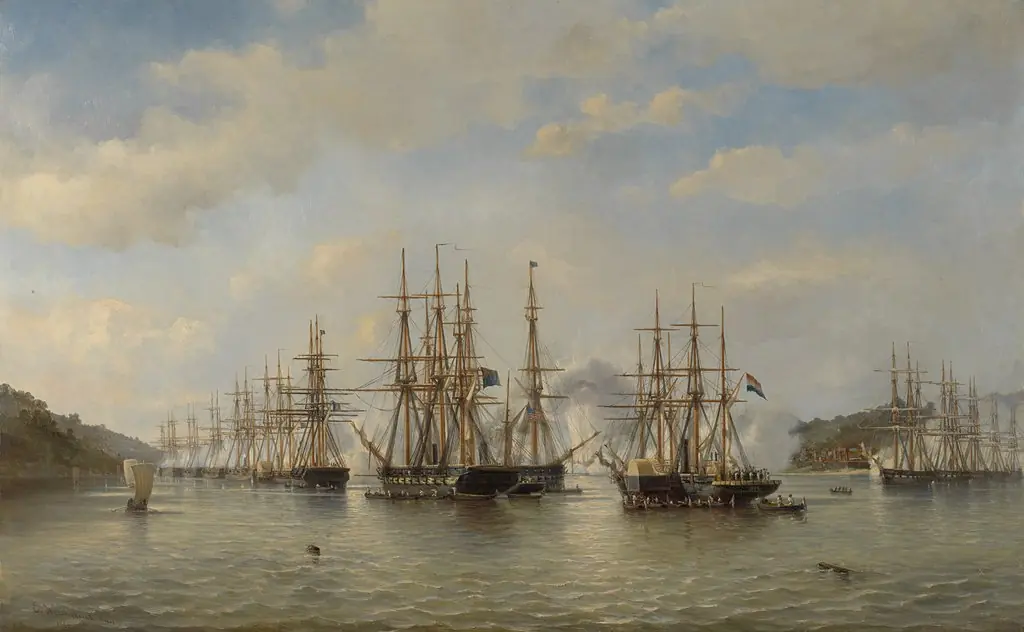 Dutch, English, French and American Squadrons in Japanese Waters during the Expedition under the Command of the French Captain Constant Jaurès, September 1864
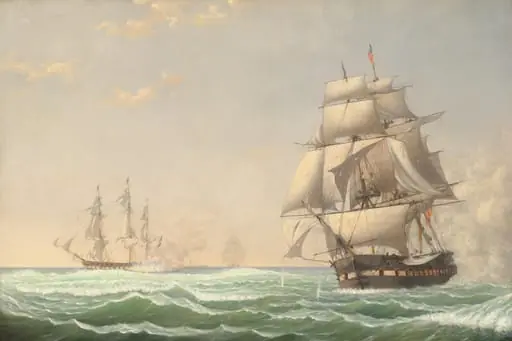 The United States Frigate "President" Engaging the British Squadron, 1815
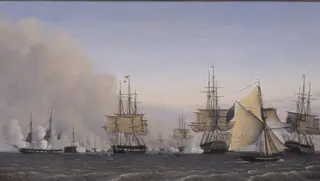 Slaget på Rheden den 2. april 1801
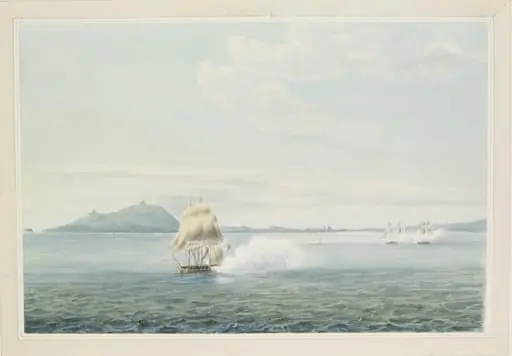 Gibraltar
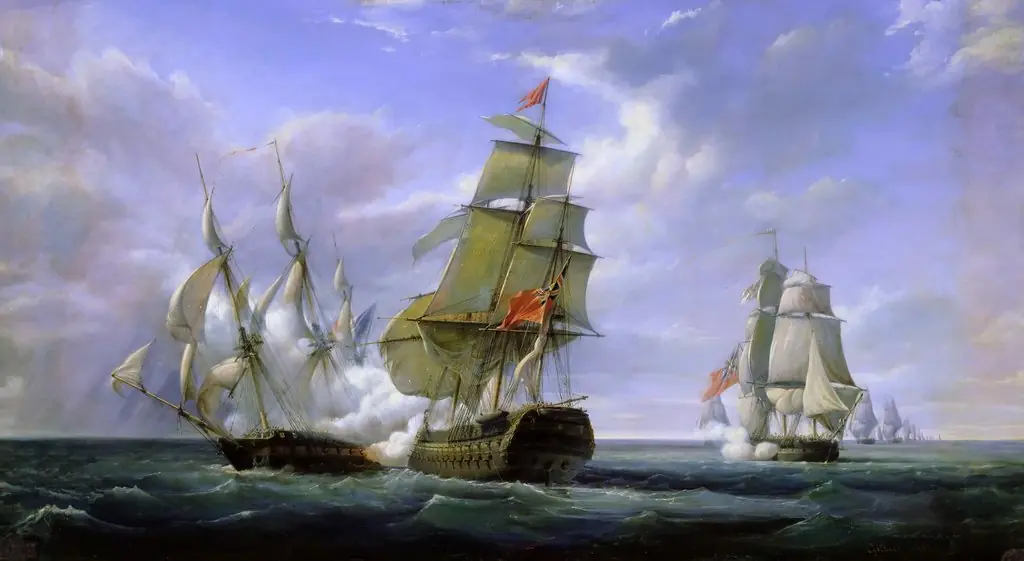 Fight of the British Third Rate 74-gun ship-of-the-line HMS Tremendous and HMS ''Hindostan against the French frigate Cannonière, 21 April 1806.
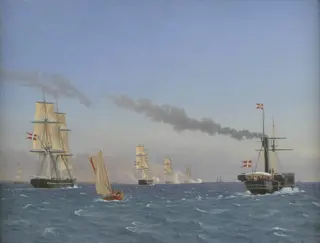 Christian VIII Aboard his Steamship "Ægir" Watching the Manoeuvres of a Squadron near Copenhagen
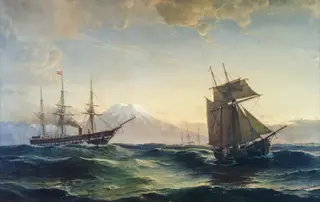 Ships off the Coast of Iceland
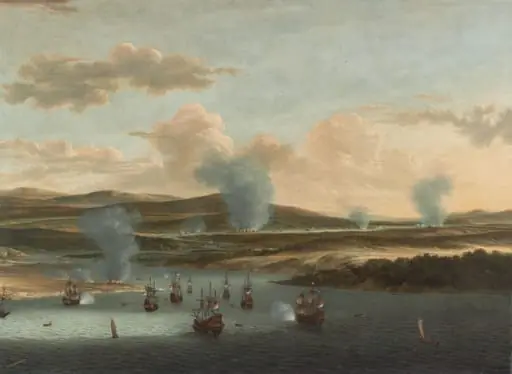 Battle of Medway
- HMS Steam-Powered Battleship Medusa Opening the Shimonoseki Straits
 Lake Lucerne
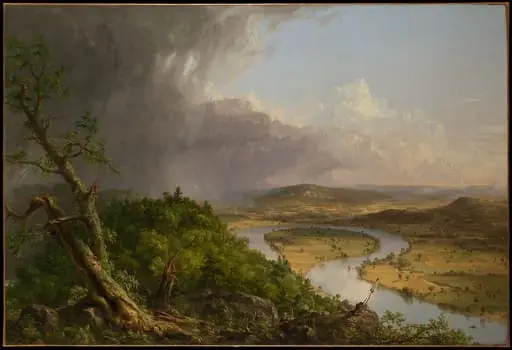 View from Mount Holyoke, Northampton, Massachusetts, after a Thunderstorm—The Oxbow
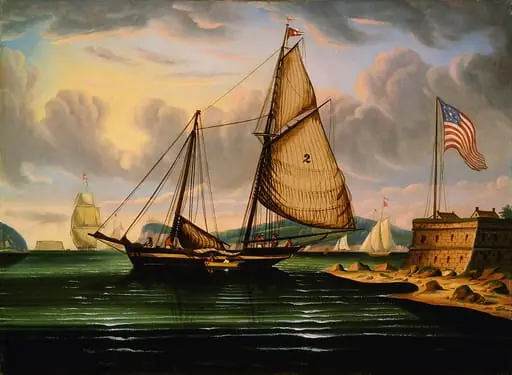 New York Harbor with Pilot Boat "George Washington"
 Marine Landscape
 Threatening Sky, Bay of New York
 Lake George and the Village of Caldwell
 Rio de Janeiro Bay
 Packet Ship Passing Castle Williams, New York Harbor