Artwork
Anna Claypoole Peale
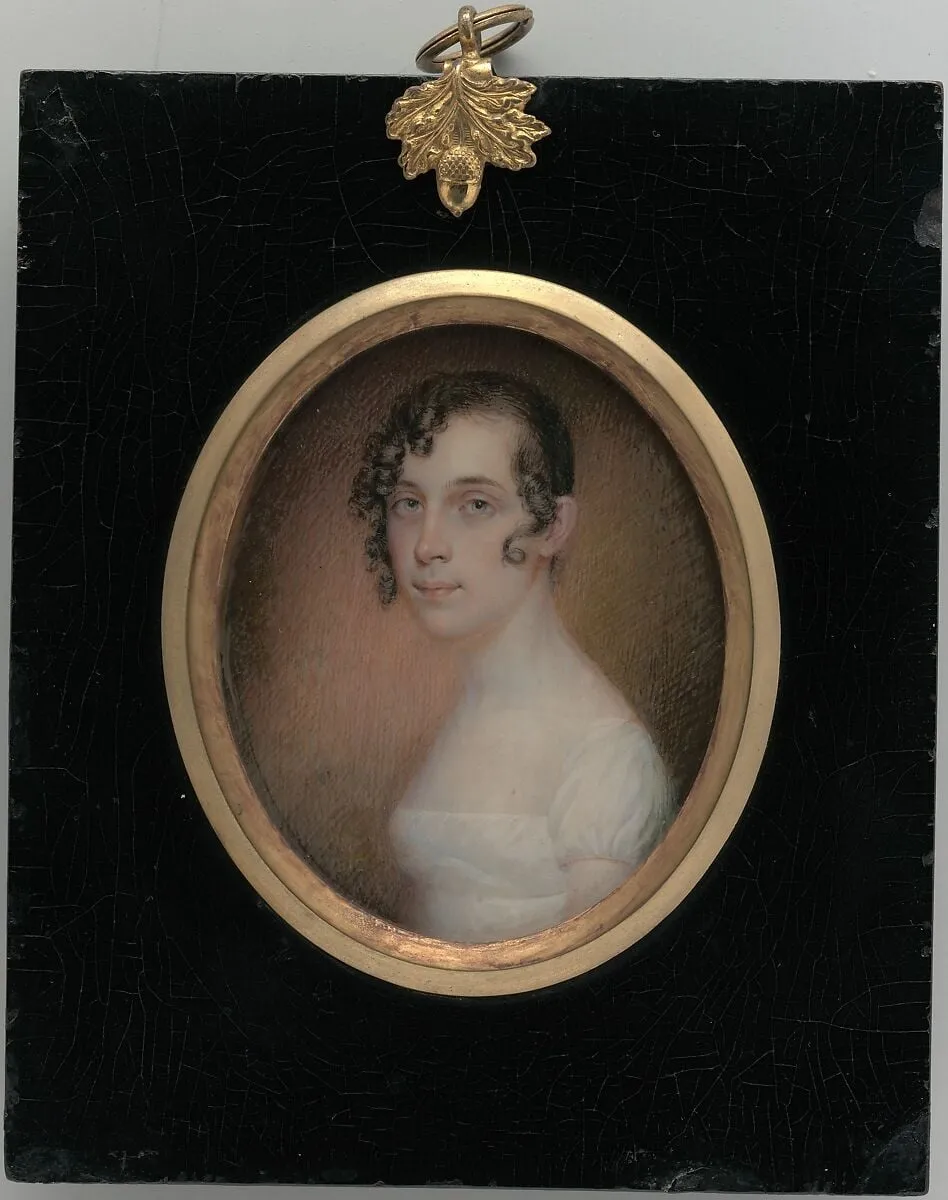
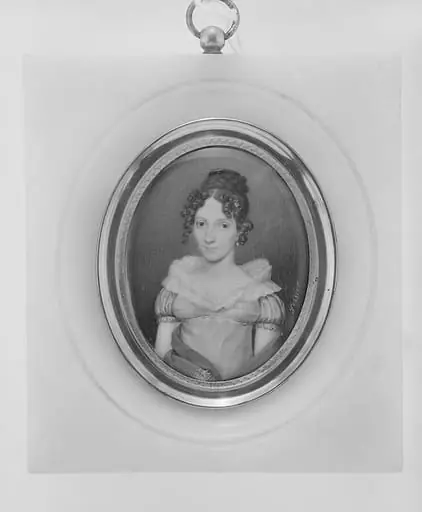
Anna Claypoole Peale is a watercolor painting by the American Impressionist artist James Peale. It dates from 1812 and is held in the collection of the Metropolitan Museum of Art.
About this work
A woman in a hat with a gentle smile, framed close. James Peale painted his daughter, Anna Claypoole Peale, in 1812 using watercolor on ivory, an exacting medium that asked for real skill and patience.
Technique & Style
Created in 1812, this portrait of Anna Claypoole Peale by her father, James Peale, is executed as a watercolor on ivory.
Created in 1812, this portrait of Anna Claypoole Peale by her father, James Peale, is executed as a watercolor on ivory. The work functions as a miniature portrait, a format distinguished by the use of ivory as a support material, which allows for the delicate handling of watercolor pigments characteristic of the genre. It measures 7.5 cm in height and 6.8 cm in width, adhering to the small scale typical of intimate family likenesses from this period.
Stylistically, the piece reflects the refined aesthetic of early American portraiture, using the translucency of the watercolor medium to capture the subject's features with precision. The work is held within the collection of the Metropolitan Museum of Art, in The American Wing.
Legacy
The portrait of Anna Claypoole Peale by James Peale, painted in 1812, is housed in The American Wing of the Metropolitan Museum of Art. As a watercolor on ivory, it is a representative example of early American portrait miniature practice, and its inclusion in the museum's collection reflects continuing interest in the work of the Peale family of painters.
Overview
Painted in 1812 by James Peale, this watercolor on ivory depicts his daughter, Anna Claypoole Peale, who would herself become a distinguished miniaturist. The composition presents a bust-length portrait of the young woman against a neutral, unadorned background, focusing attention on her facial features and attire. She is shown wearing a wide-brimmed hat adorned with ribbons and a high-collared dress, typical of the Regency era fashion.
Her expression is composed and direct, with a subtle, gentle smile that conveys a sense of quiet confidence. Peale executed the work with the precision characteristic of the miniature tradition, utilizing the translucent quality of watercolor on ivory to achieve soft gradations of tone and luminous skin textures. The medium was technically demanding, requiring the artist to work from light to dark without the ability to correct errors, a skill James Peale mastered throughout his career.
This portrait serves as a significant example of American neoclassical portraiture and highlights the artistic lineage of the Peale family, capturing Anna at the beginning of her own professional trajectory in the arts.
Subject & Meaning
The artwork presents a likeness of Anna Claypoole Peale, who was the daughter of the artist. This familial relationship imbues the portrait with a personal dimension, suggesting an intimate understanding between the painter and the sitter. Beyond a mere representation, the work likely reflects a tender connection, offering viewers a glimpse into the artist's private world through the depiction of a loved one.
Context
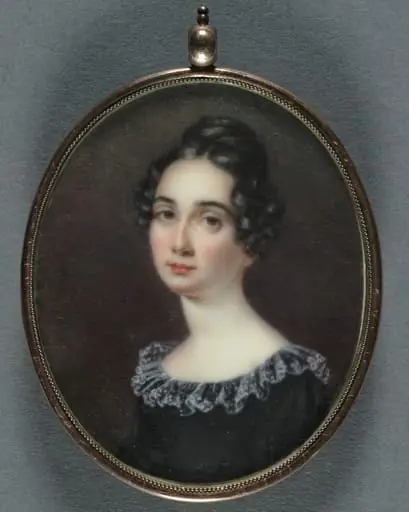
To further understand the artistic conventions and stylistic characteristics evident in this portrait, one might examine the broader body of work by James Peale. His approach to miniature painting and portraiture often shared commonalities with the artist of "Anna Claypoole Peale," providing valuable insight into the aesthetic trends and technical practices prevalent during the period.
Artist & collection

Artist
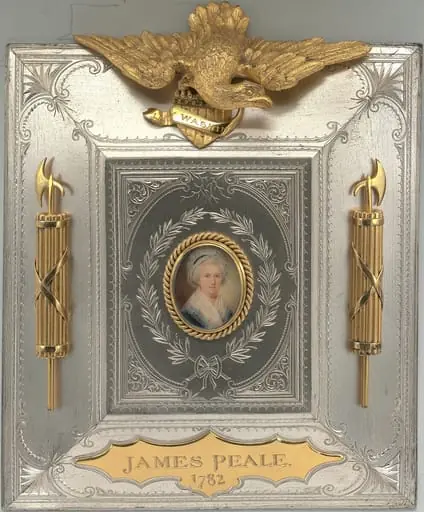
James Peale (1749 – May 24, 1831) was an American painter, best known for his miniature and still life paintings, and a younger brother of noted painter Charles Willson Peale.

 Portrait of a Lady
 Mrs. Nathaniel Bowen (Margaret Blake)
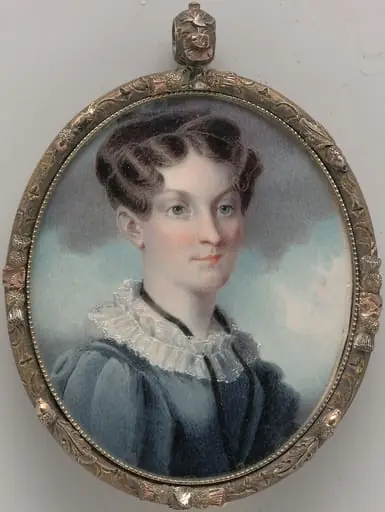 Carolyn Mishner
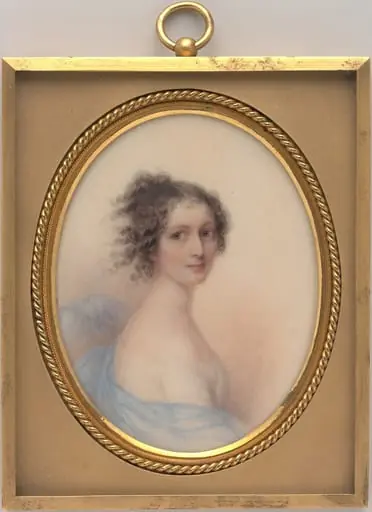 Rebecca Wetherill
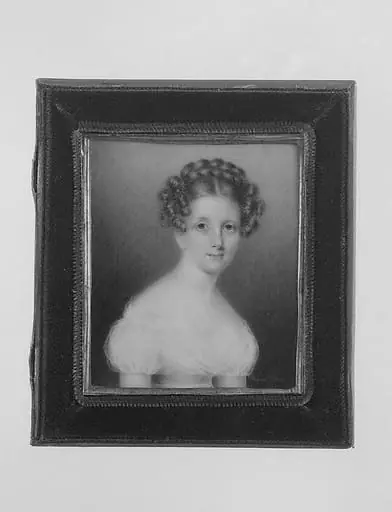 Mrs. John A. Brown (Grace Brown)
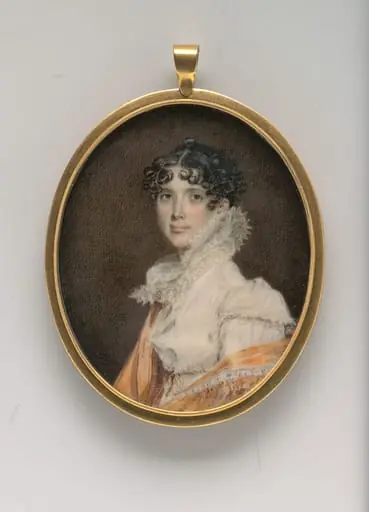 Mrs. Nathaniel Chapman (Rebekah Biddle)
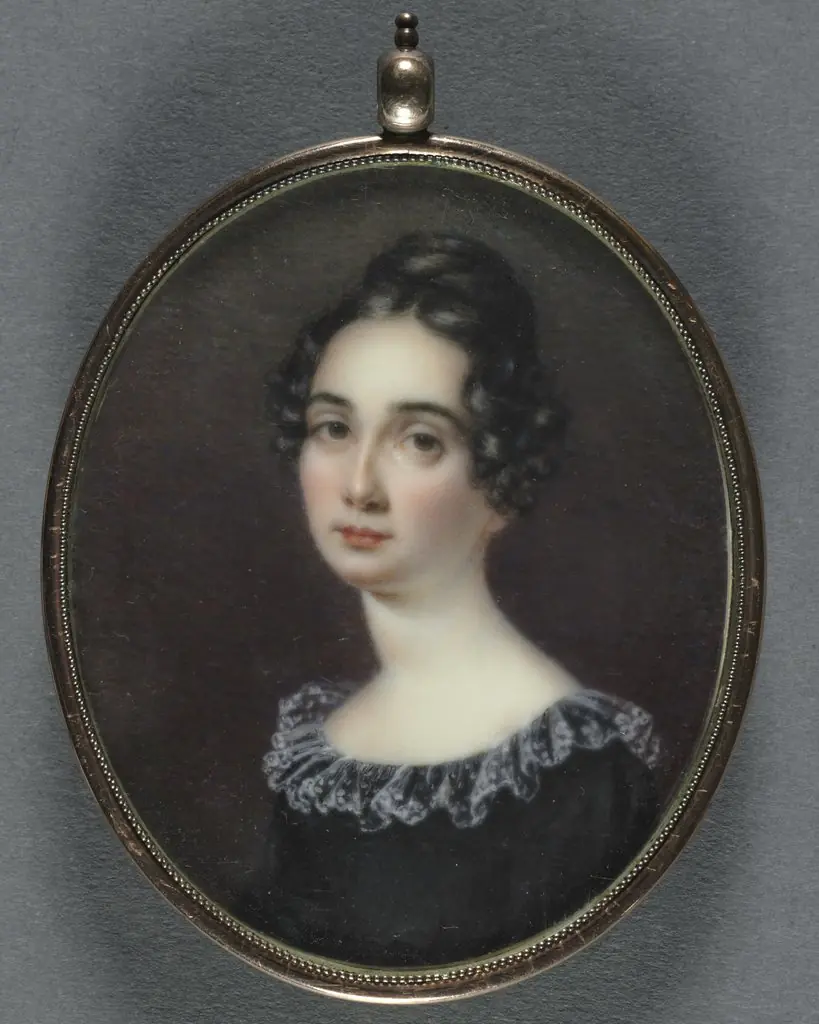 Portrait of a Woman
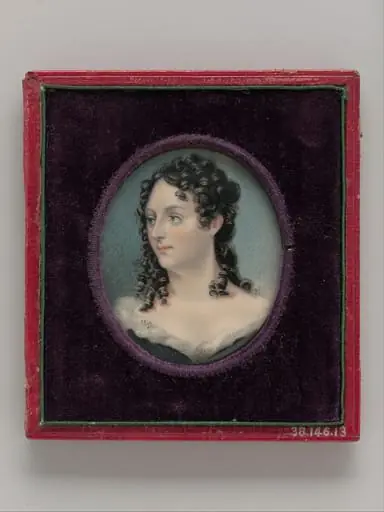 Mrs. George Catlin (Clara Bartlet Gregory)
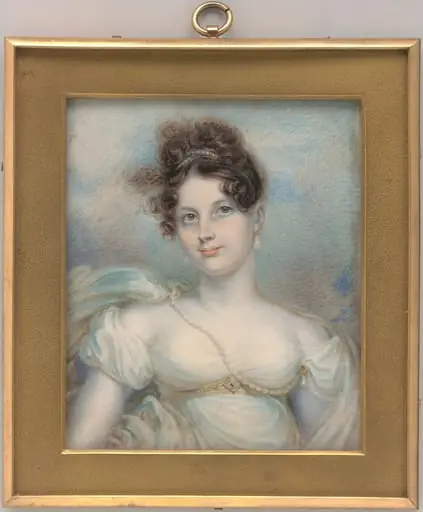 Mrs. Manigault Heyward (Susan Hayne Simmons)
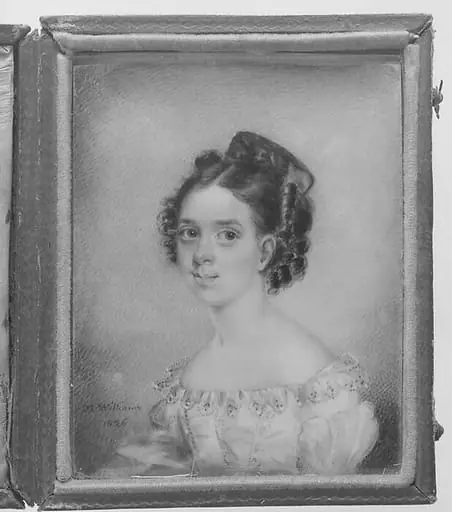 Portrait of a Lady
 Mrs. Richard Wilmot Hall (Eliza Taylor)
- Portrait of a Woman