Artwork
Self-portrait
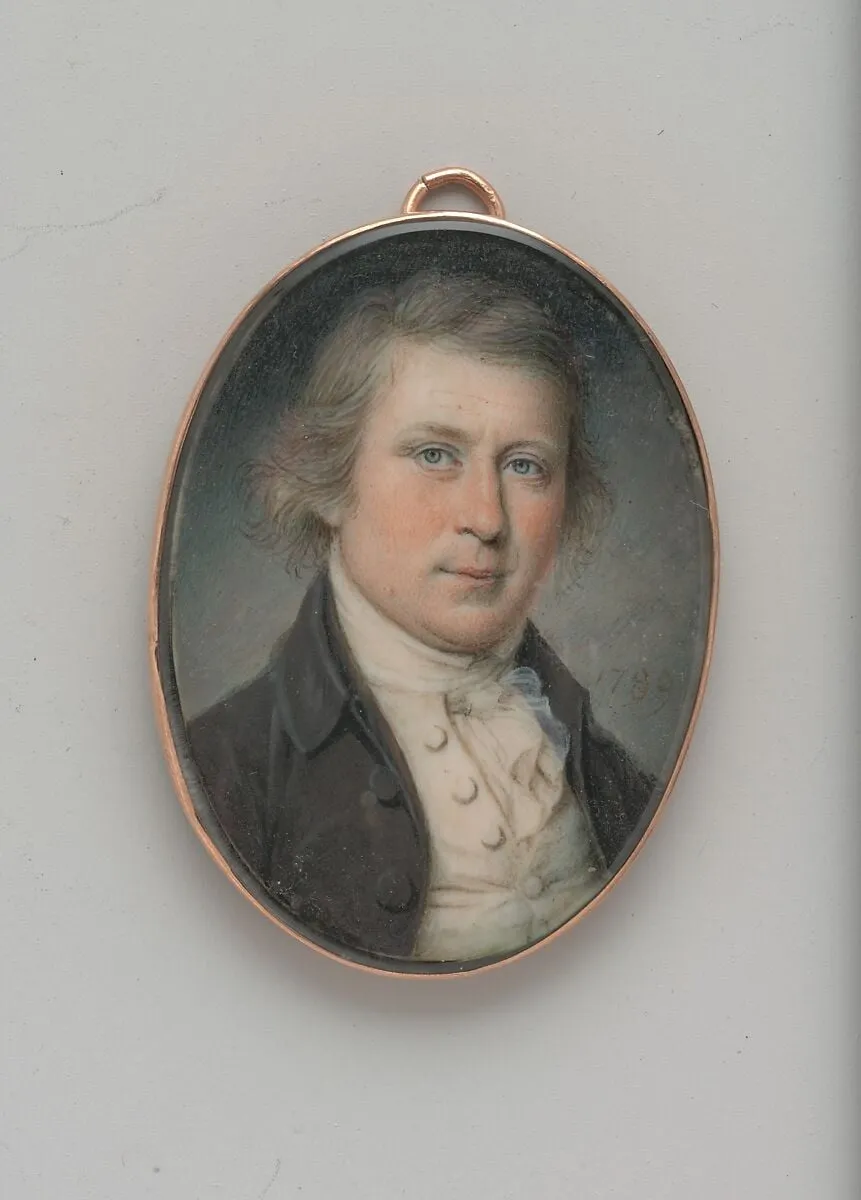
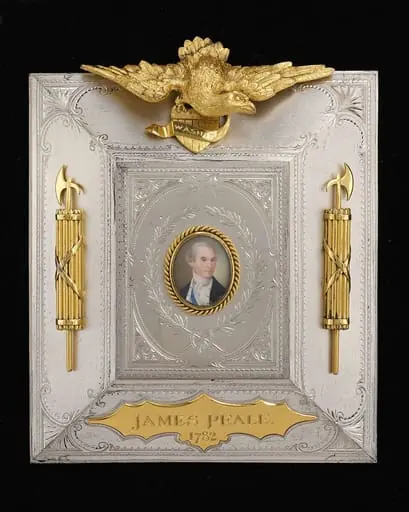
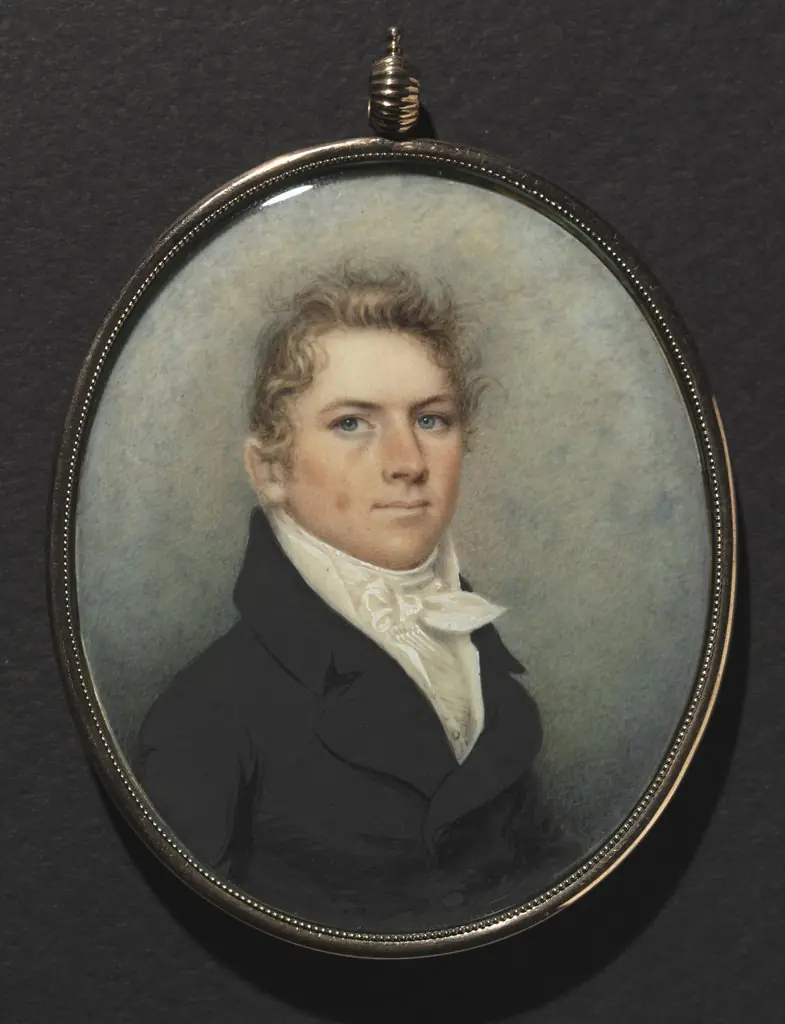
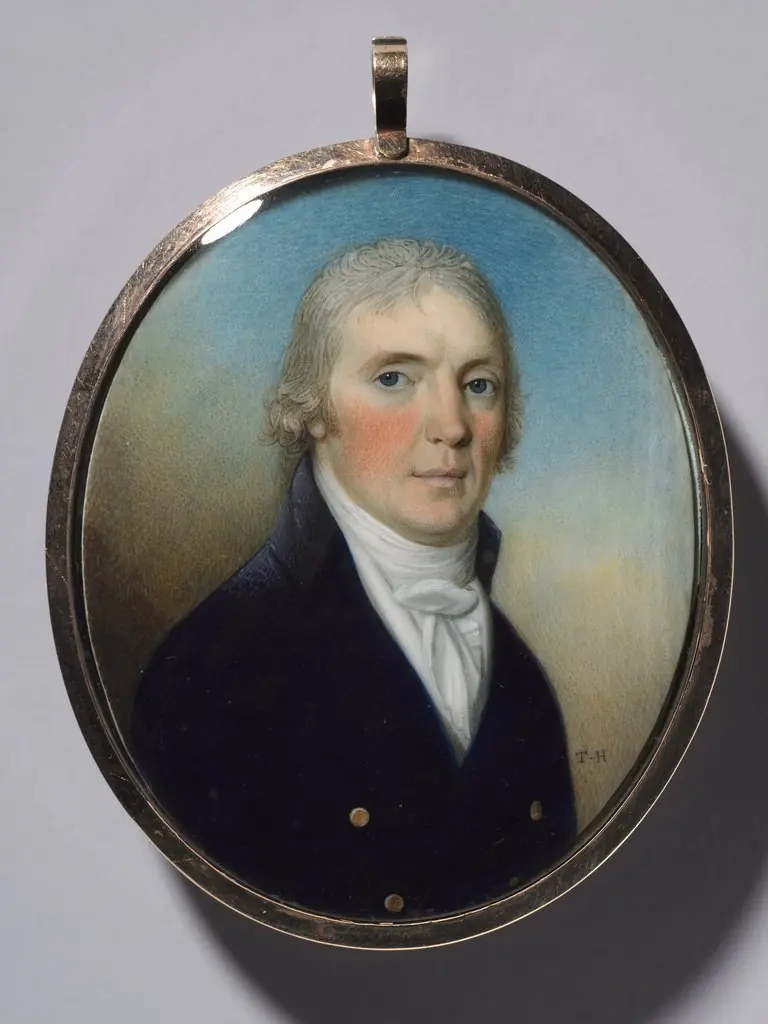
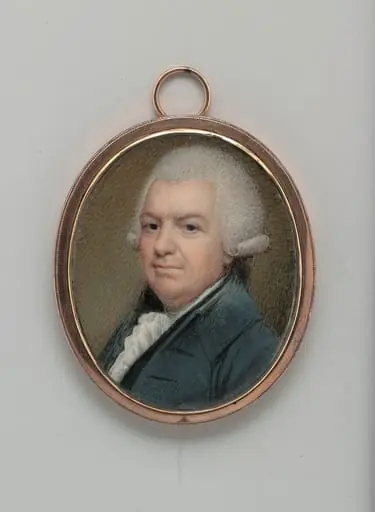
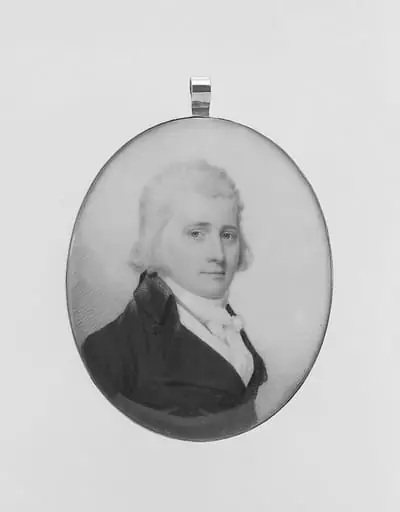
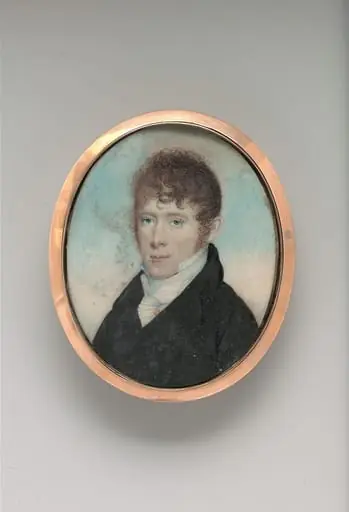
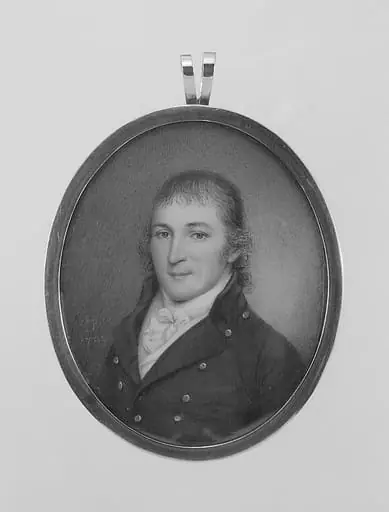
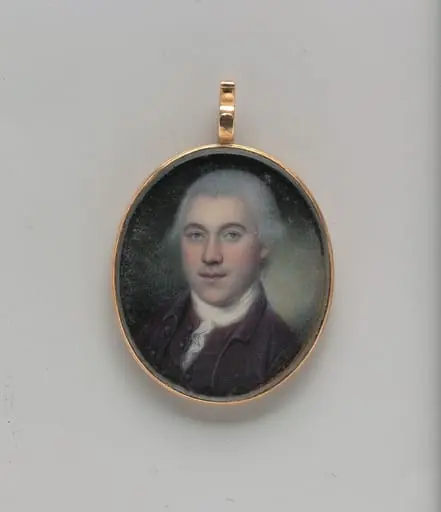
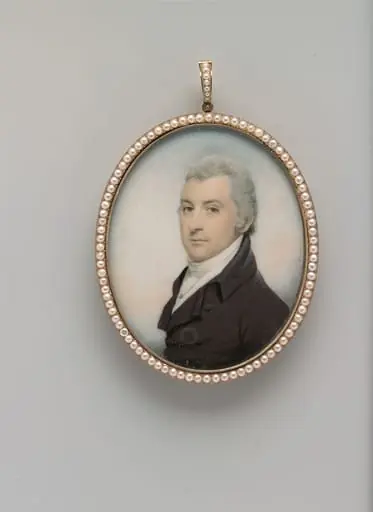
Self-portrait is a watercolor painting by the American Impressionist artist James Peale. It dates from 1789 and is held in the collection of the Metropolitan Museum of Art.
- Accession no.
- 2006.235.133
- Credit line
- Gift of Gloria Manney, 2006
About this work
Subject & Meaning
The piece is housed in The American Wing of the Metropolitan Museum of Art.
The 1789 watercolor self-portrait of James Peale presents the artist in a modest, intimate format, emphasizing his identity as a professional painter in the early American republic. Rendered in watercolor on ivory and classified as a miniature portrait, the work depicts Peale directly, without allegorical accessories, suggesting a focus on personal likeness rather than symbolic narrative. Its creation during a period when American artists sought to establish a distinct visual language contributes to its significance as an early example of self-representation in the United States. The piece is housed in The American Wing of the Metropolitan Museum of Art.
Technique & Style
This self-portrait by James Peale is executed in watercolor on ivory, a refined miniature technique characteristic of late eighteenth-century American portrait practice. The work is classified as a miniature self-portrait, a format that demands precise, controlled handling of pigment over the smooth ivory support. Its dimensions are modest, measuring approximately 4.4 cm in height by 3.2 cm in width, consistent with the intimate scale of portrait miniatures intended for private viewing.
The use of watercolor on ivory allowed for delicate, translucent layering and fine detail in the rendering of the sitter's features. The piece is held in the Metropolitan Museum of Art's American Wing collection.
History & Provenance
James Peale created this watercolor-on-ivory self-portrait in 1789. The miniature measures 4.4 by 3.2 cm, depicts the artist himself, and is classified as a portrait miniature. It is held at the Metropolitan Museum of Art within The American Wing.
The specific commission details and ownership chain prior to the museum are not recorded, and no exhibition history is documented in the available sources.
Overview
James Peale's Self-portrait, executed in 1789, is a miniature rendered in watercolor on ivory. The work depicts the artist facing forward, gazing directly at the viewer with a composed expression. He is dressed in formal attire typical of the late eighteenth century, featuring a dark coat and white cravat.
The composition is tightly cropped, focusing entirely on the head and shoulders to maximize the intimacy characteristic of the miniature format. Peale utilizes the translucency of the ivory support to achieve subtle tonal variations in the flesh tones, a technical difficulty inherent to the medium that requires precise layering of transparent pigments. Created during the early years of the American republic, this piece reflects Peale's mastery of the miniature genre, a field in which he was a leading figure alongside his brother Charles Willson Peale.
The work stands as a significant example of American portrait miniatures, demonstrating the artist's skill in capturing likeness and texture on a small scale without the aid of oil paint.
Artist & collection

Artist
James Peale (1749 – May 24, 1831) was an American painter, best known for his miniature and still life paintings, and a younger brother of noted painter Charles Willson Peale.