Artwork
Portrait of a Lady
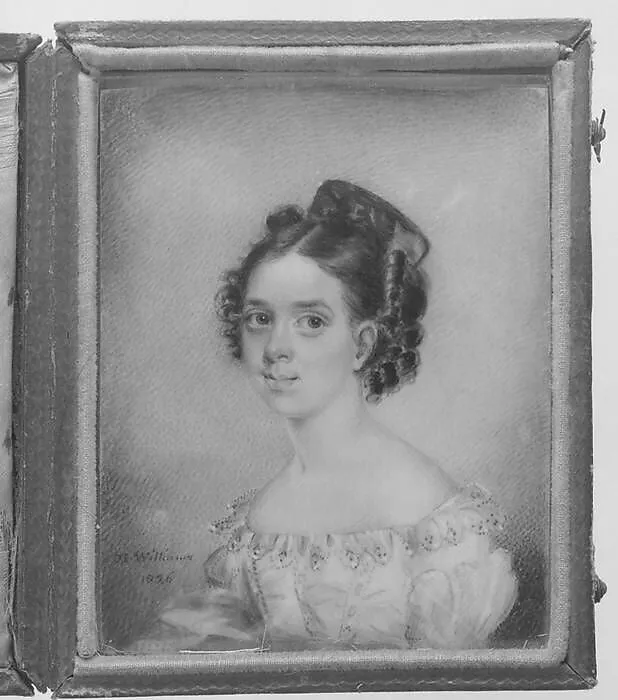
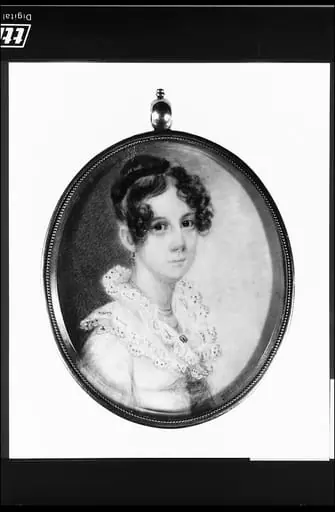
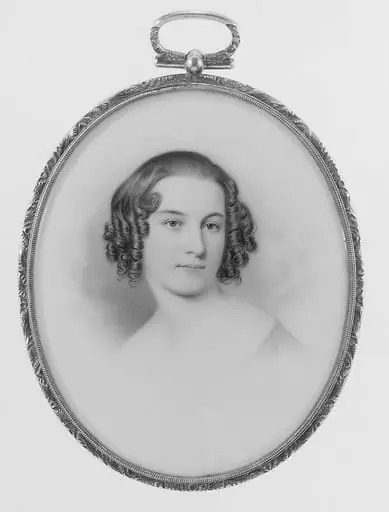
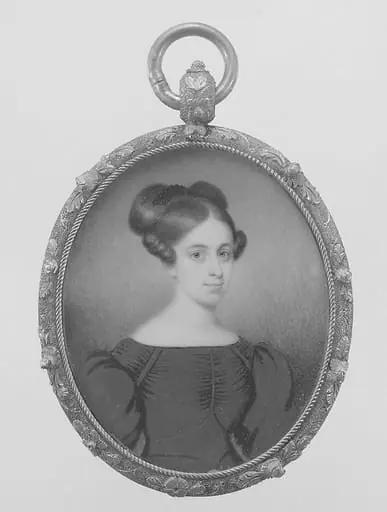
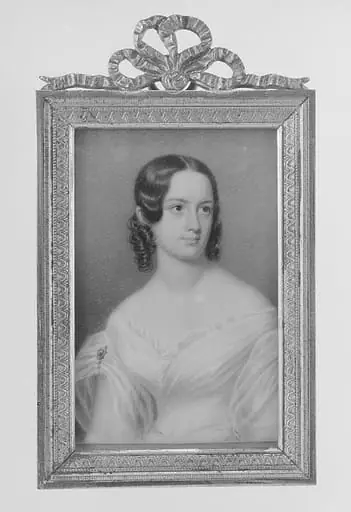
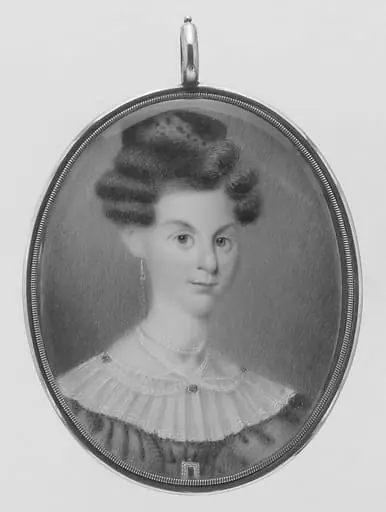
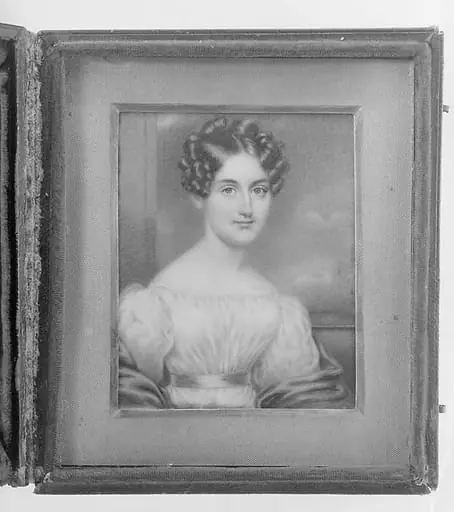
Portrait of a Lady is a watercolor painting by the British Romanticist artist Henry Williams. It dates from 1826 and is held in the collection of the Metropolitan Museum of Art.
About this work
Subject & Meaning
The work depicts a single female sitter, identified only as a woman, and functions as a conventional portrait within the genre of early-American portraiture.
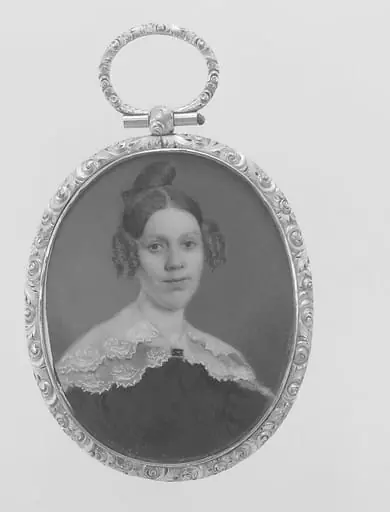
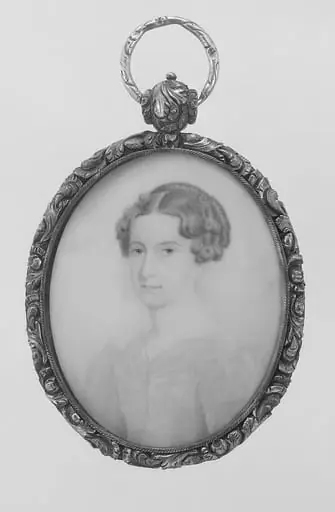
Portrait of a Lady is a watercolor on ivory painted by Henry Williams in 1826 and currently housed in The American Wing of the Metropolitan Museum of Art. The work depicts a single female sitter, identified only as a woman, and functions as a conventional portrait within the genre of early-American portraiture. No additional iconographic attributes or symbolic elements are recorded in the source documentation, so the painting's meaning is tied to its formal representation of a woman of the period, reflecting contemporary attitudes toward gender and social status through conventional portrait conventions.
Technique & Style
The work titled Portrait of a Lady, executed by Henry Williams in 1826, is a watercolor painted on an ivory support, a technique typical of early-19th-century portrait miniatures. The ivory sheet provides a smooth, slightly translucent ground that enhances the delicate washes of color and allows fine linear detailing. As a portrait, the piece portrays an unidentified woman with a restrained palette and subtle modeling, reflecting the genteel aesthetic of the period.
It is classified within the American Wing's portrait genre and is housed in the Metropolitan Museum of Art, recorded with dimensions of roughly 8.5 × 6.8 cm.
History & Provenance
The miniature was painted in 1826 by Henry Williams. The portrait's small scale (8.5 × 6.8 cm) and ivory support align with early nineteenth-century American watercolor miniature conventions. Williams, active in New York during the 1820s, specialized in portrait miniatures on ivory.
The work entered the collection of the Metropolitan Museum of Art, where it is held as part of The American Wing's holdings.
Overview
This miniature, titled Portrait of a Lady, was created by Henry Williams in 1826. Executed in watercolor on ivory, it presents a woman in a dark dress, her gaze directed forward. The intimate scale of the work, characteristic of miniatures, allowed for personal display and portability, reflecting a popular art form of its era within the American Wing's collection.
Context
Miniature portraits, such as this one, were a prevalent art form in the early 19th century, valued for their portability and personal nature. Often small enough to be held in the hand or worn as jewelry, they served as cherished keepsakes. The Metropolitan Museum of Art's collection includes approximately 400 examples of these intricate watercolor-on-ivory portraits, reflecting their historical significance in American art.
Artist & collection

Artist
Henry Williams had a habit of turning people’s faces into tiny mirrors, his watercolors on ivory are so precise you can count the threads in a coat’s weave.