Artwork
Regents and Regentesses of the Lepers' Asylum, Amsterdam, 1834-35
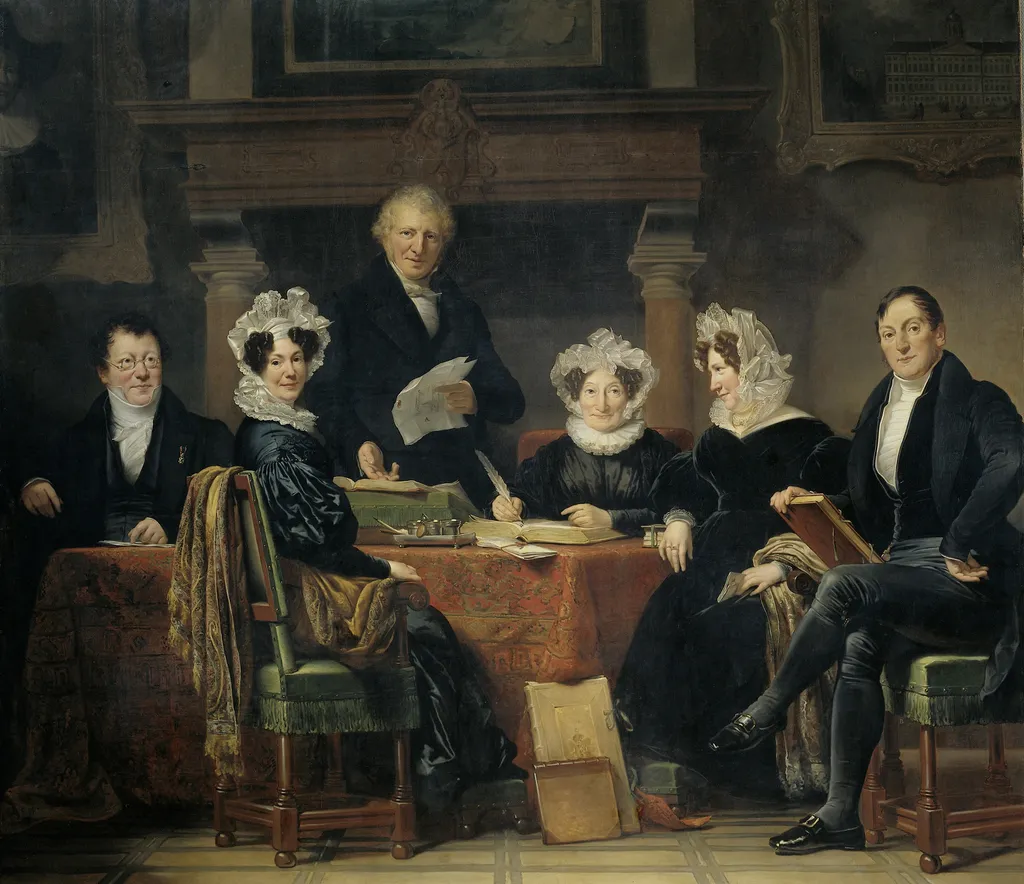
Regents and Regentesses of the Lepers' Asylum, Amsterdam, 1834-35 is an oil painting by the Realist artist Jan Adam Kruseman. It dates from 1835 and is held in the collection of the Rijksmuseum.
About this work
Technique & Style
No specific details about the artist’s handling, surface condition, or later conservation are provided in the sources.
The work is executed in oil paint on a canvas support, measuring approximately 255 cm in height and 285 cm in width. As a group portrait of the regents and regentesses of the lepers’ asylum, it follows the conventional format of Dutch regents portraiture, presenting the figures arranged in a formal, hierarchical composition typical of the genre. The painting is classified simply as a painting and belongs to the portrait genre. No specific details about the artist’s handling, surface condition, or later conservation are provided in the sources.
History & Provenance
The group portrait was commissioned by the Amsterdam Lepperhuis to depict its regents and regentesses, reflecting the institutional role of the charitable asylum. Jan Adam Kruseman painted the work between 1834 and 1835, completing it in 1835 as recorded in the artist’s documentation. The painting measures 255 cm in height and 285 cm in width, executed in oil on canvas.
It entered the Rijksmuseum collection shortly after its creation and has remained part of the museum’s holdings since inception. The work is catalogued as a genre example of the regentesses portrait within Dutch 19th-century art.
Overview
Jan Adam Kruseman’s 1835 oil painting, Regents and Regentesses of the Lepers’ Asylum, Amsterdam, 1834–35, records the governing body of the city’s leprosy institution. Executed in a realist manner, the work now belongs to the Rijksmuseum’s collection and exemplifies Kruseman’s skill in formal group portraiture.
Subject & Meaning
The canvas presents five officials, three men and two women, assembled around a table in a richly appointed interior. Their attire, from lace‑trimmed hats to dark gowns and tailored suits, signals civic authority, while the scattered documents, quill and open book suggest administrative duties and the oversight of charitable care.
Context
Kruseman, primarily celebrated for portraiture, applied his expertise to a civic genre that documented Amsterdam’s charitable governance. The work reflects the early‑19th‑century Dutch emphasis on public responsibility for health institutions, situating the leprosy asylum within the broader framework of municipal philanthropy.
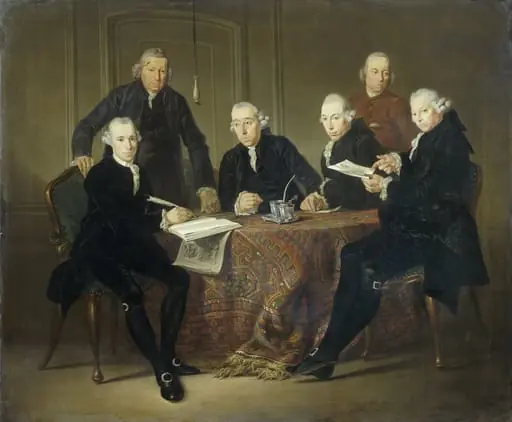
Own this work as a print
Artist & collection
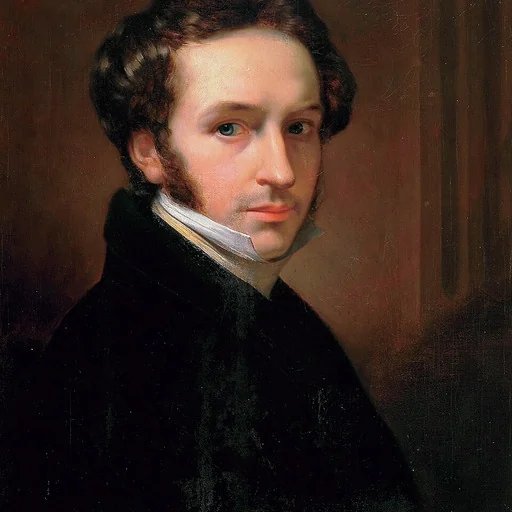
Artist
Jan Adam Kruseman (12 February 1804 – 17 March 1862) was a Dutch painter, known primarily for his portraits, although he also did landscapes and genre scenes.

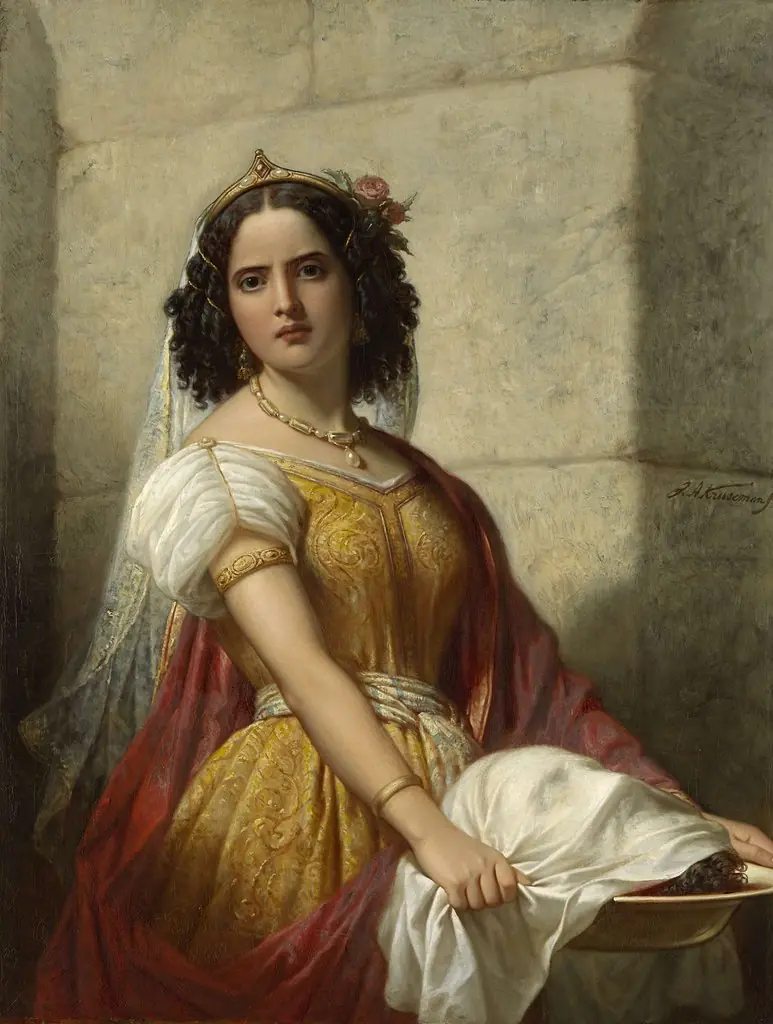 Salome with the Head of John the Baptist
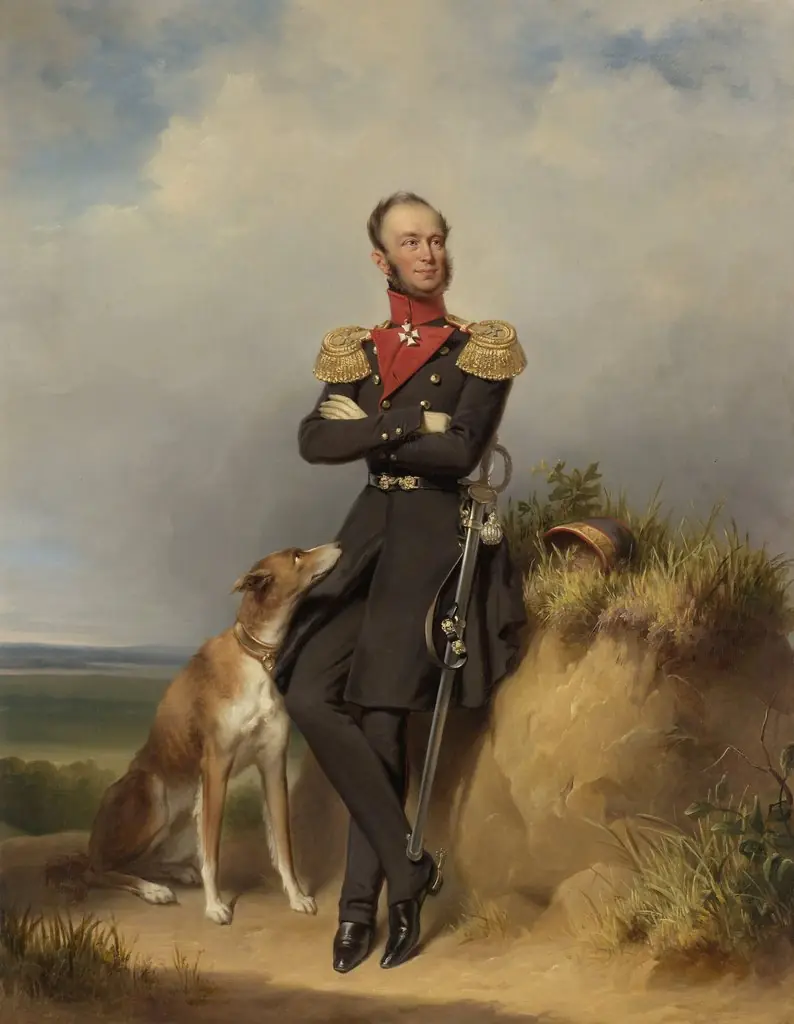 Portrait of William II, King of the Netherlands
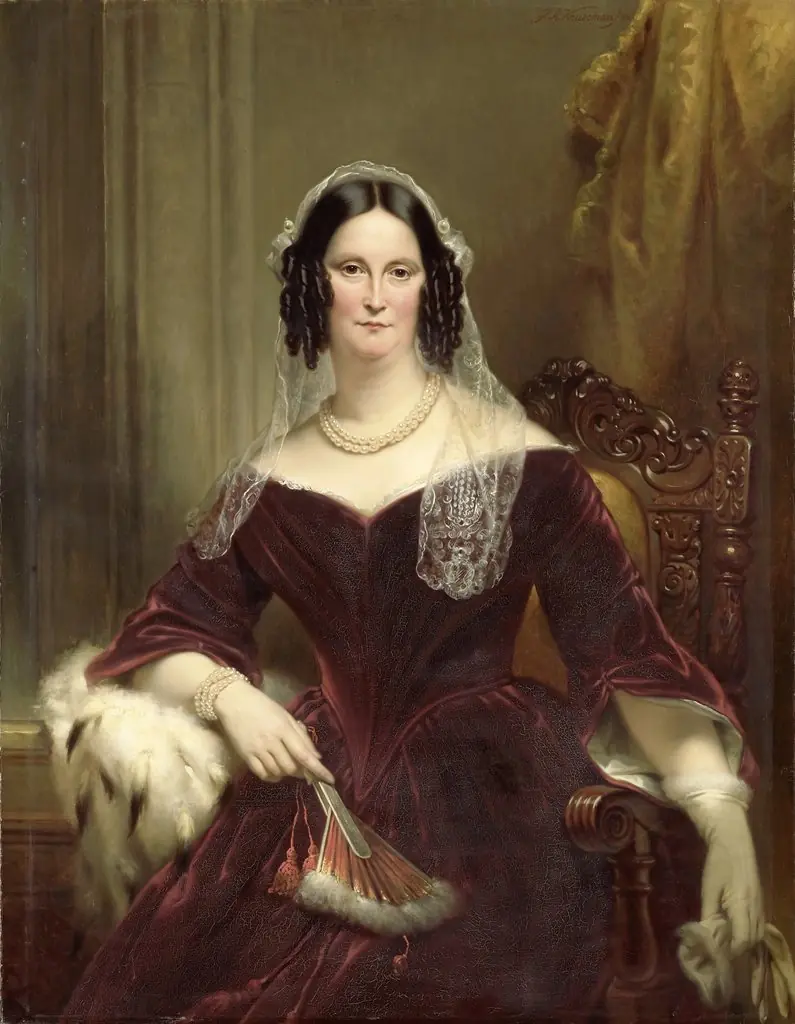 Portrait of Dieuwke Fontein, second Wife of Adriaan van der Hoop
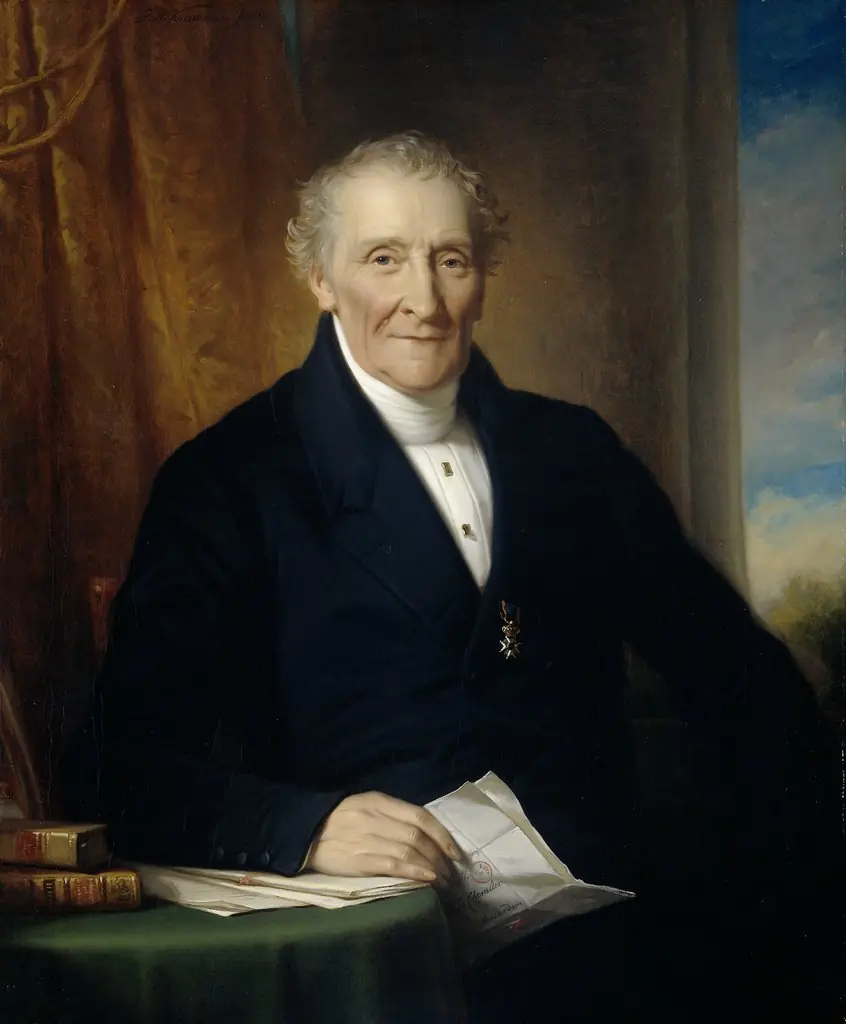 Portrait of Rodolphe le Chevalier, Merchant in Amsterdam and one of three Founders of the Holland Iron Railroad Company
 Portrait of William II, King of the Netherlands
 A Painter and Visitors in a Studio
 The Waagepetersen Family
 Teulu David Charles
 Family Portrait
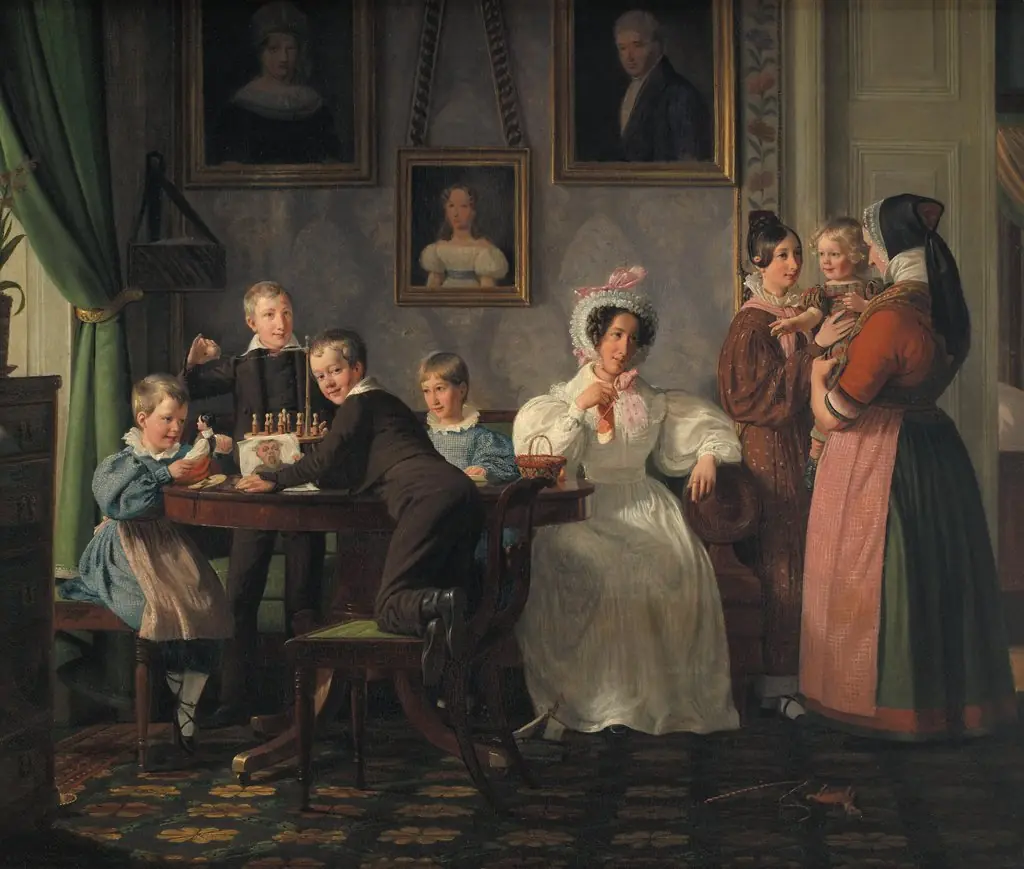 Familien Waagepetersen
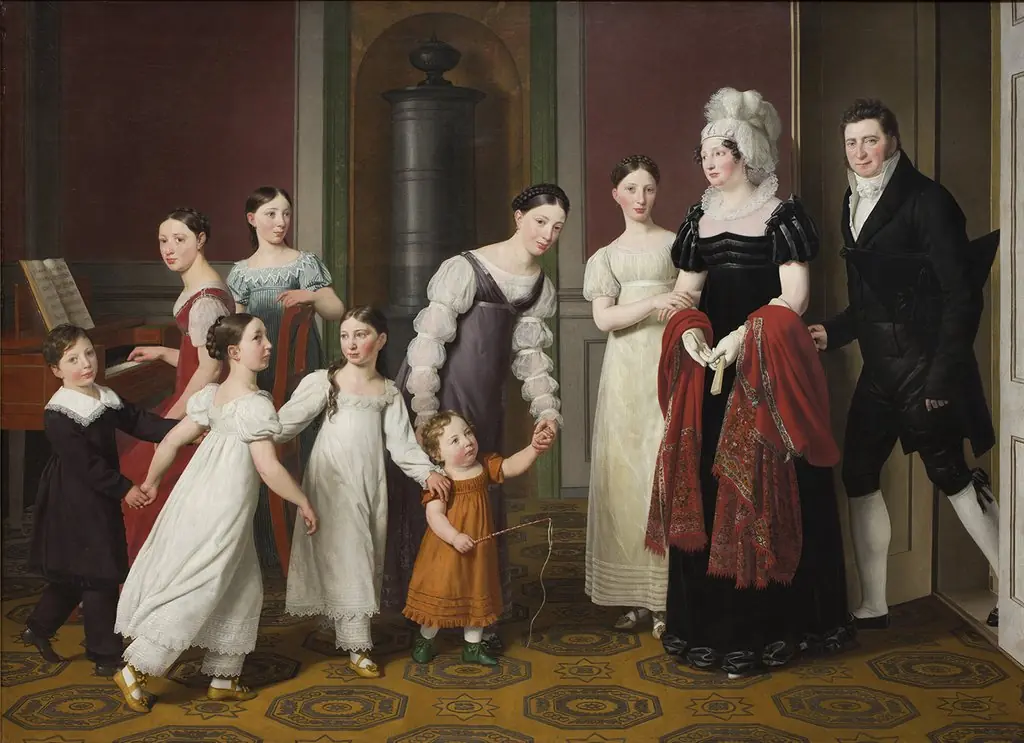 Familien Nathanson
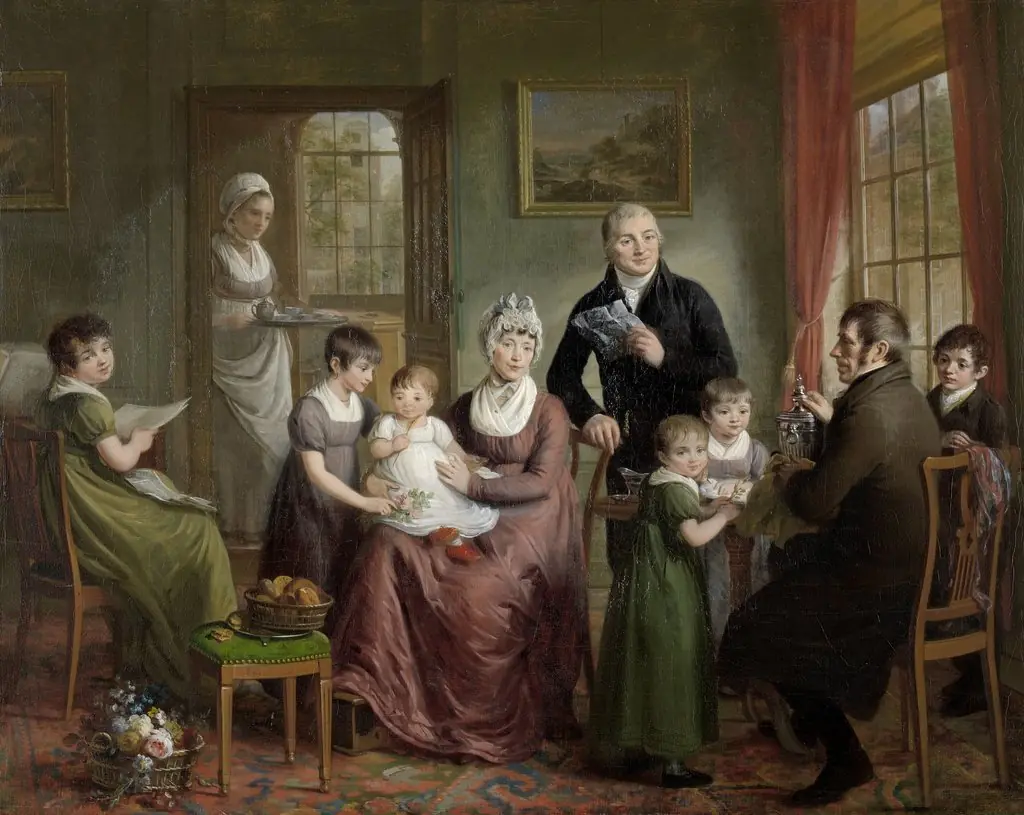 Portrait of the Family of Adrianus Bonebakker with Dirk L. Bennewitz
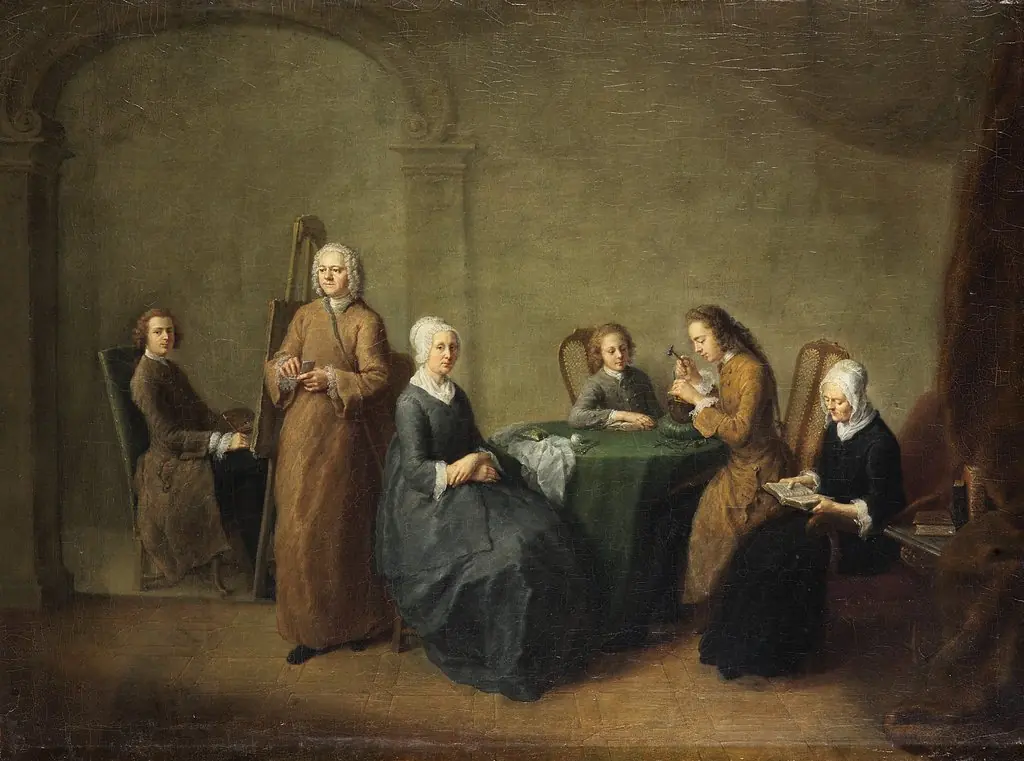 The Artist with his Family
 Portrait of Aernout van Beeftingh, his Wife Jacoba Maria Boon and their Children
 Portrait of the Family of the 1st Viscount of Santarém