Artwork
Portrait of William II, King of the Netherlands
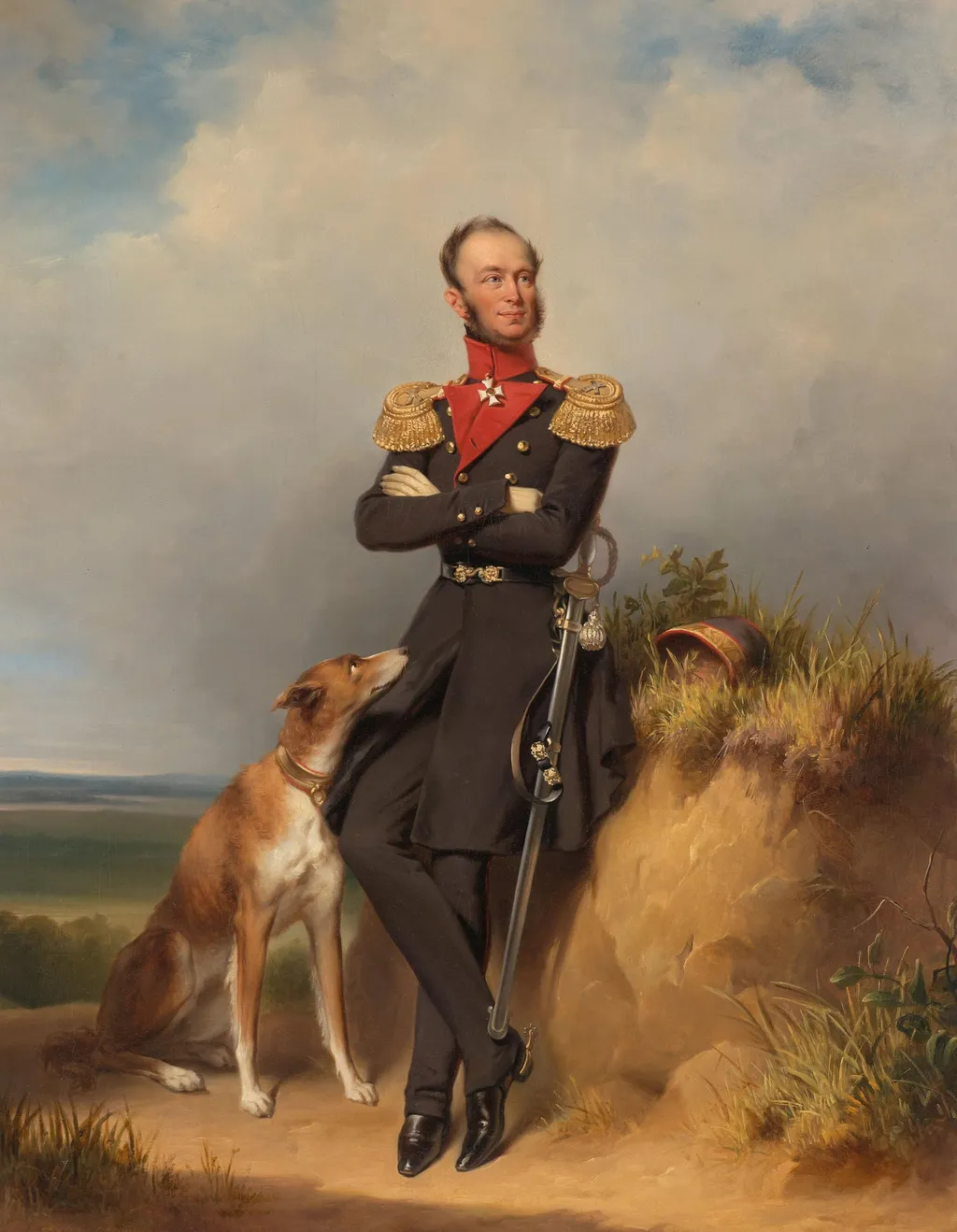
Portrait of William II, King of the Netherlands is an unspecified painting by the Biedermeier artist Jan Adam Kruseman. It dates from 1839 and is held in the collection of the Rijksmuseum. The canvas presents William II, King of the Netherlands, in a red military coat, standing on a windswept sand dune beside his dog.
About this work
Subject & Meaning
The work belongs to the Romantic portrait tradition, reflecting both the subject’s political role and the era’s interest in individual characterization.
The painting depicts William II, King of the Netherlands, in a manner that emphasizes his regal authority and personal dignity. Kruseman renders the monarch in formal 19th‑century attire, using careful detail to convey status rather than idealized heroism. The work belongs to the Romantic portrait tradition, reflecting both the subject’s political role and the era’s interest in individual characterization.
Technique & Style
The portrait of William II, King of the Netherlands was painted by Jan Adam Kruseman in 1839 using oil on canvas. Kruseman worked within the Romantic tradition, emphasizing precise detail in clothing and a restrained compositional style characteristic of Dutch portraiture of the period. The work was created as an official commission following the king's accession, reflecting the formal expectations of royal imagery.
Its handling demonstrates careful attention to surface finish and the rendering of fabric textures, consistent with Kruseman's established technique of naturalistic representation without idealization.
History & Provenance
The portrait was painted by Jan Adam Kruseman in 1839. According to the sources, Kruseman's contact with the Dutch royal house began in 1833, when the Amsterdam banker Adriaan van der Hoop commissioned a posthumous portrait of Tsar Alexander I as a gift for Anna Pavlovna, wife of the then Crown Prince William. The success of that commission led Kruseman to paint both King William I and his son in 1837.
When William II ascended the throne in 1840 following his father's abdication, Kruseman was immediately commissioned to produce an official state portrait. He went on to paint at least six further portraits of William II over the course of his career.
Context
Jan Adam Kruseman (1804–1862) was a leading Dutch portraitist of the Romantic era, and the 1839 Portrait of William II belongs to a series of official royal commissions that cemented his reputation. After painting a posthumous portrait of Tsar Alexander I in 1833 for Anna Pavlovna, wife of the then Crown Prince, Kruseman gained access to the House of Orange and was entrusted with multiple royal likenesses, including at least six of William II following his accession in 1840.
Kruseman's standing rested on the unidealized directness of his likenesses and his meticulous rendering of costume, qualities that made him the favored portraitist of the nobility and wealthy bourgeoisie, with roughly 500 to 588 portraits to his name. He trained under Cornelis Kruseman in Amsterdam and under François-Joseph Navez and Jacques-Louis David in Brussels, and in 1830 became director of the Koninklijke Akademie van Beeldende Kunsten. His pupils included Jozef Israëls and David Bles.
A major retrospective, Jan Adam Kruseman 1804–1862. De societyschilder van de Hollandse Romantiek, was held at Paleis Het Loo from 2002 to 2003, reaffirming his place within Dutch Romantic portraiture.
Legacy
Following Jan Adam Kruseman's death in 1862, the artist and his works, including the portrait of William II, largely fell into obscurity. Despite his contemporary fame as a portraitist of the nobility, he was subsequently forgotten for decades. Revival efforts began in the 1960s with the naming of a street in Rosmalen after him.
A significant reassessment of his legacy occurred with a major retrospective held at Het Loo Palace in Apeldoorn from October 2002 to January 2003. Further recognition followed in 2015, when an exhibition featuring artists of the extended Kruseman family was presented at the Stedelijk Museum Alkmaar. Today, his works are held in permanent collections such as Teylers Museum.
Overview
The canvas presents William II, King of the Netherlands, in a red military coat, standing on a windswept sand dune beside his dog. The sky is a muted gray, and the figure leans casually on his sword, which functions as a relaxed prop rather than a symbol of authority. The composition blends portraiture with a natural Dutch landscape, giving the work a distinctly informal tone.
Own this work as a print
Artist & collection
Artist
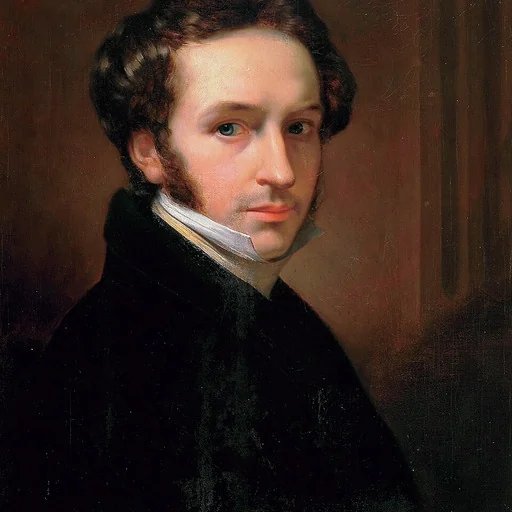
Jan Adam Kruseman (12 February 1804 – 17 March 1862) was a Dutch painter, known primarily for his portraits, although he also did landscapes and genre scenes.

 Salome with the Head of John the Baptist
- Portrait of William II, King of the Netherlands
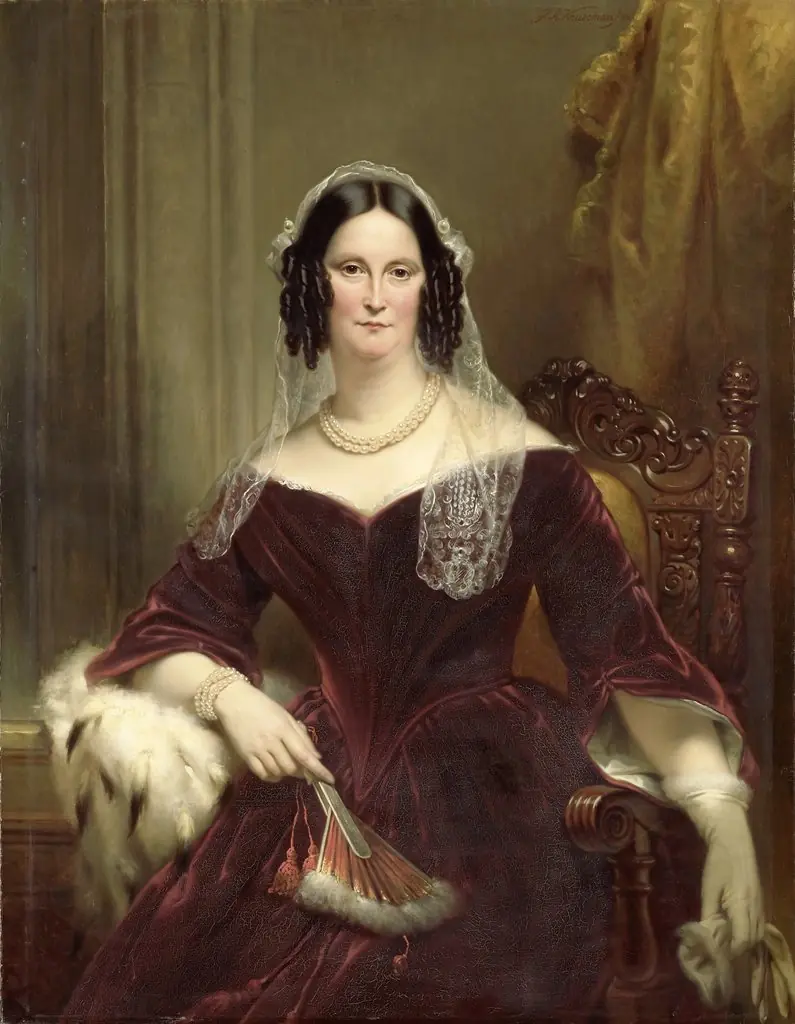 Portrait of Dieuwke Fontein, second Wife of Adriaan van der Hoop
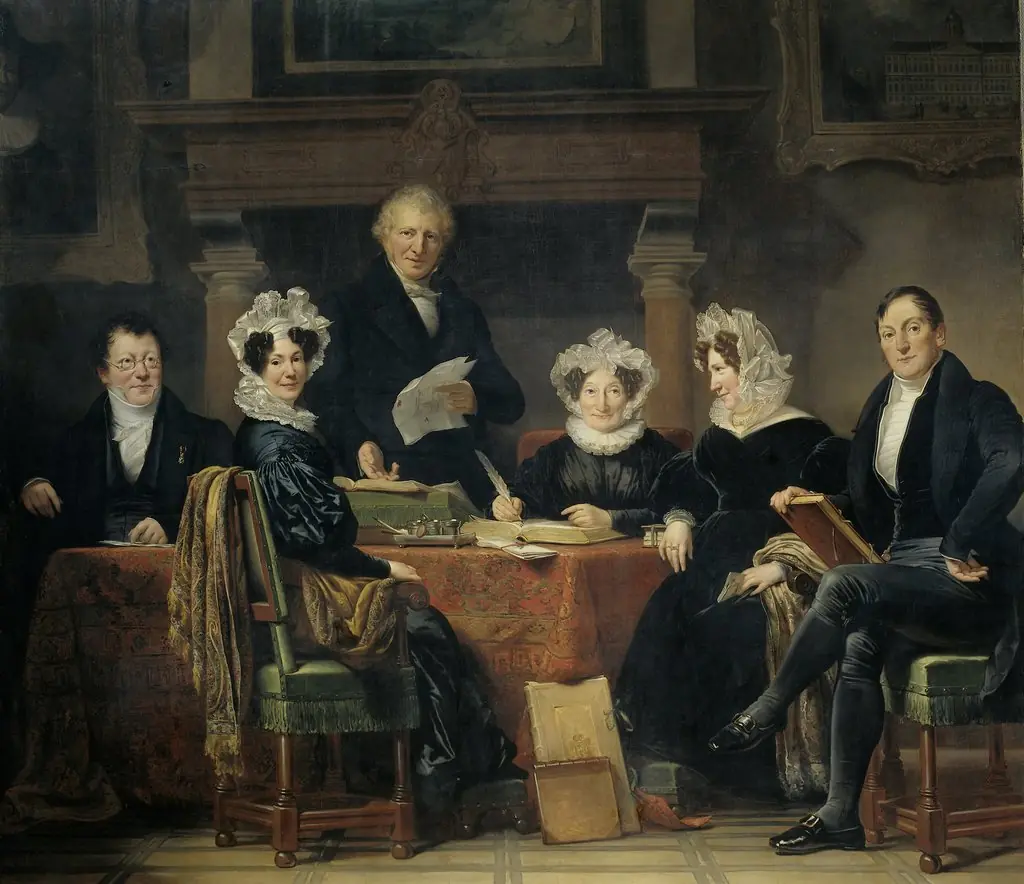 Regents and Regentesses of the Lepers' Asylum, Amsterdam, 1834-35
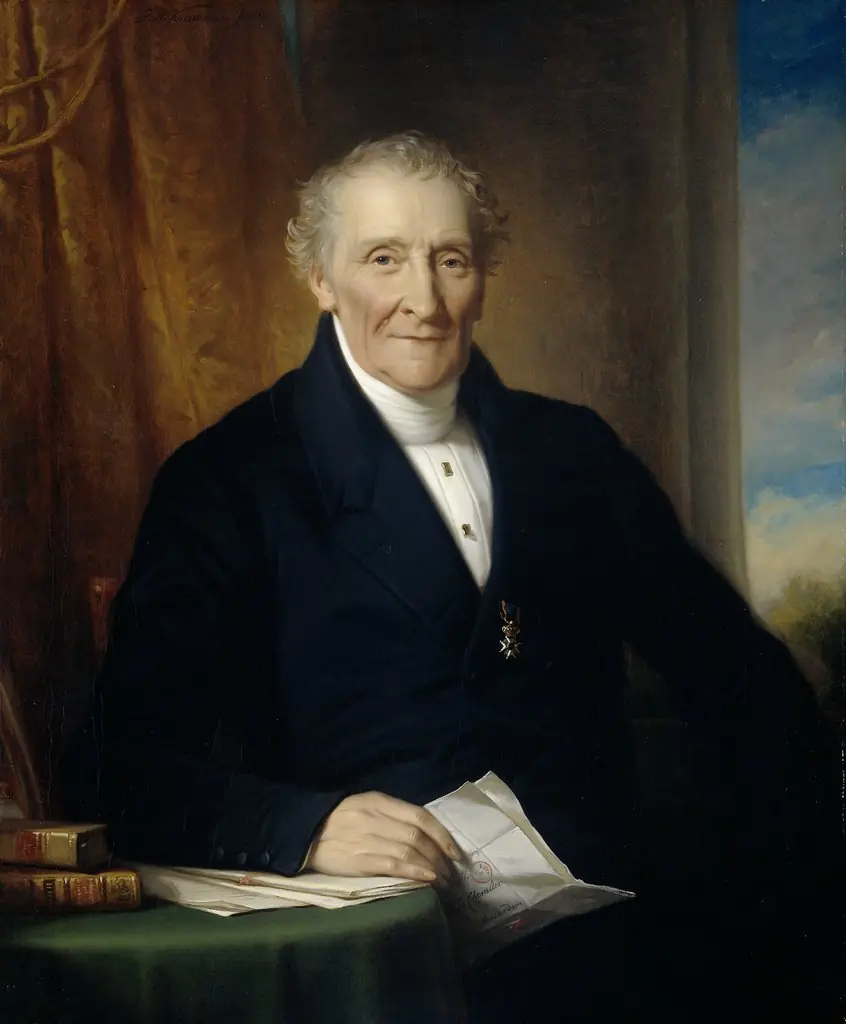 Portrait of Rodolphe le Chevalier, Merchant in Amsterdam and one of three Founders of the Holland Iron Railroad Company
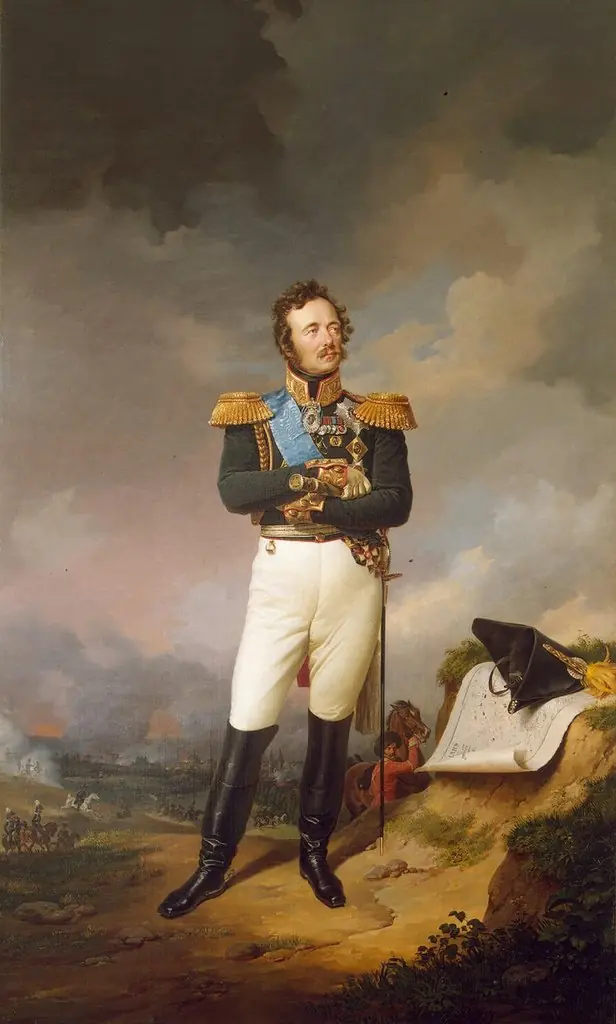 Portrait of Ivan Paskevich
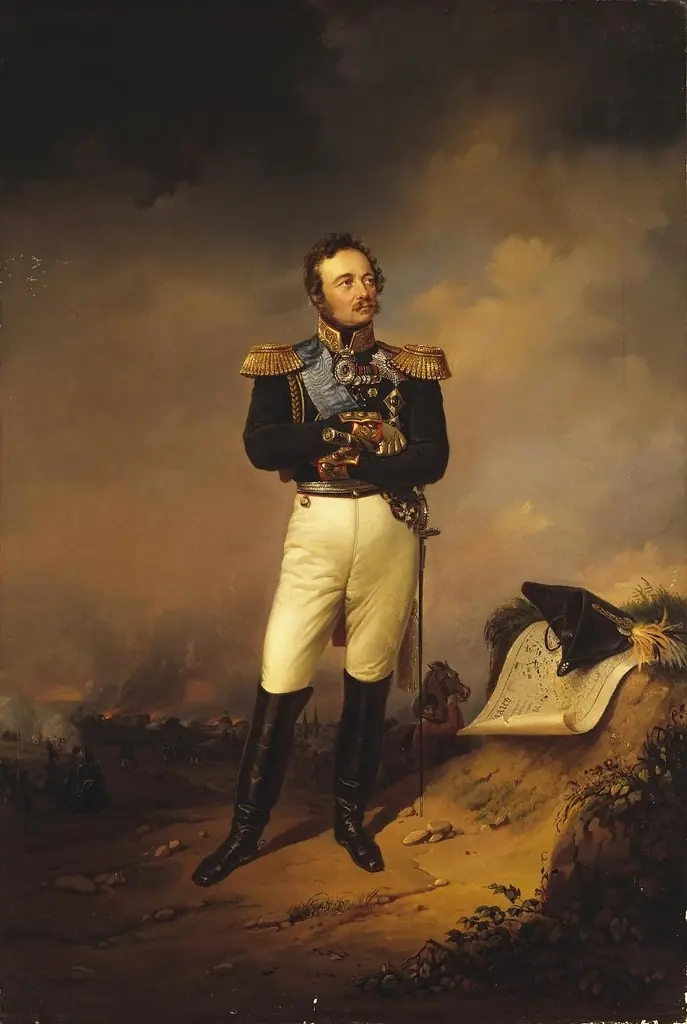 Portrait of Count Ivan Paskevich
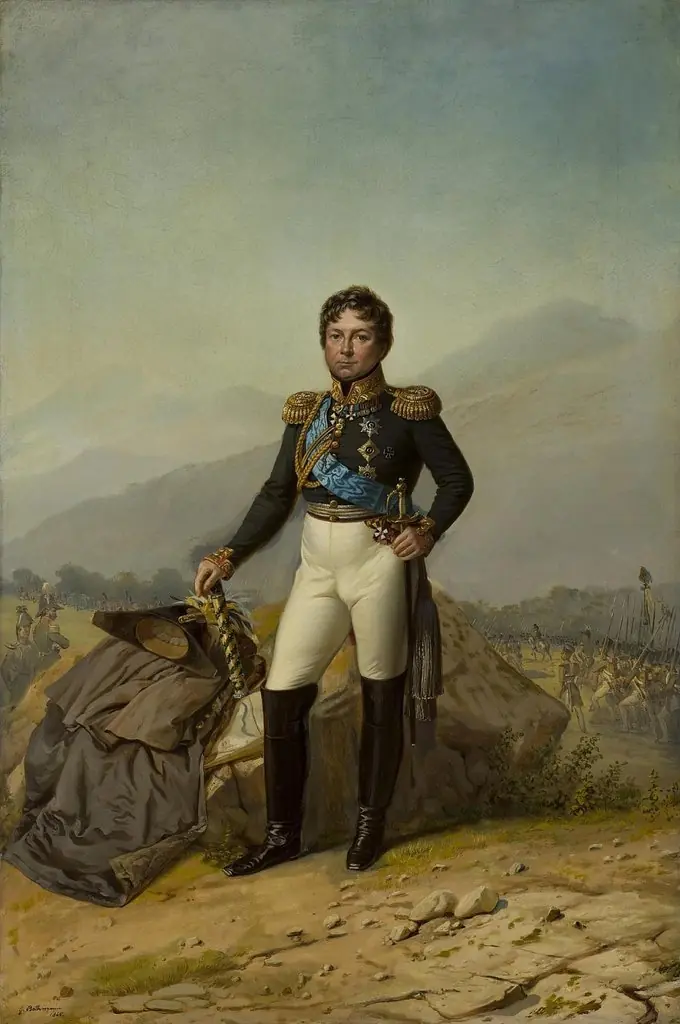 "Portrait of Field-Marshal Count I.I. Diebitsch
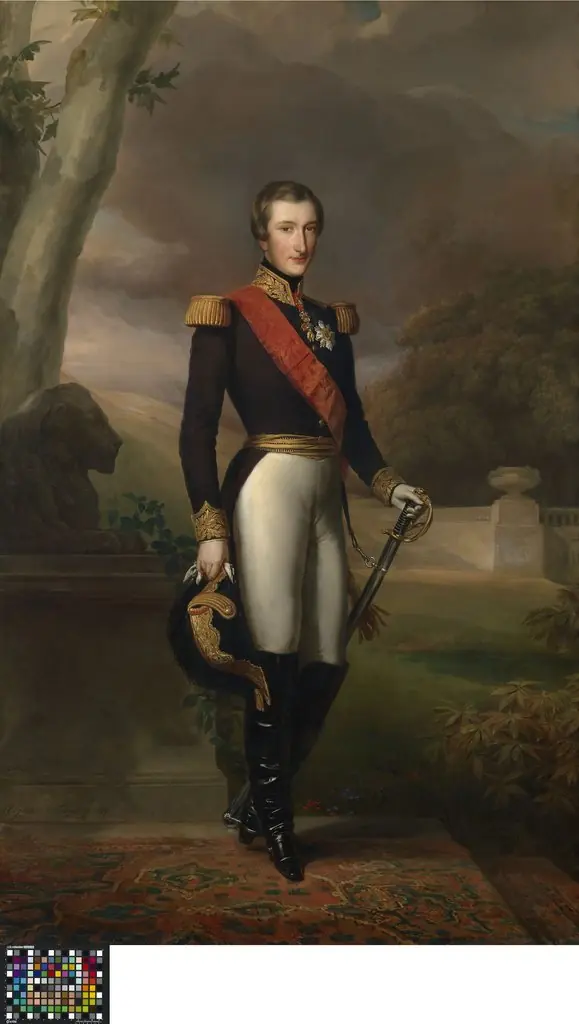 Portret van Leopold II, koning der Belgen, als hertog van Brabant
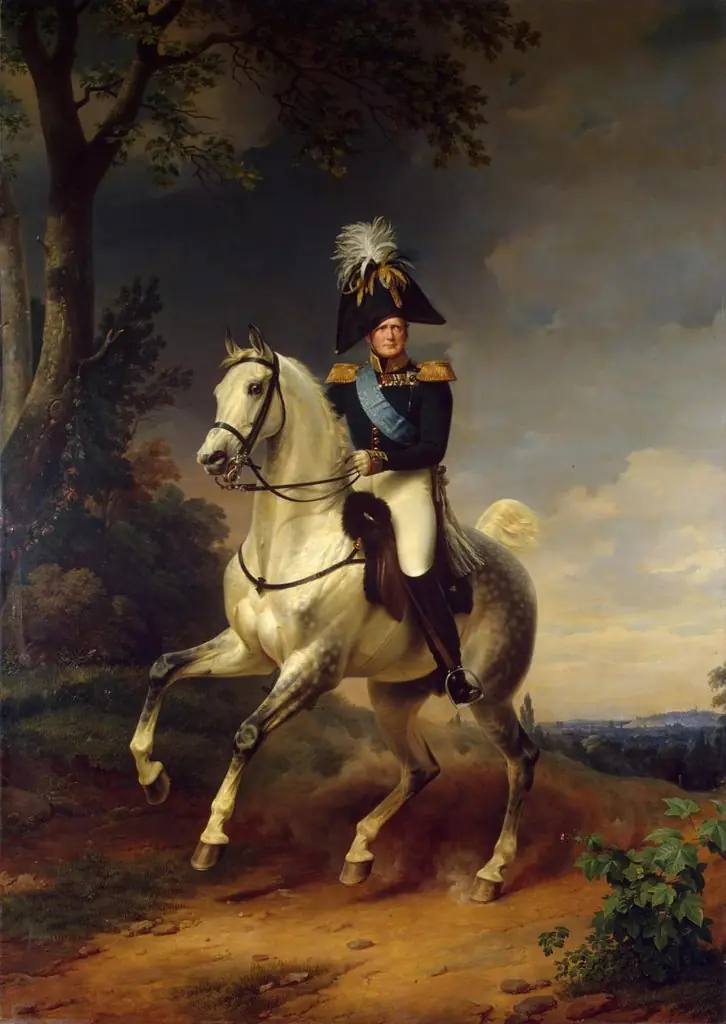 Equestrian Portrait of Alexander I (1777–1825)
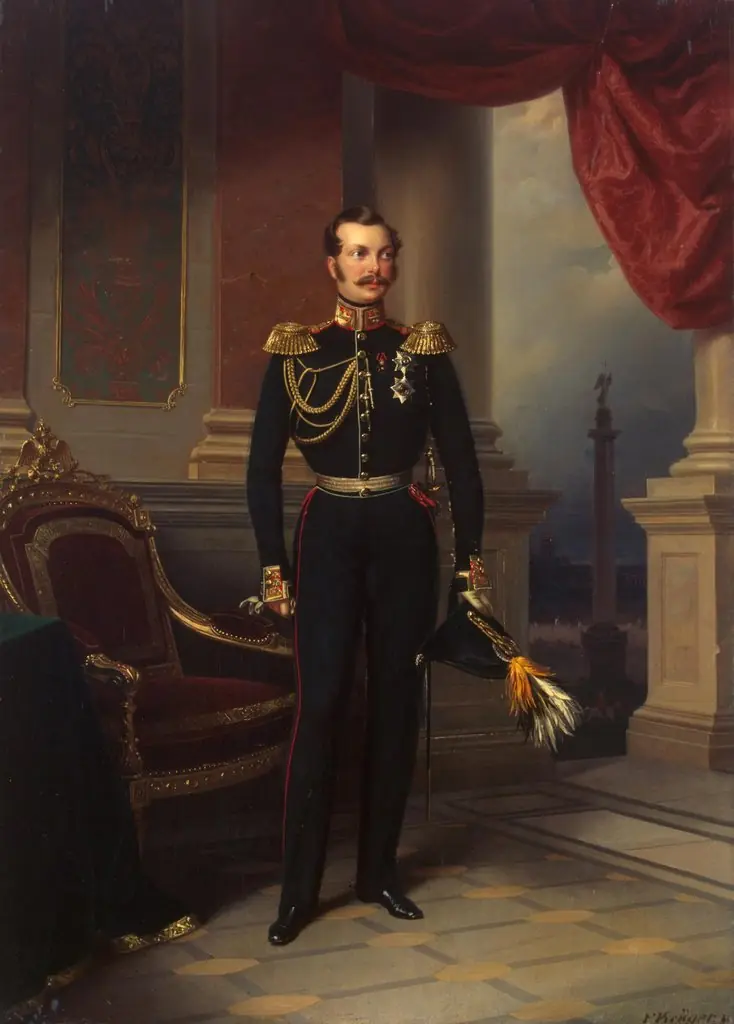 Portrait of Grand Prince Alexander Nikolayevich
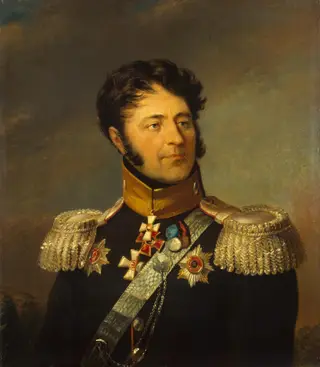 Portrait of Luka A. Denisyev (1762-1846)
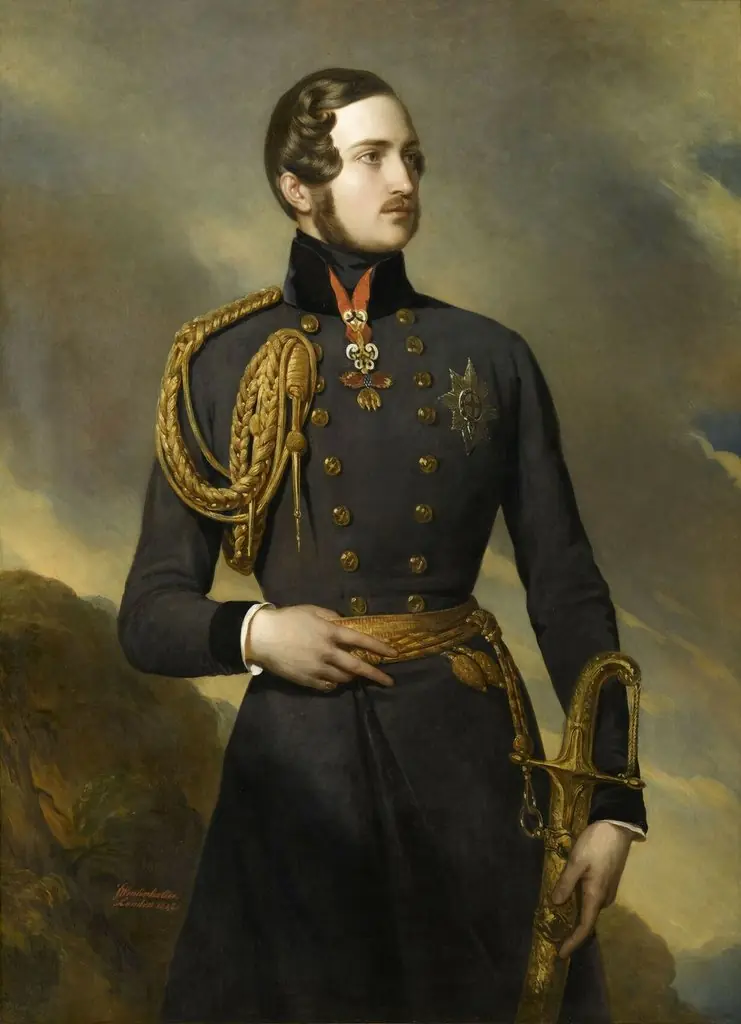 Albert of Saxe-Coburg-Gotha, Prince Consort (1819–1861)
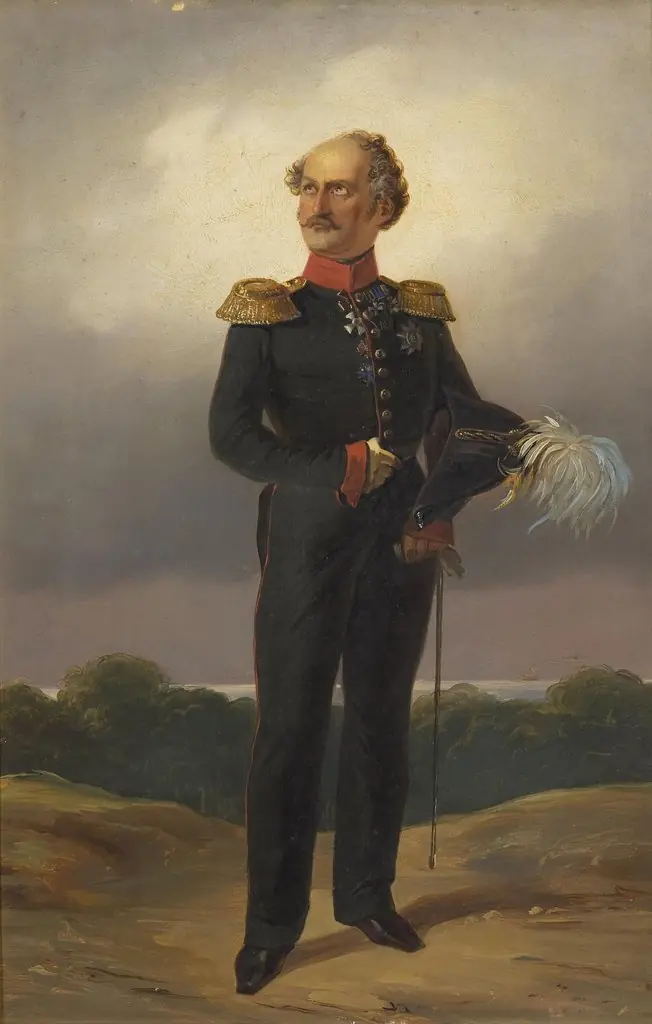 Portrait of a General
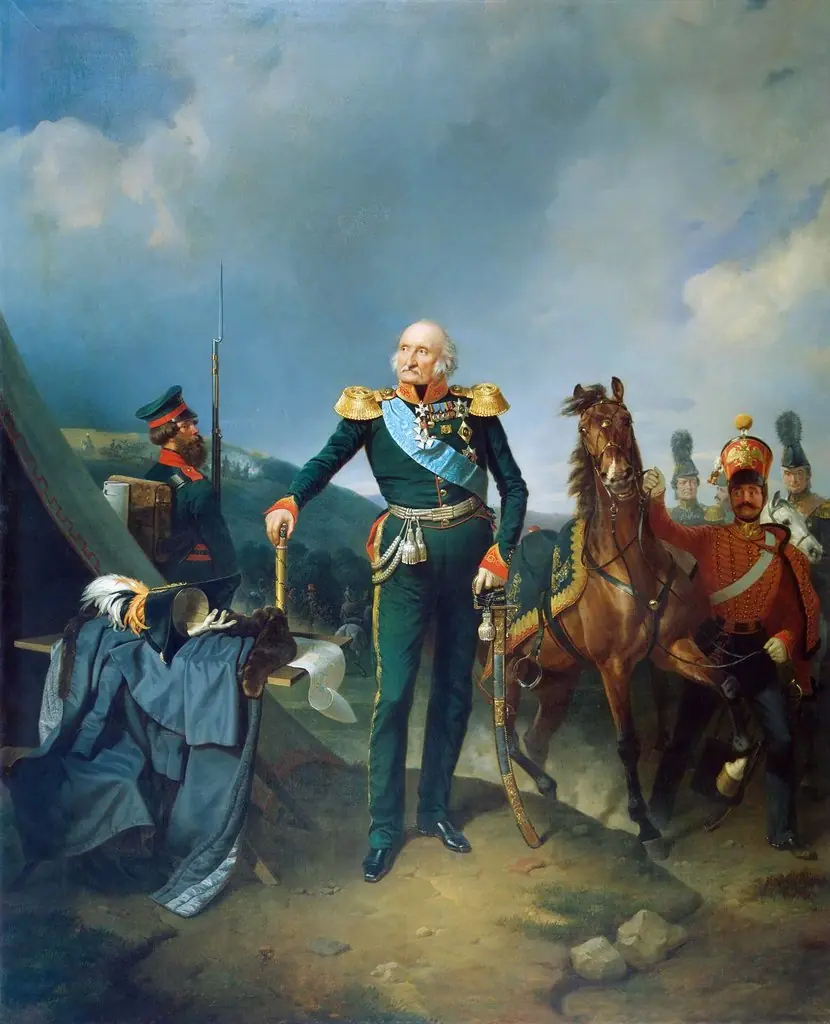 Portrait of Count Piotr Wittgenstein