Artwork
The crucifixion
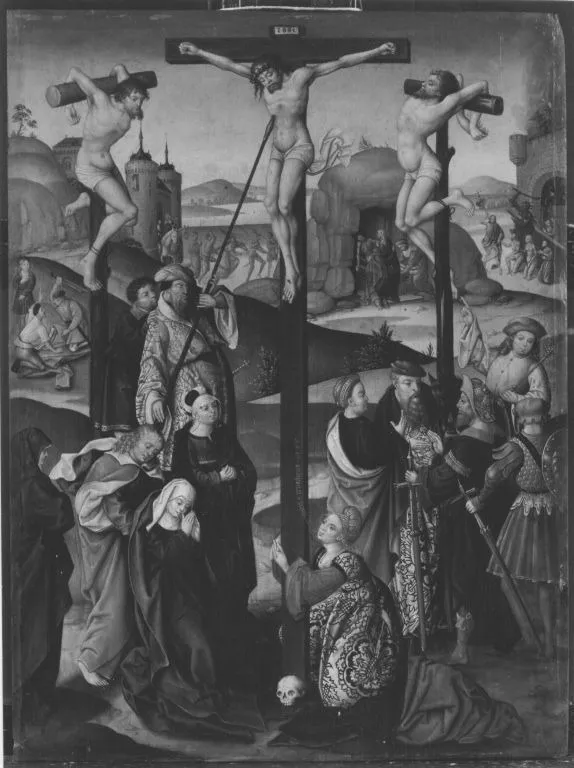
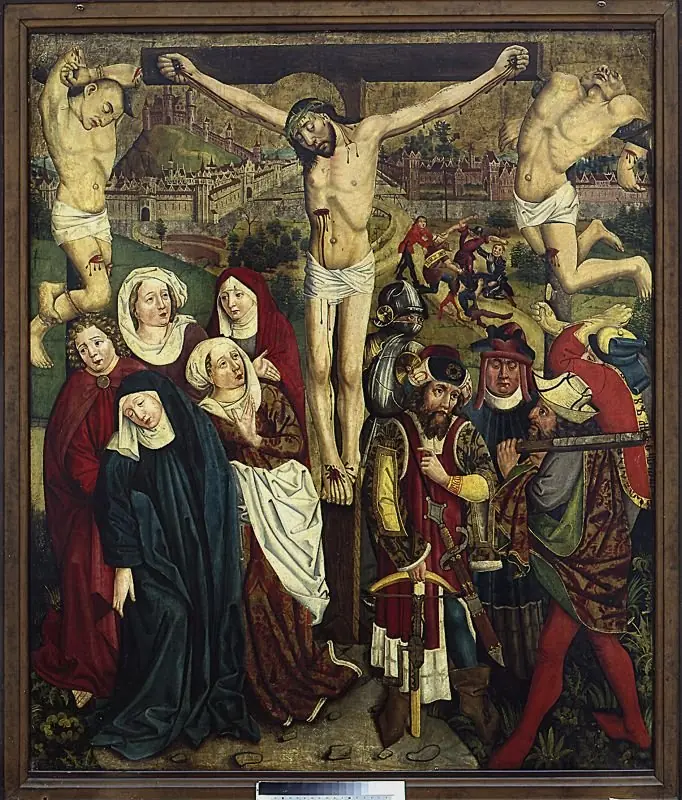
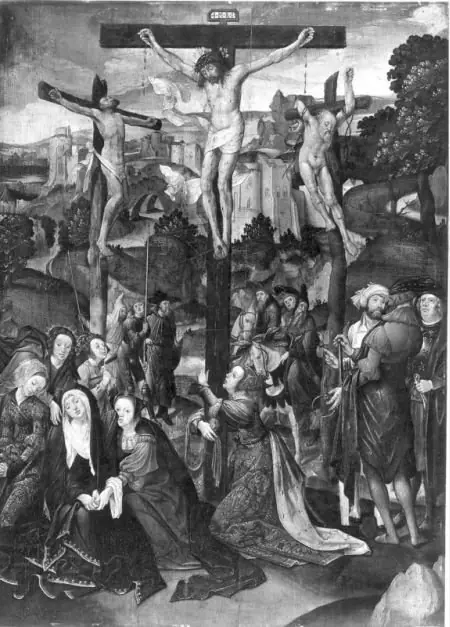
The crucifixion is an oil painting by the Northern Renaissance artist Jan Baegert. It dates from 1505 and is held in the collection of the Bavarian State Painting Collections.
About this work
Technique & Style
The work is executed in oil paint on an oak panel, a traditional support for early 16th‑century devotional images.
The work is executed in oil paint on an oak panel, a traditional support for early 16th‑century devotional images. The composition centers on the crucifixion of Jesus, rendered with a focus on the physicality of the body and the surrounding space, reflecting the religious art conventions of the period. The painting measures 51.7 cm in height and 38.2 cm in width, characteristic dimensions for panel paintings of its date and genre.
History & Provenance
The work titled The crucifixion was created by Jan Baegert in 1505 as an oil painting on oak panel for the Bavarian State Painting Collections. It entered the Alte Pinakothek in Munich where it remains on display. The painting measures 51.7 cm in height and 38.2 cm in width and depicts the crucifixion of Jesus Christ.
The painting is held in the collection of the Bavarian State Painting Collections and is displayed at the Alte Pinakothek in Munich.
Its inventory number within the collection is not specified in the cited sources.
The work has not been documented with a significant exhibition history in the provided references.
Overview
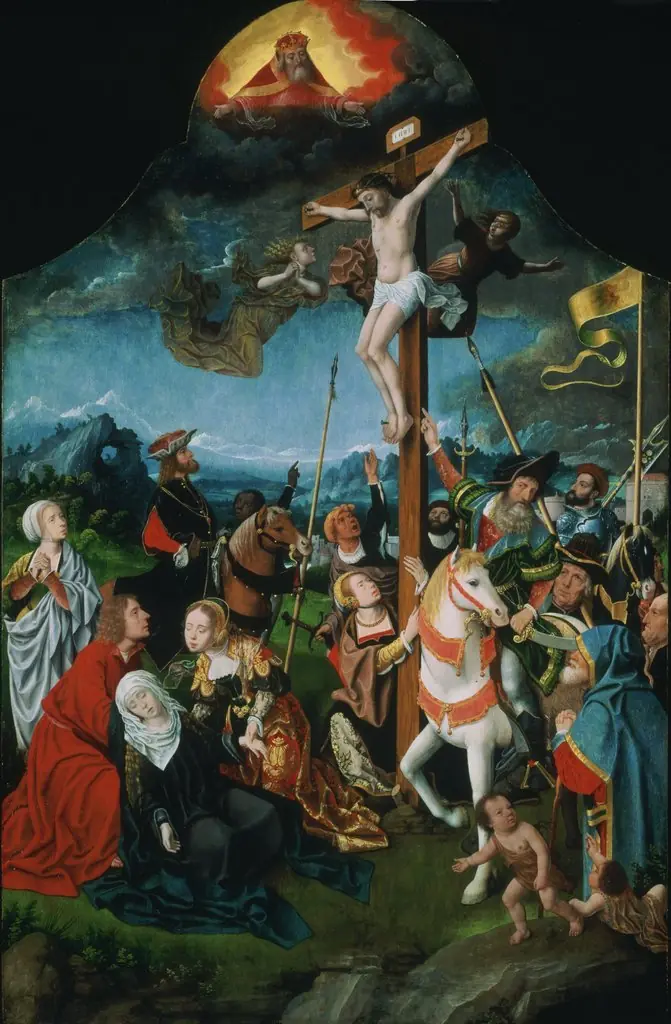
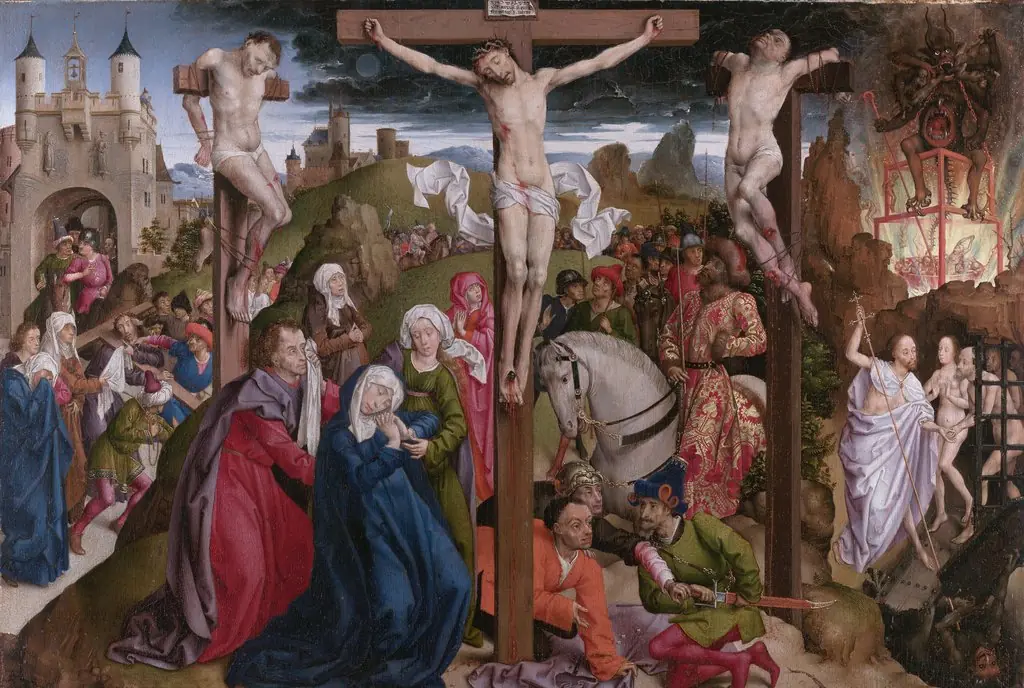
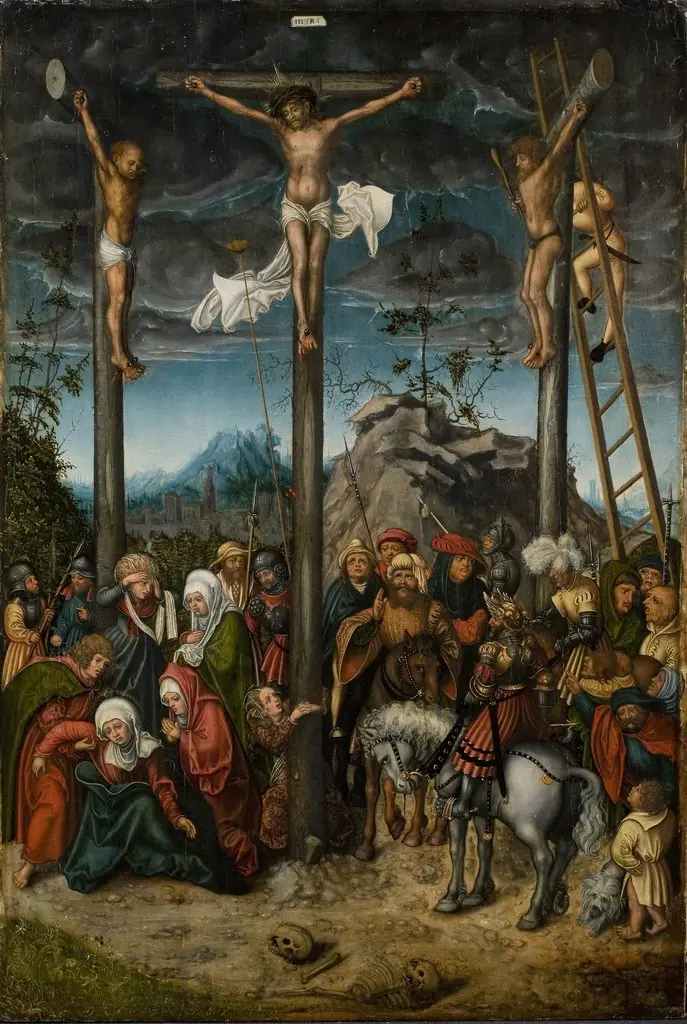
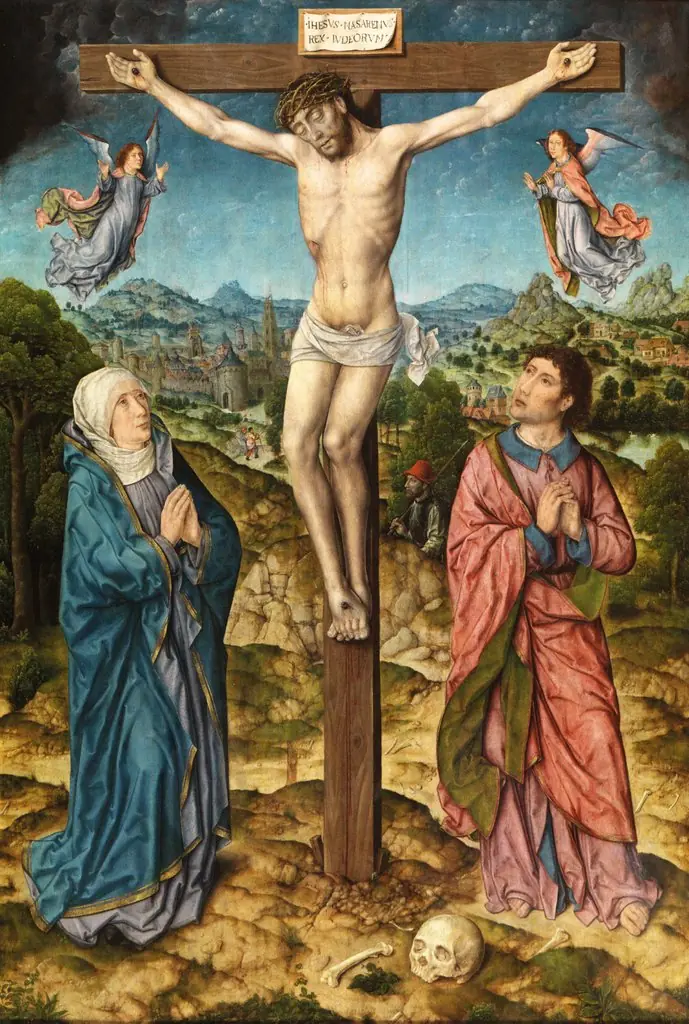
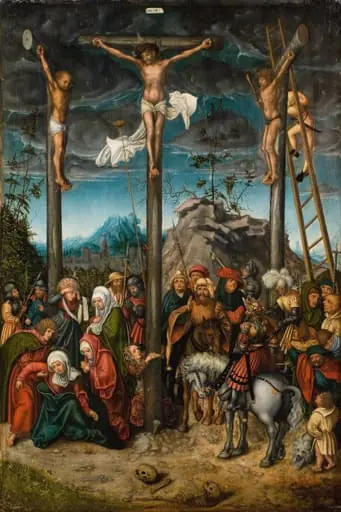
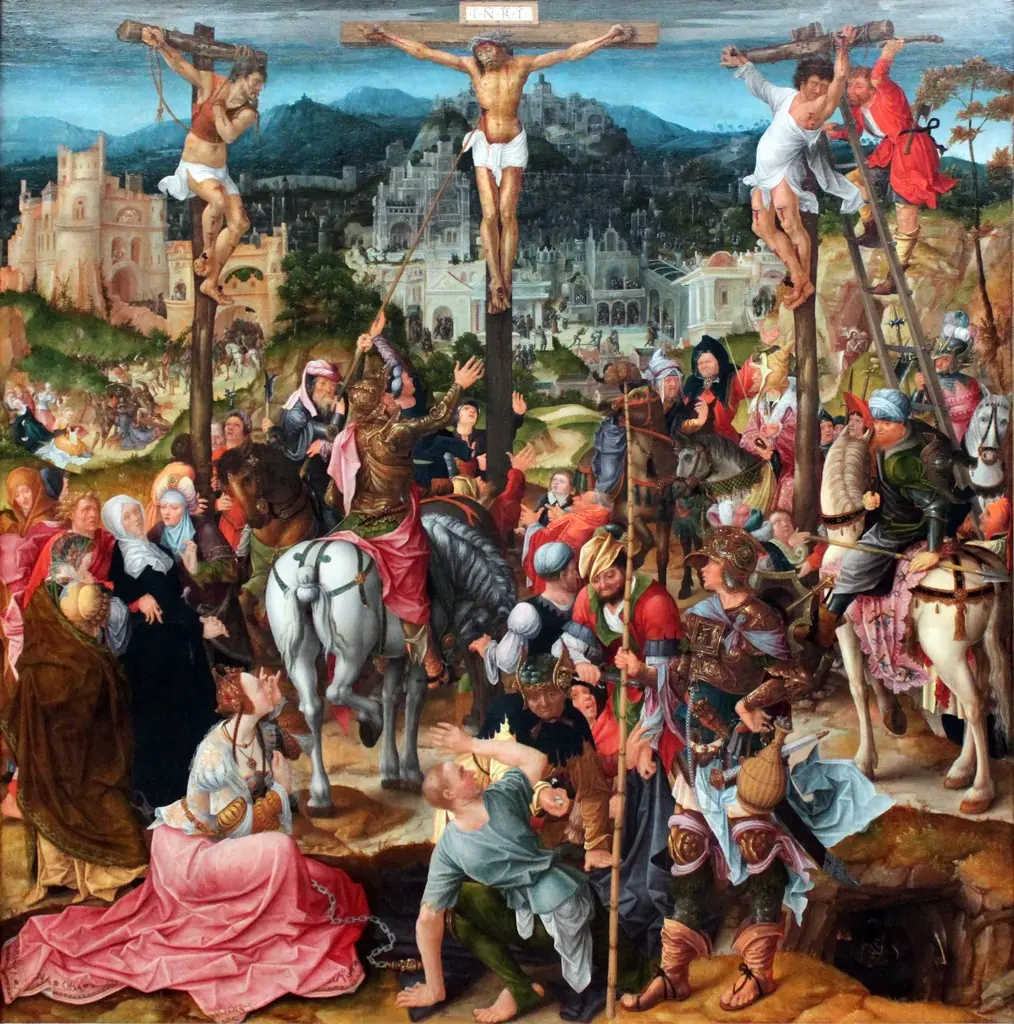
Created in 1505 by the German painter Jan Baegert, this oak‑panel work presents a solemn interpretation of the crucifixion. The composition centers on the crucified Christ, accompanied by two other figures on crosses, set against a rugged landscape that recedes toward distant hills and low buildings. The painting is part of the collection of Munich’s Alte Pinakothek.
Subject & Meaning
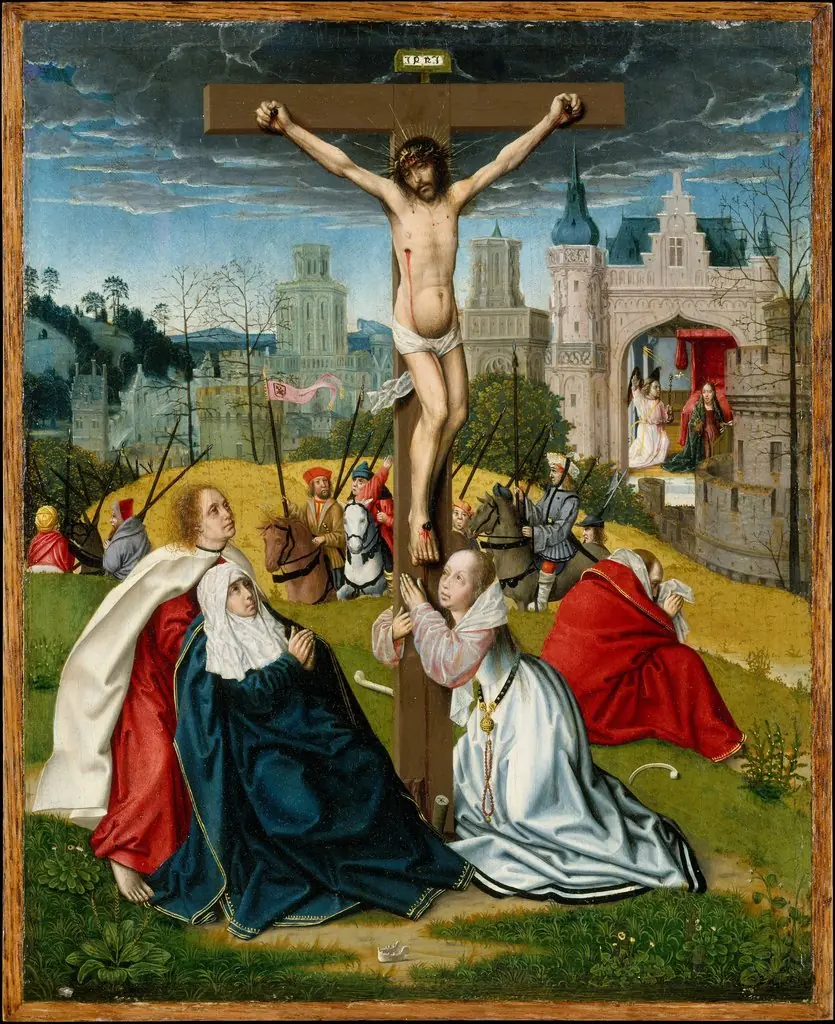
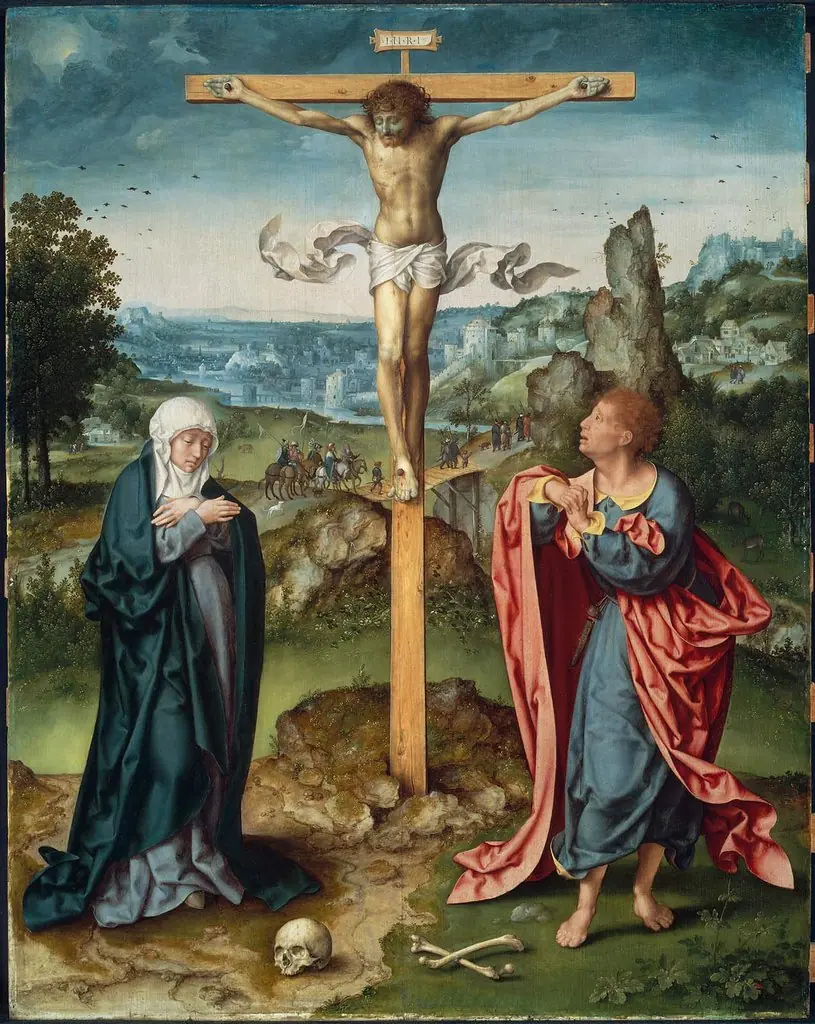
The central figure is Jesus Christ, whose suffering is emphasized by the presence of two additional crucified individuals, likely representing the thieves from the Gospel narrative. Below the crosses, a gathering of mourners, some in prayer, others in grief, underscores the emotional weight of the event and invites contemplation of redemption and sacrifice.
Context
Executed during the Northern Renaissance, the work reflects contemporary devotional trends that favored vivid, emotionally charged depictions of Christ’s Passion. Baegert’s approach aligns with other German artists of the period who combined detailed naturalism with expressive religious narrative, catering to both private devotion and public liturgical settings.
Artist & collection