Artwork
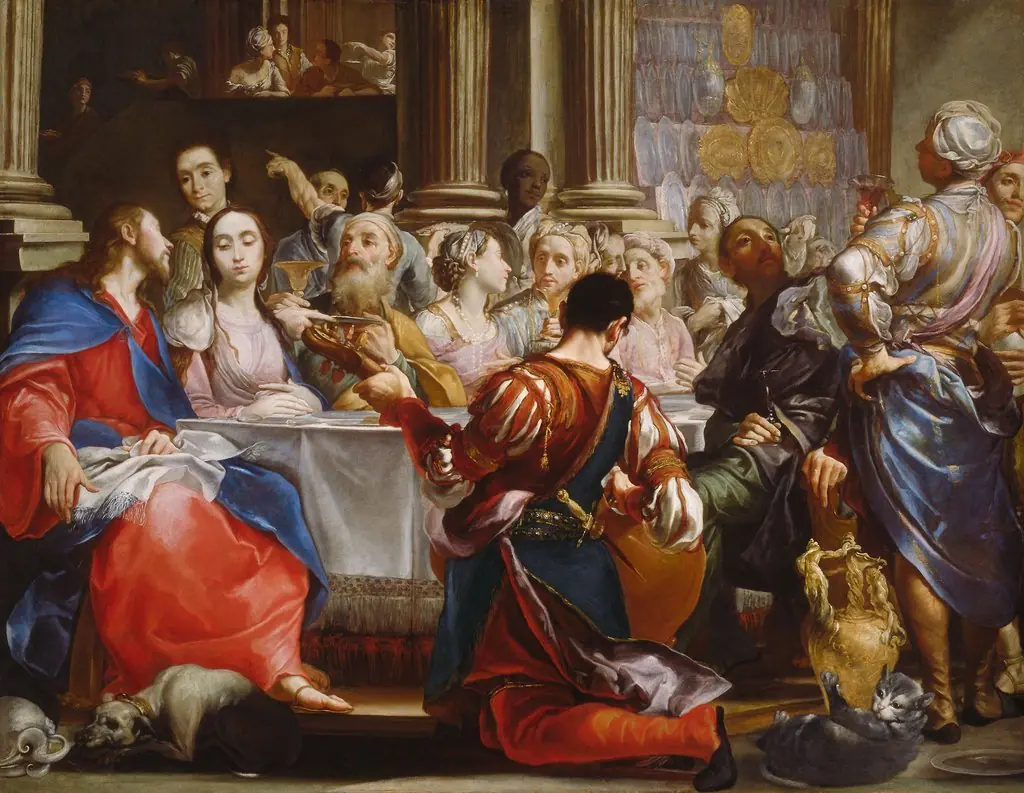
The Marriage at Cana
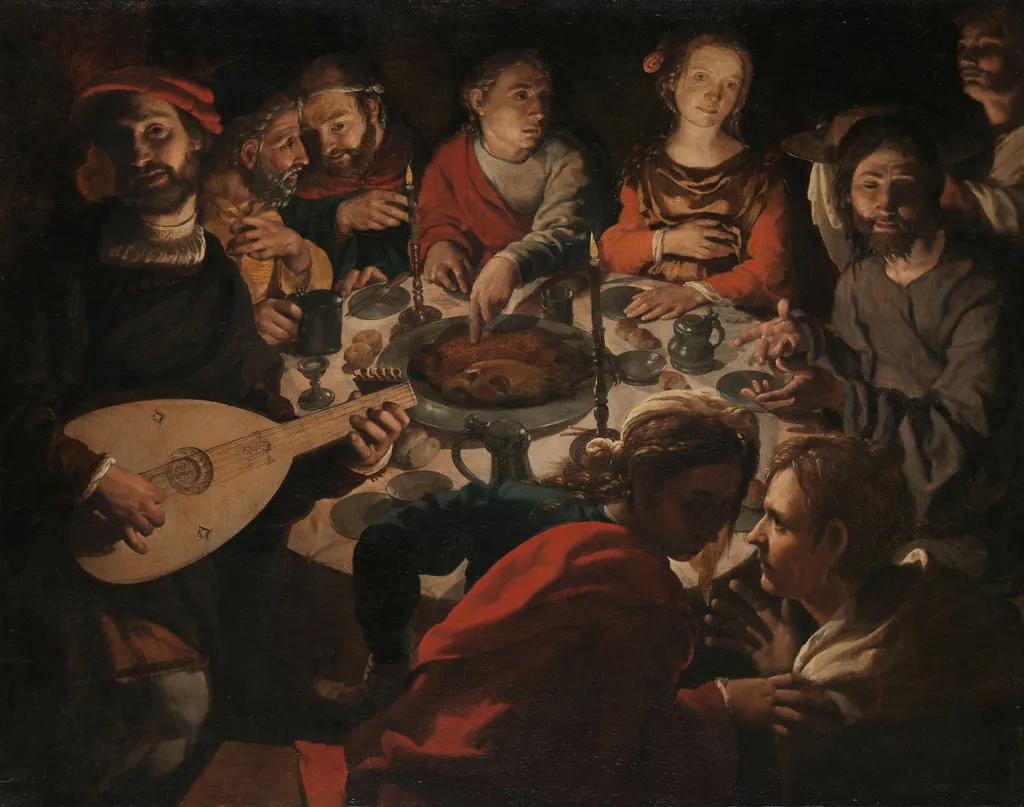
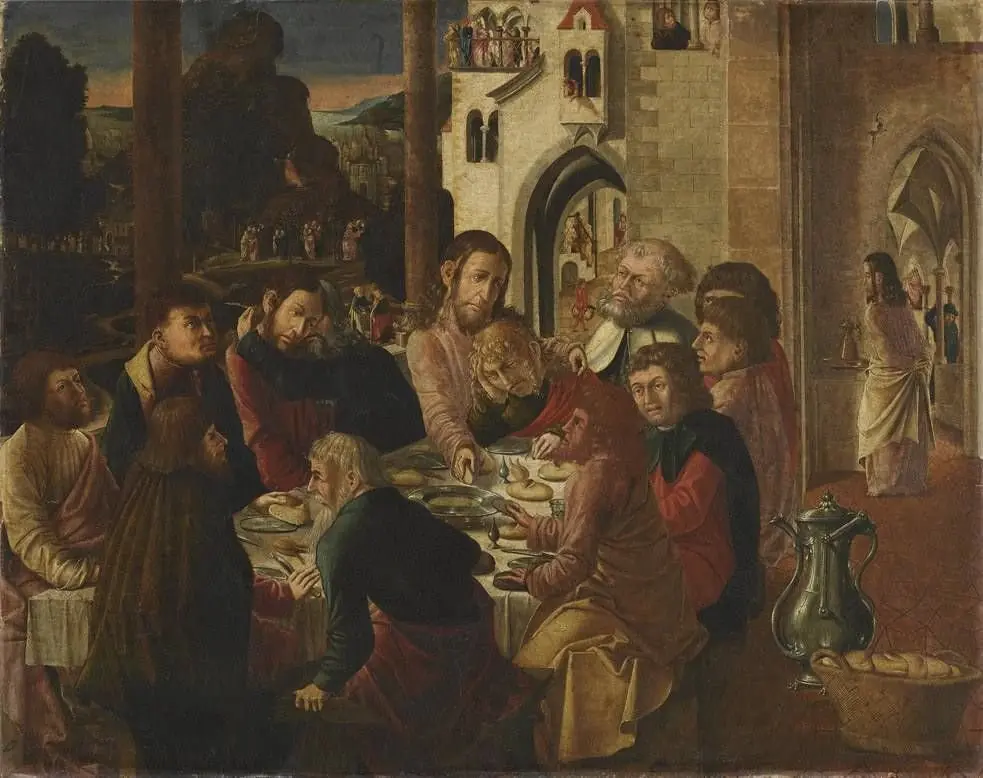
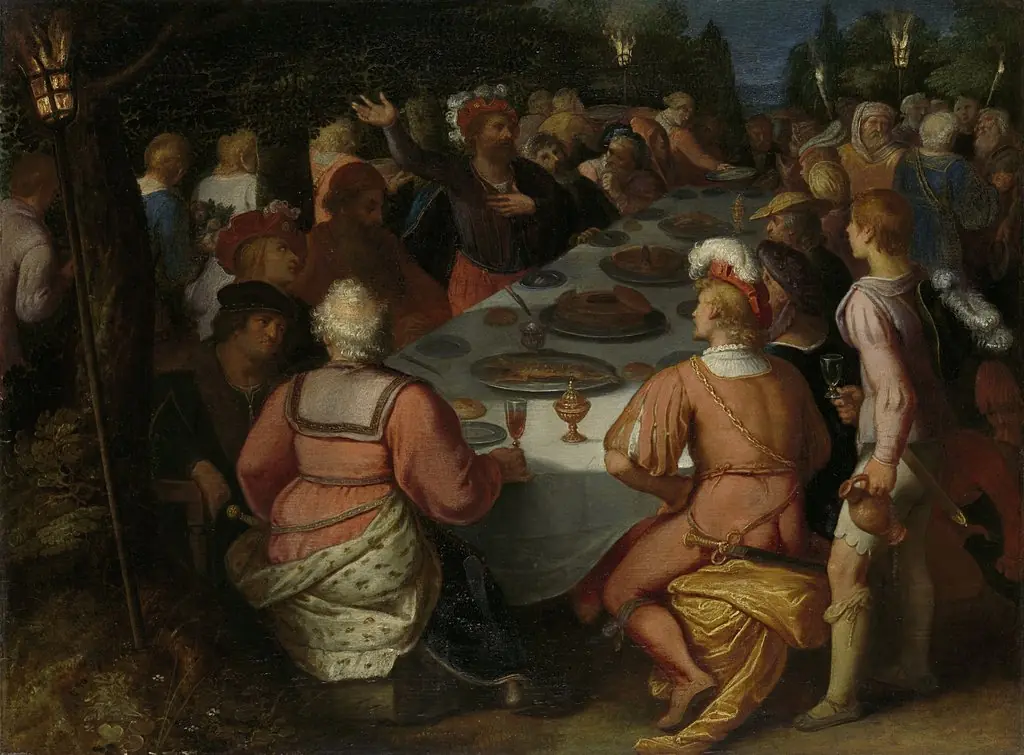
The Marriage at Cana is an oil painting by Jan Cornelisz Vermeyen. It dates from 1530 and is held in the collection of the Rijksmuseum.
About this work
Subject & Meaning
The painting depicts the Marriage at Cana, the biblical episode in which Jesus performed his first public miracle by transforming water into wine at a wedding feast. Classified as a religious work, the composition centers on this New Testament event drawn from the Gospel of John, which established the miracle as a foundational symbol of divine power and the inauguration of Christ's ministry. The choice of subject reflects the early sixteenth-century Northern European tradition of treating the Marriage at Cana as a vehicle for theological reflection on sacramental imagery, particularly the Eucharist, where wine signifies Christ's blood.
The work's identification with this miracle gives it a devotional function, inviting viewers to contemplate themes of faith, transformation, and divine grace made manifest in an everyday celebration.
Technique & Style
Jan Cornelisz Vermeyen's The Marriage at Cana, created in 1530, is executed in oil paint on a panel support. The work measures 66.5 cm in height and 85 cm in width. As a religious painting, it depicts the biblical scene of the Marriage at Cana. The piece is currently held in the collection of the Rijksmuseum.
History & Provenance
Jan Cornelisz Vermeyen's 1530 oil painting, The Marriage at Cana, is held in the collection of the Rijksmuseum in Amsterdam.
Jan Cornelisz Vermeyen created the oil-on-panel painting The Marriage at Cana in 1530. The work depicts the biblical subject of the Marriage at Cana and is classified as religious art. It measures 66.5 cm in height and 85 cm in width.
The painting is currently held in the collection of the Rijksmuseum. No specific details regarding the original commission, the identity of the initial patron, or the intermediate ownership chain prior to its arrival at the museum are provided in the available records.
Jan Cornelisz Vermeyen's 1530 oil painting, The Marriage at Cana, is held in the collection of the Rijksmuseum in Amsterdam. The work is executed on a panel measuring 66.5 cm in height and 85 cm in width. While the source material confirms the artwork's current location and physical dimensions within the museum's holdings, it does not provide a specific inventory or accession number, nor does it detail any past or future exhibition history for this piece.
Overview
Jan Cornelisz Vermeyen’s The Marriage at Cana (1530) is an oil painting that portrays the biblical wedding feast at Cana. Executed during the early sixteenth century, the work is part of the Rijksmuseum’s collection. Vermeyen, a Dutch painter known for portraiture and historical narratives, created the scene while serving the Habsburg court.
Context
Created in Mechelen, a hub of artistic activity in the Low Countries, the work reflects the period’s interest in biblical subjects rendered with courtly elegance. Vermeyen’s role as a designer for imperial festivities likely informed the painting’s detailed depiction of banquet attire and elaborate table settings, linking religious narrative with contemporary court culture.
Own this work as a print
Artist & collection
Artist
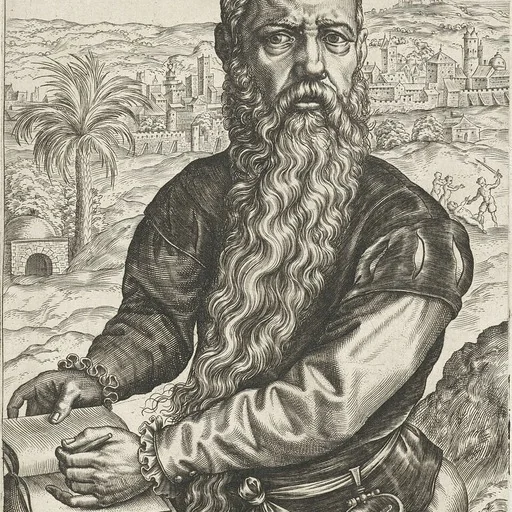
Jan Cornelisz. Vermeyen, also known as Juan del Mayo (c. 1503 – 1559) was a Dutch painter, printmaker and tapestry designer. He is known for his portraits, history scenes and genre subjects. He worked in Mechelen and…