Artwork
Portrait of Erard de la Marck
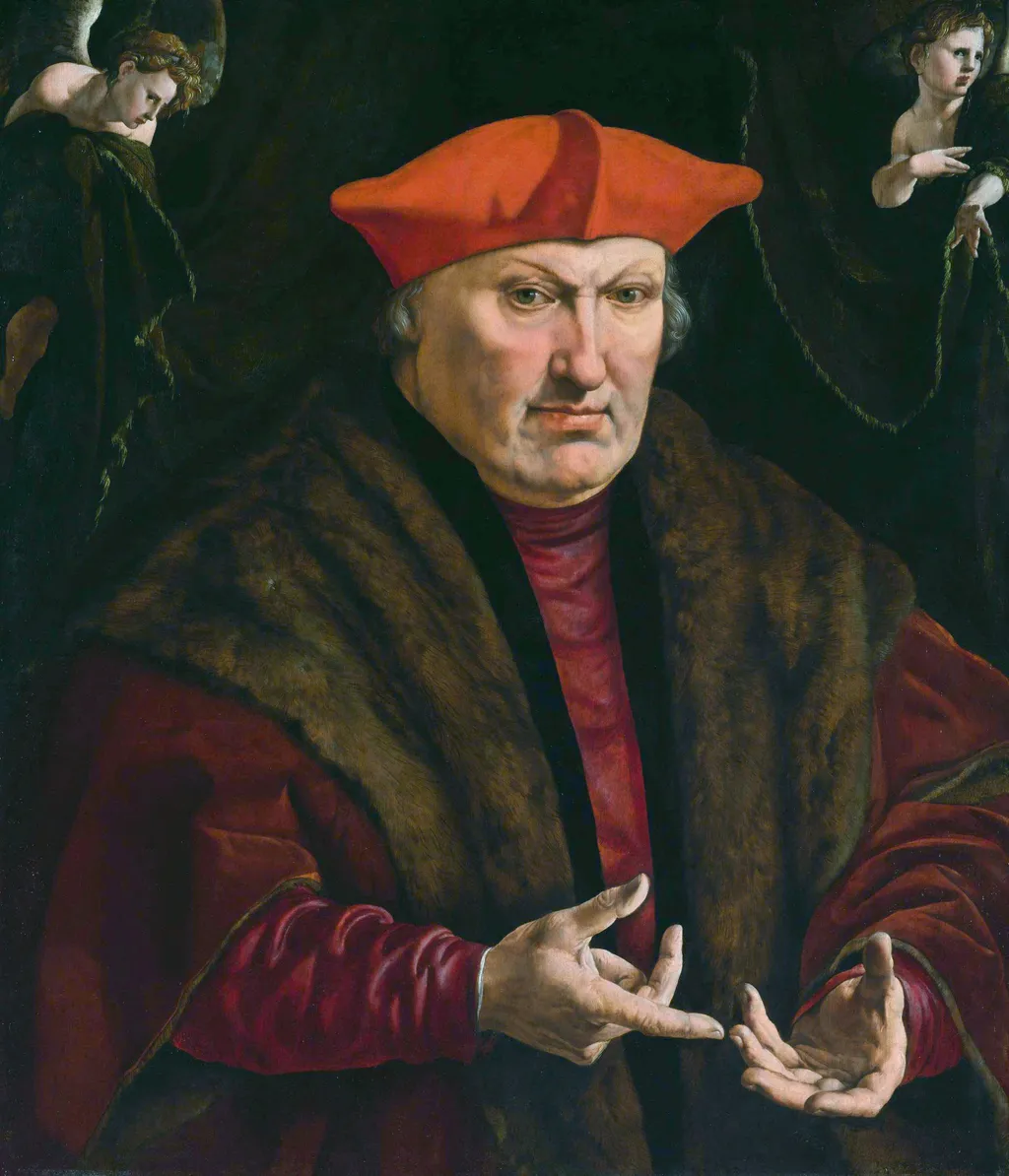
Portrait of Erard de la Marck is an oil painting by the Northern Renaissance artist Jan Cornelisz Vermeyen. It dates from 1529 and is held in the collection of the Rijksmuseum. Jan Cornelisz.
About this work
Technique & Style
The portrait is executed in oil paint on a wooden panel measuring 64.
The portrait is executed in oil paint on a wooden panel measuring 64.4 by 55.5 cm. This support and medium were standard for Northern European portraiture of the period, allowing for the precise rendering of textures and surfaces characteristic of Jan Cornelisz Vermeyen's technique. The work belongs to the portrait genre and depicts Érard de La Marck, Prince-Bishop of Liège, in a formal presentation typical of early sixteenth-century Netherlandish court portraiture.
History & Provenance
Jan Cornelisz Vermeyen created the oil-on-panel portrait of Érard de la Marck in 1529. The work depicts the subject in a formal portrait genre, measuring 64.4 cm in height and 55.5 cm in width. Historical records indicate that the painting was once owned by Margaret of Austria, Duchess of Savoy, before passing to Catalina von Pannwitz.
It is currently held within the collection of the Rijksmuseum in Amsterdam, where it is displayed in hall 0.6, and has also been associated with the Frans Hals Museum.
The Portrait of Erard de la Marck is held in the collection of the Rijksmuseum in Amsterdam, where it is displayed in hall 0.6. The work, executed in oil on panel in 1529, measures 64.4 cm in height and 55.5 cm in width. Historical records indicate the painting was once owned by Margaret of Austria, Duchess of Savoy, and later by Catalina von Pannwitz. The artwork has been featured in the exhibition titled Remember Me.
Legacy
Portrait of Erard de la Marck, painted by Jan Cornelisz Vermeyen in 1529, exemplifies Northern Renaissance portraiture through its meticulous rendering of status and material detail. The work's depiction of Érard de La Marck contributed to enduring scholarly discussions of courtly identity in the Low Countries, influencing later historiographical interpretations of noble representation. Its inclusion in the Remember Me exhibition reinforced renewed academic interest in Vermeyen's oeuvre, shaping contemporary understandings of early Netherlandish portraiture.
The painting's provenance through notable collections, including those of Catalina von Pannwitz and Margaret of Austria, Duchess of Savoy, underscored its significance within elite networks of the period, further cementing its legacy in art historical narratives.
Overview
Jan Cornelisz. Vermeyen’s 1529 oil portrait presents Erard de la Marck, a court figure linked to Mary of Hungary. The composition centers the sitter in a vivid red hat and dark fur, set against a muted backdrop, with two diminutive figures peering from either side.
The work exemplifies the Northern Renaissance’s focus on individualized likeness and meticulous detail, and it is part of the Rijksmuseum’s collection.
Subject & Meaning
Erard de la Marck, a noble associated with the Habsburg administration in the Low Countries, is rendered with an air of authority and poised readiness, his open hands suggesting engagement or presentation. The ancillary figures, one scarcely clothed, may allude to attendants or symbolic elements, underscoring the sitter’s status within a courtly network.
Context
The portrait emerges from a period when Dutch artists served the imperial courts, blending local artistic traditions with the broader currents of Renaissance portraiture. Vermeyen’s dual role as painter and tapestry designer informed his attention to surface detail and narrative nuance, situating the work within the cultural exchange between the Netherlands and the Habsburg realms.
Own this work as a print
Artist & collection
Artist
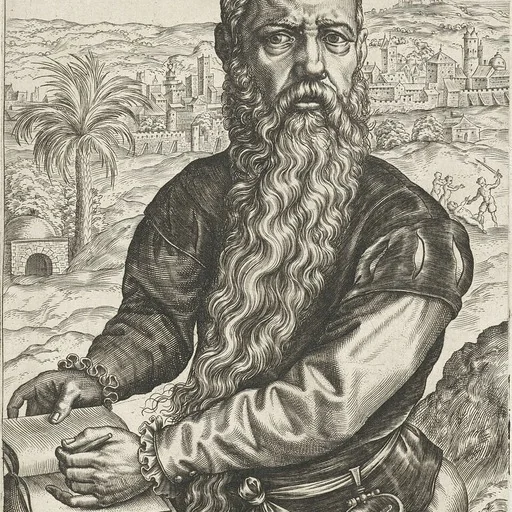
Jan Cornelisz. Vermeyen, also known as Juan del Mayo (c. 1503 – 1559) was a Dutch painter, printmaker and tapestry designer. He is known for his portraits, history scenes and genre subjects. He worked in Mechelen and…

- Cardinal Bernhardus Clesius
 Portrait of a man
 Portrait of a Man with a Rosary
 Der Augsburger Patrizier Ulrich Sulzer (1463-1545)
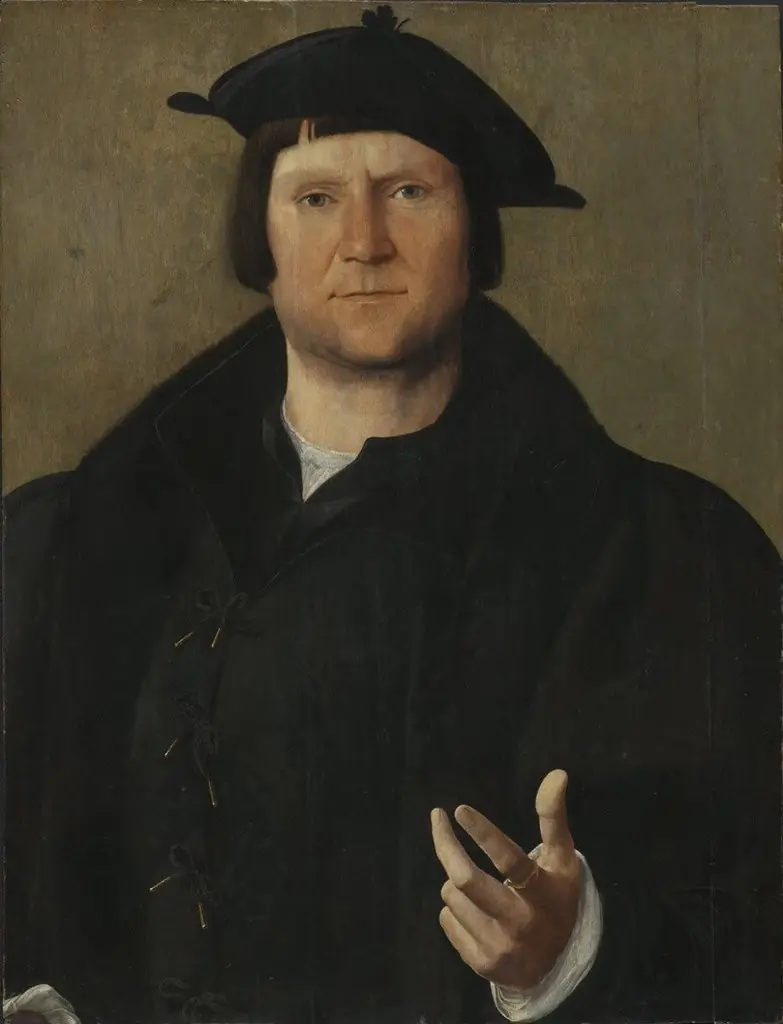 Bildnis eines Mannes (zugeschrieben)
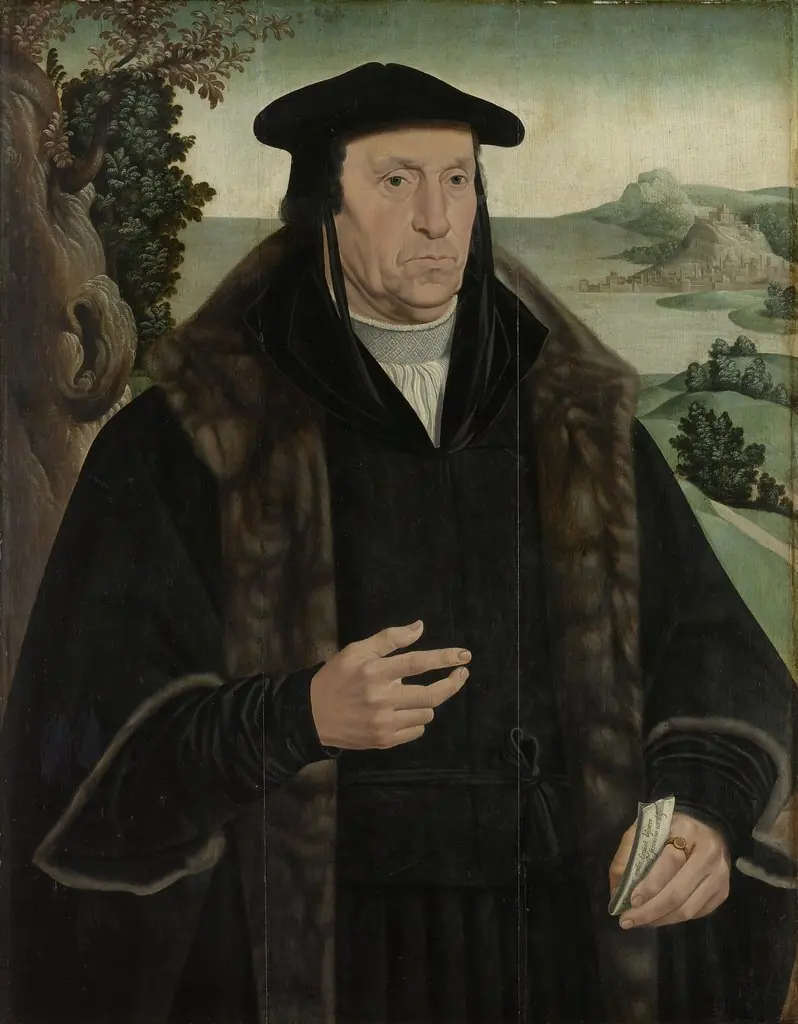 Portrait of Cornelis Aerentsz van der Dussen (1481-1556)
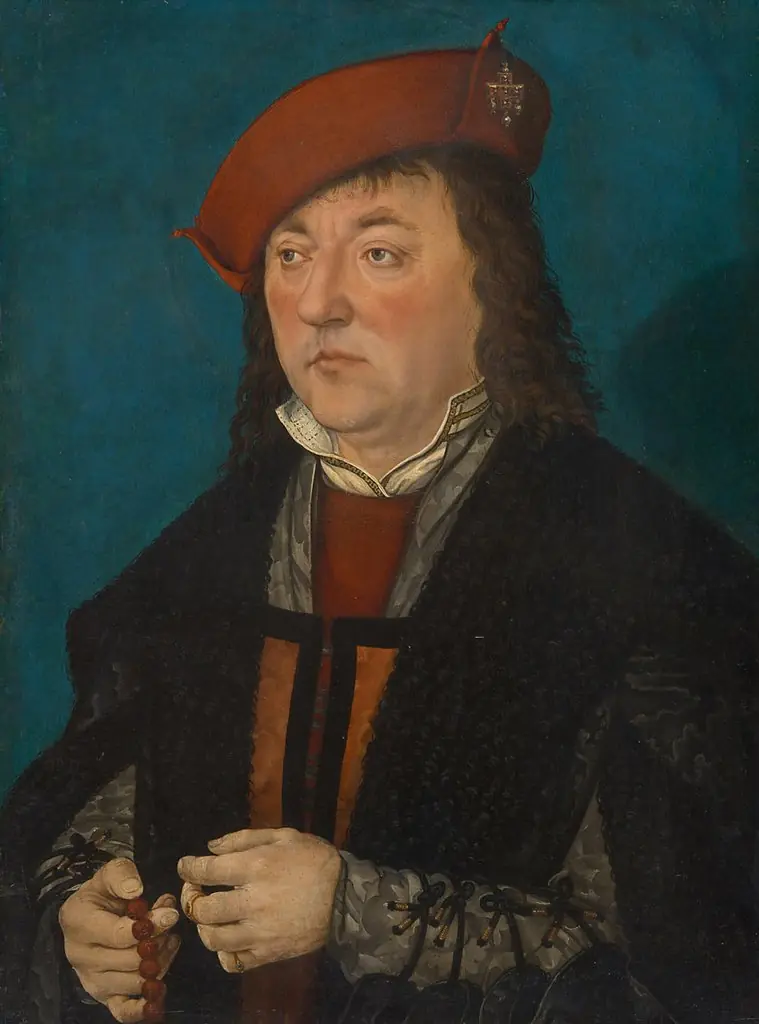 Bildnis eines Mannes mit Rosenkranz
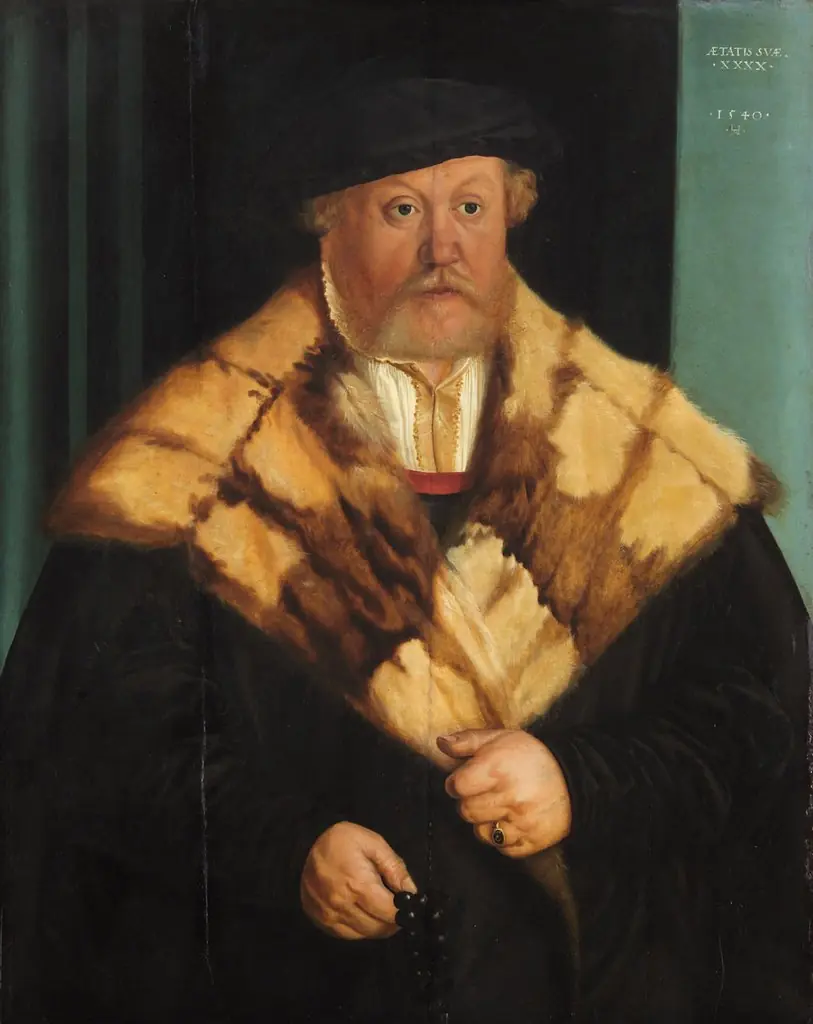 Hanns Mädl
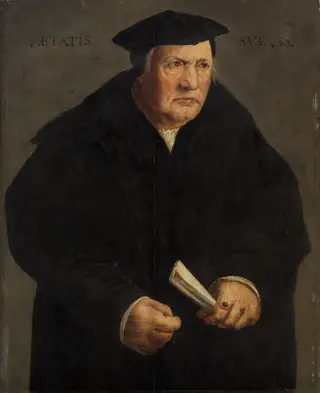 Männliches Bildnis
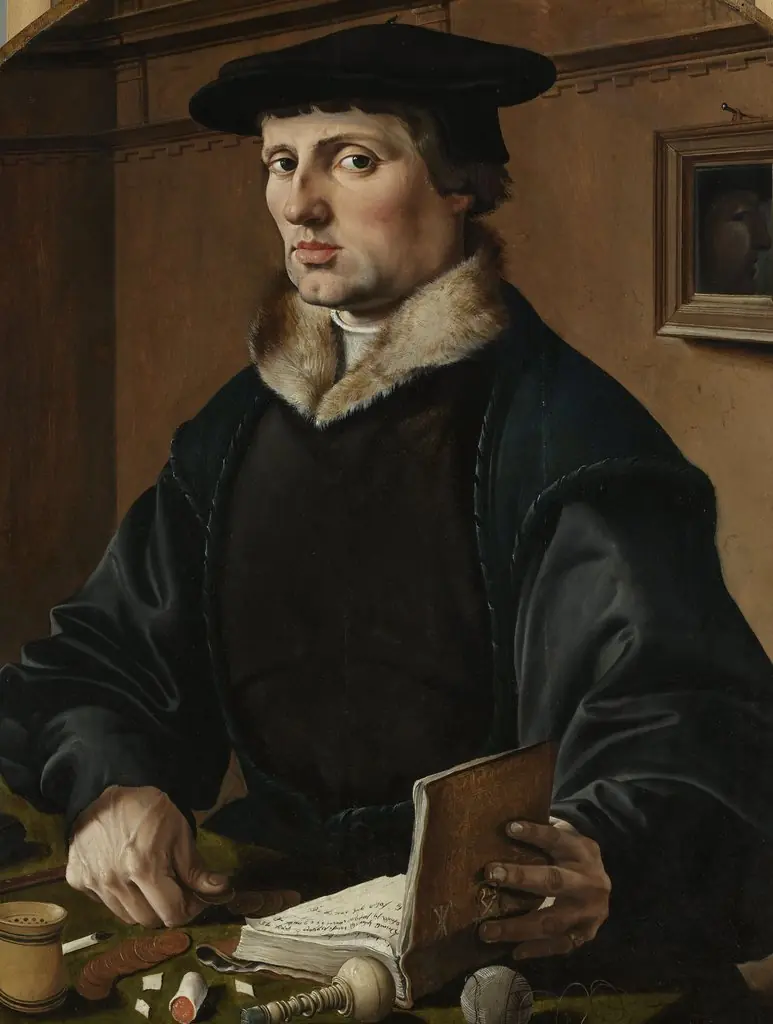 Portrait of (possibly) Pieter Gerritsz Bicker, pendant of (possibly) his wife Anna Codde
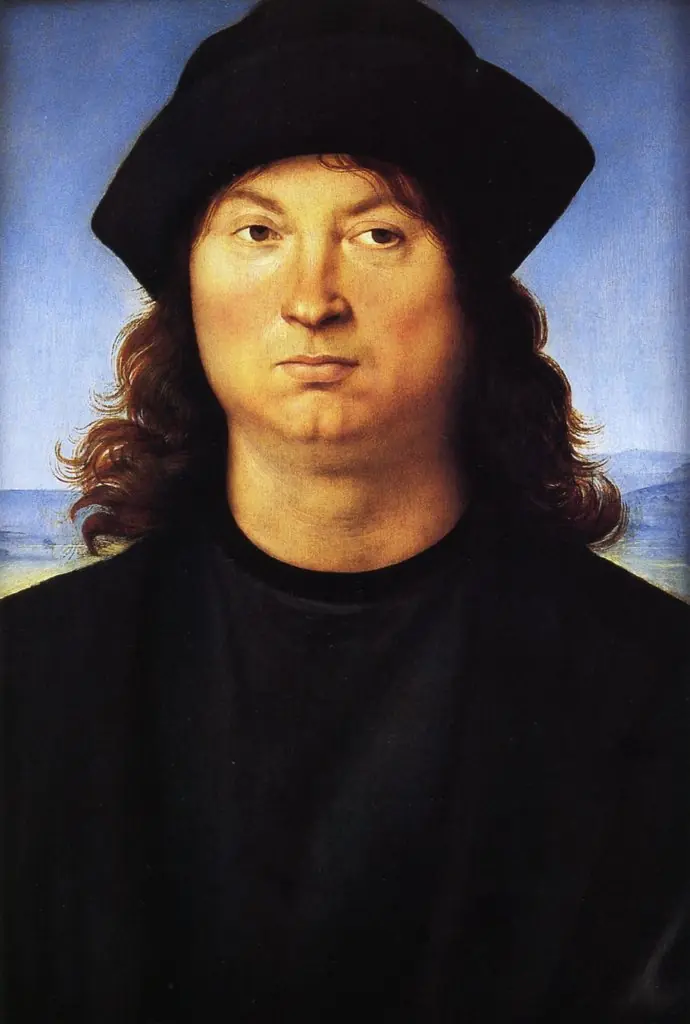 Portrait of a Man
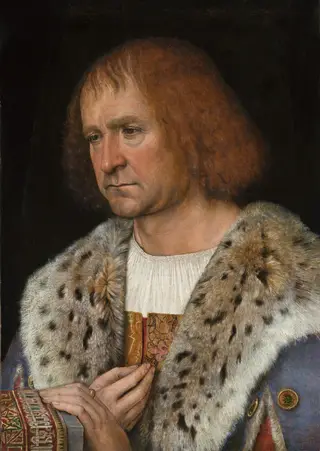 Portrait of Diego de Guevara (?)