Artwork
The Flight into Egypt
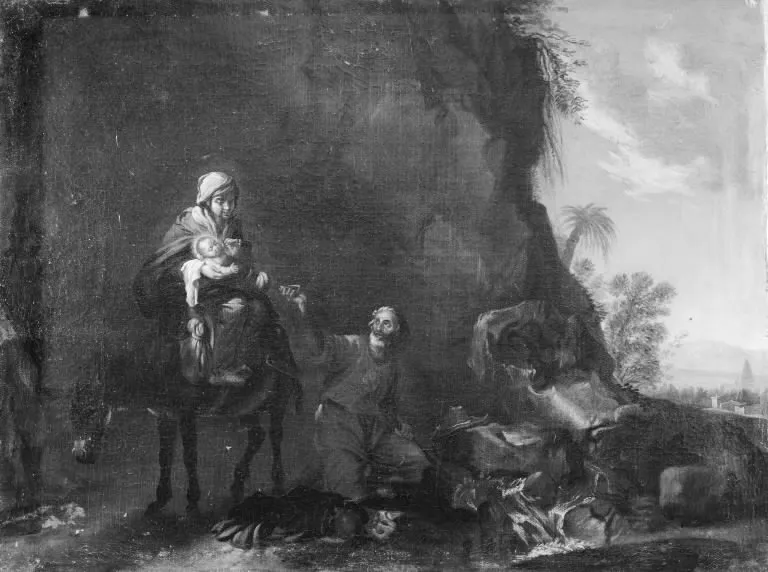
The Flight into Egypt is an oil painting by the Flemish Baroque painting artist Jan Miel. It dates from 1594 and is held in the collection of the Statens Museum for Kunst.
About this work
Subject & Meaning
The work depicts the biblical narrative of the Flight into Egypt, a religious subject illustrating the Holy Family's journey to escape persecution.
The work depicts the biblical narrative of the Flight into Egypt, a religious subject illustrating the Holy Family's journey to escape persecution. The composition centers on the figures of Mary, Joseph, and the Christ Child as they travel, representing the core iconography of this specific episode from the Gospel of Matthew. As a piece of religious art, the painting serves to visualize the divine protection and humility of the family during their exile. The narrative focus remains strictly on these three central figures within the context of their flight.
Technique & Style
The Flight into Egypt by Jan Miel is executed in oil paint on a canvas support. As a religious artwork, the piece utilizes the traditional medium of oil to depict the biblical journey of Mary, Joseph, and the Christ Child. The painting is classified within the genre of religious art, reflecting the stylistic conventions associated with such devotional subjects during the mid-17th century. The work remains part of the collection at the Statens Museum for Kunst.
History & Provenance
The Flight into Egypt is an oil painting on canvas by Jan Miel, dated to 1588. According to the Wikidata record for the work, its inception is recorded as 1588-01-01, and it is held in the collection of the Statens Museum for Kunst in Denmark, where it remains located. The sources do not provide information about a commission, prior owners, acquisition history, or any intermediate provenance between its creation and its current institutional holding, nor do they document circumstances of its production beyond the artist, date, medium, and support.
The Flight into Egypt by Jan Miel is held in the collection of the Statens Museum for Kunst in Denmark. According to Wikidata records, the painting is part of that museum's holdings, executed in oil on canvas in 1588. No specific inventory or accession number is recorded in the available sources, and no exhibition history is documented.
Context
Jan Miel painted The Flight into Egypt in 1588 as an oil on canvas religious work now housed in the Statens Museum for Kunst. The composition depicts Mary, Joseph, and the Christ Child during their flight from Herod's massacre of infants, drawing from apocryphal gospel traditions. Miel's treatment reflects Counter-Reformation emphasis on devotional immediacy, blending Northern realism with Italianate compositional structure to heighten narrative drama.
Scholarship highlights this piece as representative of late Renaissance interpretations of the subject, distinct from earlier Netherlandish treatments through its more theatrical spatial arrangement and focus on familial vulnerability. The painting's provenance confirms continuous ownership by the Danish national gallery since acquisition, with no documented sales or major restorations recorded.
Overview
Jan Miel’s oil painting The Flight into Egypt, executed in 1594, presents a nocturnal journey across a rugged landscape. A woman cradles an infant while a weary‑looking man walks beside her, and a donkey laden with bundles follows. The composition is framed by a darkening sky and distant trees, emphasizing the isolation of the traveling family.
Artist & collection
Artist
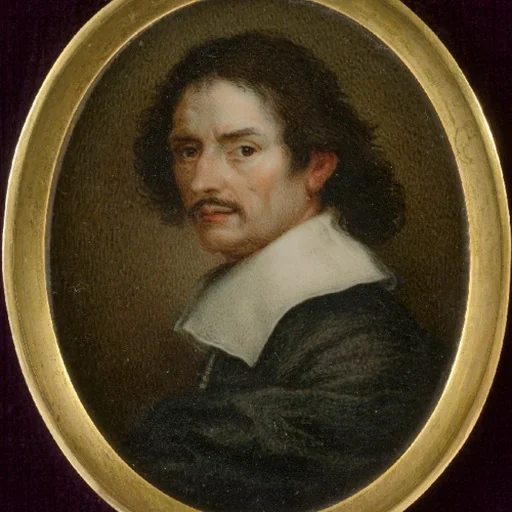
Jan Miel (1599 – April 1664) was a Flemish painter and engraver who was active in Italy.

- The Flight into Egypt
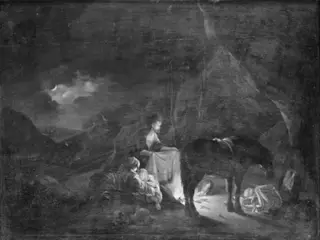 En rejsende til hest ved nattetid
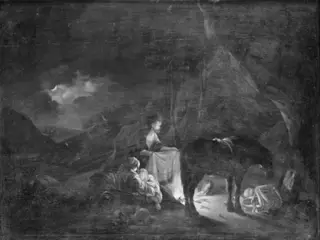 En rejsende til hest ved nattetid
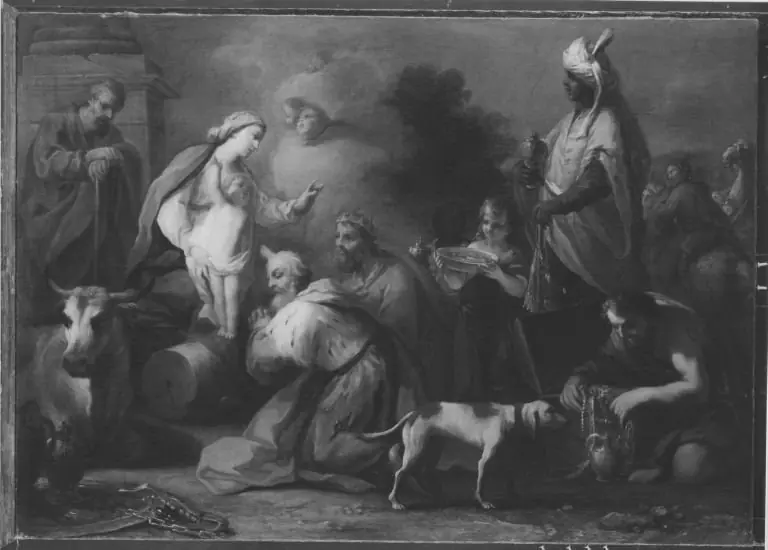 Anbetung der Könige
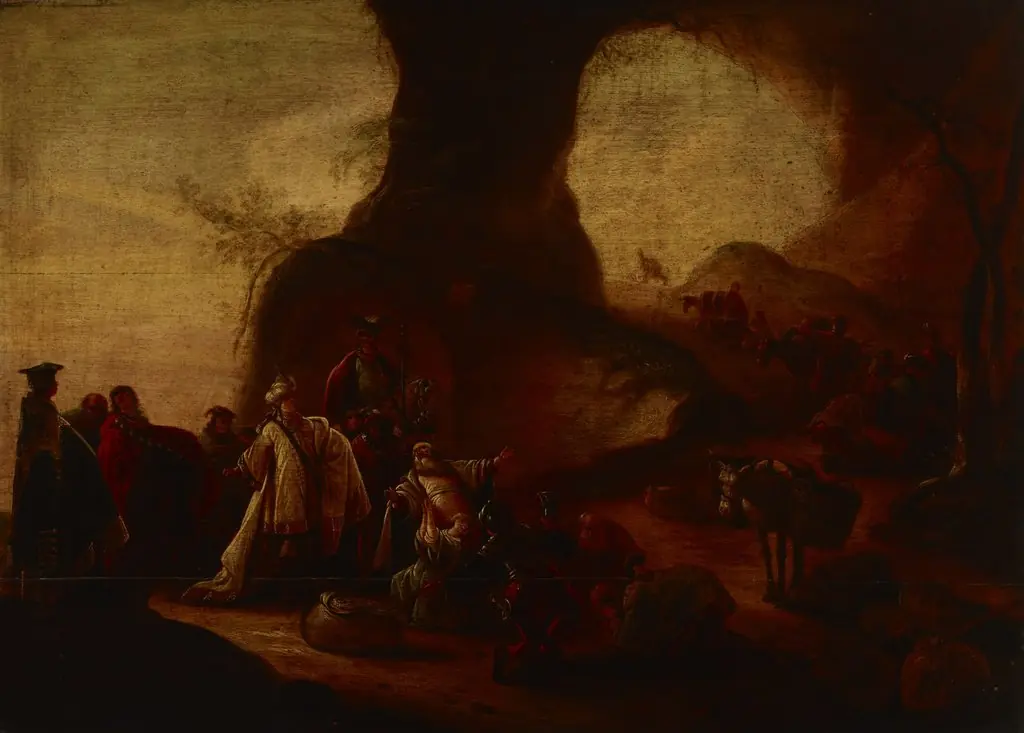 Discovery of the Joseph's Silver Cup in Benjamin's Sack
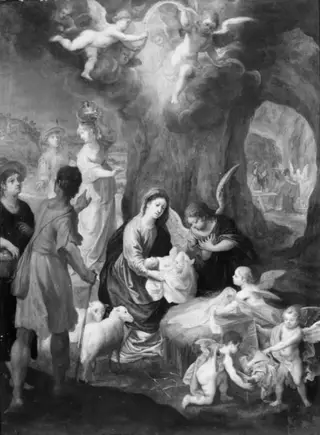 The Holy Family with Saints
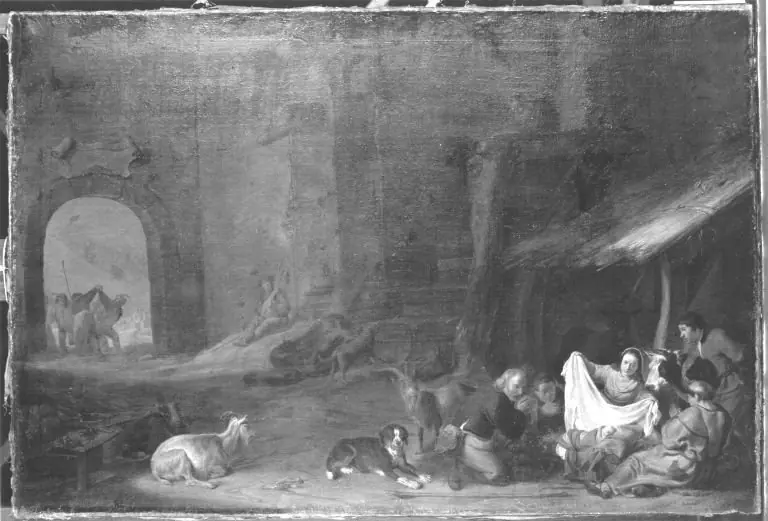 Anbetung der Hirten
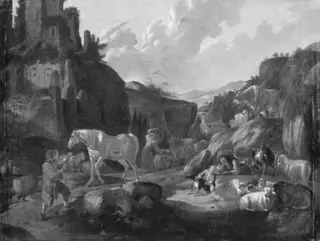 Italian Landscape with Shepherds
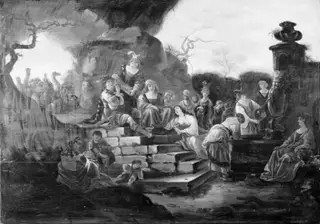 Merry Company by a Fountain
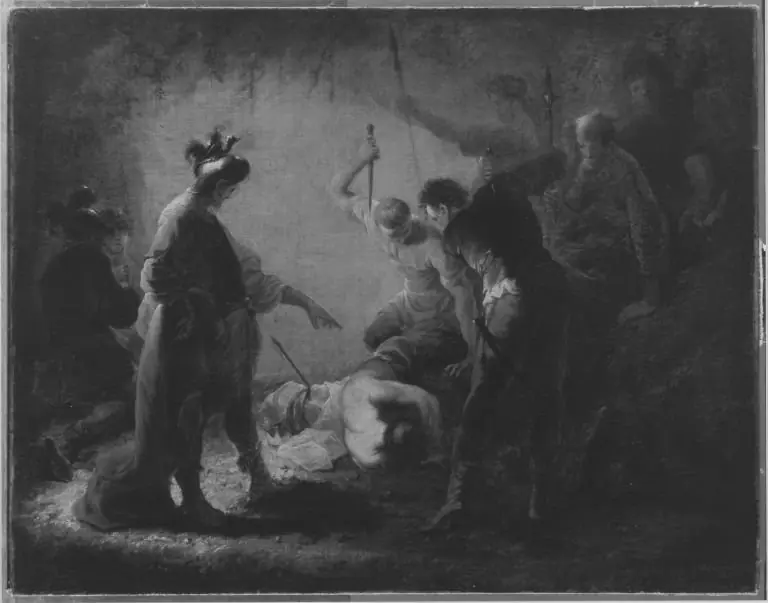 Die Ermordung des hl. Severus
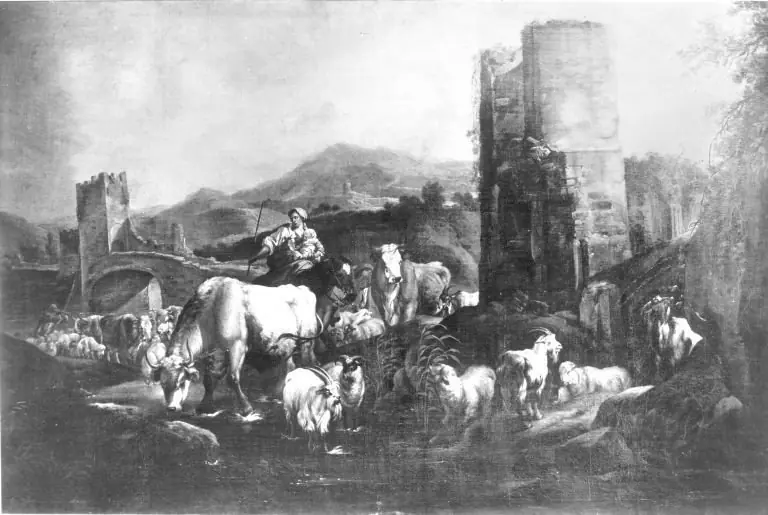 Heimkehrende Herde
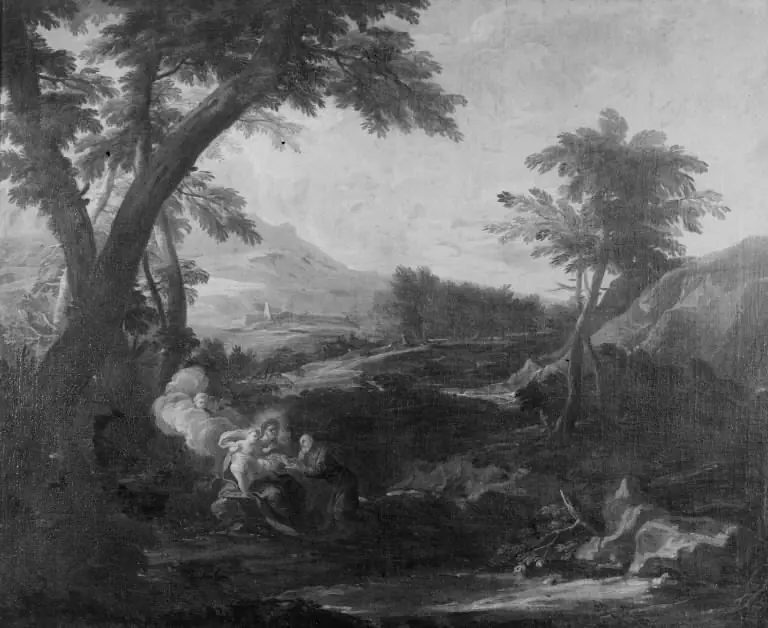 The Rest on the Flight into Egypt