Artwork
Anbetung der Könige
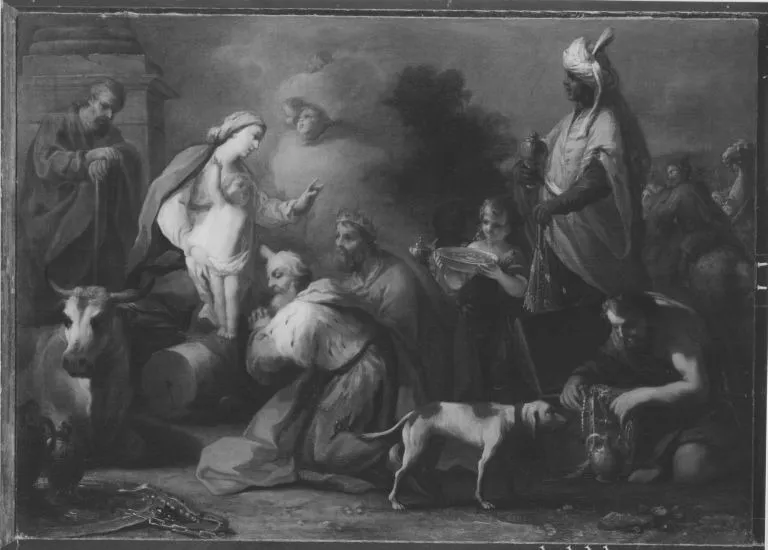
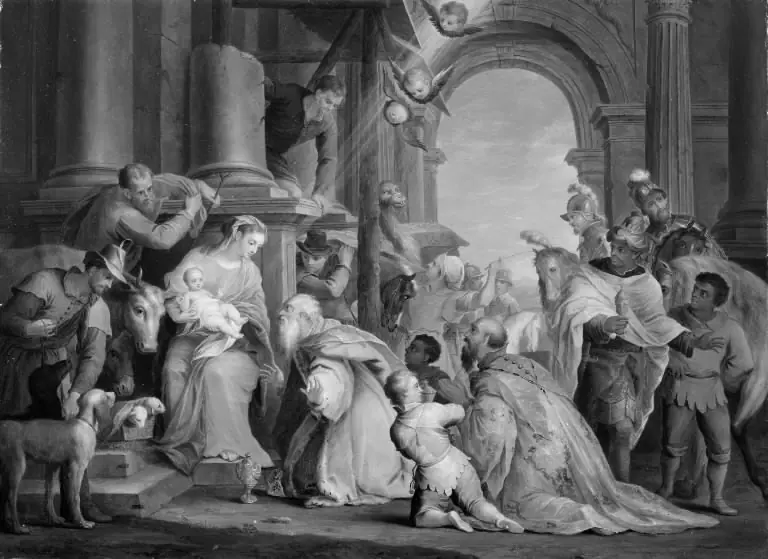
Anbetung der Könige is an unspecified painting by the Rococo painting artist Jacopo Amigoni. It dates from 1713 and is held in the collection of the Bavarian State Painting Collections.
About this work
Subject & Meaning
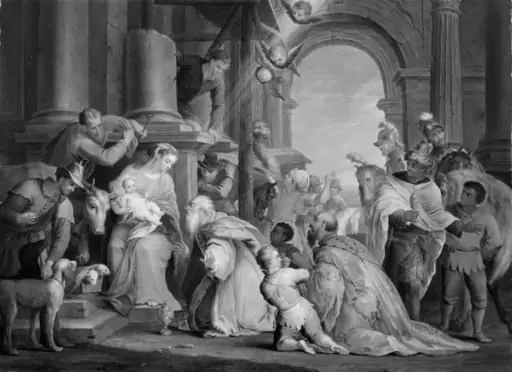
The presence of the ox and ass in the background further situates the scene within the Nativity tradition.
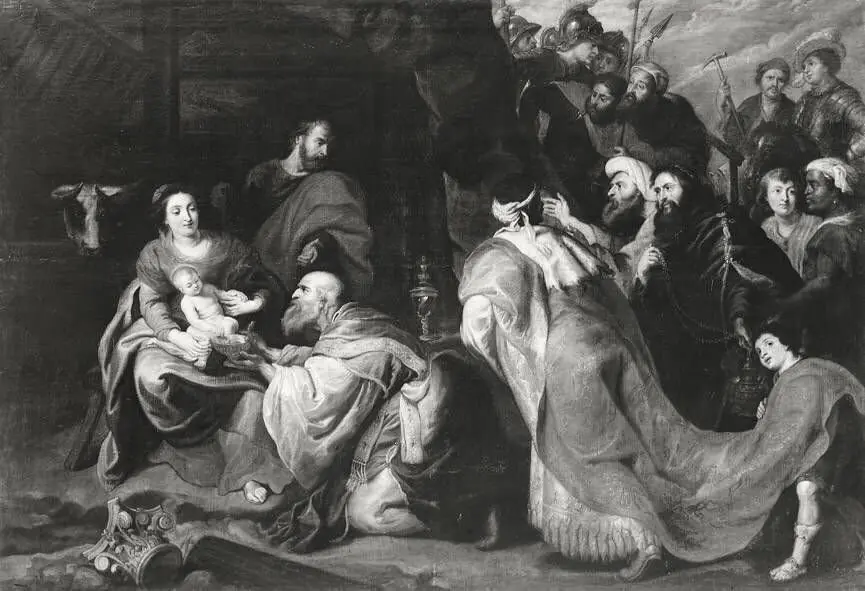
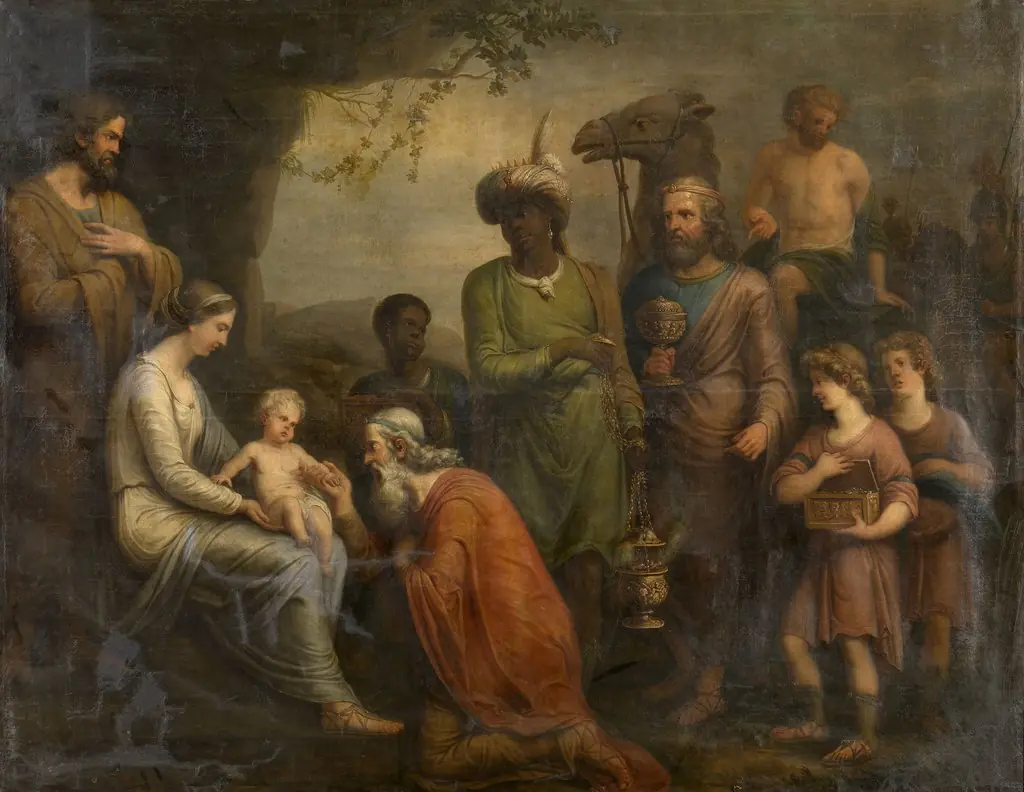
The painting depicts the Adoration of the Magi, a biblical episode in which the three Magi, traditionally identified as Melchior, Caspar, and Balthazar, present gifts of gold, frankincense, and myrrh to the infant Jesus.
Amigoni situates the Christ Child at the center, seated on the Virgin Mary’s lap, while the Magi kneel in reverence, their rich garments and crowns signaling their royal status. The composition emphasizes the sacred moment through the interplay of gesture and gaze, with the figures’ expressions and postures conveying devotion and wonder. The presence of the ox and ass in the background further situates the scene within the Nativity tradition.
History & Provenance
The painting titled Anbetung der Könige (Adoration of the Magi) was created by Jacopo Amigoni in 1713. It is a religious work depicting the Christ Child and the Adoration of the Magi. The artwork is currently held by the Bavarian State Painting Collections and is located at the Alte Pinakothek.
The work measures 86.5 cm in height and 123.6 cm in width. While the specific commission details are not detailed in the provided records, the creation date is established as January 1, 1713.
The painting is part of the Bavarian State Painting Collections and is housed in the Alte Pinakothek in Munich. It was created in 1713 and entered the collection with the accession number 1949/15. The work has been displayed in exhibitions at the Alte Pinakothek, including a 2013 retrospective of Amigoni's religious paintings.
Context
Jacopo Amigoni's 1713 oil painting Anbetung der Könige depicts the adoration of the Magi and belongs to the religious art genre. Created during the early 18th century, it exemplifies the Venetian school's influence on ecclesiastical painting and reflects the devotional themes common in Catholic Europe's artistic climate. The work is housed in the Bavarian State Painting Collections at the Alte Pinakothek in Munich, where it remains part of the permanent display of Baroque religious compositions.
Overview
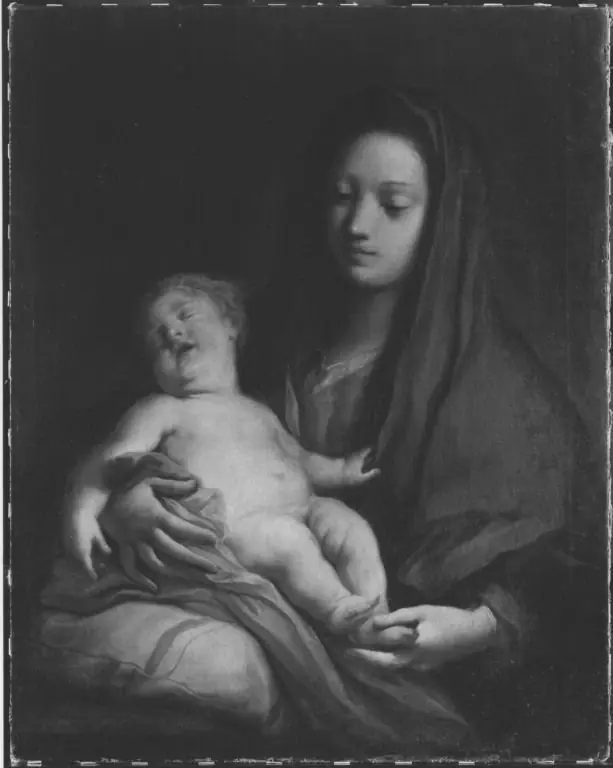
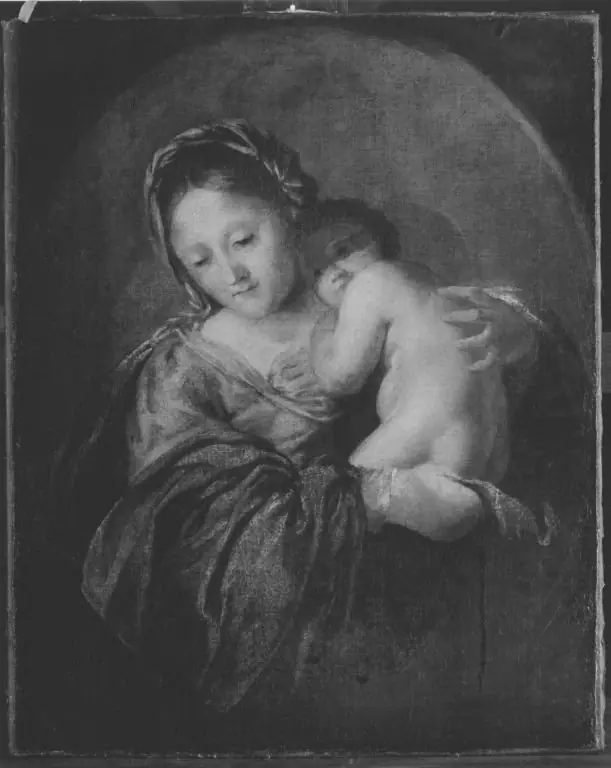
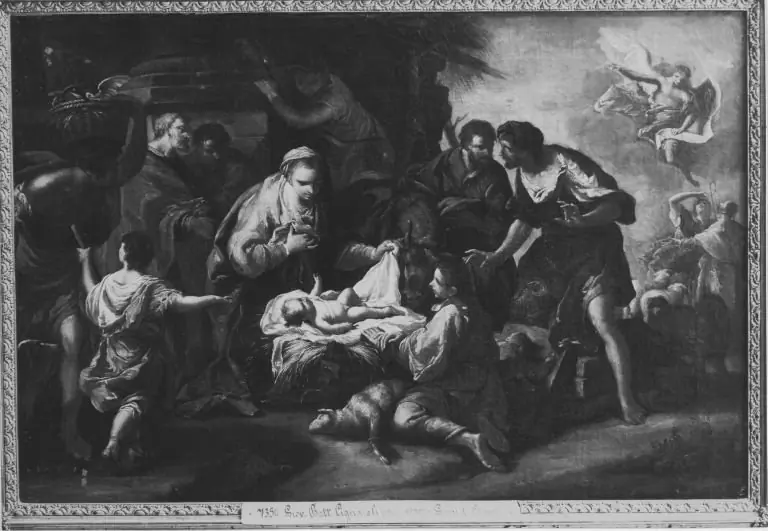
Jacopo Amigoni’s Anbetung der Könige was painted in 1713 during the transition from the late Baroque to the Rococo. Executed in oil on canvas, the work now belongs to the collection of the Alte Pinakothek in Munich. It presents a nocturnal tableau in which a group of figures gathers around a central female figure, illuminated by a focused light source that contrasts with the surrounding darkness.
Technique & Style
Amigoni employs chiaroscuro to model the figures, allowing the illuminated area around the woman to dominate the visual field. The drapery is rendered with fluid, Rococo‑type folds, and the palette shifts from deep shadows to warm highlights, creating a dramatic spatial depth. The brushwork combines the refined detail of late‑Baroque portraiture with the lighter, decorative sensibility characteristic of early Rococo.
Artist & collection
Artist
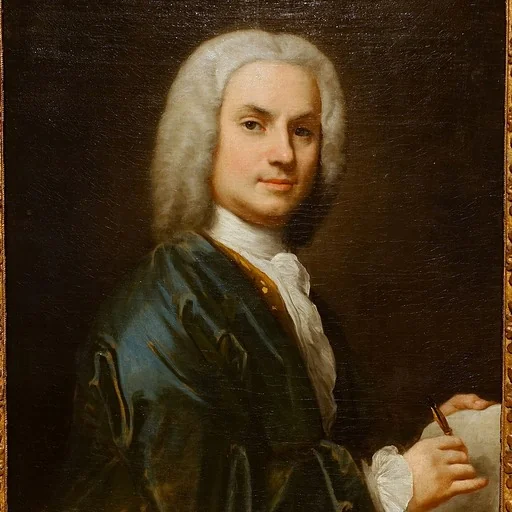
Jacopo Amigoni (born Giacomo Amiconi; 1682 – September 1752), was an Italian painter of the late-Baroque or Rococo period, who began his career in Venice, but traveled and was prolific throughout Europe, where his sumptuous portraits were…