Artwork
Peasant Family
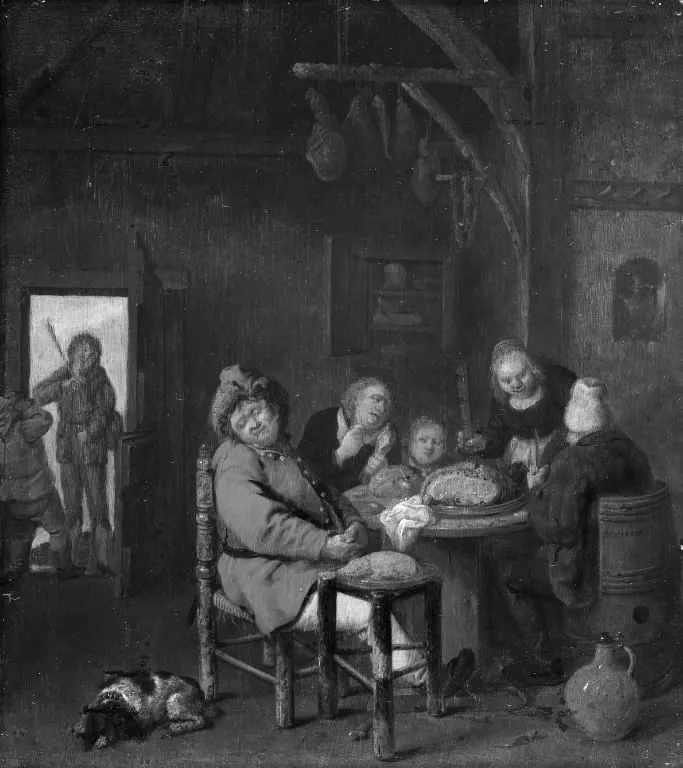
Peasant Family is an unspecified painting by the Dutch Golden Age artist Jan Miense Molenaer. It dates from 1646 and is held in the collection of the Statens Museum for Kunst.
About this work
Subject & Meaning
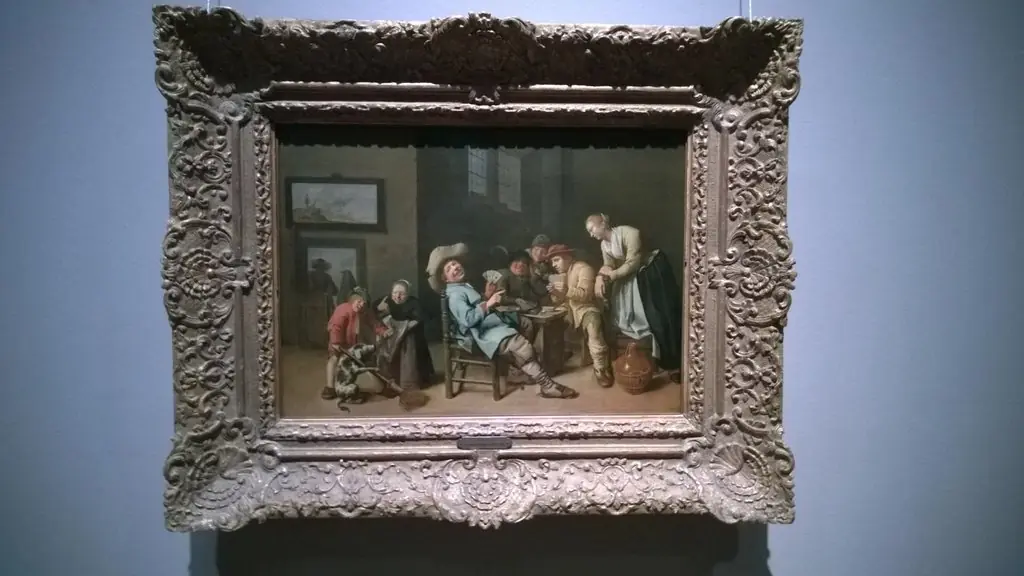
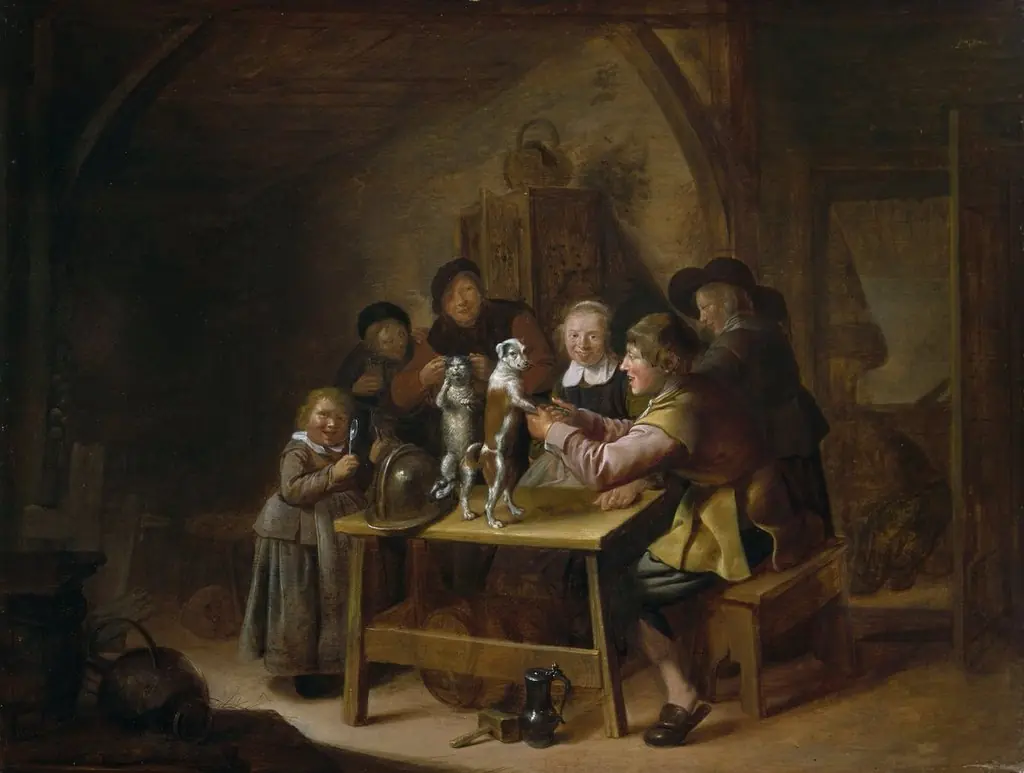
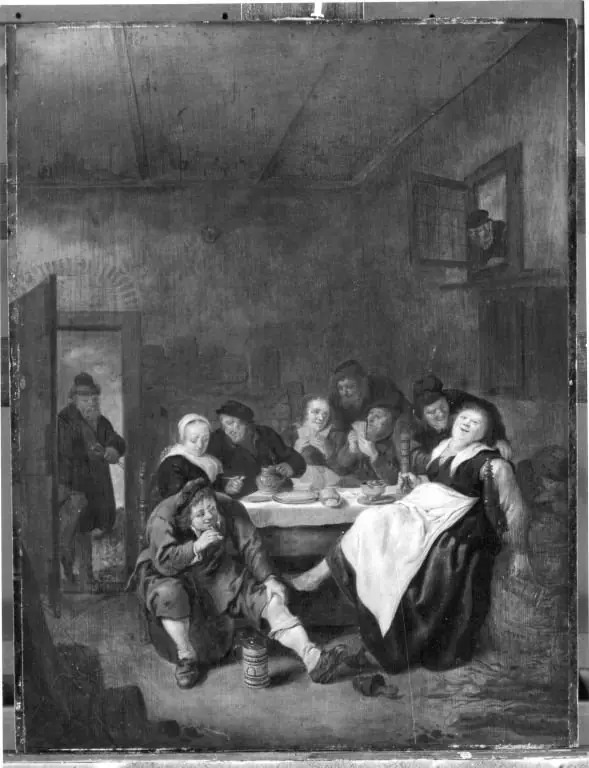
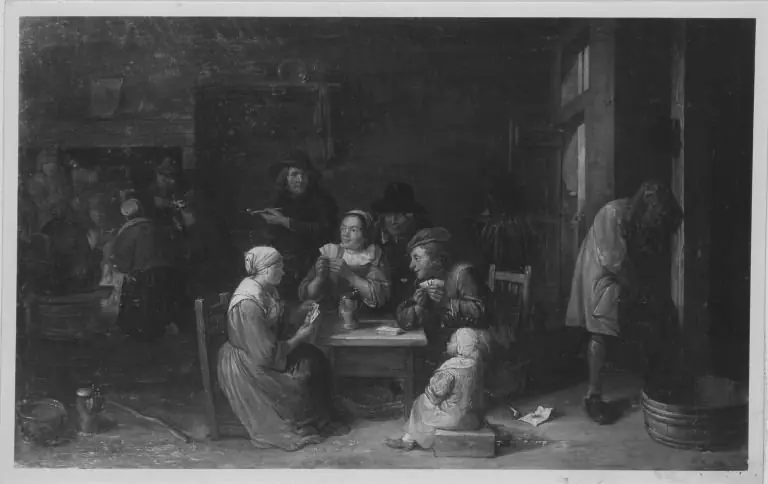
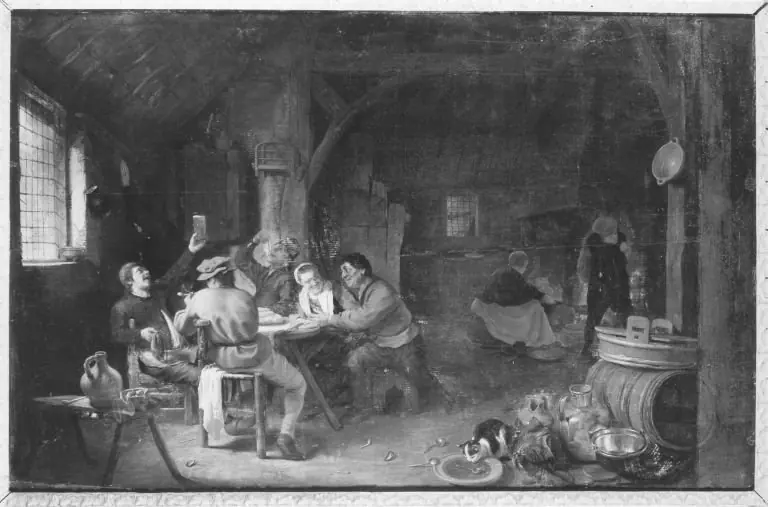
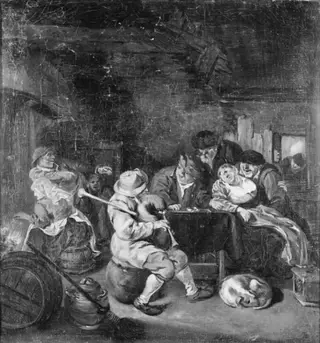
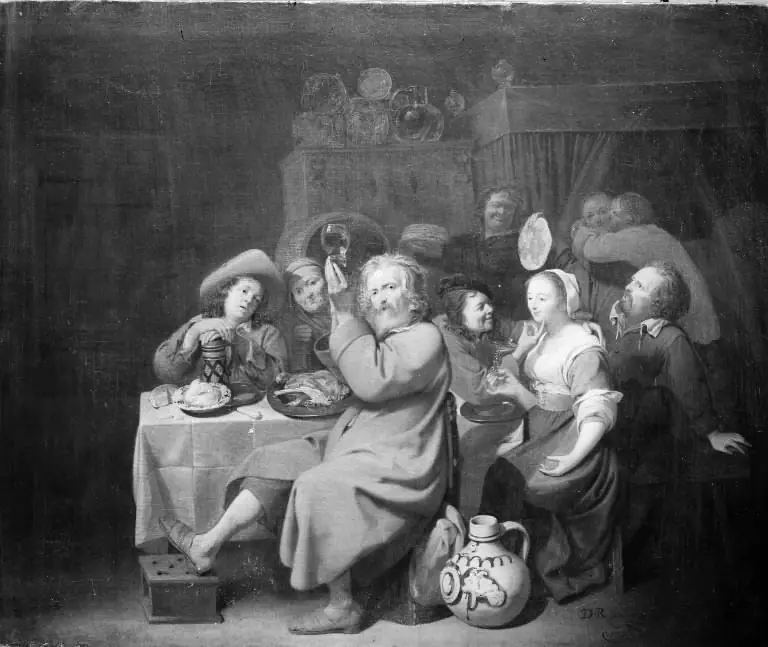
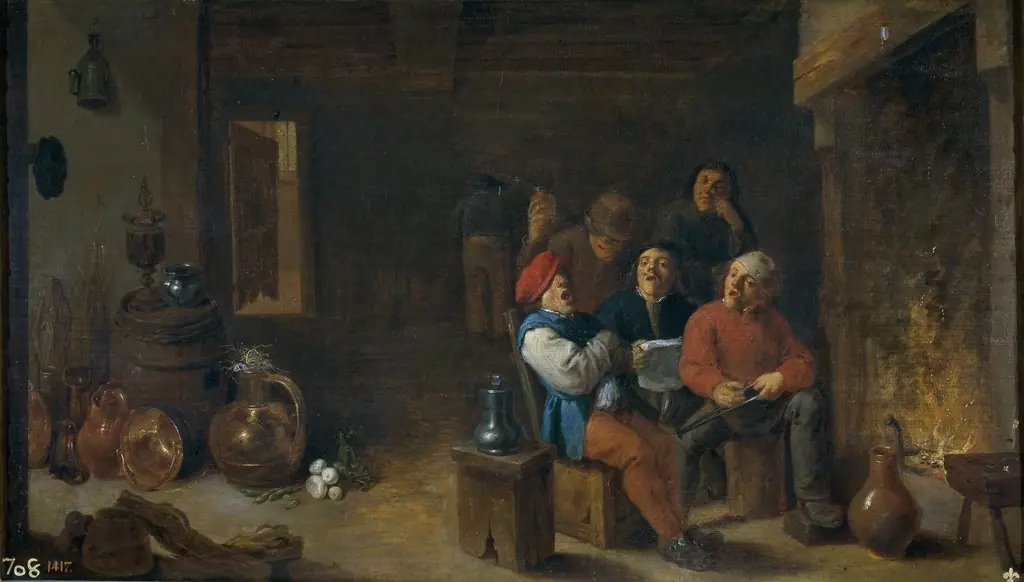
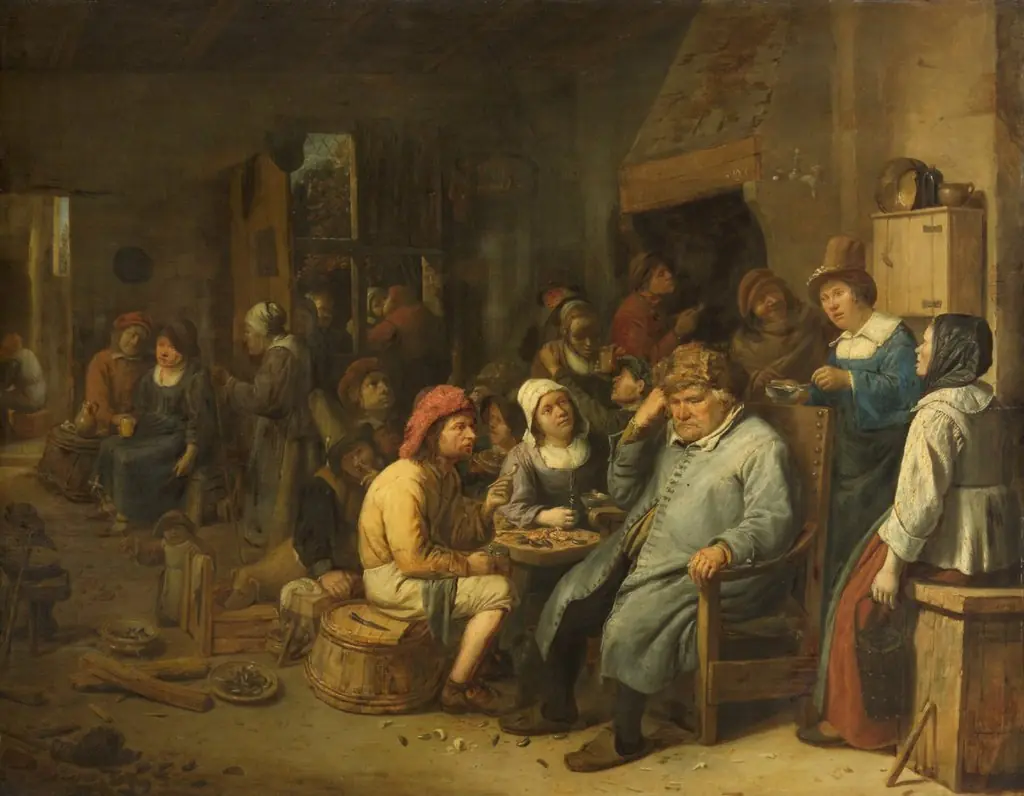
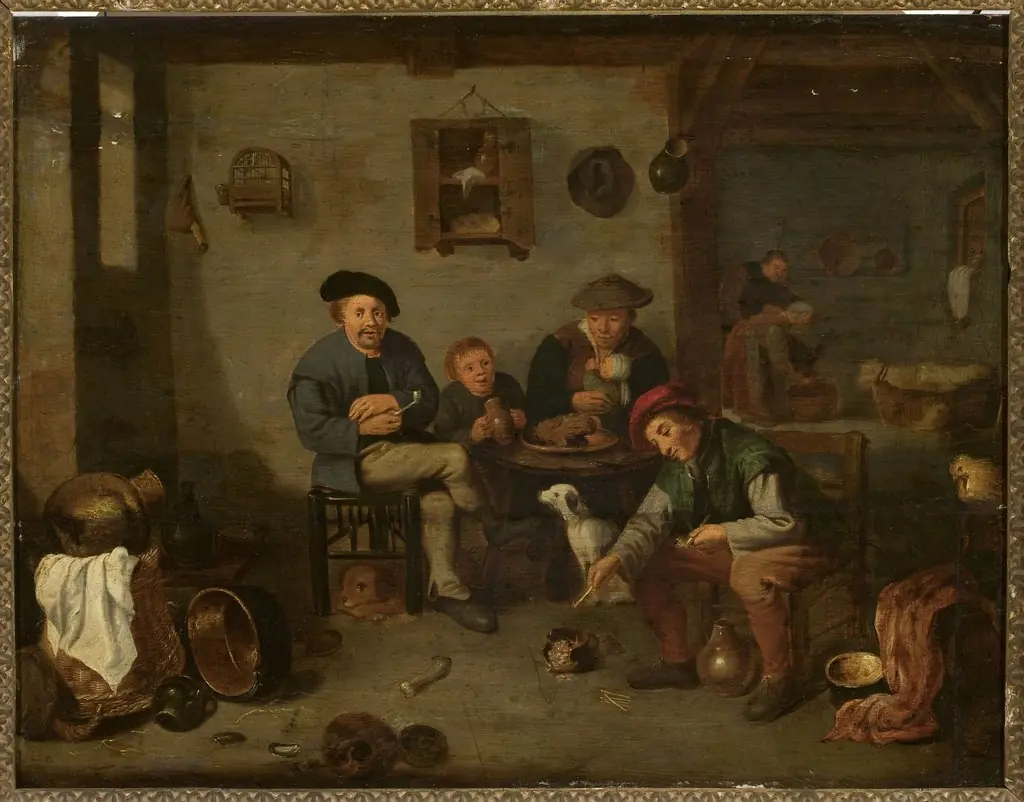
The canvas presents a modest peasant household, with a family gathered around a table that holds a pitcher, while a dog rests nearby.
The canvas presents a modest peasant household, with a family gathered around a table that holds a pitcher, while a dog rests nearby. The presence of a simple chair and a modest table underscores the domestic setting of rural life in the mid‑17th century. By situating the figures within this everyday interior, Molenaer emphasizes the stability and continuity of family life, a theme common in genre scenes of the period. The work is part of the Statens Museum for Kunst collection in Copenhagen.
History & Provenance
The painting Peasant Family was created by Jan Miense Molenaer in 1646. It is currently held in the collection of the Statens Museum for Kunst. The work depicts a domestic scene featuring a family group alongside a dog, table, chair, and pitcher.
No specific details regarding the original commission, the identity of the initial patron, or the subsequent chain of ownership prior to its current location are provided in the available records.
Peasant Family is held in the collection of the Statens Museum for Kunst in Copenhagen. The museum lists the work as part of its holdings, though no specific accession or inventory number is provided in the documentation examined. It measures 350 cm in height and 320 cm in width.
No exhibition records are cited in the sources, indicating that the painting’s exhibition history has not been clearly documented within the available references.
Overview
Jan Miense Molenaer's 1646 painting, Peasant Family, captures a domestic scene characteristic of Dutch Golden Age genre painting. The work depicts a family within a humble interior, engaged in everyday activities. Molenaer was recognized for his portrayals of daily life, often focusing on social interactions and domestic settings, and is considered an early influence on later genre painters like Jan Steen.
Technique & Style
Molenaer employs strong contrasts of light and shadow, a technique known as chiaroscuro, to imbue the scene with a sense of depth and realism. This dramatic lighting illuminates the figures' expressive faces, creating a lively impression while maintaining the warmth and familiarity of the domestic setting. The artist's approach contributes to the painting's authentic depiction of everyday life.
Context
As a prominent genre painter during the Dutch Golden Age, Jan Miense Molenaer specialized in scenes of daily life, often anticipating the themes explored by artists such as Jan Steen. He frequently depicted domestic and social interactions. Molenaer's artistic career unfolded alongside that of his wife, Judith Leyster, also a notable genre painter, and he may have received training from Frans Hals.
Artist & collection

Artist
Jan Miense Molenaer (1610 – buried 19 September 1668) was a Dutch Golden Age genre painter whose style was a precursor to Jan Steen's work during Dutch Golden Age painting.