Artwork
Peasants Teaching a Cat and Dog to Dance
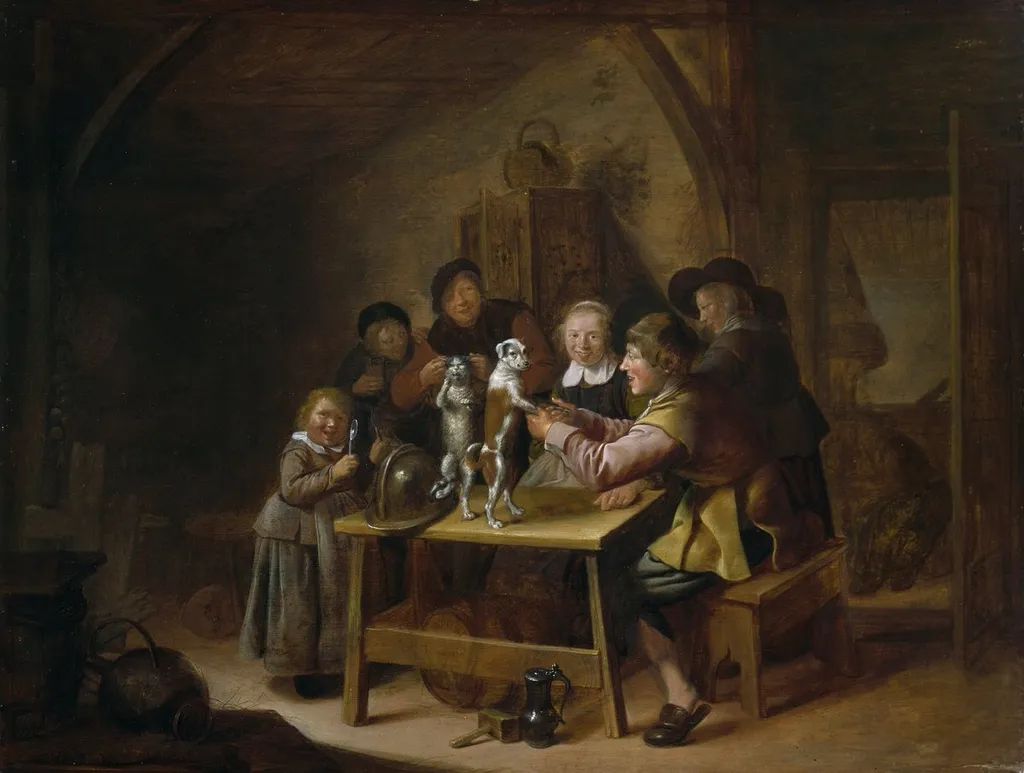
Peasants Teaching a Cat and Dog to Dance is an oil painting by the Dutch Golden Age artist Jan Miense Molenaer. It dates from 1637 and is held in the collection of the National Gallery of Ireland.
About this work
Subject & Meaning
The painting depicts a lively peasant interior scene in which children are teaching a cat and a dog to dance.
The painting depicts a lively peasant interior scene in which children are teaching a cat and a dog to dance. The depicted elements, a child, teasing behavior, a cat, and a dog, frame the work as a humorous genre scene rooted in everyday domestic life rather than allegory or religious narrative.
The act of teasing animals into human-like performance carries a moralizing undertone common to seventeenth-century Dutch genre painting, suggesting the folly of imposing unnatural behavior on creatures governed by instinct. By staging the chaos that ensues when children try to make a cat and dog perform together, the artist highlights the absurdity of the situation and the mischievous nature of peasant children, while gently satirizing attempts to impose order on unruly animals.
History & Provenance
Jan Miense Molenaer created the oil painting Peasants Teaching a Cat and Dog to Dance in 1637. The work, which depicts children teasing a cat and a dog, measures 54.6 cm in height and 71.2 cm in width. The painting is currently held in the collection of the National Gallery of Ireland.
No further details regarding its commission, earlier ownership history, or specific acquisition date by the gallery are provided in the available records.
The painting is held at the National Gallery of Ireland. Its accession number is NGI.1965.1. It was exhibited in the 1973 exhibition "Dutch and Flemish Paintings, 1600-1800" at the National Gallery of Ireland.
The work was created in 1637 by Jan Miense Molenaer using oil paint. It measures 54.6 cm in height and 71.2 cm in width.
Context
The painting Peasants Teaching a Cat and Dog to Dance by Jan Miense Molenaer (1637) exemplifies Dutch Golden Age genre painting through its humorous depiction of animal behavior alongside peasant figures. It belongs to the broader tradition of 17th-century Dutch interior and peasant scenes where animals were frequently used for moral or comic effect. The work is housed in the National Gallery of Ireland, where it has been part of the permanent collection since its acquisition, reflecting its recognized significance within the national artistic heritage.
Molenaer's output, including this piece, contributes to the understanding of Dutch realism that blends observational detail with imaginative composition, situating the painting within the evolution of genre painting toward more narrative-driven scenes.
Legacy
The painting has been cited in scholarly discussions of 17th-century Dutch genre scenes and is held in the National Gallery of Ireland, where it contributes to the museum’s collection of early modern works. Its thematic focus on animal behavior and peasant life has informed studies of social symbolism in Dutch art, though detailed records of its critical reception over time remain limited.
Overview
Jan Miense Molenaer’s 1637 oil painting Peasants Teaching a Cat and Dog to Dance captures a lively domestic scene typical of Dutch genre works. Set in a modest interior, a group of figures gathers around a table where a child appears to coax a dog and a cat into a playful performance. The composition balances humor with everyday detail, reflecting the artist’s focus on ordinary life.
Technique & Style
Molenaer employs a subdued chiaroscuro, allowing soft shadows to model the figures and objects while a faint window light gently illuminates the room. The palette is restrained, with earthy tones that enhance the intimate atmosphere. Careful rendering of textures, such as the fur of the animals, the wood of the table, and the worn walls, demonstrates the artist’s skill in depicting tactile details within a genre context.
Artist & collection

Artist
Jan Miense Molenaer (1610 – buried 19 September 1668) was a Dutch Golden Age genre painter whose style was a precursor to Jan Steen's work during Dutch Golden Age painting.

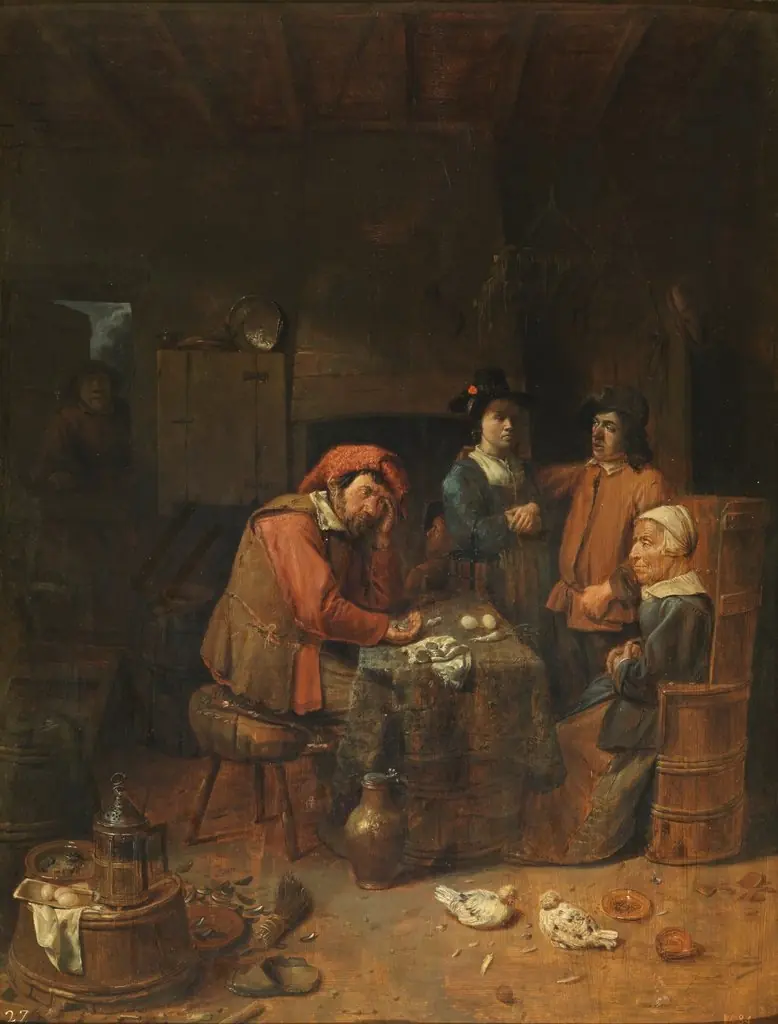 The Wedding Contract
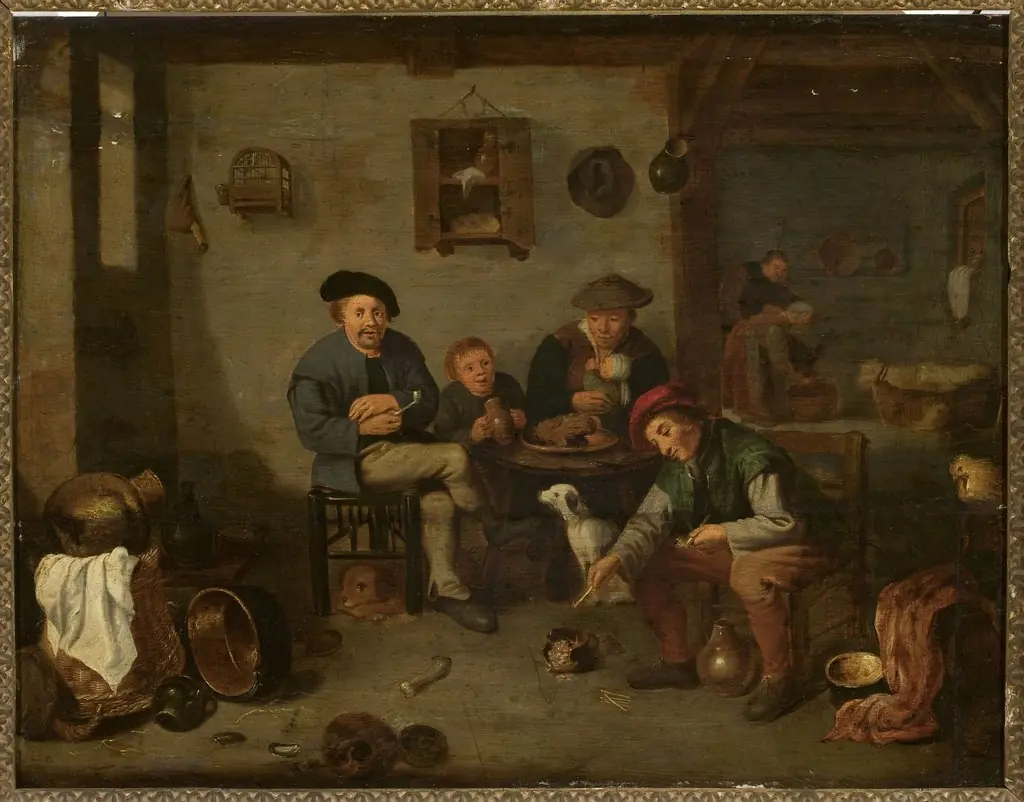 Genre scene in the countryside
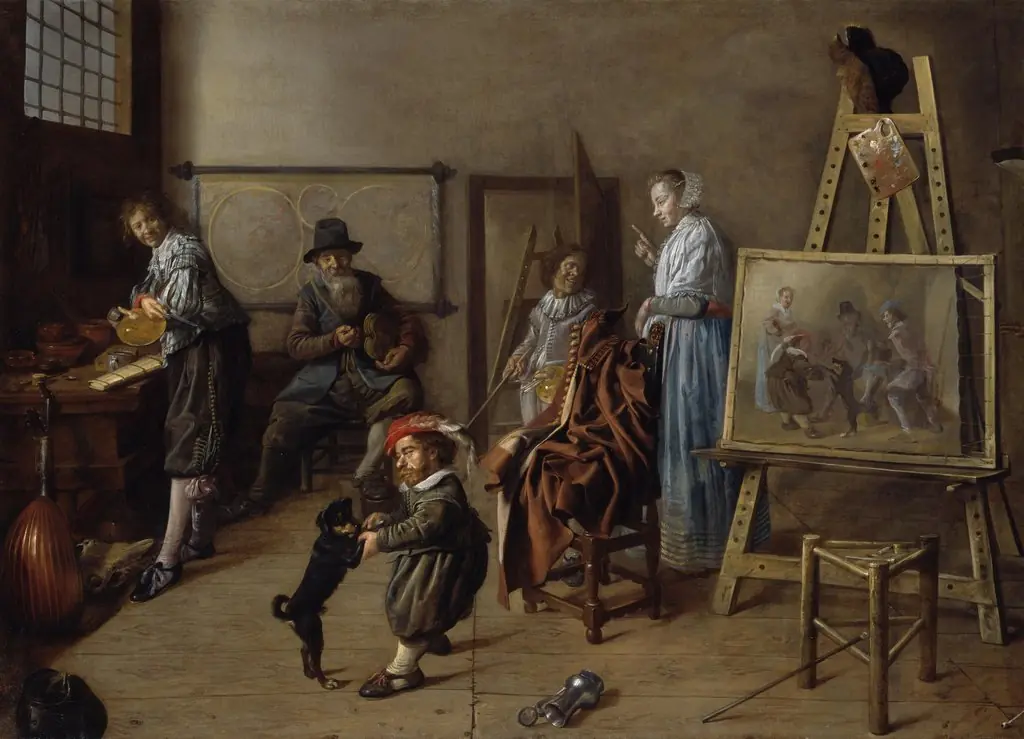 The Artist's Studio
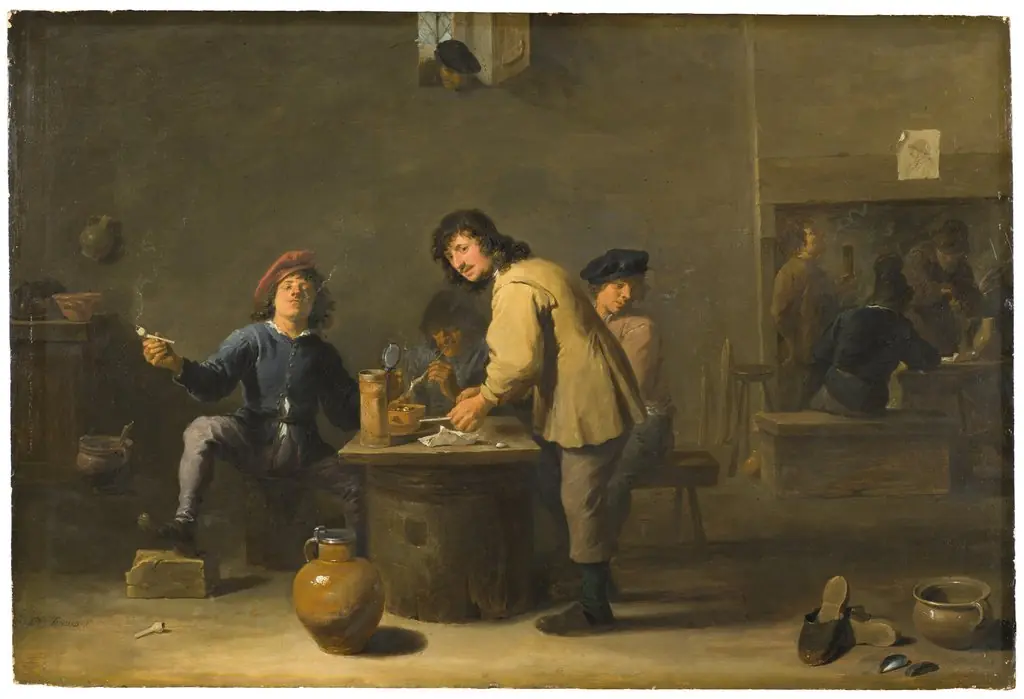 Tavern Scene with Pipesmokers
 Five Senses
 The Boors' Concert
 The Card Players in an Interior
 Game of Backgammon
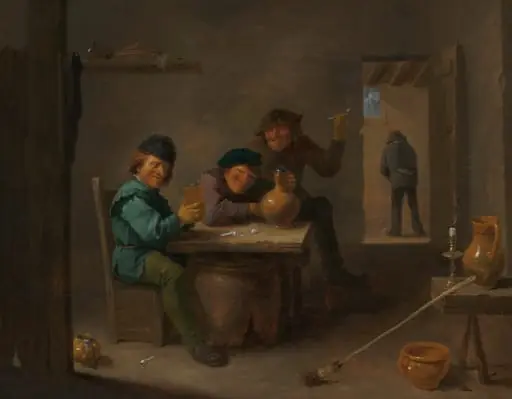 Peasants in a Tavern
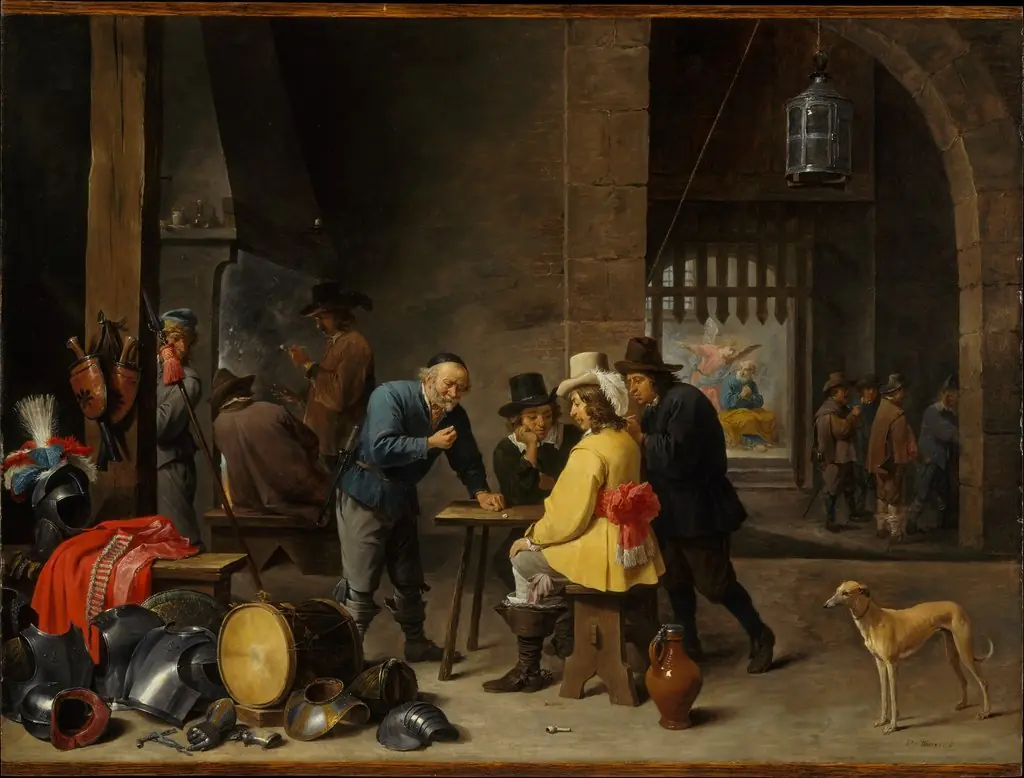 Guardroom with the Deliverance of Saint Peter
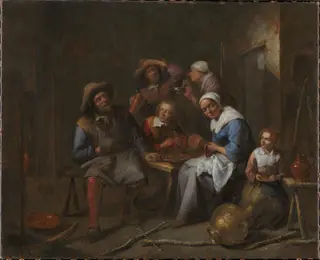 An Interior with Artisans and Peasants Eating and Drinking
- Peasant Children Dancing