Artwork
Virgin and Child
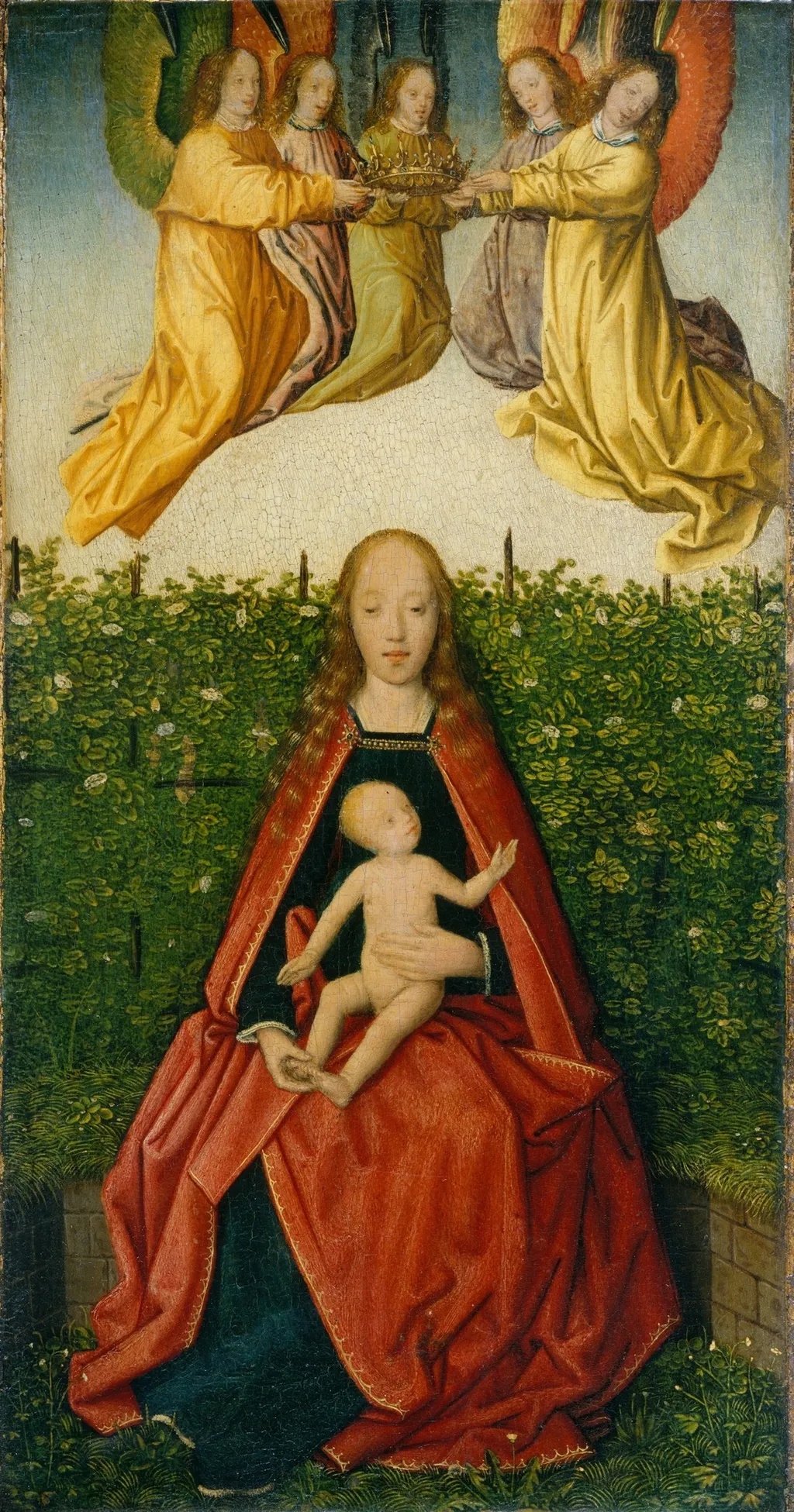
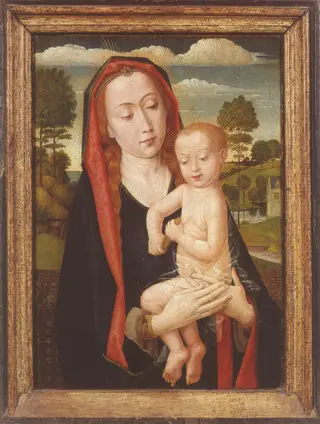
Virgin and Child is an oil painting by the Northern Renaissance artist Jan Provoost. It dates from 1498 and is held in the collection of the Metropolitan Museum of Art.
About this work
Subject & Meaning
The presence of the angel reinforces the divine nature of the scene, while the intimate grouping emphasizes the human aspect of the holy figures.
Created by Jan Provoost in 1498, this oil painting on panel depicts the Madonna and Child, a central subject in religious art. The composition features the Virgin Mary alongside the Christ Child, accompanied by an angel. As a work of the Flemish Primitive tradition, the imagery adheres to established iconographic conventions where the mother and infant represent the incarnation of God.
The presence of the angel reinforces the divine nature of the scene, while the intimate grouping emphasizes the human aspect of the holy figures. The work serves as a devotional object, inviting contemplation on the relationship between the human and the divine within the context of late fifteenth-century spirituality.
History & Provenance
Created in 1498, this oil painting on panel was executed by the Flemish artist Jan Provoost. The work, which depicts the Virgin and Child alongside an angel, is held in the collection of the Metropolitan Museum of Art, measuring 29.8 by 15.6 centimetres. The painting's exhibition history includes a notable appearance at the Exposition des primitifs flamands à Bruges.
Specific details regarding its original commission or the full chain of ownership prior to its museum acquisition are not provided in the available records.
Context
Jan Provoost's 1498 oil painting Virgin and Child exemplifies late-fifteenth-century Netherlandish devotional art. The work depicts the Madonna with the infant Christ surrounded by an angel, a composition typical of the period's sacred imagery. Its inclusion in the Exposition des primitifs flamands à Bruges highlights contemporary scholarly interest in early Flemish masters.
Measuring 29.8 × 15.6 cm, the panel forms part of Provoost's broader oeuvre within the tradition of naturalistic representation initiated by earlier masters such as the van Eycks.
Legacy
The work has appeared in an exhibition of early Flemish primitives held in Bruges, demonstrating sustained scholarly attention after its creation. Its presence in the collection of the Metropolitan Museum of Art further signals its recognized importance within Northern Renaissance studies. As a representative example of late 15th-century Flemish religious painting, the piece is frequently referenced in analyses of Provoost's output and of Madonna and Child iconography, shaping later interpretations of devotional imagery.
Overview
Jan Provoost, a painter active in the late 15th century, created Virgin and Child in 1498. This oil painting exemplifies the Northern Renaissance style, depicting a traditional religious subject. The work is currently part of the collection at The Metropolitan Museum of Art, showcasing Provoost's contribution to the artistic landscape of the Low Countries.
Technique & Style
Executed in oil paint, Virgin and Child reflects characteristics of the Northern Renaissance through its detailed rendering and luminous quality. Provoost employed a palette of soft reds, greens, and golds, which contribute to an overall gentle glow and a sense of warmth within the composition. This approach highlights the figures and their sacred environment with subtle light and rich, yet subdued, coloration.
Artist & collection
Artist
Jan Provoost, or Jean Provost, or Jan Provost (1462/65 – January 1529) was a painter born in Mons.

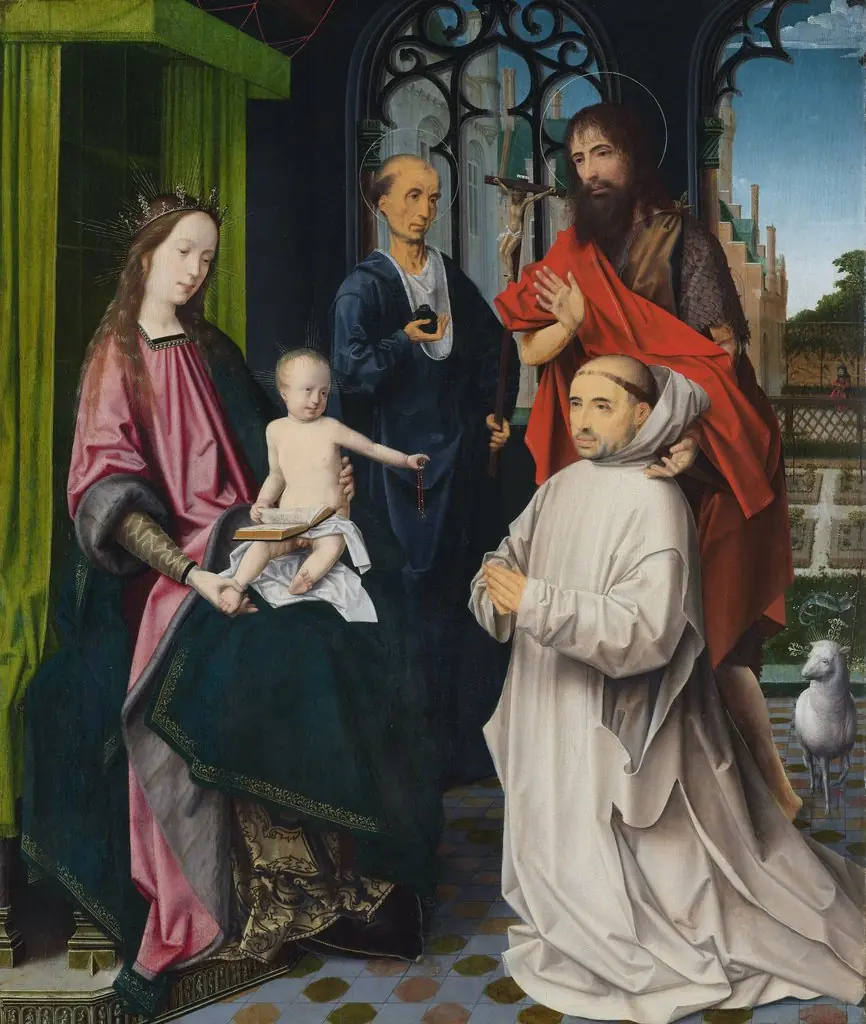
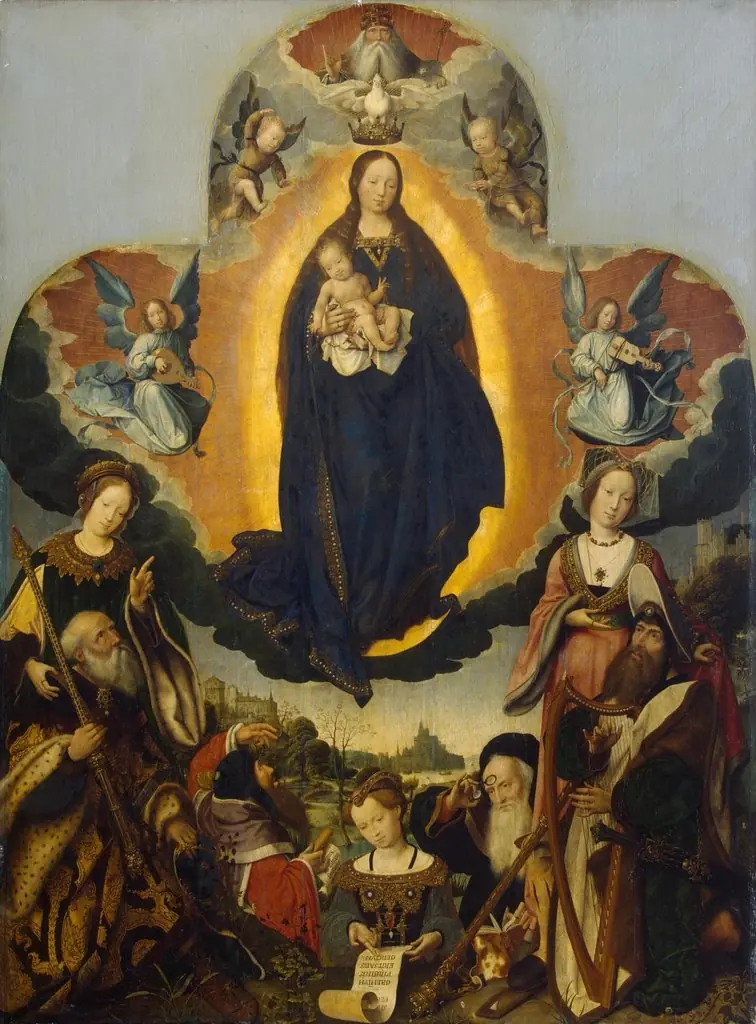
- Virgin and Child
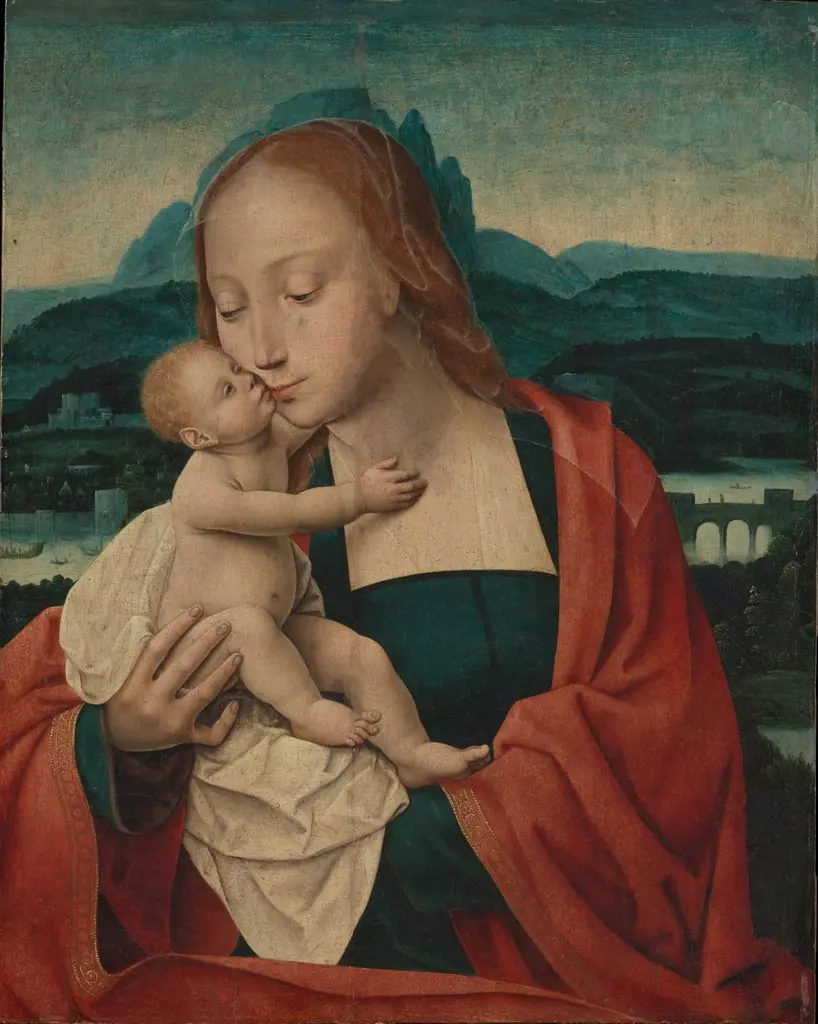 Virgin and Child
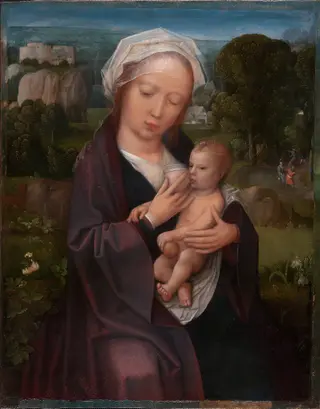 Virgin and Child
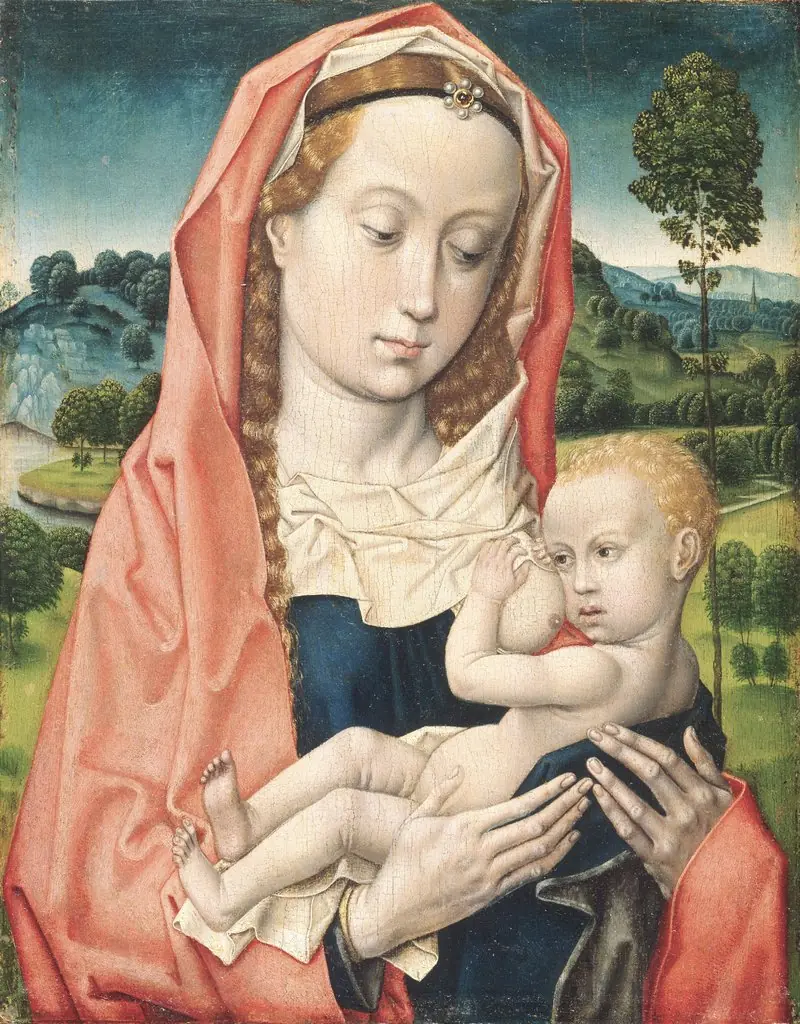 Virgin and Child
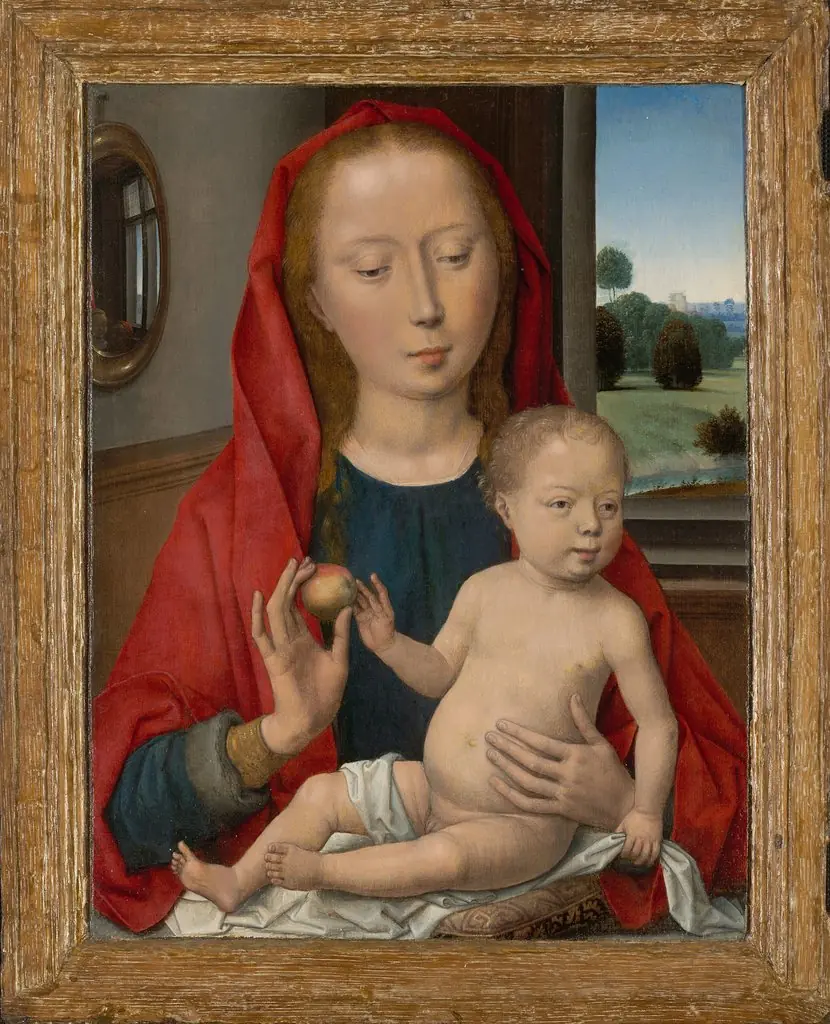 Virgin and Child
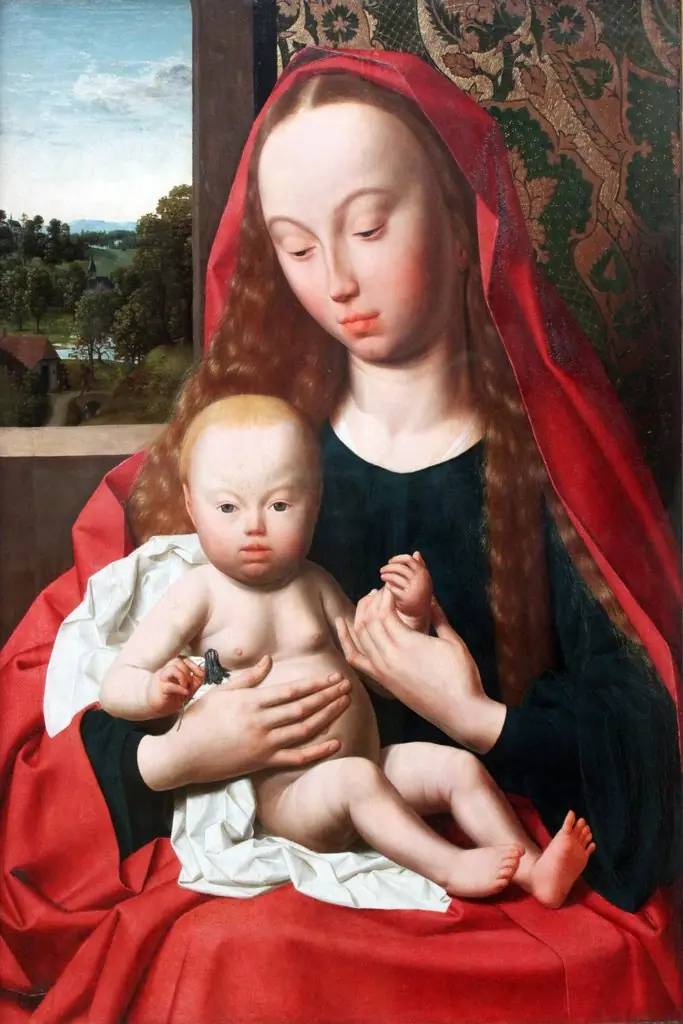 Virgin and Child
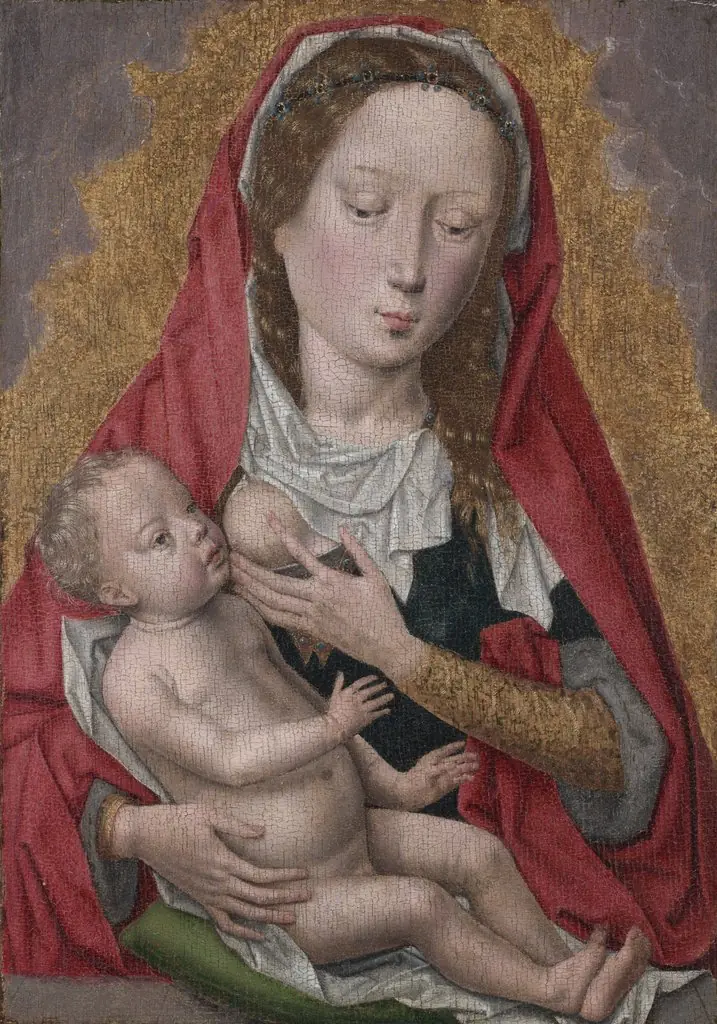 Virgin and Child
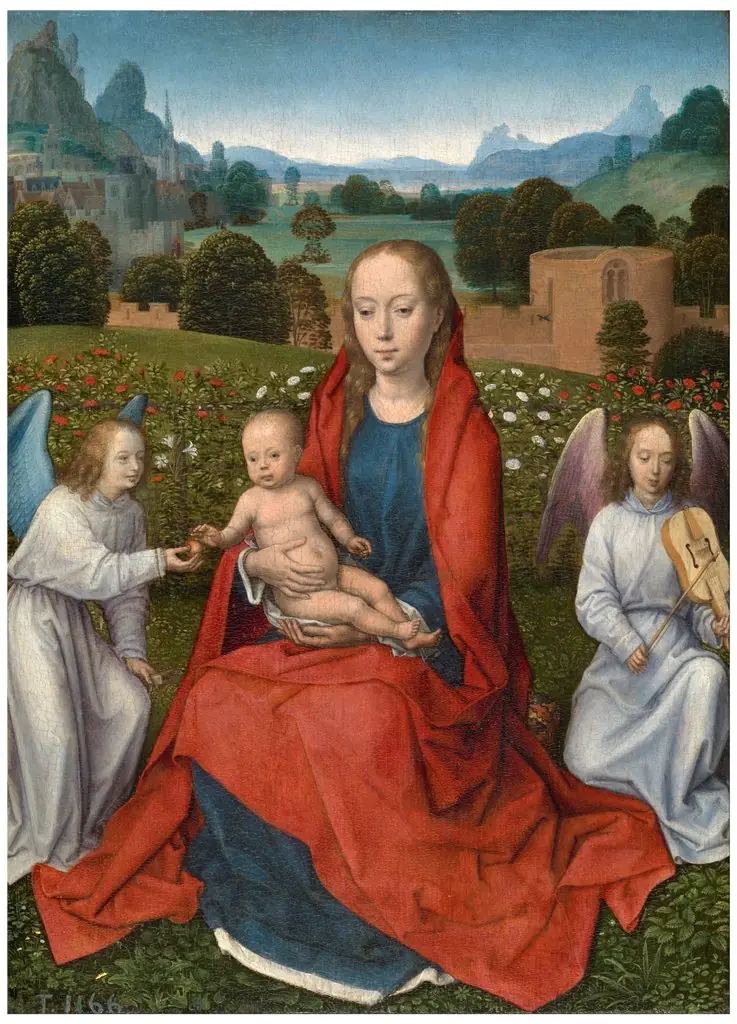 Virgin and Child with two angels
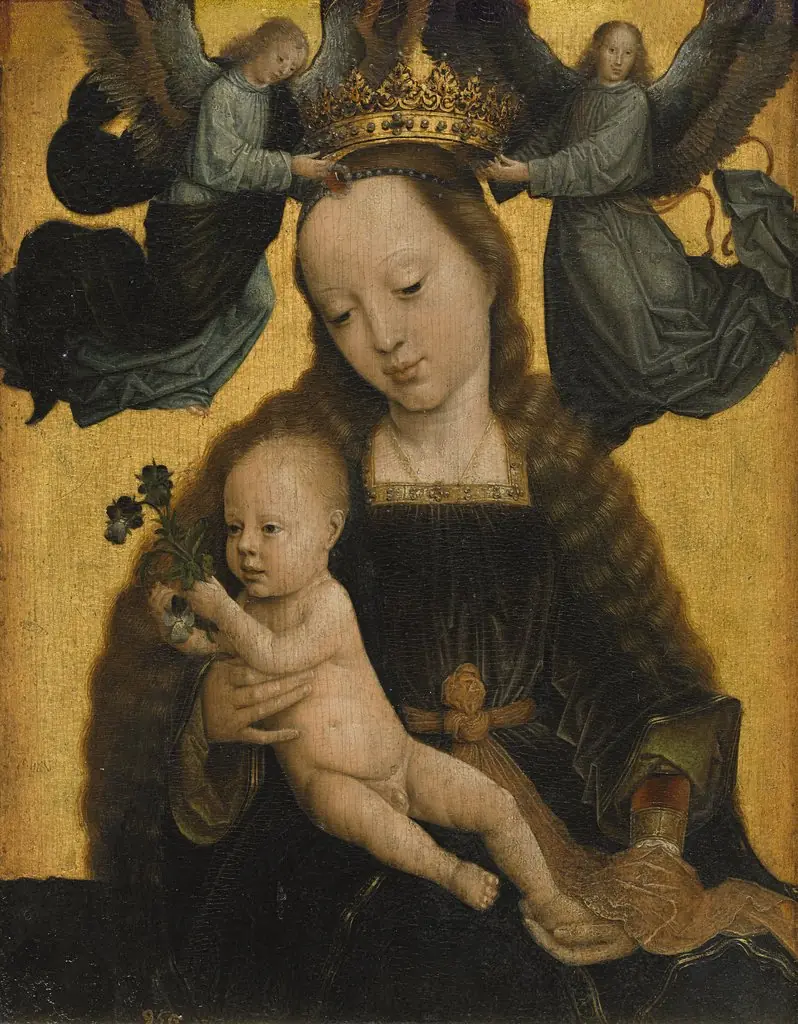 The Virgin and Child crowned by two Angels
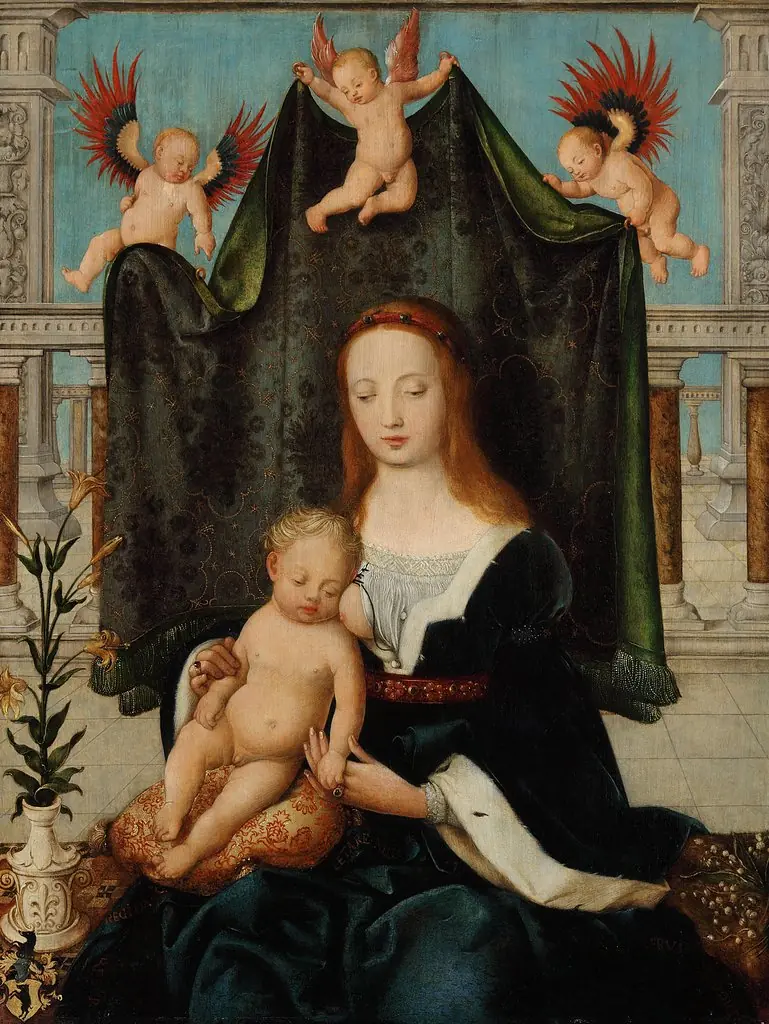 The Virgin and Sleeping Child
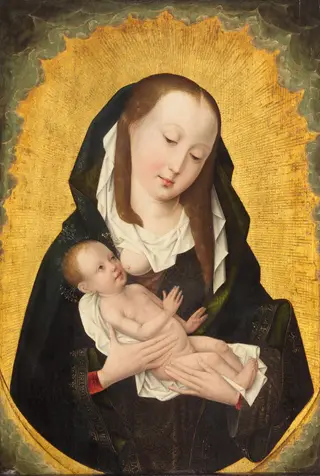 Maria mit Kind in der Mondsichel
 Maria met kind voor een borstwering met doorzicht naar een heuvellandschap