Artwork
The Gardens of the Villa d'Este, Tivoli
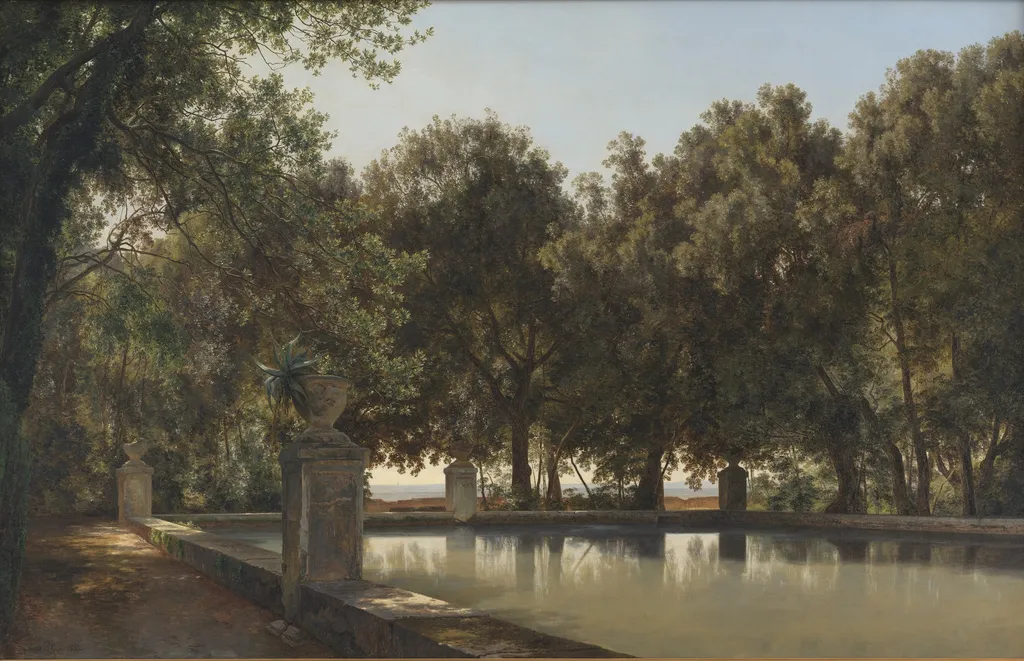
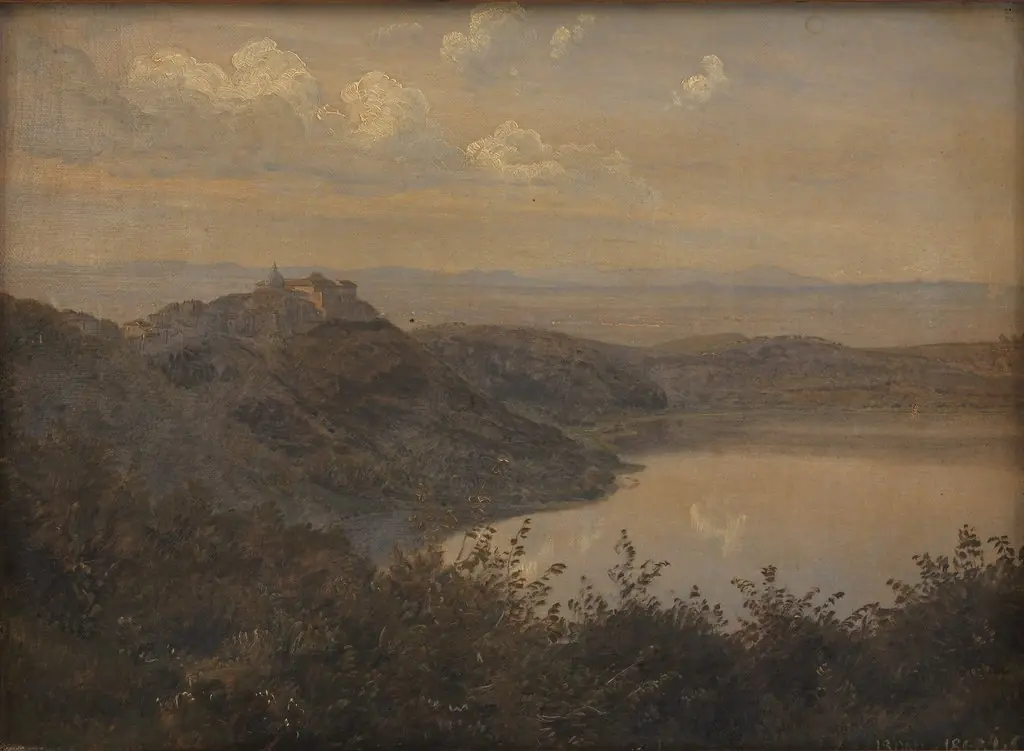
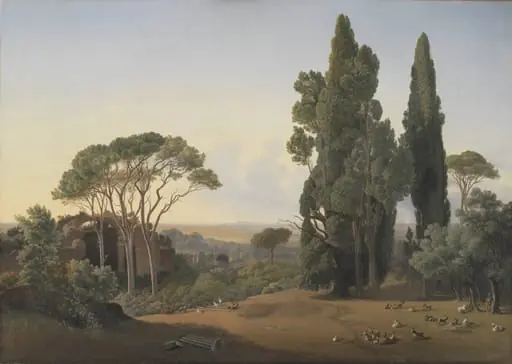
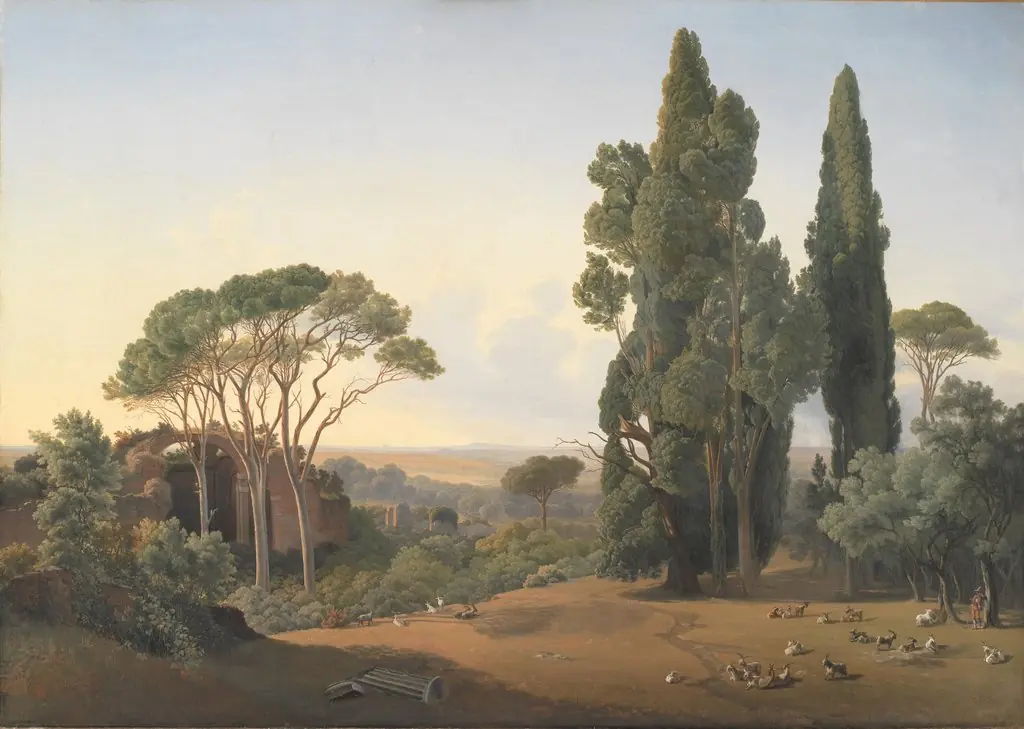
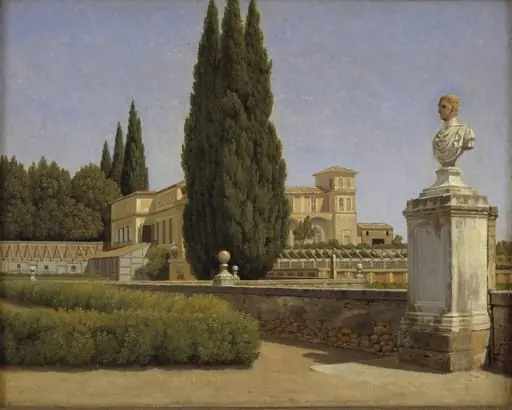
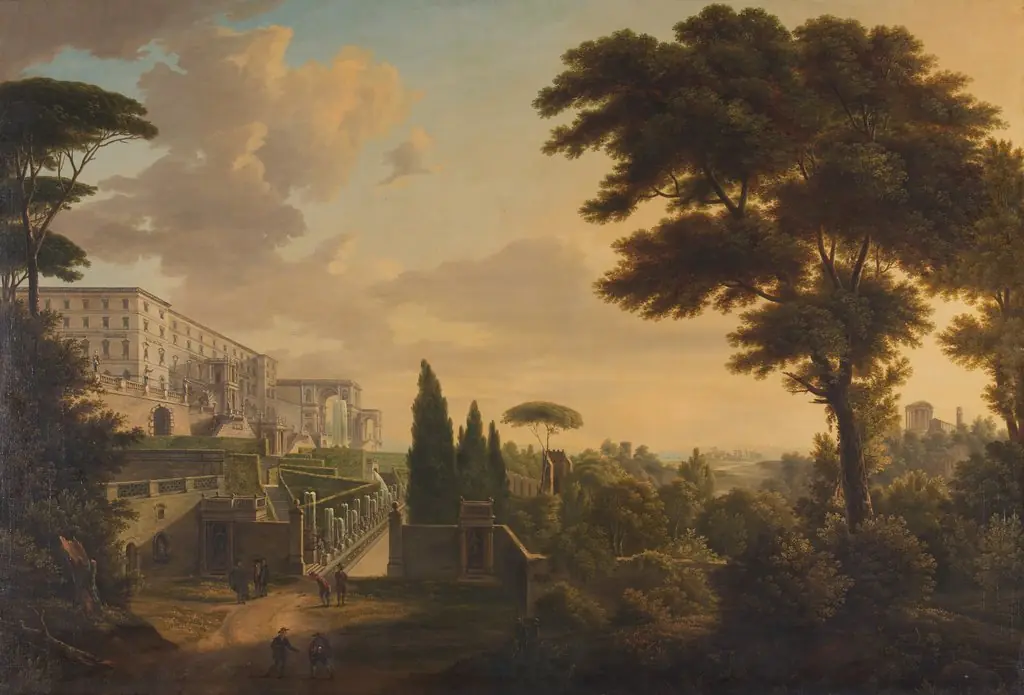
The Gardens of the Villa d'Este, Tivoli is an oil painting by the Impressionist artist Janus la Cour. It dates from 1900 and is held in the collection of the Statens Museum for Kunst. Janus Andreas Bartholin la Cour’s 1900 oil painting captures the formal gardens of the Villa d’Este near Tivoli.
About this work
Subject & Meaning
The work’s composition highlights the interplay of light and foliage, suggesting a contemplative space where artifice and natural beauty converge.
The painting portrays the formal garden terraces of the Villa d'Este in Tivoli, emphasizing its sculptural fountains and manicured hedges. Symbolically, the lush, ordered landscape reflects the Renaissance ideal of harmony between human design and nature, while also evoking the site’s mythological associations with water and abundance. The work’s composition highlights the interplay of light and foliage, suggesting a contemplative space where artifice and natural beauty converge.
Technique & Style
The painting is executed in oil on canvas, measured at 106.5 cm in height and 163.5 cm in width. Janus la Cour applied layered brushwork to render the garden’s foliage and water features, creating a luminous atmospheric effect typical of late‑19th‑century landscape painting. The composition balances naturalistic detail with a decorative arrangement of plant forms, reflecting the influence of Romantic garden aesthetics while maintaining a restrained palette of greens and earth tones.
Subtle handling of light across the foliage produces a sense of depth and movement, emphasizing the formal layout of the villa’s terraces within the surrounding parkland.
History & Provenance
The Gardens of the Villa d'Este, Tivoli is an oil on canvas painting created in 1899 by Danish artist Janus la Cour. Executed in oil paint, the work measures 106.5 cm in height by 163.5 cm in width and depicts a garden scene. It belongs to the landscape genre and was produced during the late 19th century. The painting entered the collection of the Statens Museum for Kunst, where it remains on view.
The work was commissioned as part of a decorative scheme for the Villa d'Este gardens in Tivoli and reflects la Cour’s interest in naturalistic landscape subjects. Its creation history is documented through contemporary records linking the artist to the villa’s renovation projects in the late 1890s.
Janus la Cour's 1899 oil painting, The Gardens of the Villa d'Este, Tivoli, is held in the collection of the Statens Museum for Kunst. The work is part of the museum's permanent holdings and is located at the institution in Copenhagen. As a landscape painting depicting a garden, it remains accessible to the public through the museum's displays.
The painting was created on January 1, 1899, and measures 106.5 cm in height by 163.5 cm in width. It is executed in oil paint on canvas. No specific accession number or detailed exhibition history beyond its current institutional location is provided in the available records.
Legacy
The Gardens of the Villa d'Este, Tivoli, painted in 1899 by Janus la Cour, has been cited in art historical literature as influencing later landscape compositions that emphasize formal garden spaces and atmospheric light. Its depiction of the Villa d'Este gardens contributed to renewed interest in Mediterranean garden subjects during the early 20th century, a trend documented in museum catalogues and exhibition histories. The work remains part of the collection at the Statens Museum for Kunst, where it is studied in relation to 19th-century European landscape traditions.
The painting measures 106.5 by 163.5 cm and is executed in oil on canvas.
Overview
Janus Andreas Bartholin la Cour’s 1900 oil painting captures the formal gardens of the Villa d’Este near Tivoli. The composition centers on a rectangular reflecting pool framed by a low stone balustrade, with a paved walkway and a line of sculptural pedestals extending along its left side. Tall trees rise behind the water, while sunlight filters through the foliage, lending the scene a calm, ordered atmosphere.
Context
Bartholin la Cour, a member of the Eckersberg school, frequently traveled to Italy, absorbing the country’s classical heritage and garden designs. The Villa d’Este, renowned for its Renaissance water features, offered a compelling subject for an artist interested in the interplay of light, water, and historic architecture, aligning with contemporary interests in plein‑air observation.
Own this work as a print
Artist & collection
Artist
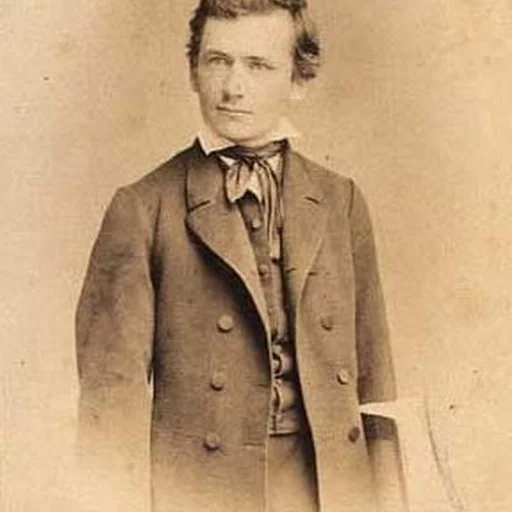
Janus Andreas Bartholin la Cour (5 September 1837 – 13 October 1909) was a Danish painter who is remembered for his landscapes painted in the classical style of the Eckersberg school.