Artwork
Helen Recognising Telemachus, Son of Odysseus
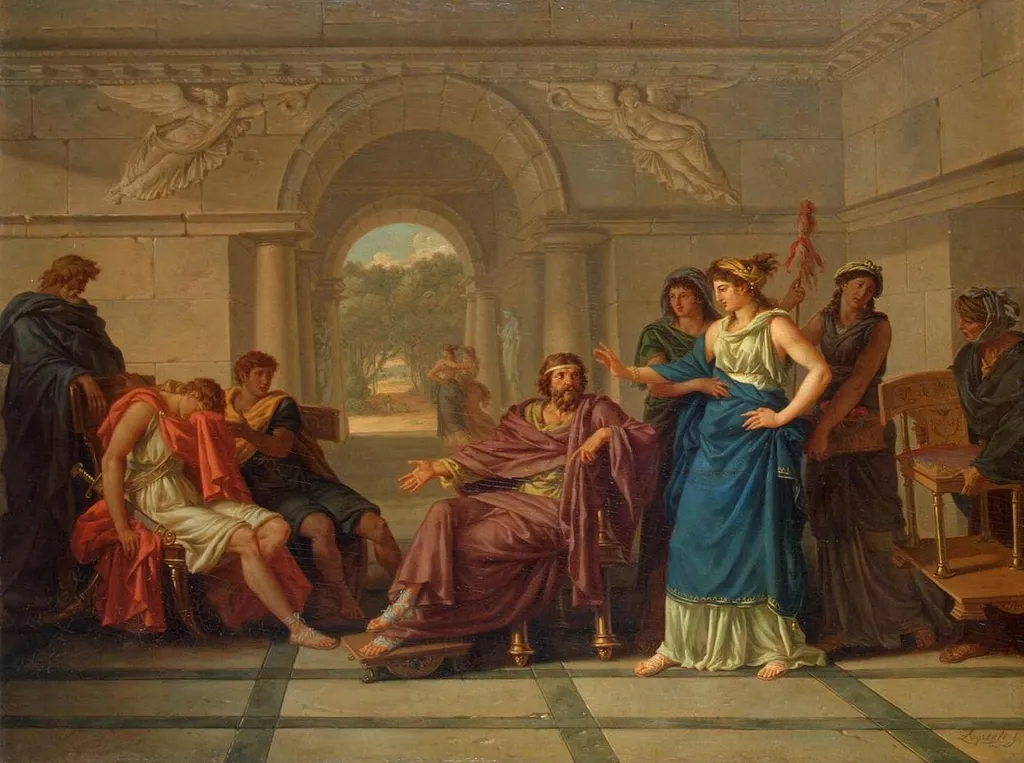
Helen Recognising Telemachus, Son of Odysseus is an oil painting by the Neoclassicist artist Jean-Jacques Lagrenée. It dates from 1798 and is held in the collection of the Hermitage Museum.
About this work
Subject & Meaning
By framing the meeting as one of recognition rather than conflict, Lagrenée emphasises themes of reunion, memory, and the long aftermath of the Trojan War.
The painting illustrates a moment drawn from Book IV of Homer's Odyssey, in which Helen of Troy recognises Telemachus, the son she never knew during her years with Odysseus. Lagrenée stages the encounter between the Trojan heroine and the young traveller as a literary-historical subject, a popular category in late eighteenth-century French academic painting that invited viewers to identify figures through attributes rather than narrative action.
The work's iconography centres on the recognition scene itself: Helen, long separated from her Greek husband, confronts the son whose existence bridges her past with Ithaca. The choice of an episode from Telemachus's journey reflects Enlightenment-era interest in the Odyssey as a source of moral and sentimental themes, lending the small panel a reflective, elegiac character rather than the heroic tone of earlier Homeric subjects.
By framing the meeting as one of recognition rather than conflict, Lagrenée emphasises themes of reunion, memory, and the long aftermath of the Trojan War.
Technique & Style
Jean-Jacques Lagrenée executed Helen Recognising Telemachus, Son of Odysseus in 1795 using oil paint applied to a panel support. The work measures 48 cm in height and 64 cm in width. Classified as a painting, the piece depicts the mythological figures Helen of Troy and Telemachus, specifically referencing the narrative found in Book IV of the epic tradition. The medium and support combination was standard for the period's small-scale history paintings held in major collections.
History & Provenance
Helen Recognising Telemachus, Son of Odysseus is an oil painting created in 1795 by Jean-Jacques Lagrenée. The work depicts a mythological scene from Homer's Odyssey, showing Helen identifying her son Telemachus. It measures 48 cm in height and 64 cm in width, painted on panel.
The painting entered the collection of the Hermitage Museum, where it remains on display. Its provenance traces directly to Lagrenée's workshop, with no documented earlier owners before acquisition by the museum.
Helen Recognising Telemachus, Son of Odysseus is held in the collection of the Hermitage Museum. Its inventory number is not specified in the provided sources. The painting was exhibited in the Hermitage Museum's display of 18th‑century French art, as noted in exhibition records.
The work was created in 1795 by Jean‑Jacques Lagrenée and is catalogued under accession reference Hermitage collection.
Exhibition history includes a showing at the Hermitage Museum in 1995 as part of a French painting exhibition.
Overview
Jean‑Jacques Lagrenée’s oil painting Helen Recognising Telemachus, Son of Odysseus was executed in 1798. Executed in the neoclassical style, the work measures roughly a typical salon canvas and is now part of the State Hermitage Museum’s collection in St. Petersburg.
Context
Lagrenée, the younger brother of painter Louis‑Jean‑François Lagrenée, worked during a period when French artists were drawing heavily on antiquity for moral and civic instruction. The choice of a Homeric episode reflects the era’s fascination with classical literature as a source of exemplary virtue.
Artist & collection
Artist
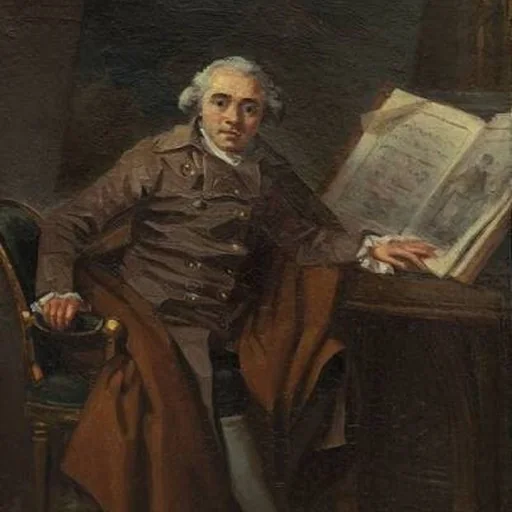
Jean-Jacques Lagrenée (18 September 1739 in Paris – 13 February 1821 in Paris), known as the younger, was a French history painter and engraver.

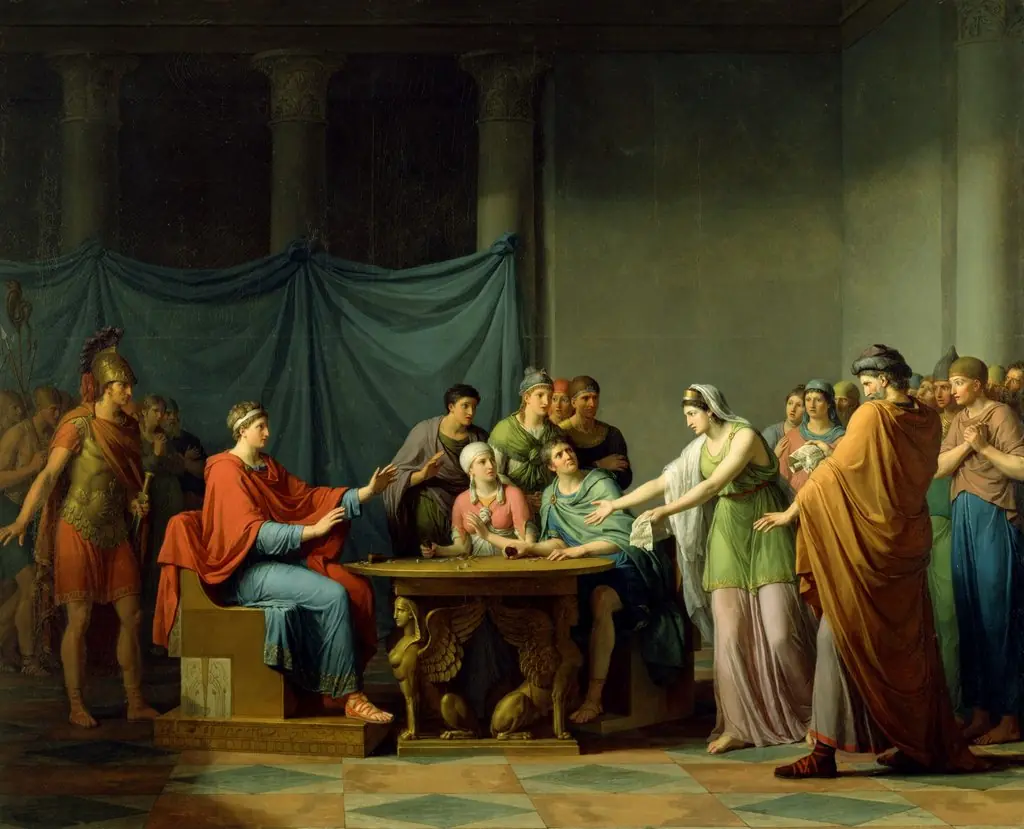
- Berenice Reproaching Ptolemy
 Coriolanus Taking Leave of his Family
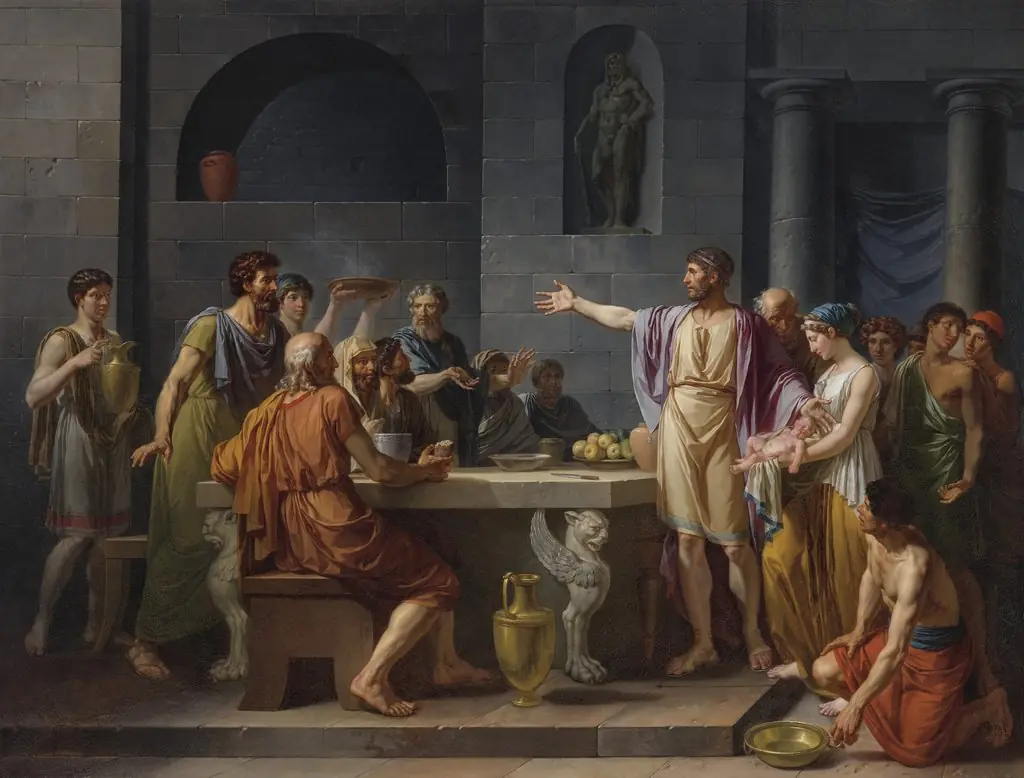 The Magnanimity of Lycurgus
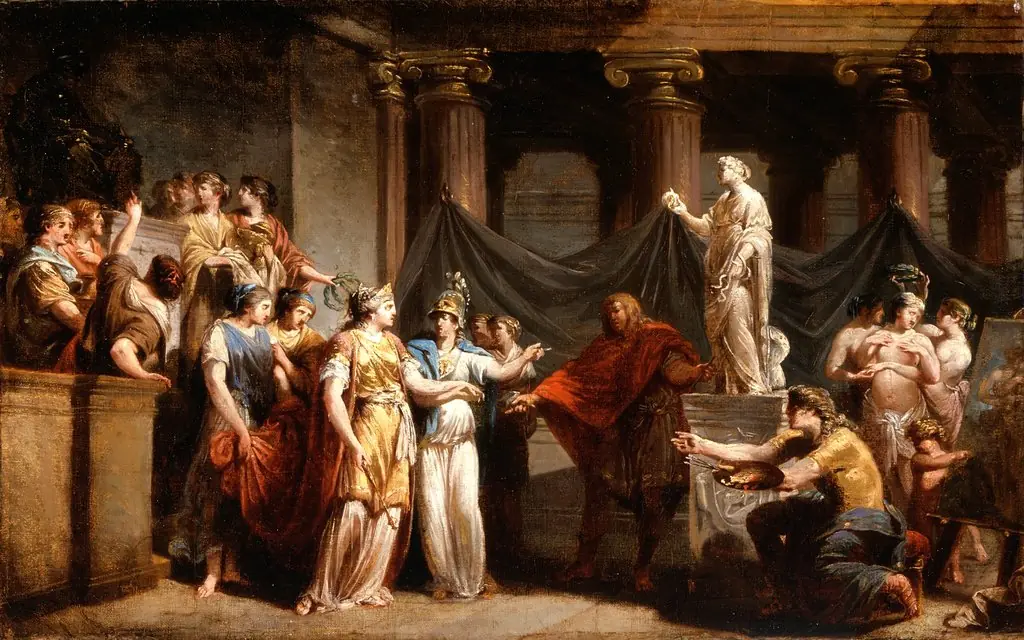 The Temple of the Liberal Arts, with the City of Bern and Minerva
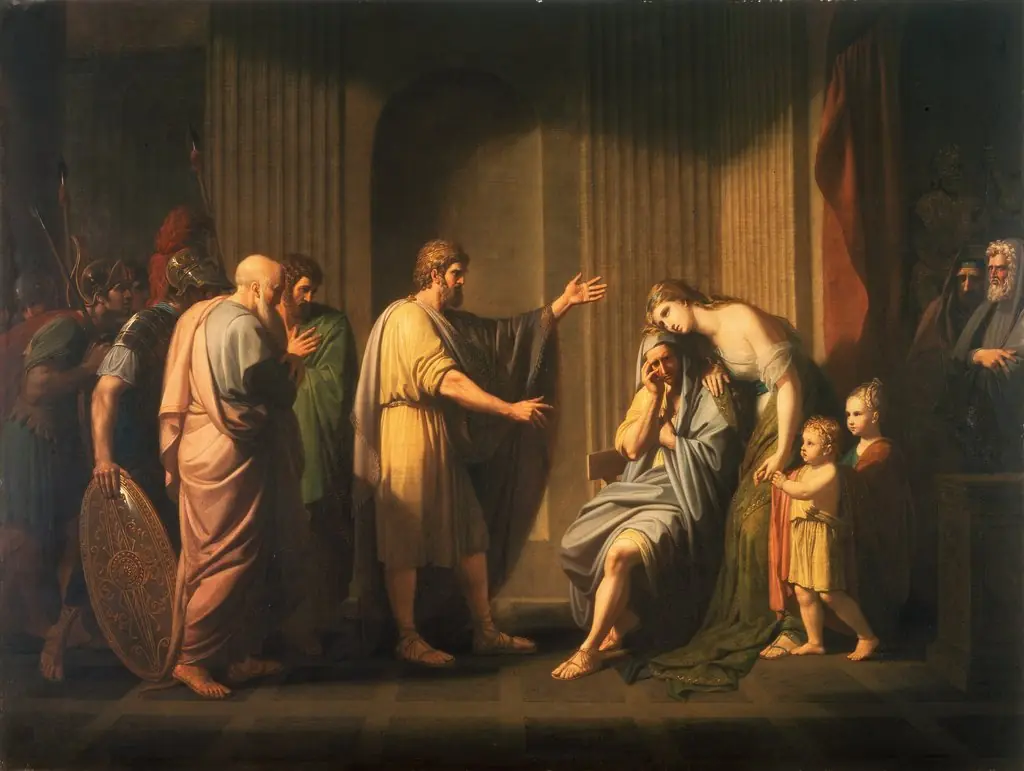 Cleombrotus Ordered into Banishment by Leonidas II, King of Sparta
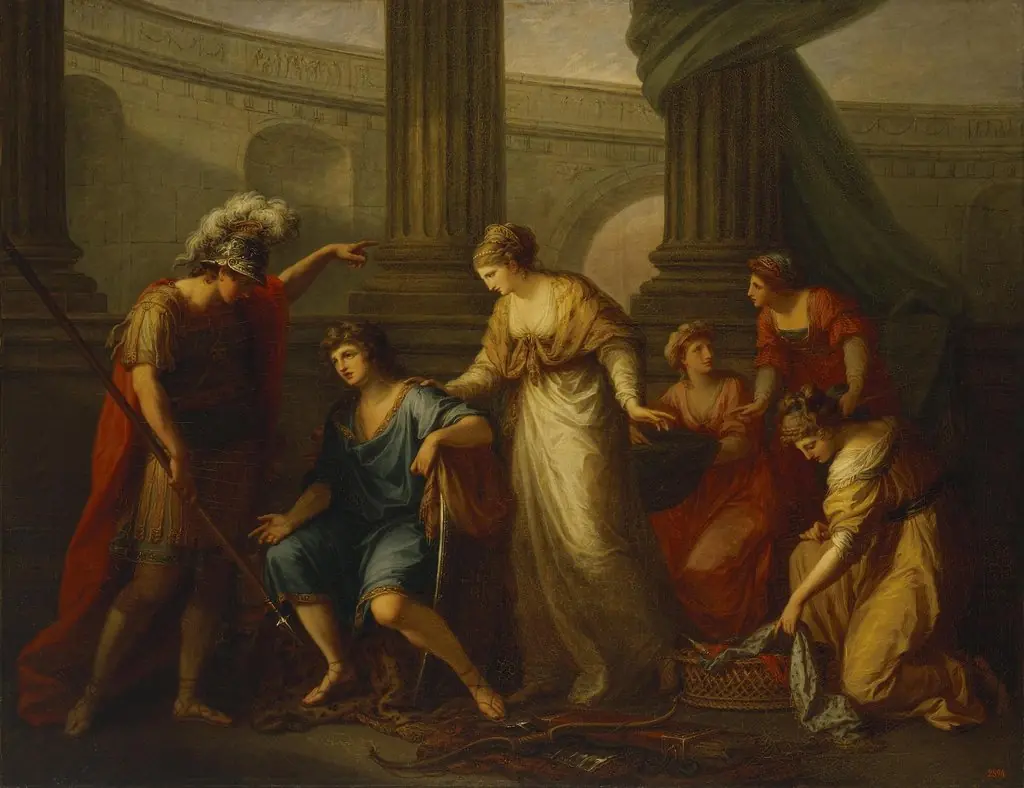 Hector Calling Up Paris to a Battle
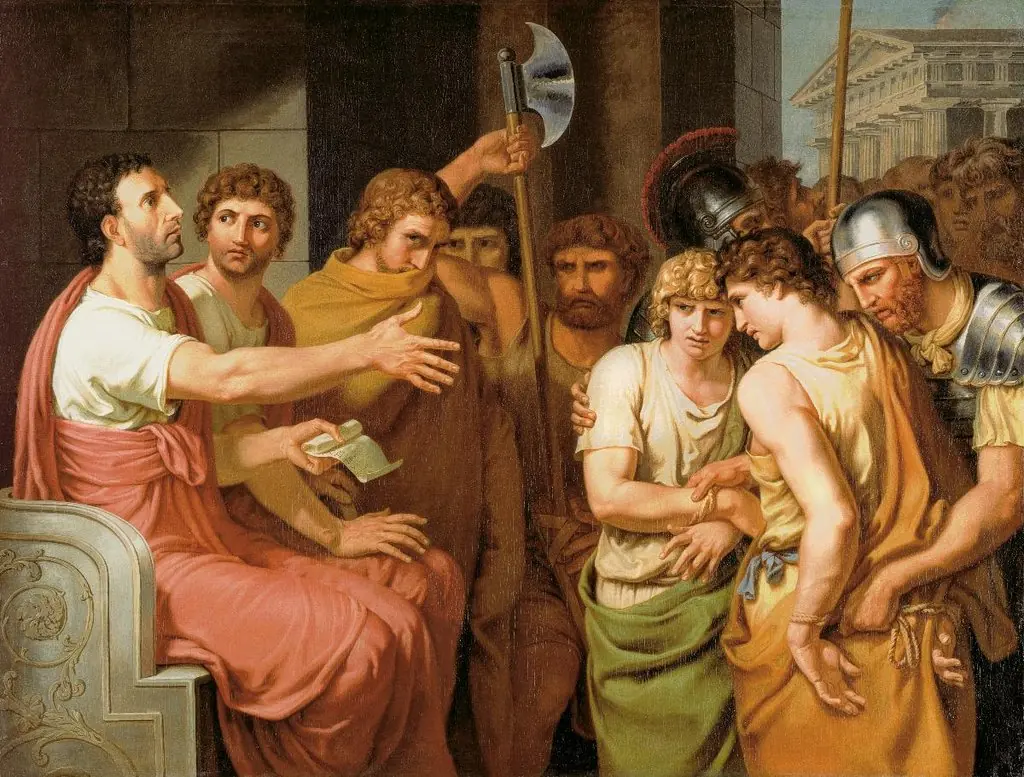 Brutus entdeckt die Namen seiner Söhne auf der Liste der Verschwörer und verurteilt sie zum Tode
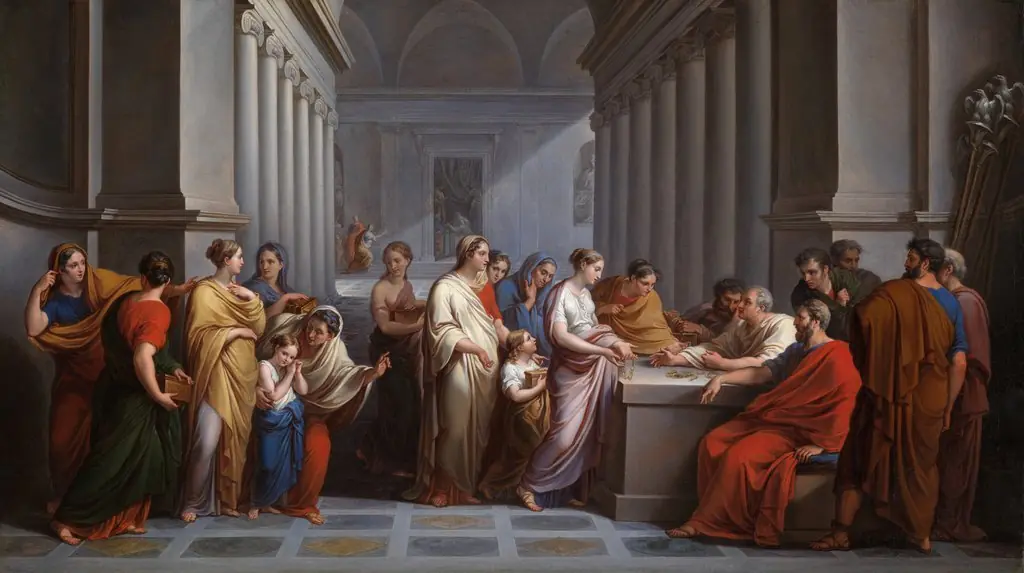 Roman Women Offering Their Jewellery in Defence of the State
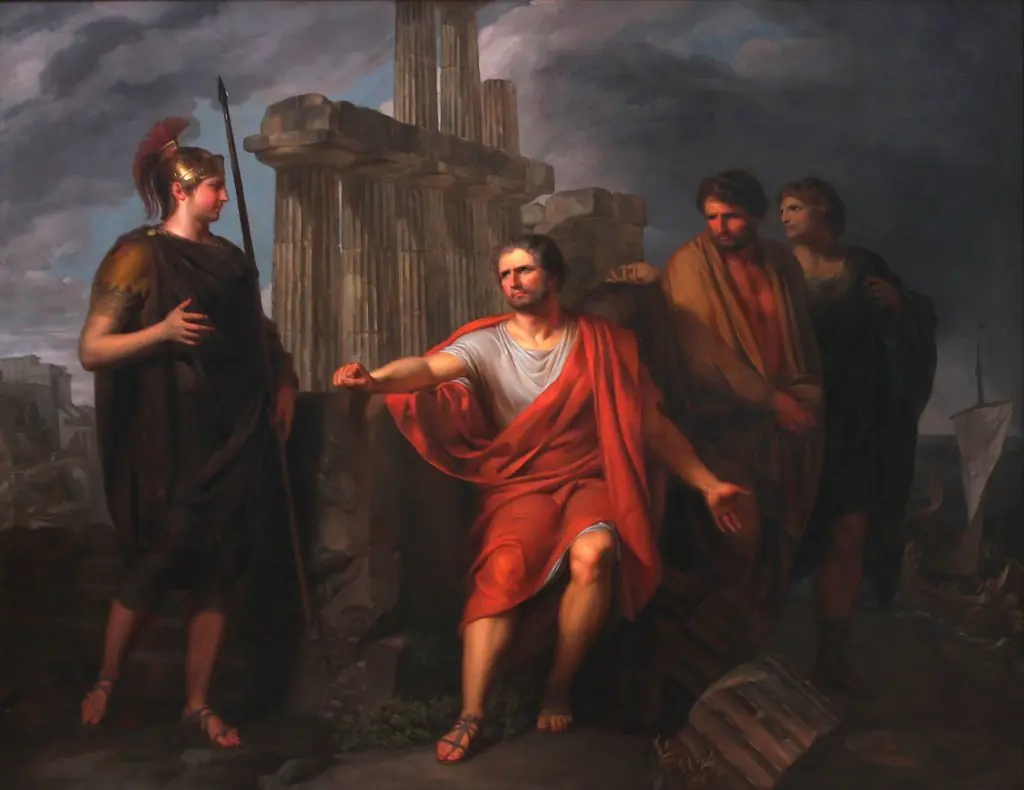 Marius on the ruins of Carthage
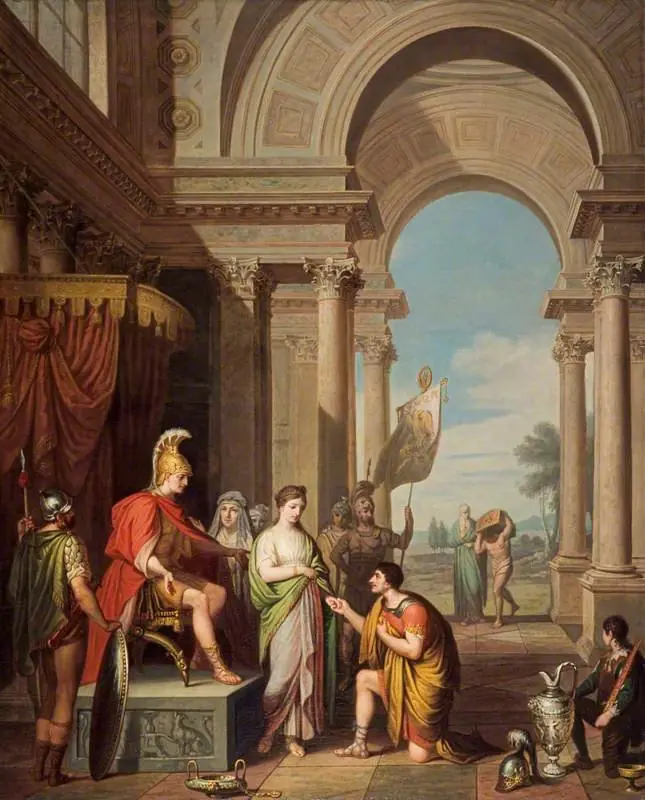 The Continence of Scipio
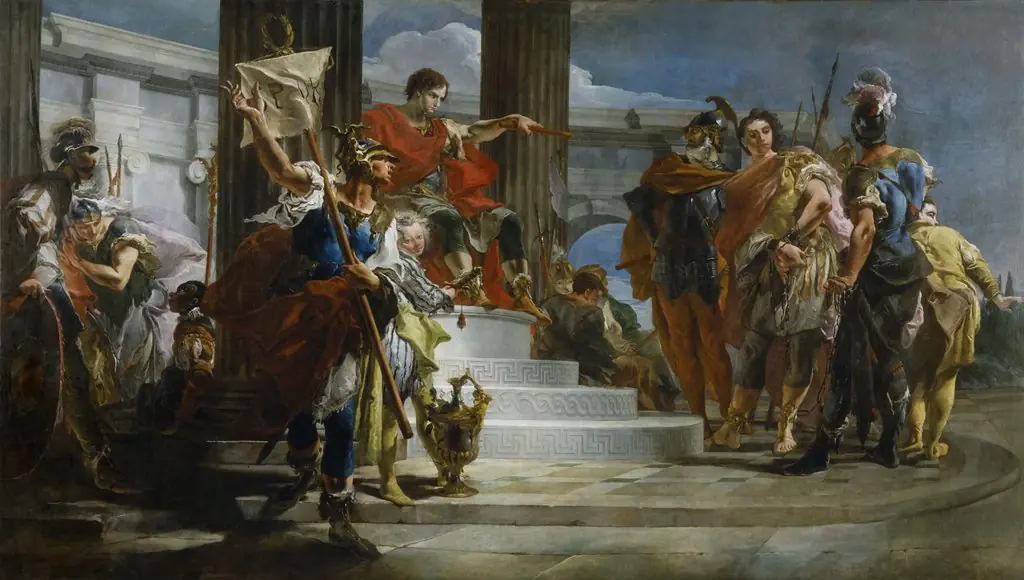 Scipio Africanus Freeing Massiva
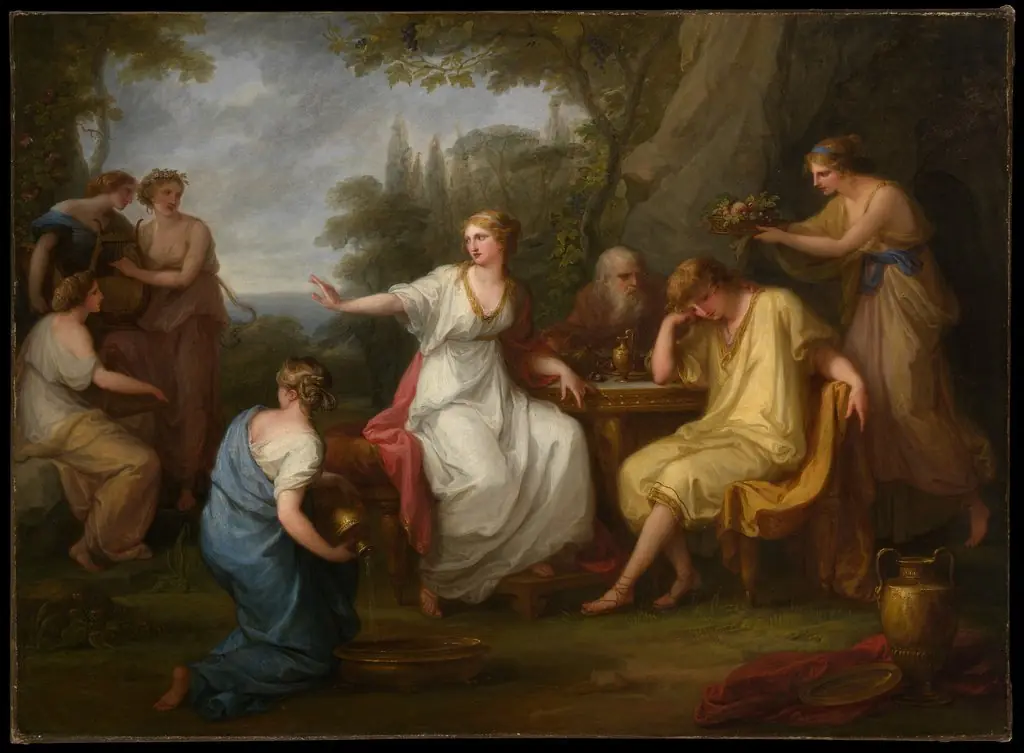 The Sorrow of Telemachus