Artwork
Der hl. Lukas
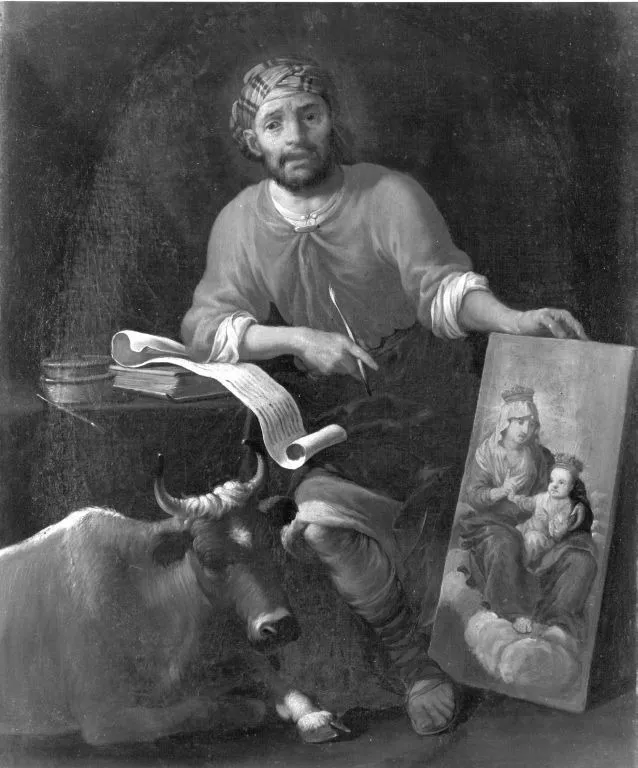
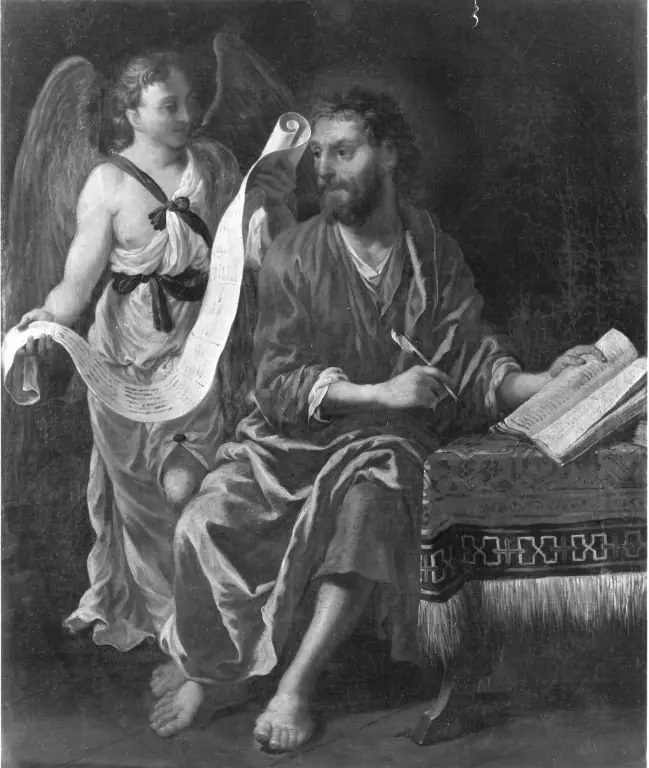
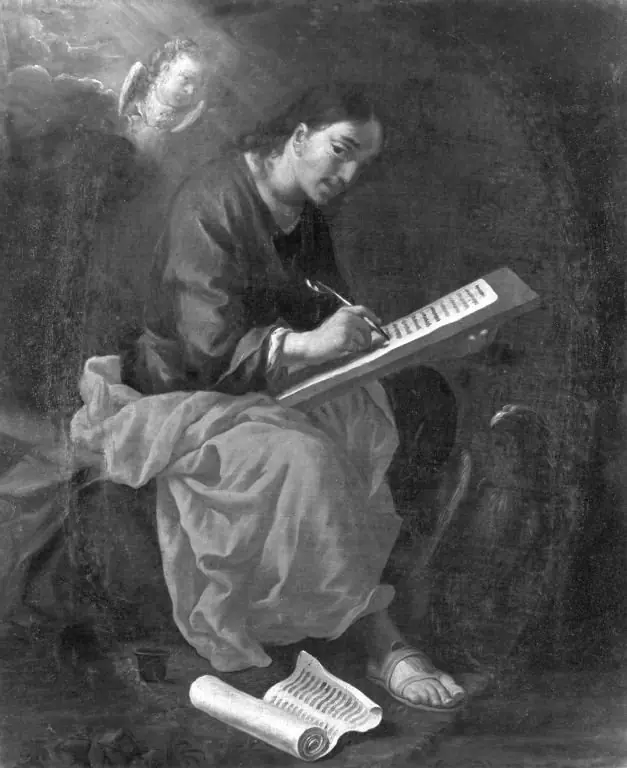
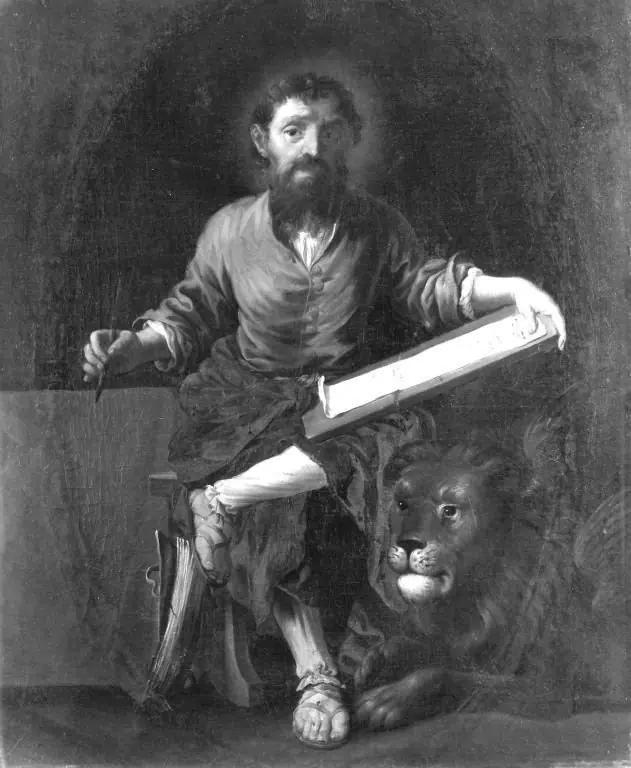
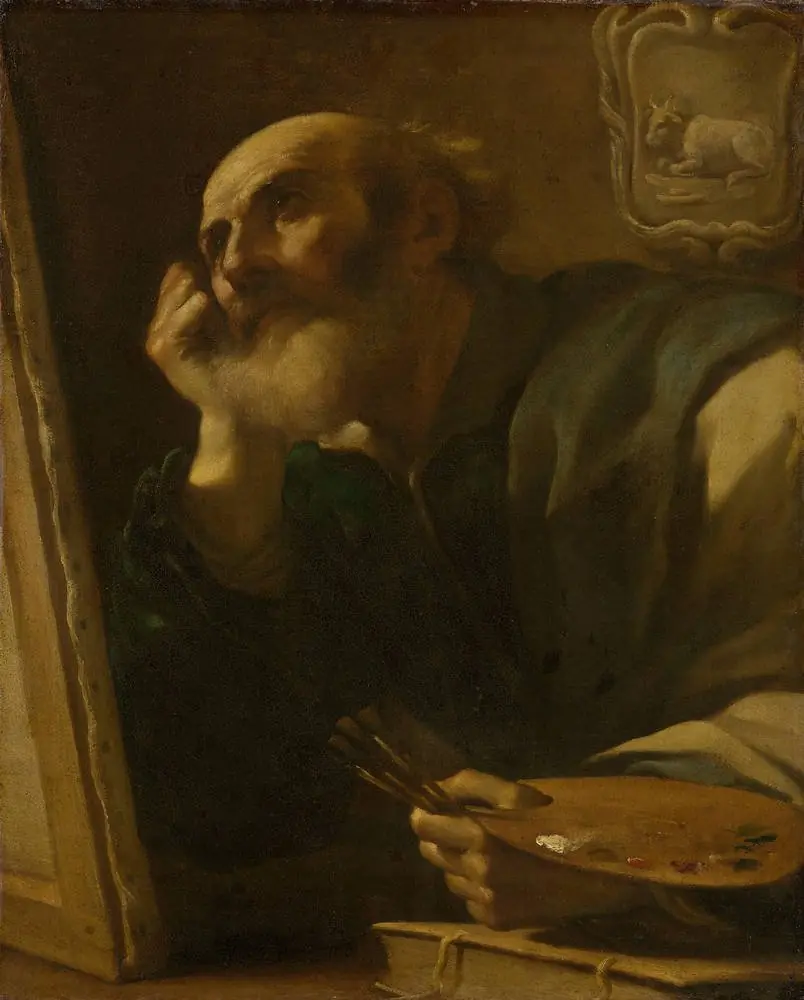
Der hl. Lukas is an unspecified painting by the Barbizon school artist Johann Heiss. It dates from 1672 and is held in the collection of the Bavarian State Painting Collections.
About this work
Subject & Meaning
Such attributes served both to identify the saint and to communicate theological ideas about his role in transmitting the Gospel message.
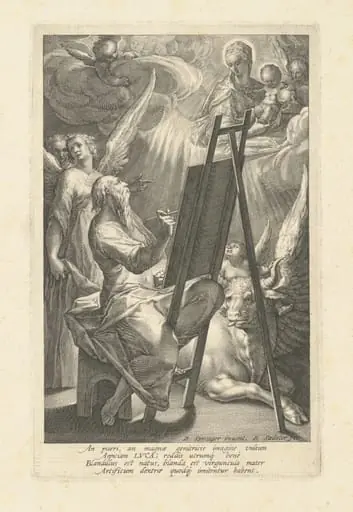
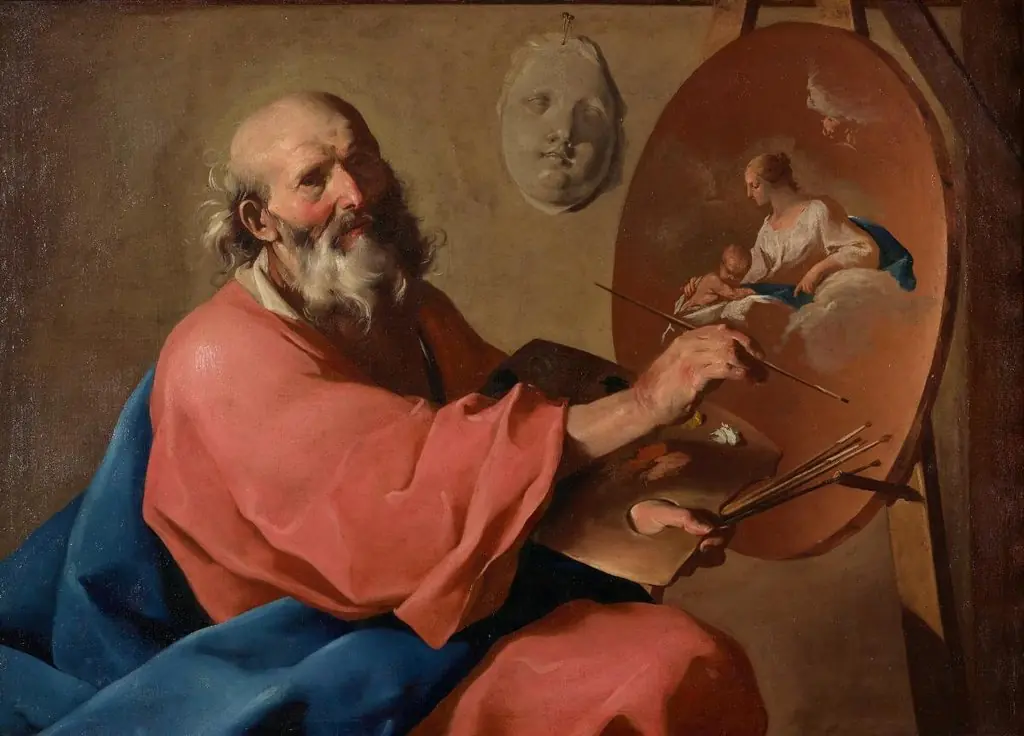
The painting depicts Luke the Evangelist, one of the four Evangelists of the Christian New Testament, as indicated by its title "Der hl. Lukas" (Saint Luke). Classified within the genre of religious art, the work belongs to the long tradition of devotional portraits of the Evangelists, who are traditionally venerated as authors of the Gospels and, in Luke's case, also credited as the patron saint of painters and physicians.
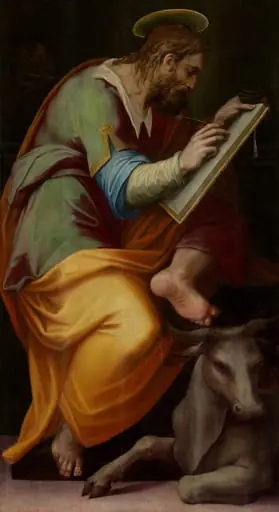
As an Evangelist portrait, the image would conventionally carry the symbolic attributes associated with Luke, most notably the winged ox or bull, the creature from Ezekiel's vision that, in Christian iconography, became Luke's identifying emblem and signified sacrifice and priestly service. Such attributes served both to identify the saint and to communicate theological ideas about his role in transmitting the Gospel message.
Technique & Style
The painting is executed in oil on canvas, measuring 62.5 cm by 51.1 cm, and depicts Luke the Evangelist. It was created by Johann Heiss in 1672 and is part of the Bavarian State Painting Collections, housed in the Alte Pinakothek. The work belongs to the religious art genre and reflects Baroque religious painting conventions.
The formal composition centers on the evangelist in a three-quarter view, rendered with naturalistic detail and chiaroscuro modeling typical of late 17th-century German religious art. The handling of light emphasizes the spiritual intensity of the figure, while the canvas support shows signs of age but remains structurally sound.
Overview
Johann Heiss, a German painter active in the late 17th century, completed Der hl. Lukas in 1672. Executed in the Baroque idiom, the work portrays the apostle Luke as a seated figure, surrounded by symbolic objects.
The canvas is part of the Alte Pinakothek’s collection in Munich, where it is displayed among other religious narratives from the period.
History & Provenance
After its creation in 1672, the painting entered various private collections before being acquired by the Bavarian state in the 19th century. It has been part of the Alte Pinakothek’s holdings since that acquisition, where it has been catalogued as an example of Heiss’s religious output and as a rare visual representation of Luke as an artist.
Context
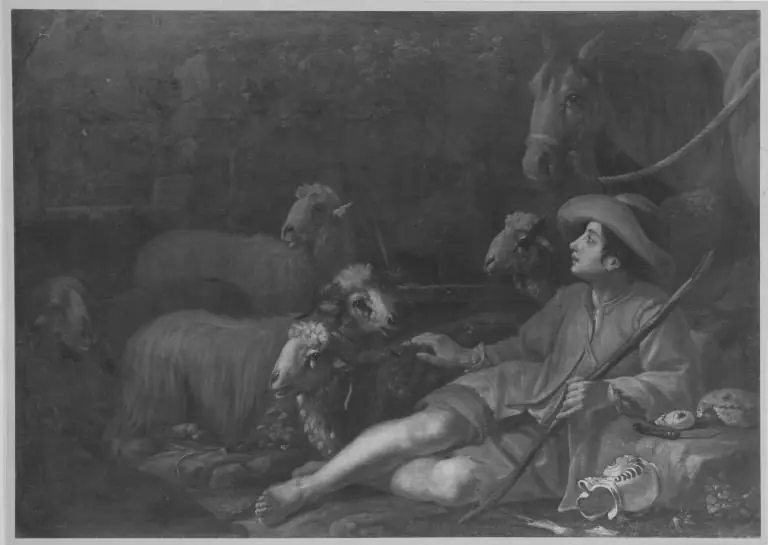
In the German Baroque period, saints were often depicted with their patronage symbols; Luke’s association with painting was a common motif, though the inclusion of a goat is atypical. Heiss’s choice reflects a regional taste for integrating everyday rural elements into sacred scenes, thereby making the holy figure more approachable to contemporary viewers.
Artist & collection
Artist
Johann Heiss, or Heiß (19 June 1640 – February 1704) was a German painter in the Baroque style, known for historical, Biblical and mythological scenes.