Artwork
Portrait of a Girl Dressed in Blue
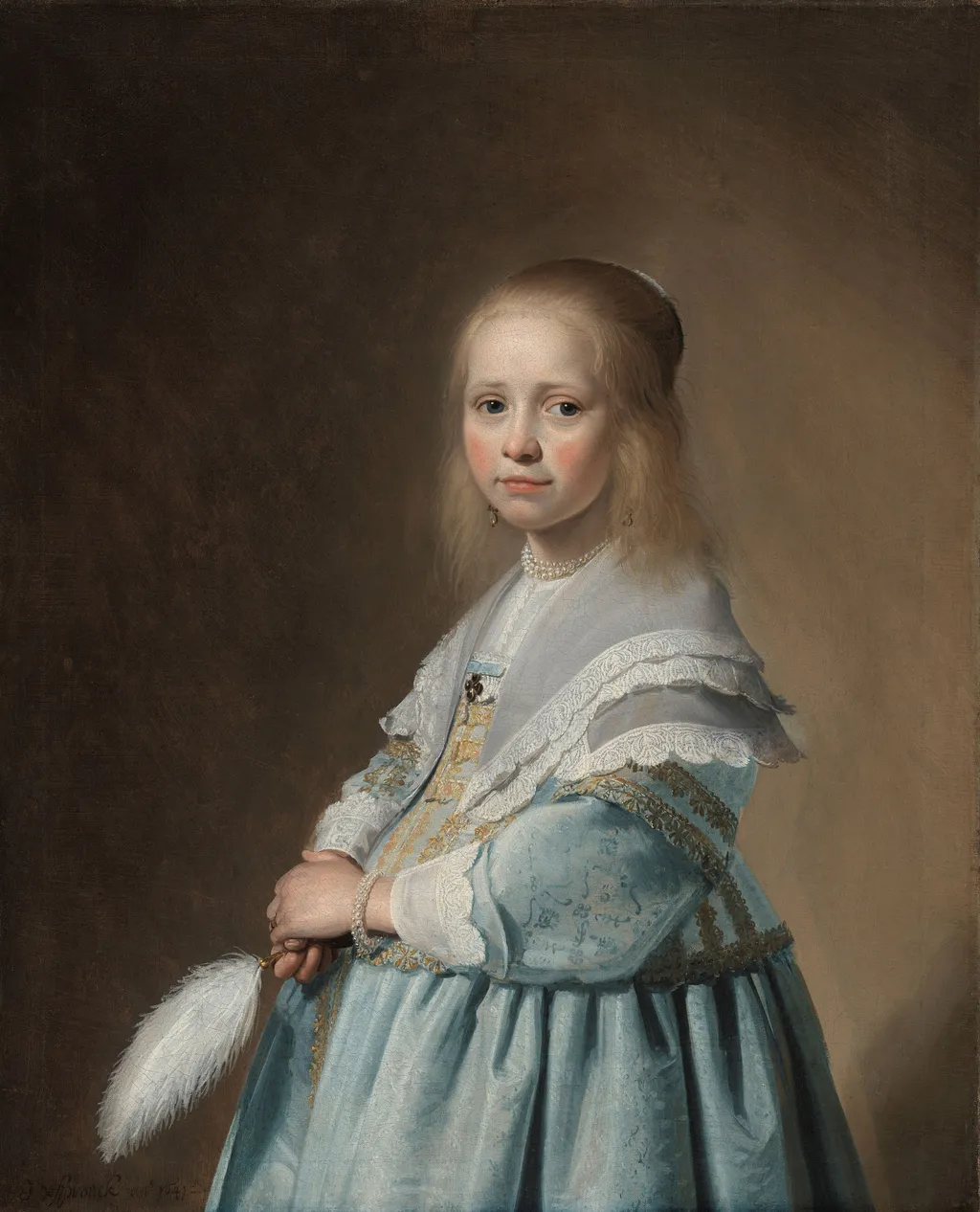
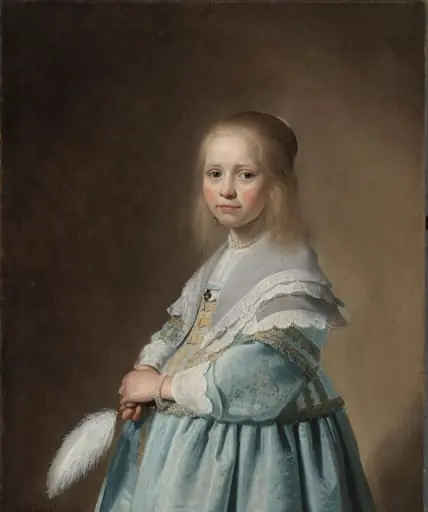
Portrait of a Girl Dressed in Blue is an oil painting by the Dutch Golden Age artist Johannes Cornelisz Verspronck. It dates from 1641 and is held in the collection of the Rijksmuseum.
About this work
Subject & Meaning
The neutral, lightly shaded background isolates the figure, directing all attention to her poised gaze and the subtle play of light on her face (4,5).
The painting portrays an unidentified young girl from a wealthy bourgeois family, likely commissioned by her parents (3,5). She is shown in a sky‑blue dress embroidered with gold brocade, a lace collar and cuffs, and adorned with pearls, a brooch, earring, and ring; in her right hand she holds a white feather that functions as a fan (2,4,5). These luxurious details signal the family’s affluence and serve as markers of status (5).
The neutral, lightly shaded background isolates the figure, directing all attention to her poised gaze and the subtle play of light on her face (4,5). Scholars note the striking contrast between her childlike innocence and the adult‑like, costly attire, suggesting a commentary on seventeenth‑century expectations that children be presented as miniature adults (5).
Technique & Style
Created in 1641, the work is an oil painting executed on a canvas support measuring 82 by 66.7 centimeters. Stylistically, the portrait depicts a blonde girl in a half-length composition against a neutral brown background that lightens toward the right. The artist, Johannes Cornelisz Verspronck, employs a refined technique to render the sitter's delicate attire, including a sky-blue dress embroidered with gold brocade, modern lace collar and cuffs, and pearls.
The handling of the paint captures intricate details such as a white feather fan held in her hands and various pieces of jewelry. A subtle interplay of light and shadow softly models the figure, drawing focus to her direct gaze and dark eyes. The composition treats the child as a miniature adult, a common convention in seventeenth-century Dutch portraiture, emphasizing the contrast between her youthful expression and the formal, costly nature of her clothing.
History & Provenance
Johannes Cornelisz Verspronck executed this oil on canvas portrait in 1641, likely commissioning it for a wealthy bourgeois family, though the sitter's identity remains unknown. The work originally belonged to the collection of the Grand Duke of Oldenburg. Following the abdication of Frederick Augustus II after World War I, his assets were liquidated.
In 1923, Mari Paul Voûte, chairman of the Vereniging Rembrandt, purchased the painting as part of a consortium effort to secure artworks for Amsterdam museums. Voûte retained personal possession of the piece until his death in 1928, at which point he bequeathed it to the Vereniging Rembrandt. The association subsequently transferred the painting to the Rijksmuseum in November 1928, where it has remained since.
The work is housed in the Rijksmuseum in Amsterdam, where it has been part of the museum’s collection since 1928. It entered the museum through the bequest of Mari Paul Voûte, who left the painting to the Vereniging Rembrandt for transfer to the museum. The painting’s accession is recorded as part of the Rijksmuseum’s inventory of Dutch Golden Age portraits.
Since its acquisition it has been regularly exhibited in the museum’s Dutch portrait galleries and, in 1945, the girl’s image was reproduced on the Dutch 25‑guilder banknote, marking a public display beyond the museum walls.
Legacy
Since its acquisition by the Rijksmuseum in 1928, the painting has become emblematic of Dutch Golden Age portraiture, frequently cited as the century’s most recognizable child portrait. Its formal qualities, precise rendering of textiles, luminous pearls, and a direct gaze, have influenced later depictions of youthful subjects in Dutch art historiography. The image’s cultural footprint extended beyond art history when it appeared on the 25-gulden Dutch banknote on September 15, 1945, cementing its place in national iconography.
Its pendant composition and technical finesse have also shaped scholarly discussions of Verspronck’s oeuvre and its reception as a paradigm of Haarlem portraiture of the 1640s.
Overview
Johannes Cornelisz Verspronck completed this oil painting, known as Portrait of a Girl Dressed in Blue, in 1641. This artwork is a significant example of 17th-century Dutch portraiture. It depicts an unidentified young girl, rendered with meticulous attention to detail and a refined palette. The painting is currently held in the collection of the Rijksmuseum, where it was added in 1928.
Own this work as a print
Artist & collection
Artist
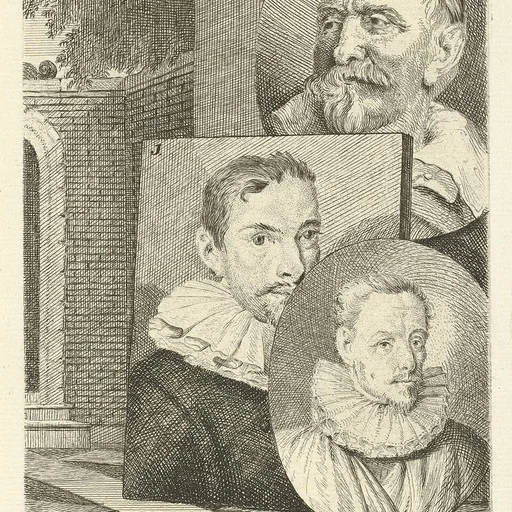
Johannes Cornelisz Verspronck (between 1600 and 1603 – buried 30 June 1662) was a Dutch Golden Age portrait painter from Haarlem.

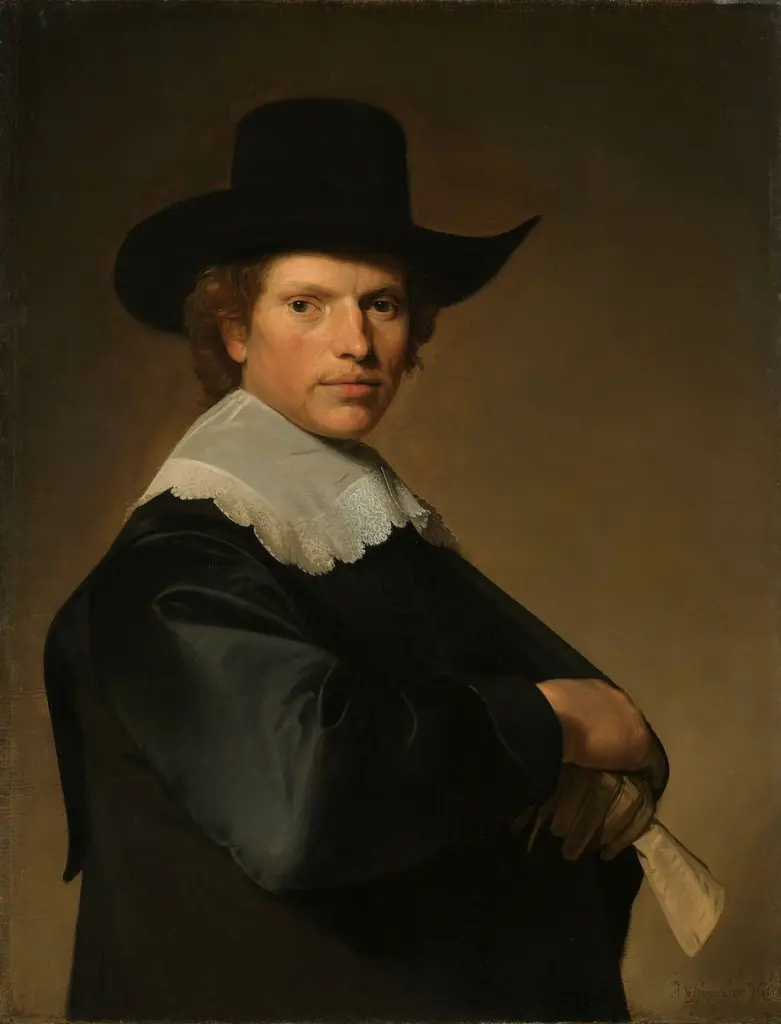
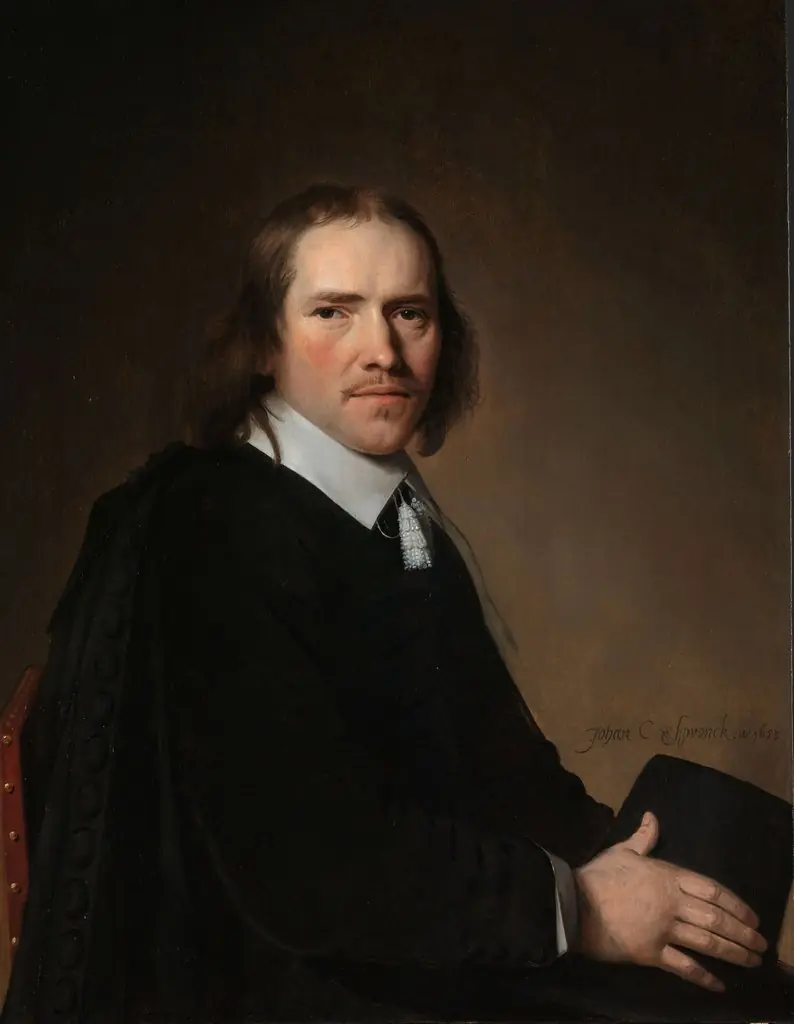
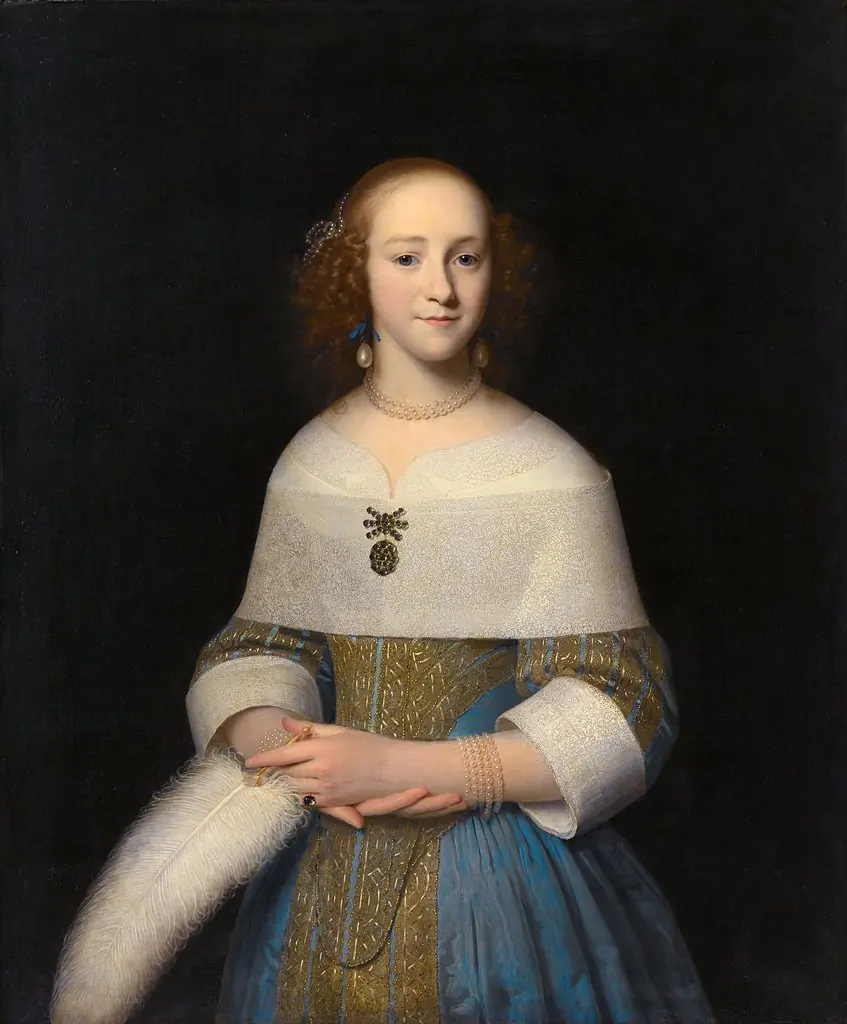 Portrait of a Young Lady
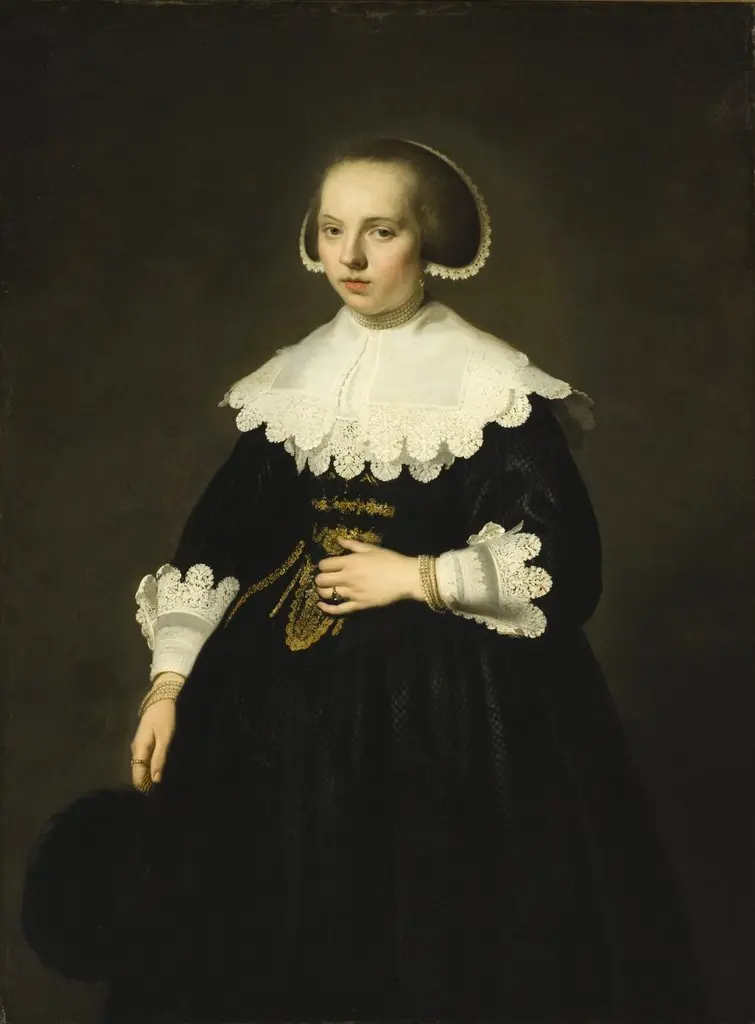 Portrait of a Young Woman
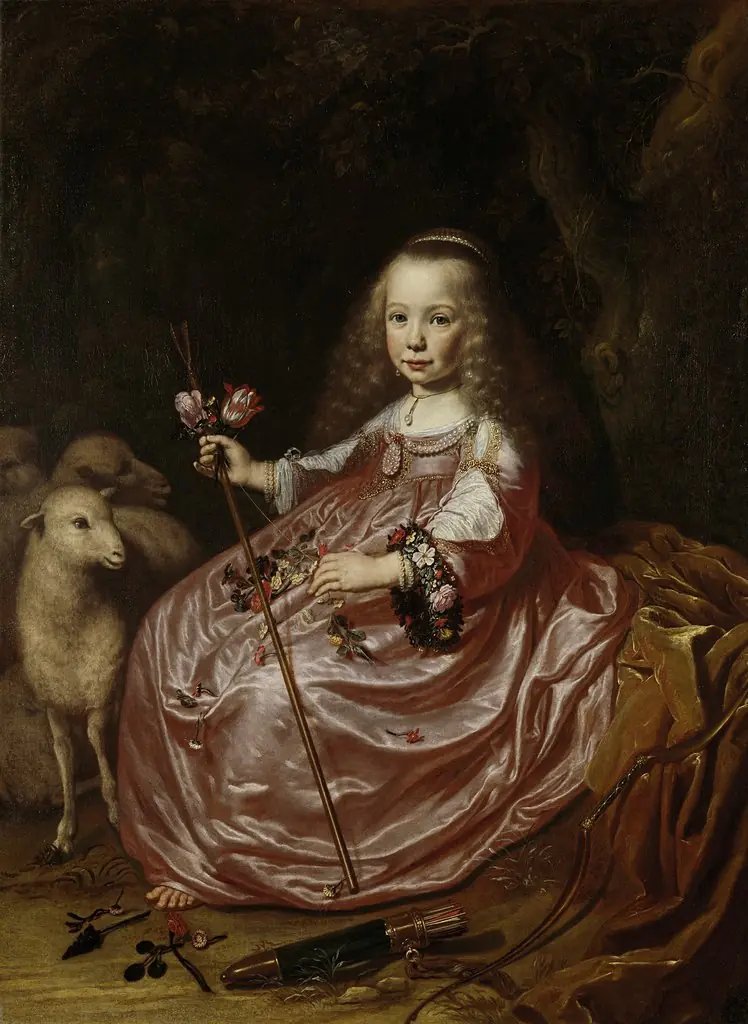 Clara Alewijn (1635-74). Daughter of Abraham Alewijn and Geertruid Hooftman
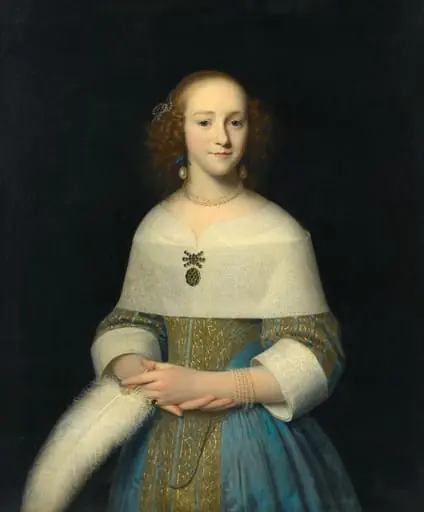 Portrait of a Young Woman, Possibly Susanna Reael
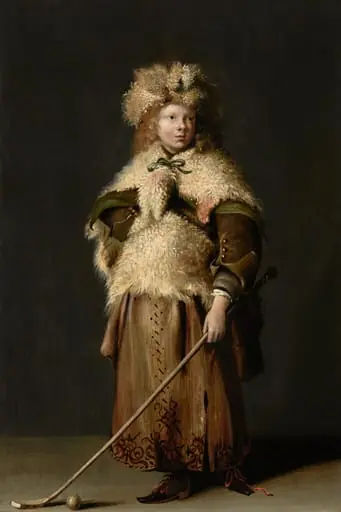 Moses ter Borch Holding a Kolf Stick
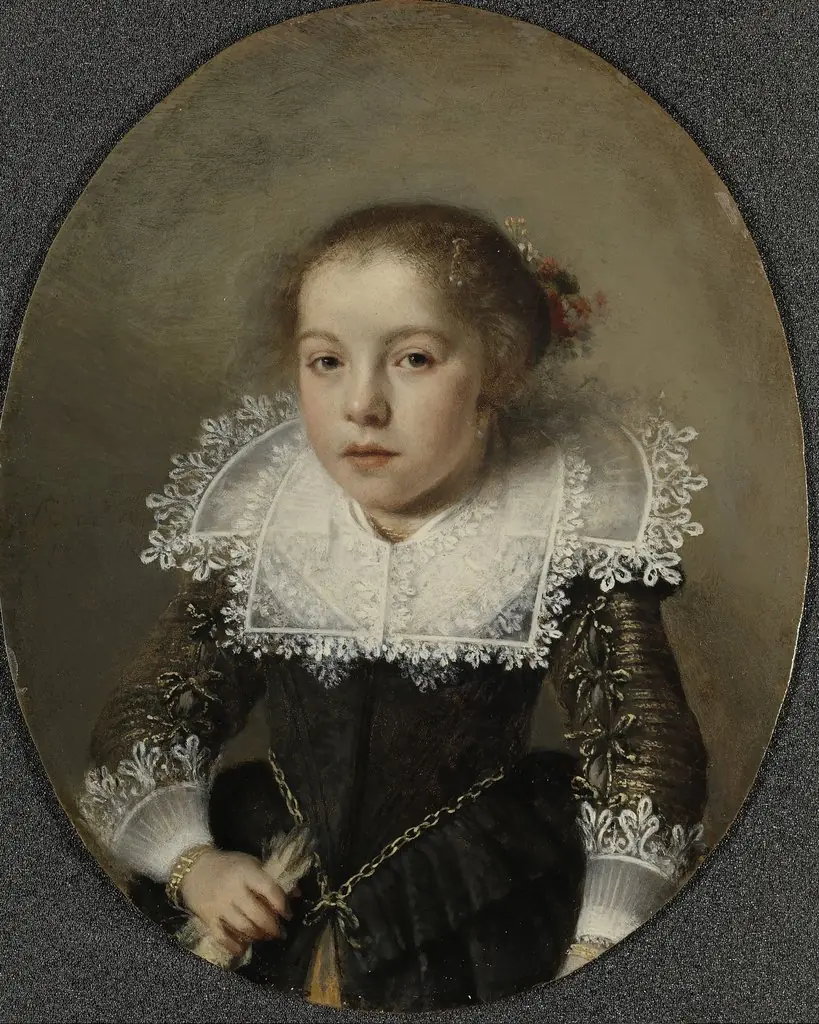 Portrait of Cornelia Cornelisdr van Esch
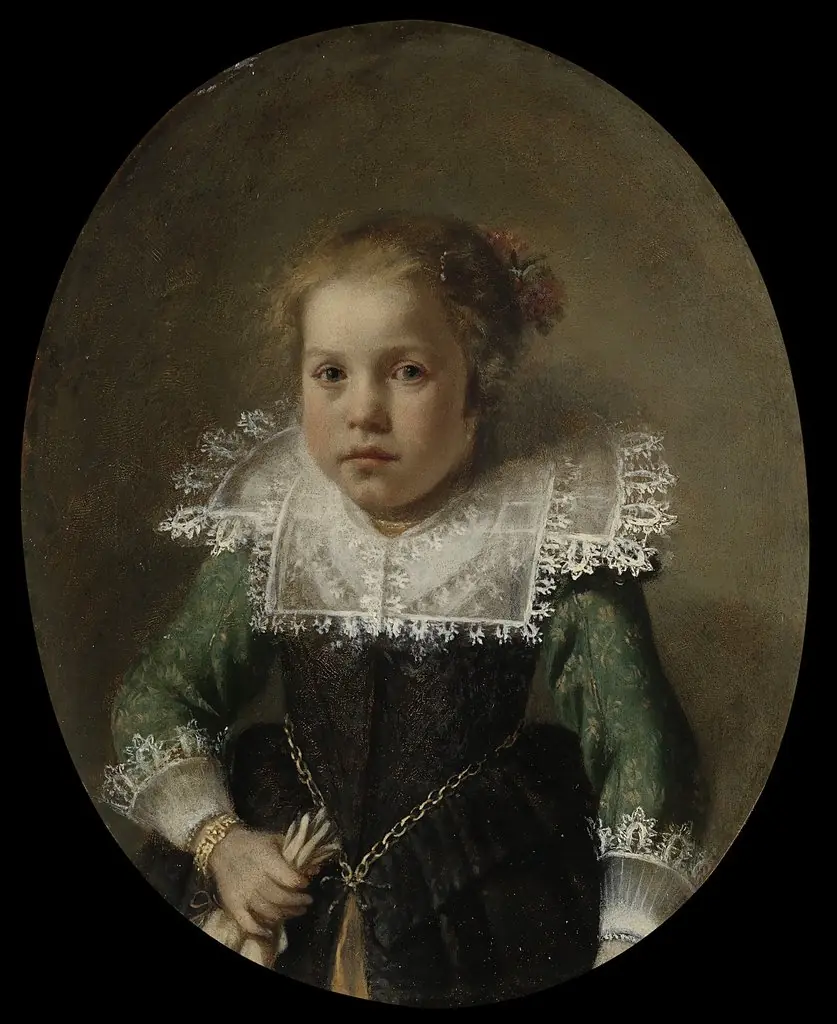 Portrait of Maria Cornelisdr van Esch
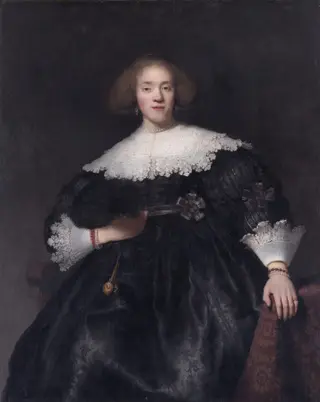 Portrait of a Young Woman with a Fan
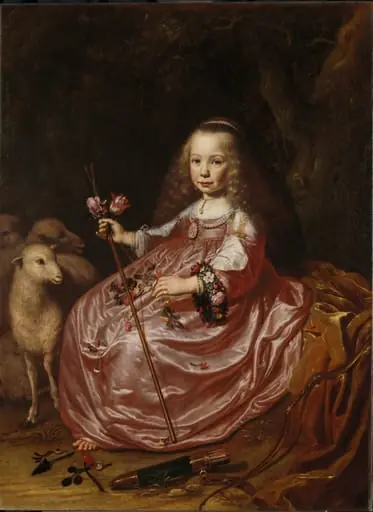 Portrait of Clara Alewijn
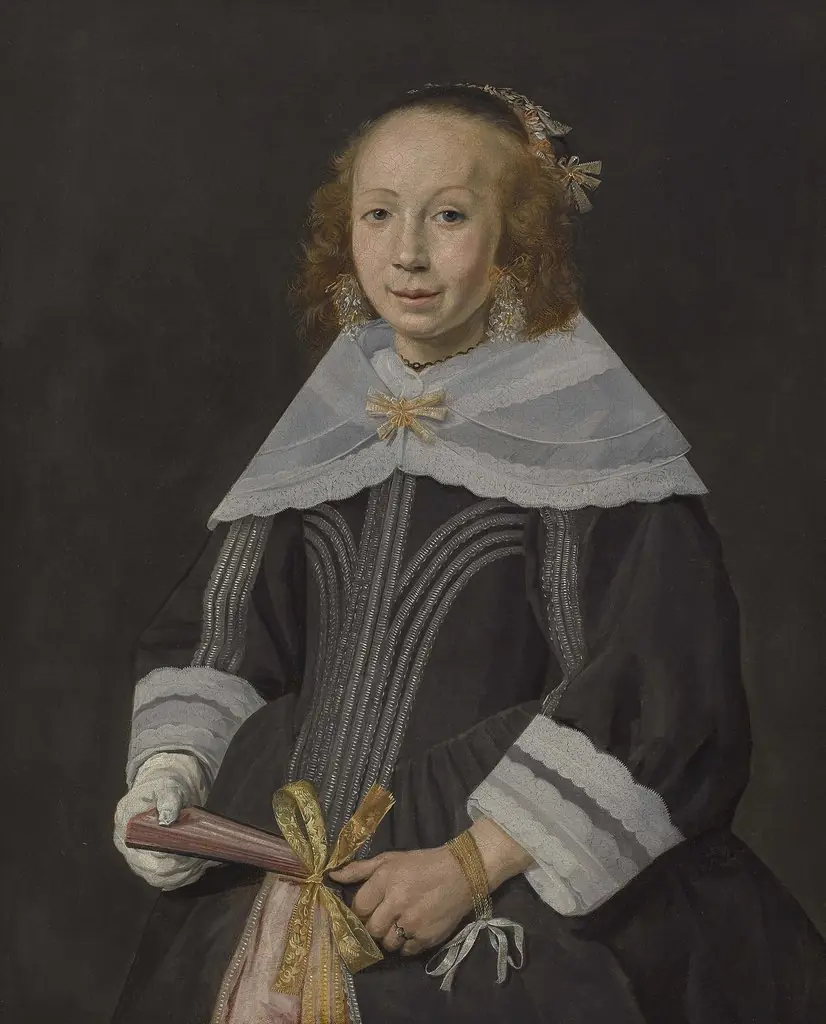 Portrait of a young woman holding a fan
- Portrait of a Girl