Artwork
Mrs Campbell McInnes (later Angela Thirkell)
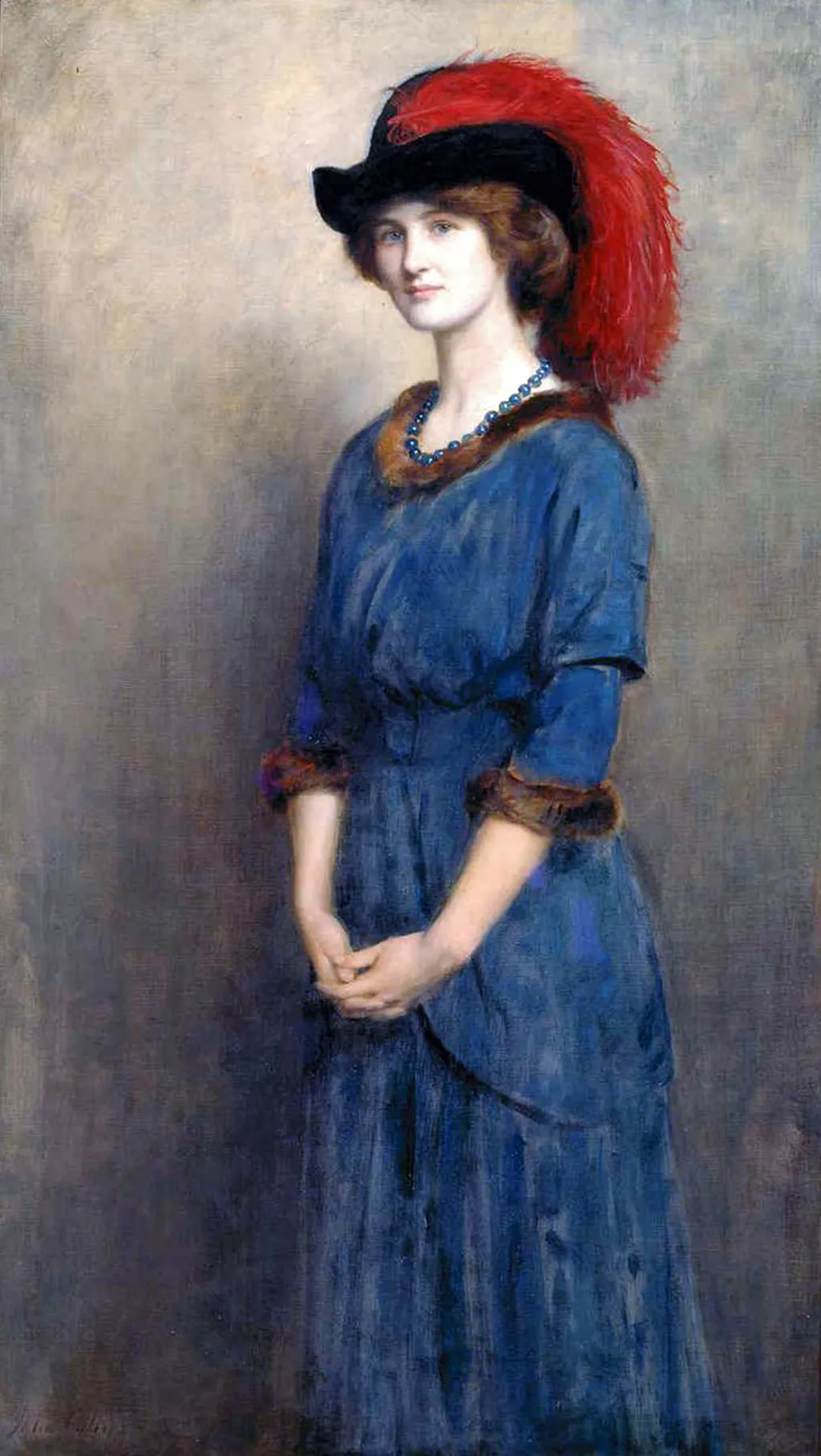
Mrs Campbell McInnes (later Angela Thirkell) is an oil painting by the Aestheticist artist John Collier. It dates from 1914 and is held in the collection of the National Gallery of Victoria.
About this work
This painting is called Mrs Campbell McInnes, later known as Angela Thirkell. It's an oil painting.
The painting was created by John Collier in 1914, although the source description says it was made in 1912. It was signed by the artist and made in London, England.
To learn more about the artist behind this work, look up the artist: John Collier.
Overview
John Collier painted Mrs Campbell McInnes in oil on canvas around 1914, likely in London. The portrait depicts a woman who would later become known as the novelist Angela Thirkell. Collier signed the work, affirming authorship.
It entered the collection of the National Gallery of Victoria in Melbourne in 1960, where it remains today as part of its British portraiture holdings.
Subject & Meaning
Her later identity as Angela Thirkell, a novelist known for her depictions of English country life, adds a layer of cultural resonance to the portrait.
The sitter, Mrs Campbell McInnes, was a member of the British literary and social circles of the early 20th century. Her later identity as Angela Thirkell, a novelist known for her depictions of English country life, adds a layer of cultural resonance to the portrait. Collier’s depiction captures her in quiet composure, reflecting the dignity and social standing typical of his upper-middle-class subjects.
Technique & Style
Collier employed traditional oil painting methods, with careful attention to texture and tonal gradation. The brushwork is refined but not overly detailed, favoring a naturalistic rendering of skin, fabric, and light. The composition is straightforward, placing the figure against a neutral background to emphasize presence and character, consistent with his academic training and portraiture practice.
History & Provenance
The painting was completed in London during Collier’s active years as a portraitist. After remaining in private hands for decades, it was acquired by the National Gallery of Victoria in 1960. The gallery’s acquisition reflects a broader interest in early 20th-century British portraiture, and the work has since been included in curated exhibitions of Collier’s oeuvre.
Context
Created during a period when British portraiture was shifting between tradition and modernism, Collier’s work retained academic conventions. Mrs Campbell McInnes reflects the tastes of an era when commissioned portraits served as markers of social identity. Her eventual fame as a writer underscores the intersection of art and literature in early 20th-century British culture.
Legacy
Though not among Collier’s most widely reproduced works, the portrait endures as a record of a woman who bridged visual art and literature. Its presence in an Australian public collection highlights the global reach of British portraiture. The painting continues to be studied for its representation of gender, class, and artistic practice in Edwardian England.
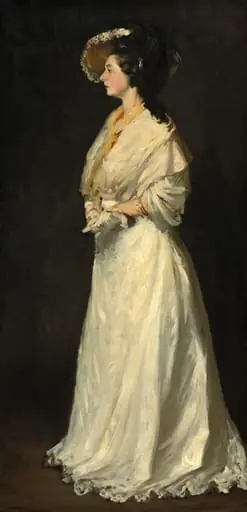
Artist & collection
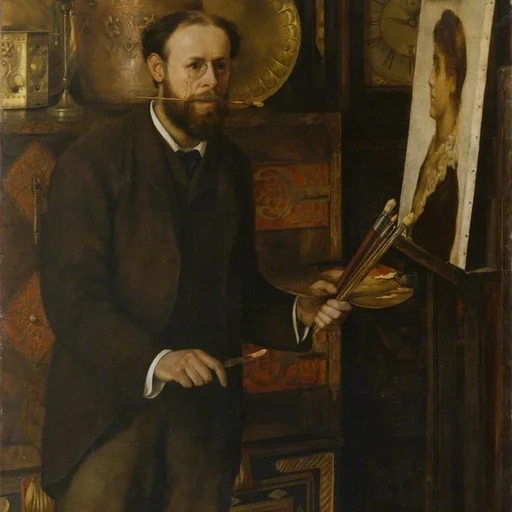
Artist
John Maler Collier (; 27 January 1850 – 11 April 1934) was an English painter and writer.


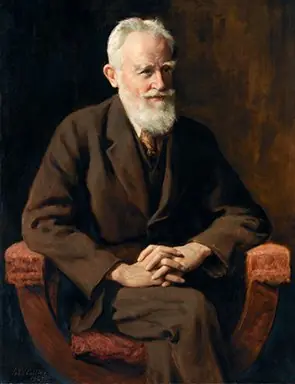
- Young Woman in White
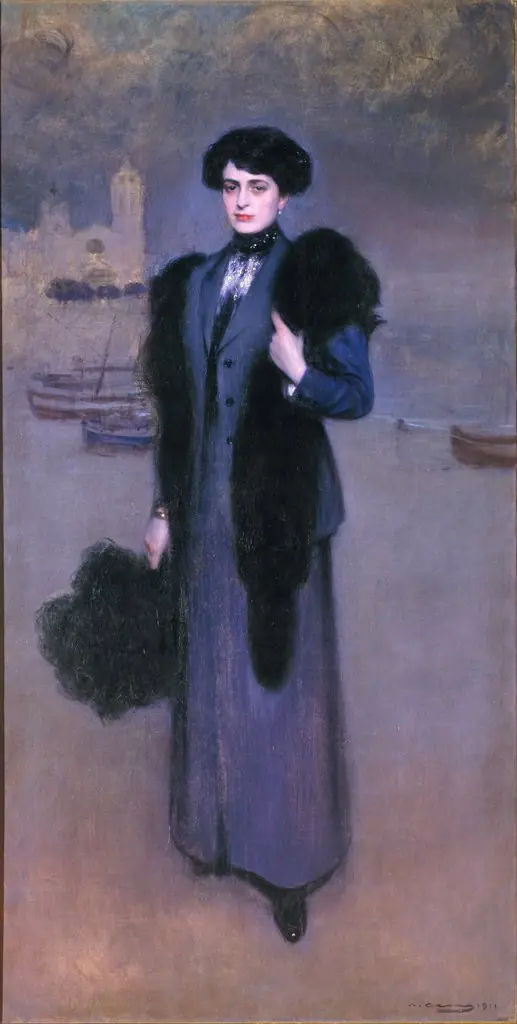 Portrait of Dolors Vidal
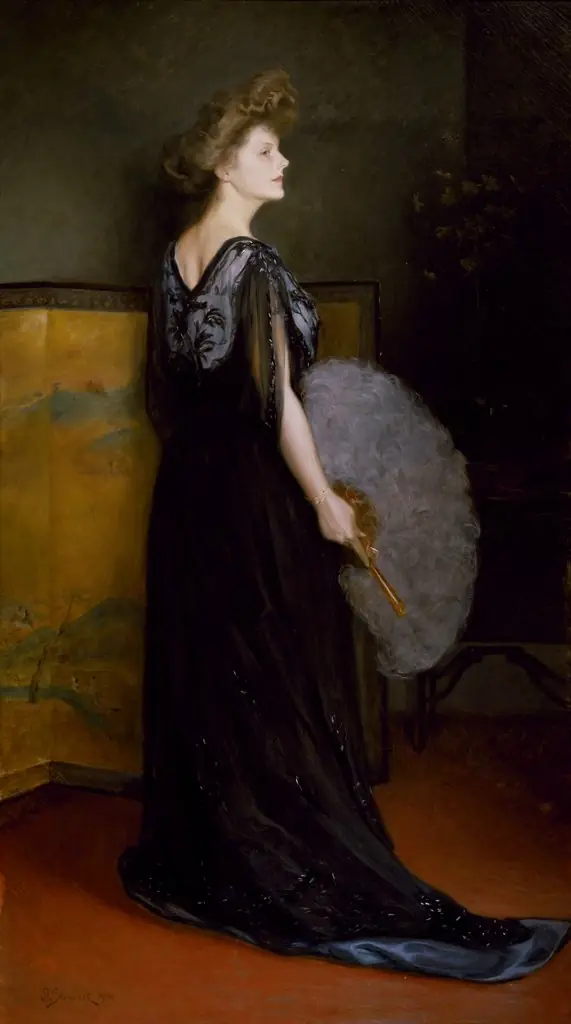 Portrait of Mrs. Francis Stanton Blake
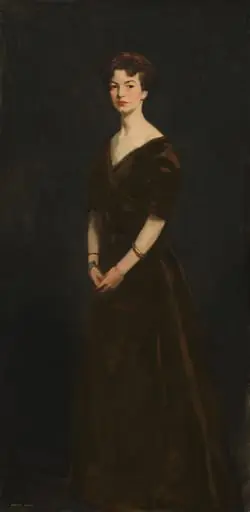 Edith Reynolds
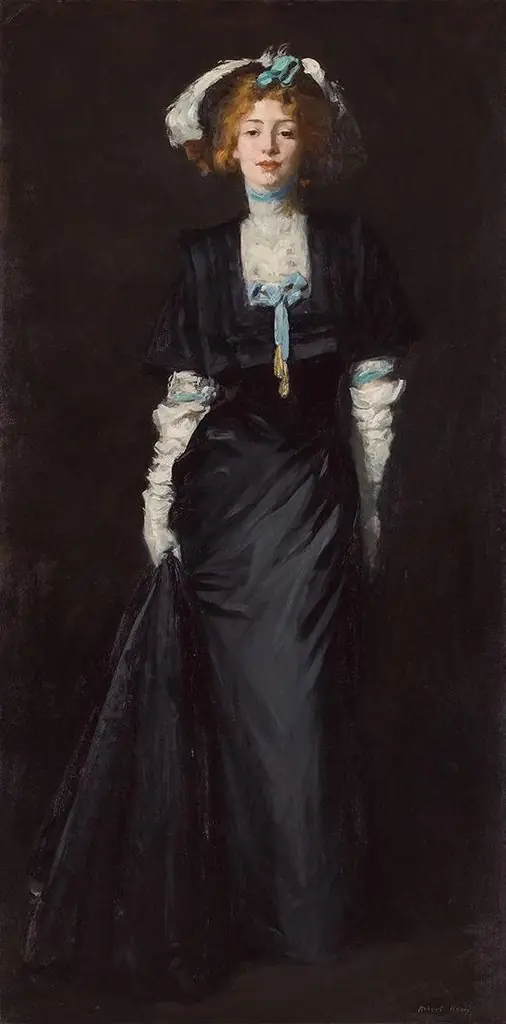 Jessica Penn in Black with White Plumes
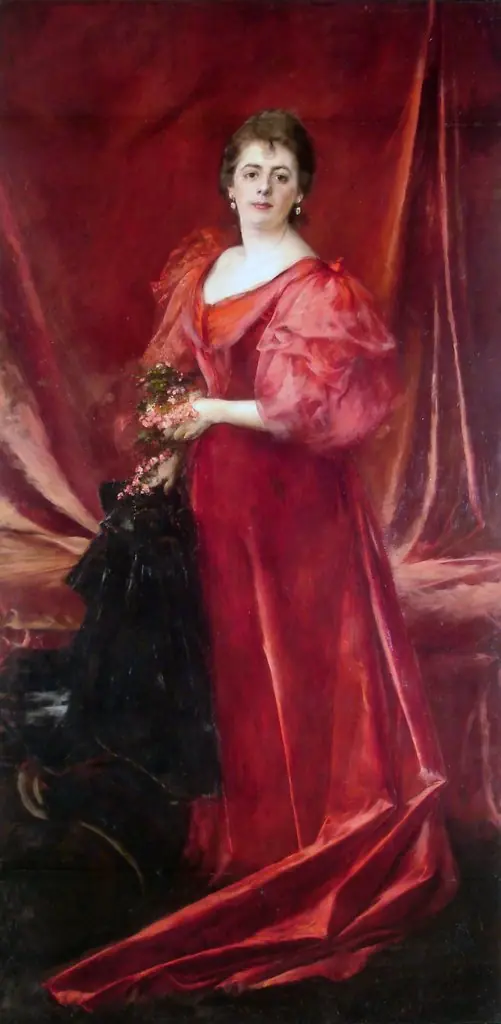 Retrato de la Sra. Maria de la Cárcova de Ferrari
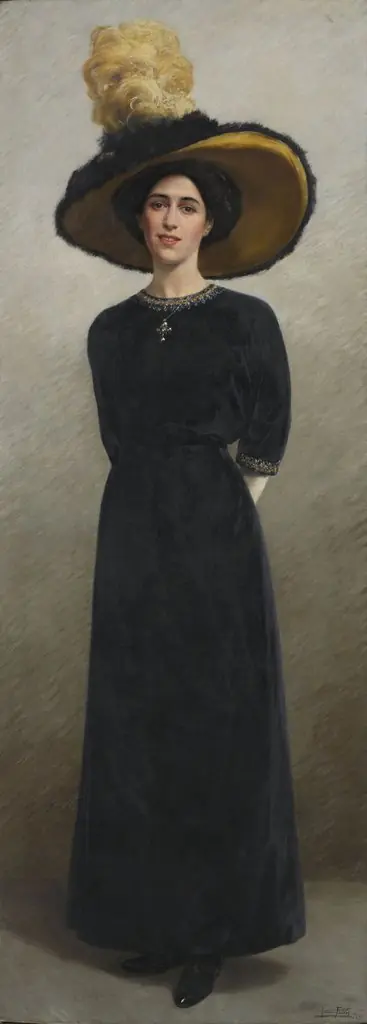 Portrait of Glòria Fabrés
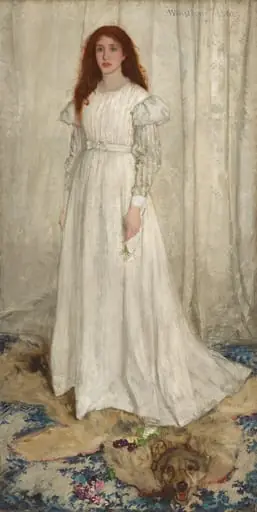 Symphony in White, No. 1: The White Girl
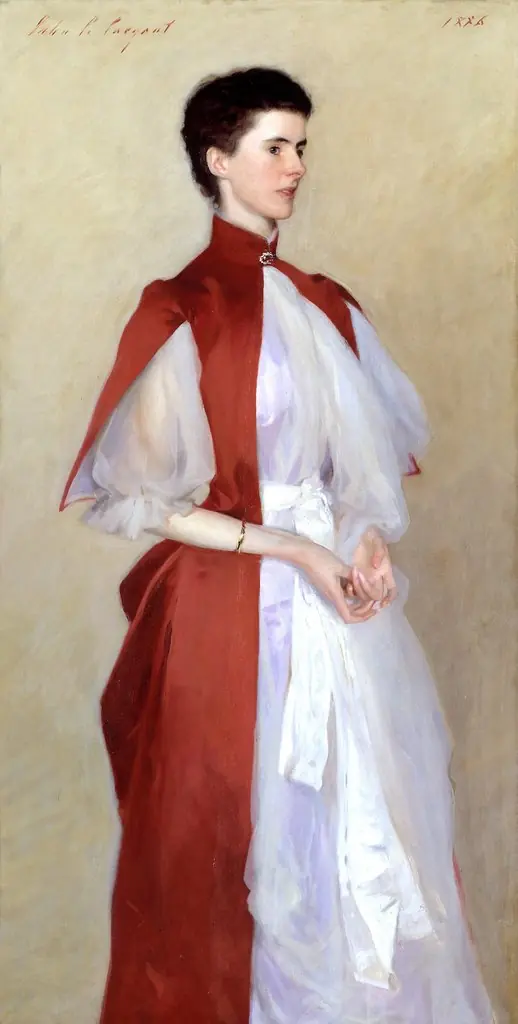 Mrs Robert Harrison
 The Artist's Wife, Constance, Comtesse de Markievicz (1868-1927), Irish Painter and Revolutionary
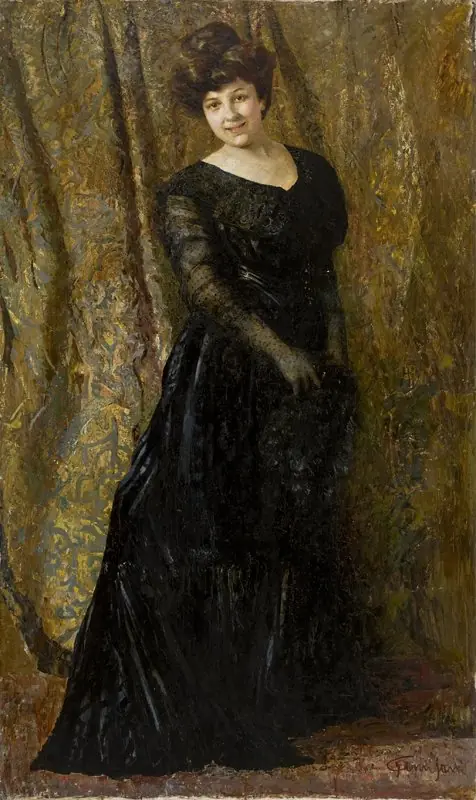 Standing lady
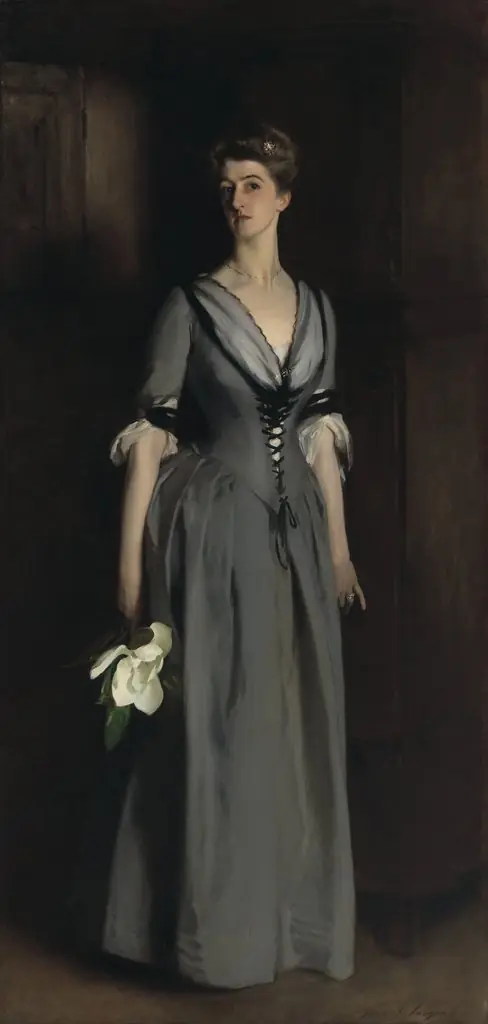 Mrs Albert Vickers (Edith Foster)