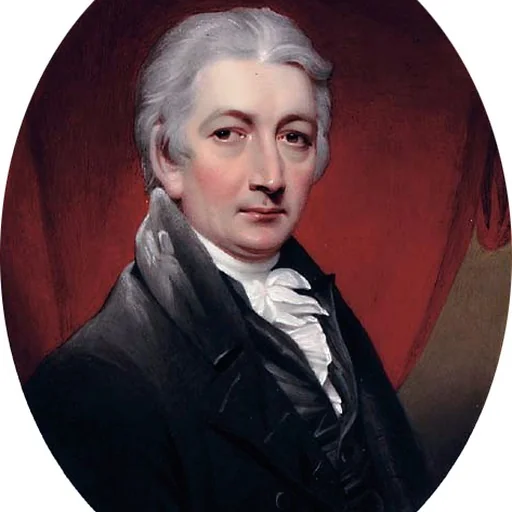
Movement
Aestheticism
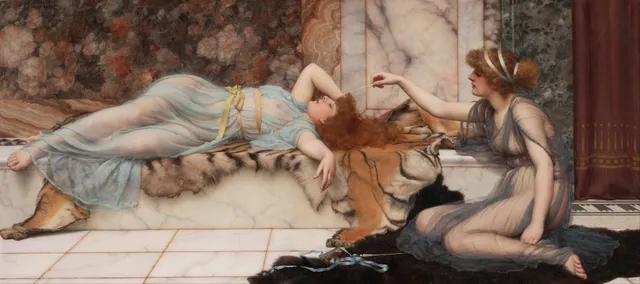
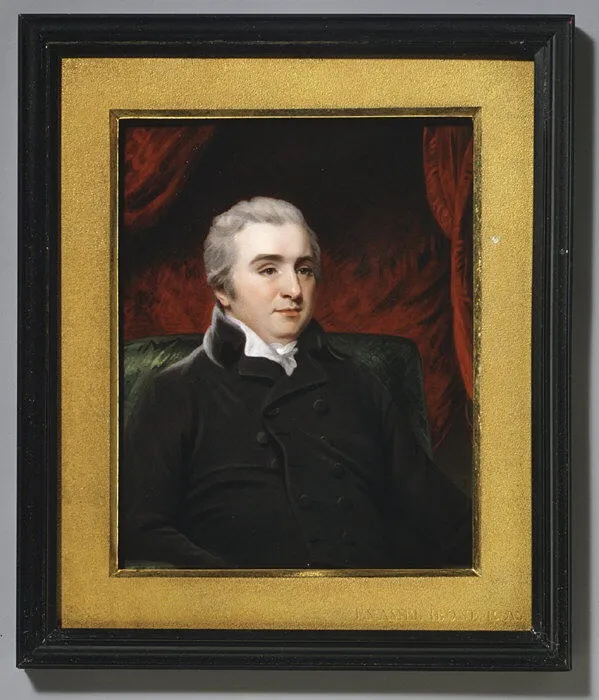
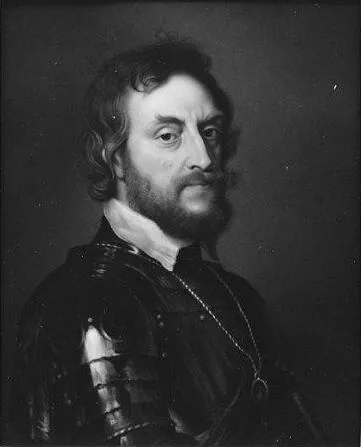
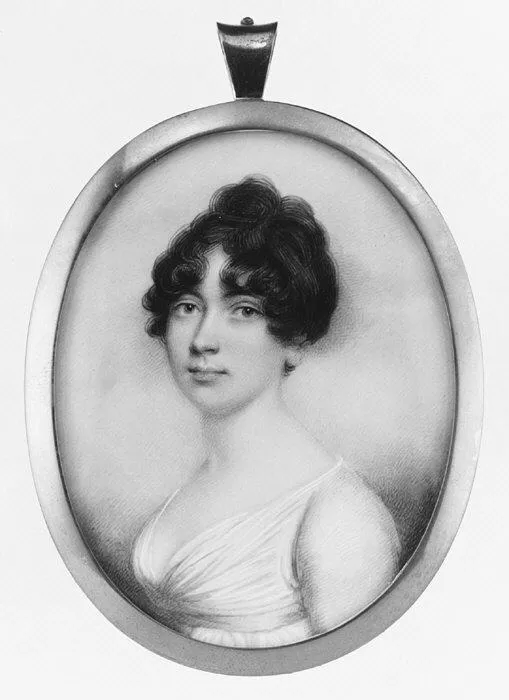
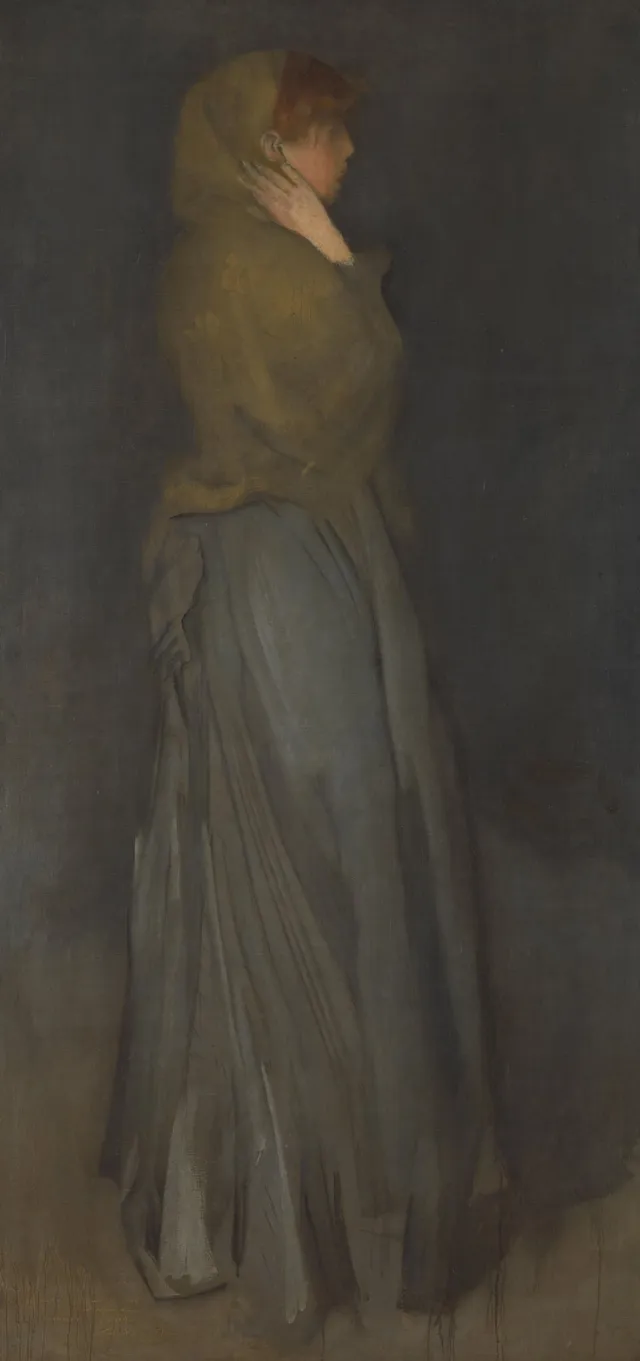
Aestheticism is an art movement dating from 1870. The gallery holds 103 works in this movement, including works by Henry Bone, Lawrence Alma-Tadema and James McNeill Whistler. Browse Aestheticism paintings, portraits, pictures and artworks from the world's public-domain museum collections.
Aestheticism, or the Aesthetic Movement, arose in Britain in the mid-nineteenth century, with roots in the 1860s before flowering into a broad cultural fashion during the 1870s and 1880s. It was a deliberate revolt against the dominant Victorian conviction—articulated most forcefully by the critic John Ruskin—that art must instruct, elevate, or moralise. Against this the Aesthetes raised the banner of "art for art's sake," a phrase descended from the French writer Théophile Gautier and popularised for English readers by Algernon Charles Swinburne and the Oxford don Walter Pater. Beauty, they held, was self-justifying; a painting owed nothing to narrative, sentiment, or social purpose, and existed only to give pleasure to the eye.
In practice this produced canvases prizing colour, tone, and decorative harmony over storytelling. Figures drift in reverie rather than act; subject matter dissolves into arrangement. The decisive influence was Japanese art, newly available after Japan's opening to trade, whose flattened space and asymmetry reshaped both fine and applied art. No one embodied the programme more sharply than James McNeill Whistler, who borrowed musical vocabulary—Nocturnes, Symphonies, Harmonies, Arrangements—to insist that his paintings be read as abstract orchestrations of colour. His decorative scheme known as the Peacock Room remains a landmark of the aesthetic interior, and our own collection holds his 'Arrangement in Yellow and Gray': Effie Deans.
The movement's leading painters included Whistler, Albert Moore, and Frederic, Lord Leighton, alongside Edward Burne-Jones, George Frederic Watts, and Dante Gabriel Rossetti; the classicising idyll of followers such as John William Godward, whose Mischief and Repose we hold, prolonged its taste for languid beauty. The opening of the Grosvenor Gallery in 1877 gave these artists a fashionable showcase. It also precipitated the cause célèbre of the era: Whistler's 1878 libel suit against Ruskin, who had derided Nocturne in Black and Gold: The Falling Rocket as "flinging a pot of paint in the public's face." Whistler won, but was awarded a contemptuous farthing.
Popularised in wider culture by Oscar Wilde, Aestheticism reshaped interior design, dress, and the decorative arts, and its emphasis on flowing line and pure ornament fed directly into Art Nouveau and the Decadent movement at the century's close.
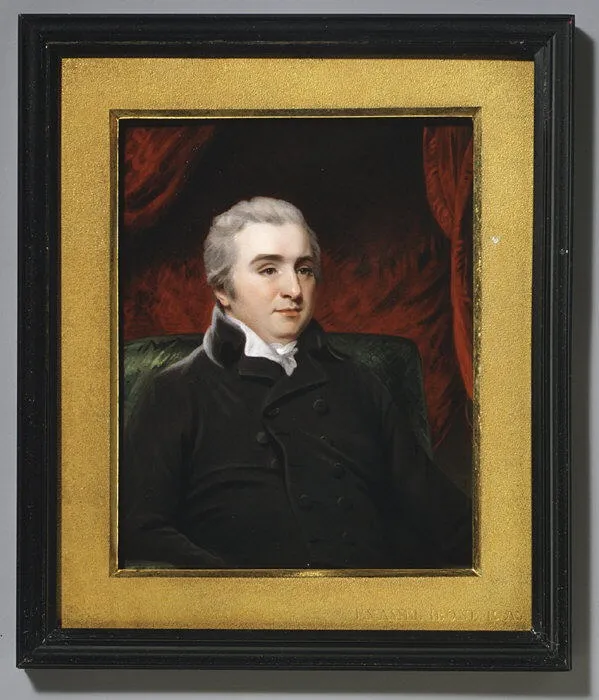
Key artists
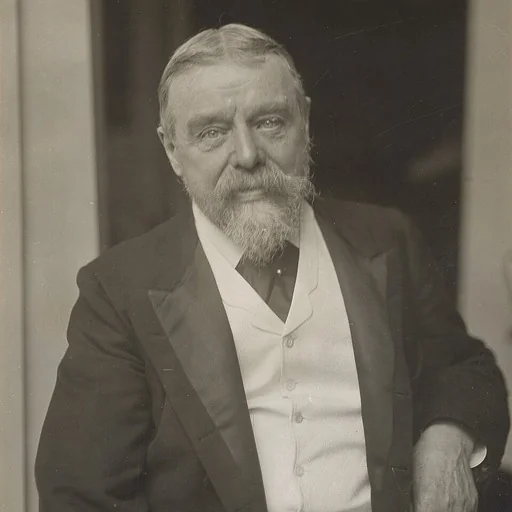
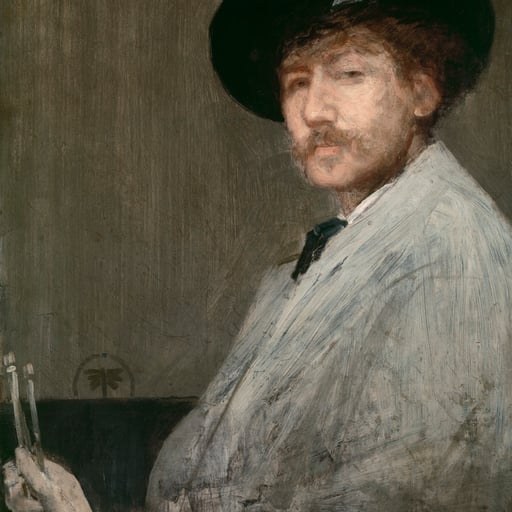
Artist

Works
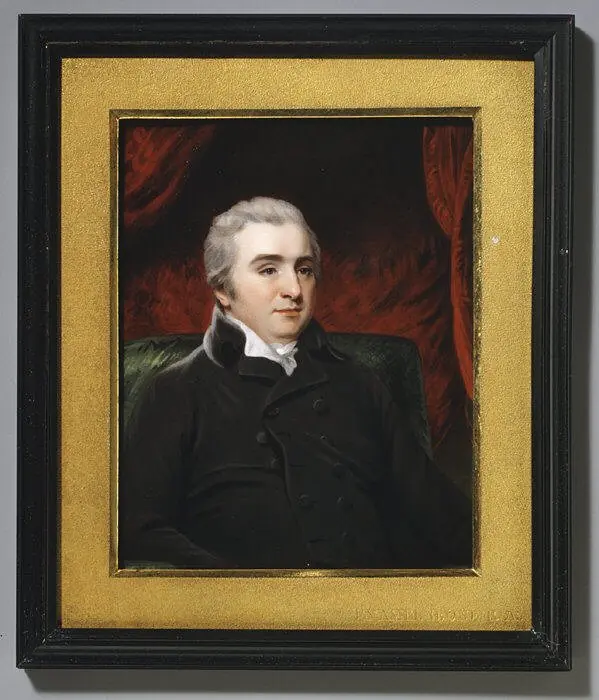 Matthew Baillie (1761–1823), F.R.S., after Hoppner
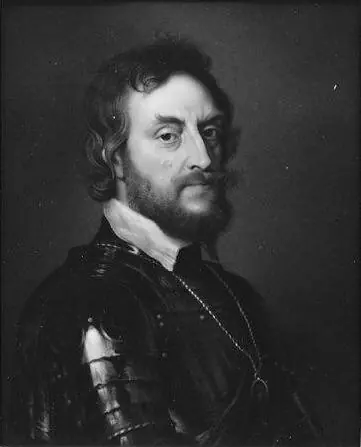 Thomas Howard (1585–1646), Second Earl of Arundel, after Rubens
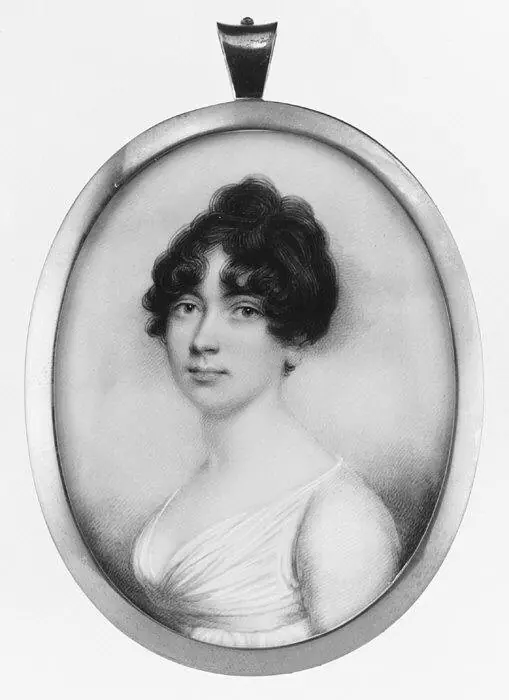 Elizabeth Bushby
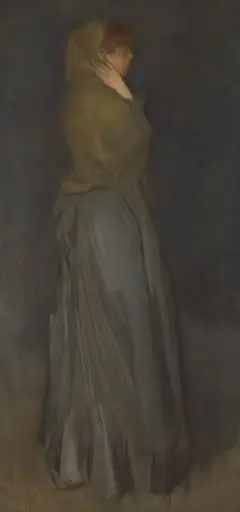 ‘Arrangement in Yellow and Gray’: Effie Deans
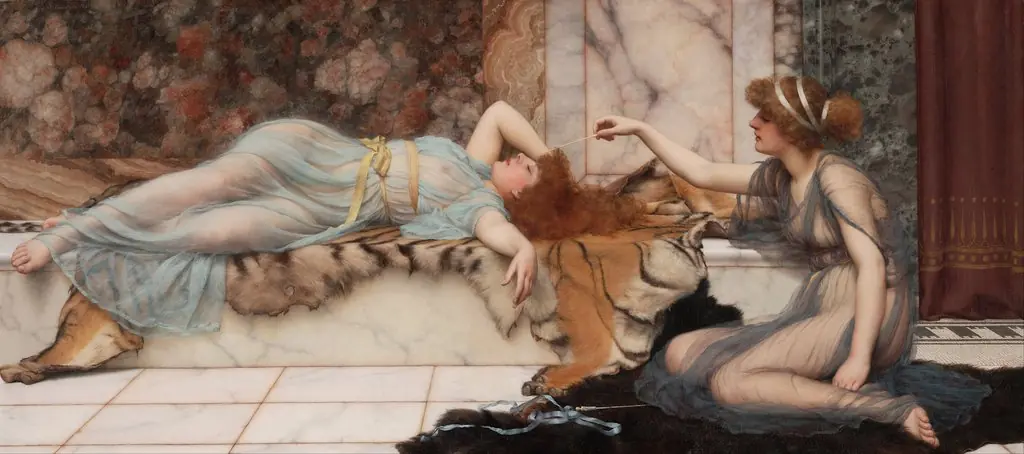 Mischief and Repose
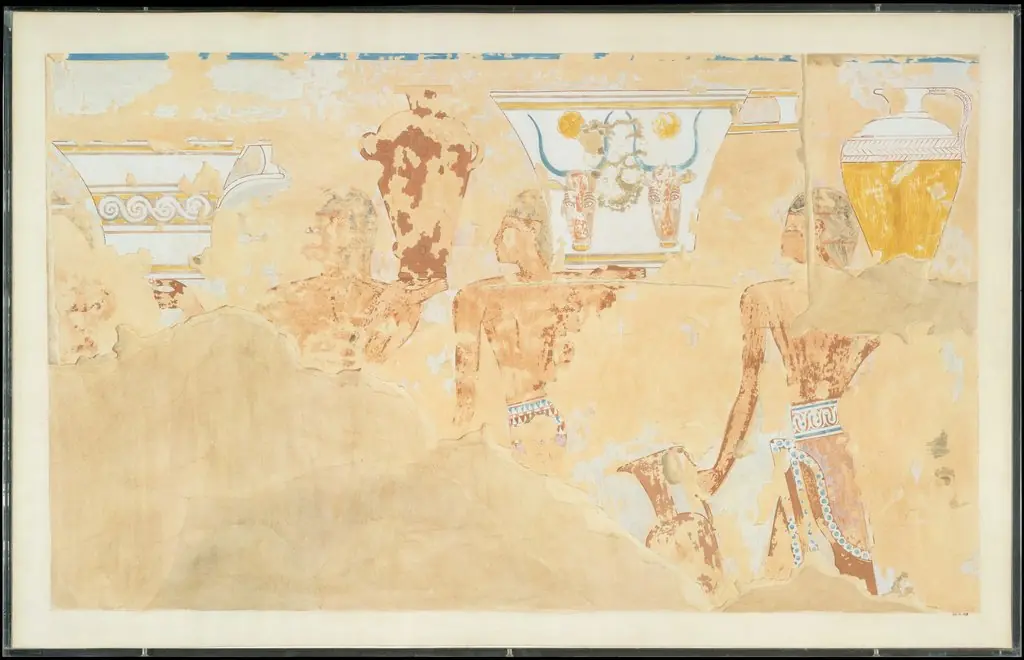 Fragmentary Scene of Foreigners, Tomb of Senenmut
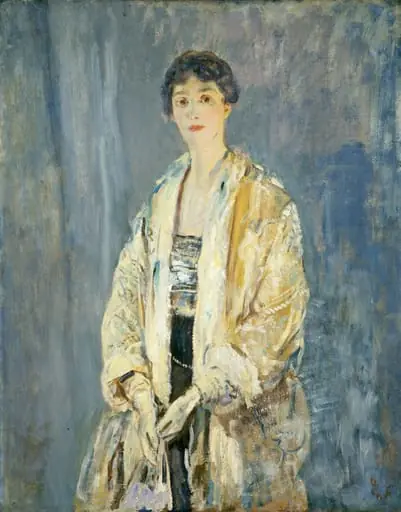 Mrs. Francis Howard
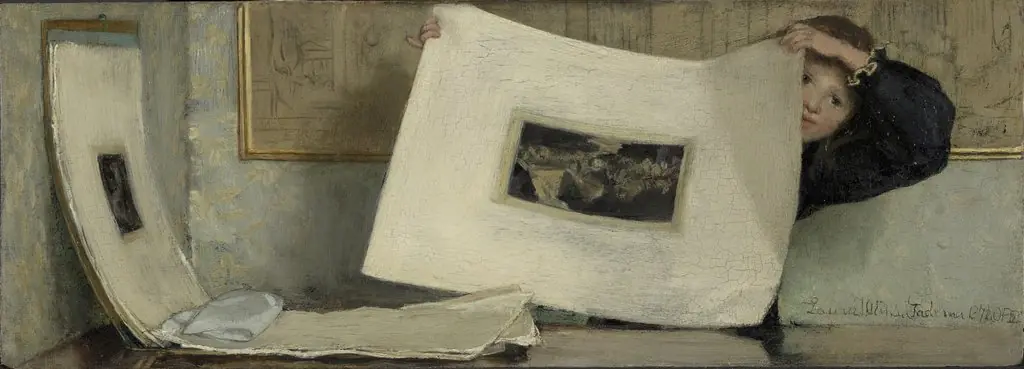 Anna Leafing through a Portfolio of Prints
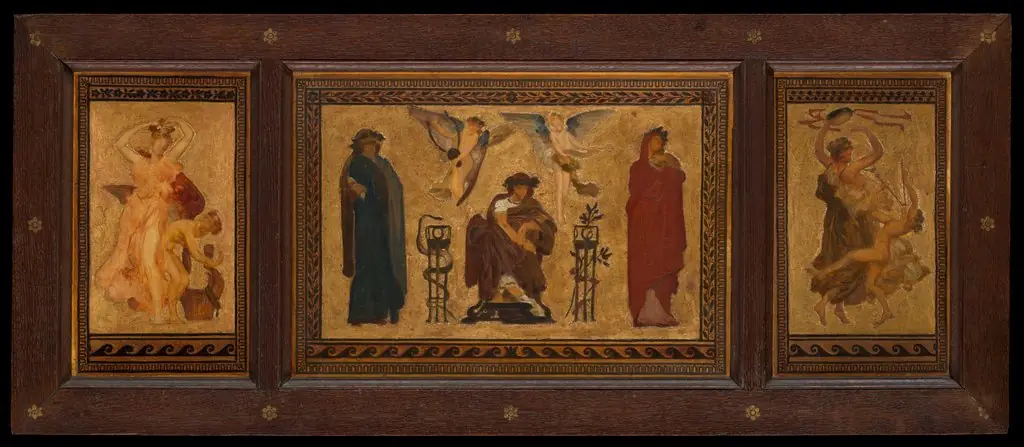 Study for the Ceiling of the Marquand Music Room
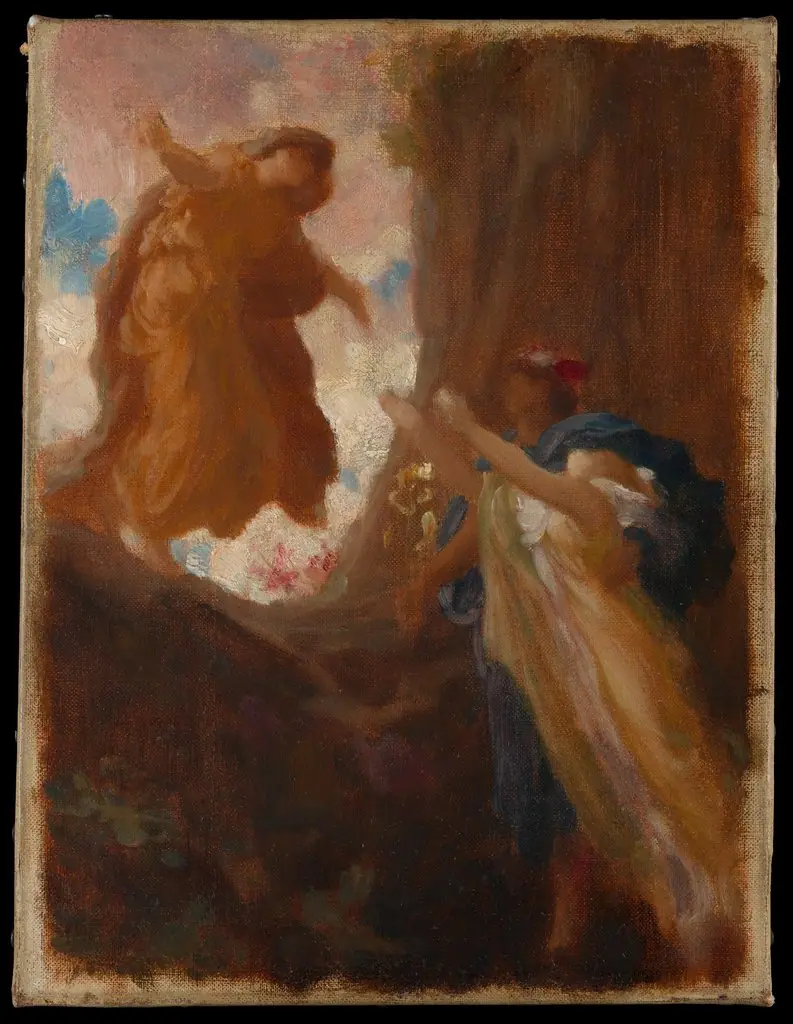 The Return of Persephone
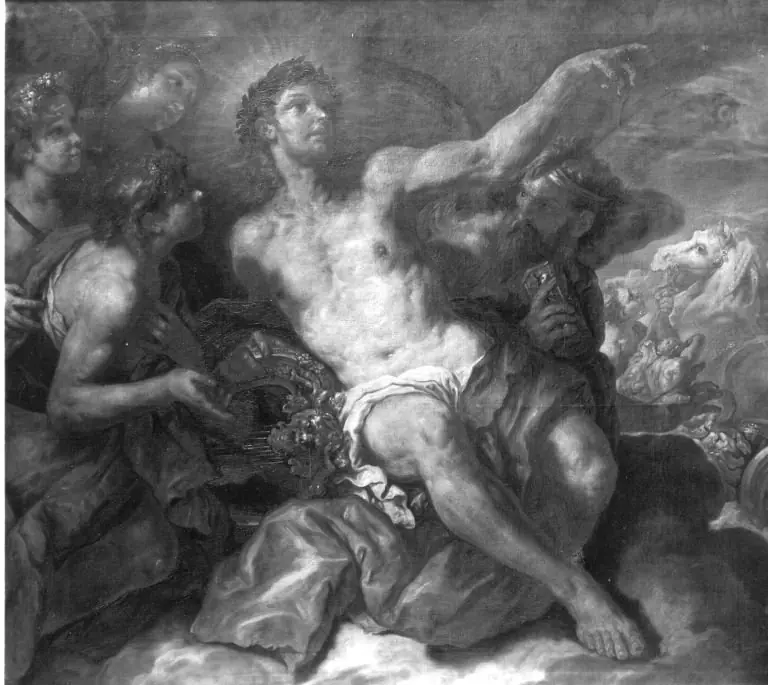 Allegorie auf die Zeit
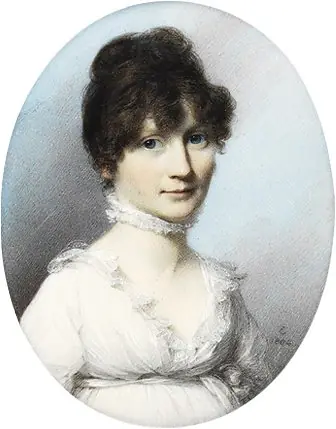 Portrait miniature of an unknown woman
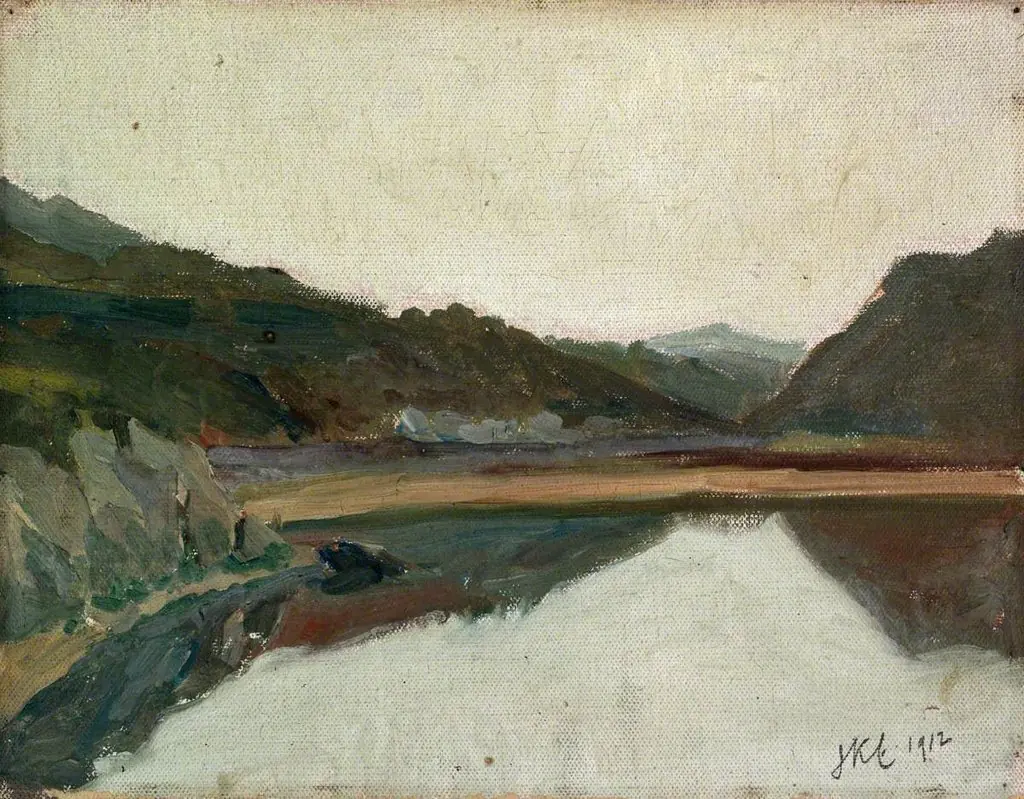 Reflections
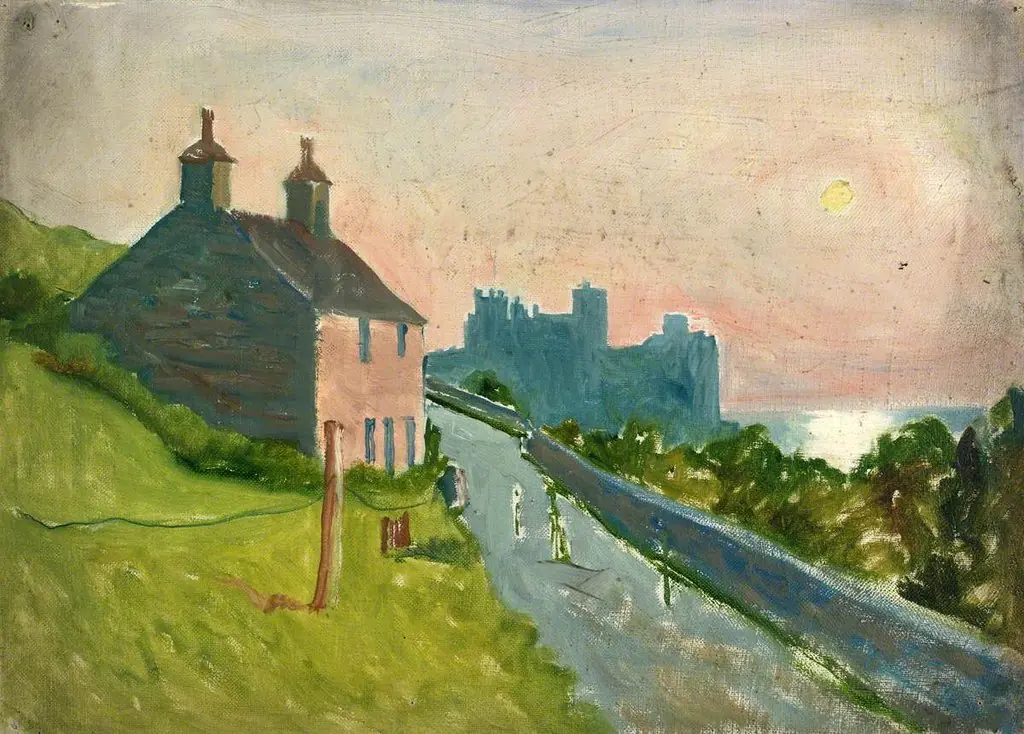 Harlech
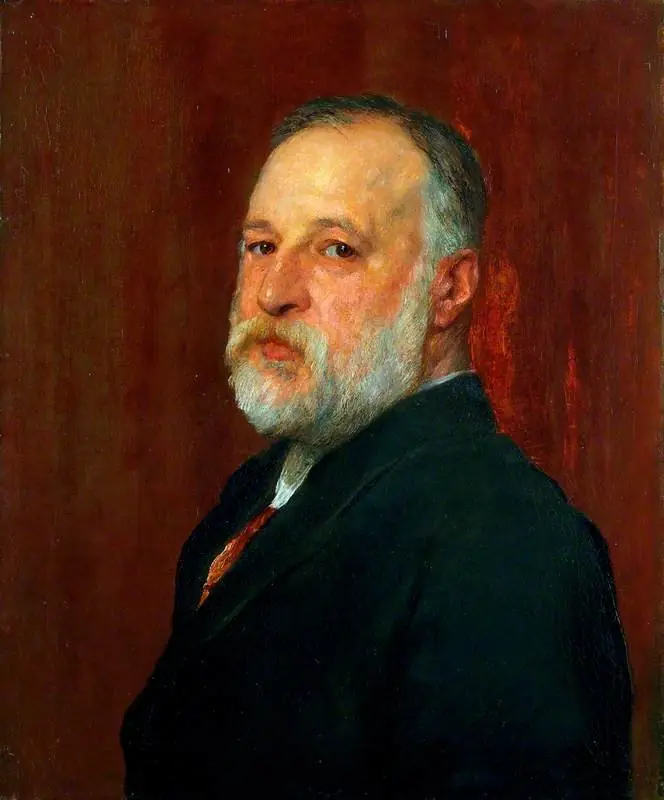 Constantine Alexander Ionides (1833–1900)
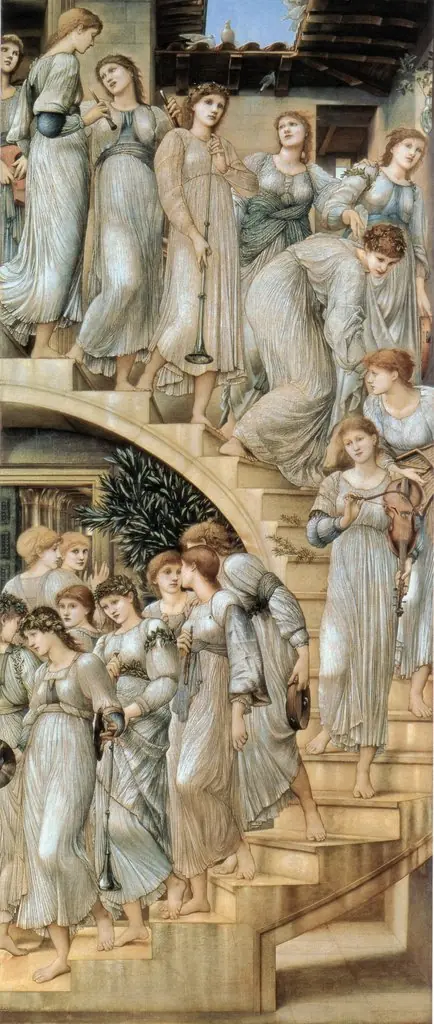 The Golden Stairs
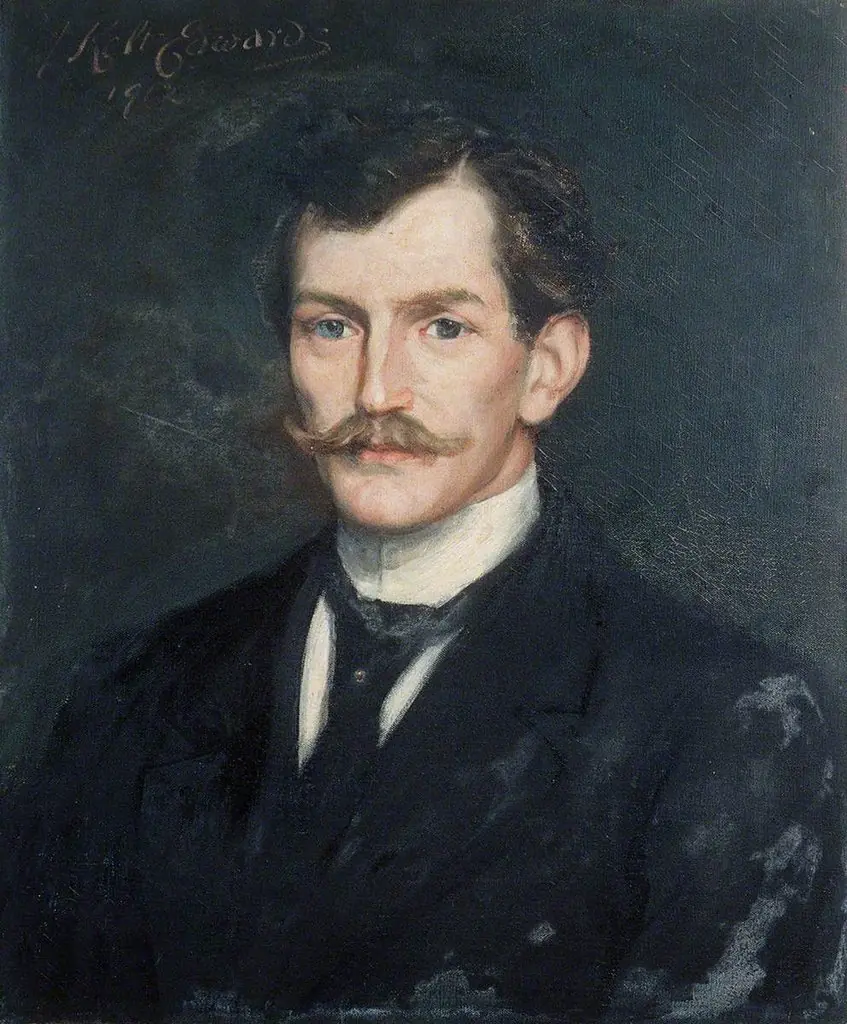 Portrait of a Young Man with a Moustache
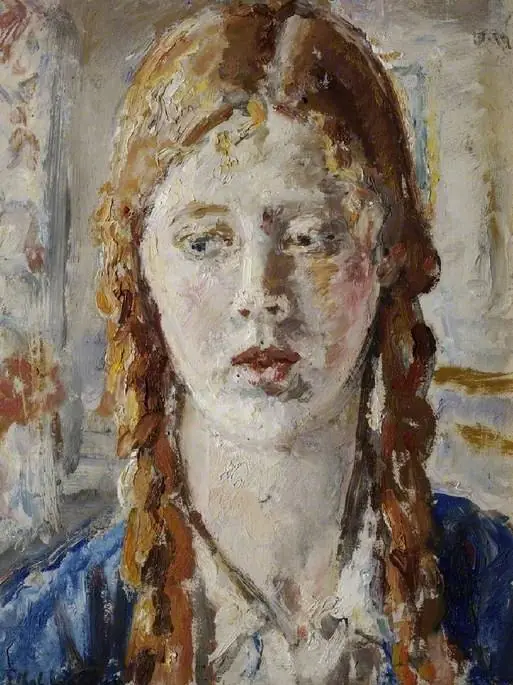 Girl's head
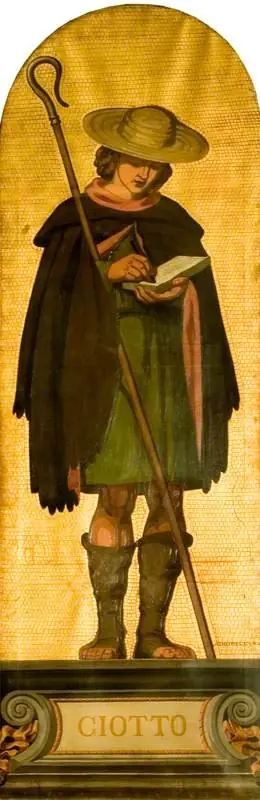 Giotto (c.1267–1337) (design for a mosaic in the Victoria and Albert Museum)
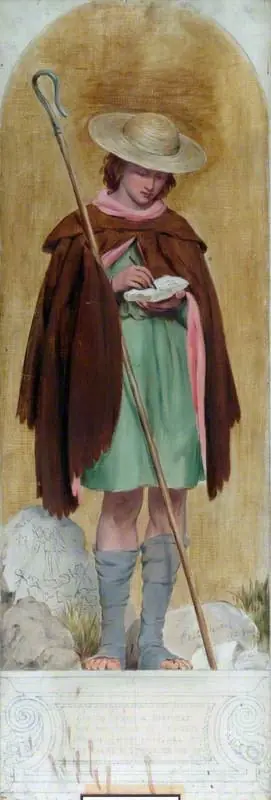 Giotto (c.1267–1337) (design for a mosaic in the Victoria and Albert Museum)
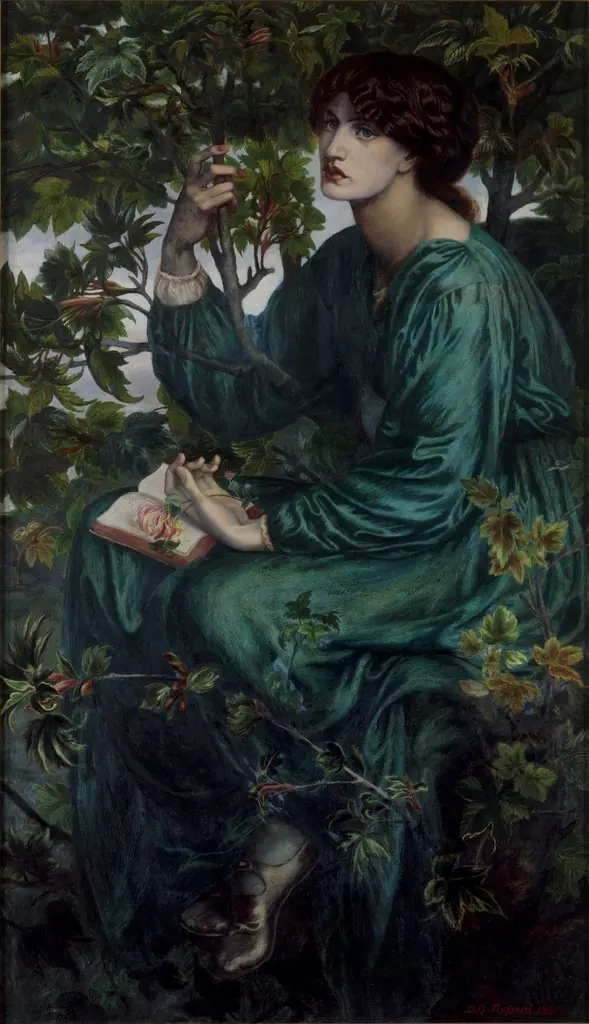 The Day Dream
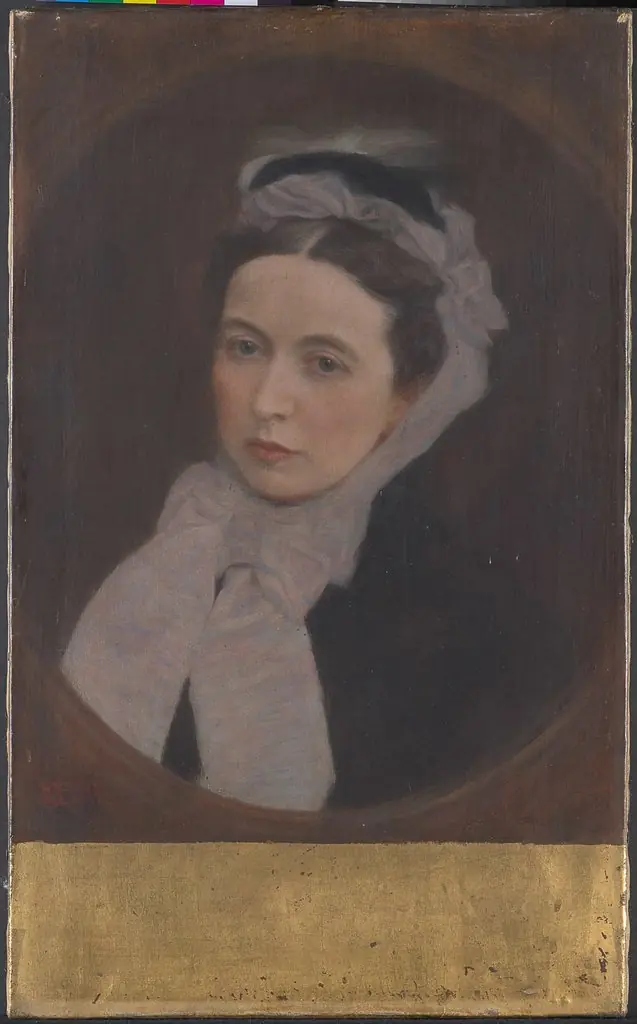 Lady with the lilac scarf (Dame mit lila Schal)
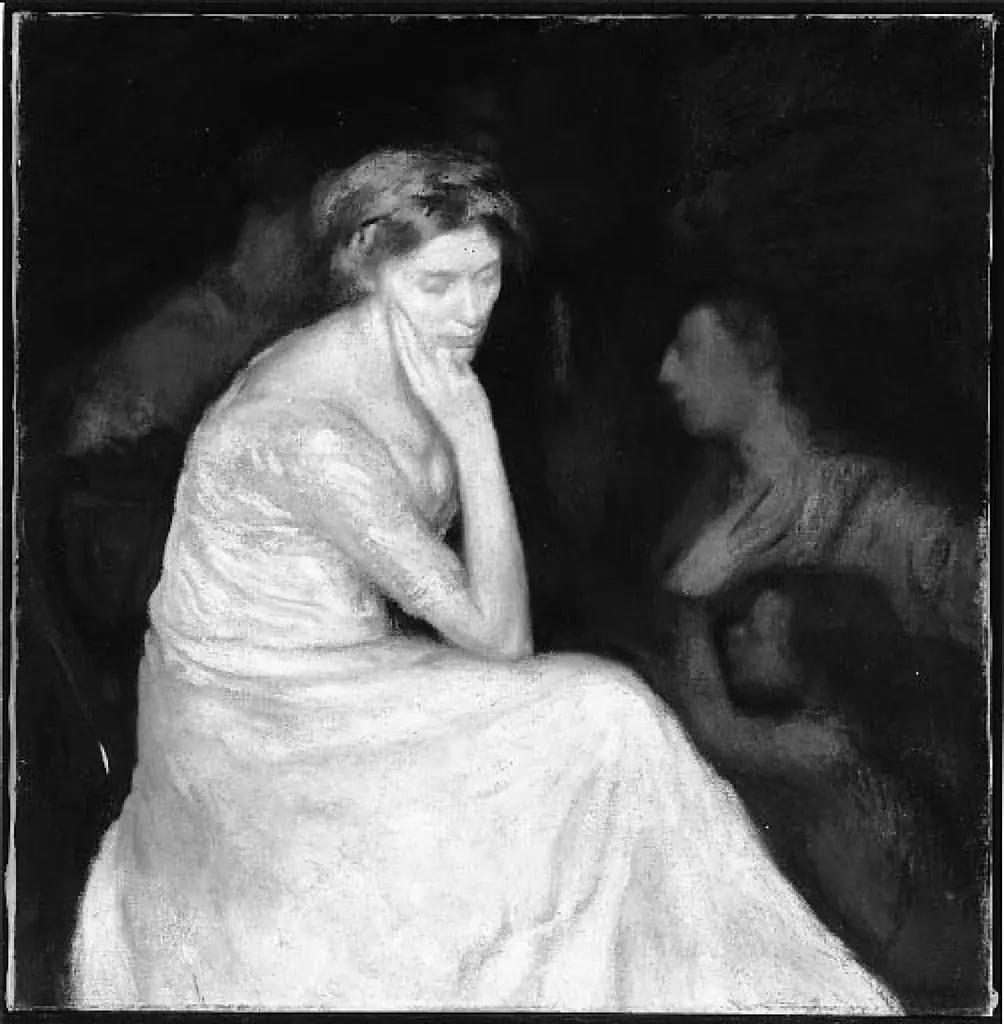 The Dreamer
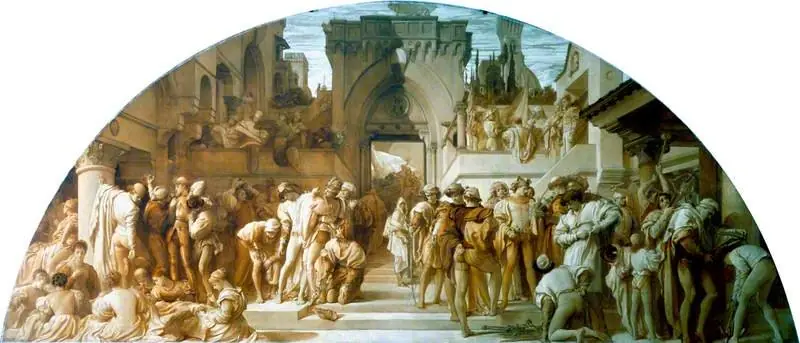 The Arts of Industry as Applied to War (cartoon for a wall painting in the Victoria and Albert Museum)
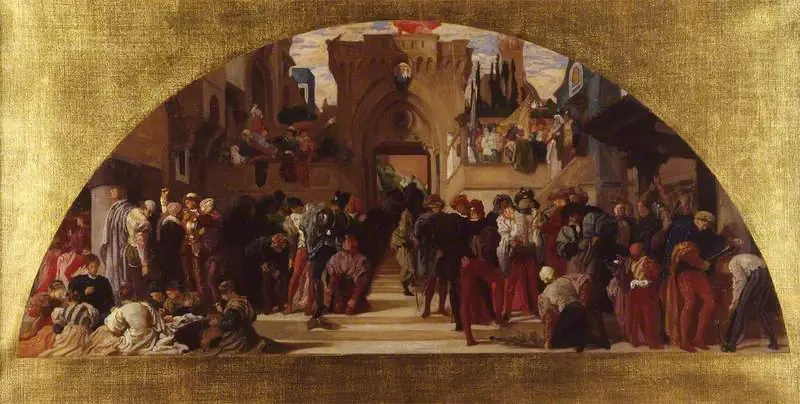 The Arts of Industry as Applied to War (study for a wall painting in the Victoria and Albert Museum)
 The Pilgrim outside the Garden of Idleness (scene from the 'Roman de la rose')
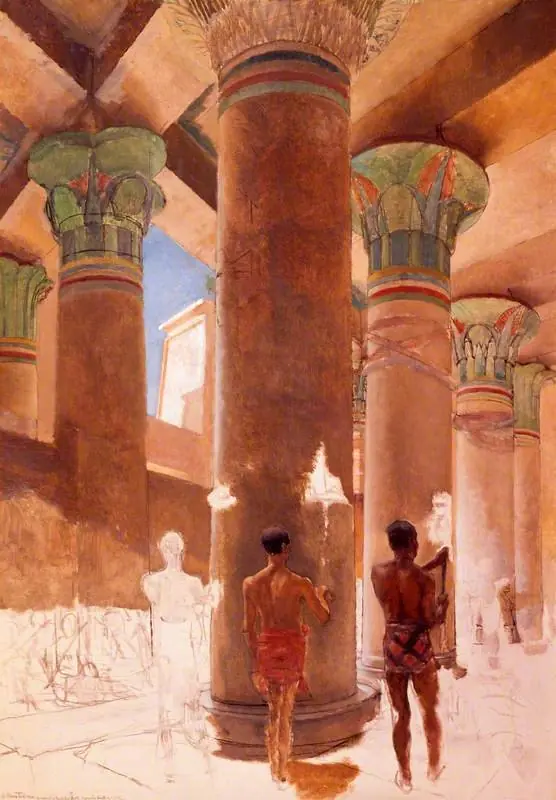 Cleopatra at Philae
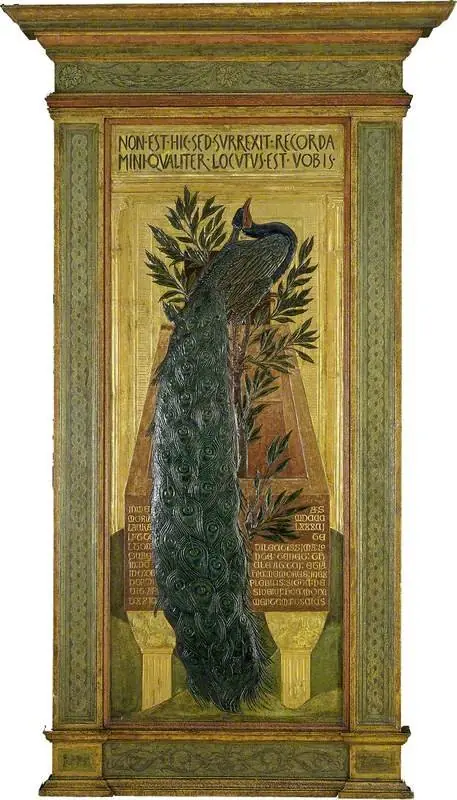 A Peacock
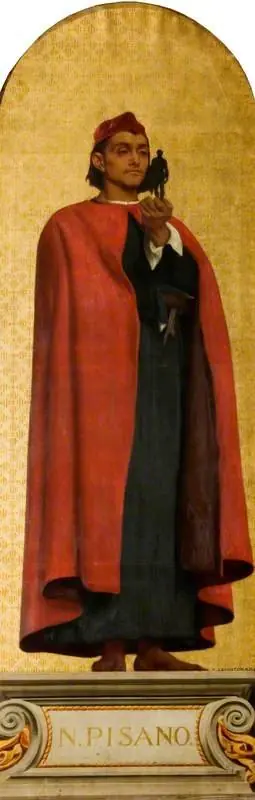 Nicola Pisano (c.1220/1225–c.1284) (design for a mosaic in the Victoria and Albert Museum)
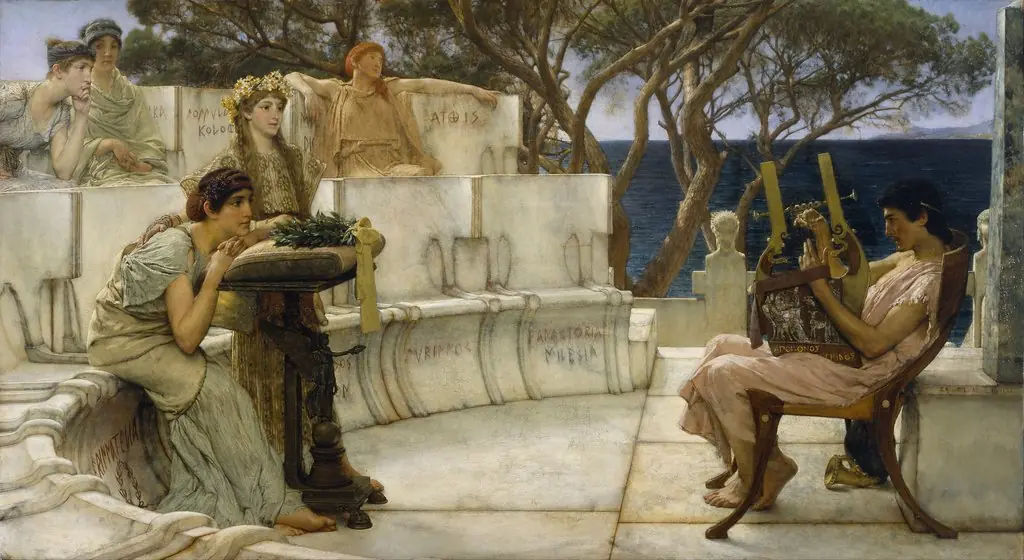 Sappho and Alcaeus
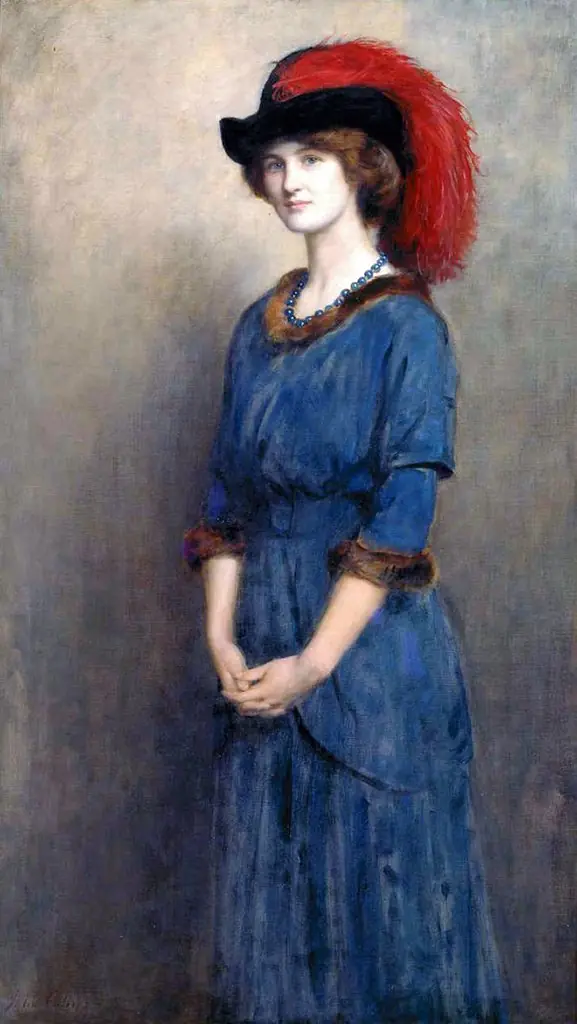 Mrs Campbell McInnes (later Angela Thirkell)
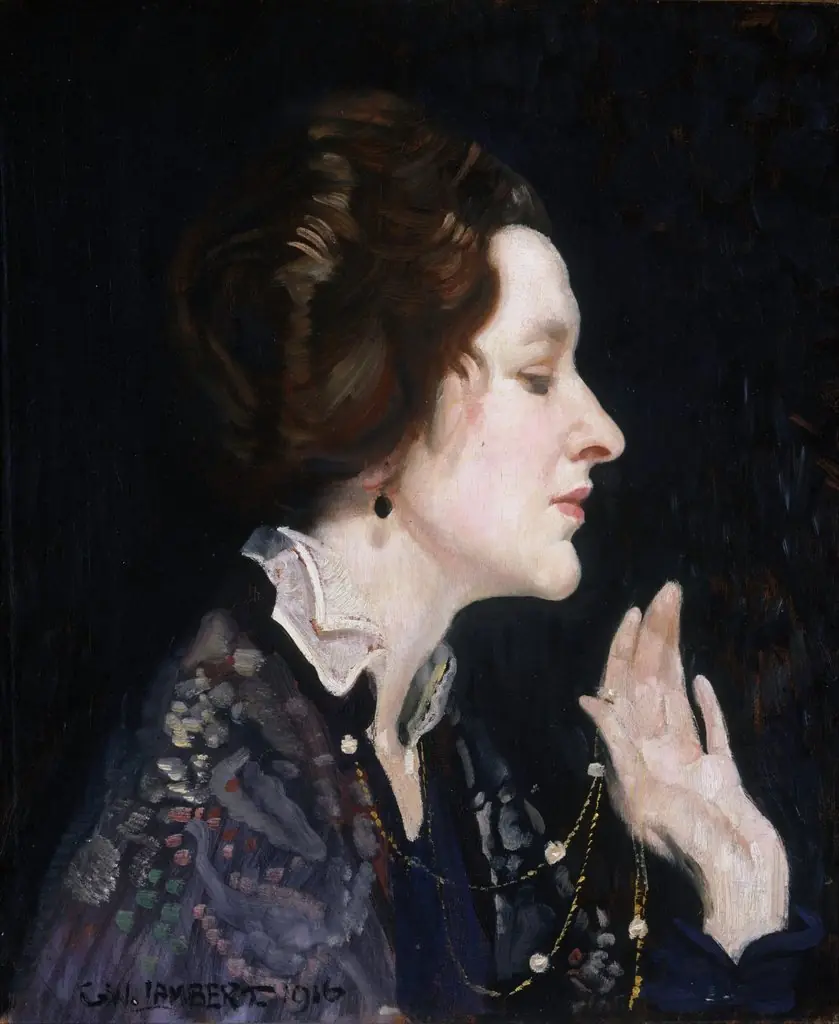 Portrait of a lady (Thea Proctor)
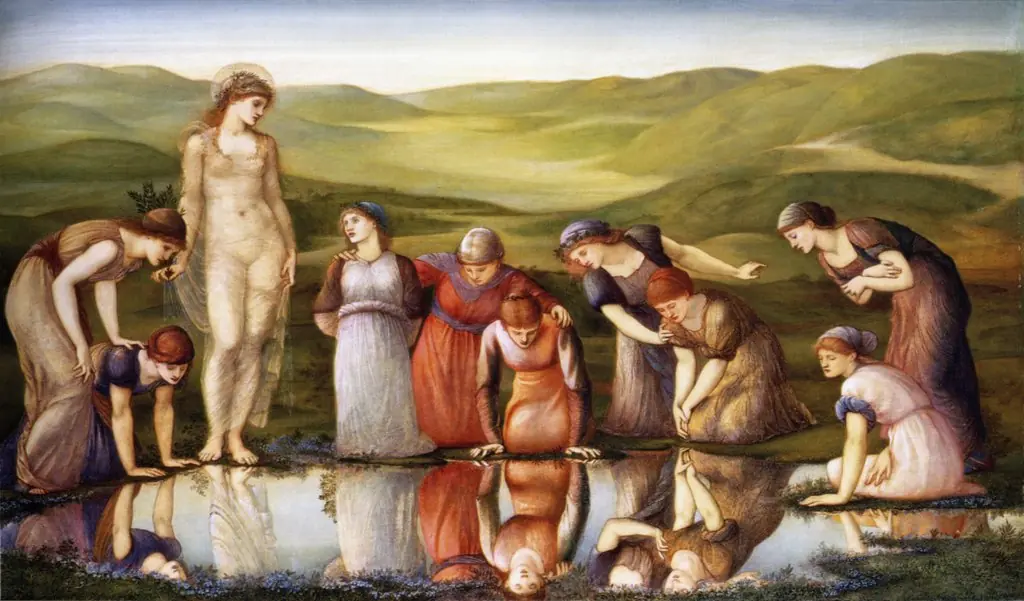 The Mirror of Venus
 The Mirror of Venus.
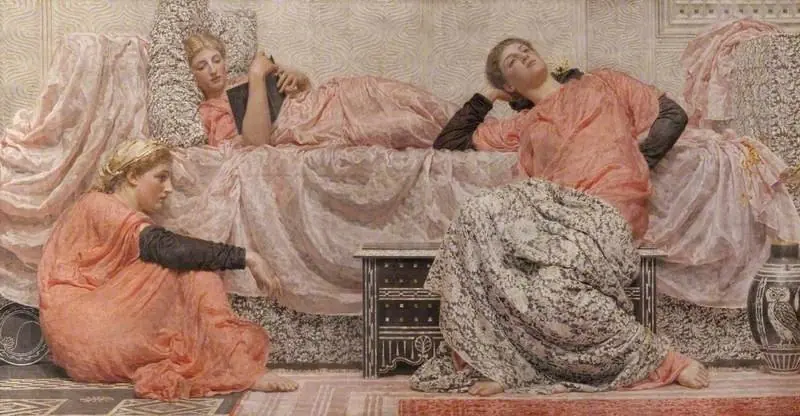 Reading Aloud
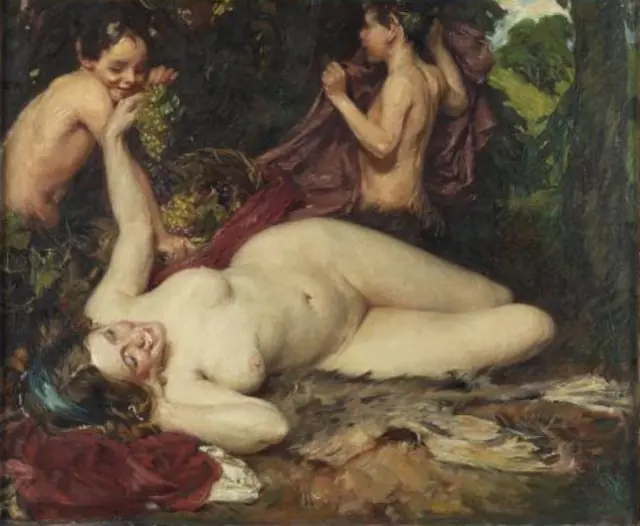 A Bacchante and Fauns
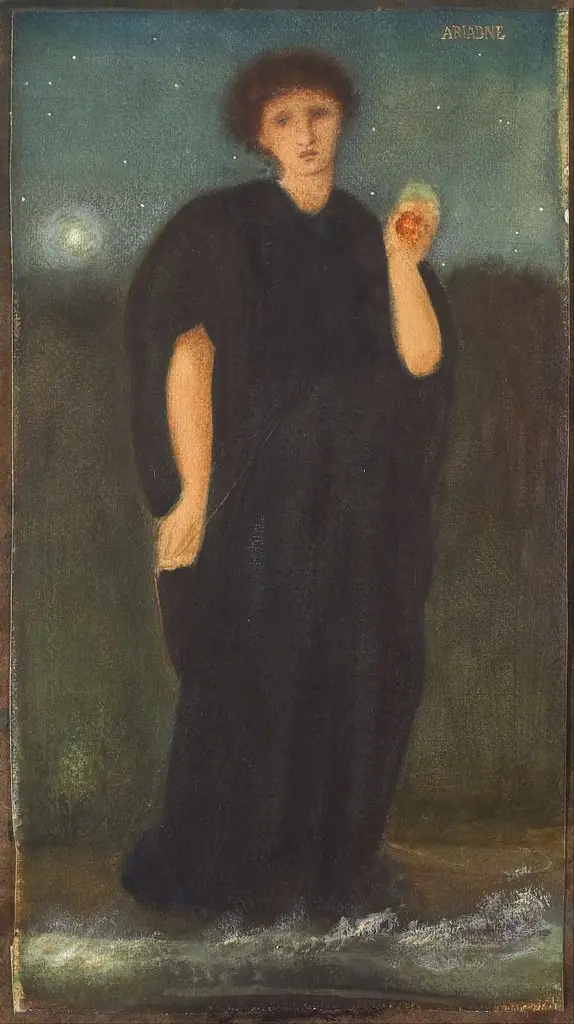 Ariadne
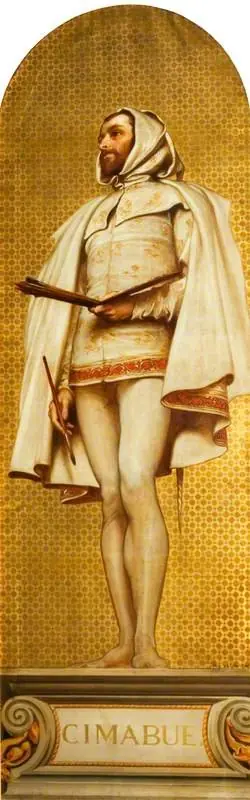 Giovanni Cimabue (1240–1302) (design for a mosaic in the Victoria and Albert Museum)
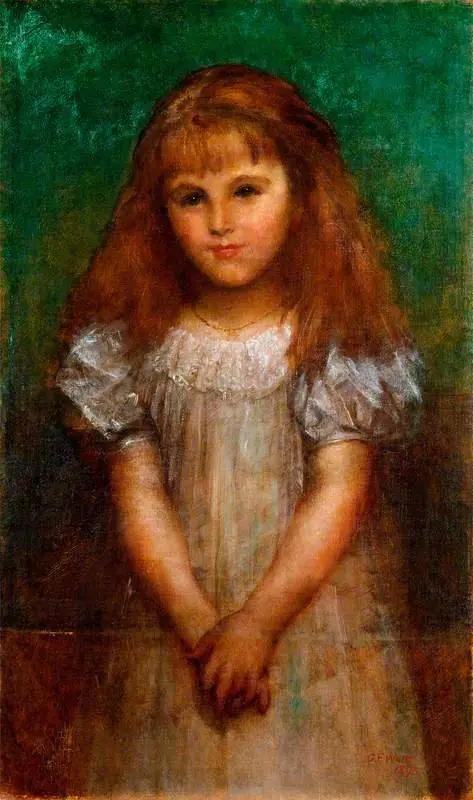 Agathonike Helen Ionides (1887–1976)
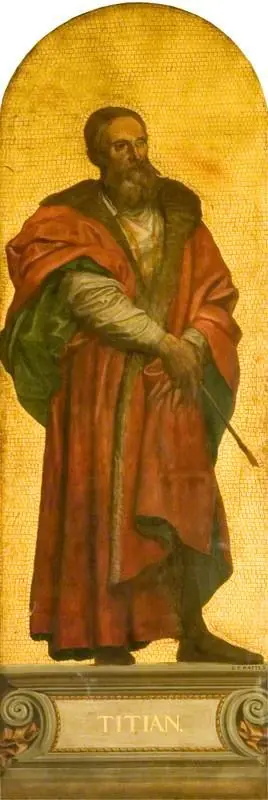 Titian (c.1485–1576) (design for a mosaic in the Victoria and Albert Museum)
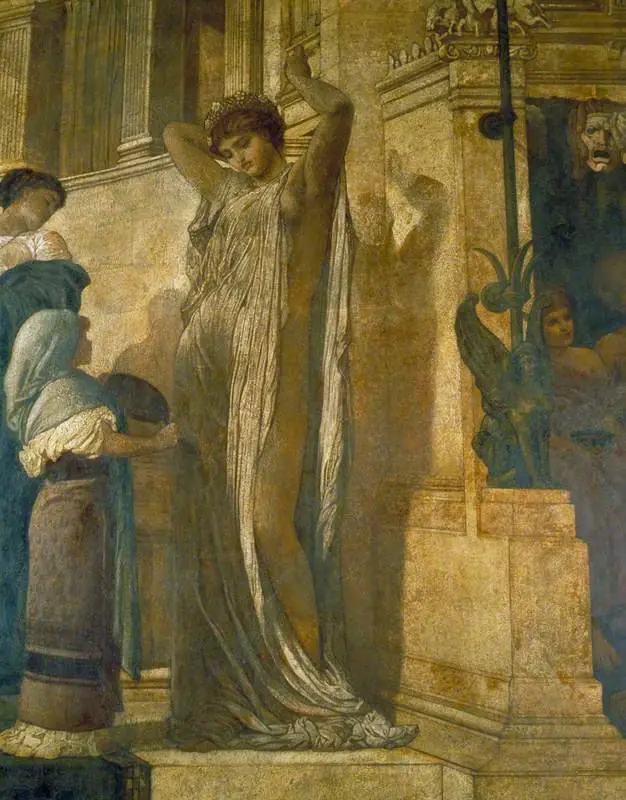 The Arts of Industry as Applied to Peace (sketch for a wall painting in the Victoria and Albert Museum)
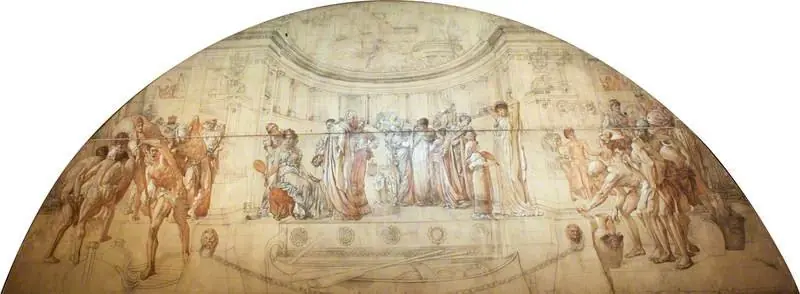 The Arts of Industry as Applied to Peace (full-scale cartoon for a wall painting in the Victoria and Albert Museum)
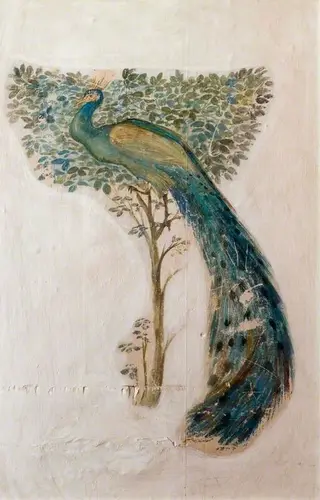 A Peacock
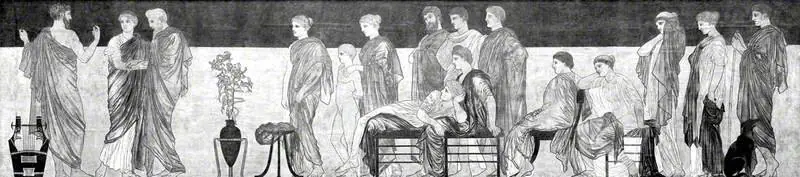 An Ancient Greek Audience Watching a Performance of 'Antigone' by Sophocles
 The Feast of Peleus
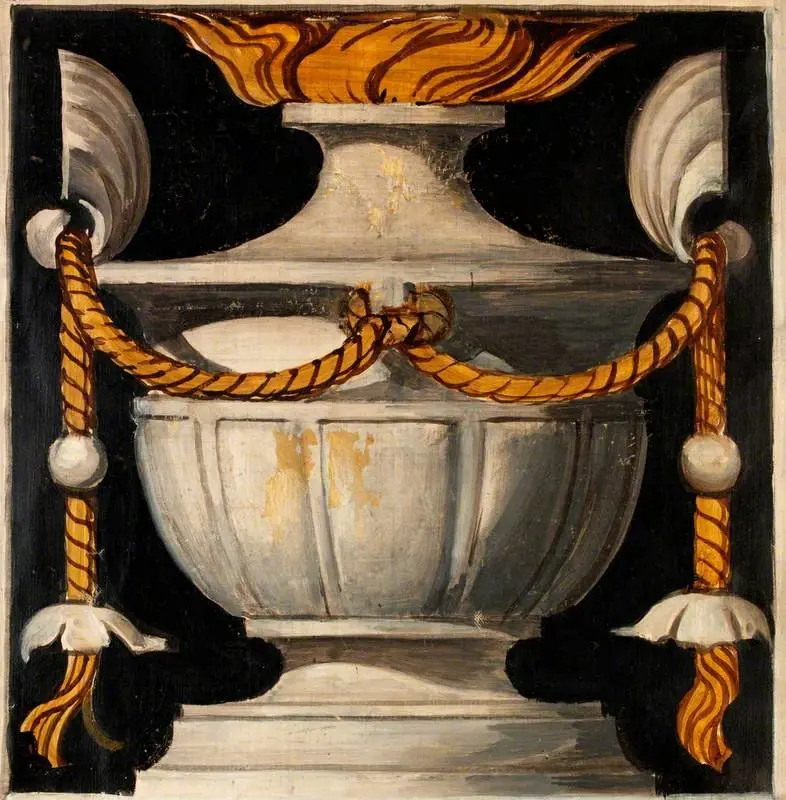 Design for a Decorative Panel
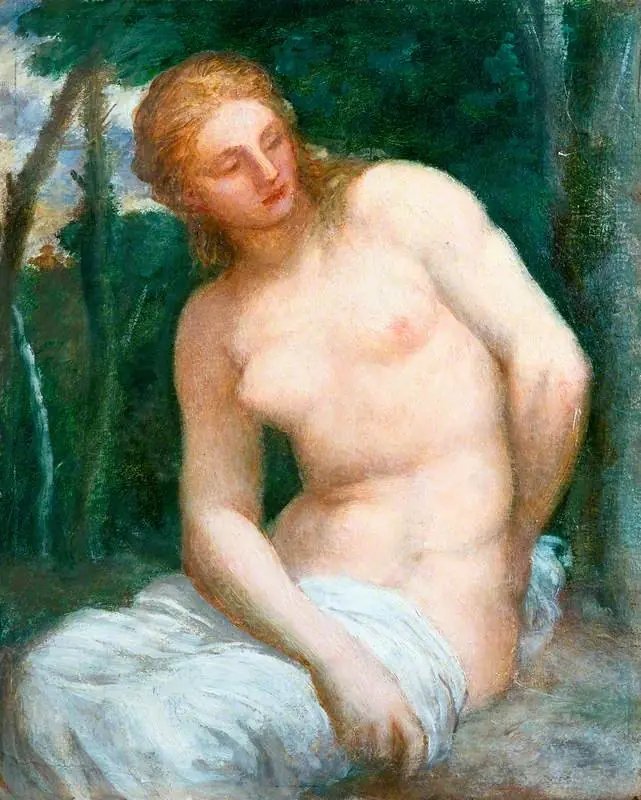 Daphne's Bath
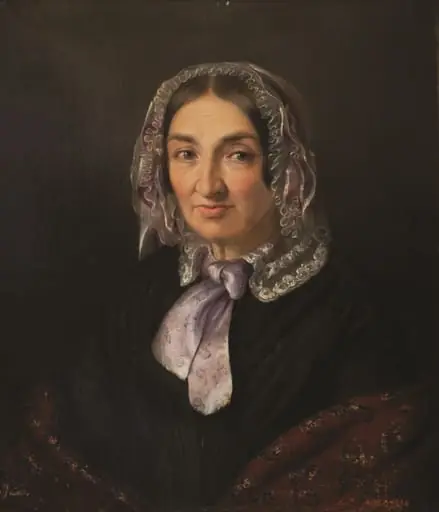 Portretul Elisabetei Steege
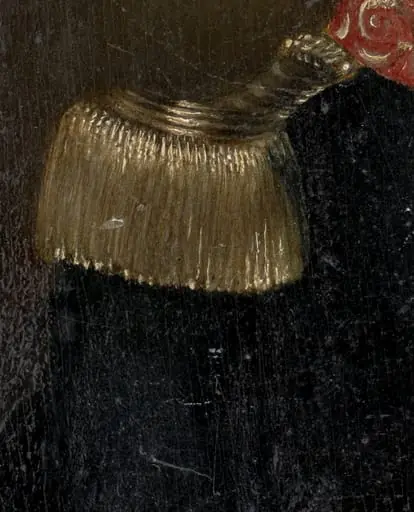 Portret de ofițer
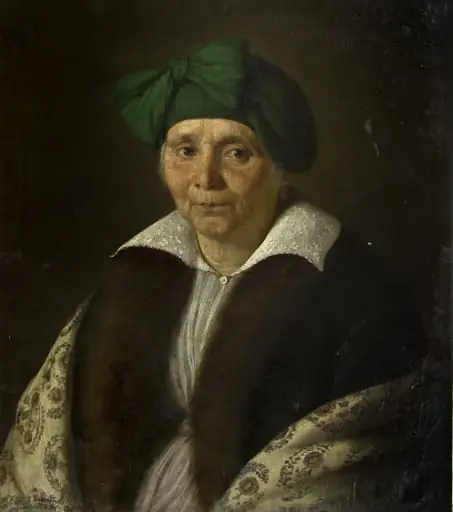 Portretul mamei actorilor Caragiale
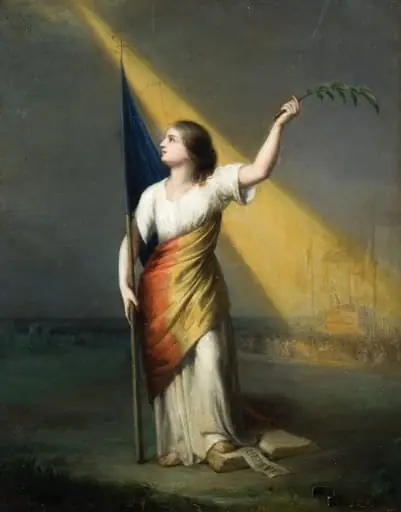 România rupându-și cătușele pe Câmpia Libertății
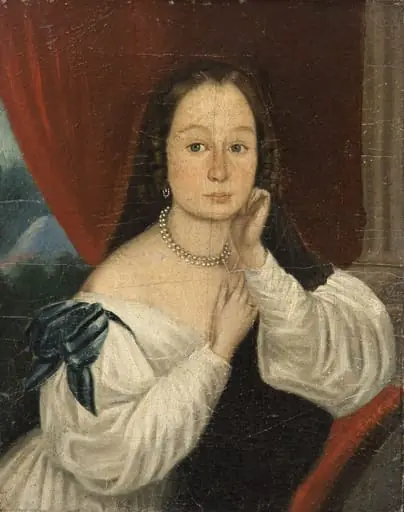 Portretul doamnei arhitect Wagner
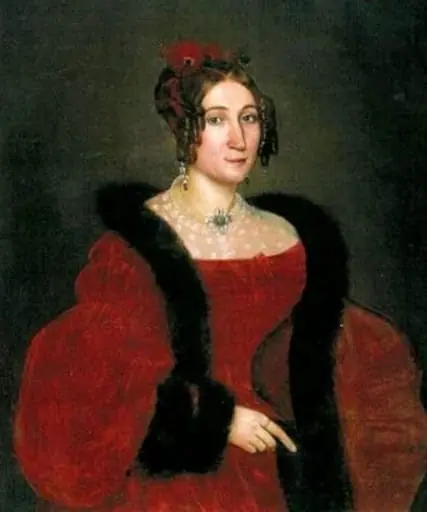 Portret de femeie
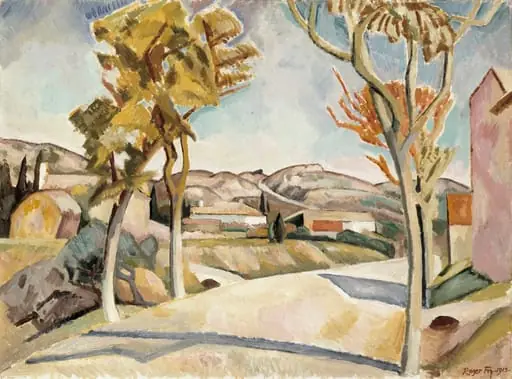 Maisema
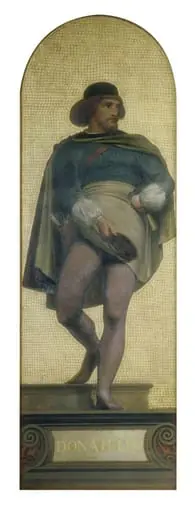 Donatello: design for a mosaic in the Museum (the 'Kensington Valhalla')
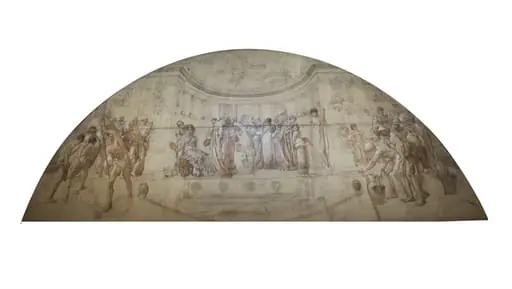 Full-scale monochrome cartoon for 'The Arts of Industry as Applied to Peace'
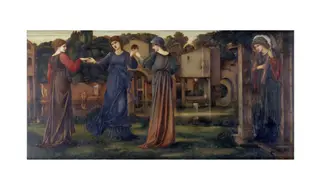 The Mill: Girls Dancing to Music by a River
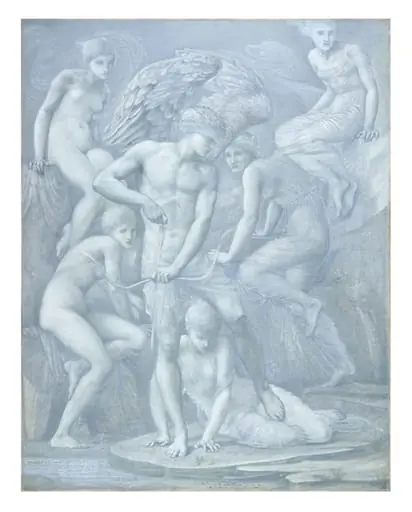 Cupid's Hunting Fields
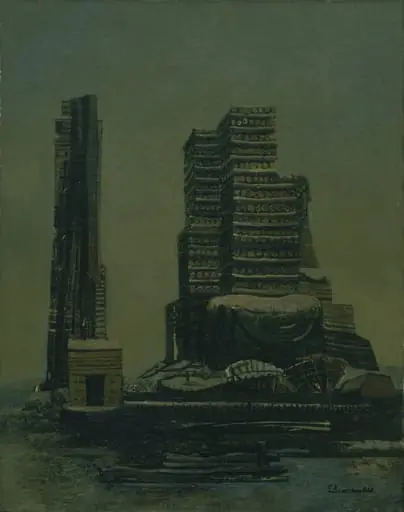 Untitled
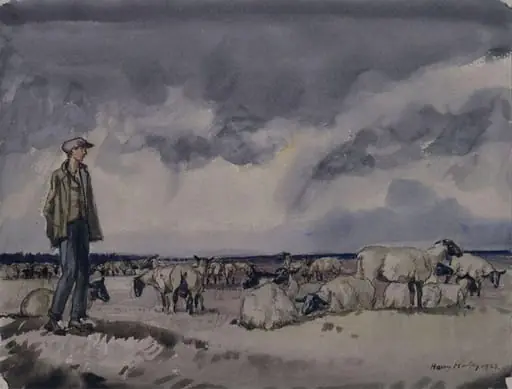 The Shepherd Boy
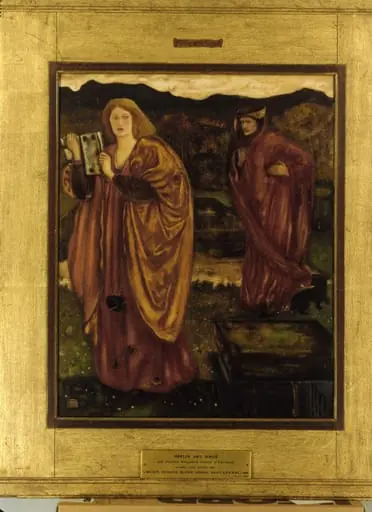 Merlin and Nimue
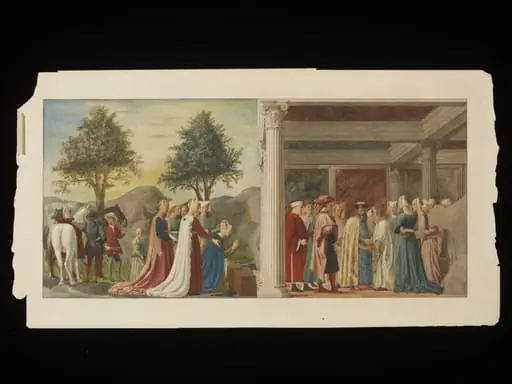 Arundel Society watercolour, Copy after the painting St Helena Finds the True Cross, by Piero della Francesca in San Francesco, Arezzo
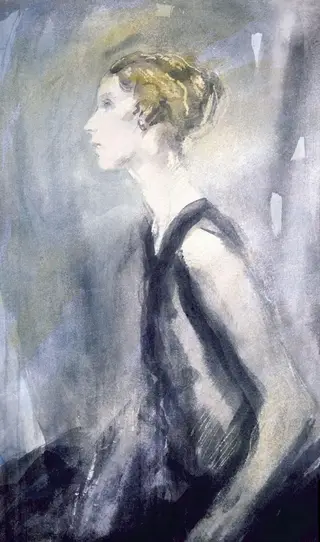 Margherita
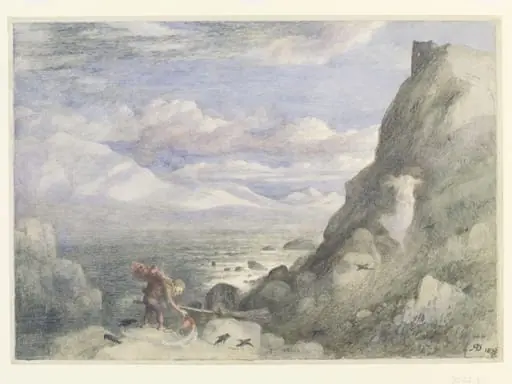 The Witch's Home, No. 1 : Broom Waiting- Coming Out
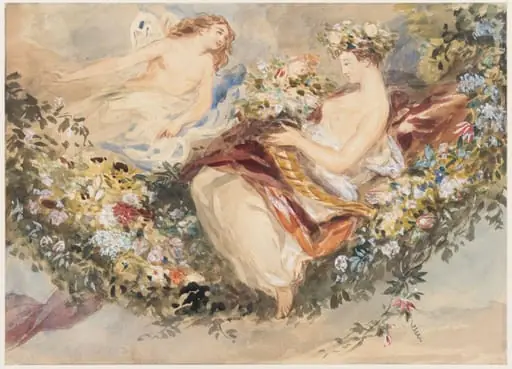 Flora and Zephyr
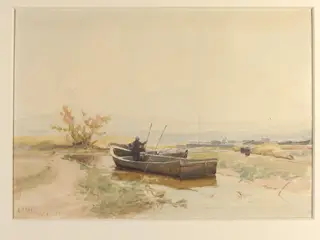 Lake Biwa, Japan
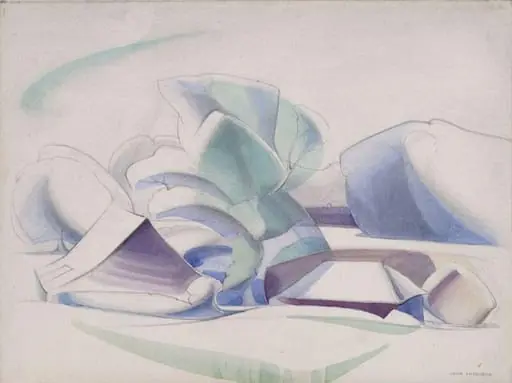 Underhill Farm
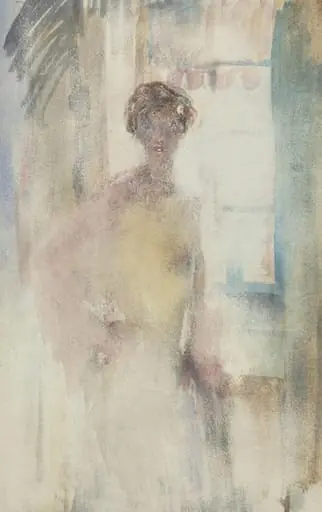 Rita
Rita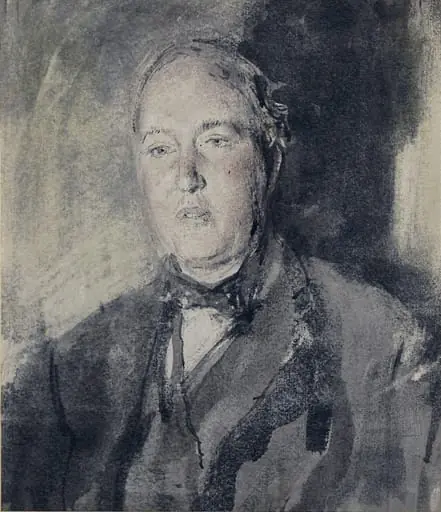 Mr St. John Hutchinson, K.C.
 Study for 'To the Land of Ecstasy'
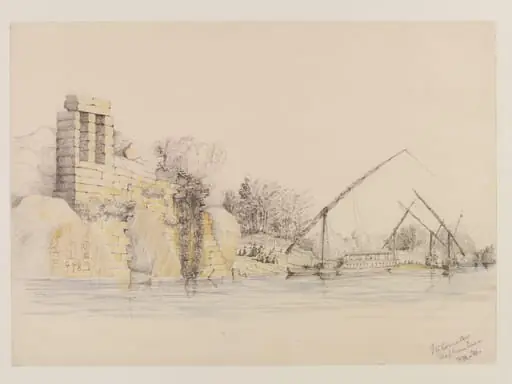 Nilometer, Elephantine
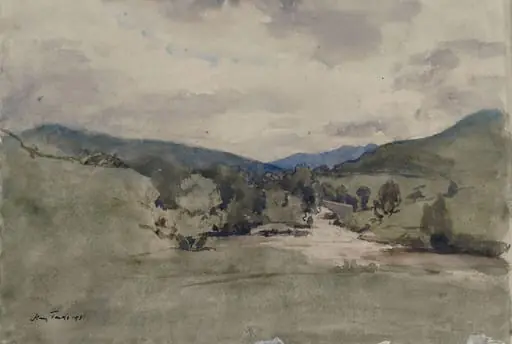 Morven
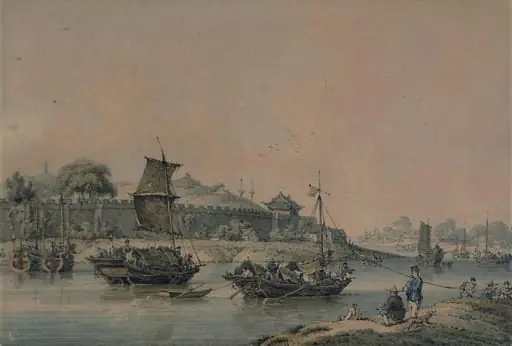 On one of the Rivers of China
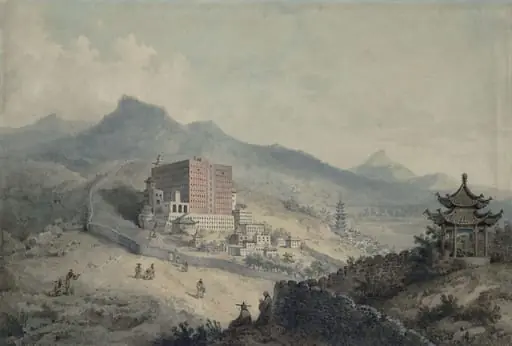 Poo-Ta-La, or Great Temple of Fo, near Zhehol in China
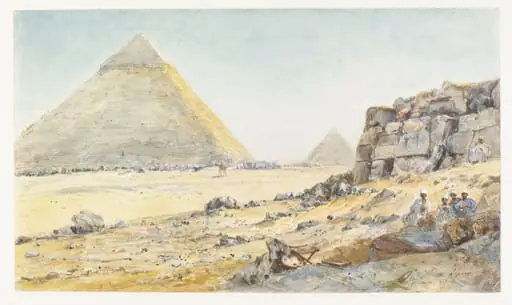 Tombeau de Lipsius. Pyramide. Chefren. 1880-1890
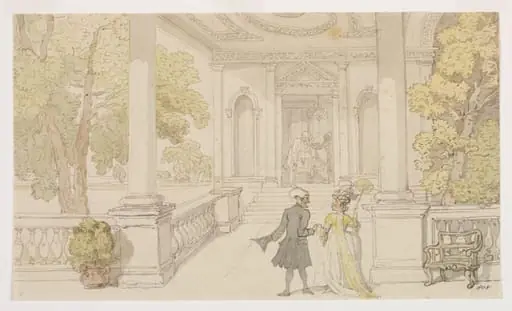 The Tour of Dr. Syntax in Search of the Picturesque
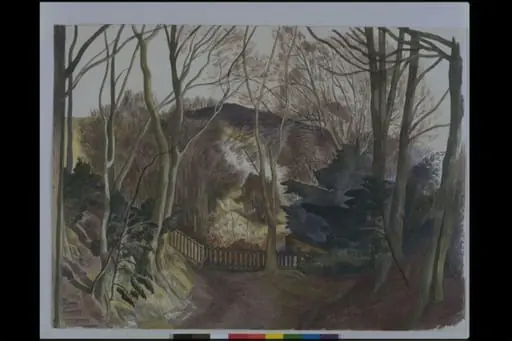 Whiteleaf
 Mountains
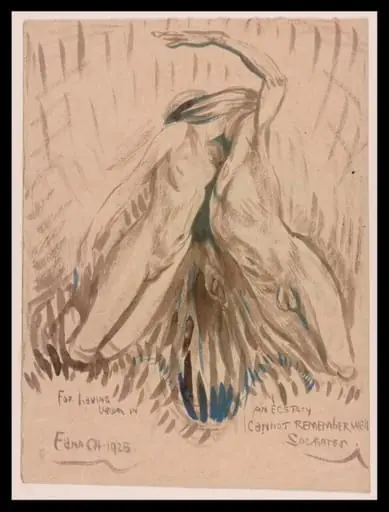 Poem Painting
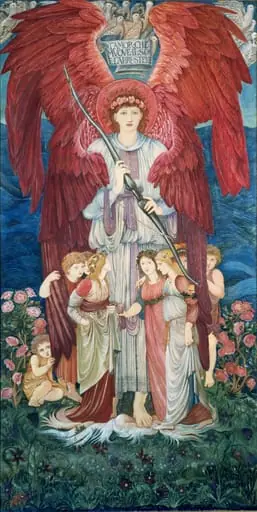 Love
Love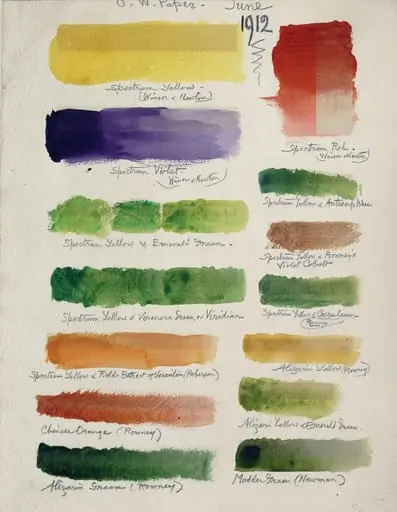 Specimens of watercolours painted to test the stability of the pigments
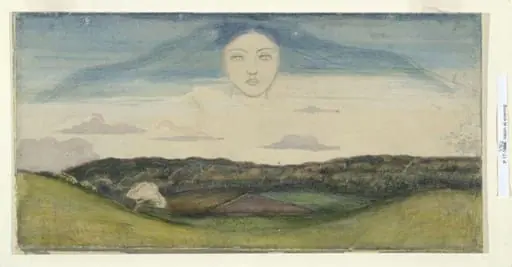 Vision at Evening
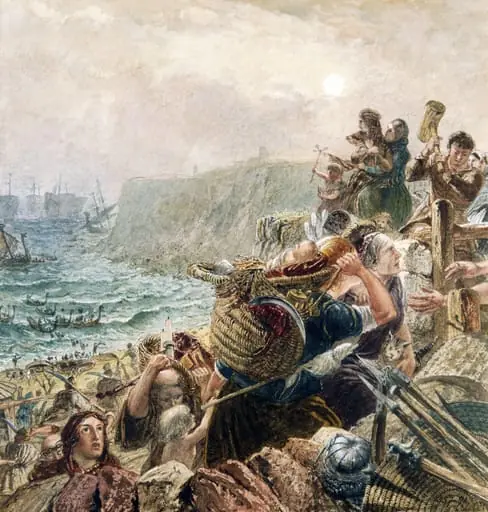 Design for the decoration of the inner court of Wallington Hall, Northumberland
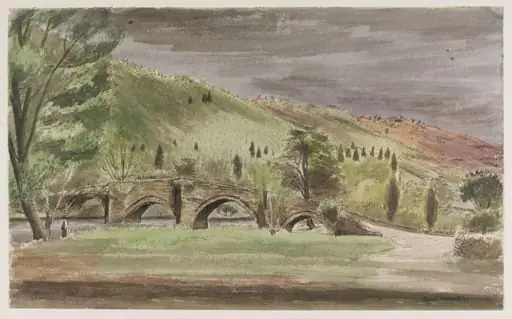 Pont dol Rhiw Gelen (Bridge over the Goedel designed by Inigo Jones), Merionethshire
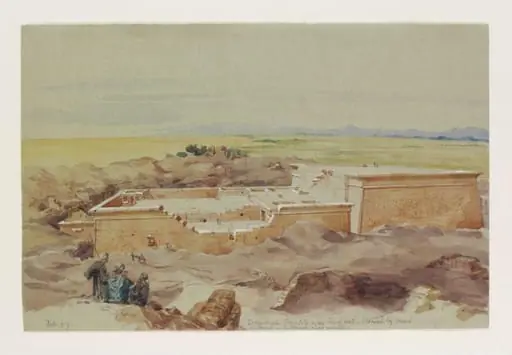 Roof of Denderah
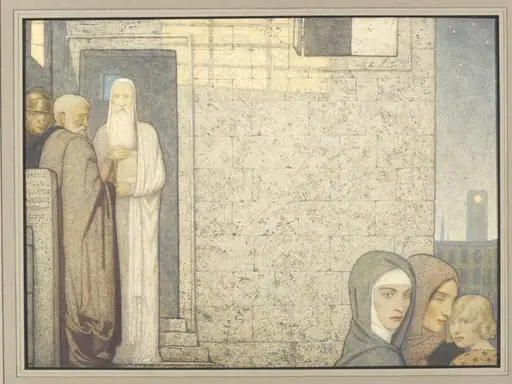 The Renunciants
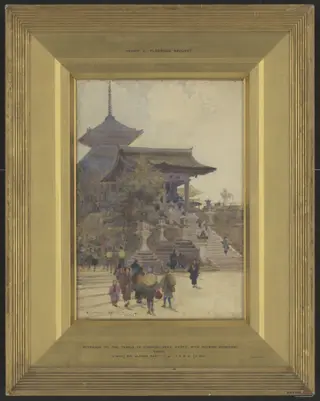 The Entrance to the Temple of Kiyomizu-Dera, Kyoto, with Pilgrims Ascending
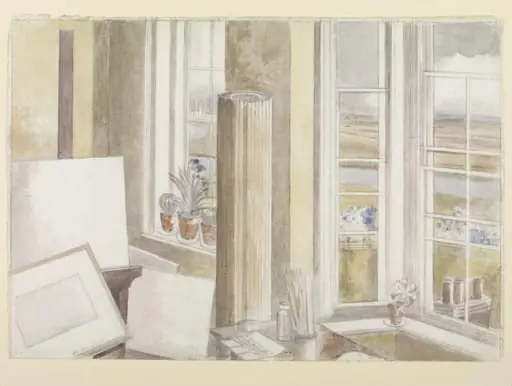 The Studio, New House, Rye
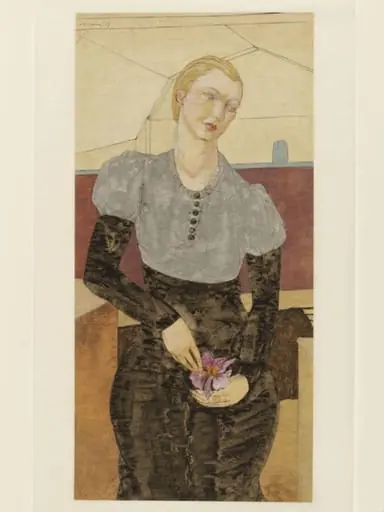 Cartoon for Self Portrait
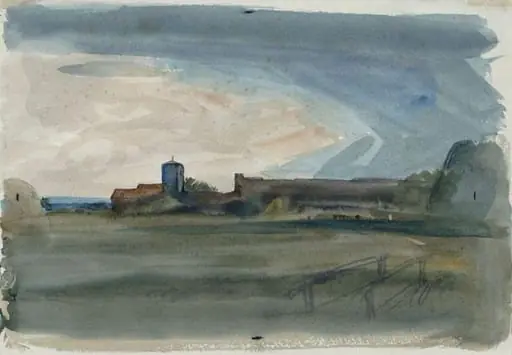 Amberley
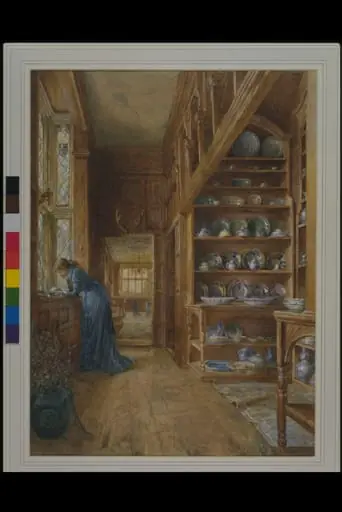 Marigold's: The China Closet, Knole
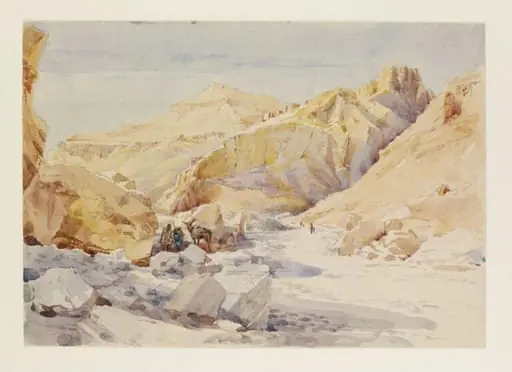 Tomb of the Kings, Thebes
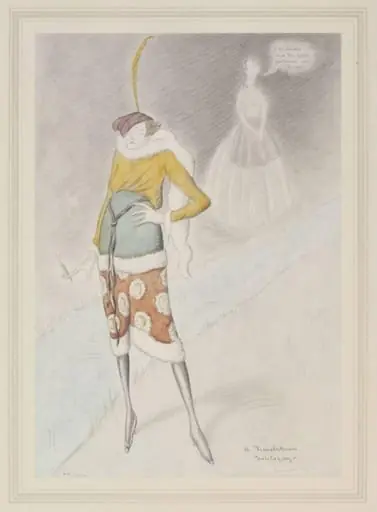 A Translethean soliloquy
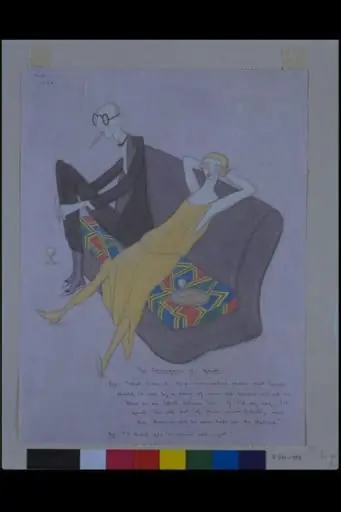 The Insurgence of Youth
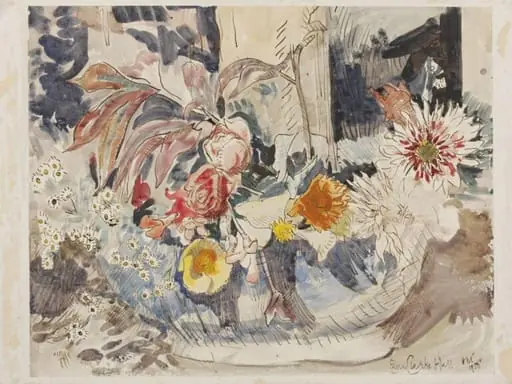 Flowers in a Bowl
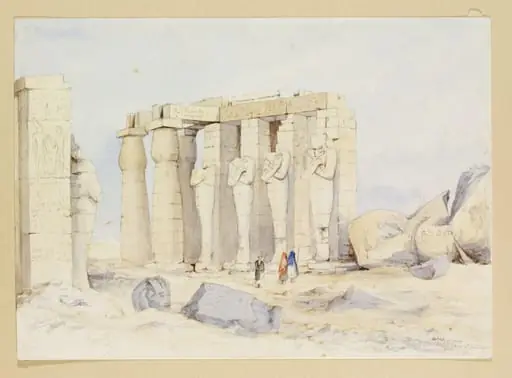 Osiride columns broken statue of Rameses II Memnonium Thebes
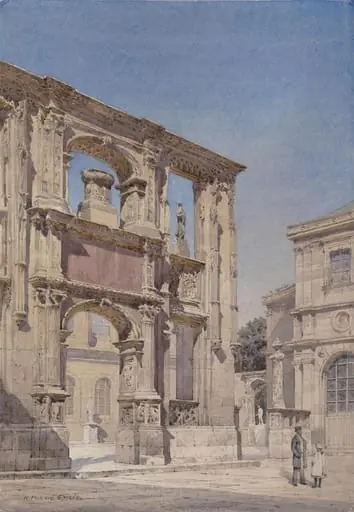 Part of the Chateau de Gaillon re-erected in the court of the Palais des Beaux Arts
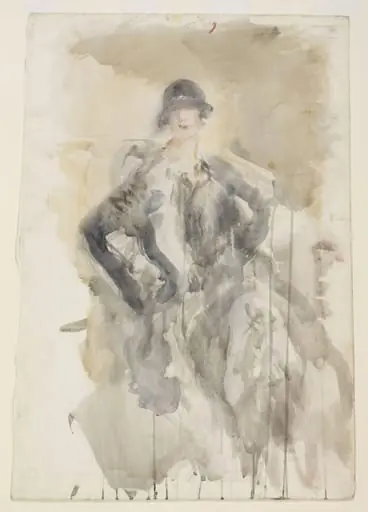 Juliet
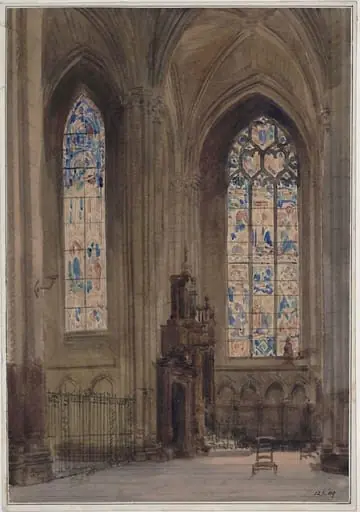 Chapel in the south transept of Rouen Cathedral
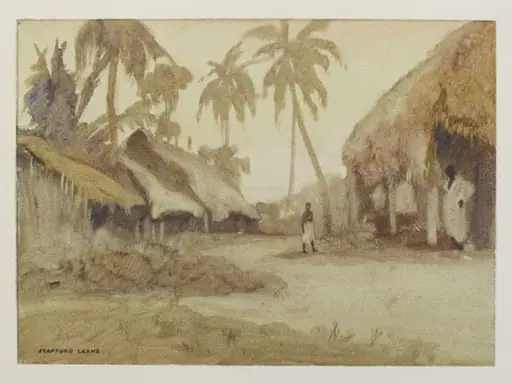 Magogoni, Dar-es-Salaam
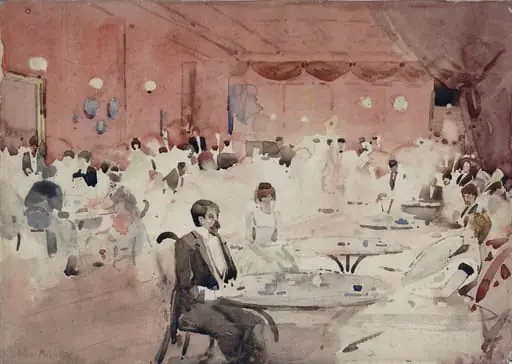 The Gardenia Club, with a portrait of Mrs. Melville
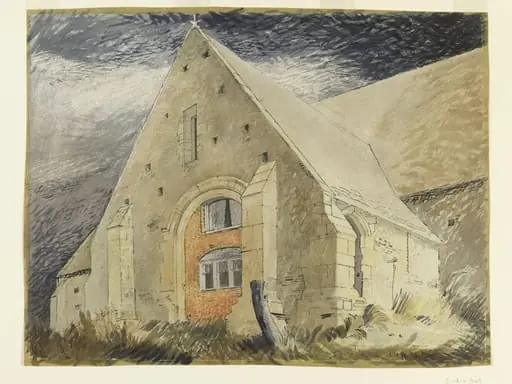 Tithe Barn, Great Coxwell, Berkshire
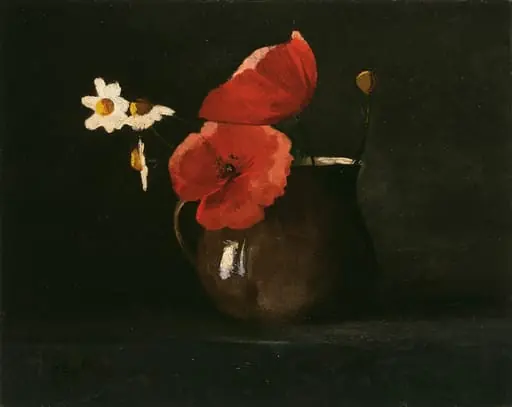 Flowers: Poppies and Daisies
Groups & collectives
Frequently asked questions
What is Aestheticism?
Aestheticism is an art movement. A late-19th-century British movement that held beauty to be the supreme purpose of art, independent of moral or social utility ('art for art's sake').
How many Aestheticism works does Artifact World Gallery have?
Artifact World Gallery holds 103 public-domain Aestheticism works, all free to view and download.
Who are the key Aestheticism artists?
Key Aestheticism artists in the collection include Henry Bone, Lawrence Alma-Tadema and James McNeill Whistler.
When did Aestheticism take place?
Aestheticism dates from around 1870.
Where can I see Aestheticism works?
Aestheticism works in the collection are held by Victoria and Albert Museum, Metropolitan Museum of Art and National Library of Wales.