Artwork
Admiral Adam Duncan, 1st Viscount Duncan of Camperdown (1731 - 1804)
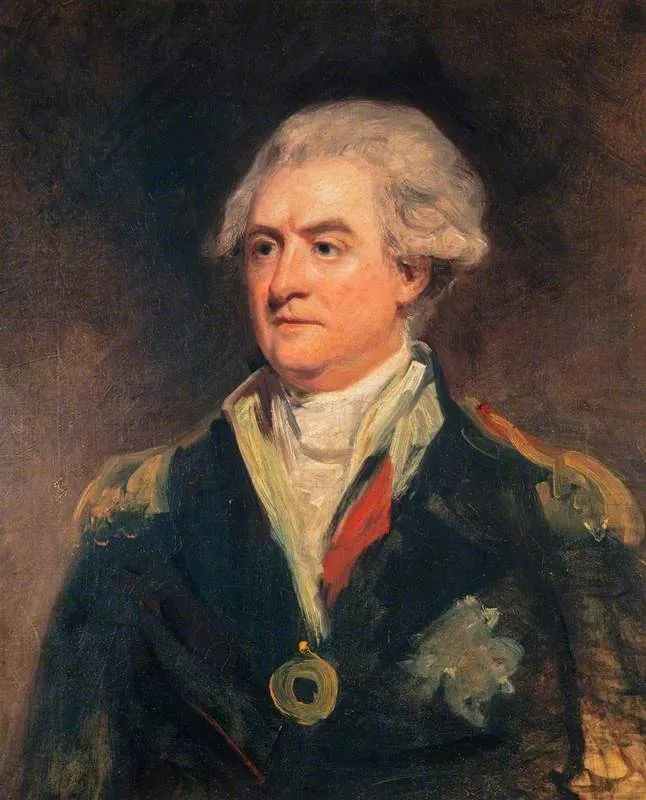
Admiral Adam Duncan, 1st Viscount Duncan of Camperdown (1731 - 1804) is an oil painting by John Hoppner. It dates from 1799 and is held in the collection of the National Galleries Scotland.
About this work
Overview
The painting serves as a formal celebration of Duncan's naval achievements during the French Revolutionary Wars, securing his legacy as a national hero.
Painted by John Hoppner in 1799, this oil portrait commemorates Admiral Adam Duncan, 1st Viscount Duncan of Camperdown, shortly after his decisive victory over the Batavian Navy at the Battle of Camperdown in 1797. The work depicts the admiral in a three-quarter length pose, dressed in the uniform of a Royal Navy officer: a dark blue coat with gold epaulets, a red sash, and the star and ribbon of the Order of the Bath. His white hair is powdered, and he gazes directly at the viewer with a composed expression against a dark, neutral background that isolates the figure.
Hoppner employs a refined, polished technique characteristic of his portraiture, emphasizing the textures of the fabric and the gleam of the medals to convey the subject's high rank and authority. The painting serves as a formal celebration of Duncan's naval achievements during the French Revolutionary Wars, securing his legacy as a national hero. Created two years after the battle, the portrait reflects the British public's admiration for naval commanders who successfully challenged French and allied forces, marking a significant moment in Hoppner's career as a leading portraitist of the British elite.
Subject & Meaning
The sitter is shown with white hair, dressed in a dark blue uniform trimmed with gold epaulettes and a red sash, and wearing a prominent gold medallion. These elements identify him as a senior naval officer, commemorating his distinguished service and rank within the Royal Navy.
Technique & Style
Hoppner employs a restrained palette, using a dark, muted background to focus attention on the figure’s face and regalia. The brushwork renders the textures of fabric and metal with precise detail, while the soft modeling of the facial features conveys a dignified, restrained presence.
History & Provenance
Completed shortly after Duncan’s death, the portrait entered the Scottish National Gallery’s holdings, where it remains on view. Its acquisition reflects the gallery’s commitment to preserving portraits of notable Scottish figures from the period.
Artist & collection
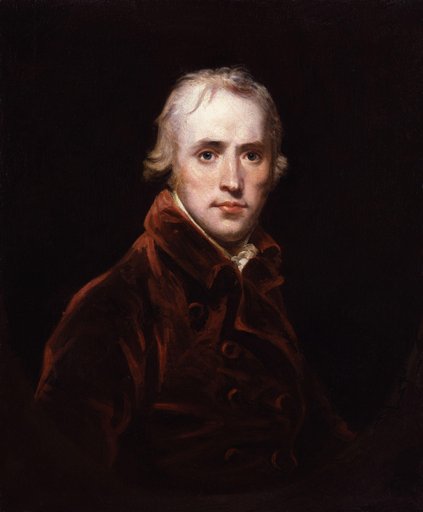
Artist
John Hoppner was an English painter, much influenced by Joshua Reynolds, who achieved fame as a colourist.

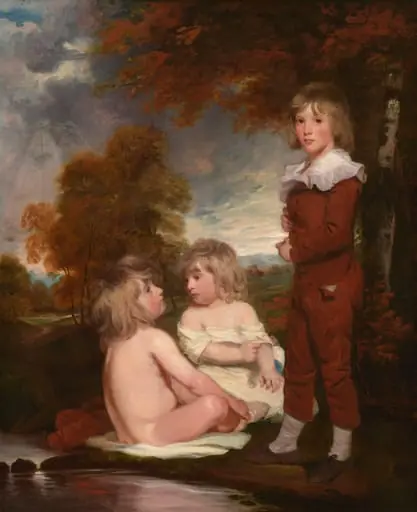 The Hoppner Children
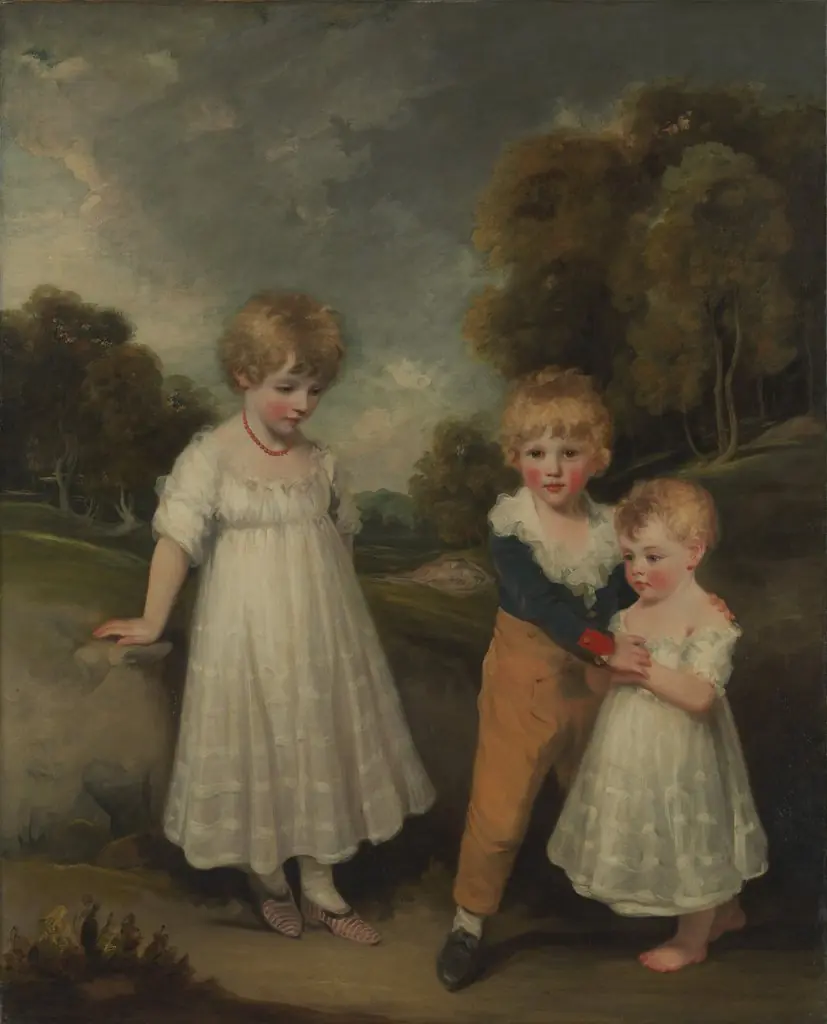 The Sackville Children
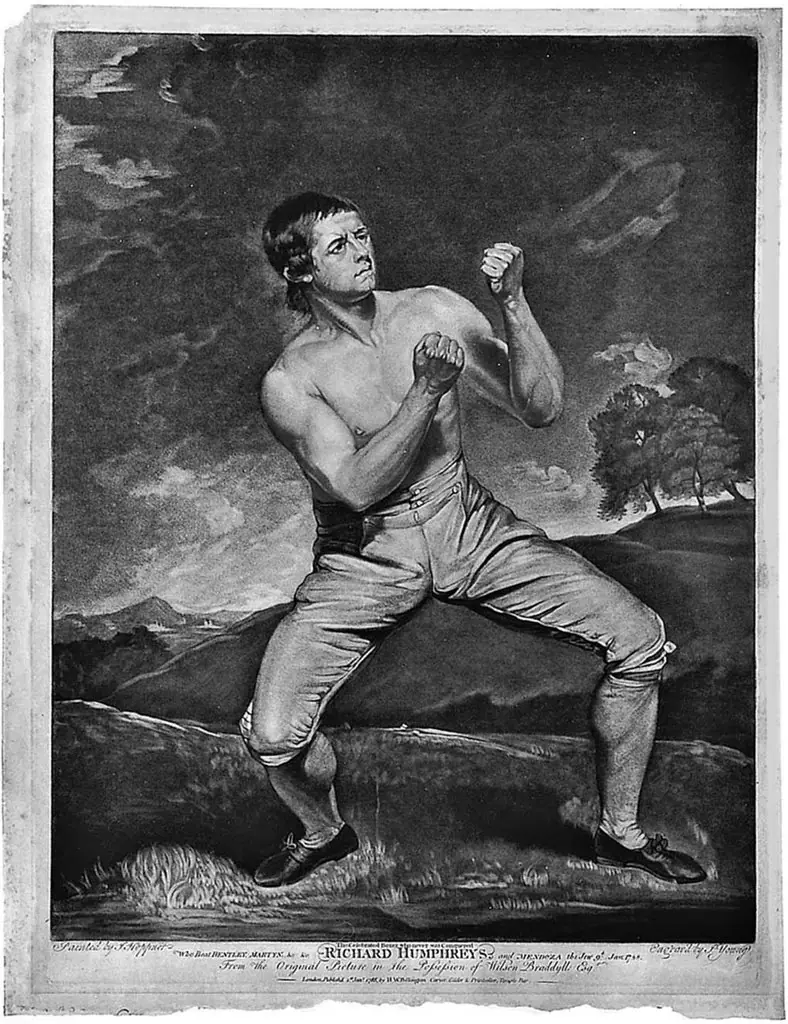 Richard Humphreys, the Boxer
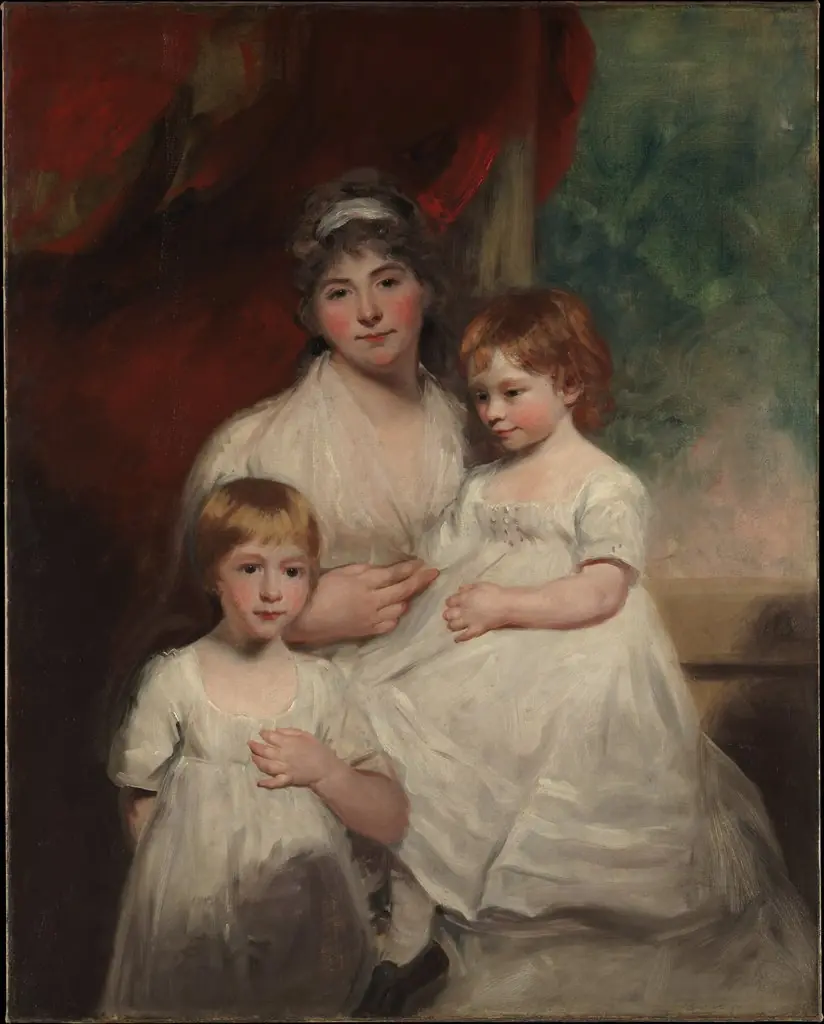 Mrs. John Garden (Ann Garden, 1769–1842) and Her Children, John (1796–1854) and Ann Margaret (born 1793)
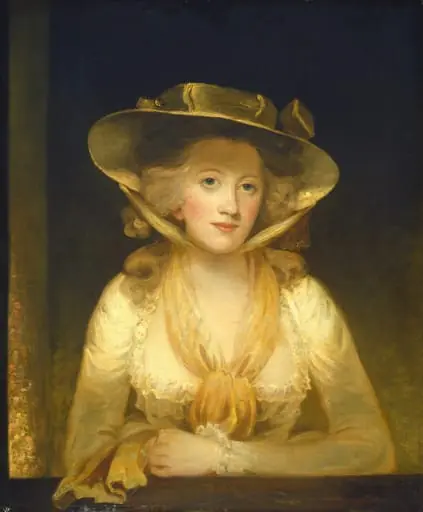 Lady Cunliffe
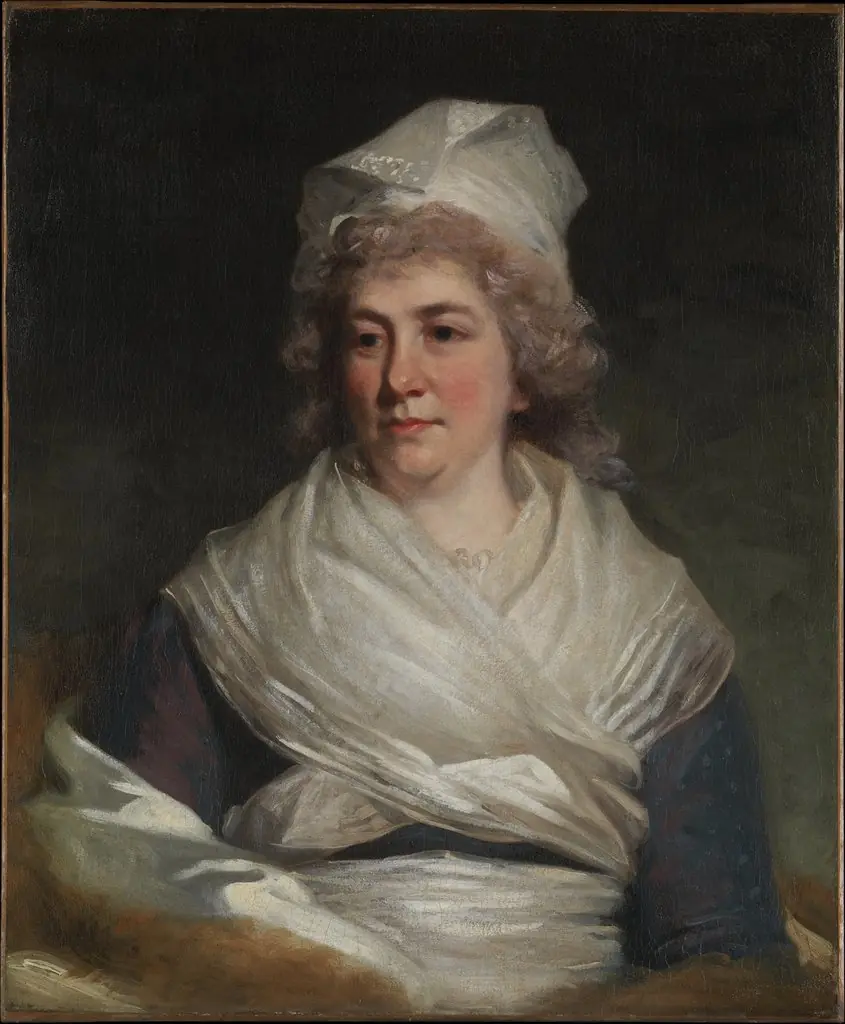 Mrs. Richard Bache (Sarah Franklin, 1743–1808)
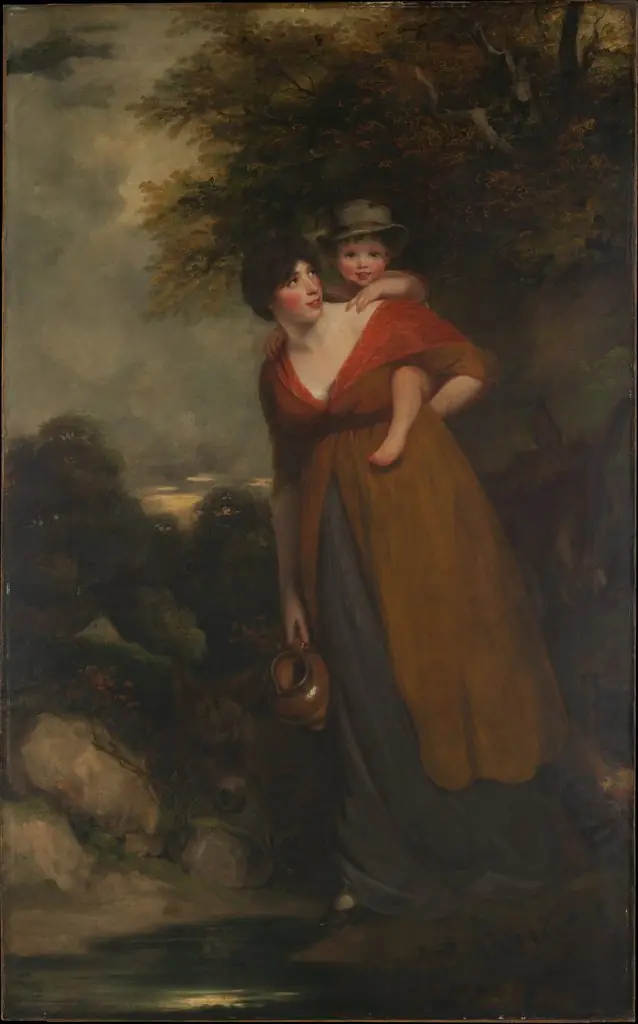 Mrs. Richard Brinsley Sheridan (Hester Jane Ogle, 1775/76–1817) and Her Son (Charles Brinsley Sheridan, 1796–1843)
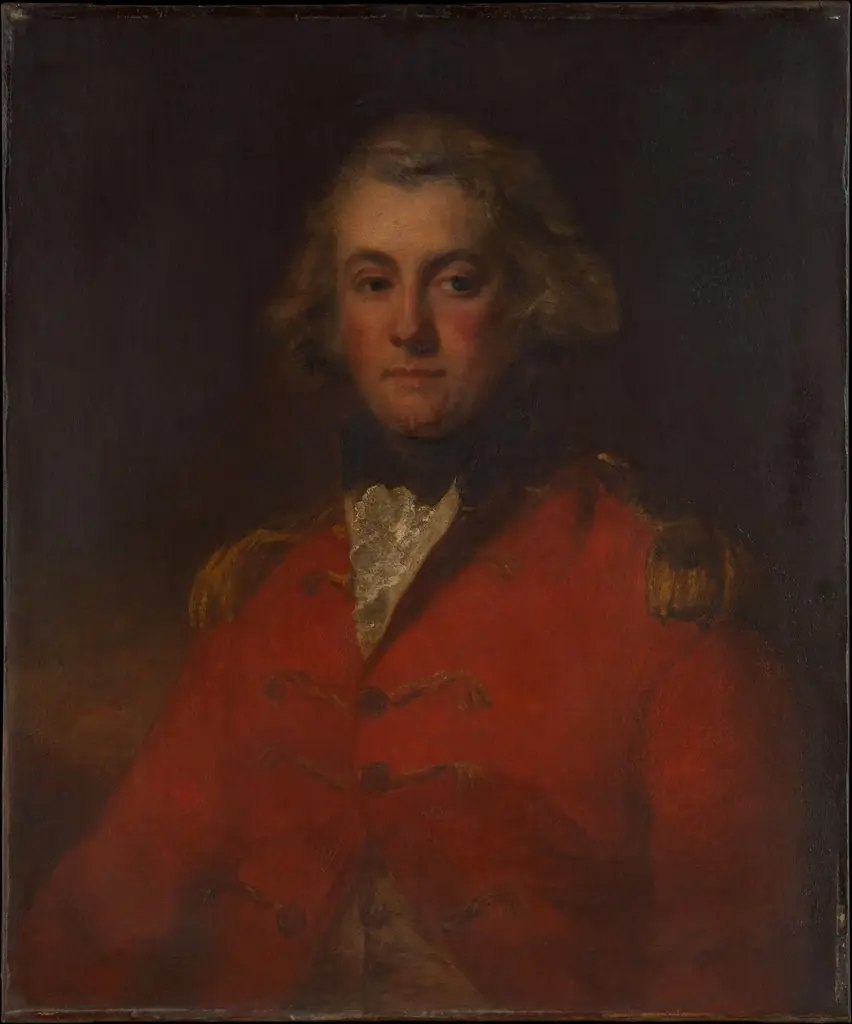 Major Thomas Pechell (1753–1826)
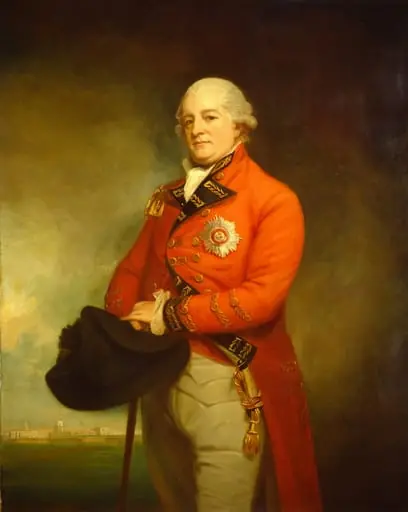 Major-General Sir Archibald Campbell
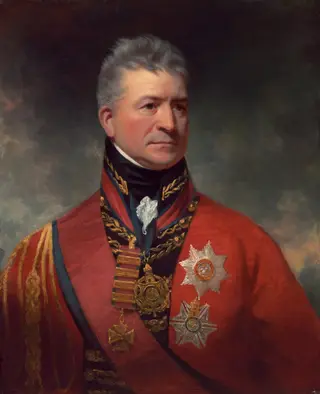 Lieutenant-General Sir Thomas Picton
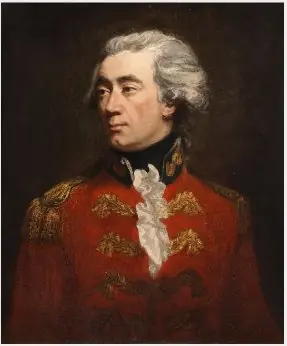 Portrait of Francis Rawdon, 2nd Earl of Moira, later 1st Marquess of Hastings (1754 - 1826)
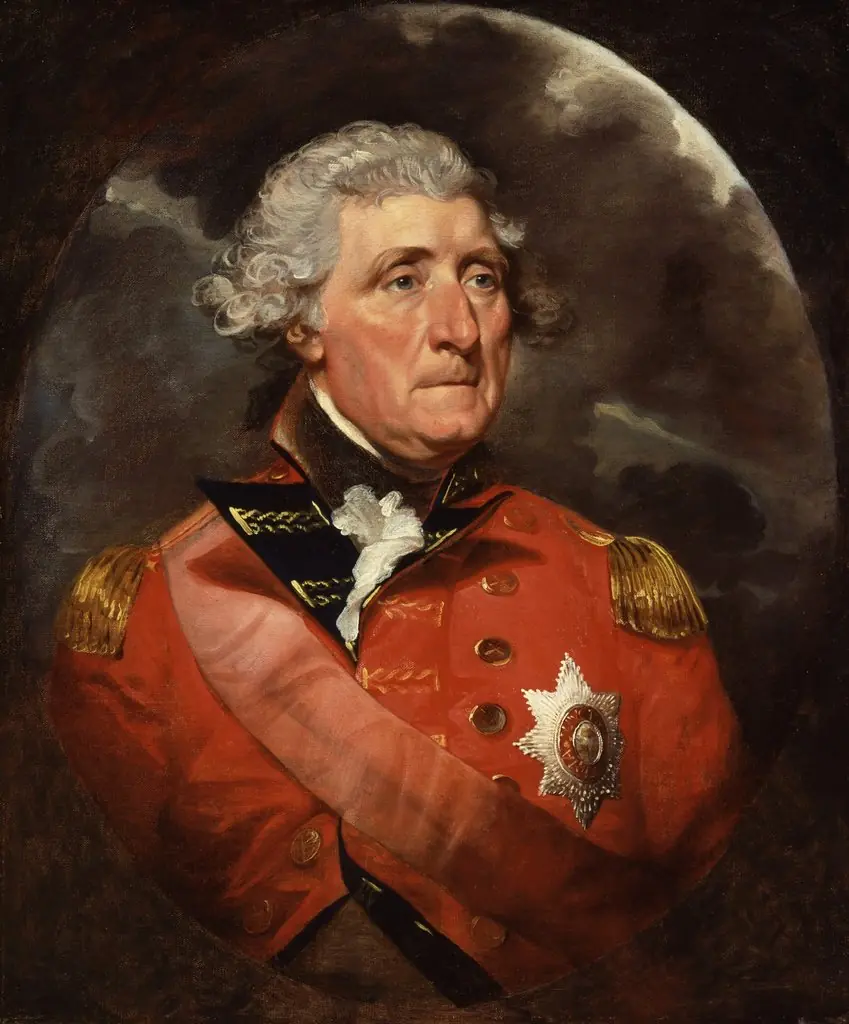 Sir George Augustus Elliott, Baron Heathfield
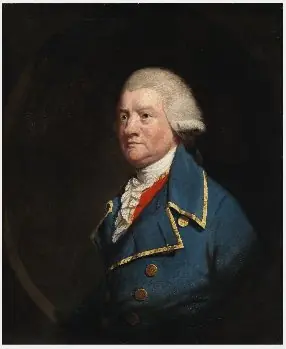 Portrait of a Man
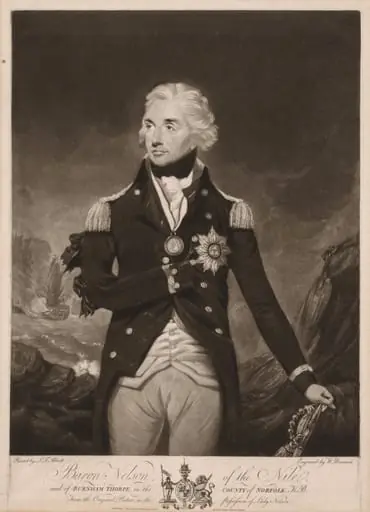 Horatio Nelson
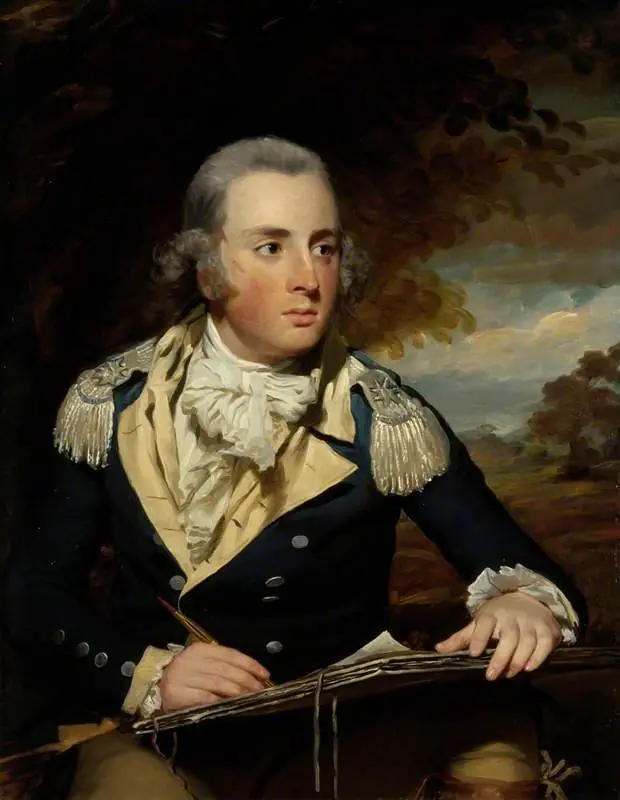 Lieutenant-Colonel George Lyon (active 1788 - about 1826)
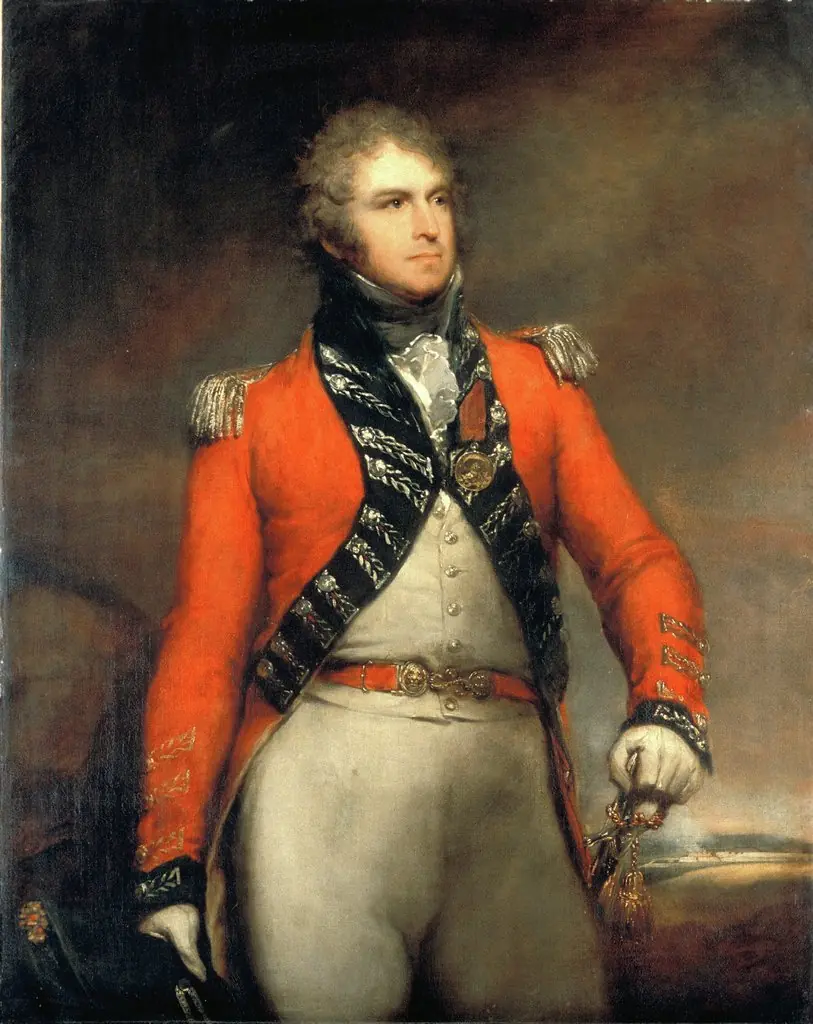 Sir Alexander Allan
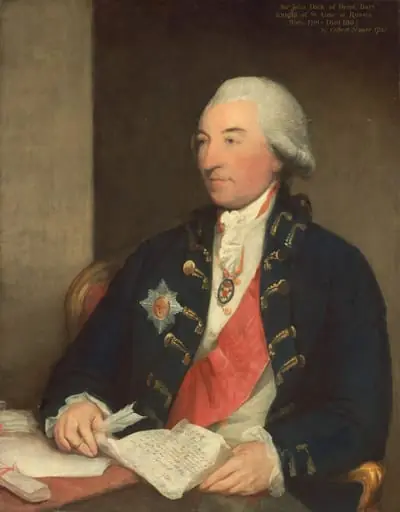 Sir John Dick