Artwork
Major-General Sir Archibald Campbell
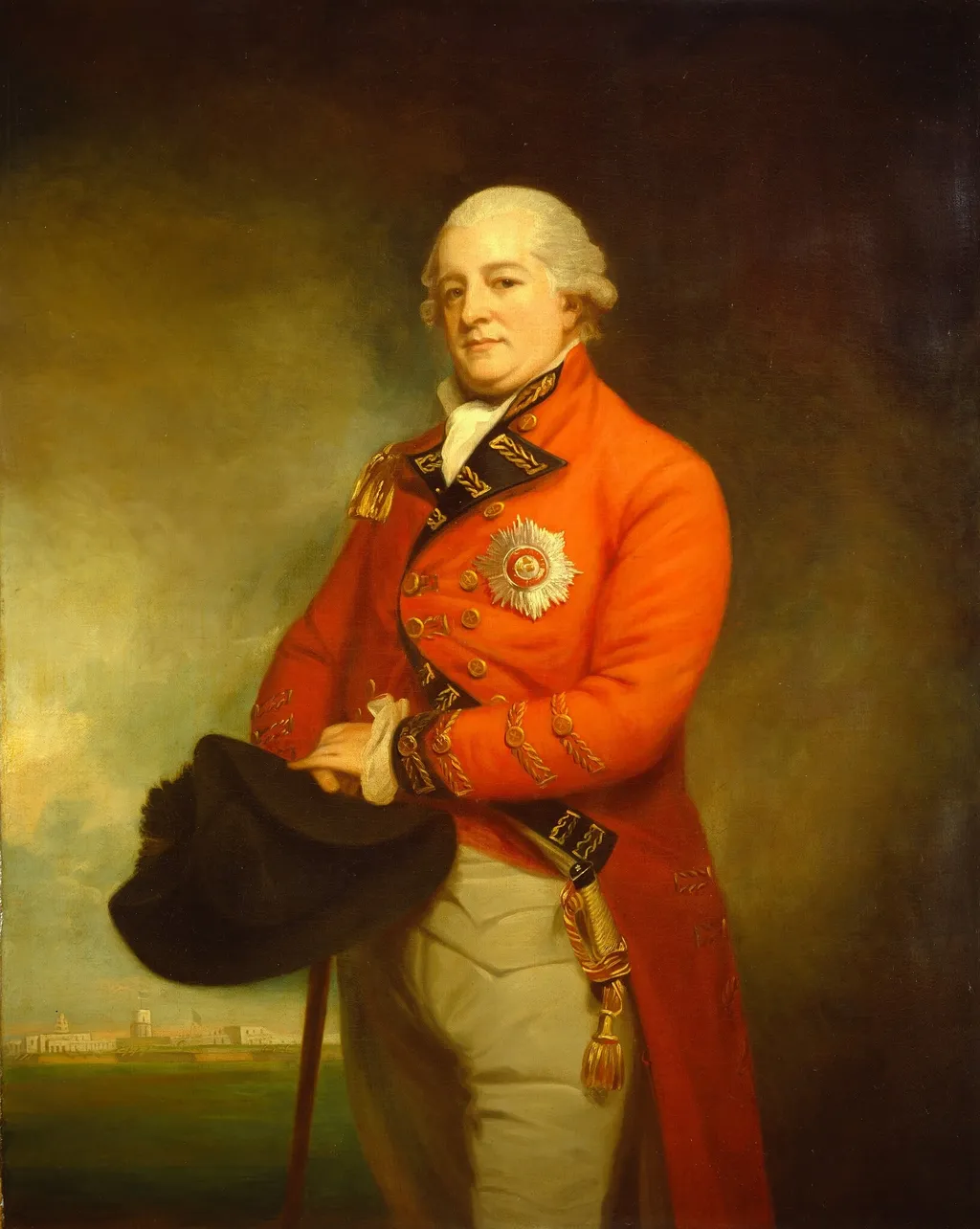
Major-General Sir Archibald Campbell is an oil painting by the Romanticist artist George Romney. It dates from 1791 and is held in the collection of the National Gallery of Art.
About this work
Subject & Meaning
The work functions as a commemorative likeness, recording the appearance and status of a serving British officer at the height of his career.
The portrait depicts Major-General Sir Archibald Campbell, identified by the painting's title as the sole subject. Romney's 1791 oil on canvas presents the sitter as a full-length figure, a format traditionally reserved for individuals of military, political, or social distinction in late eighteenth-century British portraiture. The work functions as a commemorative likeness, recording the appearance and status of a serving British officer at the height of his career.
No iconographic attributes, symbolic objects, or inscriptions are documented in the available sources, and the painting's meaning is conveyed through the conventions of formal military portraiture.
Technique & Style
The portrait of Major-General Sir Archibald Campbell by George Romney employs oil on canvas as its medium and support, measuring 153.4 cm in height and 123.9 cm in width. Romney's handling emphasizes the sitter's military bearing and aristocratic presence through smooth, blended brushwork that renders facial features and costume with refined detail. The composition adopts a three-quarter pose, with Campbell turned slightly to the left and gazing outward, reinforcing a sense of authority.
His attire, likely a military uniform, is depicted with careful attention to texture and drapery, while the subdued palette and controlled lighting contribute to a restrained yet commanding formal presence.
History & Provenance
George Romney created the oil-on-canvas portrait of Major-General Sir Archibald Campbell in 1791. The work was originally owned by the sitter's wife, Amelia Campbell, who died in 1813, and likely remained within the Campbell family at Inverneill, Scotland. The painting later appeared in a sale at the American Art Association on January 14–15, 1920 (lot 154).
Following this sale, it passed through John Levy Galleries before being purchased by William R. Timken of New York. Upon Timken's death in 1949, the portrait passed to his widow, Lillian Guyer Timken, who retained it until her death in 1959. In 1960, she bequeathed the painting to the National Gallery of Art in Washington, D.C., where it remains part of the collection.
Legacy
The portrait of Major-General Sir Archibald Campbell by George Romney entered the National Gallery of Art's collection through the 1960 bequest of Lillian Guyer Timken, tracing its ownership from Amelia Campbell to William R. Timken. Its inclusion in a major U.S. museum has ensured continued public access and scholarly discussion of Romney's portraiture and the military figure's historical profile.
Overview
This oil on canvas portrait, created by George Romney in 1791, depicts Major-General Sir Archibald Campbell. The painting presents its subject seated, dressed in military uniform, and conveys a sense of seriousness and self-assurance. As a formal portrait, it captures the likeness and public persona of a distinguished individual from the late 18th century.
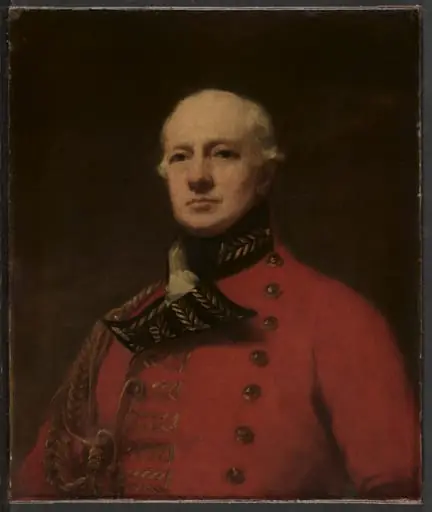
Own this work as a print
Artist & collection
Artist
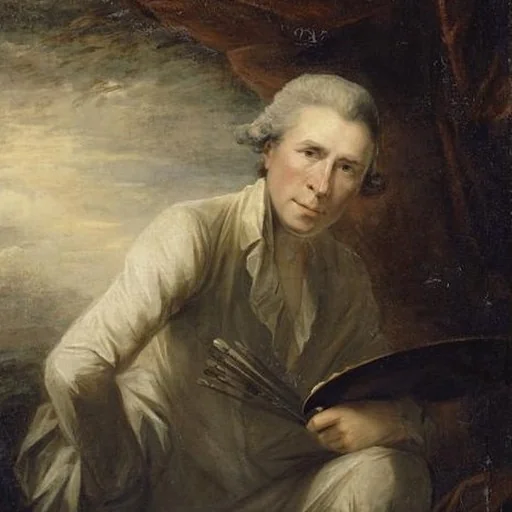
George Romney (26 December 1734 – 15 November 1802) was an English painter. He was the most fashionable artist of his day, painting many leading society figures – including his artistic muse, Emma Hamilton, mistress of Lord Nelson.

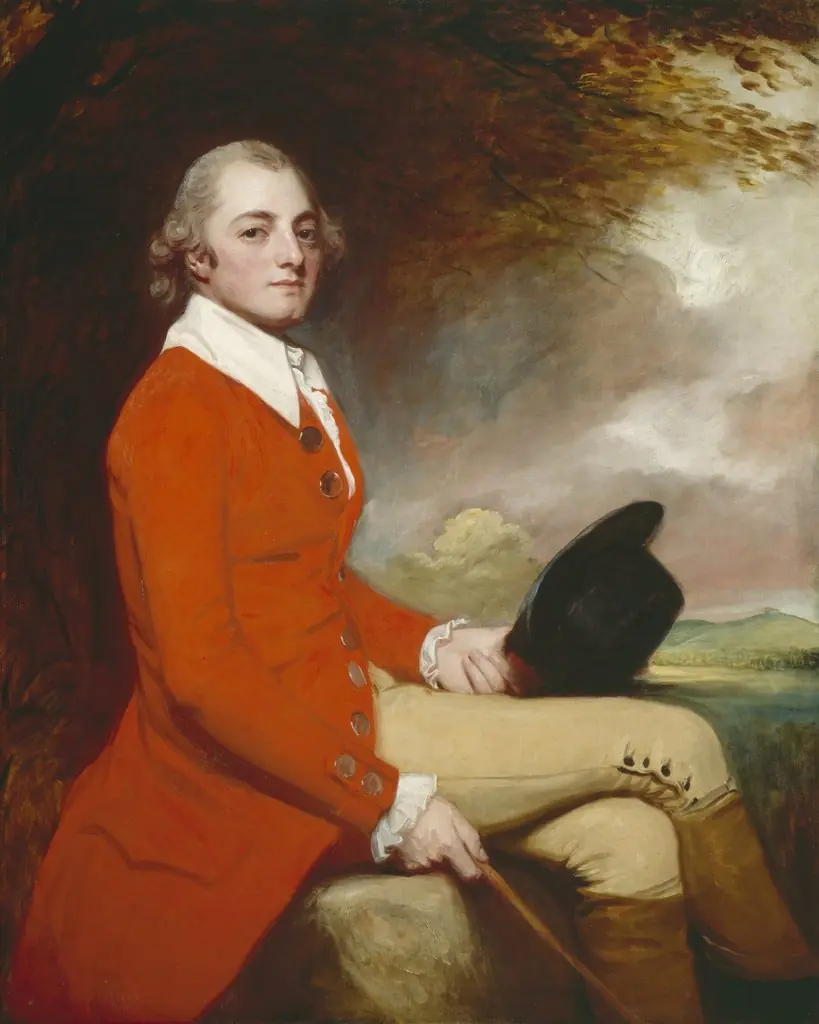 Thomas Grove of Ferne, Wiltshire
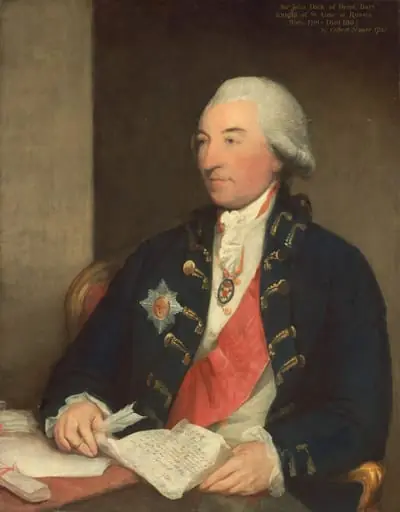 Sir John Dick
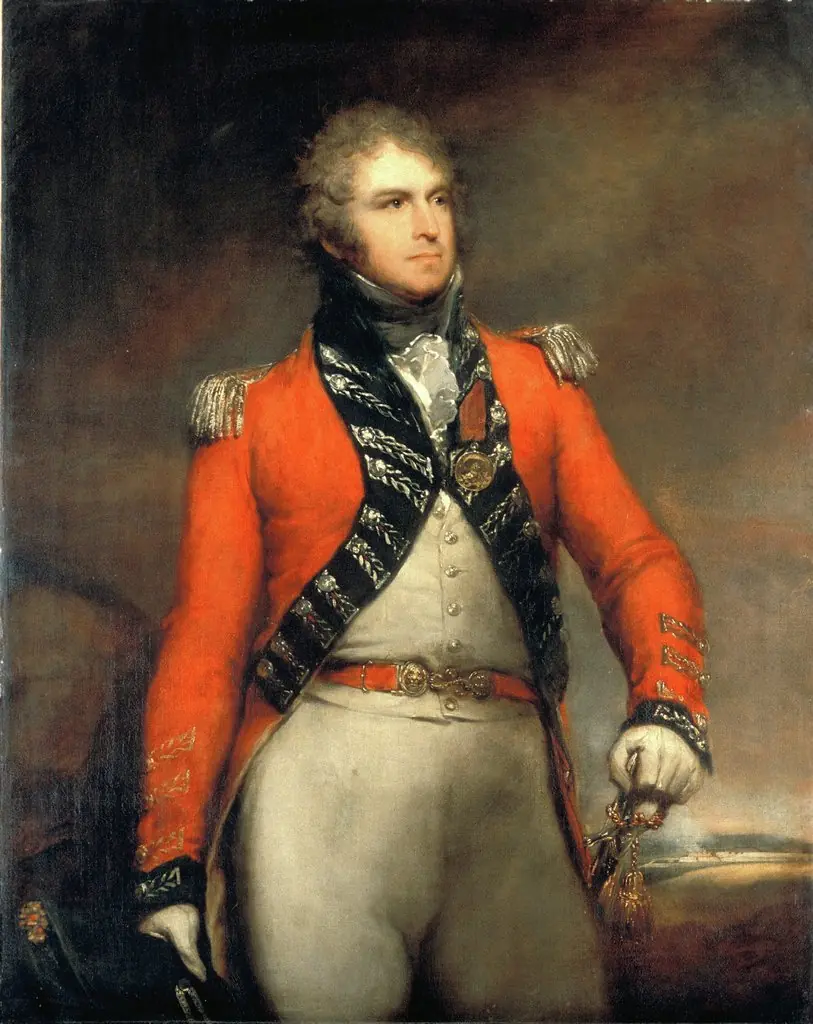 Sir Alexander Allan
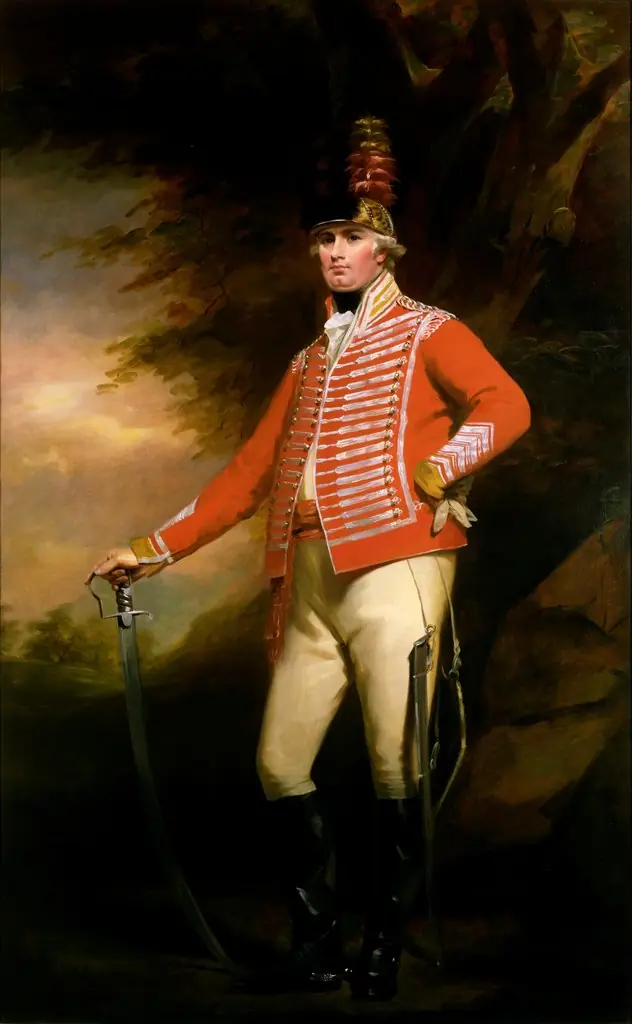 Portrait of Lieutenant Colonel William Shirriff, H.E.I.C.S. (1759/1760-1802)
 Captain Patrick Miller
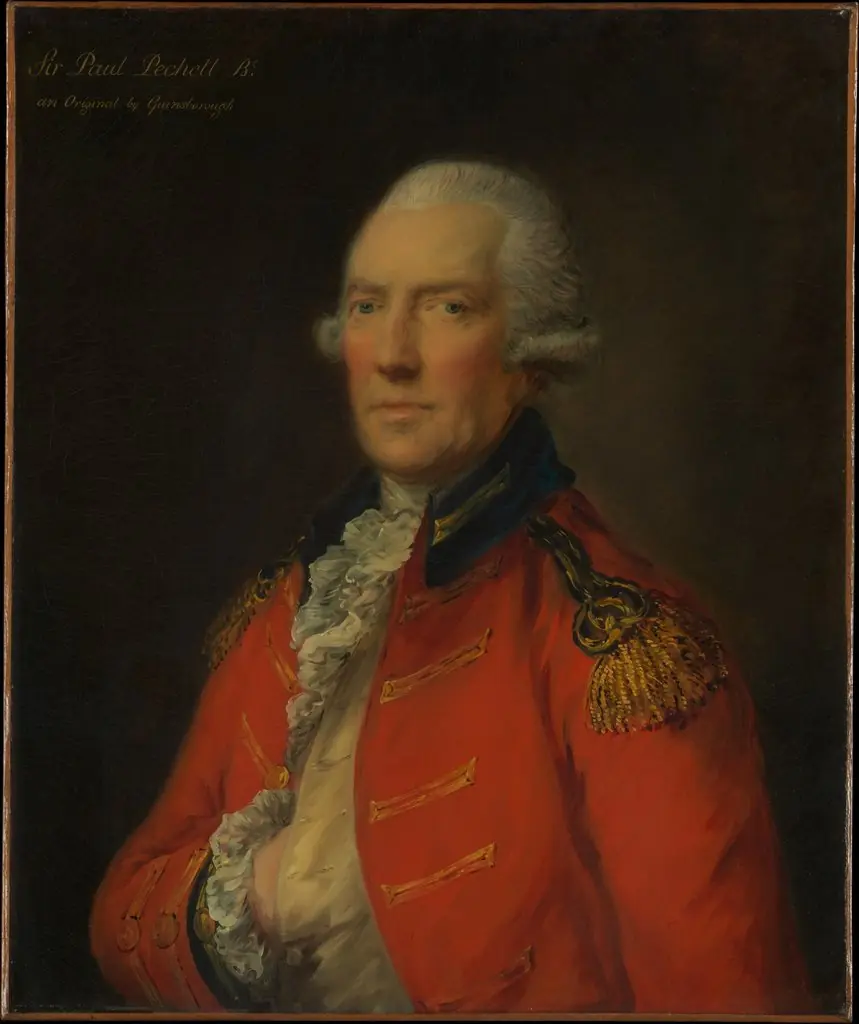 Lieutenant Colonel Paul Pechell (1724–1800)
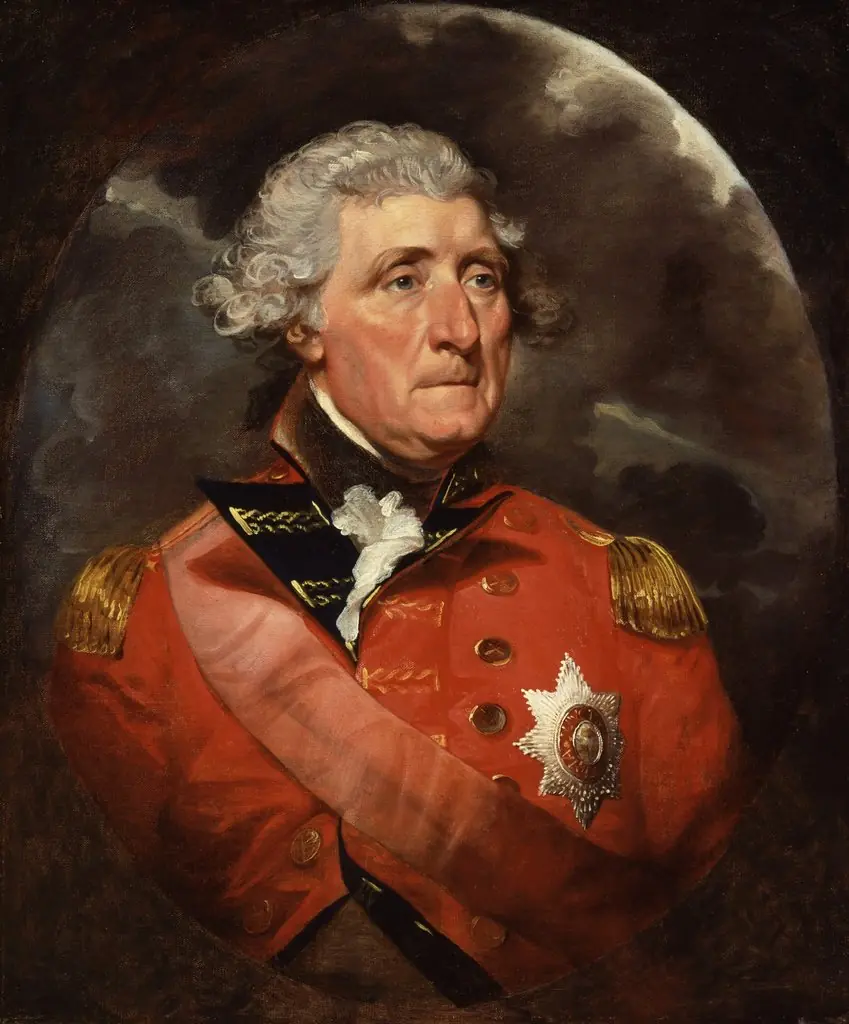 Sir George Augustus Elliott, Baron Heathfield
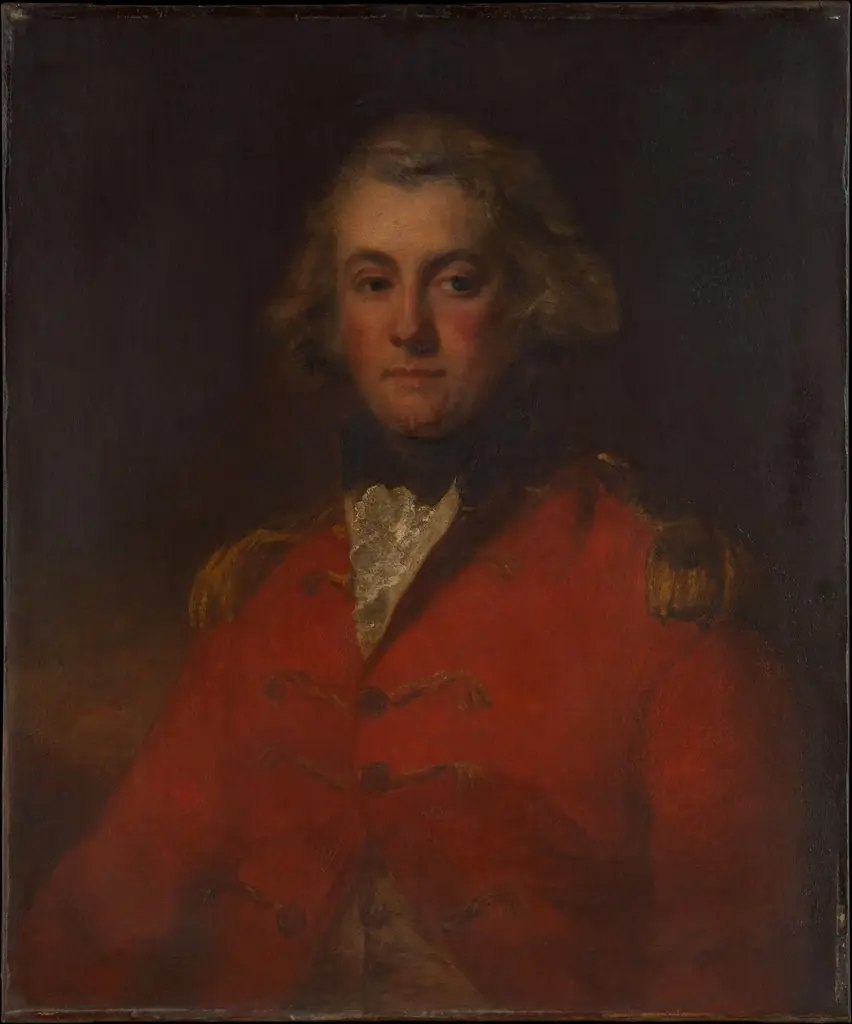 Major Thomas Pechell (1753–1826)
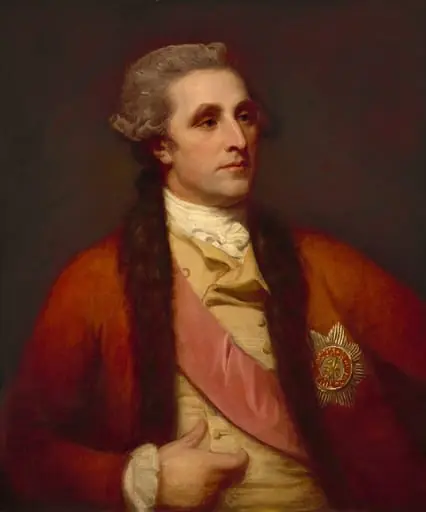
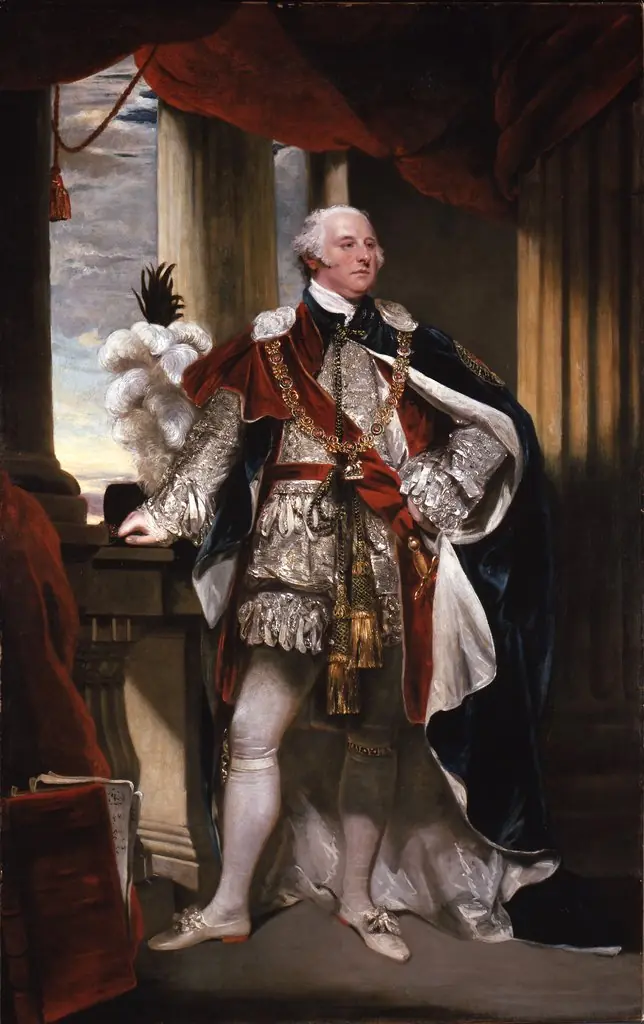 John Jeffreys Pratt, Second Earl and First Marquis Camden as Knight of the Order of the Garter