Artwork
Mrs. William Man Godschall (Sarah Godschall, 1730–1795)
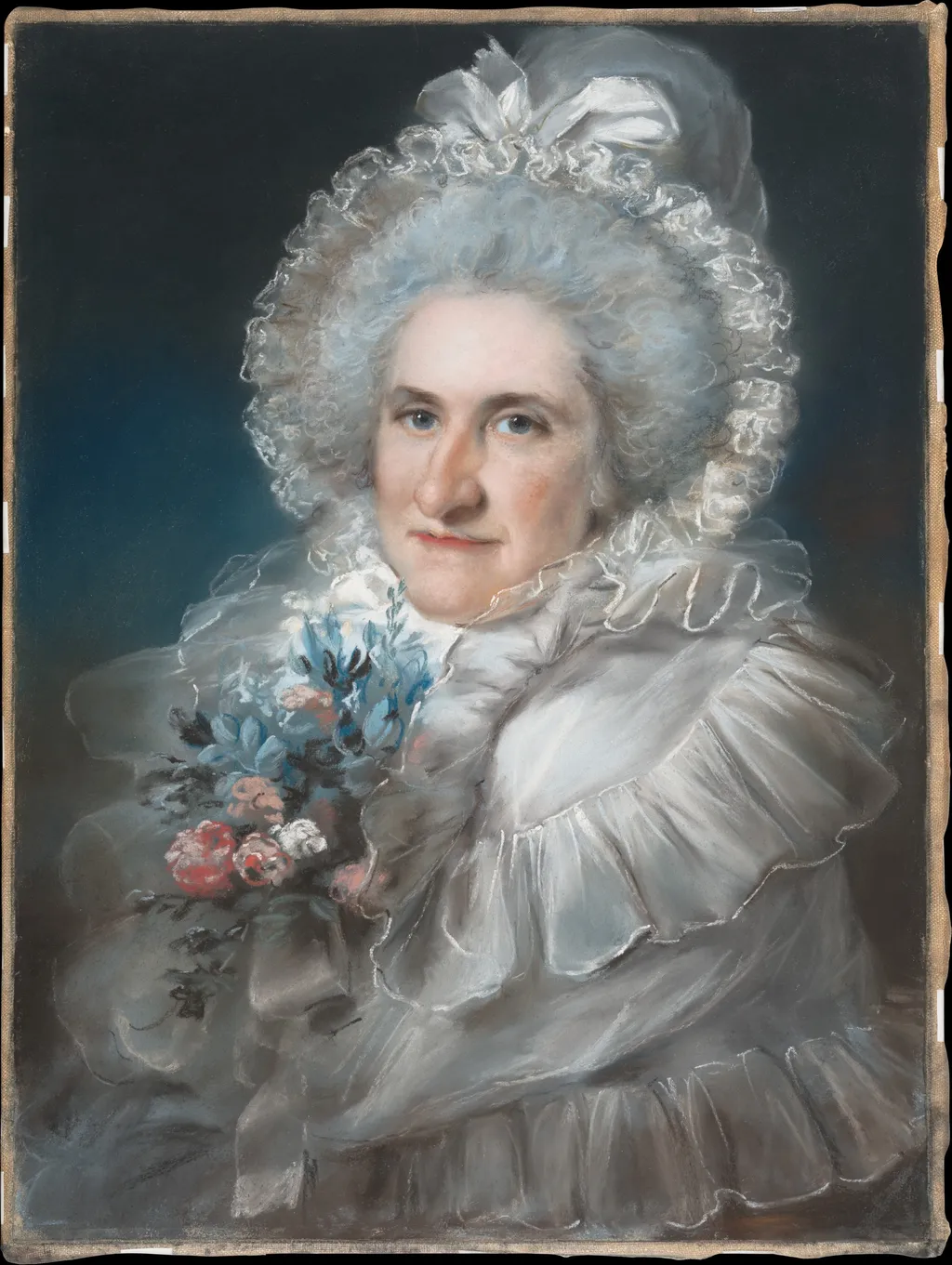
Mrs. William Man Godschall (Sarah Godschall, 1730–1795) is an unspecified painting by the Academic Art artist John Russell. It dates from 1796 and is held in the collection of the Metropolitan Museum of Art.
About this work
In 1791, Sarah Godschall sat for John Russell at Weston House in Albury, Surrey, to mark forty years of marriage. The pastel portrait, paired with one of her husband William, shows her at sixty-one with the soft tones that made Russell the leading British pastellist of the day. It stayed with the family, passed through the Palmerston line at Broadlands, and entered the Met in 1961.
Subject & Meaning
By presenting her in this manner, the painting conveys her social status and the ideals of modesty and elegance expected of women of her class.
The portrait shows Sarah Godschall, wife of William Man Godschall, as a woman dressed in refined attire. She wears a lace‑trimmed shawl, a cap adorned with a bow and ribbon, and holds a bouquet. These details, lace, shawl, cap, bow, ribbon, and bouquet, constitute the work’s iconography, emphasizing her genteel appearance and the feminine virtues associated with such dress in late‑18th‑century portraiture.
By presenting her in this manner, the painting conveys her social status and the ideals of modesty and elegance expected of women of her class.
History & Provenance
The portrait of Sarah Godschall, wife of William Man Godschall, was executed by John Russell in 1791 as recorded in the work’s catalog entry and confirmed by the Metropolitan Museum of Art’s collection data. Russell, an academically trained portraitist, rendered her in a style characteristic of late‑18th‑century British portraiture, using oil on canvas measuring approximately 60.3 × 45.1 cm. The painting remained in the family’s possession until it entered the Metropolitan Museum of Art, where it has been displayed since its acquisition. Its creation reflects the sitter’s status and the prevailing academic conventions of portraiture in Georgian England.
Legacy
The 1791 portrait of Sarah Godschall, painted by John Russell, is recognized as a representative example of academic portraiture in late‑18th‑century Britain. Its inclusion in the Metropolitan Museum of Art’s collection has made it a reference point for studies of portrait conventions, particularly the rendering of aristocratic attire and delicate accessories such as lace and ribbons. Scholars cite the work when discussing the evolution of genteel representation in British art, noting its influence on subsequent portraitists who emulated Russell’s balanced composition and attention to material detail.
The painting’s enduring presence in museum displays underscores its role in shaping the visual language of elite portraiture.
Overview
John Russell's pastel portrait of Sarah Godschall, created in 1791, commemorates her fortieth wedding anniversary. The work, rendered in the artist's characteristic medium, depicts Mrs. Godschall at sixty-one years old. It was originally part of a pair with her husband's likeness and is now held in the Metropolitan Museum of Art. Russell was a leading pastellist of his era, known for his refined technique.
Technique & Style
John Russell, a prominent British pastellist of the late eighteenth century, employed his favored medium of pastel on paper, mounted on canvas, for this work. His technique is evident in the delicate modeling, which subtly renders the textures of fabric and captures the sitter's composed expression. Russell's command of pastels allowed him to achieve the soft tonal effects that characterized his influential style.
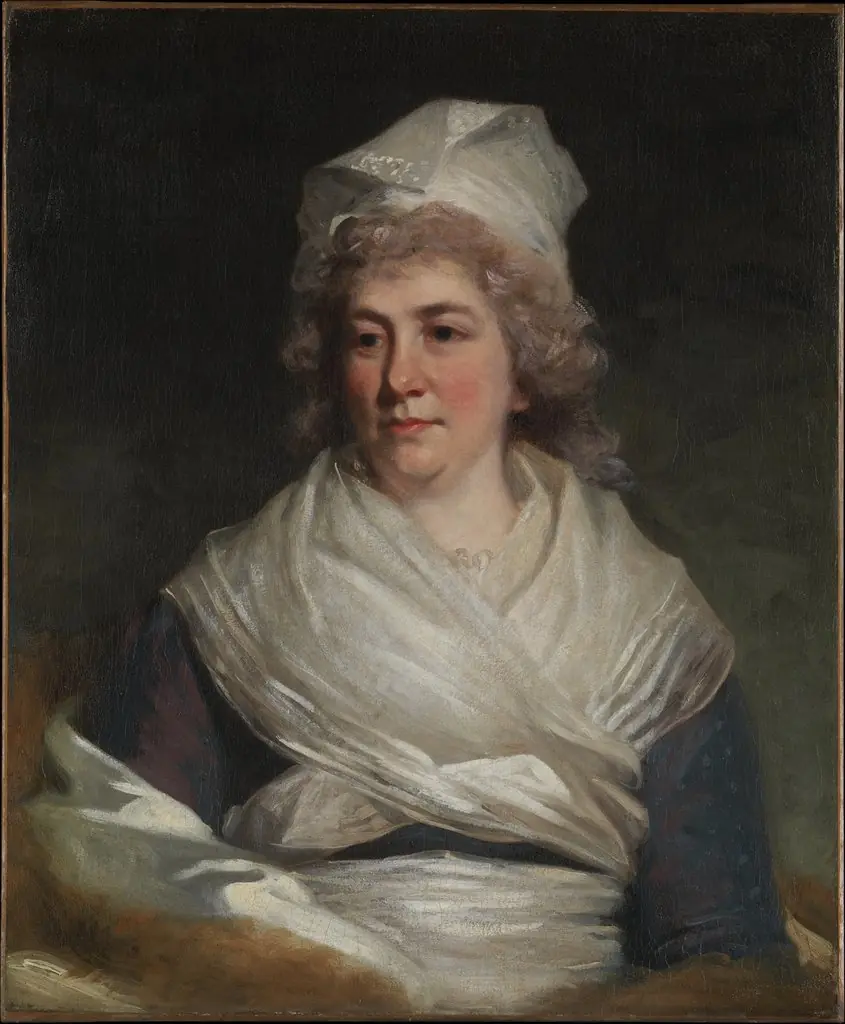
Own this work as a print
Artist & collection

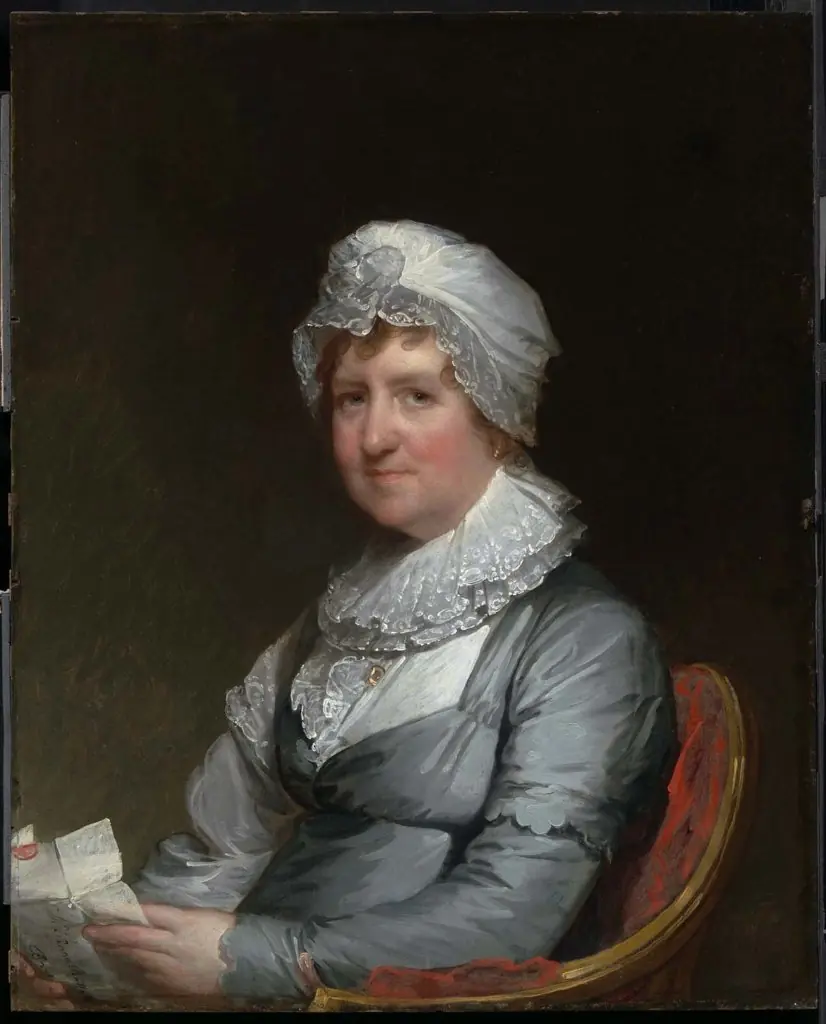 Mrs. Ebenezer Battelle (Anna Durant)
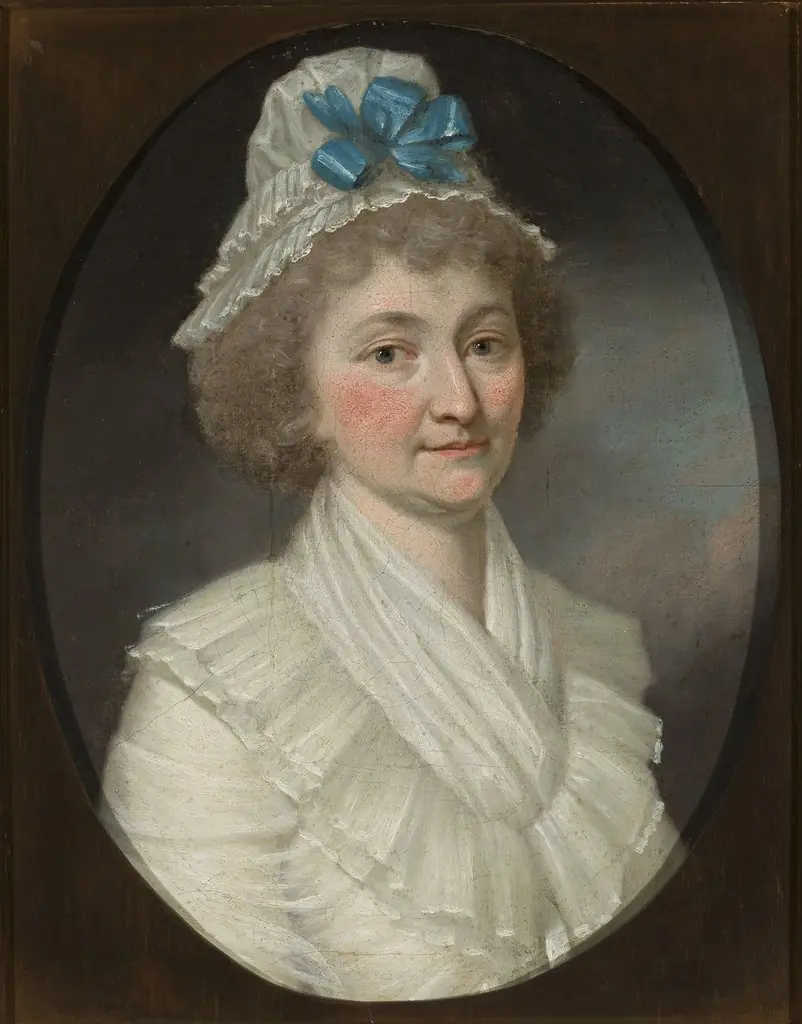 Portrait of Magdalena Węglińska
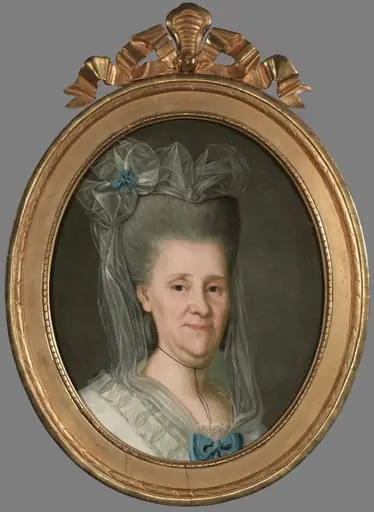 Hedvig Juliana de Bruce s. Nordenskiöld (1734-1811)
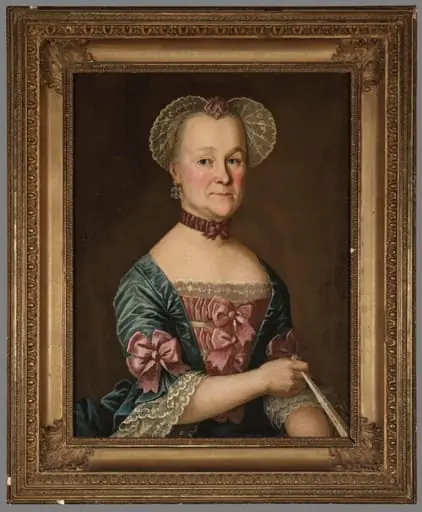 Ulrika Bock s. Kostfeldt (1721-1782)
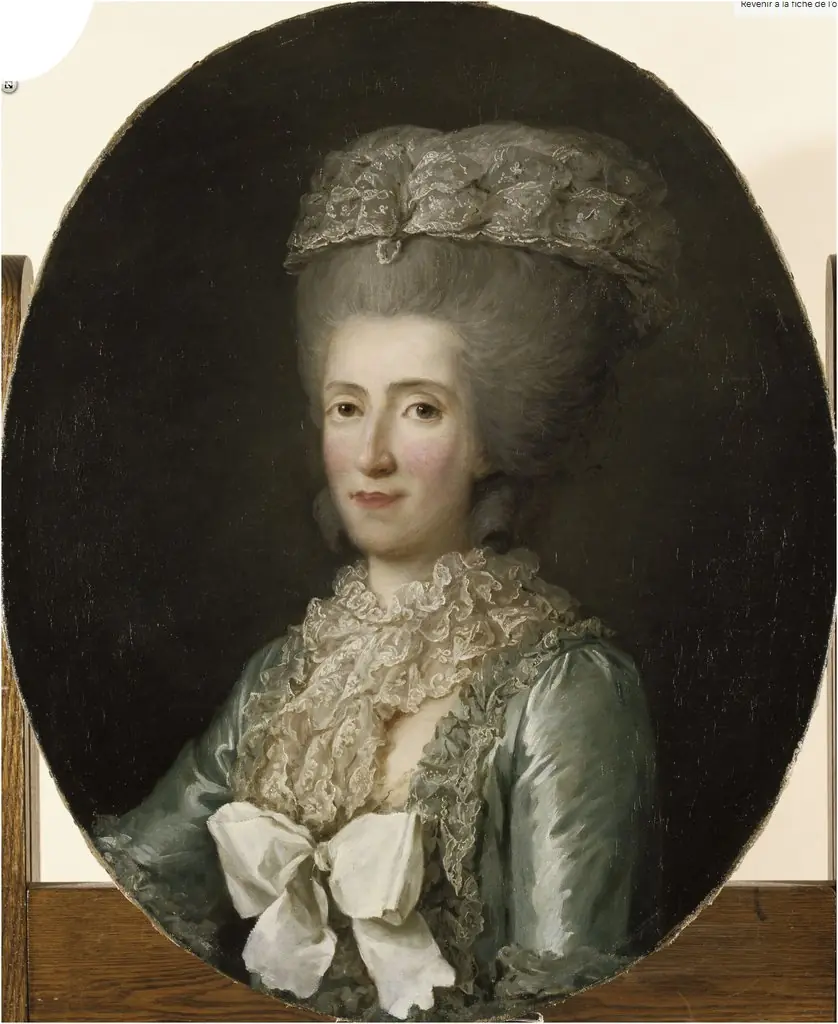 Marie-Adélaïde de France, dite Madame Adélaïde
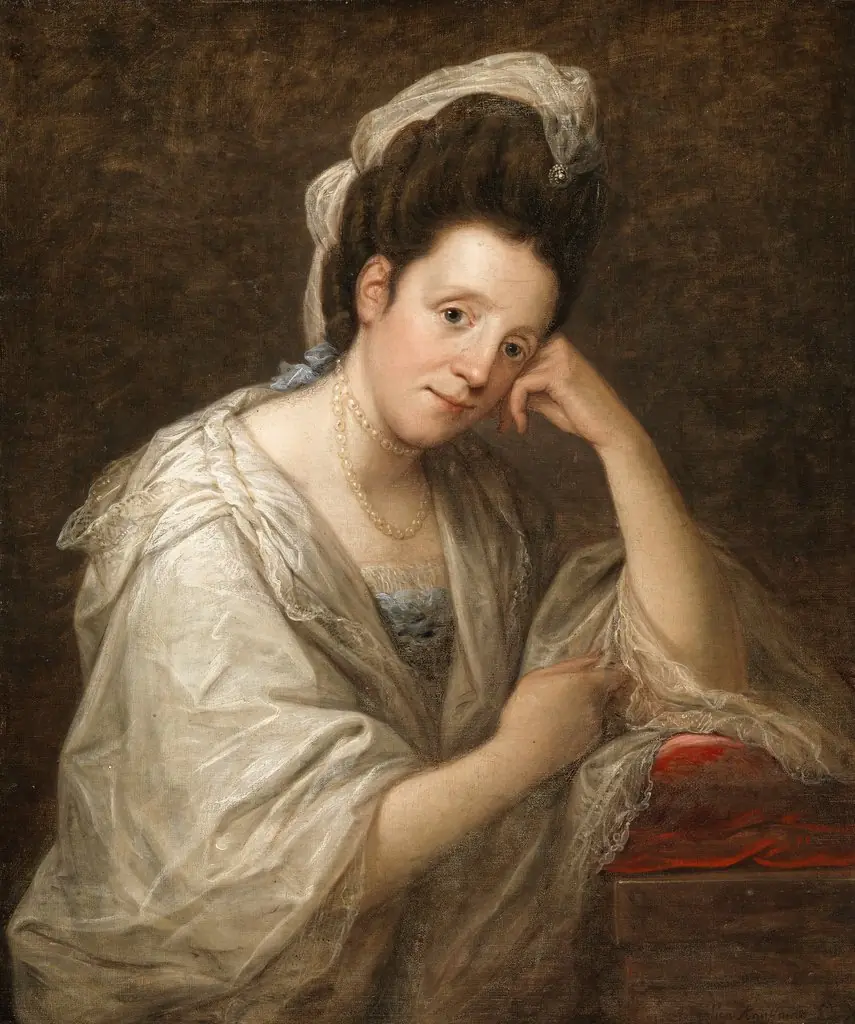 Portrait of Mrs Helen (Dorothea Daniel) (d.1806)
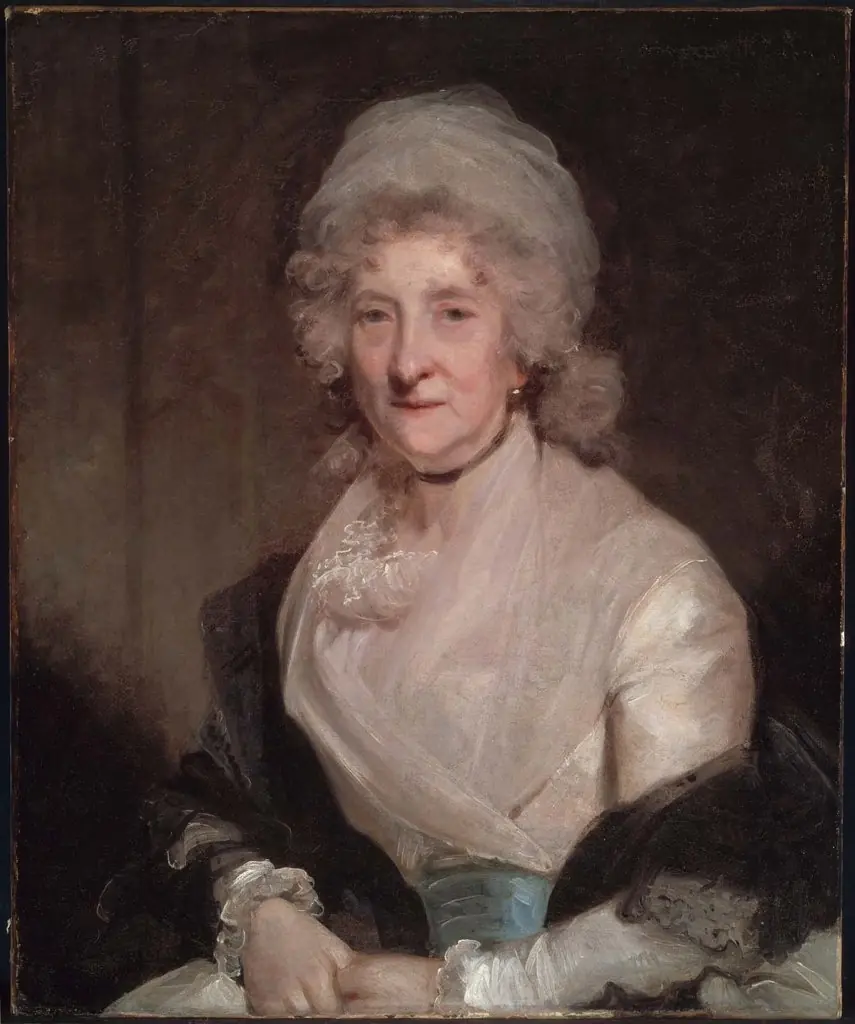 Dorcas, Lady Blackwood (Dorcas Stevenson), Baroness
 Soția măcelarului sibian Georg Hinzmann
 Portrait of Elżbieta Pade (d. 1833), wife of Marcin
 Rouva Anna Krogiuksen muotokuva