Artwork
Robert Shurlock (1772–1847)
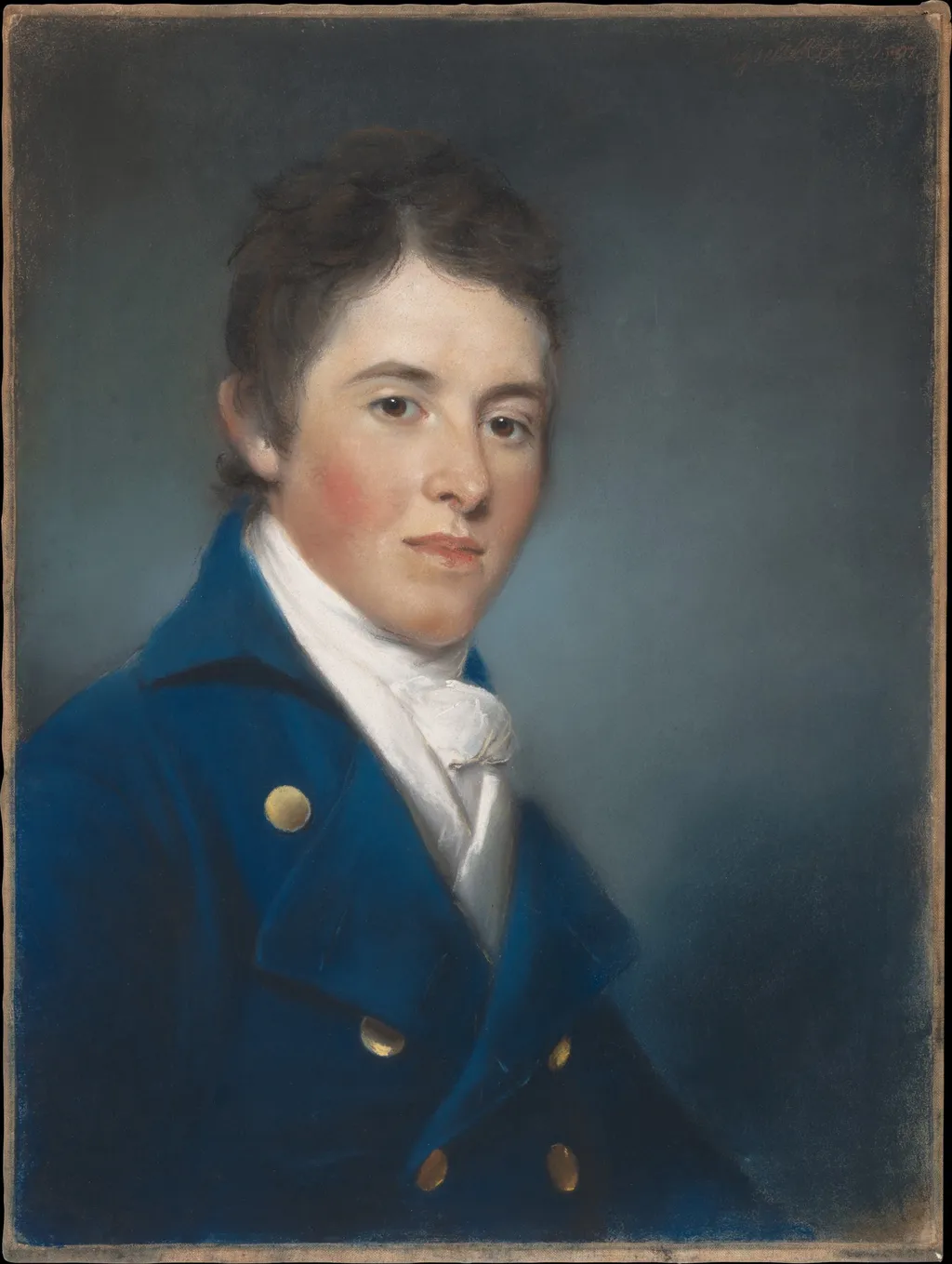
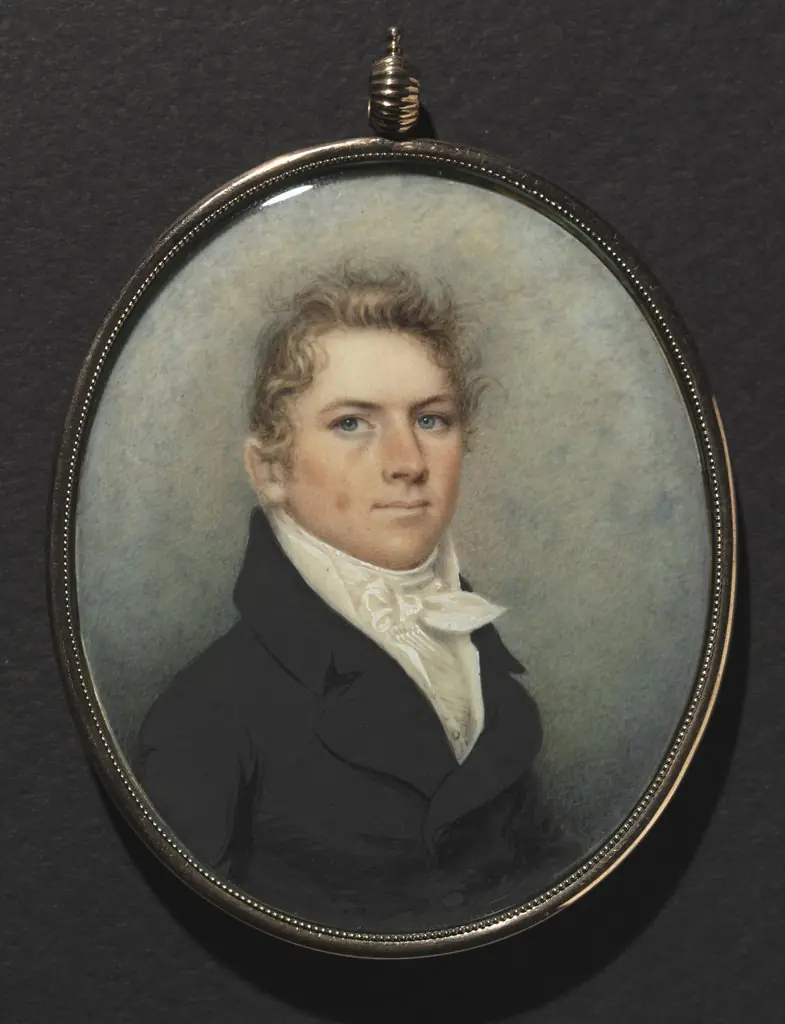
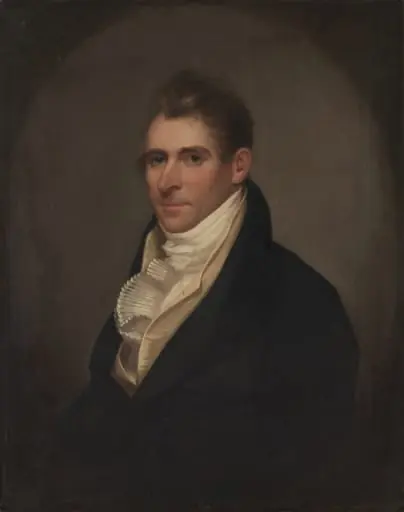
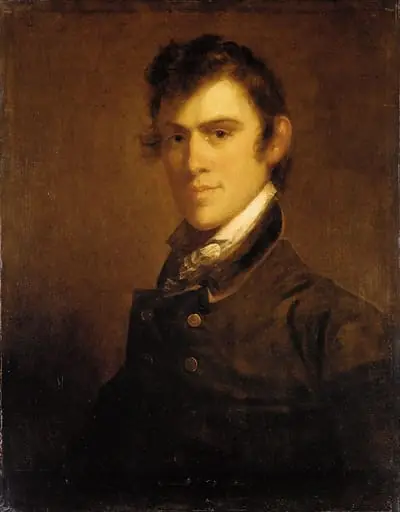
Robert Shurlock (1772–1847) is an unspecified painting by John Russell. It dates from 1801 and is held in the collection of the Metropolitan Museum of Art.
About this work
Subject & Meaning
As a formal portrait, the piece serves to represent the individual's likeness and presence rather than conveying a complex narrative or allegorical symbolism.
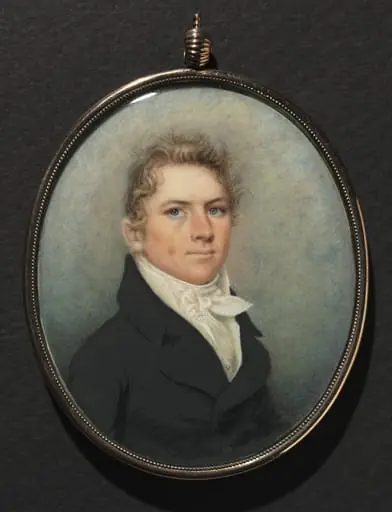
The work is a portrait painted in 1801 that depicts a man identified as Robert Shurlock. As a formal portrait, the piece serves to represent the individual's likeness and presence rather than conveying a complex narrative or allegorical symbolism. The subject is presented simply as a man, focusing on his physical appearance without additional iconographic elements or symbolic attributes described in the available records.
History & Provenance
John Russell's 1801 portrait of Robert Shurlock is held in the collection of the Metropolitan Museum of Art. The work is classified as a painting and depicts a man. The museum's records list the piece within its holdings, though specific inventory or accession numbers are not provided in the available sources. The painting has not been documented in any exhibition history within the provided references.
Context
Robert Shurlock (1772–1847) was a British subject active during the late Georgian period, a time when portraiture served both as record and status marker for emerging middle classes. John Russell, a self-taught Devonshire artist later appointed as 'Draughtsman of the House of Commons', specialized in small full-length portraits noted for their precise characterisation rather than grand idealisation. The Shurlock portrait, measuring 60.3 cm by 44.1 cm, entered the Metropolitan Museum of Art collection shortly after Russell's death in 1806, reflecting early 19th-century British collecting patterns that favoured domestic genre scenes over continental Old Master imports.
Contemporary critical assessments praised Russell's 'unvarnished truth' in rendering sitters' expressions, a stance that contrasted with the more flattering conventions of Sir Joshua Reynolds' circle and foreshadowed the mid-Victorian emphasis on psychological realism in portraiture.
Legacy
Robert Shurlock (1772–1847) emerged as a notable subject in early 19th-century portraiture, with his representation by John Russell contributing to the genre's evolution. The work's inclusion in a major collection has reinforced its recognition within art historical discourse, though specific later influence on subsequent artists remains unrecorded in available sources.
The painting's enduring presence in a prominent museum underscores its significance as a representative example of the period's portrait tradition.
Overview
John Russell’s 1801 oil portrait presents Robert Shurlock, a gentleman of the early nineteenth century, rendered in a restrained composition that centers on his face and shoulders. The work is part of the Metropolitan Museum of Art’s collection, where it is displayed among other British portraiture of the period.
Technique & Style
Russell employs subtle gradations of tone to model Shurlock’s skin, using soft shading that merges highlights and shadows in a manner reminiscent of the sfumato technique. The background is a uniform dark gray, eliminating distractions and directing the viewer’s attention to the sitter’s features and attire.
Own this work as a print
Artist & collection