Artwork
A Woman's Work
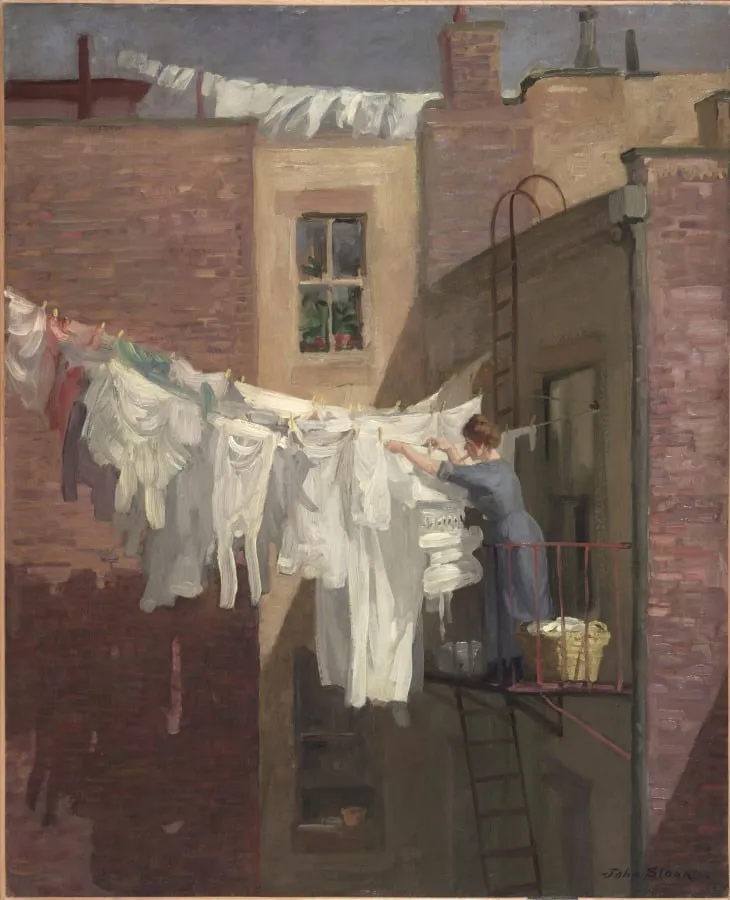
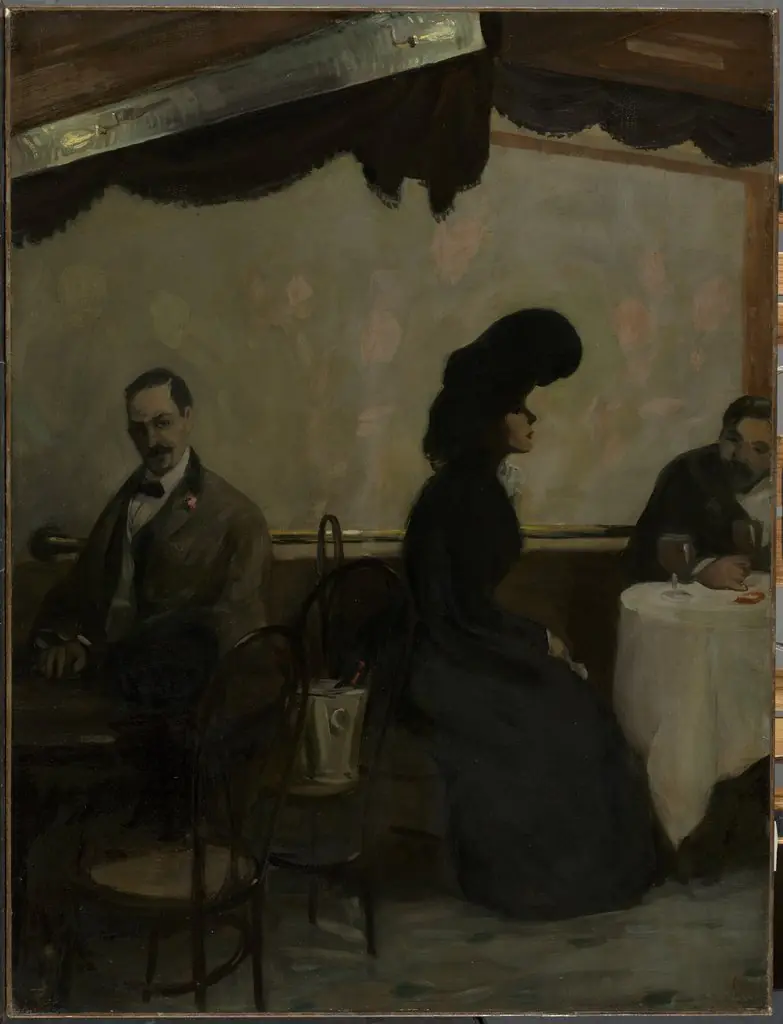
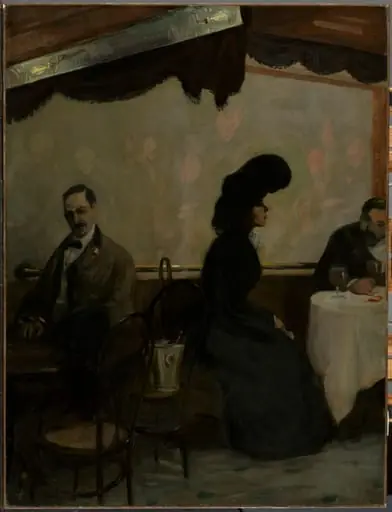
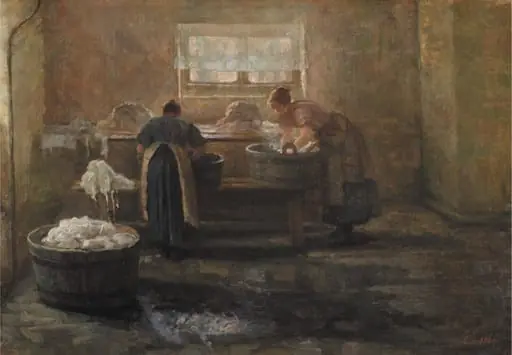
A Woman's Work is an unspecified painting by the Regionalist artist John Sloan. It dates from 1912 and is held in the collection of the Cleveland Museum of Art.
- Accession no.
- 1964.160
- Credit line
- Gift of Amelia Elizabeth White
About this work
Overview
Sloan, previously a journalist, turned his attention to the unglamorous rhythms of urban life, choosing to depict labor often overlooked by his artistic peers.
Painted by John Sloan in the early 1900s, this work captures a routine domestic task performed by a woman on a Manhattan fire escape. Sloan, previously a journalist, turned his attention to the unglamorous rhythms of urban life, choosing to depict labor often overlooked by his artistic peers. The scene is framed tightly, with no sky visible, emphasizing the confined spaces of tenement living and the private nature of women’s work.
Subject & Meaning
The painting centers on a woman engaged in the daily chore of hanging laundry between buildings. Her posture and the absence of any other figures underscore the isolation and repetition of such labor. Rather than idealizing urban existence, Sloan highlights the quiet endurance required to maintain domestic order in crowded city conditions, reflecting broader societal norms that confined women’s roles to the home.
Technique & Style
Sloan employed a restrained palette of grays, browns, and muted blues, mirroring the dullness of the urban environment. Brushwork is direct and unembellished, avoiding dramatic lighting or compositional flourish. The close cropping and lack of background detail focus attention entirely on the woman and her task, reinforcing the painting’s emphasis on ordinary, unremarkable moments.
History & Provenance
Sloan painted this scene from the rear window of his own apartment in New York City, observing the woman through the narrow space between buildings. The work emerged from his commitment to documenting the lives of working-class residents, a practice rooted in his journalistic background. It was created during a period when urban realism was gaining traction among a small group of American artists seeking to depict authentic daily life.
Context
At the turn of the century, most women’s labor remained invisible in public art, confined to the private sphere. Sloan’s choice to elevate laundry-hanging to the subject of a painting challenged prevailing artistic conventions. His work aligned with broader social observations of the time, reflecting the physical and spatial constraints faced by working-class families in rapidly growing cities.
Legacy
The painting contributed to a shift in American art toward documenting everyday life without romanticization. It influenced later realist painters and photographers who sought to represent labor and domesticity with dignity. Though modest in scale, the work remains a quiet testament to the unseen routines that sustained urban communities.
Artist & collection
Artist
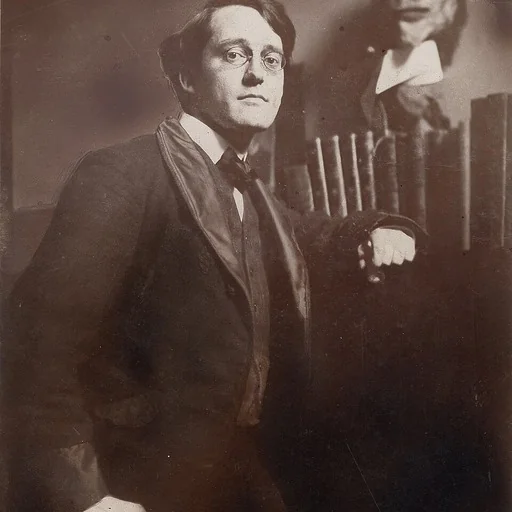
John French Sloan (August 2, 1871 – September 7, 1951) was an American painter and etcher.