
Movement
Regionalism
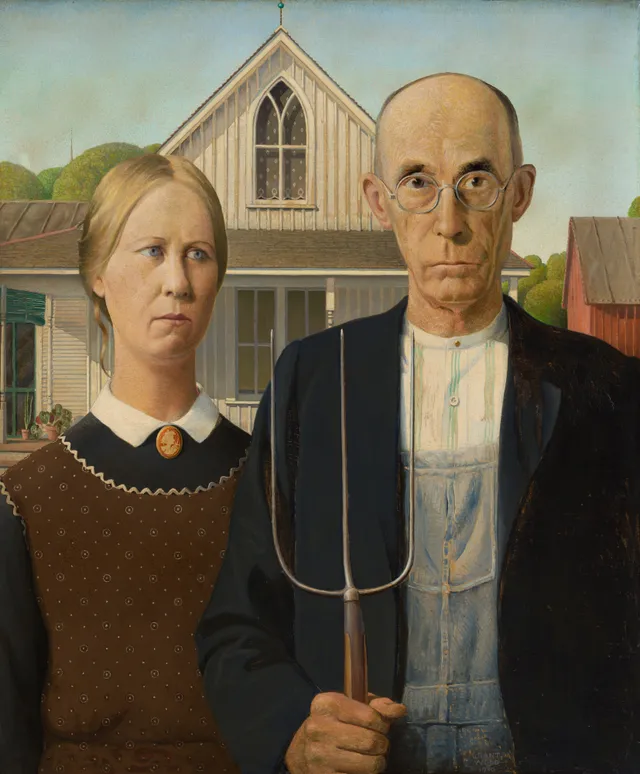
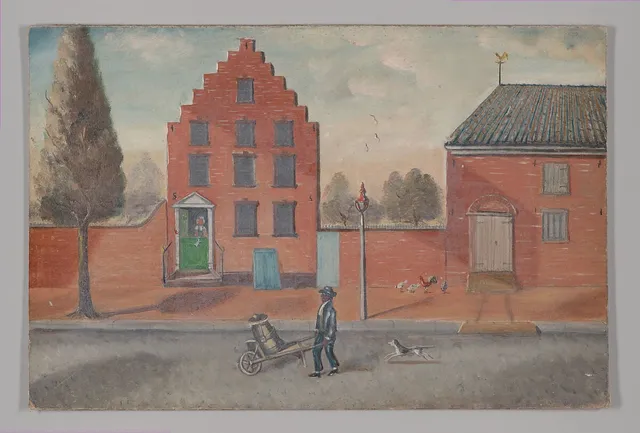
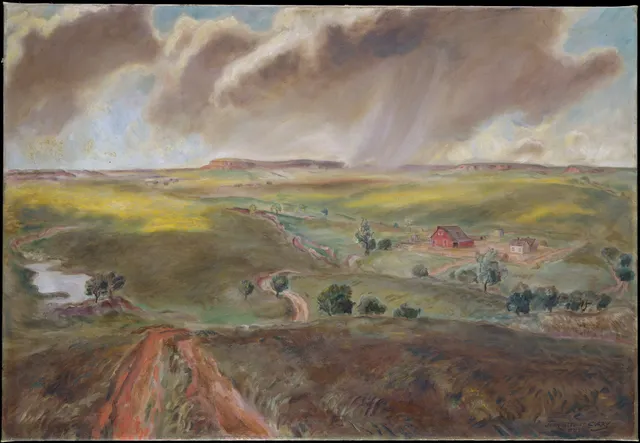
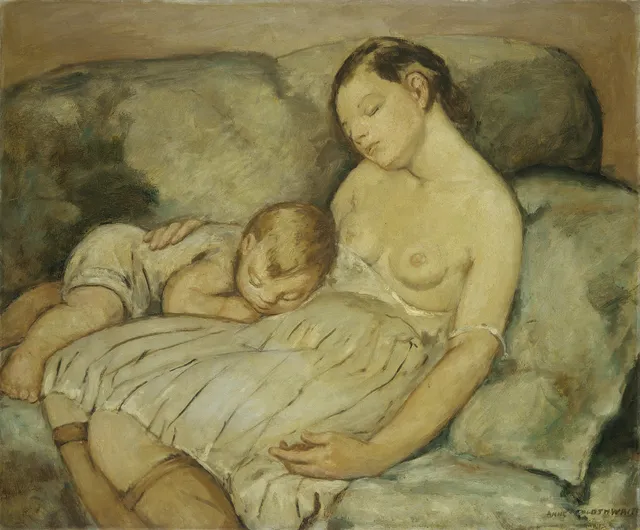
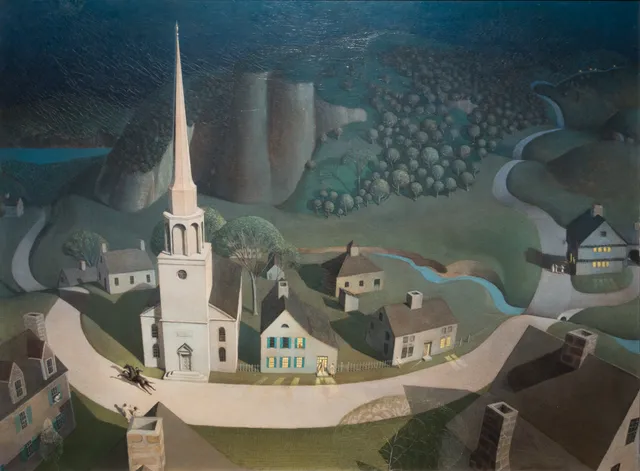
Regionalism is an art movement of the 1930–1950 period. The gallery holds 186 works in this movement, including works by Anne Goldthwaite, Grant Wood and John Kane. Browse Regionalism paintings, portraits, pictures and artworks from the world's public-domain museum collections.
Regionalism—often called American Scene Painting in its broader form—was the dominant current in United States art during the 1930s, a realist movement that depicted the rural life and small towns of the American heartland, above all the Midwest. It emerged around 1930 and crested between roughly 1930 and 1935, when the privations of the Great Depression made its reassuring images of farms, threshing crews, and Main Street resonate with a wide public. Its rise was also nationalist in spirit: in the aftermath of the First World War, American painters sought an art independent of Paris. Grant Wood gave the impulse its manifesto in the 1935 pamphlet "Revolt Against the City," arguing that hard times had usefully forced artists back onto native ground rather than European models. The movement gained national fame when Time magazine put Thomas Hart Benton's self-portrait on its cover on December 24, 1934, heralding a new art from the Midwest.
Visually, Regionalism was conservative and legible by design. Its painters rejected European modernism in favor of detailed, figurative, narrative pictures—"art-as-storytelling"—rooted in folk tradition and Old Master technique, and meant to be understood by ordinary viewers. Compositions tend toward crisp drawing, rounded sculptural forms, clear local color, and an often gently satirical or mythologizing treatment of familiar American subjects.
The movement had no formal program; it coalesced organically around the "Regionalist Triumvirate": Grant Wood in Iowa, Thomas Hart Benton in Missouri, and John Steuart Curry in Kansas—each, tellingly, trained partly in Europe. Wood's American Gothic (1930), with its stiff farmer and daughter before a Carpenter Gothic farmhouse, became the era's most recognized canvas; his stylized The Midnight Ride of Paul Revere (1931) reworked national legend. Benton produced sweeping, muscular murals such as America Today (1930–31), while Curry mined Plains drama in Baptism in Kansas (1928). Several of these artists are represented in our collection, including Wood's American Gothic and Midnight Ride of Paul Revere and Curry's Spring Shower (Western Kansas Landscape).
Regionalism is best understood as the rural wing of the larger American Scene movement, distinct from but contemporary with the more urban, politically charged Social Realism of the same decade. It faded by the early 1940s, undercut by the Second World War, charges of provincialism, and the postwar ascendancy of Abstract Expressionism—Benton's student Jackson Pollock among its leaders—yet it remains a defining chapter in the search for a distinctly American art.
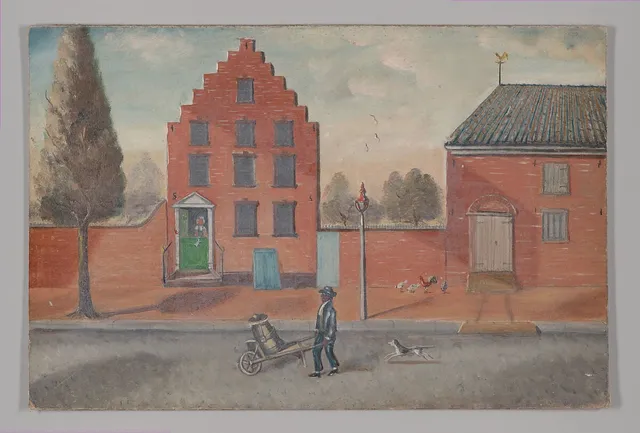
Key artists

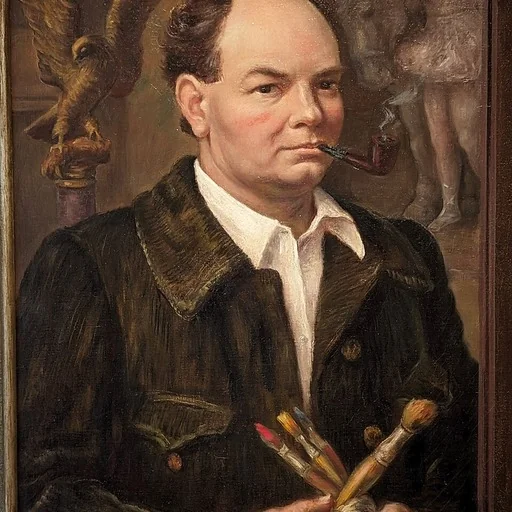
Works
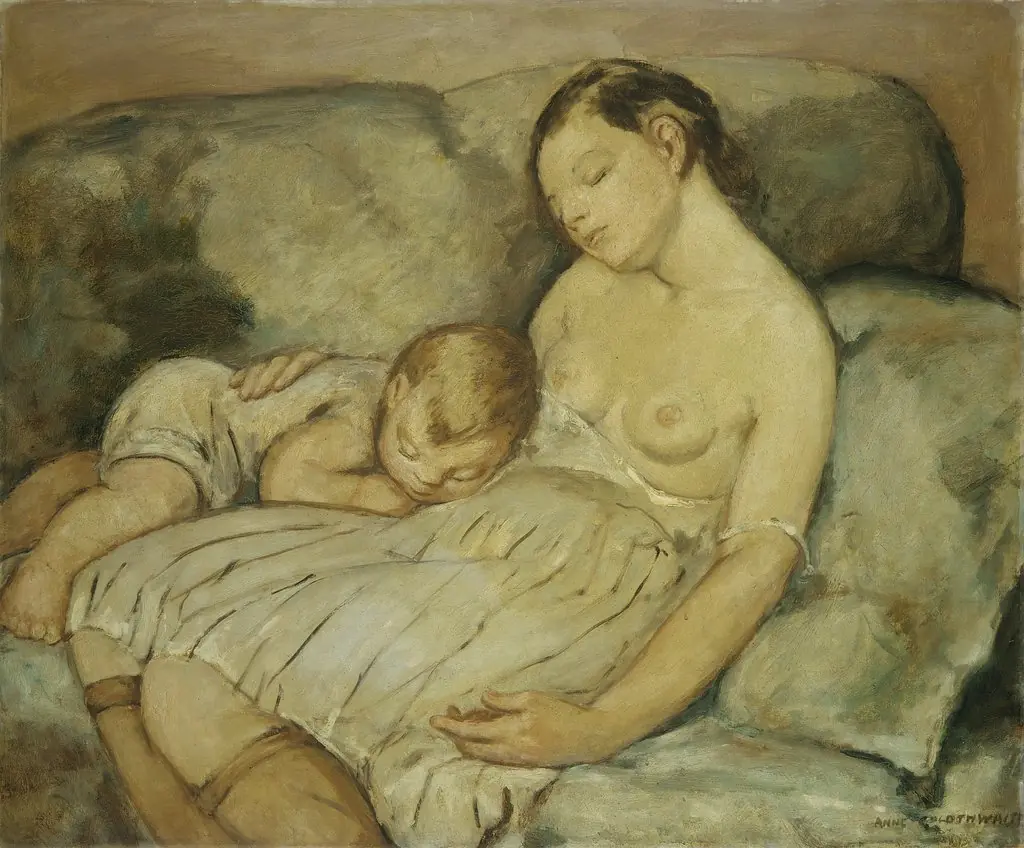 The Green Sofa
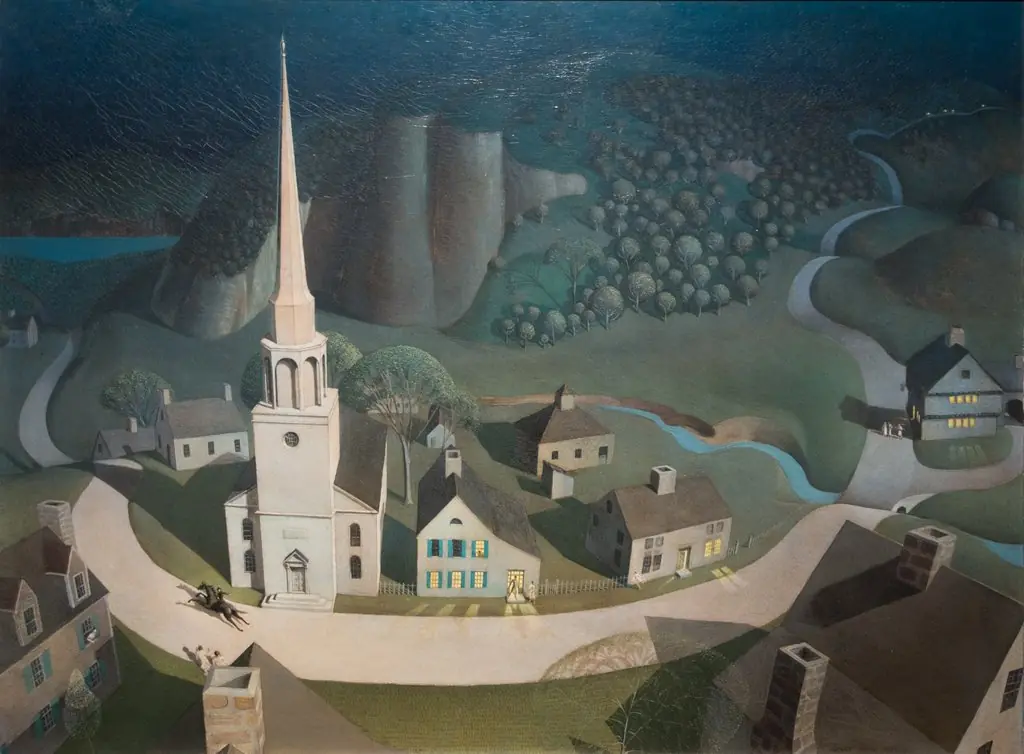 The Midnight Ride of Paul Revere
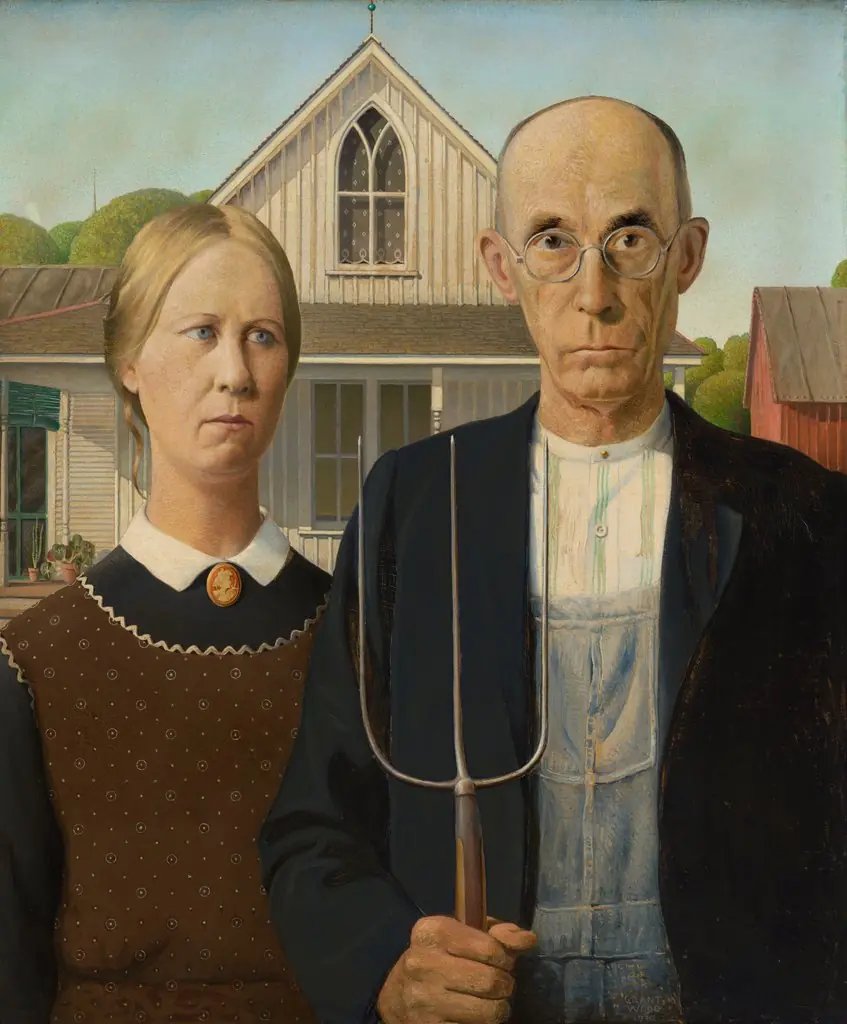 American Gothic
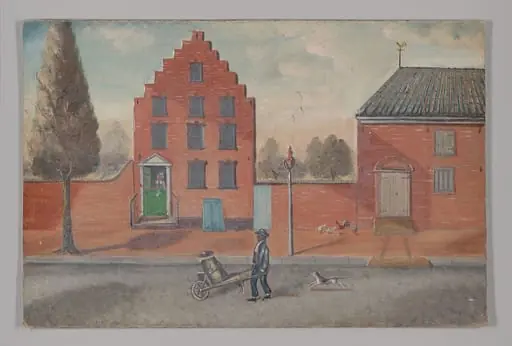 Buttermilk Pedlar
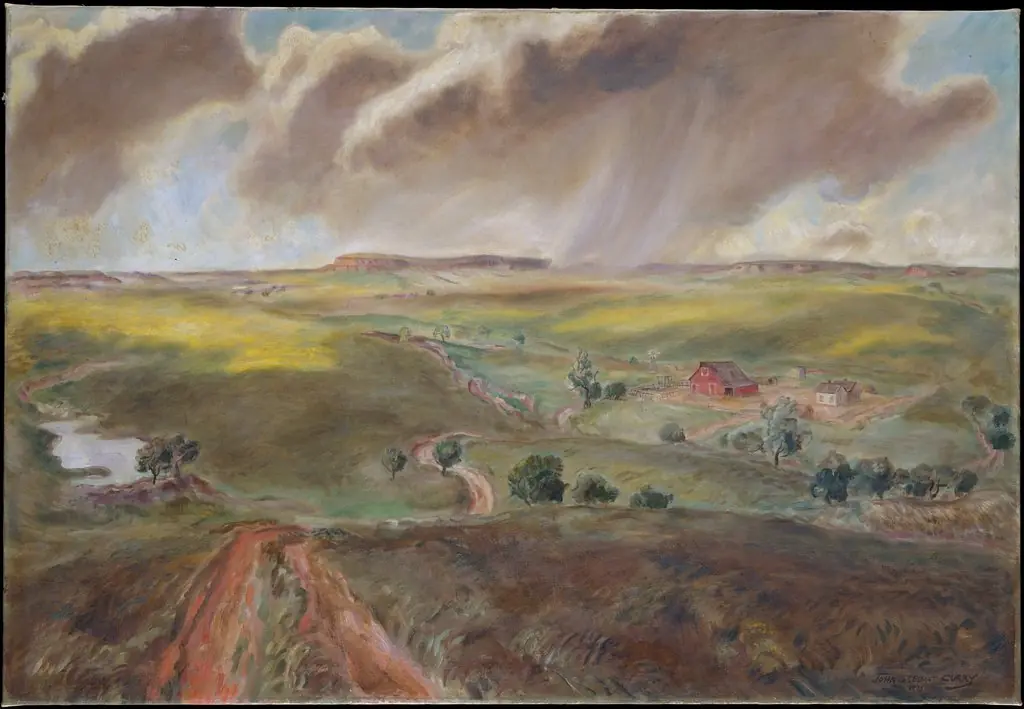 Spring Shower (Western Kansas Landscape)
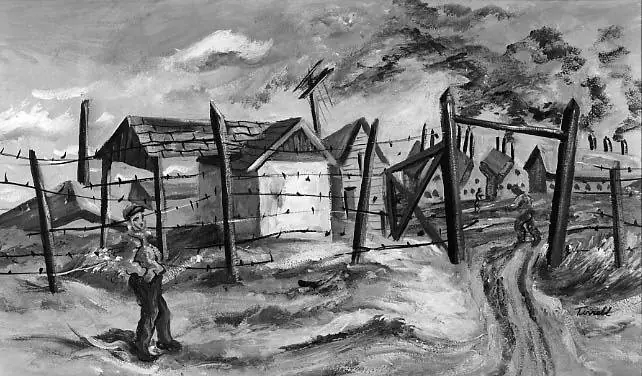 Industrial Landscape
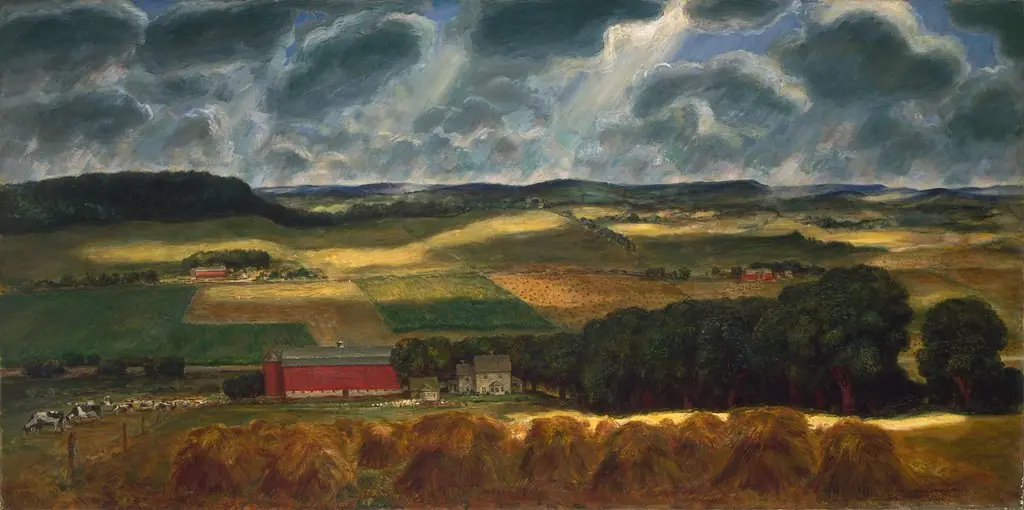 Wisconsin Landscape
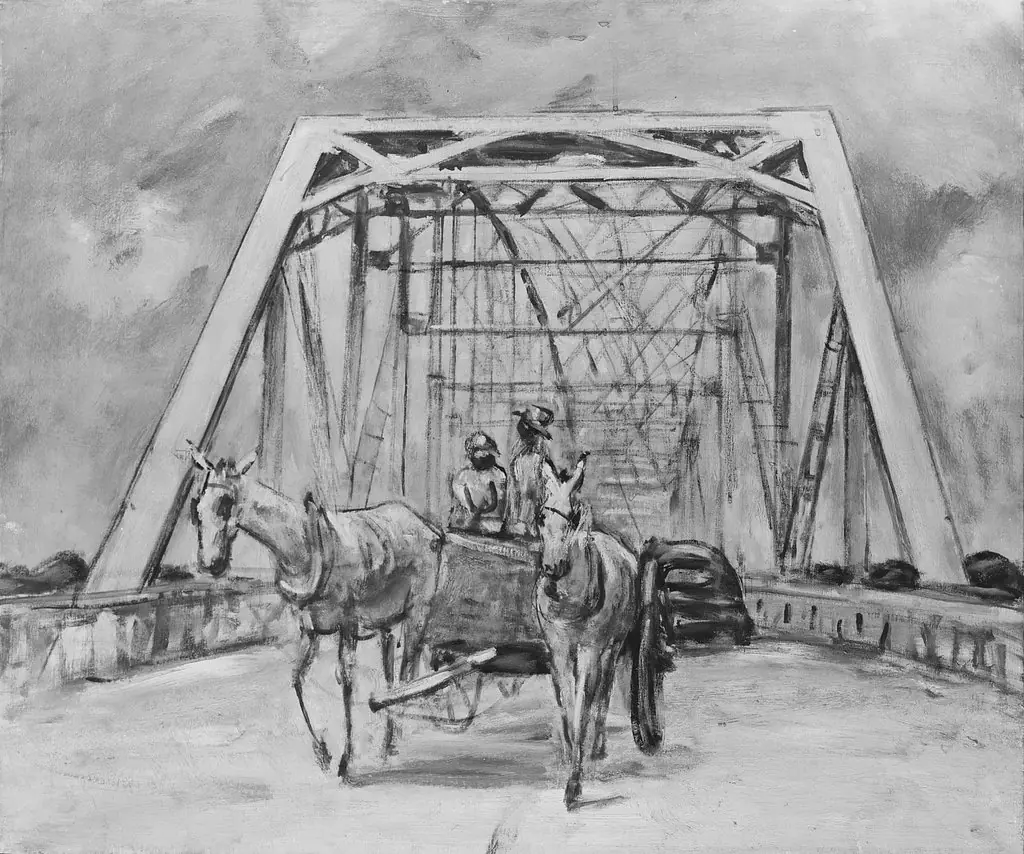 White Mules on a Bridge
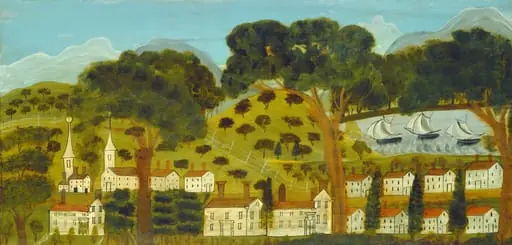 New England Village
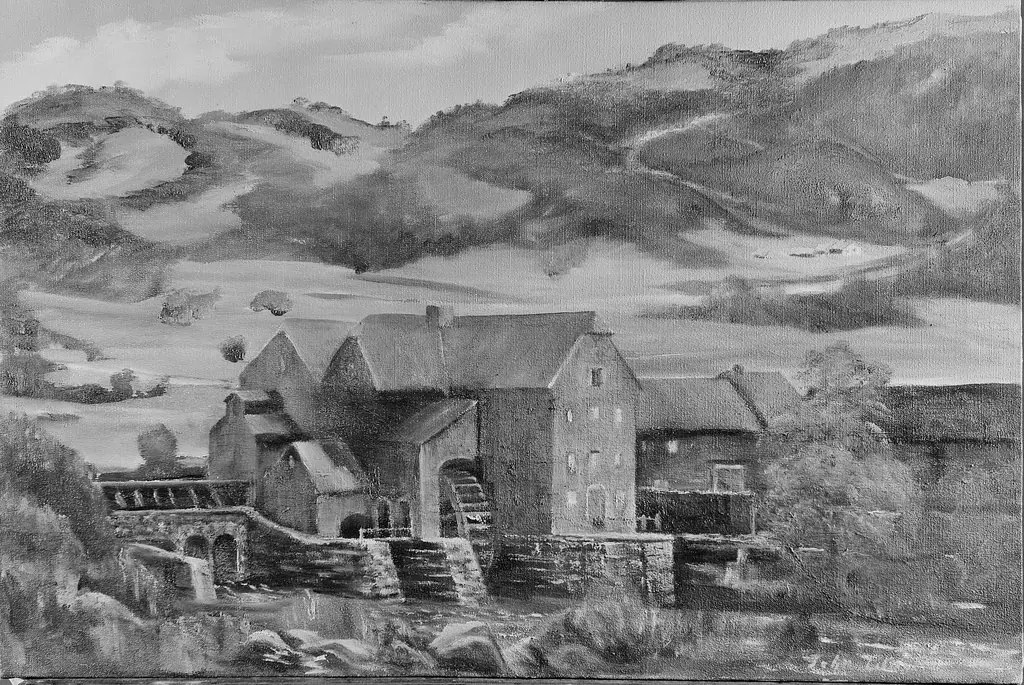 The Old Factory
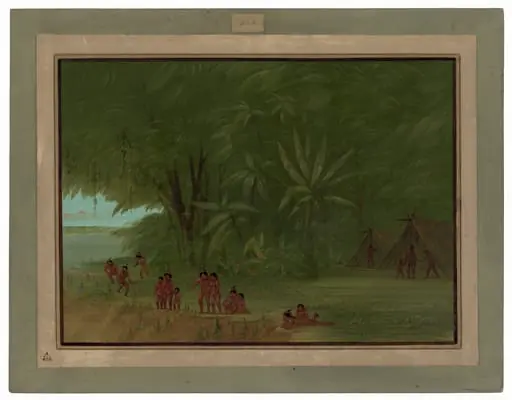 Mauhees Encampment
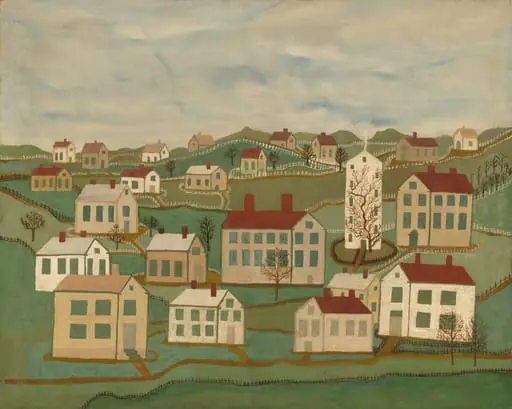 Twenty-two Houses and a Church
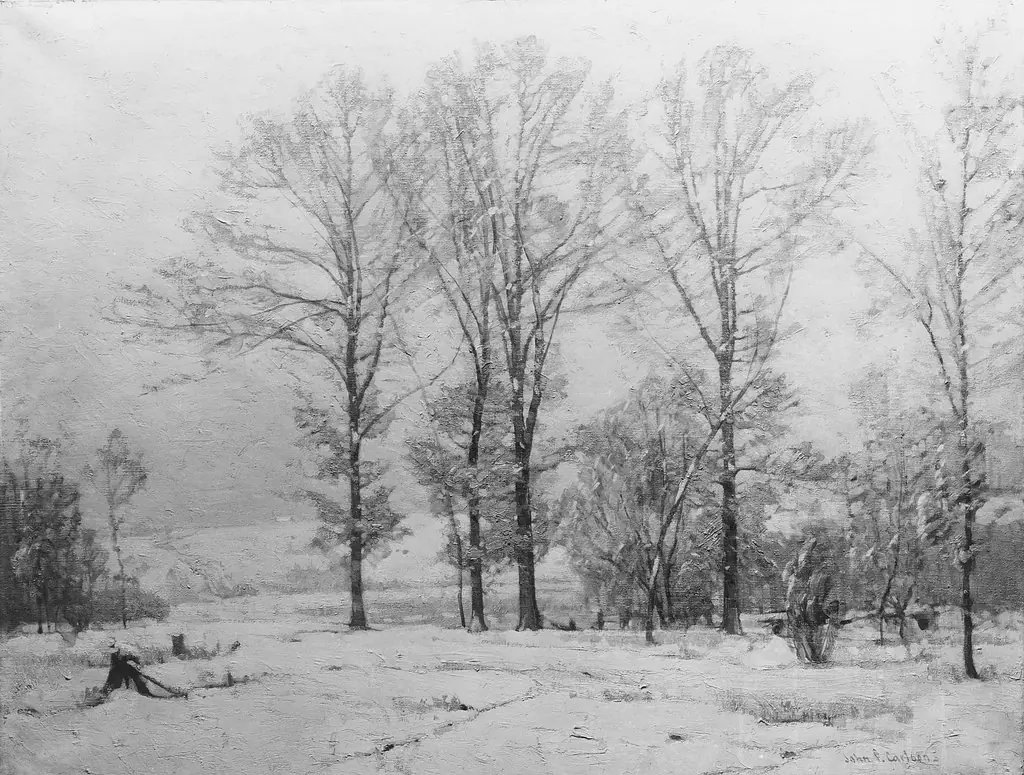 Snow Flurries
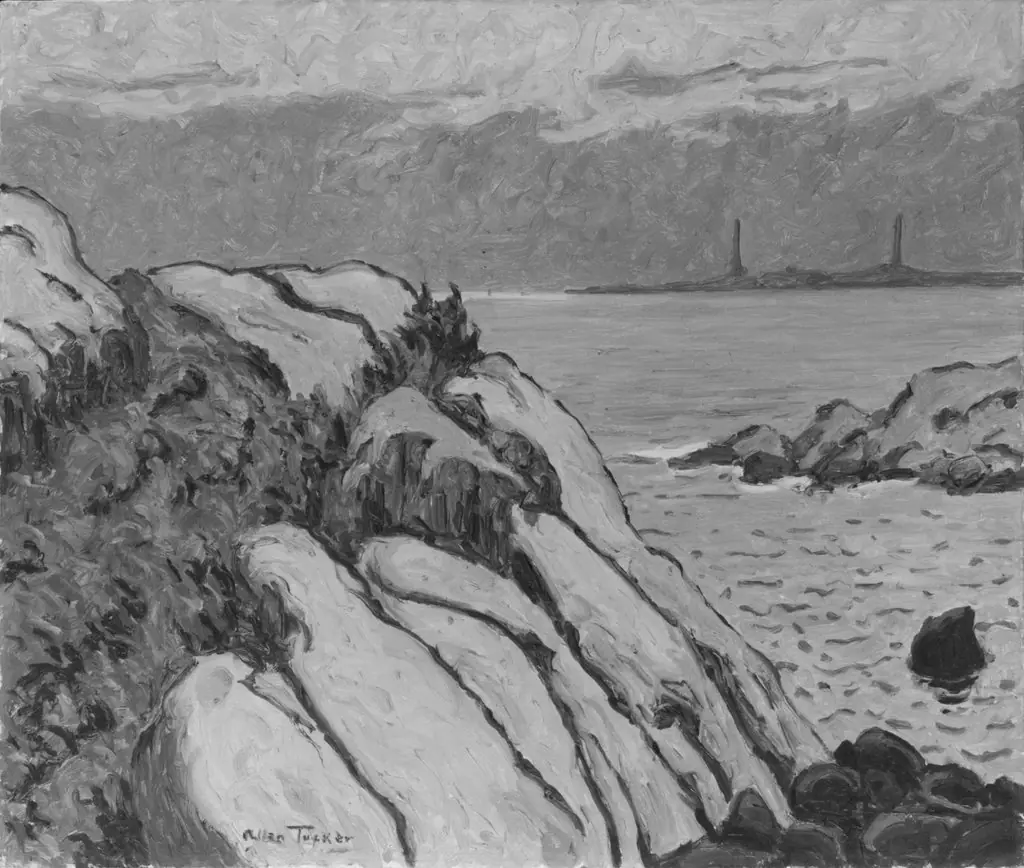 Headland
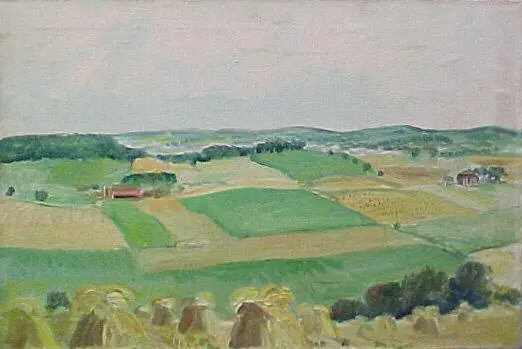 Study for "Wisconsin Landscape"
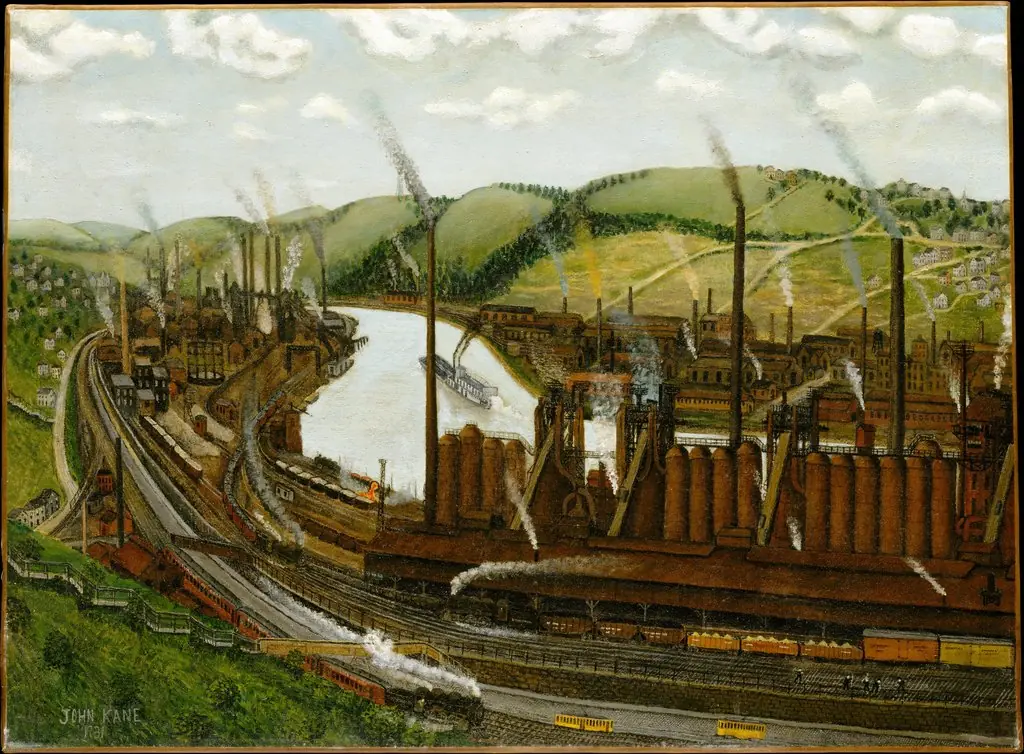 The Monongahela River Valley, Pennsylvania
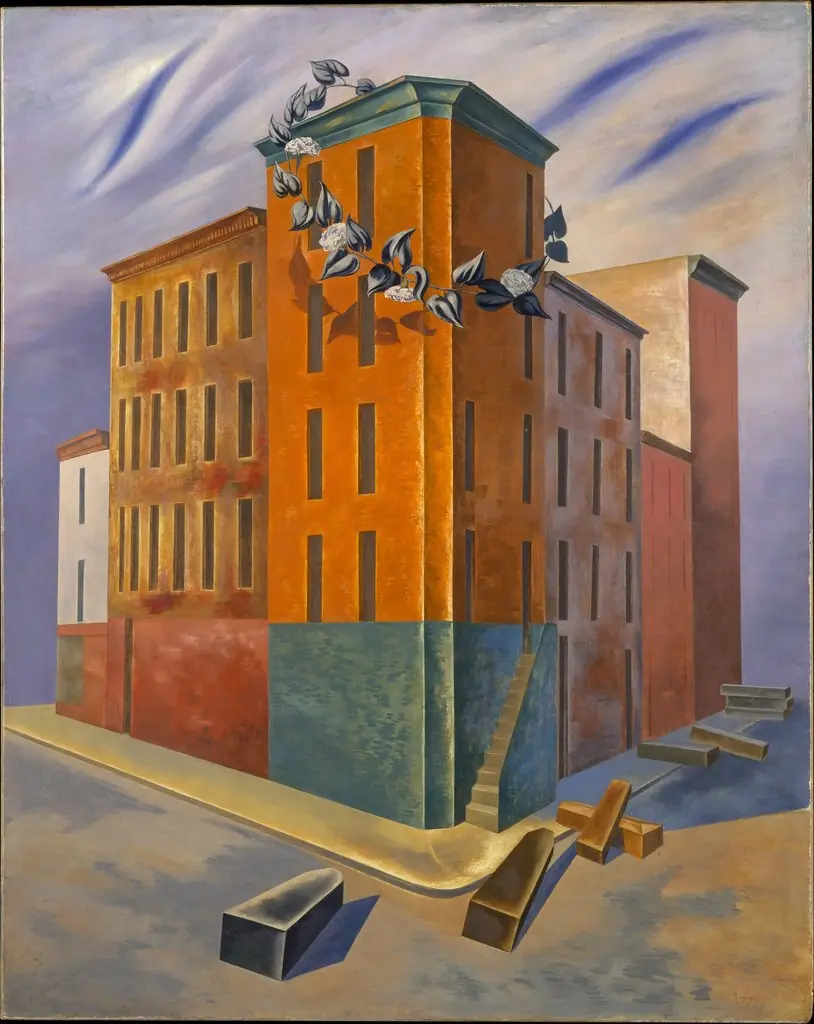 One Third of a Nation
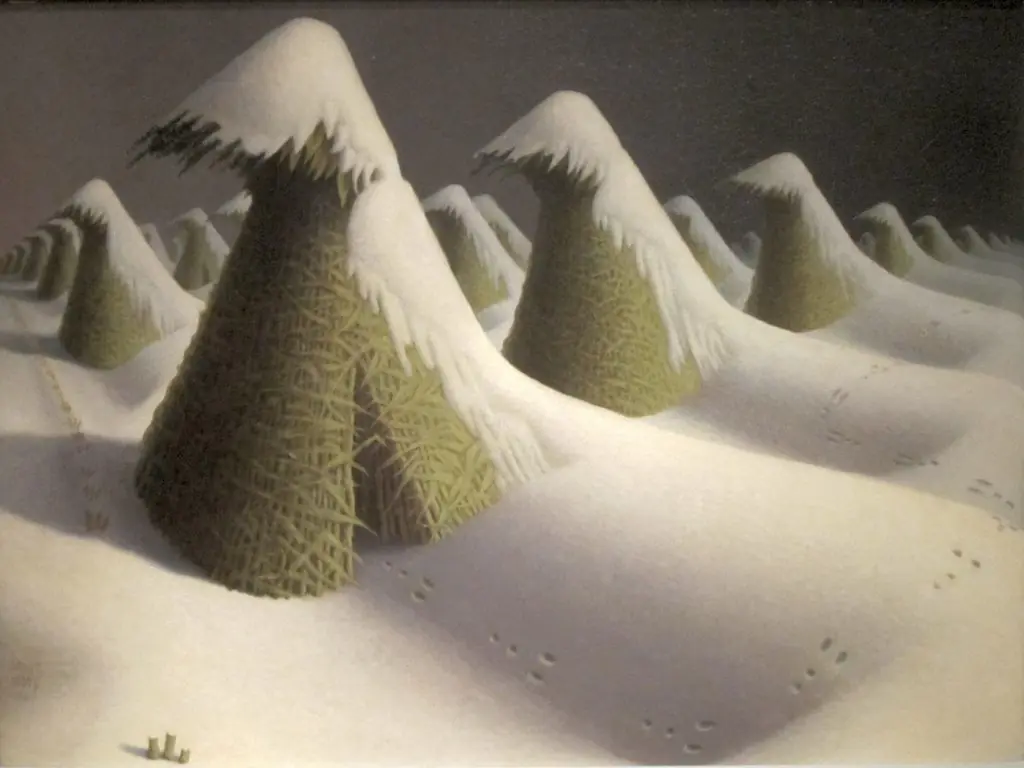 January
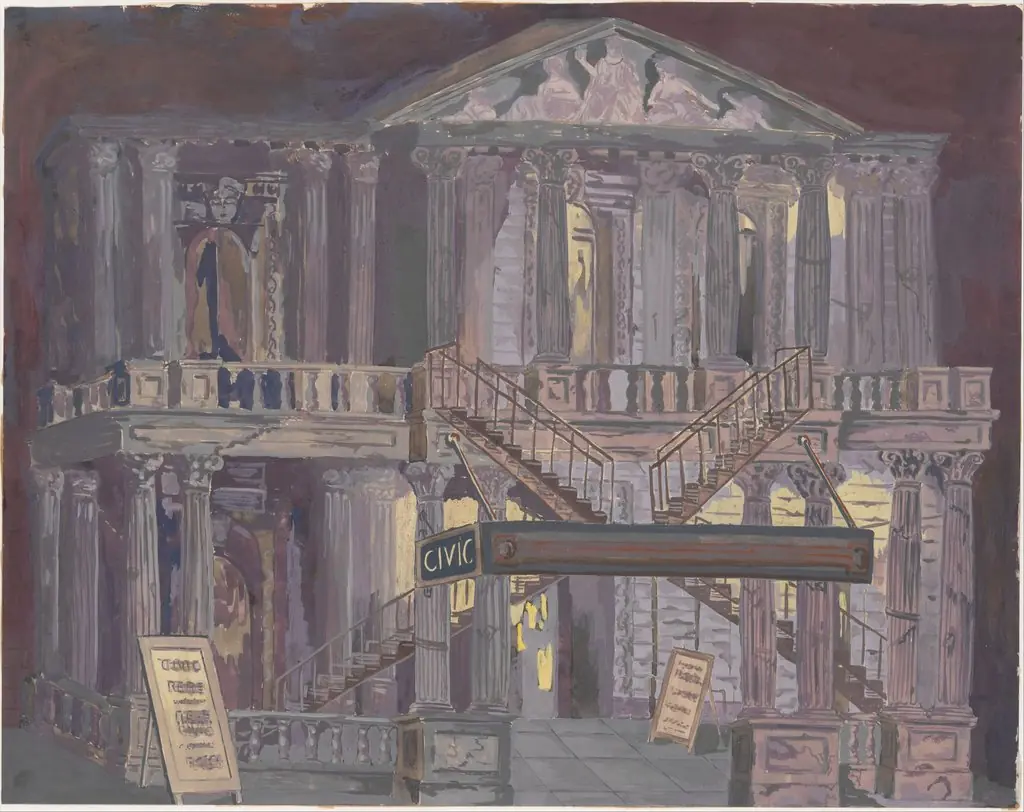 14th Street Theatre
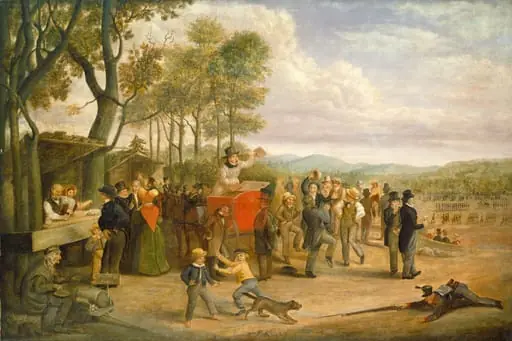 Muster Day
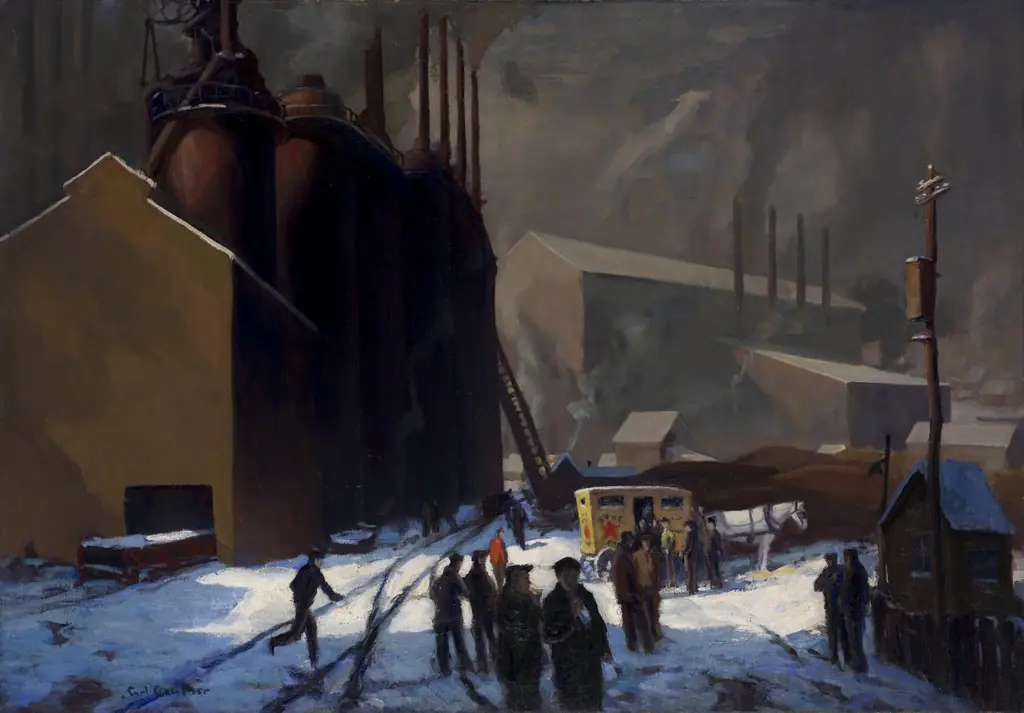 The Pie Wagon
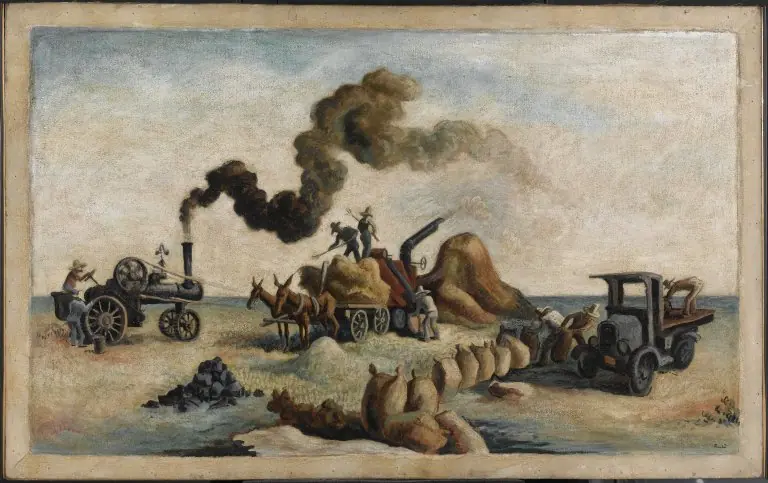 Louisiana Rice Fields
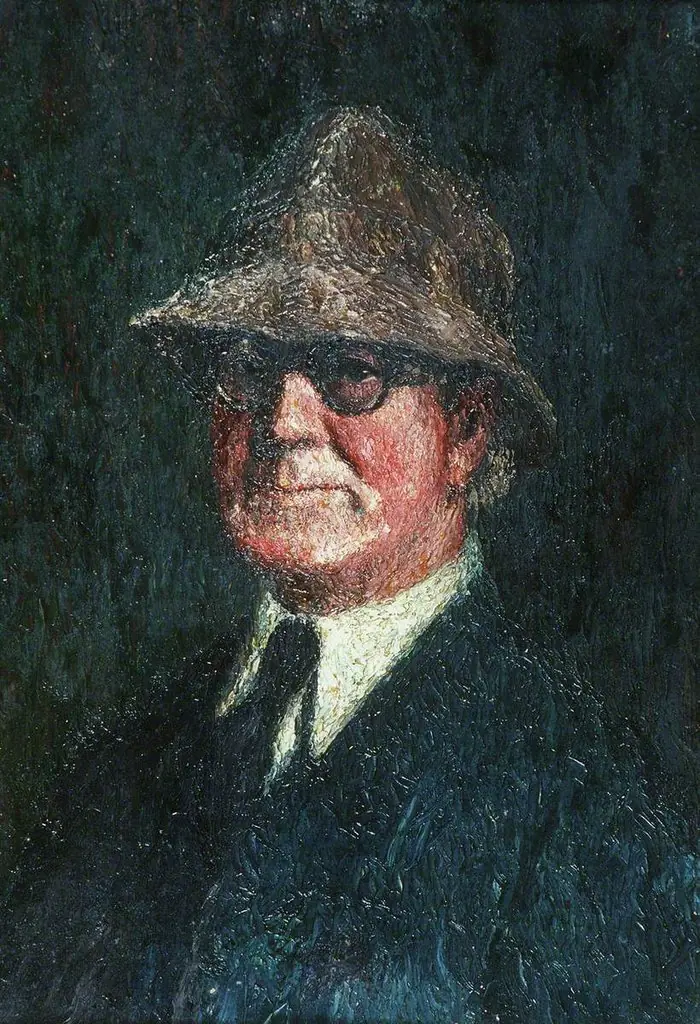 Self Portrait
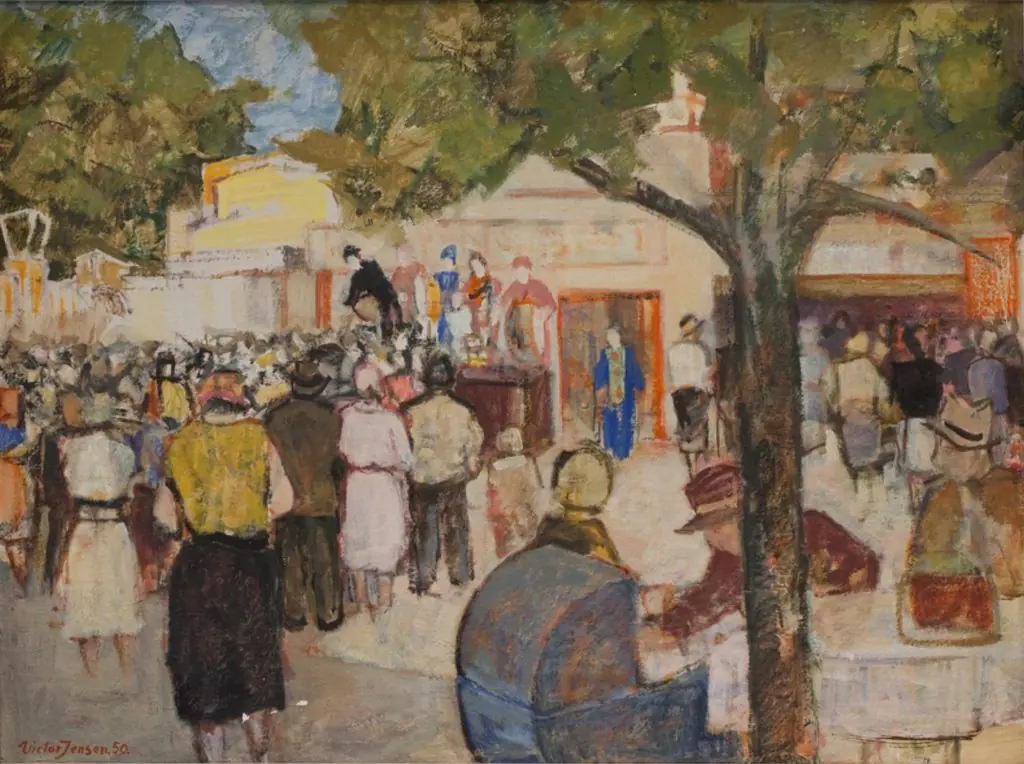 Resort in the Deerpark
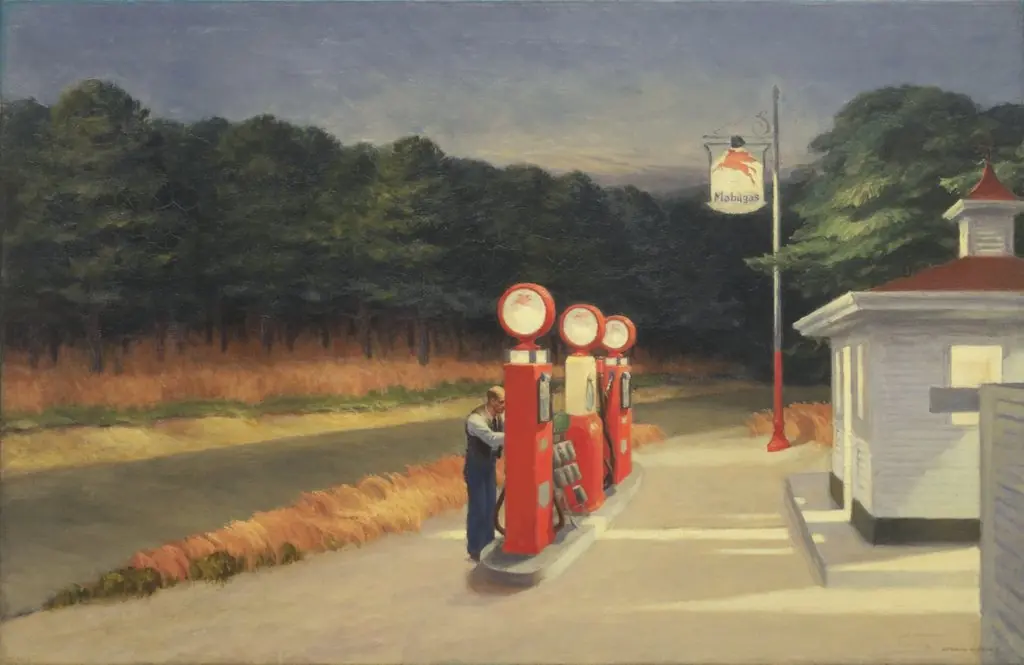 Gas
Gas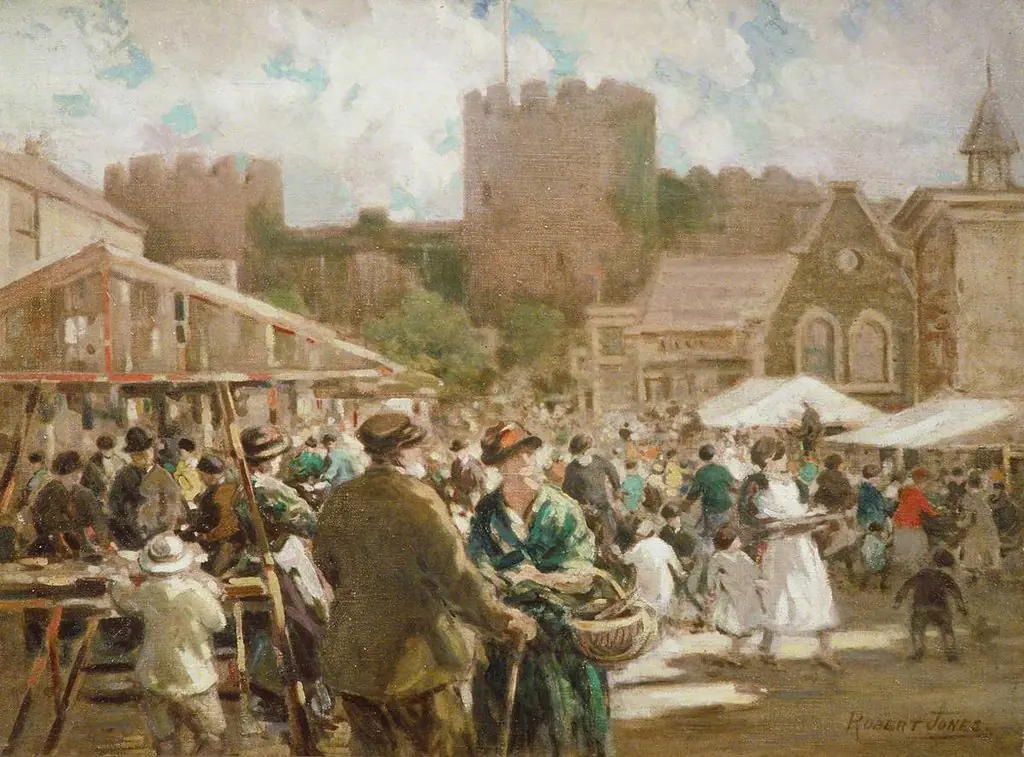 Conway Market
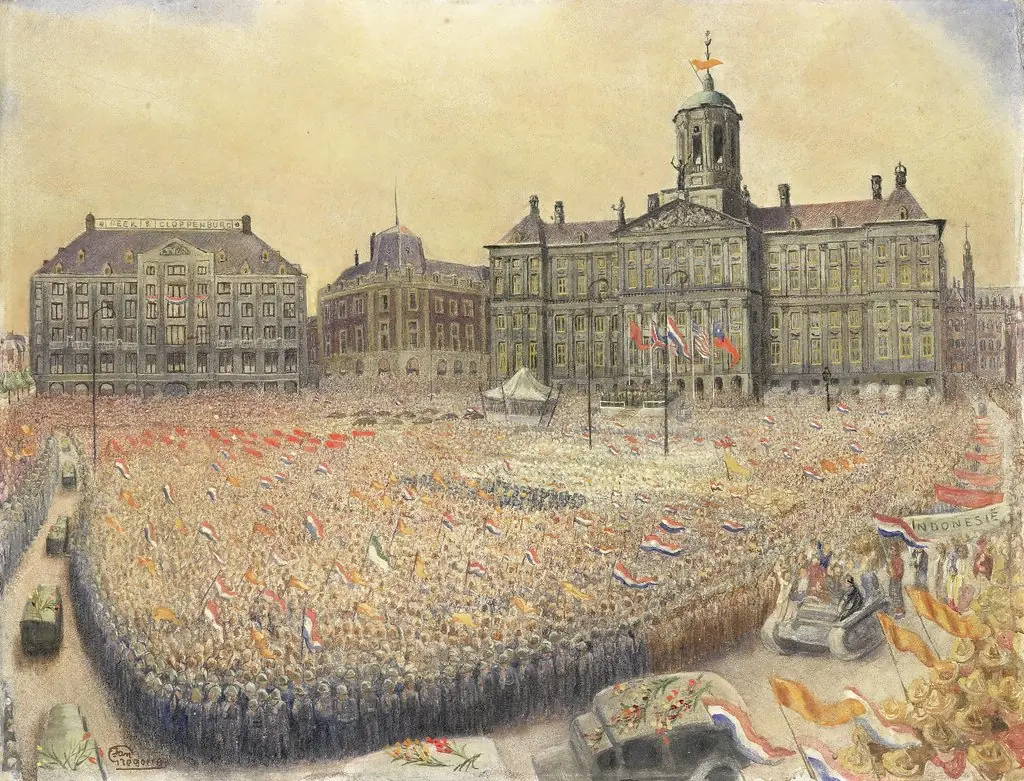 Het bevrijdingsfeest op de Dam op 9 mei 1945
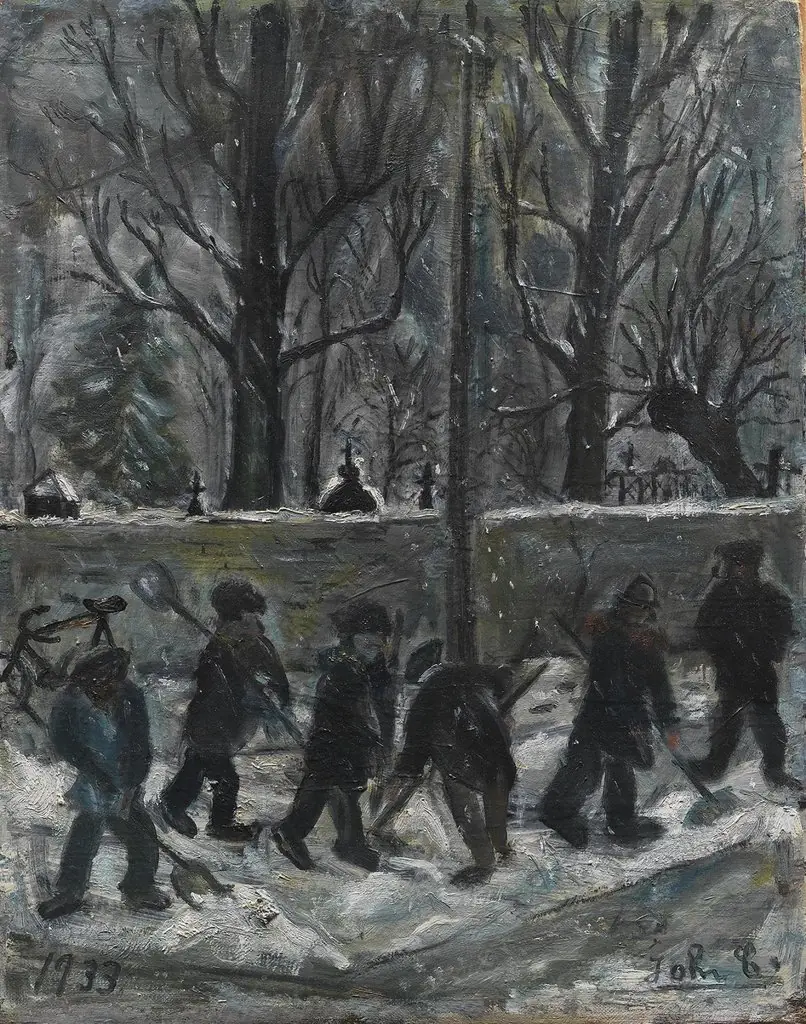 Snow-Clearing
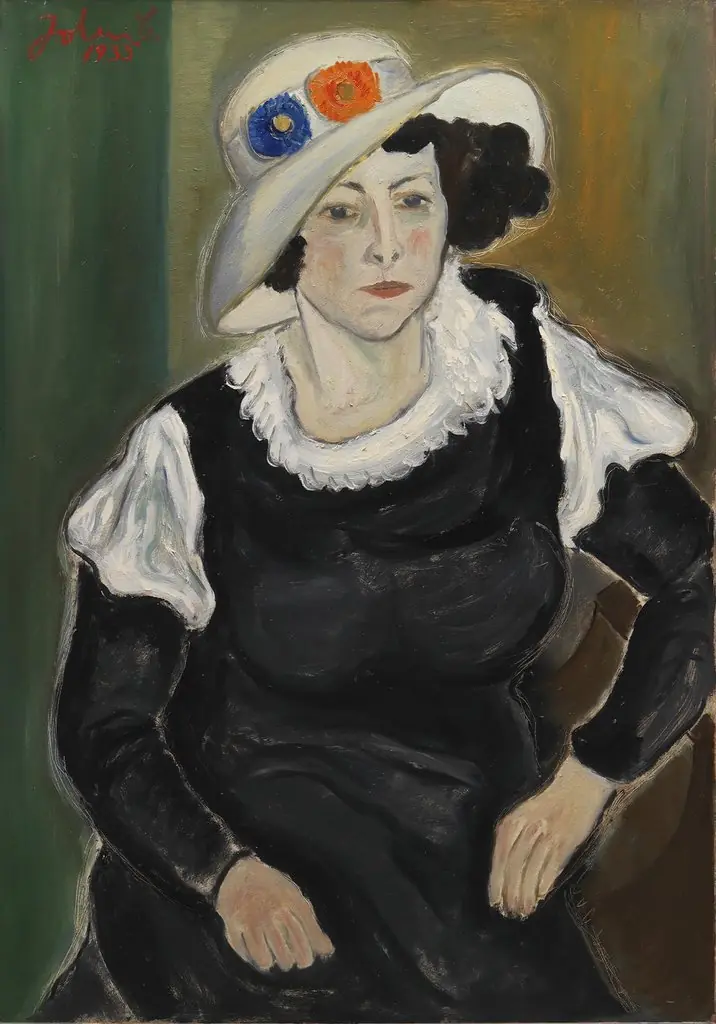 A Lady Wearing a Hat. The Artist's Wife, Dagny Marie Christensen
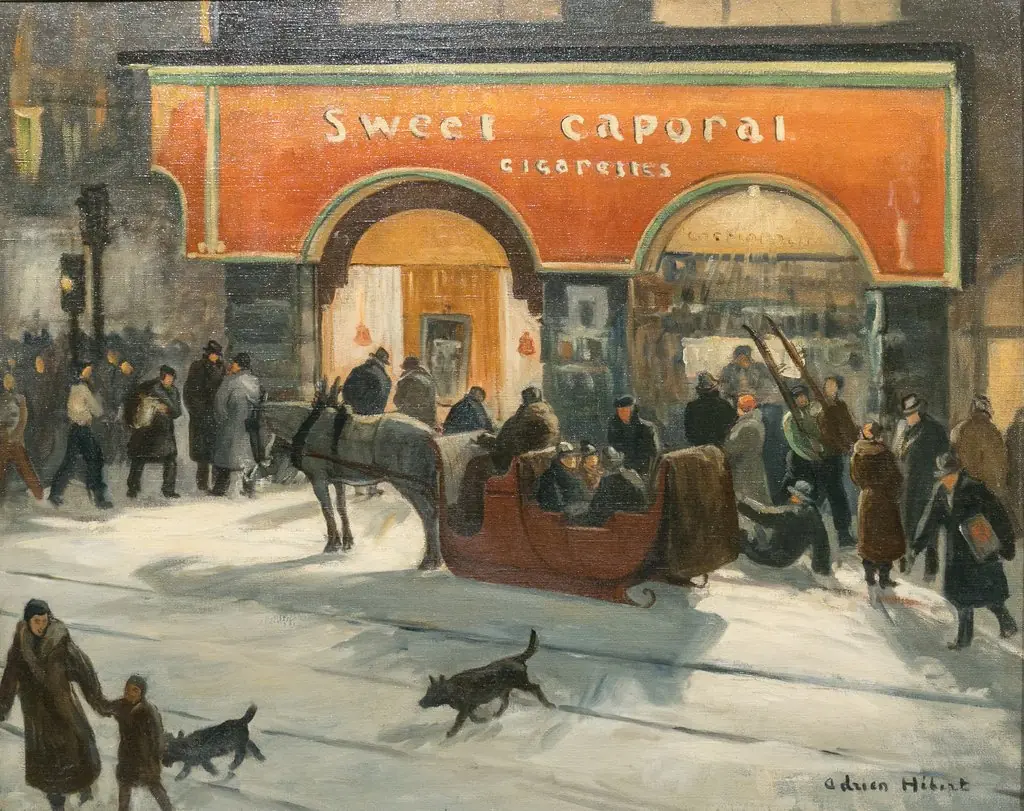 Hyman's Tobacco Store
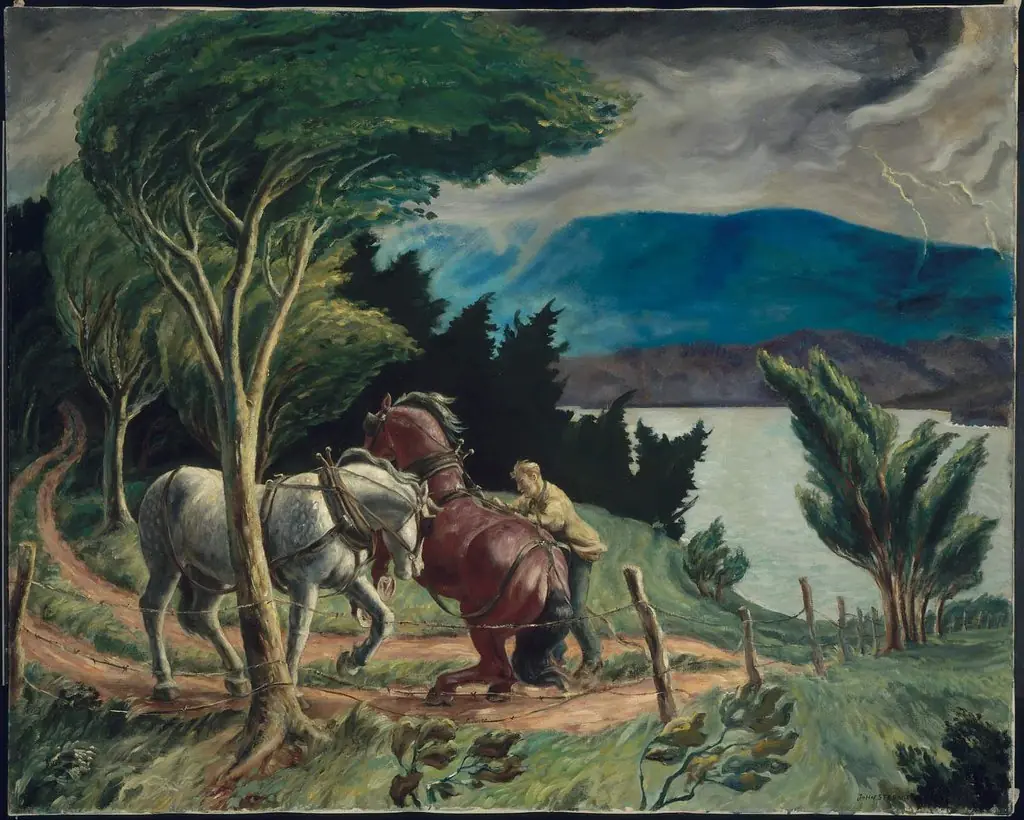 Storm Over Lake Otsego
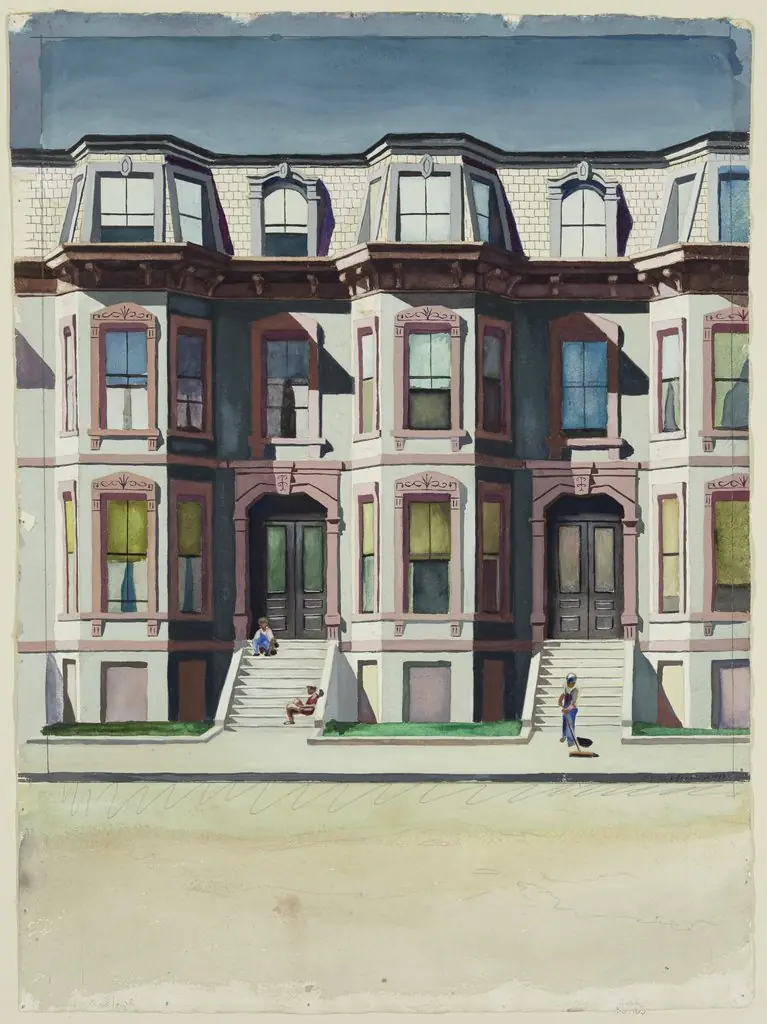 Old Roxbury
![Untitled. [Portrait of a man], by Elizabeth Berry, 1932](https://artifactworldgallery.com/img/elizabeth-berry--untitled-portrait-of-a-man--b0a03ed2c8d53259-w320.webp) Untitled. [Portrait of a man]
Untitled. [Portrait of a man]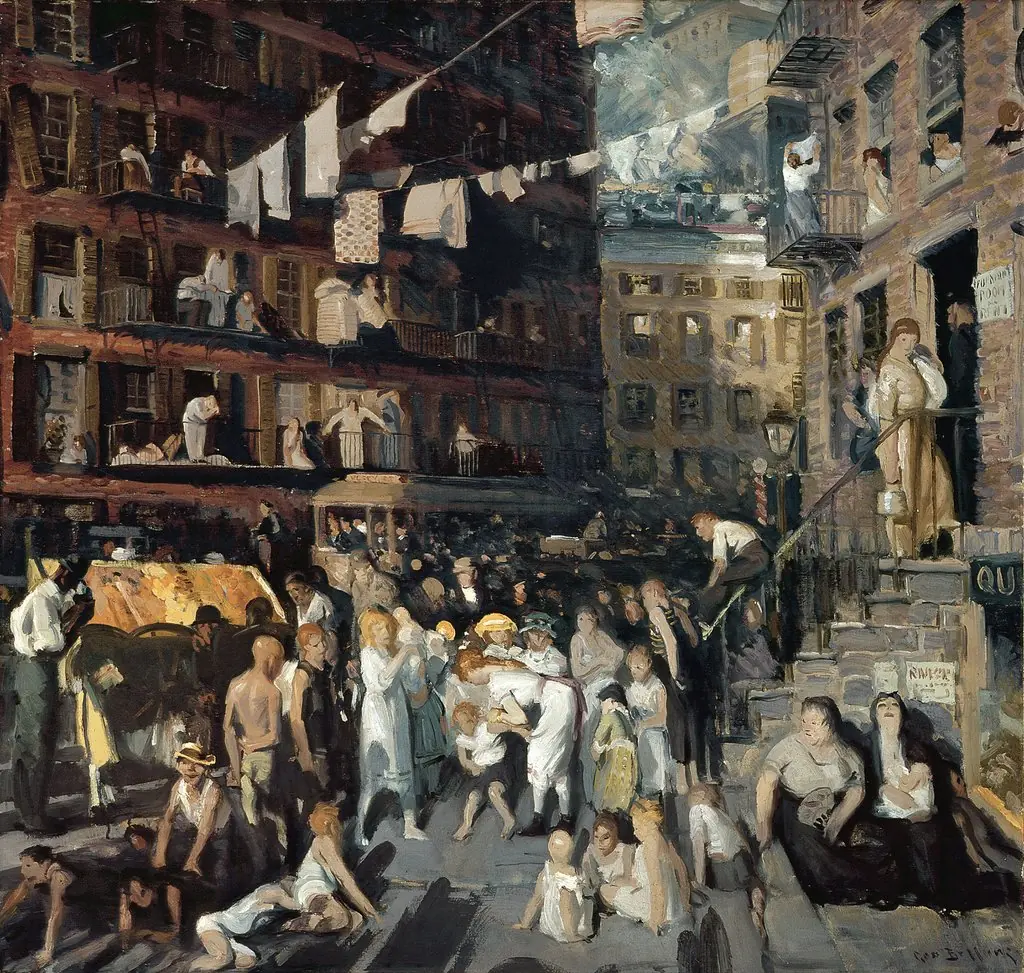 Cliff Dwellers
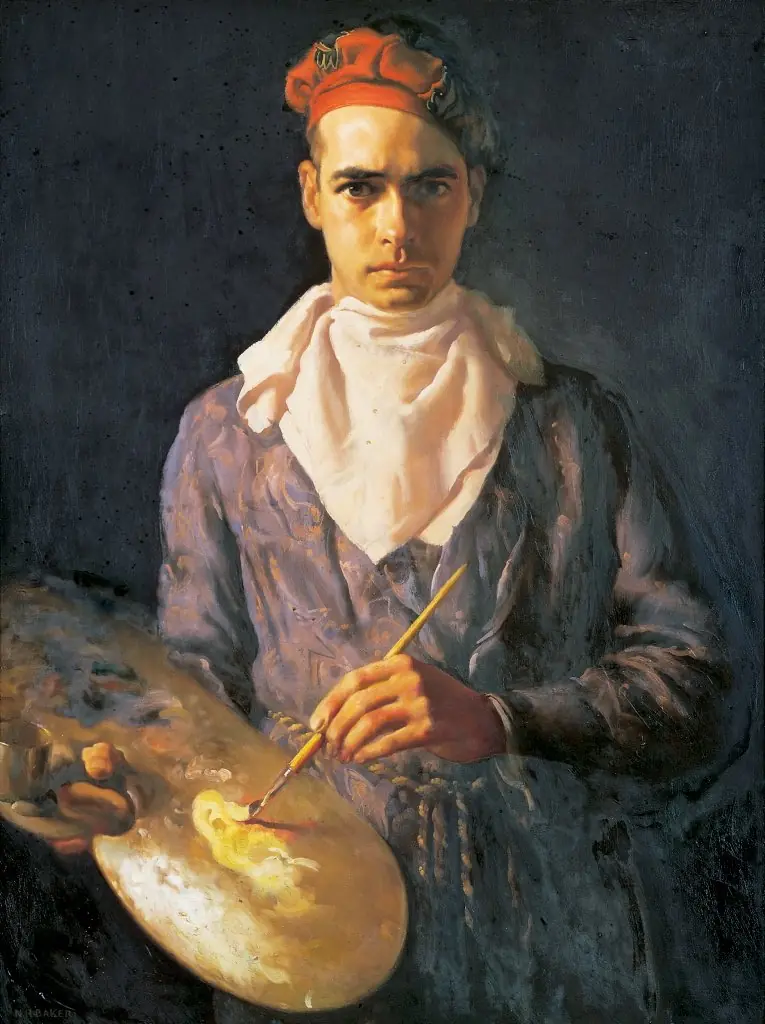 Self portrait
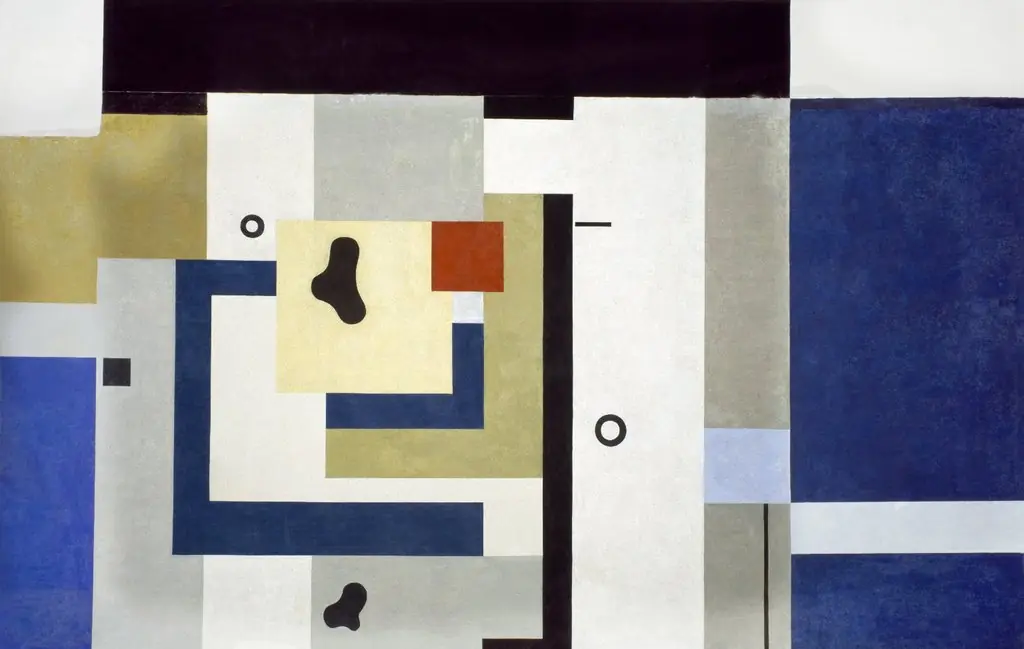 Untitled
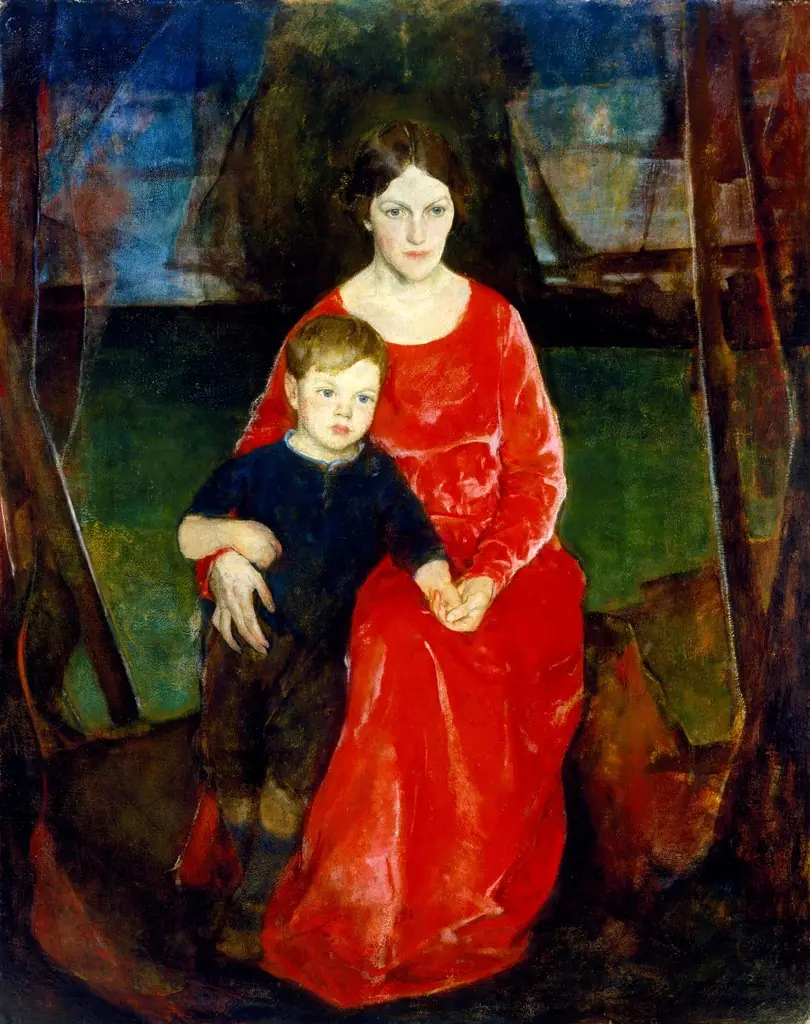 American Motherhood
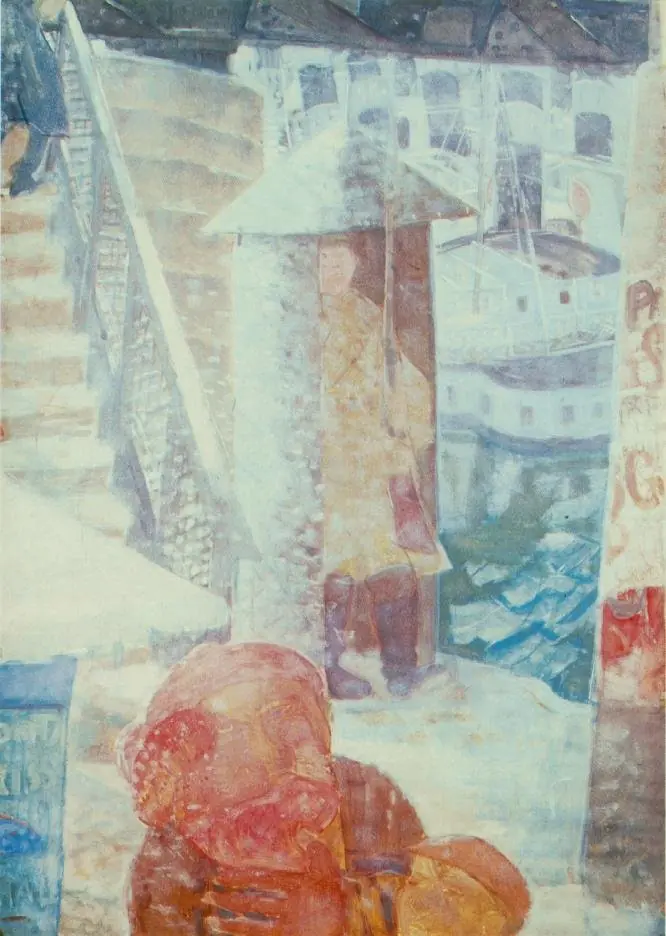 Bridge in Winter
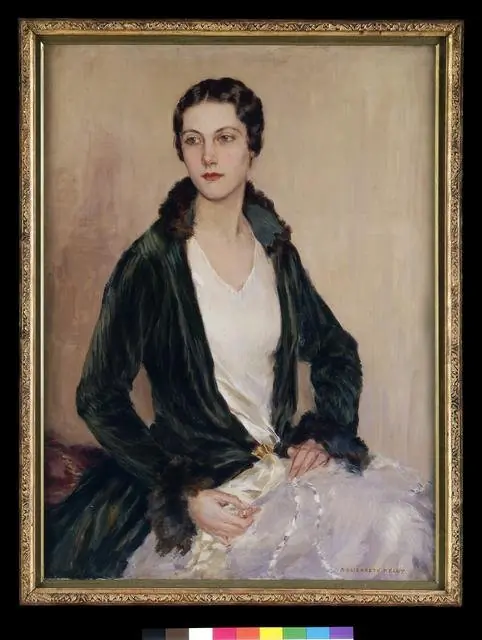 Miss Edith Bryant
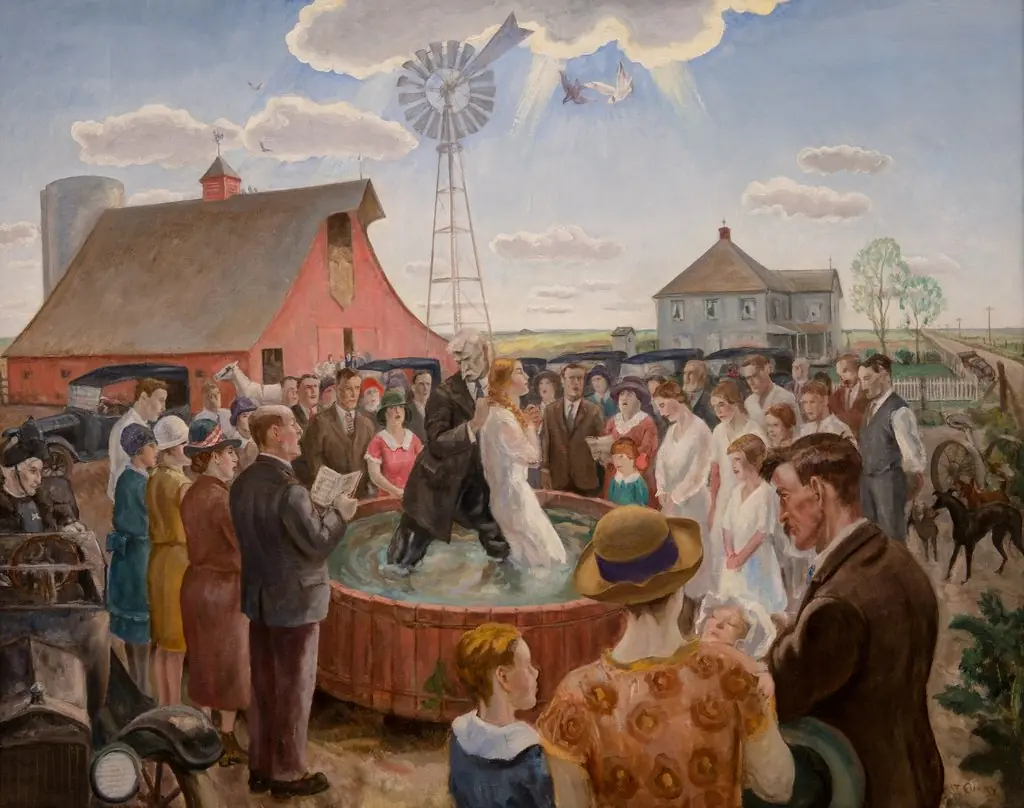 Baptism in Kansas
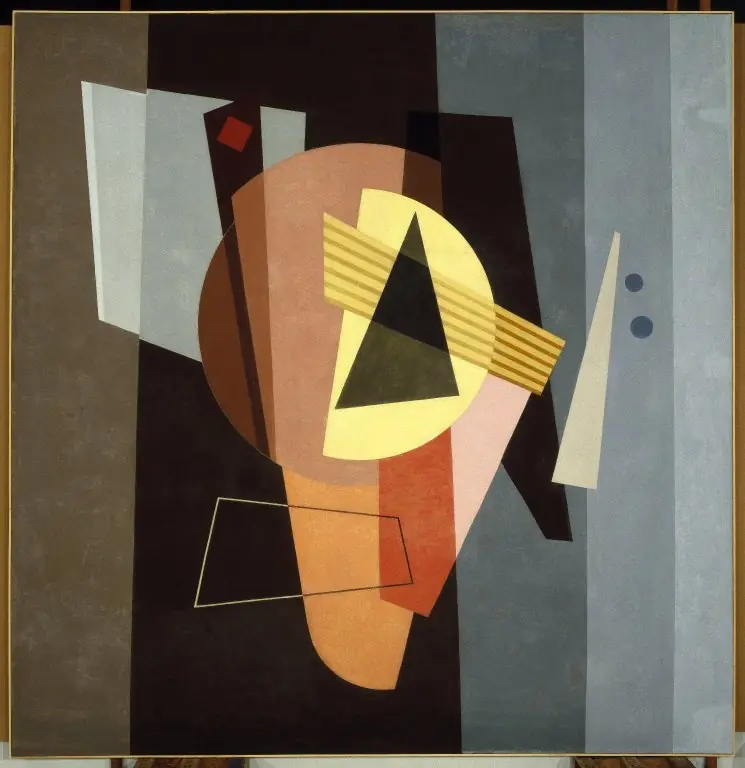 Untitled, From the Williamsburg Housing Project Murals
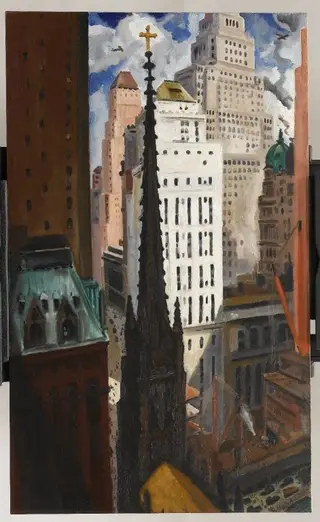 Trinity Church and Wall Street
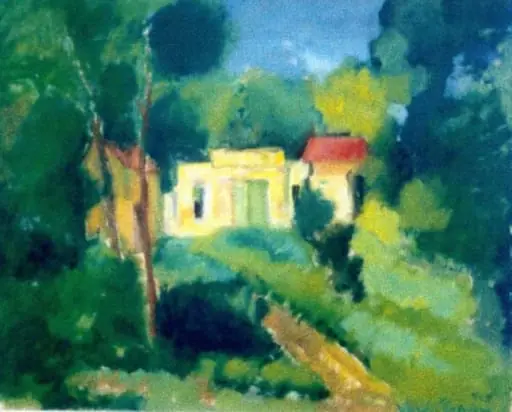 Băile Buziaș
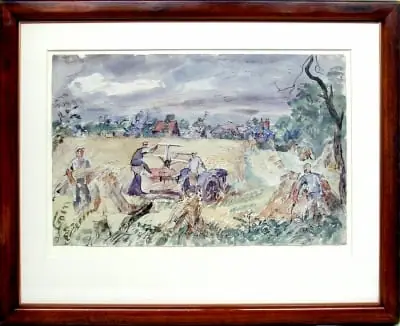 Painting
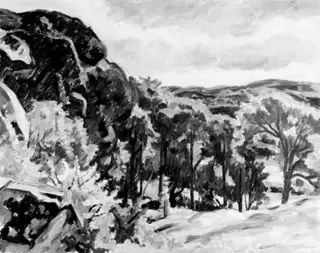 Harvest Landscape
 Painting
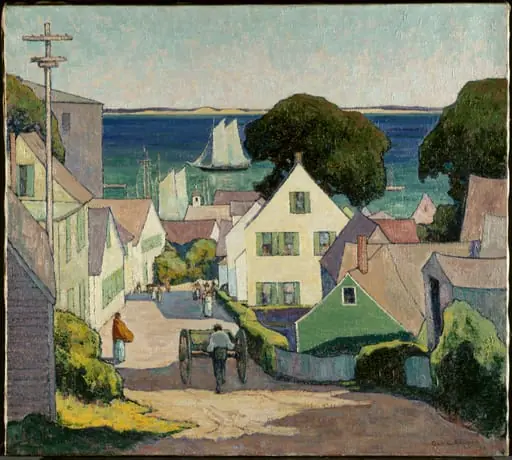 Down to the Harbor
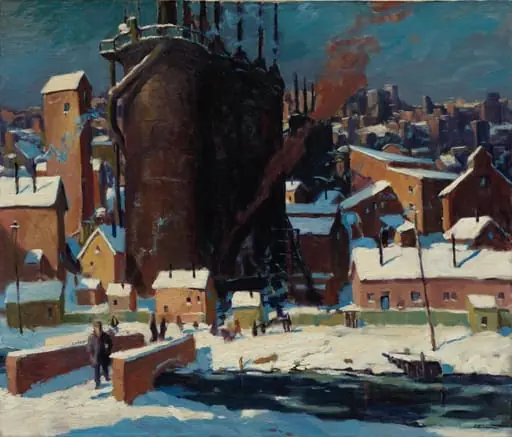 The Furnace
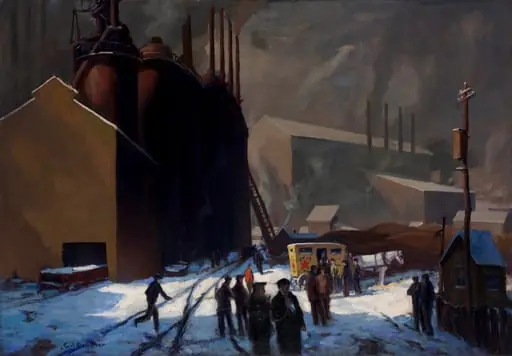 The Pie Wagon
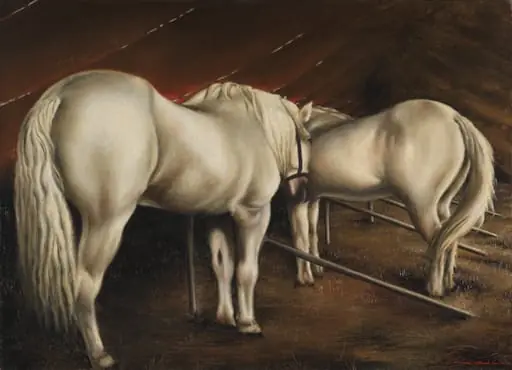 Circus Horses
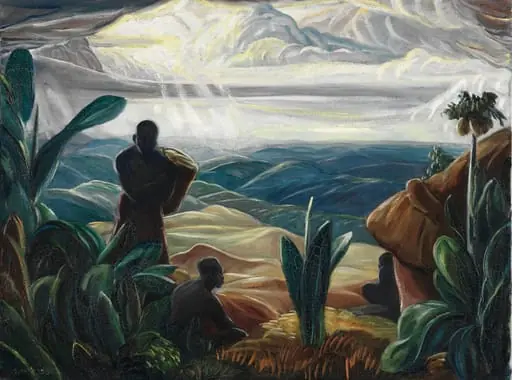 My First View of the Congo Forest
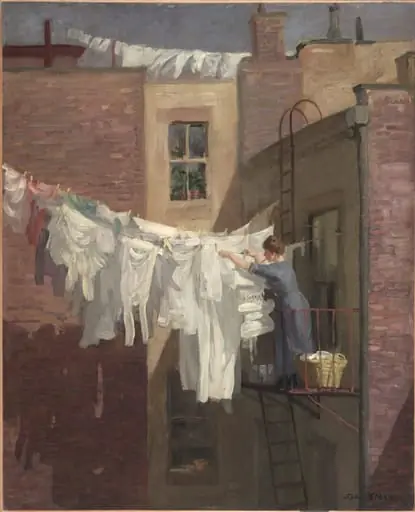 A Woman's Work
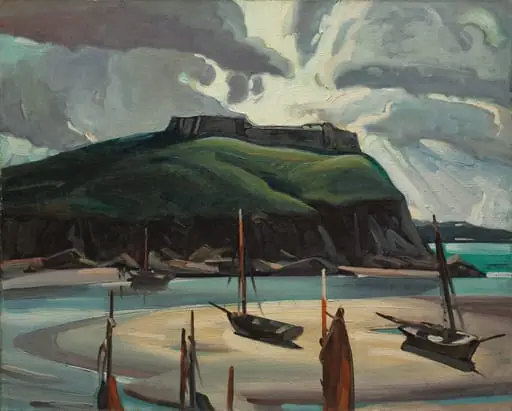 St. Servan
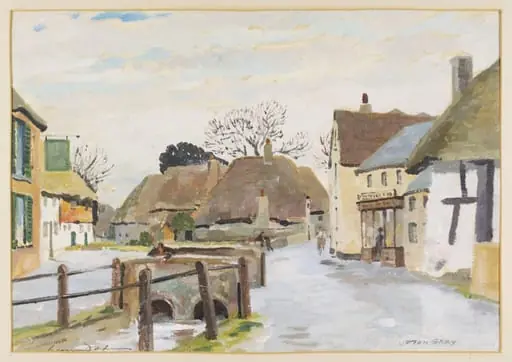 Upton Grey
 Untitled
 Untitled
 Untitled
 Untitled
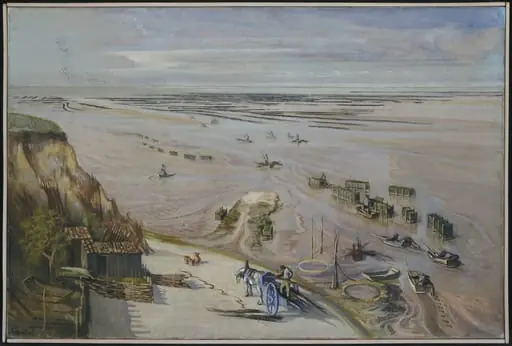 Untitled
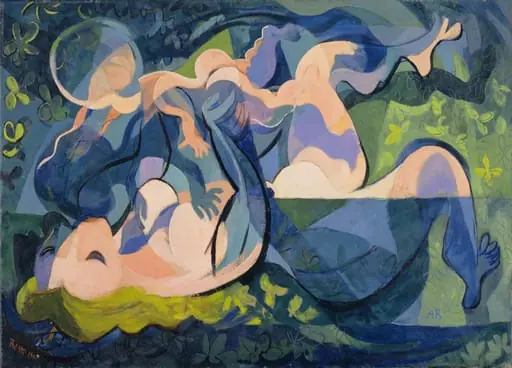 Untitled
 Untitled
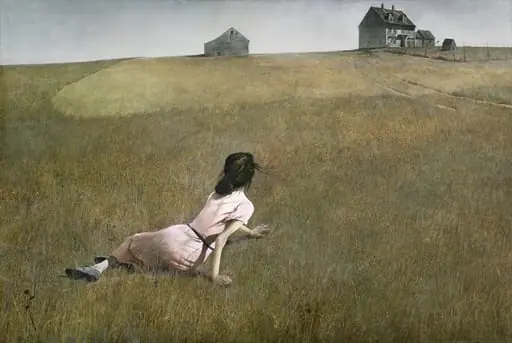 Untitled
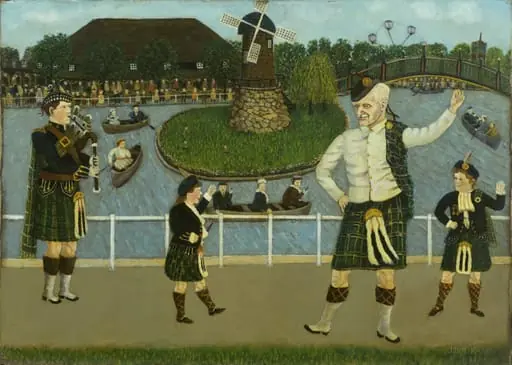 Untitled
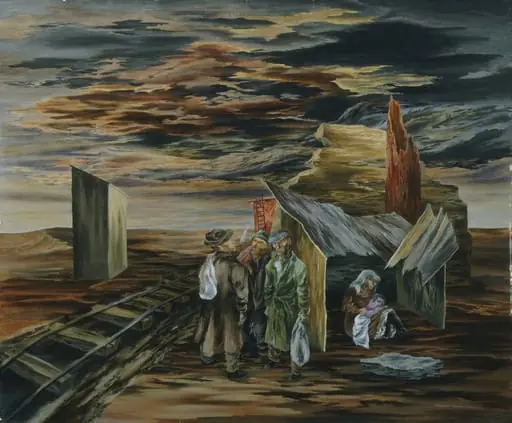 Untitled
 Untitled
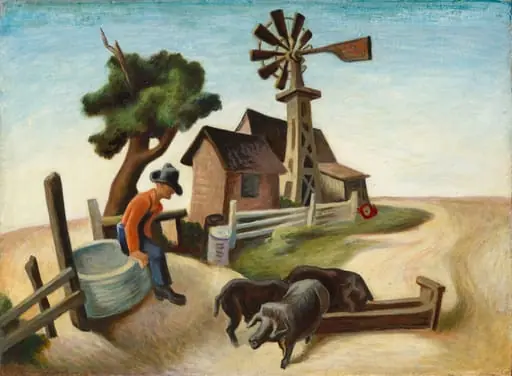 Untitled
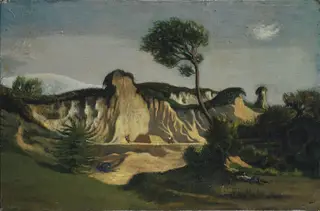 Untitled
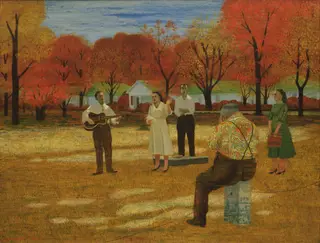 Untitled
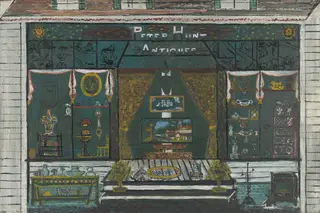 Untitled
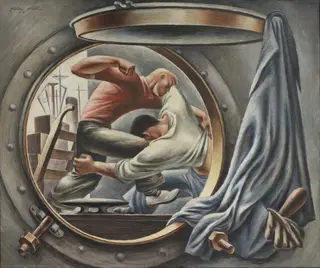 Untitled
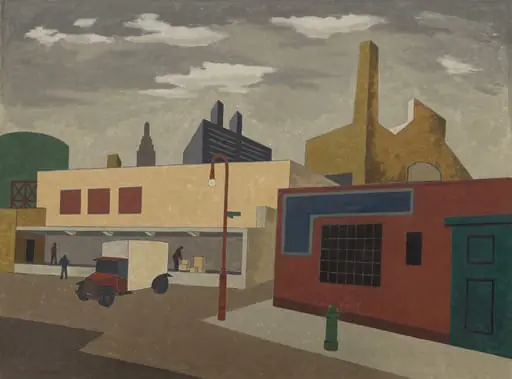 Untitled
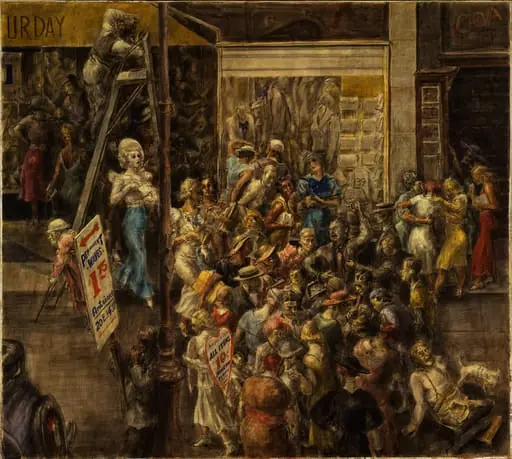 Untitled
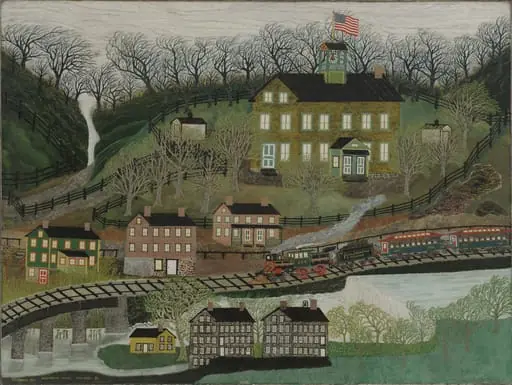 Untitled
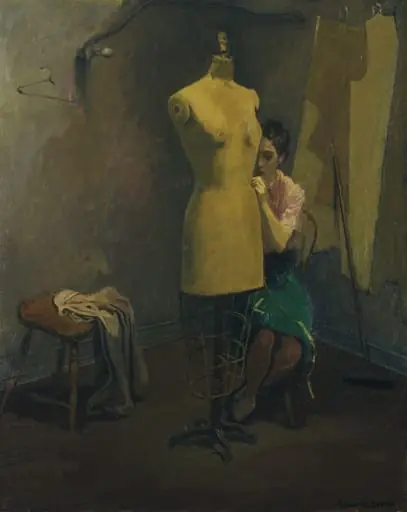 Untitled
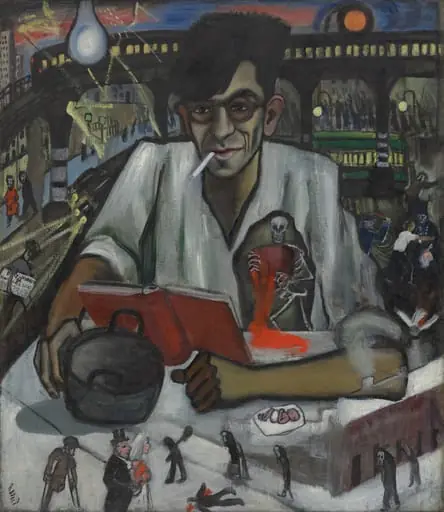 Untitled
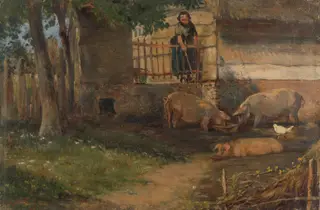 Pigs in a Barnyard
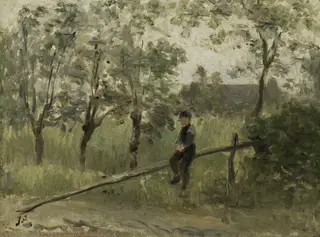 Country Boy on a Pole Barrier
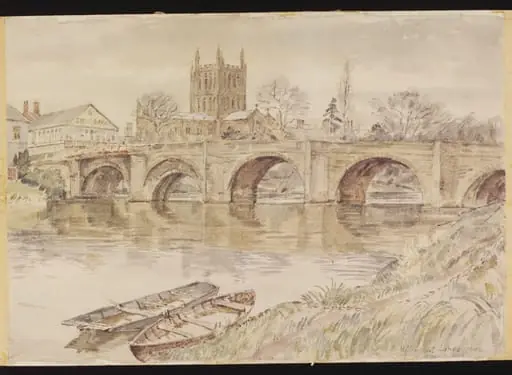 Wye Bridge, Hereford
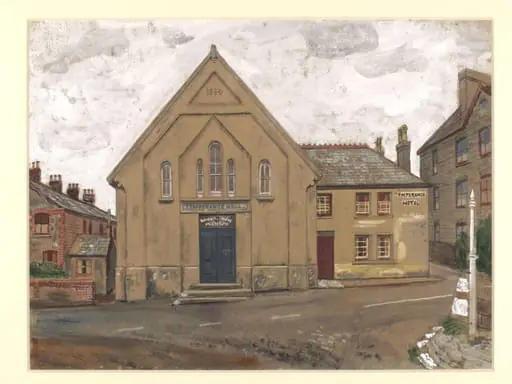 The Temperance Hall, Roche
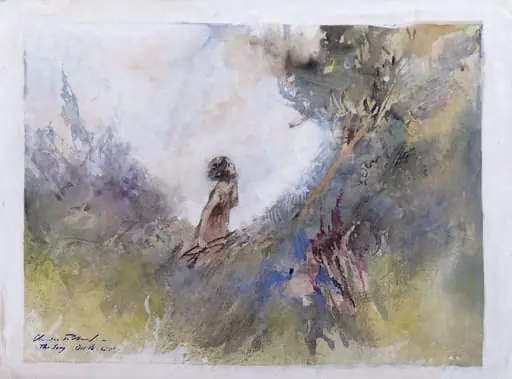 The Song
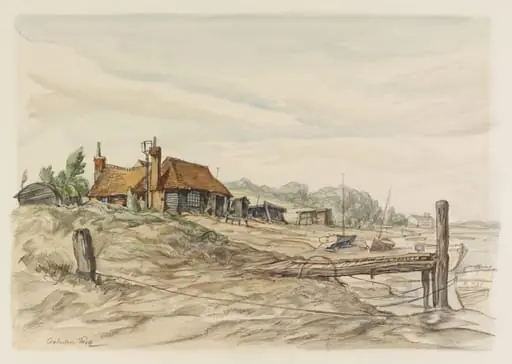 The Strand, Rye
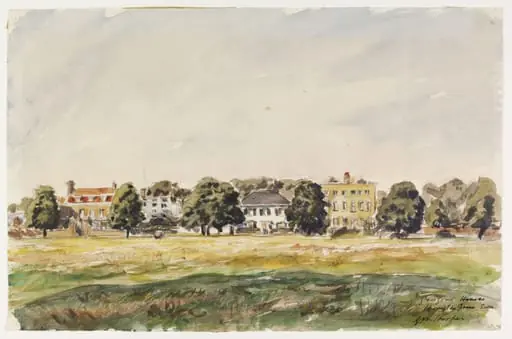 Georgian Houses, Hampton Green
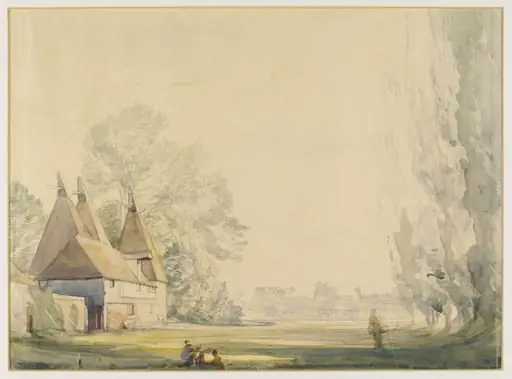 Oast House, Littlebourne
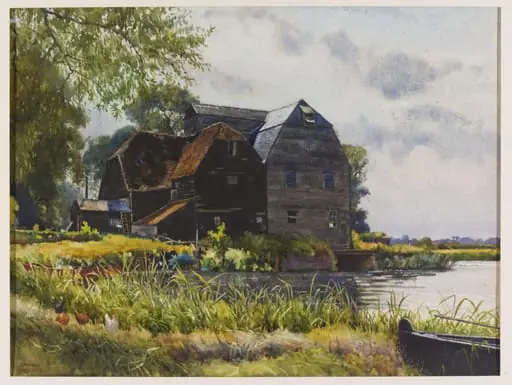 Hemingford Mill
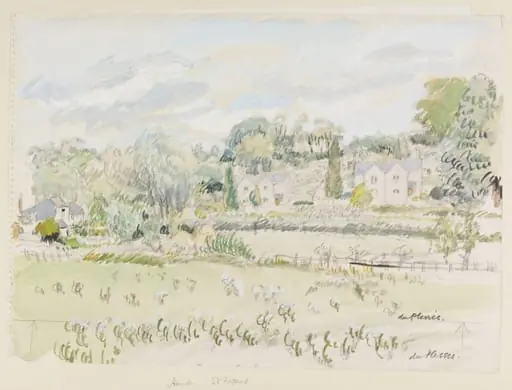 Houses, St.Fagans Glamorganshire
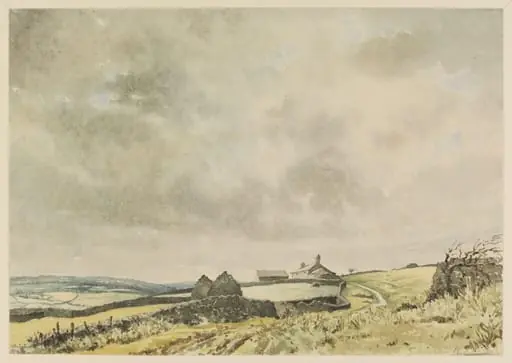 The Moors near Reeth
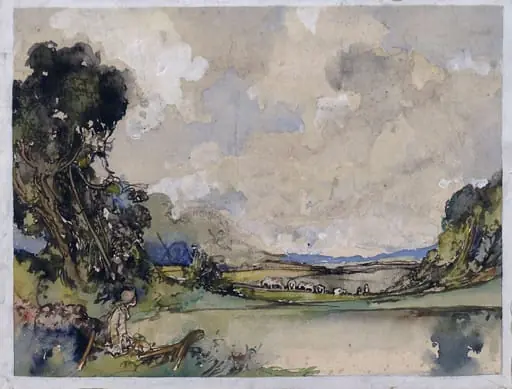 Valley Scene and Ponds
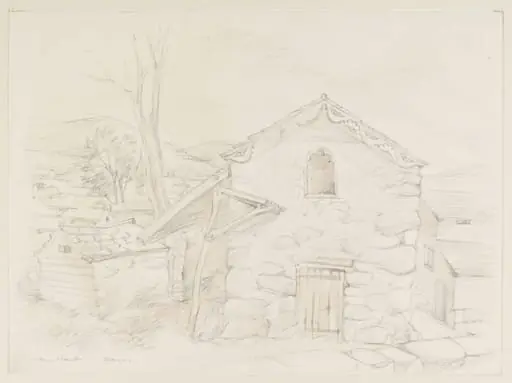 Barn, Llanrhaide, Denbighshire
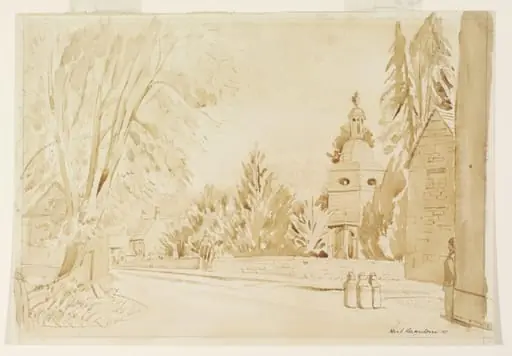 Dove Valley, Mappleton
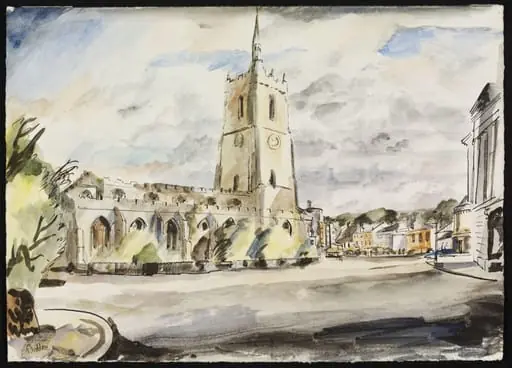 St. Peter's Church and Market Hill, Sudbury
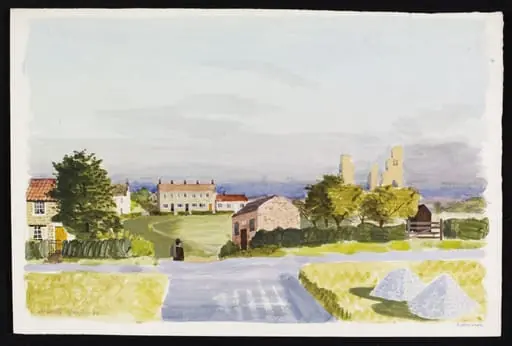 Sheriff Hutton; view over the plain of York, with York Minster in the distance
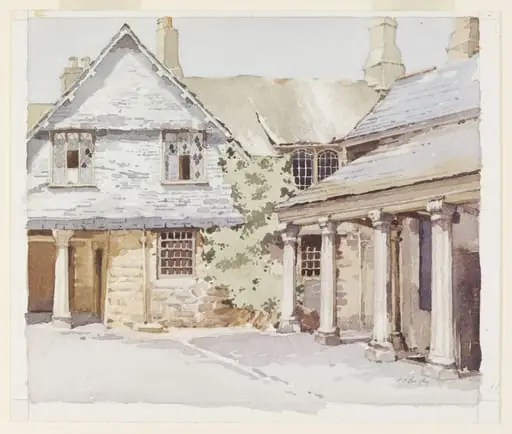 The Guildhall, Totnes
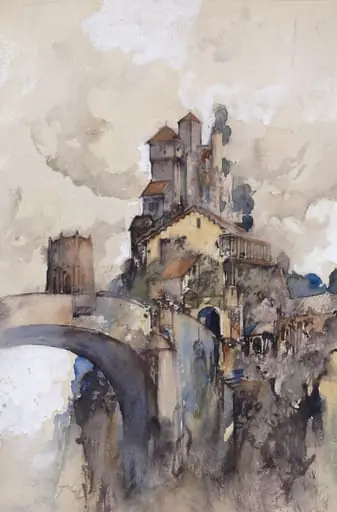 Bridge crossing a chasm to a medieval village
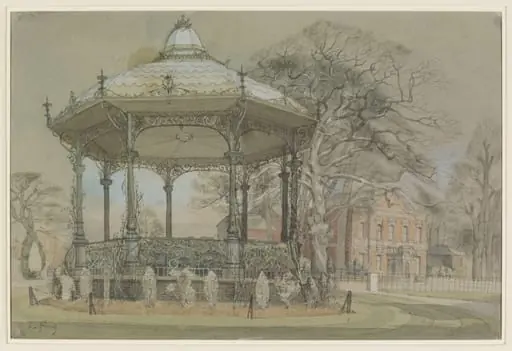 Lightwoods Park, Birmingham, Warwickshire
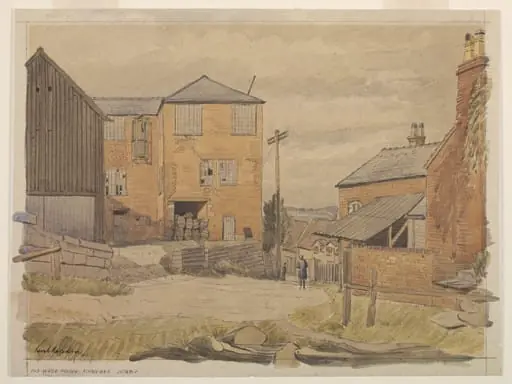 Old Warehouse, Ashbourne
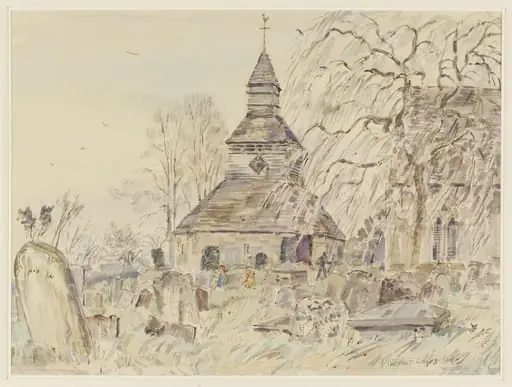 The Detached Belfrey, Pembridge
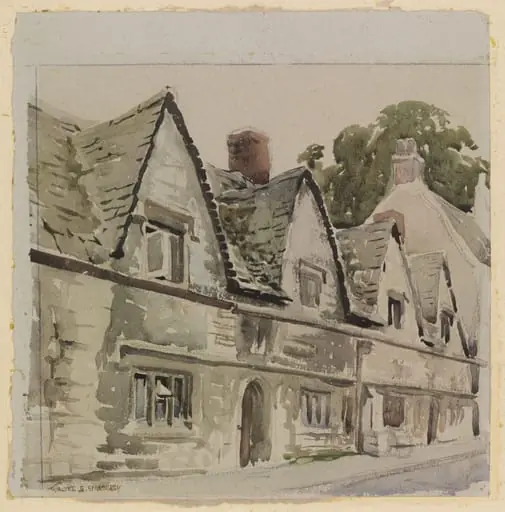 Old Houses, Stroud
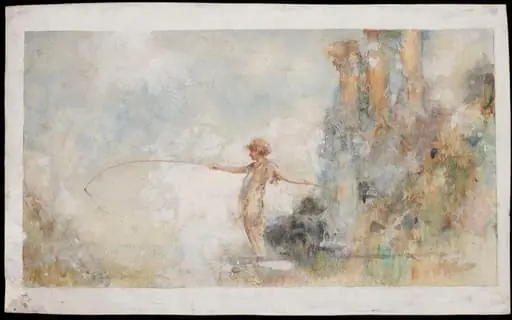 A Girl Angler
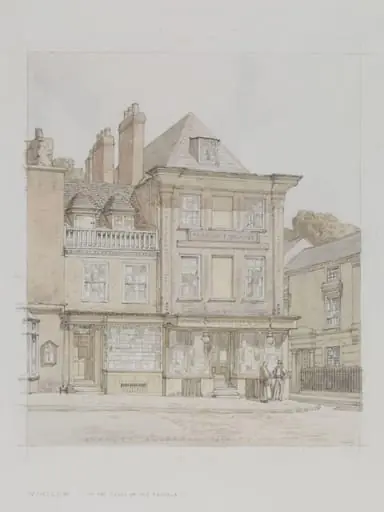 Market House, Winslow
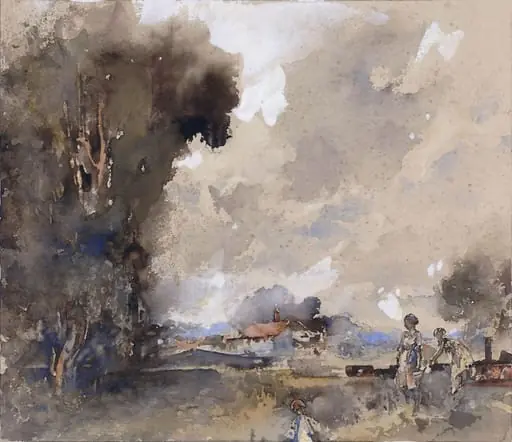 Country Scene
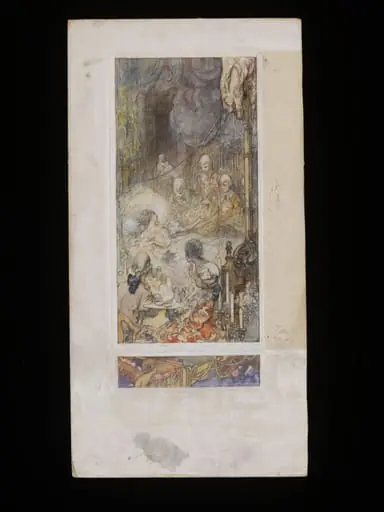 The Port of Pride
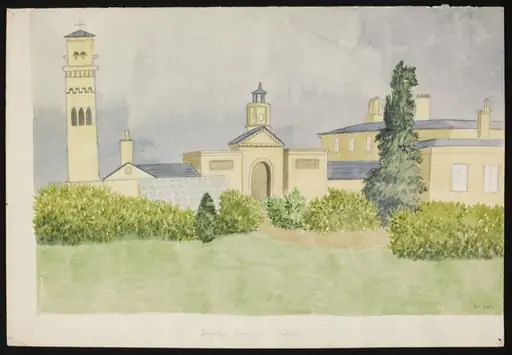 Doughty's House at Theberton
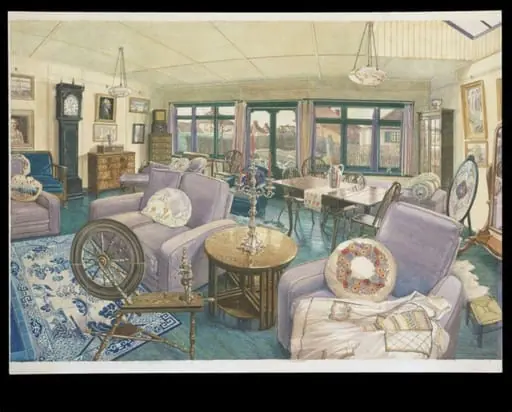 Things Old and New
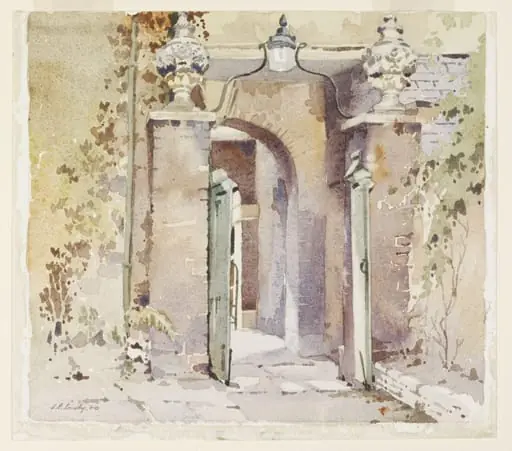 A gateway, Exeter
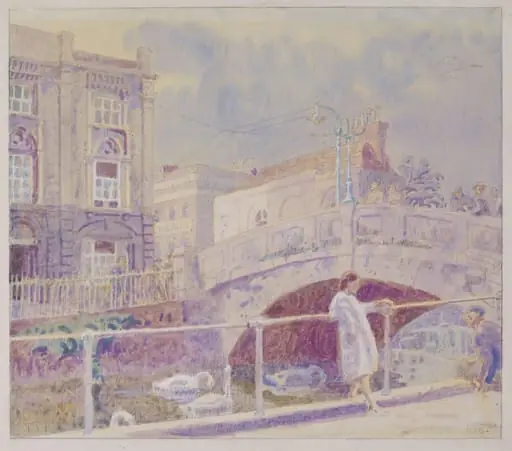 The High Bridge, Reading
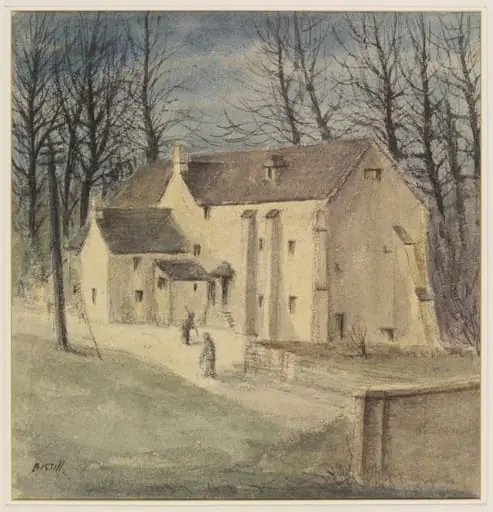 Arlington Mill
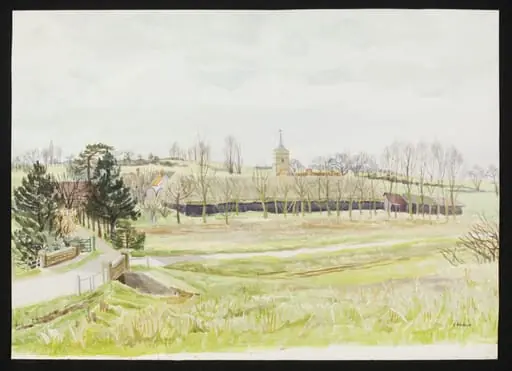 Barn at Westmill
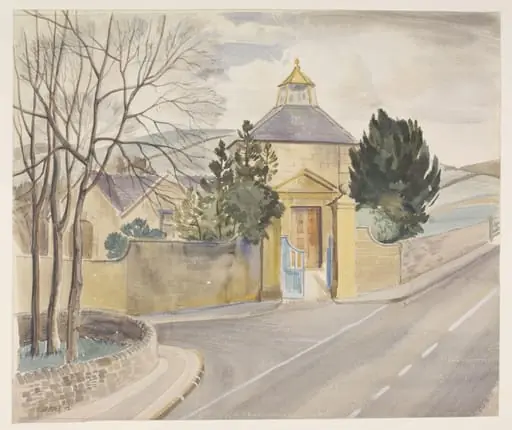 Church, Buckland Hollow
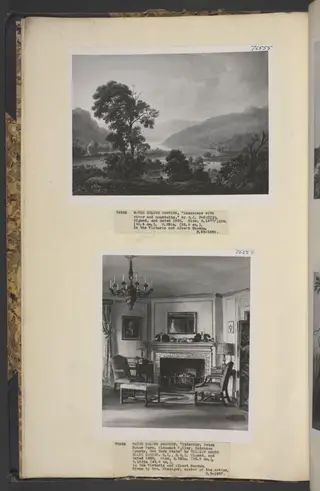 Interior, Brick House Farm, Pleasant Valley, Dutchess County, New York State
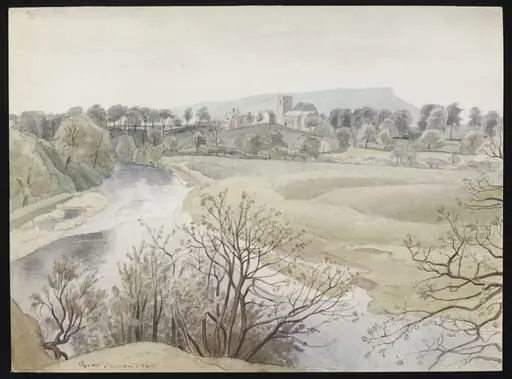 The Ribble at Great Mitton near Clitheroe
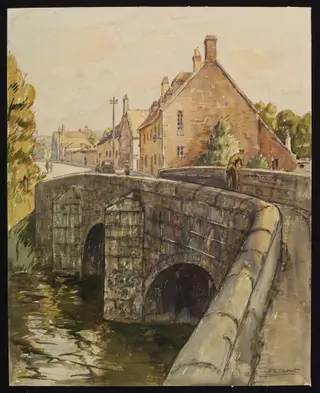 Bridge over the River Madder, Wilton
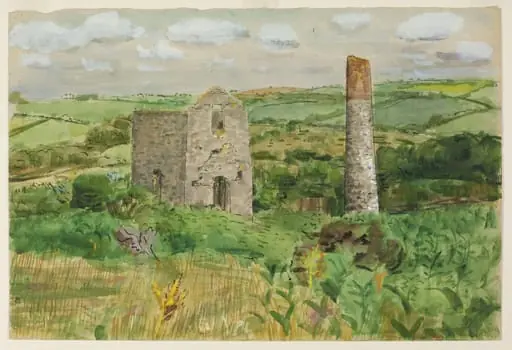 Deserted Tin Mine, Little Biryn, Roche
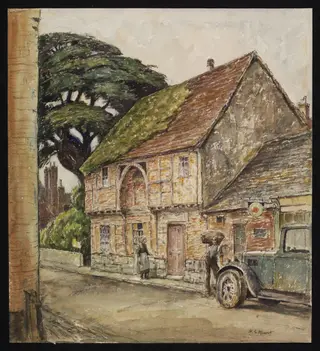 Old House, Wilton
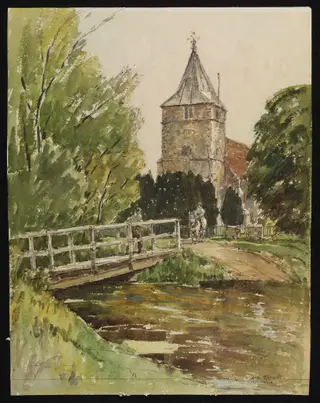 Steeple Langford, Wylye Valley
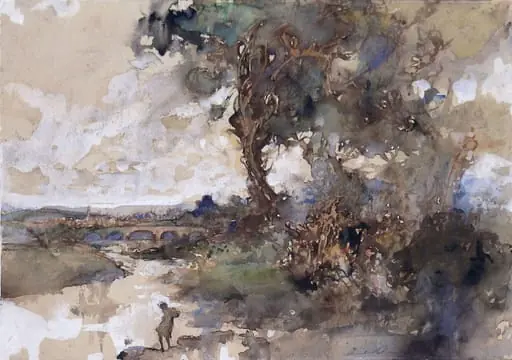 Figure by a river with a distant view of bridges and a town
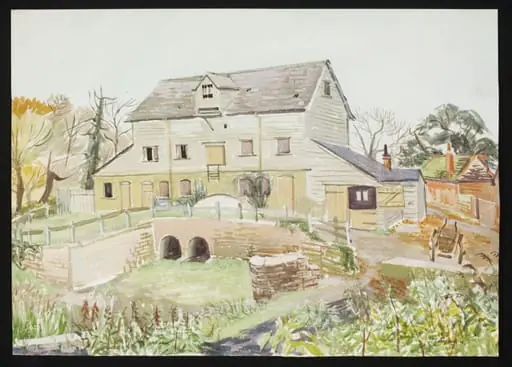 The Mill, Wadesmill
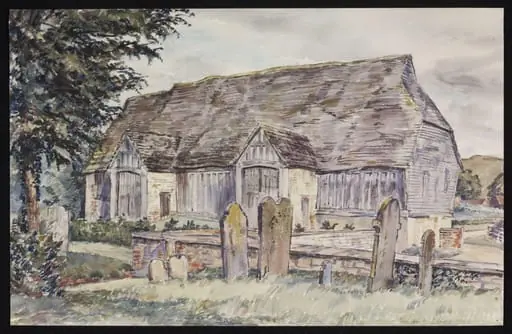 The Tithe Barn, Cherhill
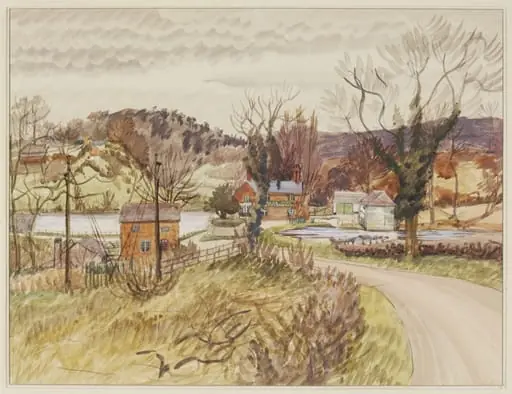 Looking towards The Boar Inn, near Modishall
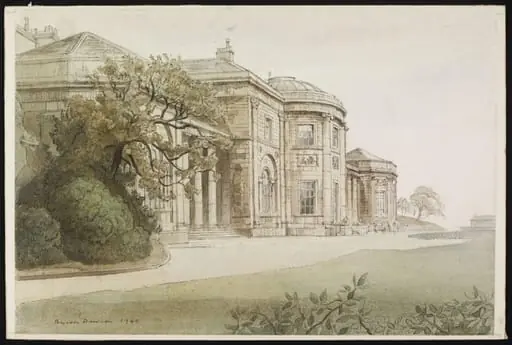 Heaton Hall, Manchester
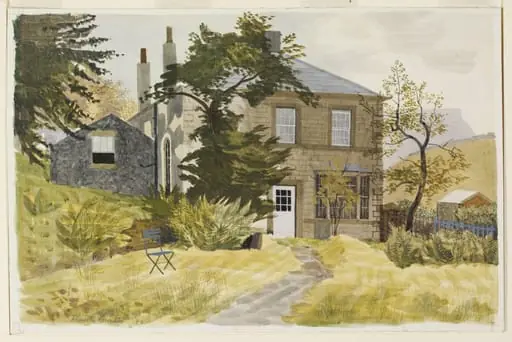 Ashopton Inn, showing Bamford Edge
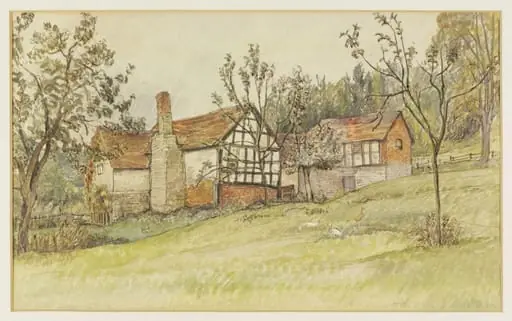 Oldfield Farm, between Leinthall Earls and Richard's Castle
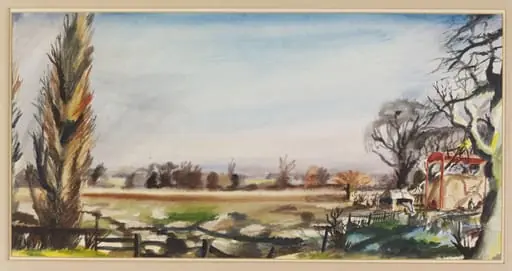 Wyatt's farm and Paddock, Tendring Hundred
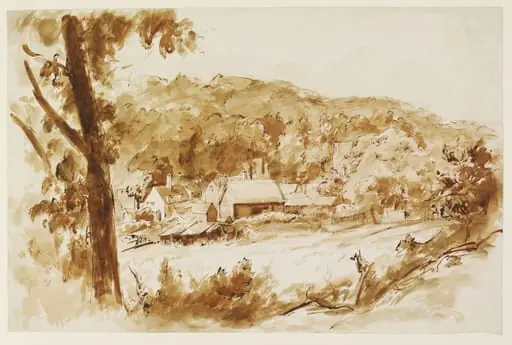 Turville Village
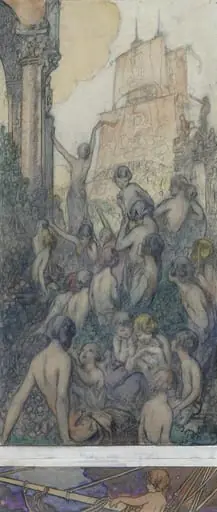 The Port of Joy
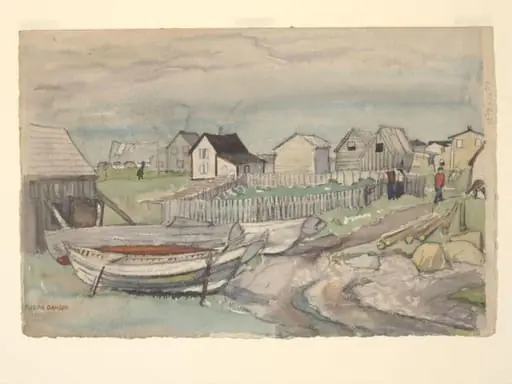 A Newfoundland Village
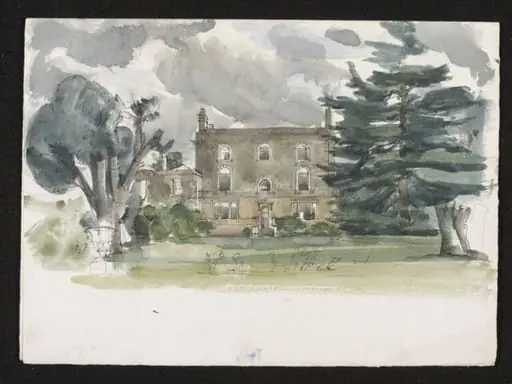 View of large stone house with lawn in front and large trees on either side
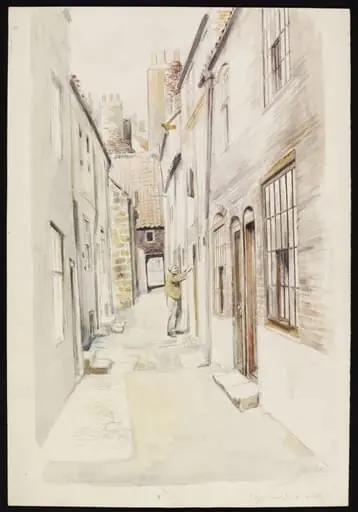 Loggerheed Yard, Whitby
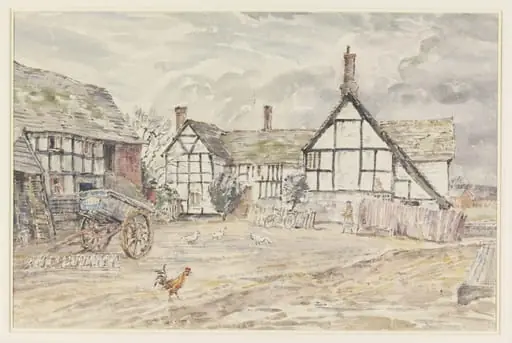 Upper Farm House, Eardisland
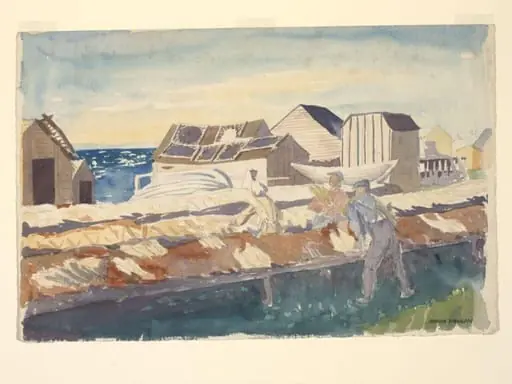 St Anthony's Harbour - A fish drying establishment with seal skins drying.
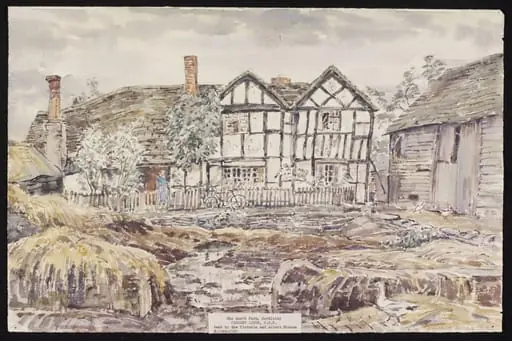 The Quebb Farm, Eardisley
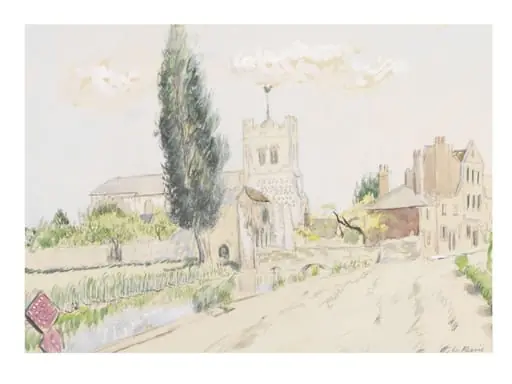 Waltham Abbey
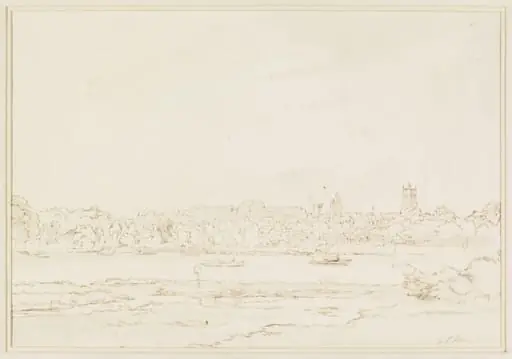 Woodbridge from the South
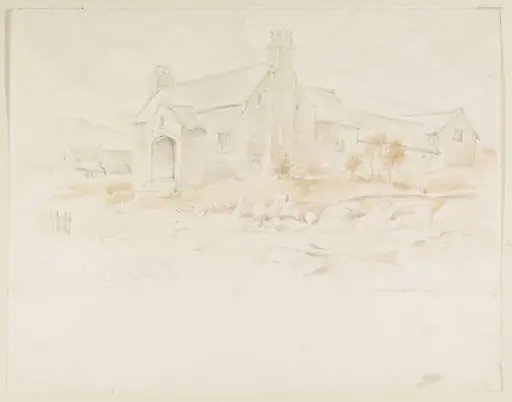 Farm above Selattyn, Denbighshire
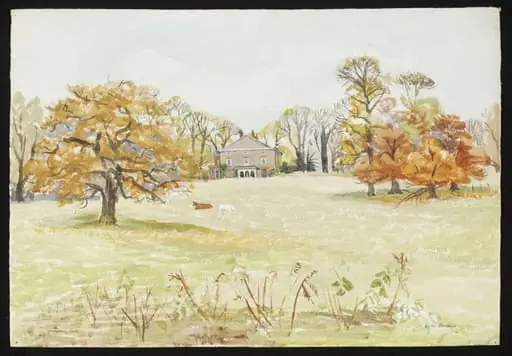 Youngsbury House and Park
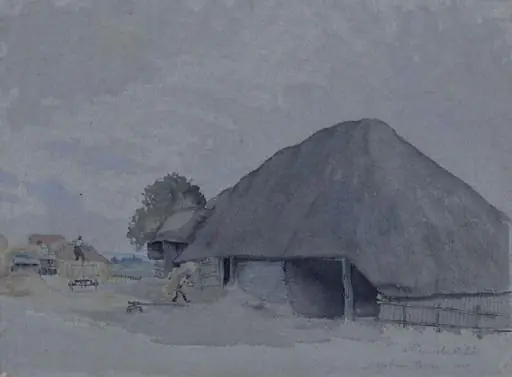 Sepham Barn
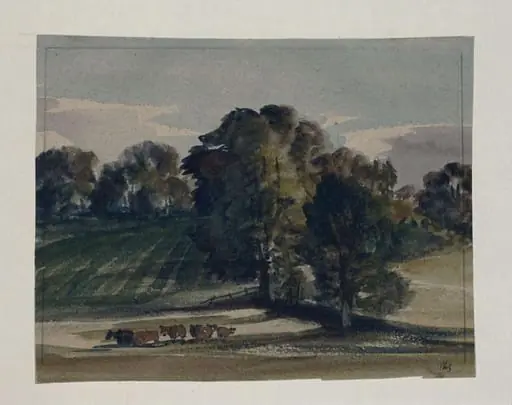 Coneycroft Farm, Compton
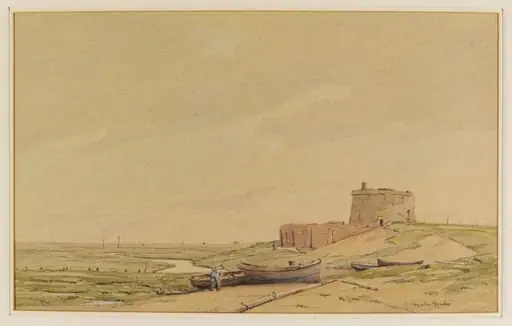 Martello Tower, Rye Port
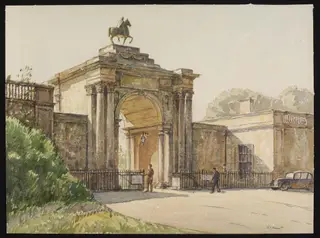 Gate to Wilton Park
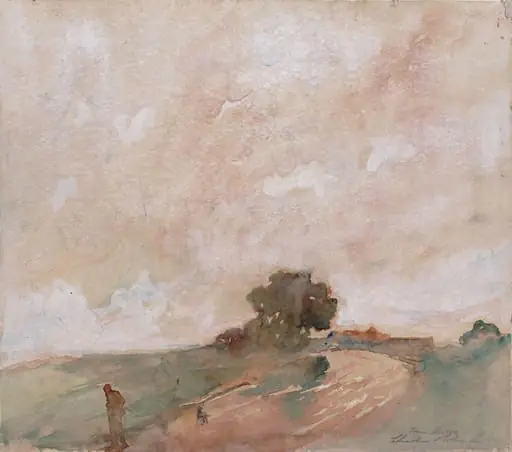 A man and a dog on a country road
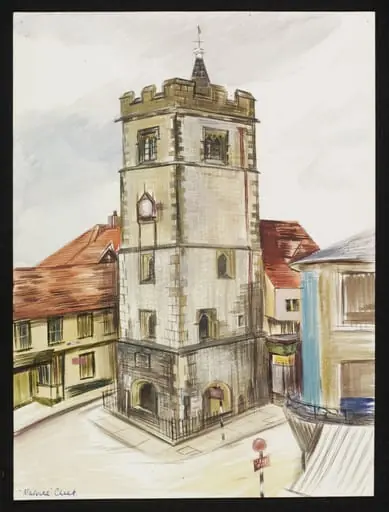 The Clock Tower, St. Albans
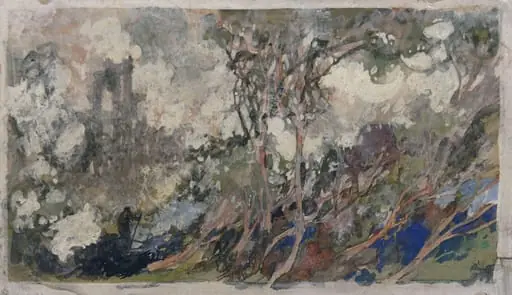 Wood-burner in a forest before a palace
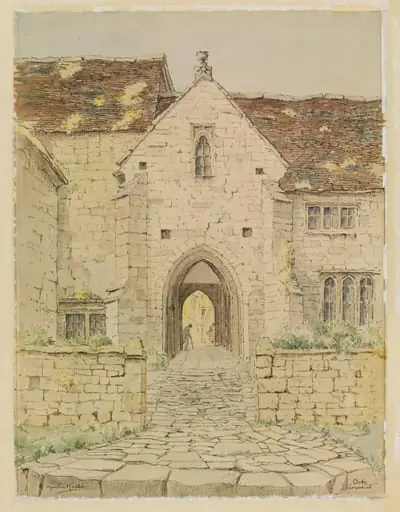 Priory Farm, Stoke
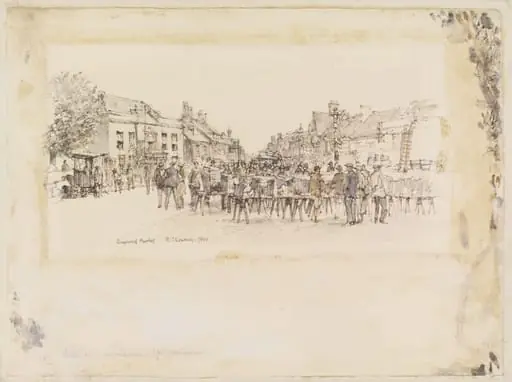 Ringwood Market
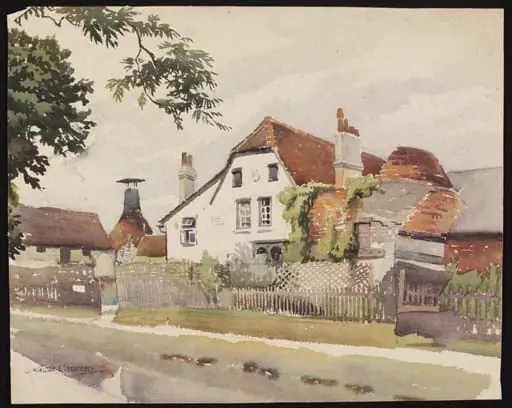 Kilns and Maltings on the Canal Bank, Bishop's Stortford
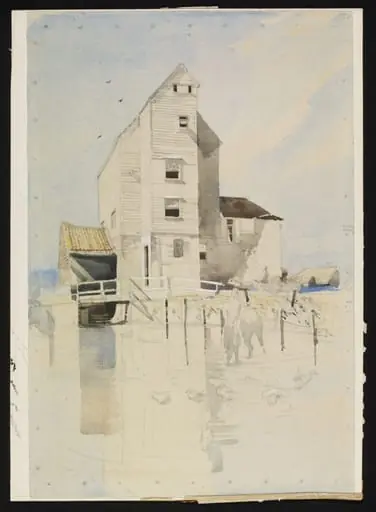 Dutch Mill at Littlebourne
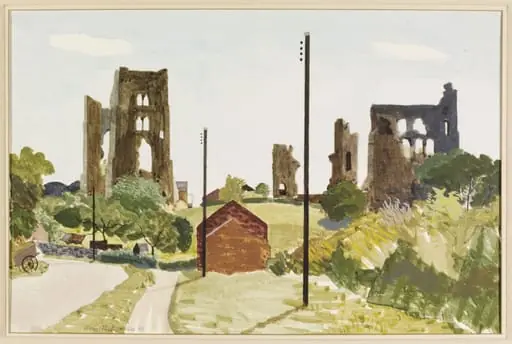 The Castle, Sheriff Hutton
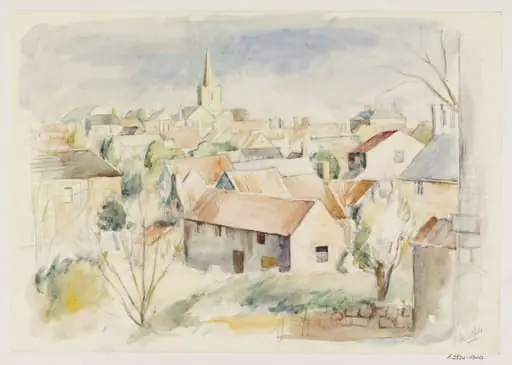 View of Pickering
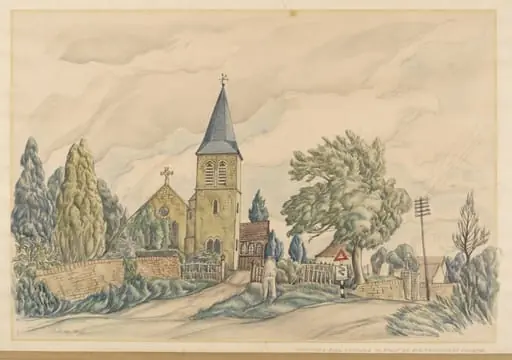 Old Fernhurst Church
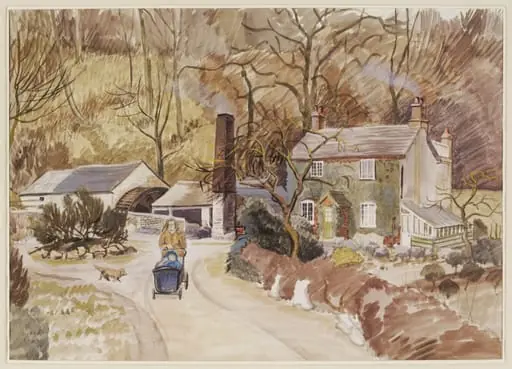 Coppice Mill, Stone
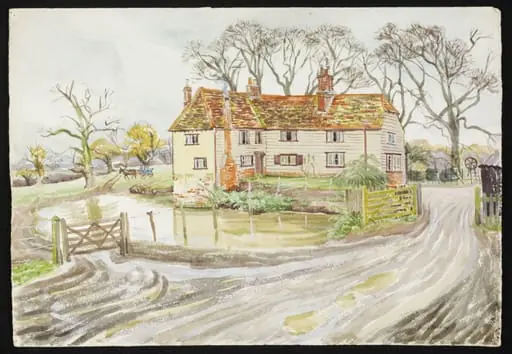 Sutes Farm, near High Cross
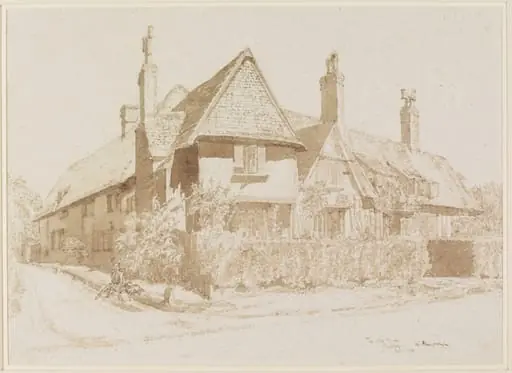 The Old Manor, Childrey
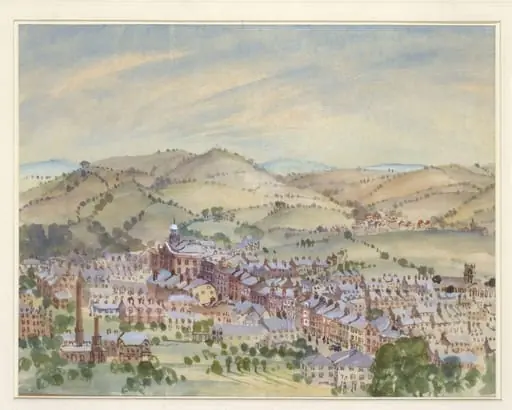 Bridport
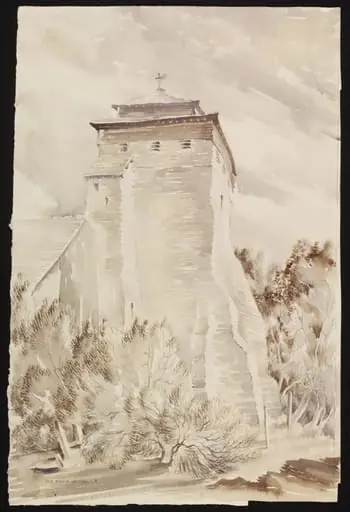 Kerry Church Tower, Montgomery
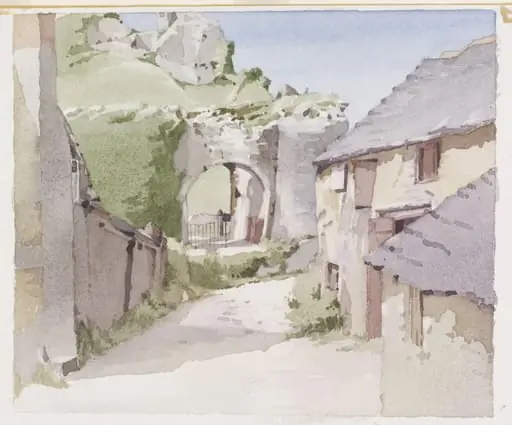 The Gateway, Corfe Castle
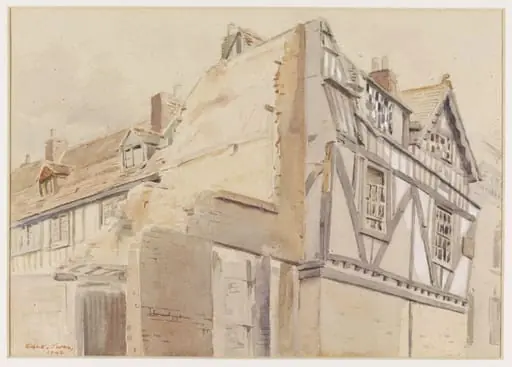 Raven Inn, Gloucester
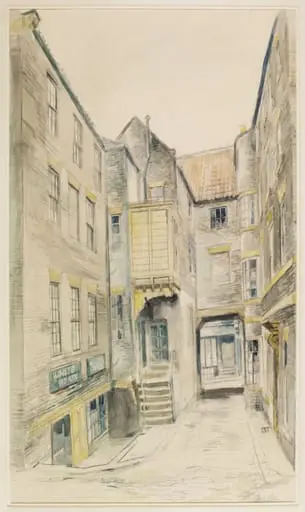 White Horse Hotel, Whitby
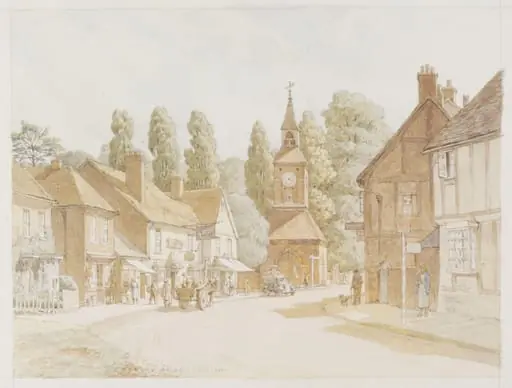 Wendover
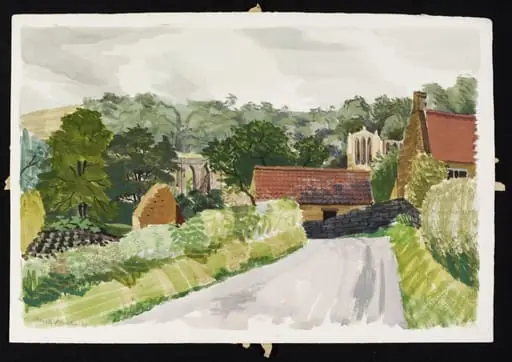 The approach from the Valley, Rievaulx
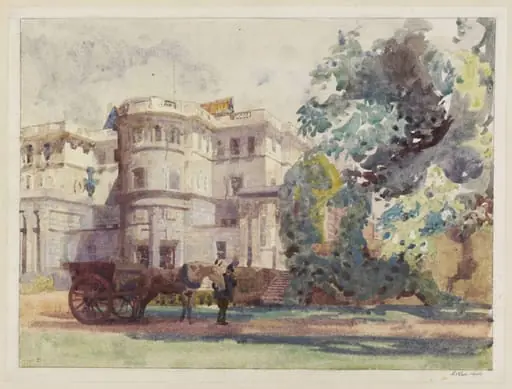 Front Entrance, Cannons Park, Edgware
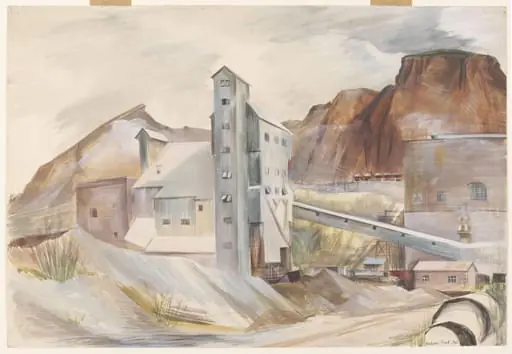 Limestone Quarries at Cauldron Low
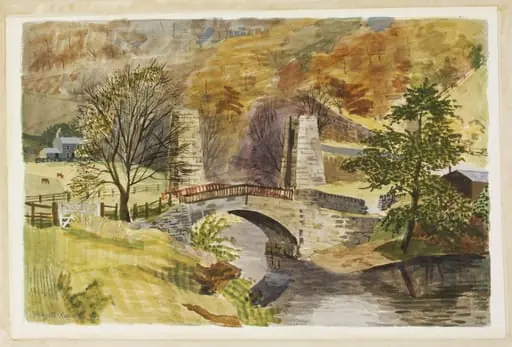 Bridge to Cox's Farm, Ashopton
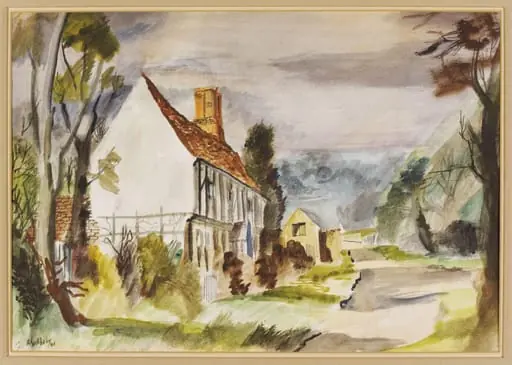 Old House at Bulmer
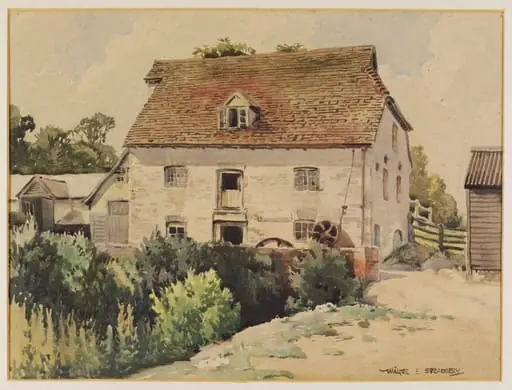 Mill House at Tilty, Essex
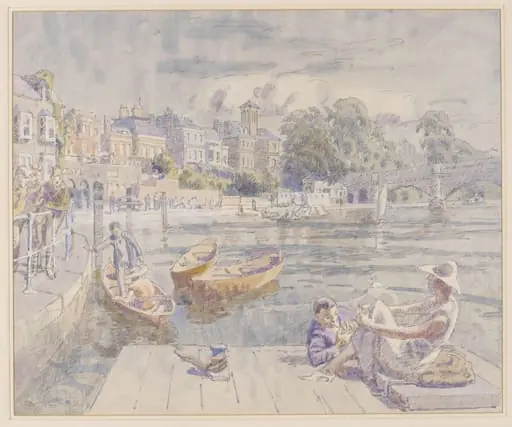 River Front, Richmond
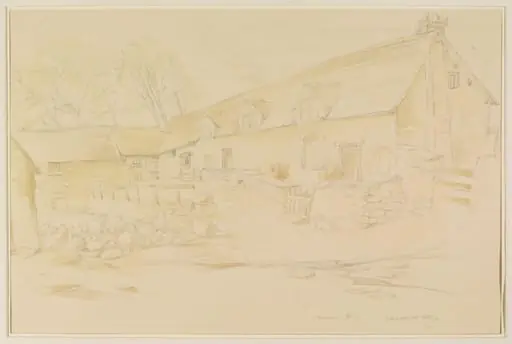 Berwyn Farm, Swch Cae Rhiw, Denbighshire
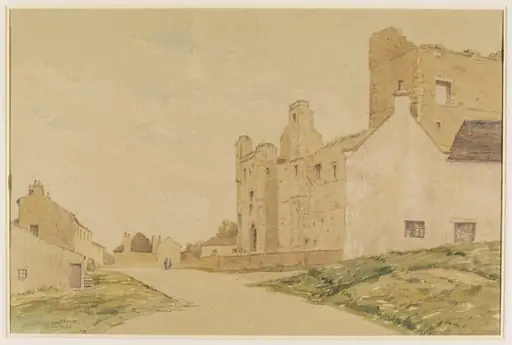 Middleham Castle
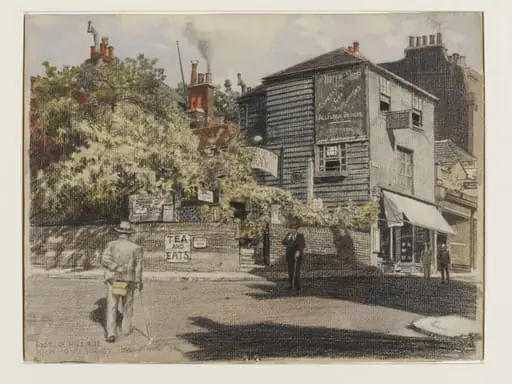 Foot of Hill Rise, Richmond
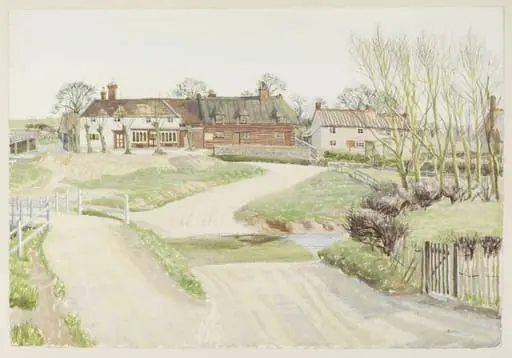 The Ford, Braughing
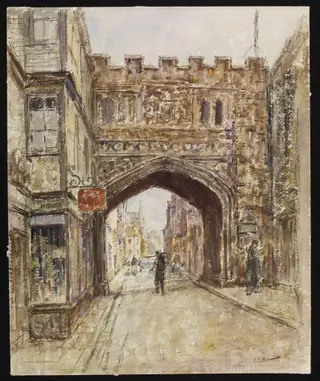 North Gate, Salisbury
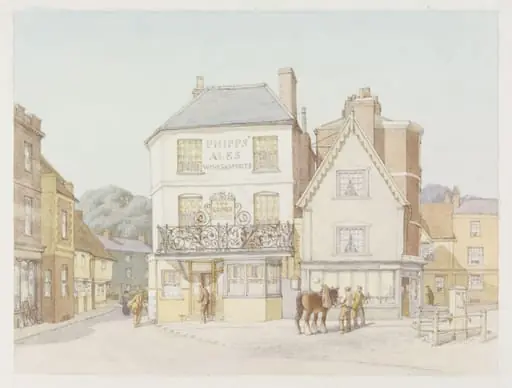 The George, Winslow
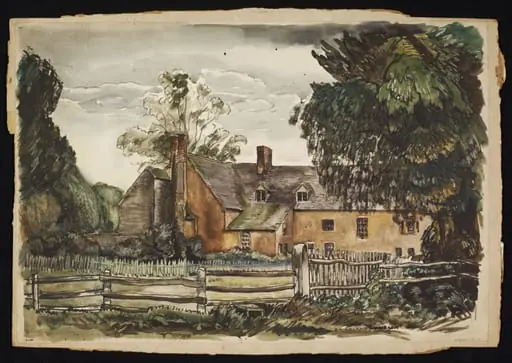 Wilcote Manor
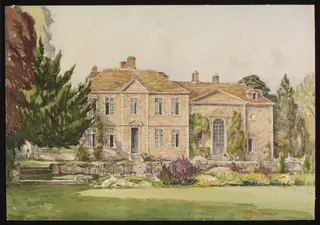 Heale House, Woodford
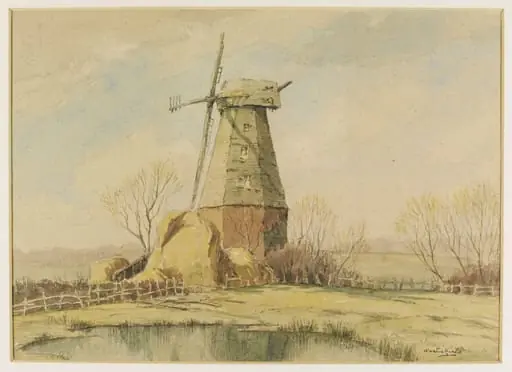 The Mill, Biddenden
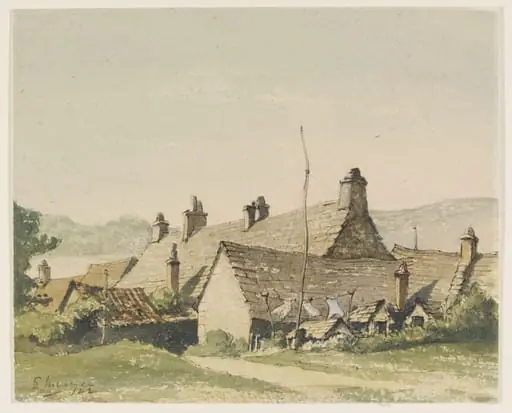 Cottages, Corfe
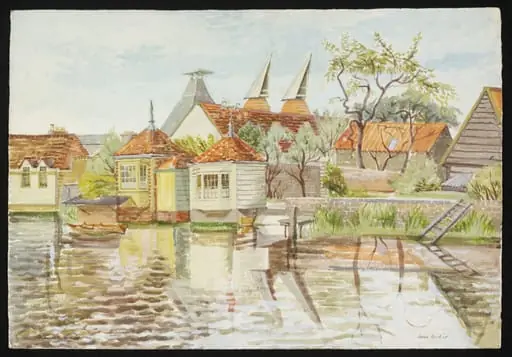 Gazebos on the River Lea, Ware
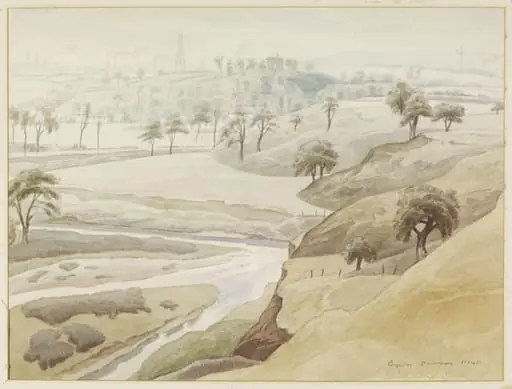 Medlock Valley, Daisy Nook, Oldham
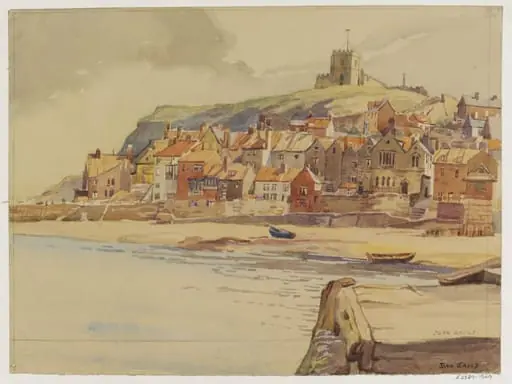 Whitby, Old Town
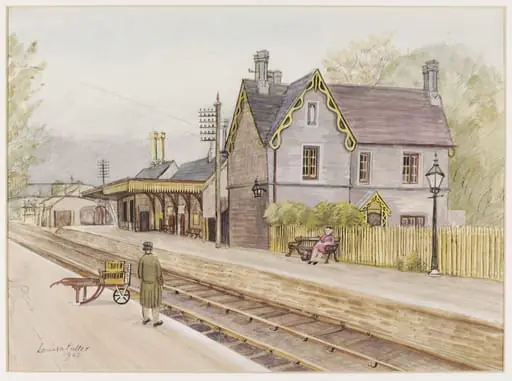 L.M.S. Station, Stonehouse
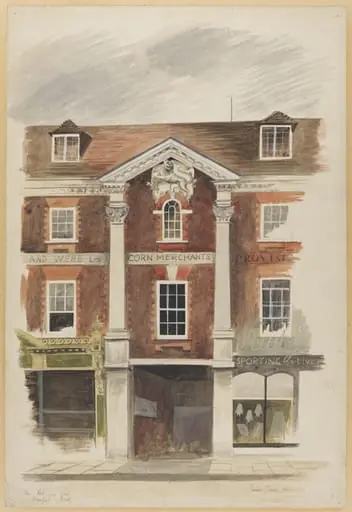 The Red Lion Hotel, Blandford
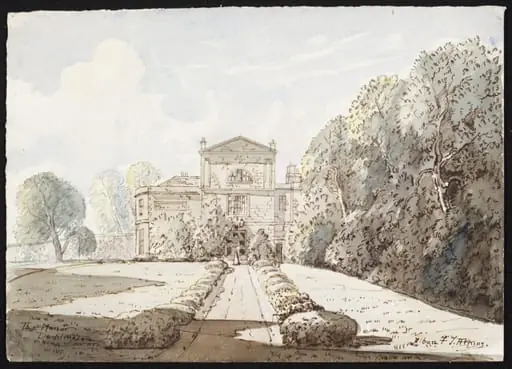 The Manor, Deddington
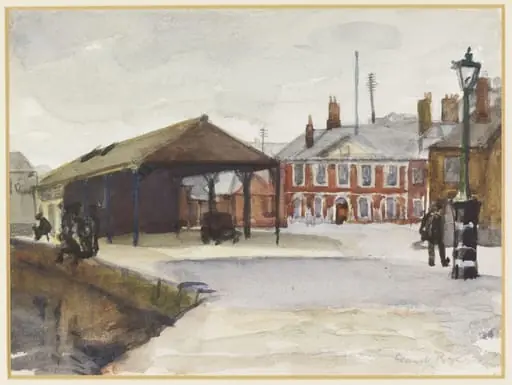 Old Customs House, Exeter
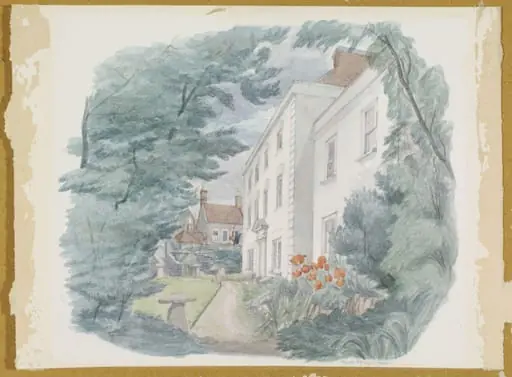 Flanders House, Keynsham
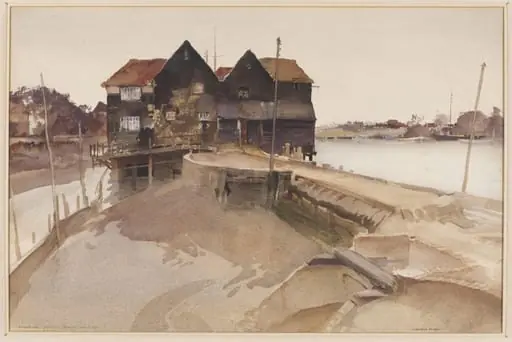 Birdham Mill, Chichester Channel
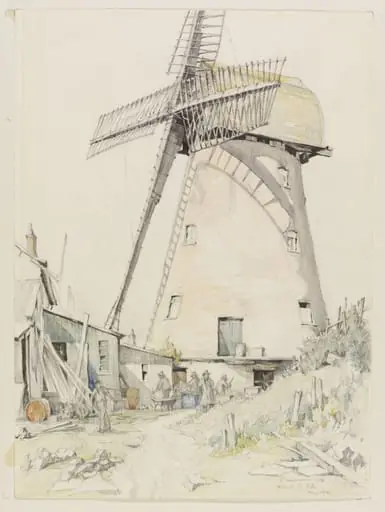 Windmill at Little Marton, near Blackpool
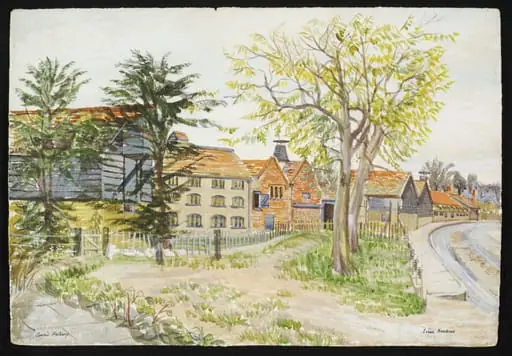 Canon's Maltings, Ware
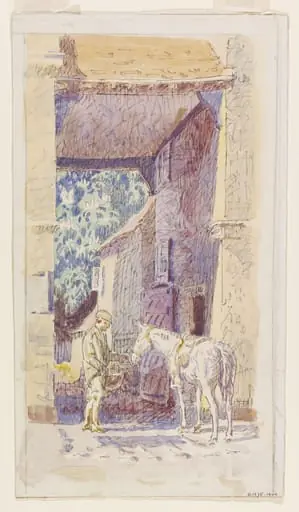 Hotel Entrance, Dedham
Frequently asked questions
What is Regionalism?
Regionalism is an art movement. An American art movement of the 1930s Depression era that celebrated rural Midwestern life, small-town virtue, and homespun patriotism as a counterweight to both European modernism and urban elitism.
How many Regionalism works does Artifact World Gallery have?
Artifact World Gallery holds 186 public-domain Regionalism works, all free to view and download.
Who are the key Regionalism artists?
Key Regionalism artists in the collection include Anne Goldthwaite, Grant Wood and John Kane.
When did Regionalism take place?
Regionalism dates from 1930–1950.
Where can I see Regionalism works?
Regionalism works in the collection are held by Victoria and Albert Museum, Museum of Modern Art and Metropolitan Museum of Art.