Artwork
William Axtell
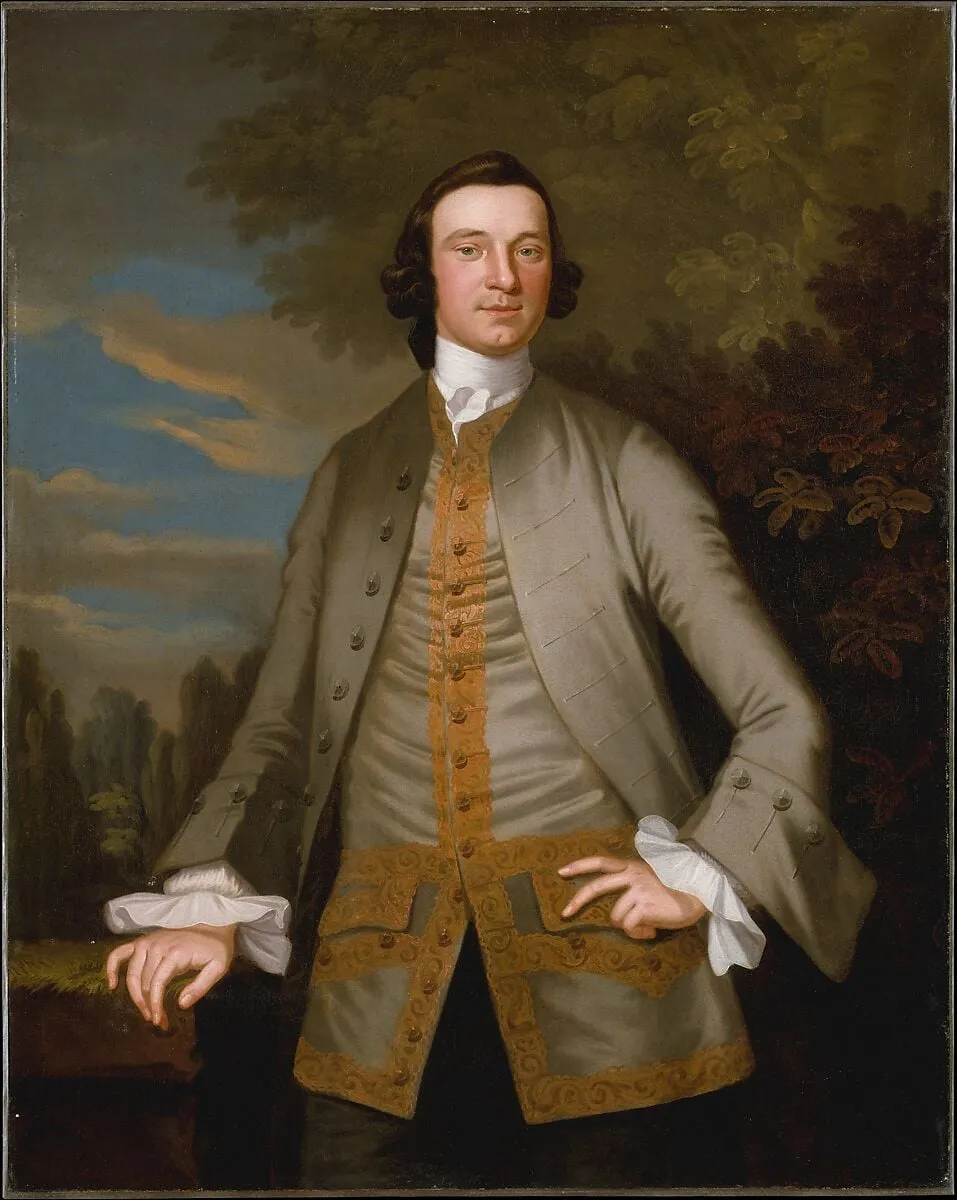
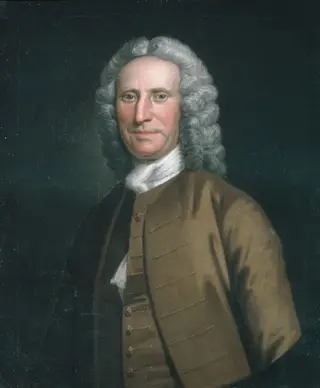
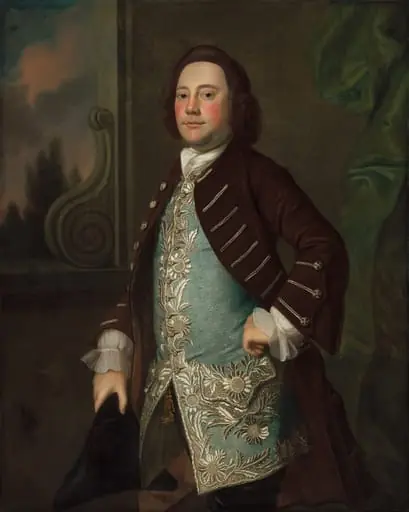
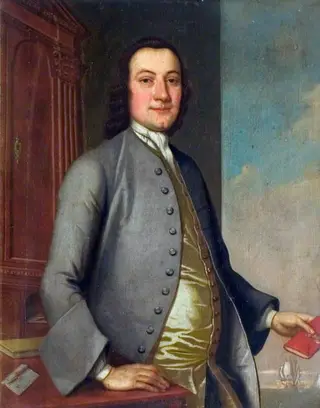
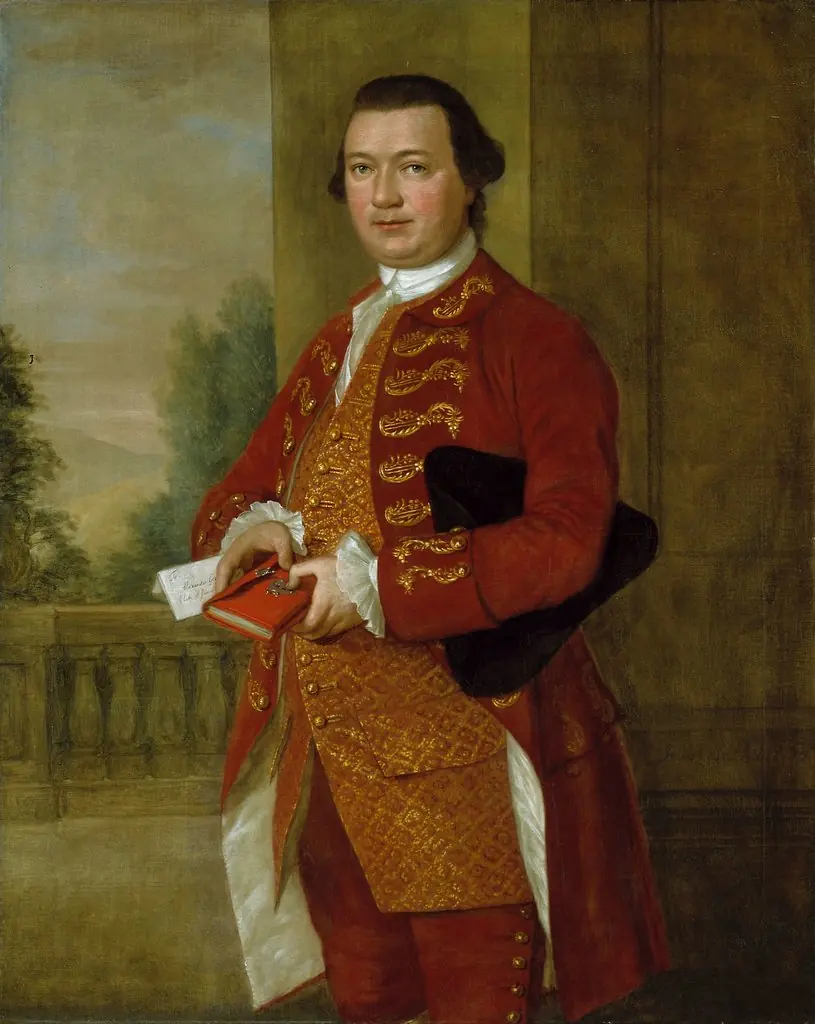
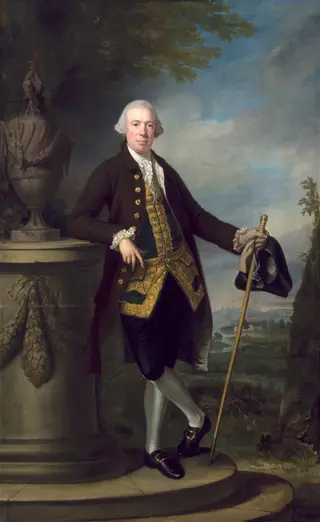
William Axtell is an oil painting by the Baroque artist John Wollaston the Younger. It dates from 1750 and is held in the collection of the Metropolitan Museum of Art.
About this work
Subject & Meaning
The painting presents William Axtell, a man identified in contemporary records as a resident of colonial New England, rendered in oil on canvas in 1749.
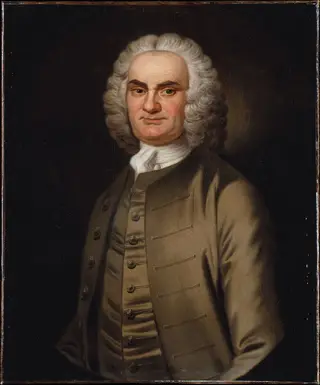
The painting presents William Axtell, a man identified in contemporary records as a resident of colonial New England, rendered in oil on canvas in 1749. Axtell is shown in formal attire typical of mid‑eighteenth‑century portraiture, his pose and presentation signaling social standing and personal identity within the early American community. As part of The American Wing collection at the Metropolitan Museum of Art, the portrait functions as a visual document of an individual subject, embodying the cultural emphasis on portraiture as a means of asserting status and legacy among the emerging American elite.
Technique & Style
Executed in 1749, this portrait of William Axtell by John Wollaston utilizes oil paint applied to a canvas support. The work measures approximately 127 centimeters in height and 101.6 centimeters in width. As a formal portrait, the composition focuses on the depiction of the male subject, adhering to the conventions of the genre during the mid-18th century.
The piece is classified within the American Wing collection, reflecting its significance in early American portraiture. While specific details regarding the artist's brushwork, surface condition, or underpainting techniques are not explicitly detailed in the available records, the fundamental material construction establishes the work as a traditional oil-on-canvas painting typical of Wollaston's practice during this period.
History & Provenance
The portrait titled William Axtell was painted by John Wollaston in 1749 as an oil on canvas work measuring 127 cm by 101.6 cm. It depicts the sitter William Axtell and is classified as a portrait within the American Wing of the Metropolitan Museum of Art, where it has been part of the museum’s collection since its acquisition. The painting’s creation date, medium, and subject are documented in contemporary records, and its dimensions and material are noted in the museum’s catalogue. The work remains on display in the museum’s American Wing galleries.
The portrait of William Axtell, painted by John Wollaston in 1749, is held in the collection of the Metropolitan Museum of Art. Classified within the American Wing, the work is executed in oil on canvas and measures 127 by 101.6 centimeters. The painting depicts the sitter as a man in a formal portrait style.
While the sources confirm the artwork's current location and physical attributes, they do not provide a specific inventory or accession number for the piece. Furthermore, the available documentation does not record any exhibition history or past display dates for this specific portrait.
Legacy
John Wollaston’s 1749 portrait of William Axtell entered The American Wing collection of the Metropolitan Museum of Art, where it is displayed as a representative example of colonial portraiture. The work’s inclusion in a major American art institution underscores its recognized importance in the narrative of early American visual culture. Its continued presence in museum exhibitions and scholarly catalogues reflects a sustained reputation as a valuable document of 18th‑century New England society.
The painting’s detailed provenance, from its creation by Wollaston the Younger to its accession by the Met, contributes to its enduring legacy as a benchmark for the study of colonial portraiture.
Overview
This oil on canvas depicts William Axtell, a subject rendered with an emphasis on individual character. The artwork is part of the American Wing collection, reflecting an artistic tradition prevalent in its era. The painter aimed to present more than a mere likeness, striving to convey the sitter's distinct personality through the portrait.
Context
During the period in which this portrait was created, the primary objective for many painters was to capture not just the physical appearance but also the essence of the individual. This pursuit of psychological depth was a defining characteristic of portraiture, where artists were expected to convey personality and status through their brushwork and composition.
Artist & collection

Artist
John Wollaston (fl. 1742 – 1775) was an English painter who specialised in portrait painting and was active mostly in British North America. He was one of a handful of painters to introduce English Rococo styles of…