Artwork
The adoration of the Magi
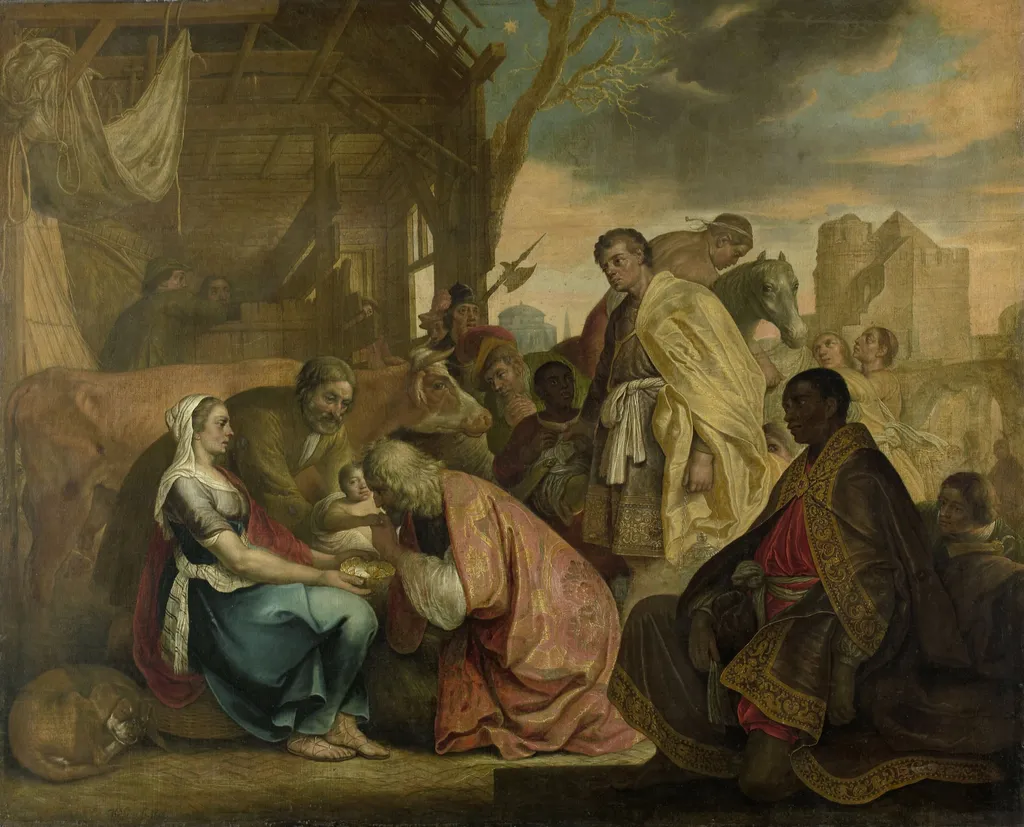
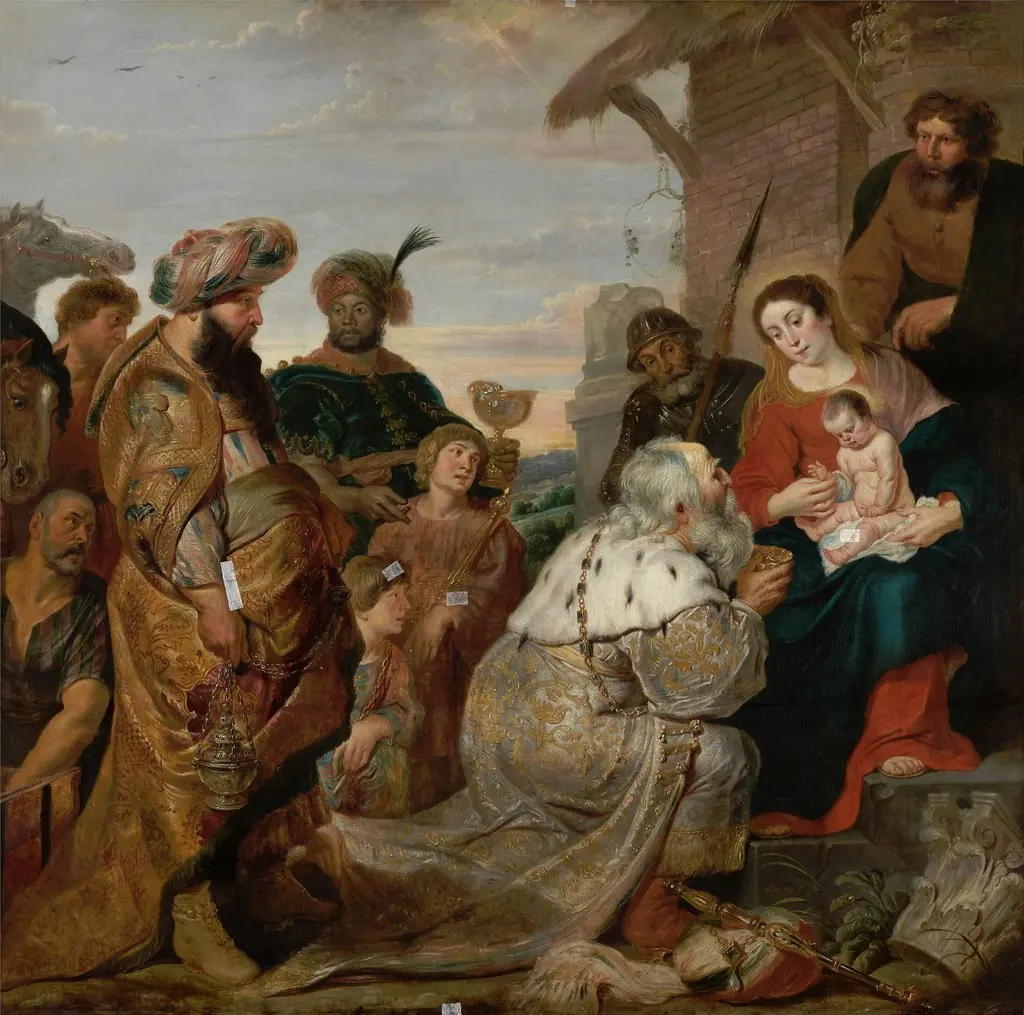
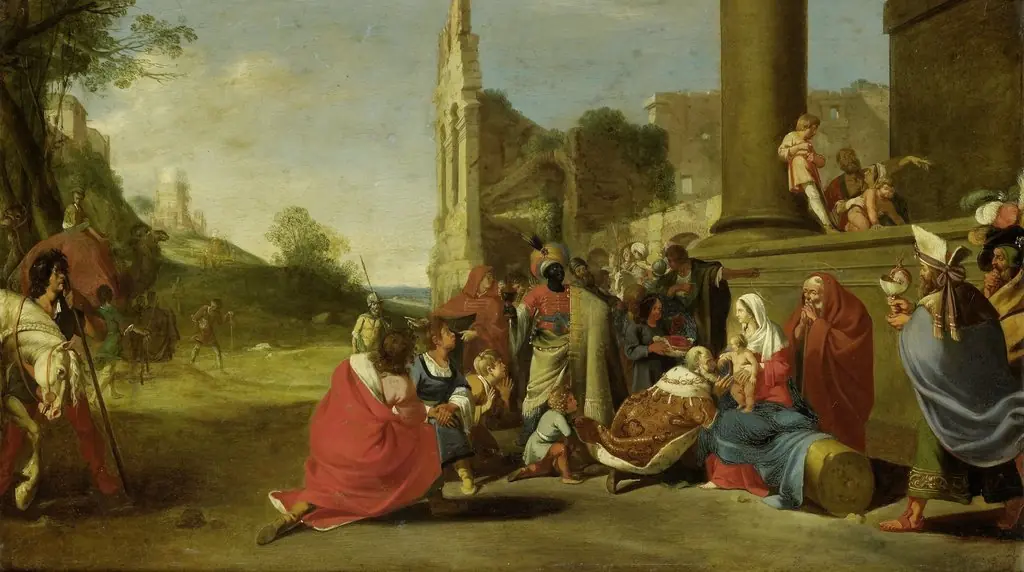
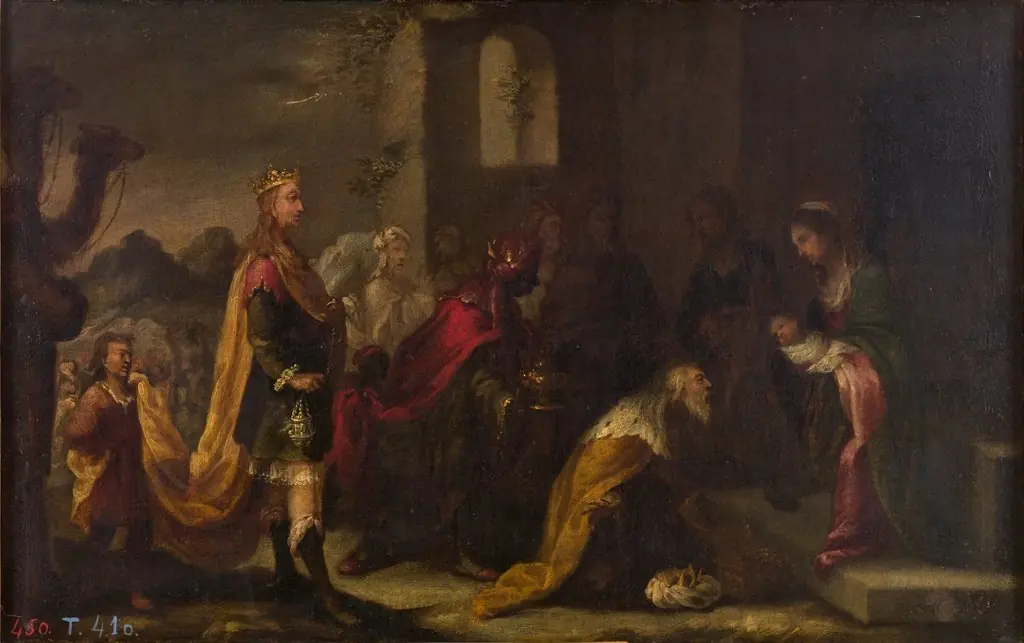
The adoration of the Magi is an oil painting by the Dutch Golden Age artist Joris van Schooten. It dates from 1646 and is held in the collection of the Rijksmuseum.
About this work
Subject & Meaning
The composition emphasizes the moment of homage, with the Magi's richly detailed attire and the tender interaction between the holy family and the visitors.
The painting titled The Adoration of the Magi, created by Joris van Schooten in 1646, portrays the biblical scene in which three kings present gifts to the infant Christ and his mother Mary. The composition emphasizes the moment of homage, with the Magi's richly detailed attire and the tender interaction between the holy family and the visitors. As a religious work, it reflects the Counter-Reformation emphasis on the recognition of Christ by the Gentile world, using traditional iconographic elements such as the gifts, the star, and the intimate domestic setting. The piece measures 152 × 189.5 cm and is executed in oil on canvas.
Technique & Style
The painting is executed in oil on canvas, a standard support for mid-seventeenth-century Dutch religious painting. It measures 152 cm in height by 189.5 cm in width, giving it a broad horizontal format suited to its narrative subject. Its religious genre situates it within the devotional tradition of depicting the Magi adoring the Christ Child with Mary.
History & Provenance
Joris van Schooten executed The Adoration of the Magi in 1646 in oil on canvas. The specific original commissioner and earlier ownership chain prior to its present location are not recorded. The painting is held in the collection of the Rijksmuseum, Amsterdam.
Overview
Joris van Schooten, a painter active during the Dutch Golden Age, completed The Adoration of the Magi in 1646. This oil painting depicts the biblical narrative of the three wise men's visit to the infant Jesus. The scene centers on Mary and the Christ Child receiving homage and gifts from the Magi, a common theme in Christian art that symbolizes the recognition of Christ's divinity by the Gentile world.
Context
Joris van Schooten was a figure within the vibrant artistic and intellectual circles of 17th-century Leiden. His family connections extended beyond the arts; he was the uncle of Frans van Schooten, a notable mathematician from Leiden who made significant contributions to analytical geometry. This familial link underscores the interconnectedness of various disciplines during a period of intense cultural and scientific advancement in the Netherlands.
Own this work as a print
Artist & collection
Artist
Joris van Schooten (1587–1651) was a Dutch Golden Age painter and the uncle of the Leiden mathematician Frans van Schooten.

- The Adoration of the Magi
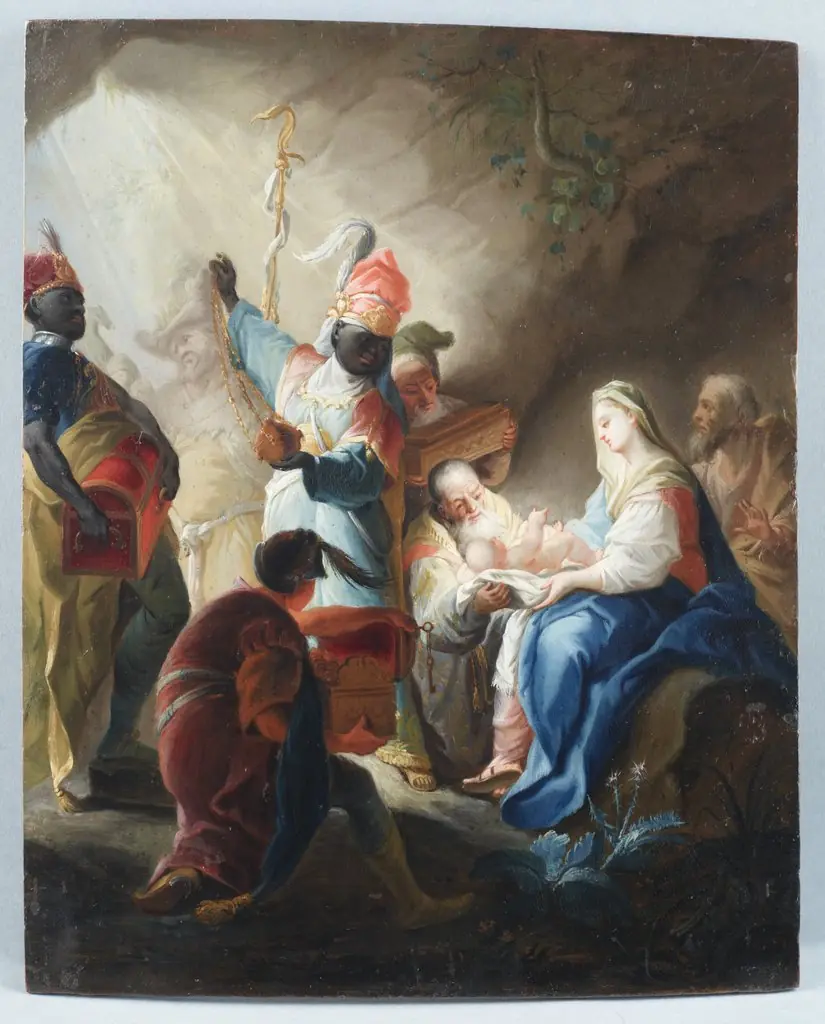 The Adoration of the Magi
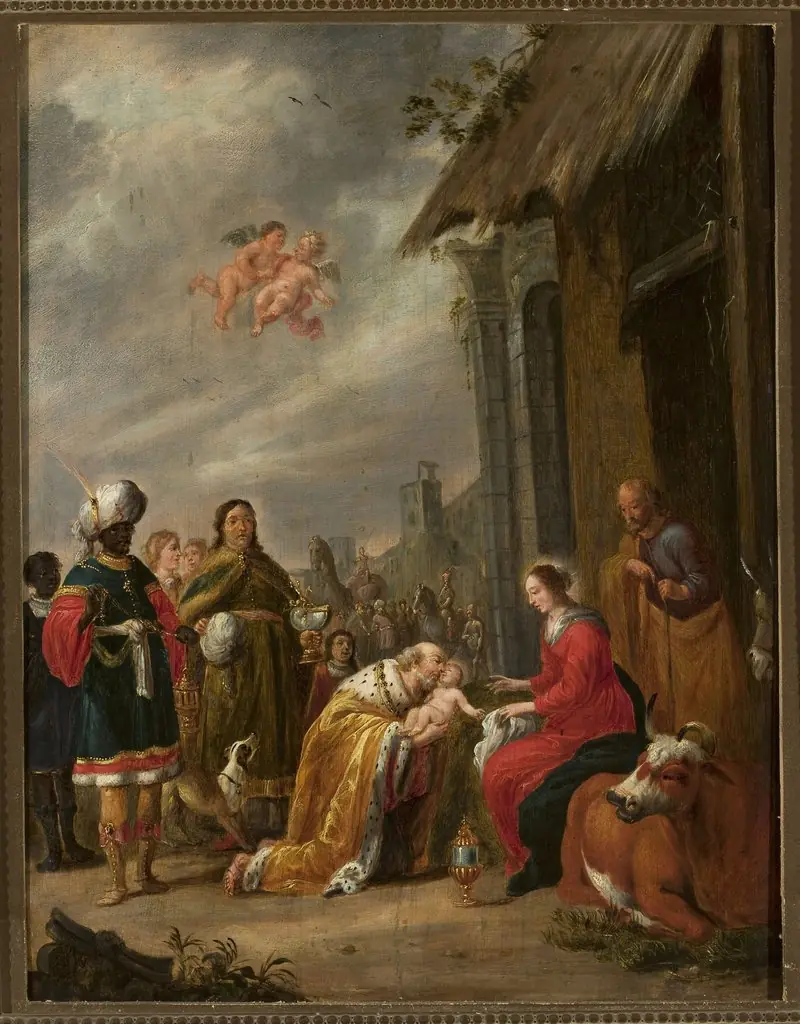 Adoration of the Magi (Matthew 2:10-11)
 The adoration of the Magi
 The Adoration of the Magi
 Adoration of the Magi
 Adoration of the Magi
 The adoration of the magi
 Epitaph of Willem van Meerbeeck and His Wife Barbara Kegeleers
 The Adoration of the Magi
 Adoration of the Magi
 The Adoration of the Magi