Artwork
The Adoration of the Magi
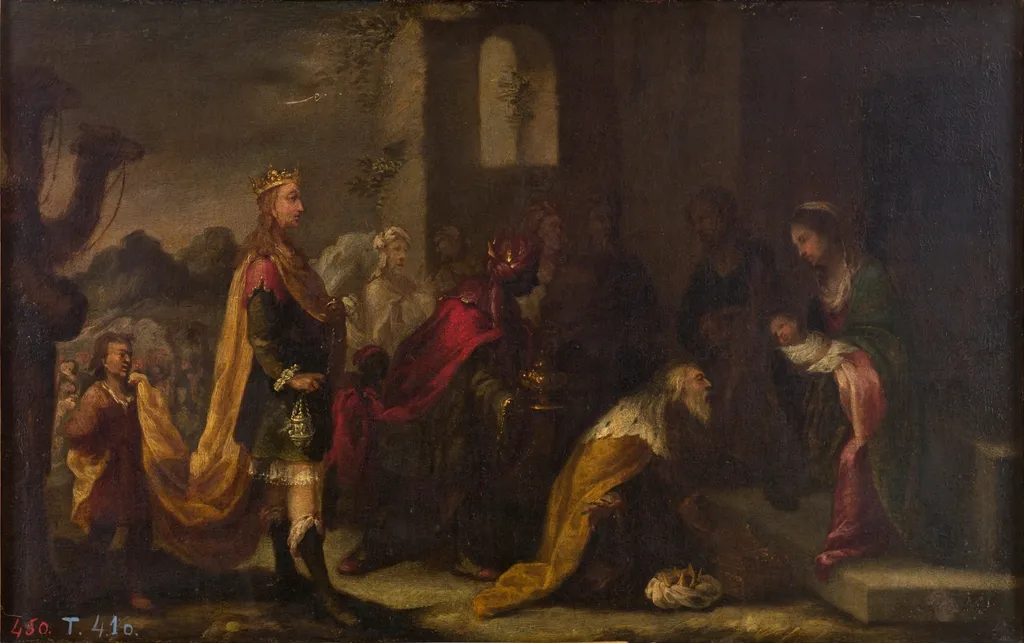
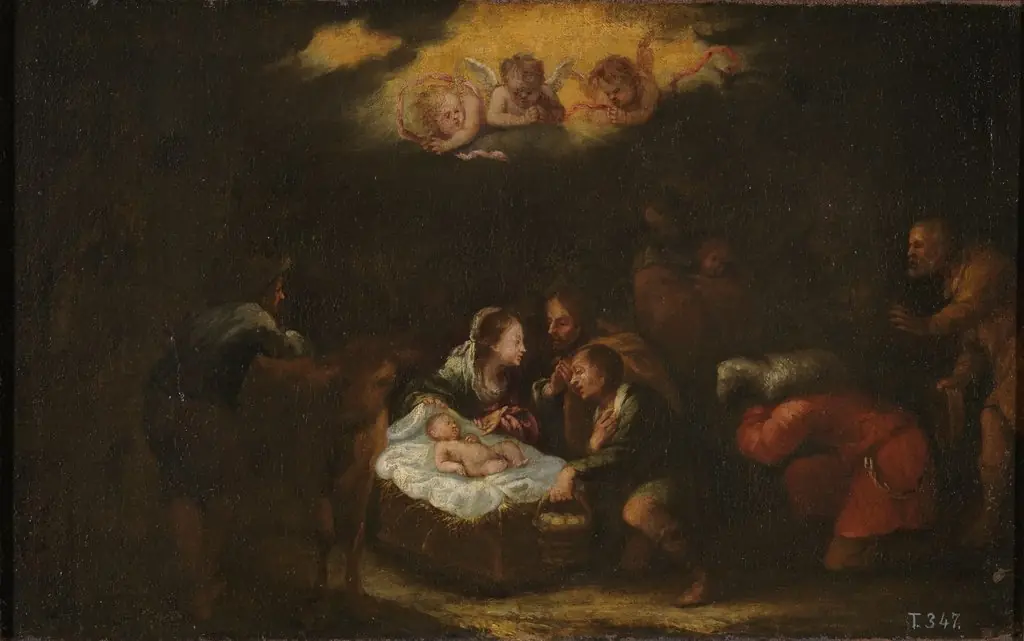
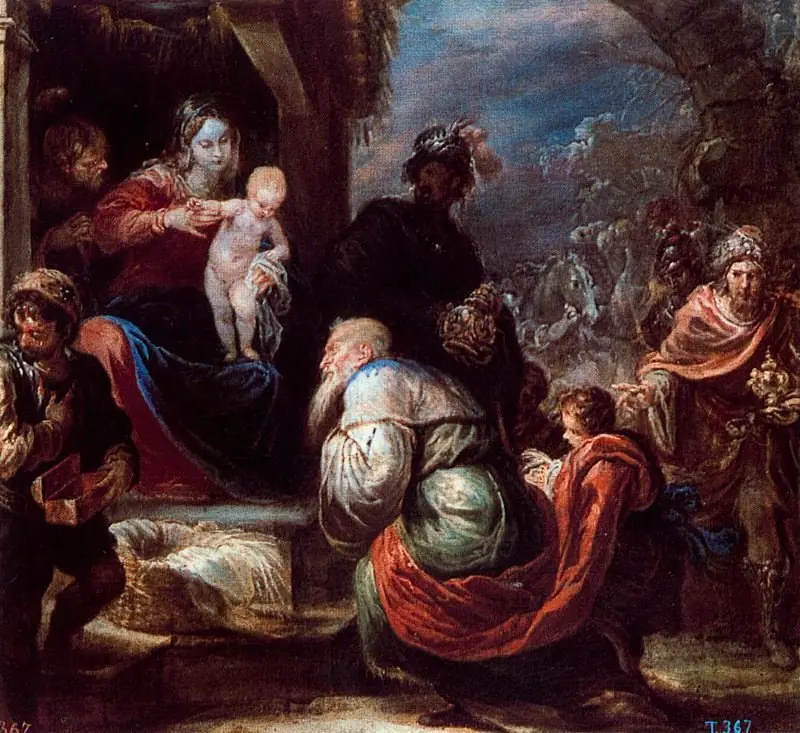
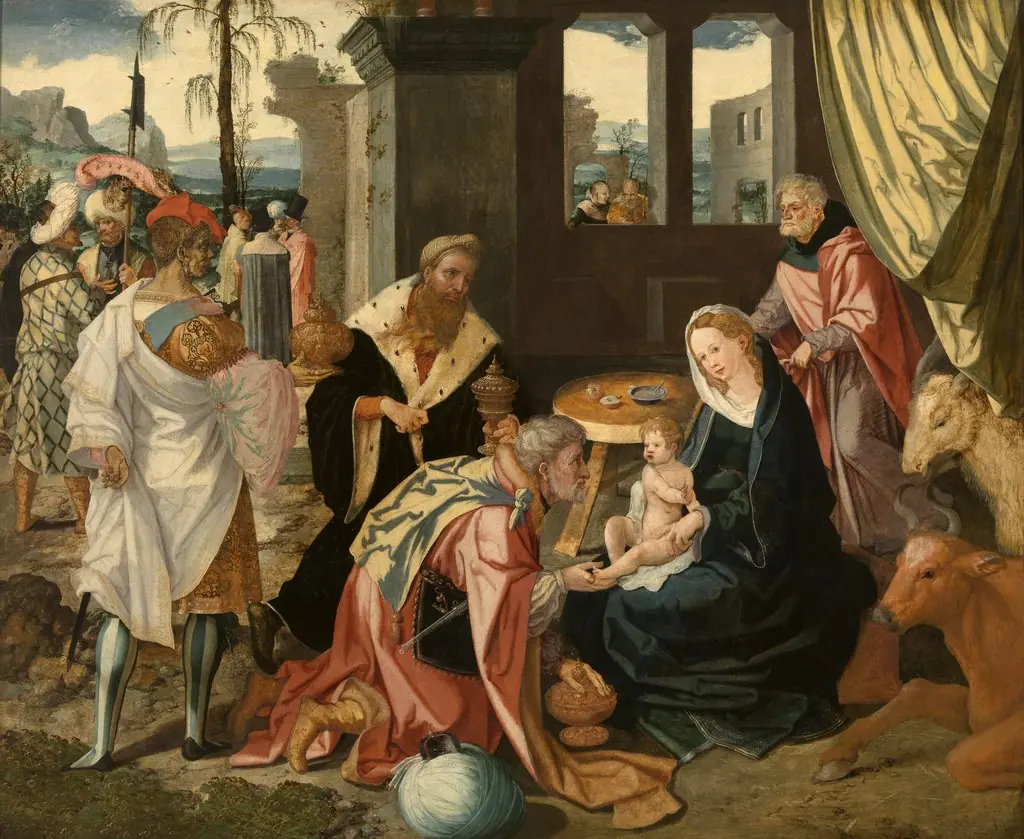
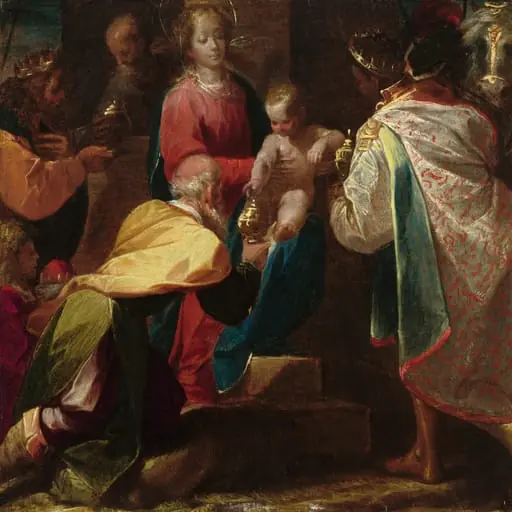
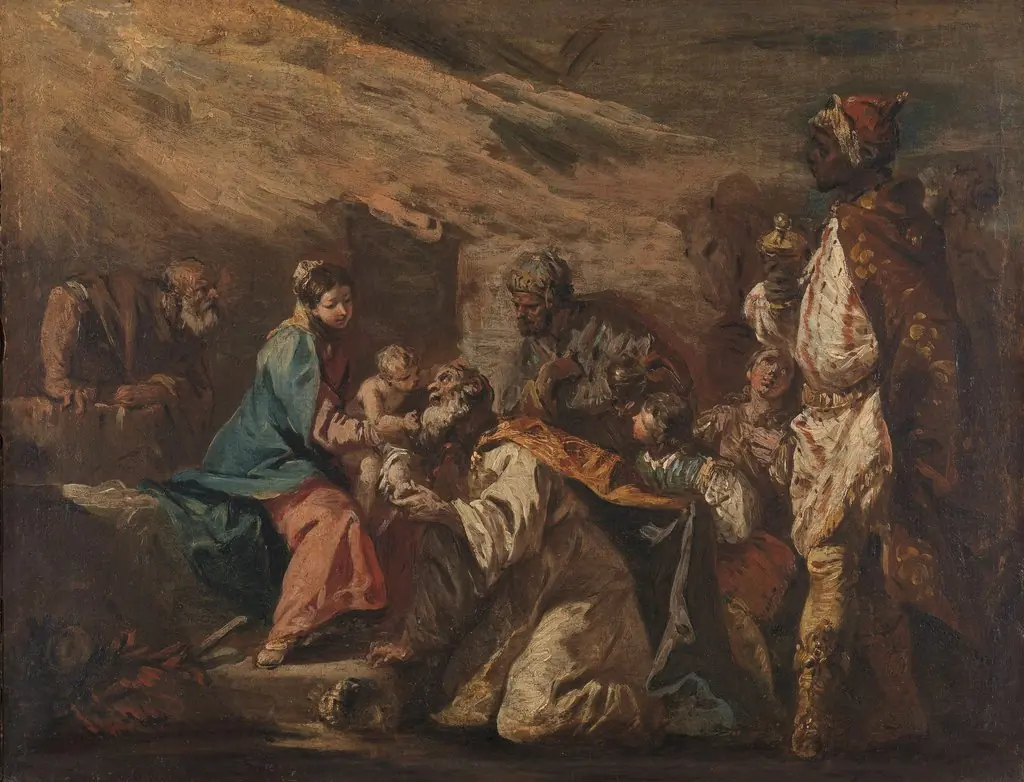
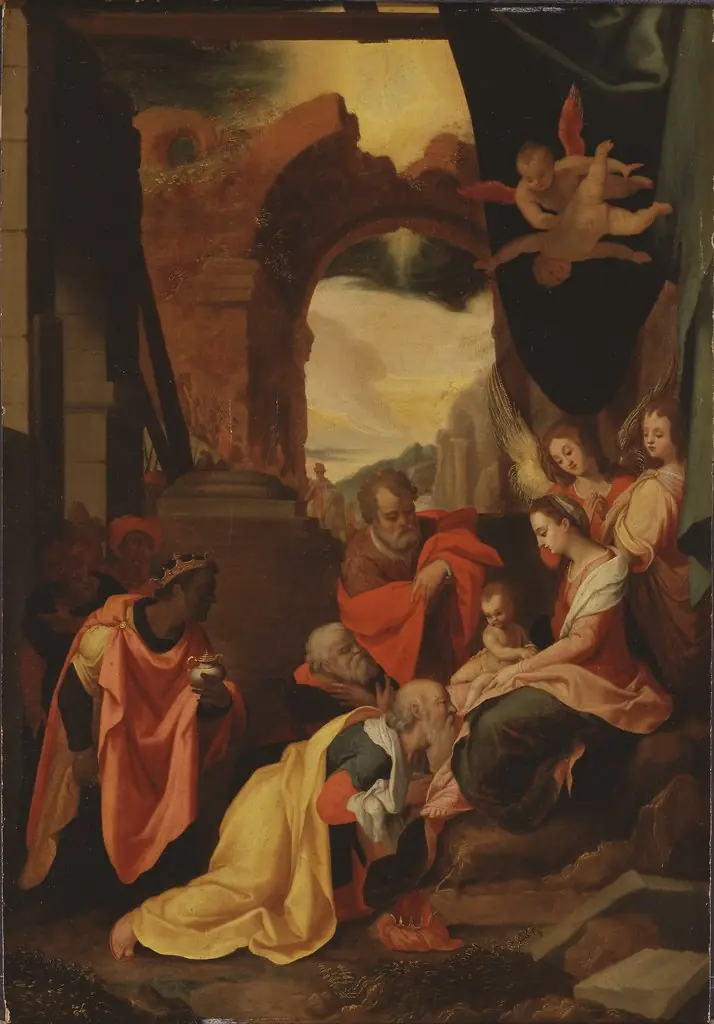
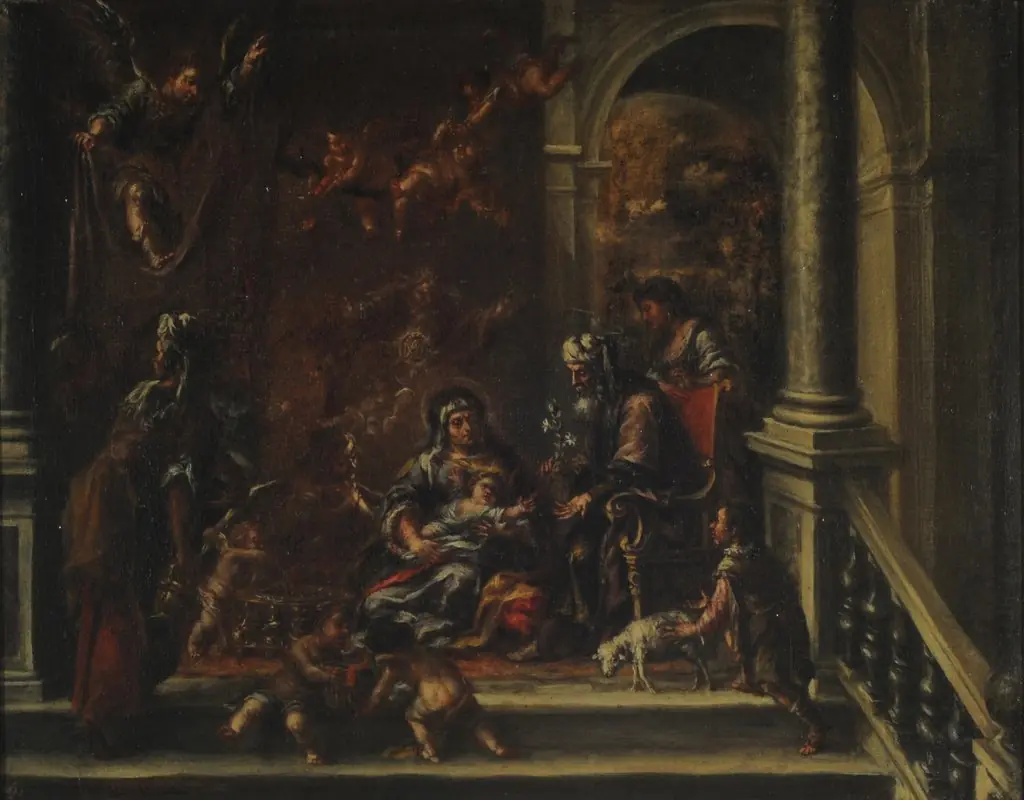
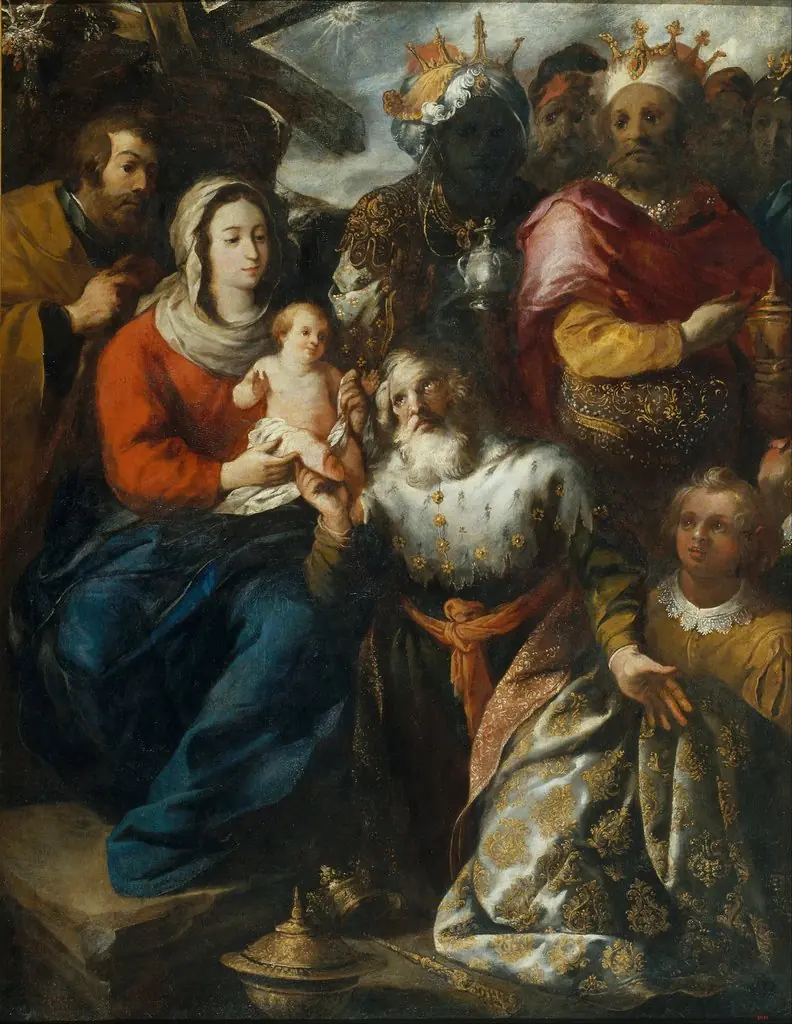
The Adoration of the Magi is an oil painting by the Early Baroque Italian artist Francisco Antolínez. It dates from 1601 and is held in the collection of the Museo del Prado. Created in 1601, this oil painting portrays a religious scene typical of early Baroque Italy.
About this work
Subject & Meaning
As a piece of religious art, the iconography focuses on the reverence shown to the infant, who is explicitly identified as the main figure depicted.
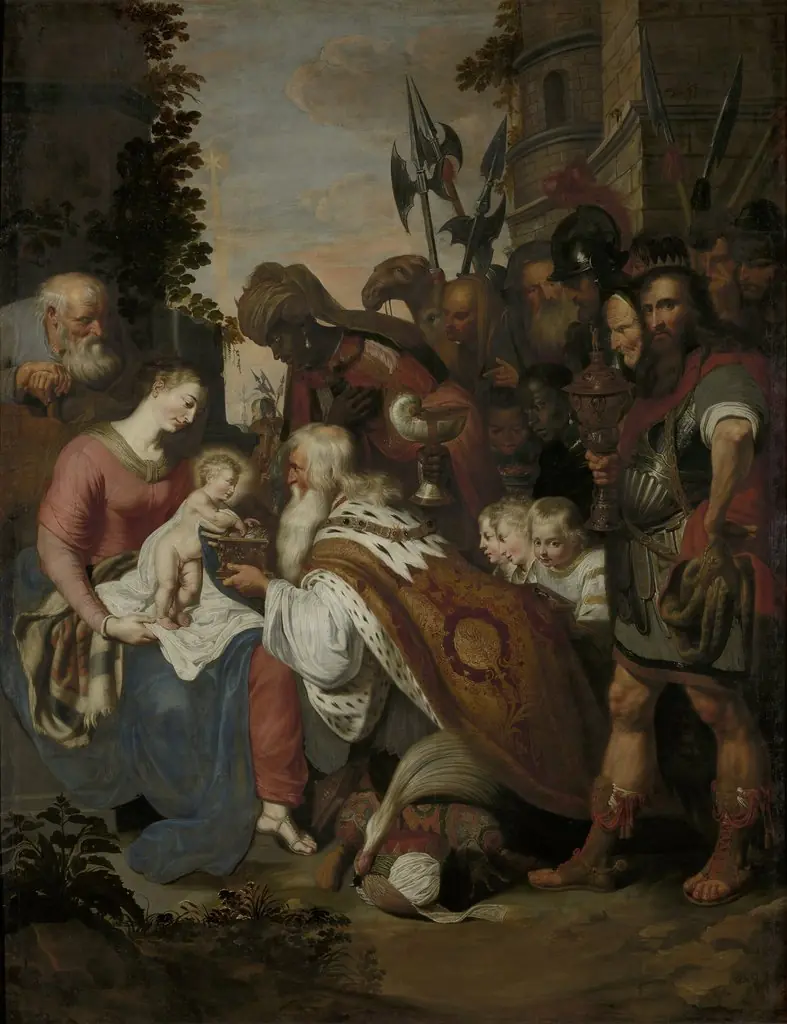
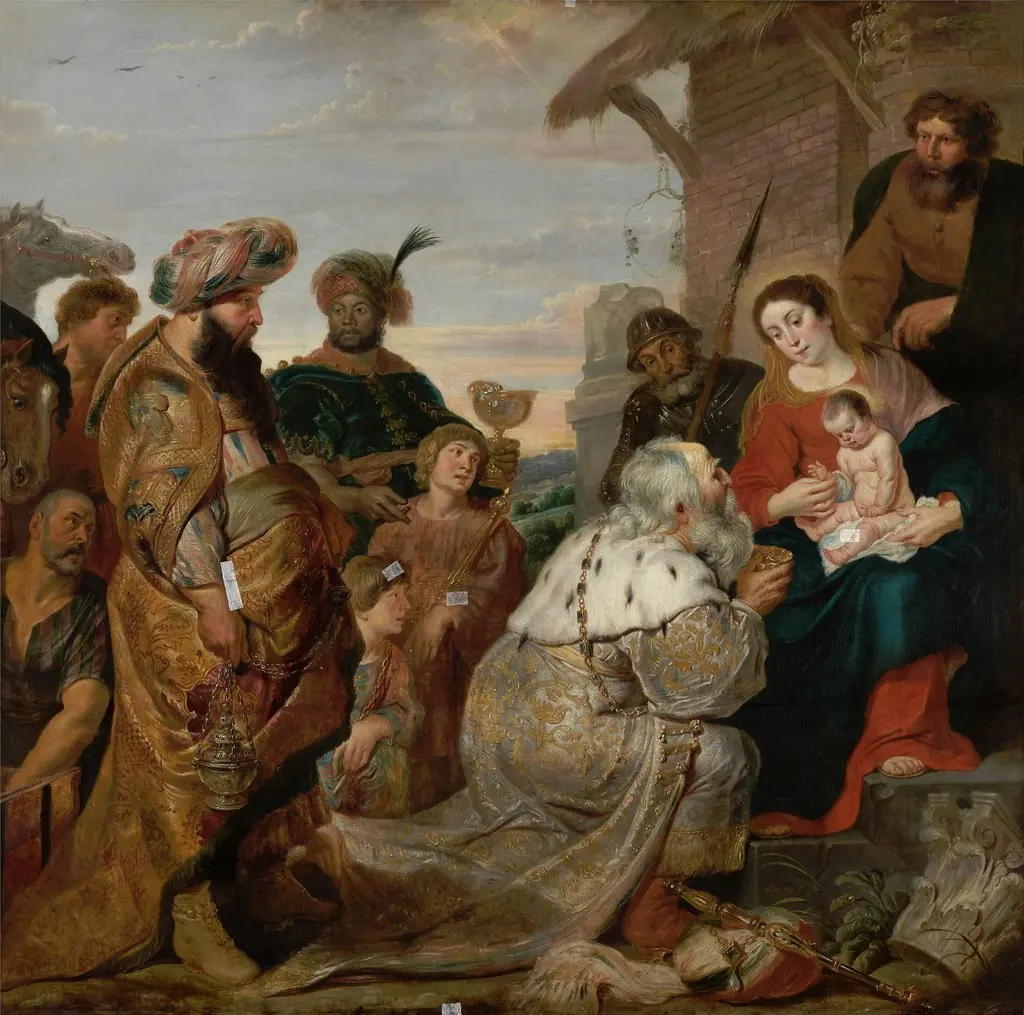
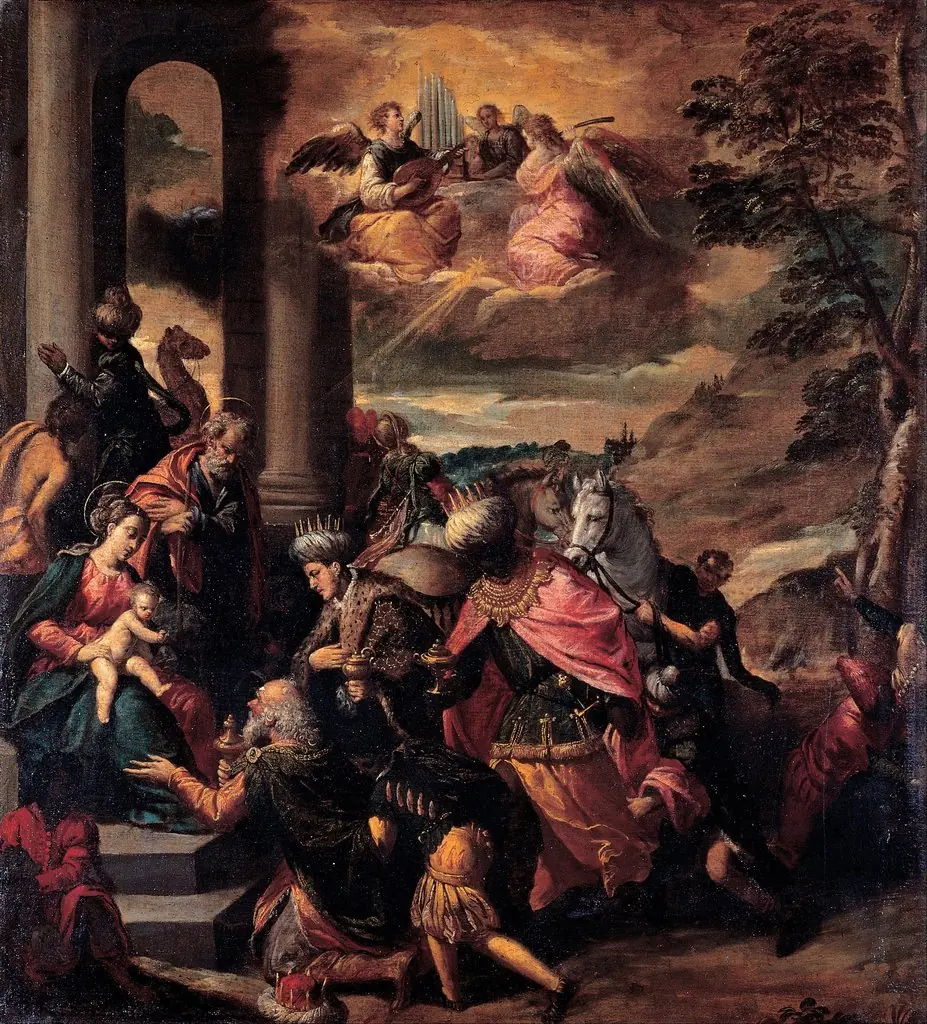
Francisco Antolínez's oil painting depicts the Adoration of the Magi, a traditional religious scene centered on the Christ Child. The work illustrates the biblical episode where the Magi pay homage to the newborn Jesus, serving as the primary subject of the composition. As a piece of religious art, the iconography focuses on the reverence shown to the infant, who is explicitly identified as the main figure depicted. The painting represents this specific moment of divine recognition within the Christian narrative.
Technique & Style
The painting is executed in oil on canvas, a standard support for early 17th‑century Spanish religious works. The composition centers on the adoration of the Magi, with the Christ Child positioned prominently among the figures presented by the three kings. Stylistically, Antolínez employs a naturalistic rendering of drapery and a restrained palette, typical of the period’s devotional imagery.
The work measures 45 cm in height and 73 cm in width, reflecting the modest scale common for altarpiece panels.
Condition reports indicate the canvas remains intact with only minor craquelure, and the surface retains its original varnish without significant discoloration. The handling of light and shadow demonstrates Antolínez’s mastery of chiaroscuro, enhancing the three‑dimensional presence of the figures.
History & Provenance
Francisco Antolínez's oil-on-canvas Adoration of the Magi is dated to 1601. The painting was held in the collection of the Museo de la Trinidad, and it is now located at the Museo del Prado, where it remains part of the museum's holdings. The work measures 45 cm in height by 73 cm in width.
The painting is currently held in the collection of the Museo del Prado in Madrid. It was previously associated with the Museo de la Trinidad before entering the Prado's holdings. The work is cataloged under the accession date of 1601, corresponding to its creation by Francisco Antolínez. No specific inventory number or detailed exhibition history is provided in the available sources.
Overview
Created in 1601, this oil painting portrays a religious scene typical of early Baroque Italy. The composition centers on a child, identified as the infant Jesus, surrounded by a small group of figures in a dimly lit interior. The work is part of the Museo del Prado’s collection and is presently attributed to the Spanish painter Francisco Antolínez, whose early output included devotional subjects.
Context
The composition aligns with the devotional trends of post‑Council of Trent Italy, where visual art served didactic and meditative purposes. Its use of light and shadow mirrors the influence of Caravaggio and his followers, who popularized chiaroscuro to heighten spiritual drama in religious narratives.
Own this work as a print
Artist & collection
Artist
Francisco Antolínez de Sarabia (1645–1700) was a historical and landscape painter who studied in the school of Murillo, whose style and manner of colouring he followed.