Artwork
Retrato mortuorio del periodista Pedro Avial Taracena
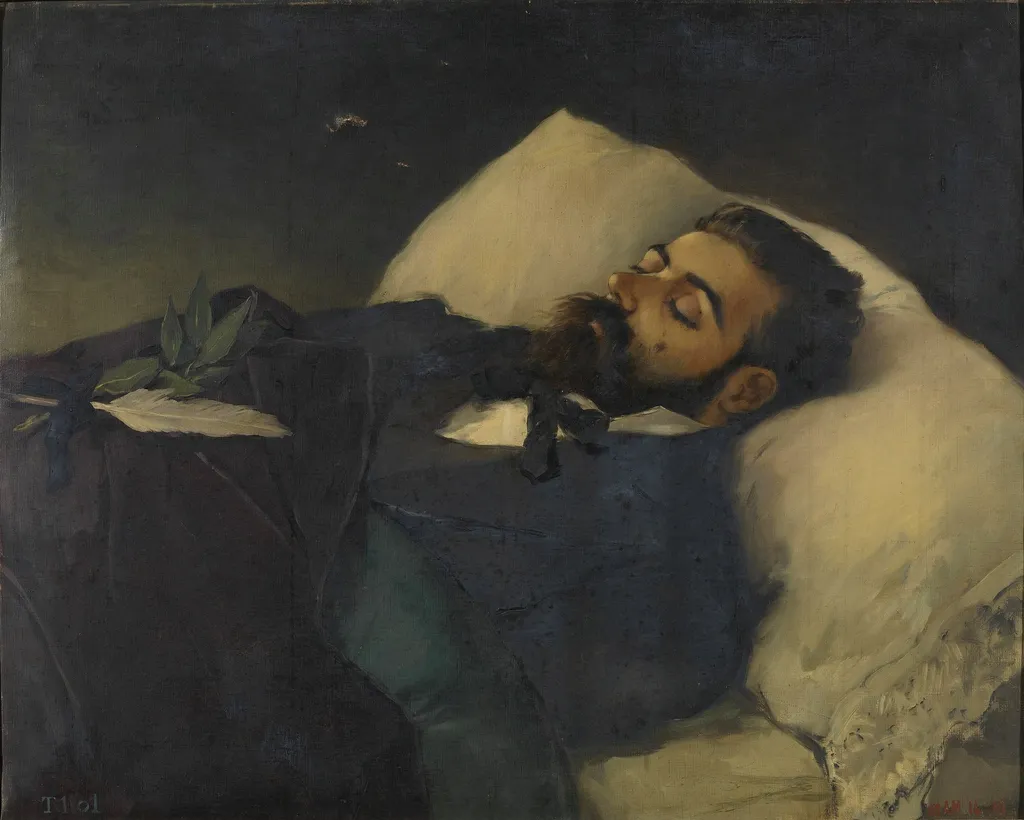
Retrato mortuorio del periodista Pedro Avial Taracena is an oil painting by the Post-Impressionist artist José Nin y Tudó. It dates from 1889 and is held in the collection of the Museo del Prado.
About this work
Technique & Style
No losses or significant damages are recorded in the available descriptions, and the work retains the fine, intact surface typical of its period and materials.
The posthumous portrait is executed in oil on canvas, measuring 75 cm in height and 85 cm in width. The handling is consistent with Nin y Tudó’s mid-19th-century academic practice, employing smooth, blended transitions in the modeling of the figure and a restrained palette to convey the subject’s dignified repose. The composition centers the deceased journalist seated in a three-quarter view, rendered with careful attention to anatomical proportion and the fall of light across the face and hands.
No losses or significant damages are recorded in the available descriptions, and the work retains the fine, intact surface typical of its period and materials.
History & Provenance
The oil-on-canvas portrait of journalist Pedro Avial Taracena was created by José Nin y Tudó in 1877. This specific work, classified as a mortuary portrait, depicts the subject alongside a pen, reflecting his profession. The painting measures 75 cm in height and 85 cm in width.
Currently, the artwork is held in the collection of the Museo del Prado in Madrid, where it is cataloged as a portrait from the late 19th century.
The portrait of journalist Pedro Avial Taracena is part of the Museo del Prado collection in Madrid, where it is catalogued under inventory number P009687. Executed in oil on canvas in 1877 by José Nin y Tudó, the work measures 75 cm by 85 cm. It has been displayed in the museum’s permanent portrait gallery as part of the exhibition "The 19th‑Century Spanish Portrait" in 2005.
Overview
Created in 1889, this oil painting by José Nin y Tudó portrays the deceased journalist Pedro Avial Taracena. Executed within the post‑impressionist period, the work belongs to the genre of portraiture that focuses on a single figure in a state of repose. It is part of the Prado Museum’s collection and exemplifies the artist’s recurring interest in commemorative, mortuary subjects.
Subject & Meaning
The canvas shows Taracena lying on a bed, his head supported by a pillow and his eyes gently closed. Dressed in somber attire and a beard framing his face, he appears tranquil despite the surrounding darkness. A sheet of paper bearing leafy motifs rests on his chest, suggesting a personal or professional connection and reinforcing the quiet dignity of the scene.
Own this work as a print
Artist & collection
Artist
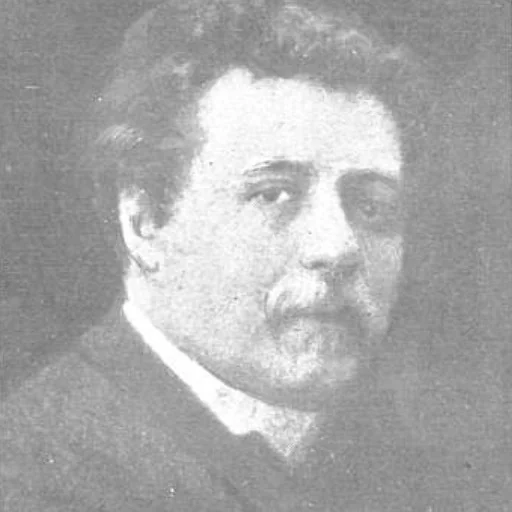
José Nin y Tudó (20 August 1843, El Vendrell – March 1908, Madrid) was a Spanish painter.

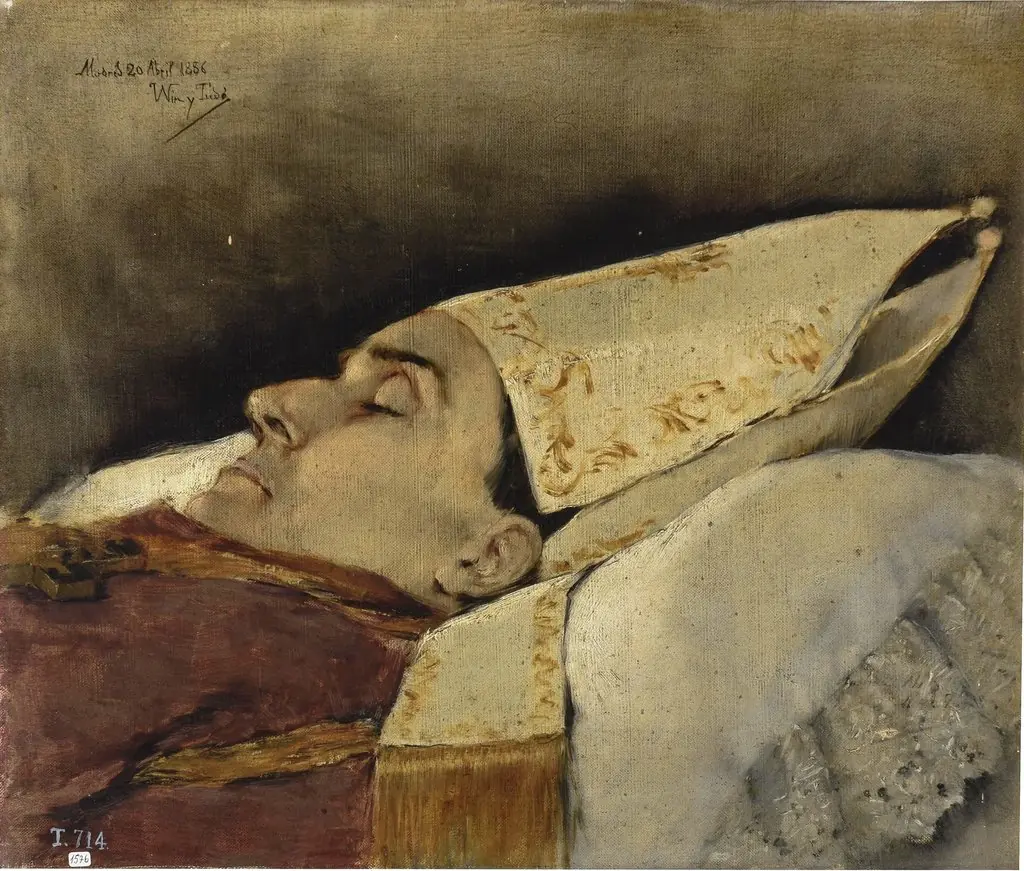
 Retrato mortuorio del pintor Joaquín Araujo
 The Siesta
 Sinucigașul
 Portrait of a Man – two-sided painting
 Male Portrait – two-sided painting
 Head of Christ
 My Ill Grandfather
 Miss Del Castillo on her Deathbed
 Portræt af den franske maler Alfred Guillou
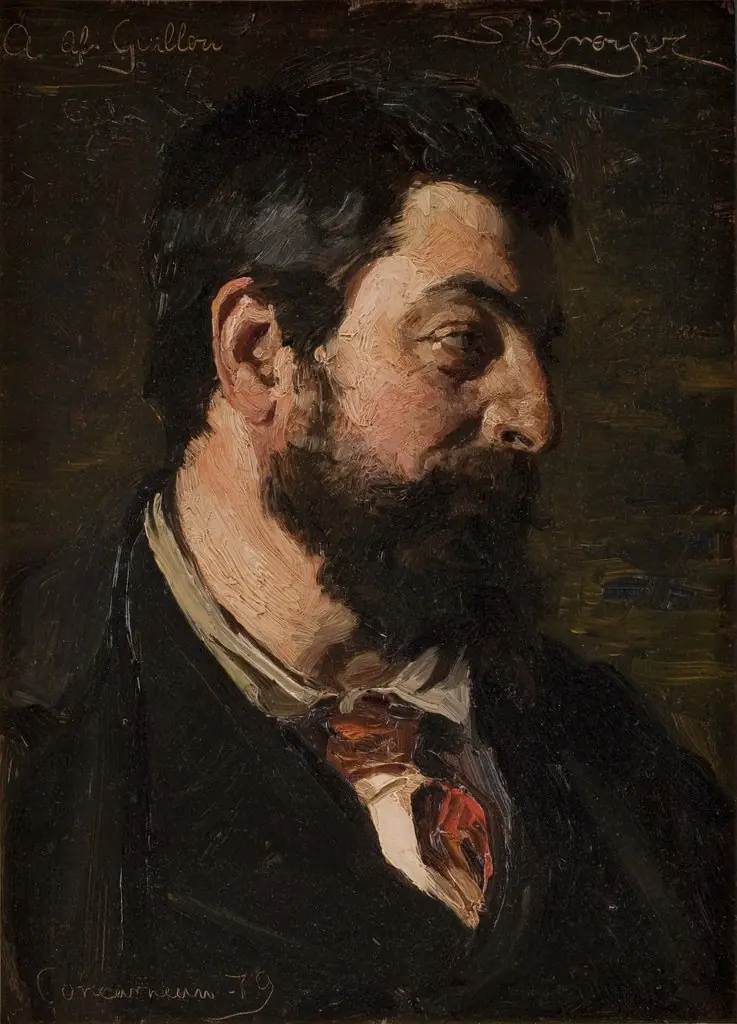 Portrait of the French painter Alfred Guillou
- El pintor Francisco Pradilla