Artwork
Willem IV, prince of Orange-Nassau
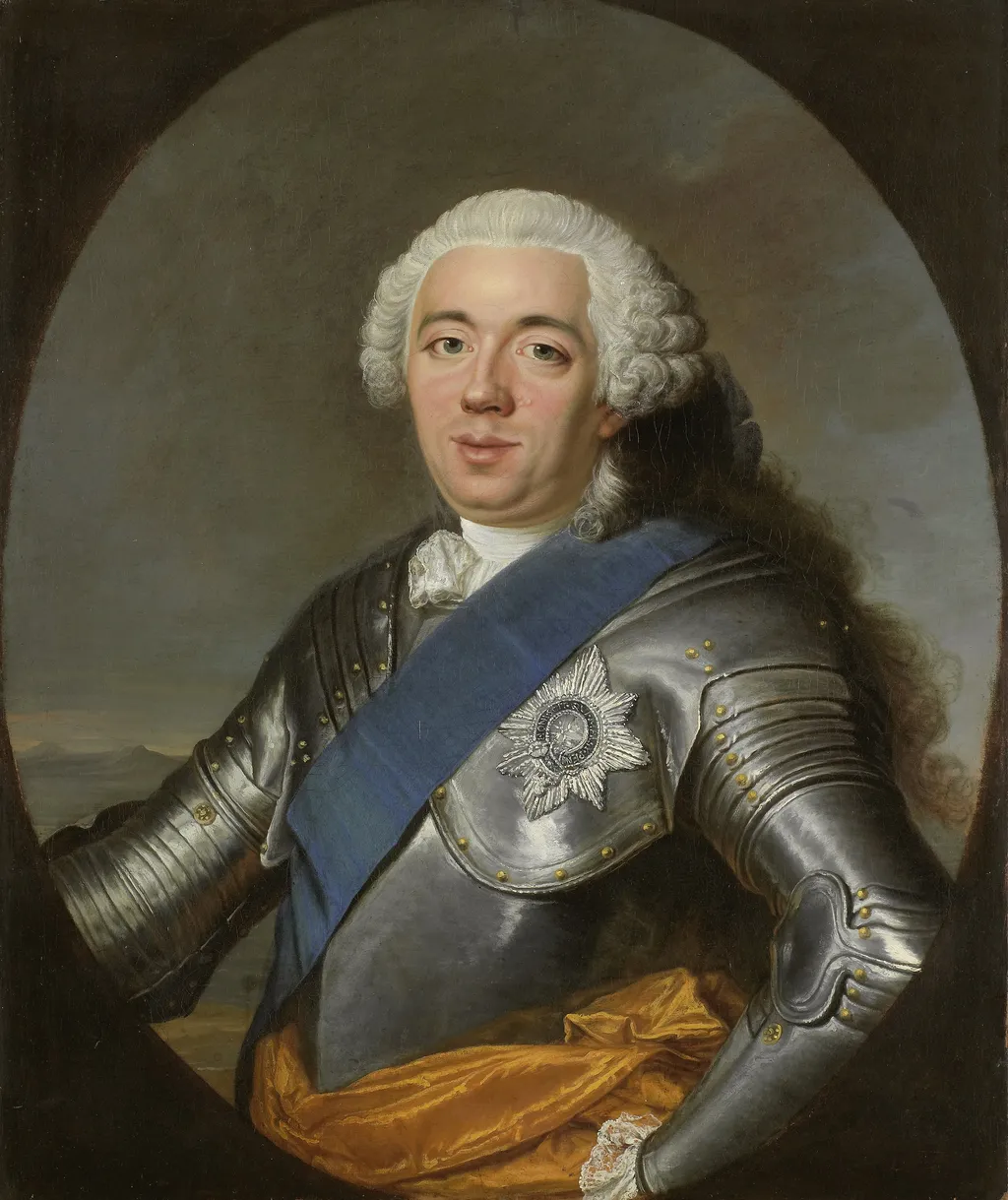
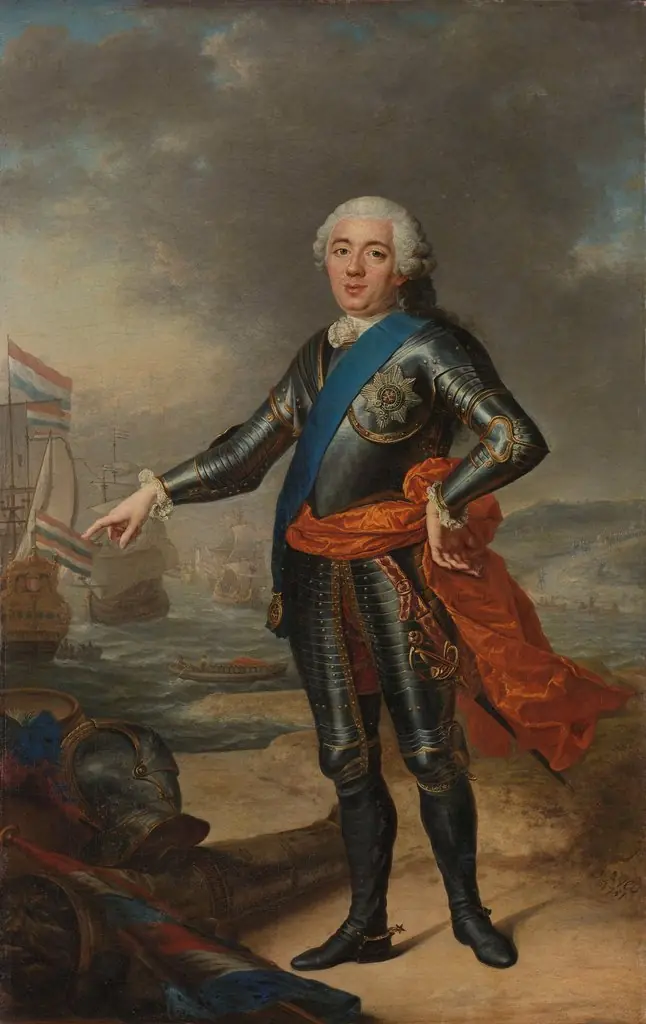
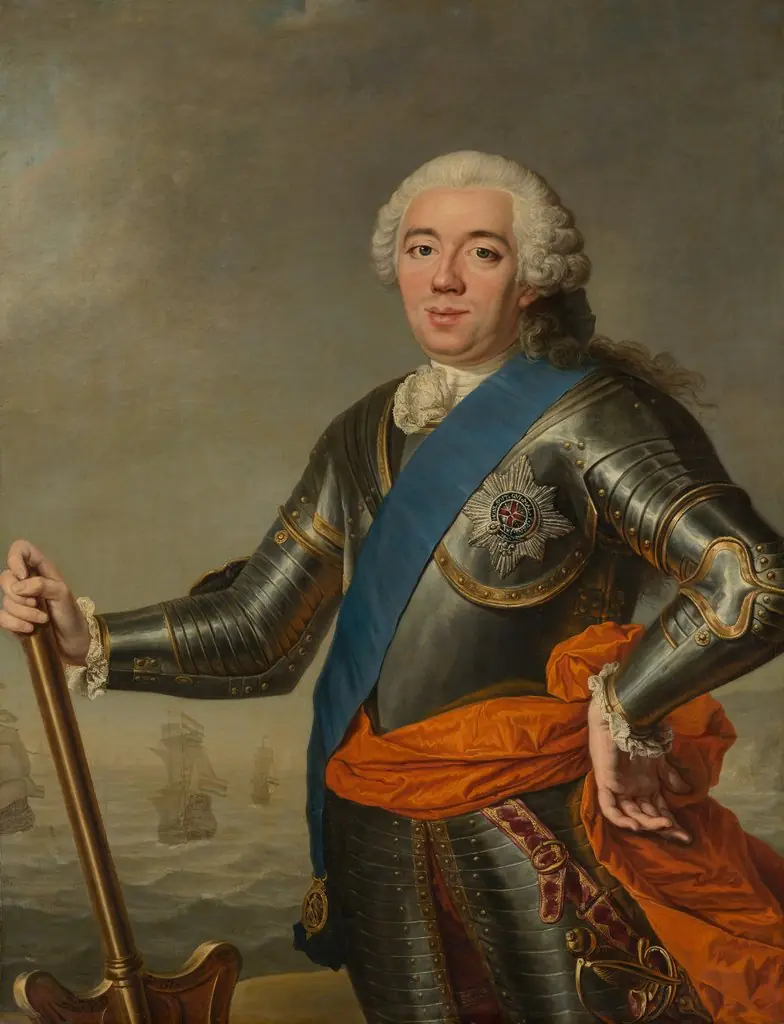
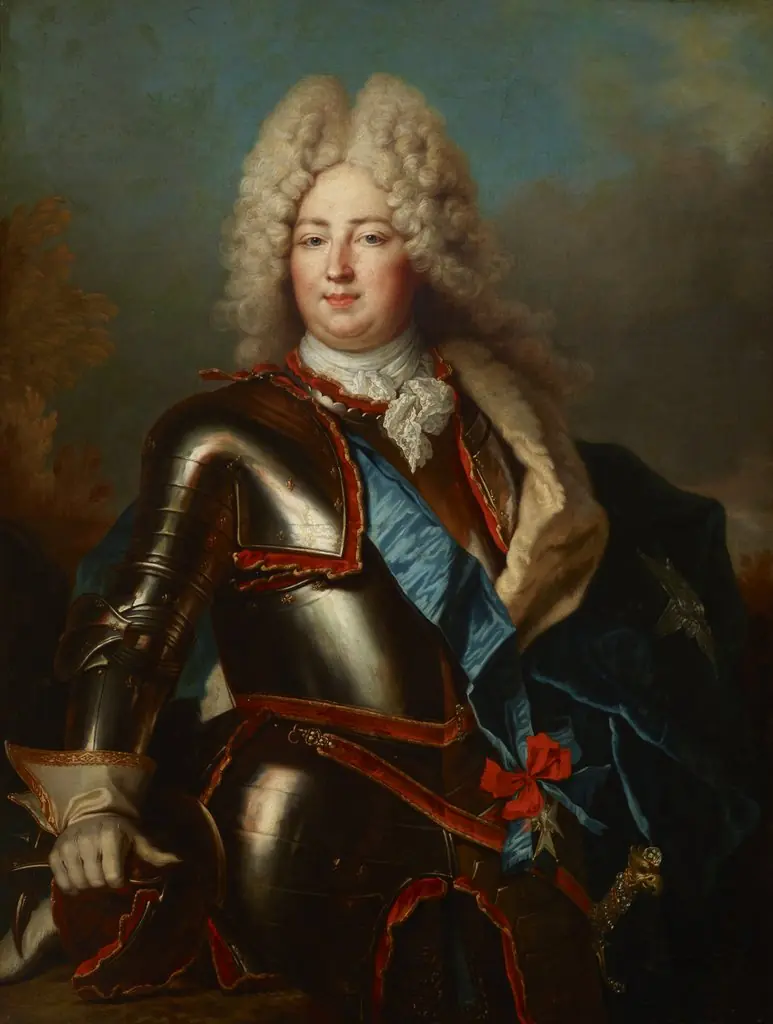
Willem IV, prince of Orange-Nassau is an oil painting by the Rococo painting artist Joseph Aved. It dates from 1750 and is held in the collection of the Rijksmuseum.
About this work
Subject & Meaning
As a portrait genre piece, the work's meaning lies in the visual documentation and commemoration of the Prince of Orange during the mid-eighteenth century.
The work is a portrait depicting William IV, Prince of Orange-Nassau, serving as the primary subject of the composition. Created in 1750 by Joseph Aved, the painting functions as a formal representation of the prince, capturing his likeness as the main figure. The iconography is centered entirely on the sitter, presenting him as the singular focus of the artwork without additional allegorical or narrative elements described in the available records.
As a portrait genre piece, the work's meaning lies in the visual documentation and commemoration of the Prince of Orange during the mid-eighteenth century.
Technique & Style
The portrait is executed in oil paint on canvas, measuring 84 × 70.5 cm. The work belongs to the portrait genre, consistent with Joseph Aved's specialization in formal portraiture. The painting depicts Willem IV, Prince of Orange-Nassau, in a manner typical of mid-18th-century European court portraiture.
History & Provenance
The portrait of Willem IV, prince of Orange-Nassau was painted by Joseph Aved in 1750.
The work entered the Dutch national collection and is currently held by the Rijksmuseum, Amsterdam. It is recorded under inventory number SK-A-880, where it is classified as a portrait of Willem IV.
Legacy
The portrait of Willem IV, Prince of Orange-Nassau by Joseph Aved, painted in 1750, has been cited in art historical literature as an influential example of 18th‑century Dutch portraiture that shaped later royal imagery. Its presence in prominent collections such as the Rijksmuseum and Mauritshuis has reinforced its reputation as a key work in the visual documentation of the Dutch royal family. Scholars reference the painting when discussing the evolution of court portraiture in the Enlightenment era, noting its realistic rendering and compositional balance as models for subsequent artists.
The work’s inclusion in numerous exhibitions and academic studies underscores its lasting impact on the perception of Dutch aristocratic portraiture.
Overview
Around 1750, Jacques‑André‑Joseph Aved, a French portrait painter active during the reign of Louis XV, executed an oil portrait of William IV, Prince of Orange‑Nassau. The work is part of the Rijksmuseum’s collection and presents the Dutch prince in a formal, dignified pose.
Context
The painting reflects the cross‑national ties of the period: a French artist, educated in Paris, depicting a Dutch prince who spent part of his youth in Amsterdam under the care of a military uncle. Such portraits reinforced diplomatic and familial connections among European courts.
Own this work as a print
Artist & collection
Artist
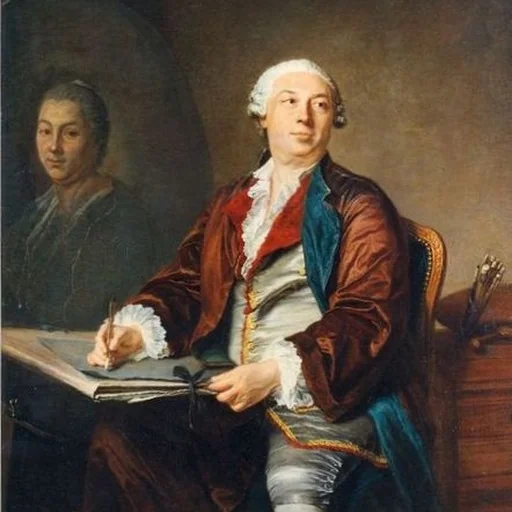
Jacques-André-Joseph Aved (12 January 1702 – 4 March 1766), also called le Camelot (The Hawker) and Avet le Batave (The Dutch Avet), was a French painter, renowned among the main Rococo portraitists in Paris during King Louis XV's reign.

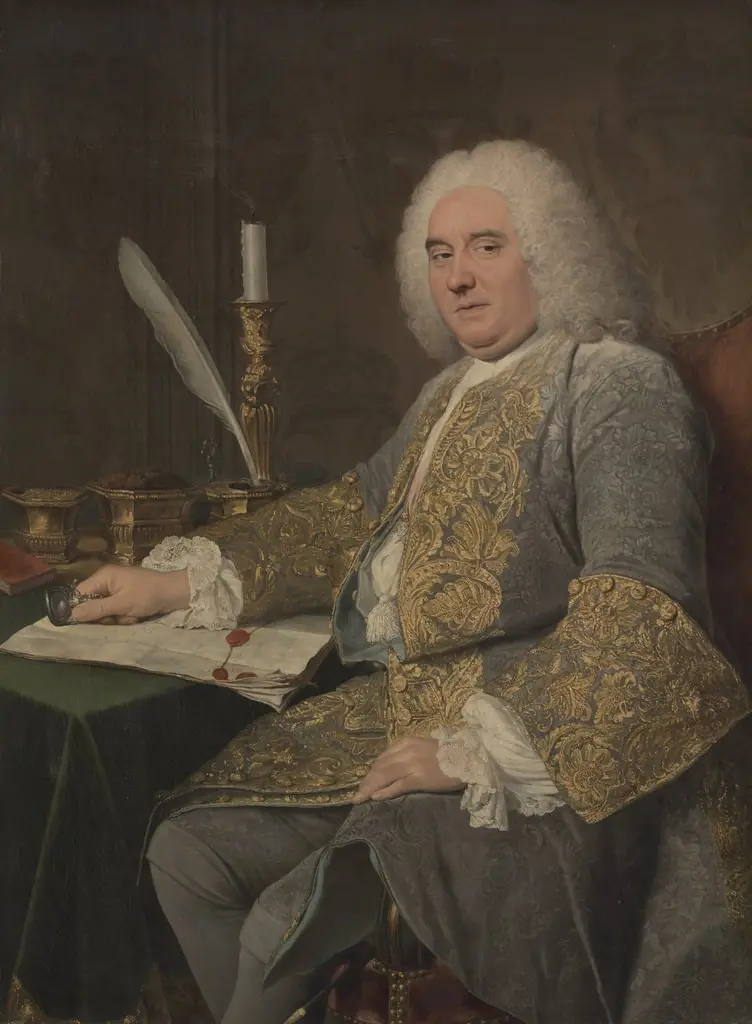
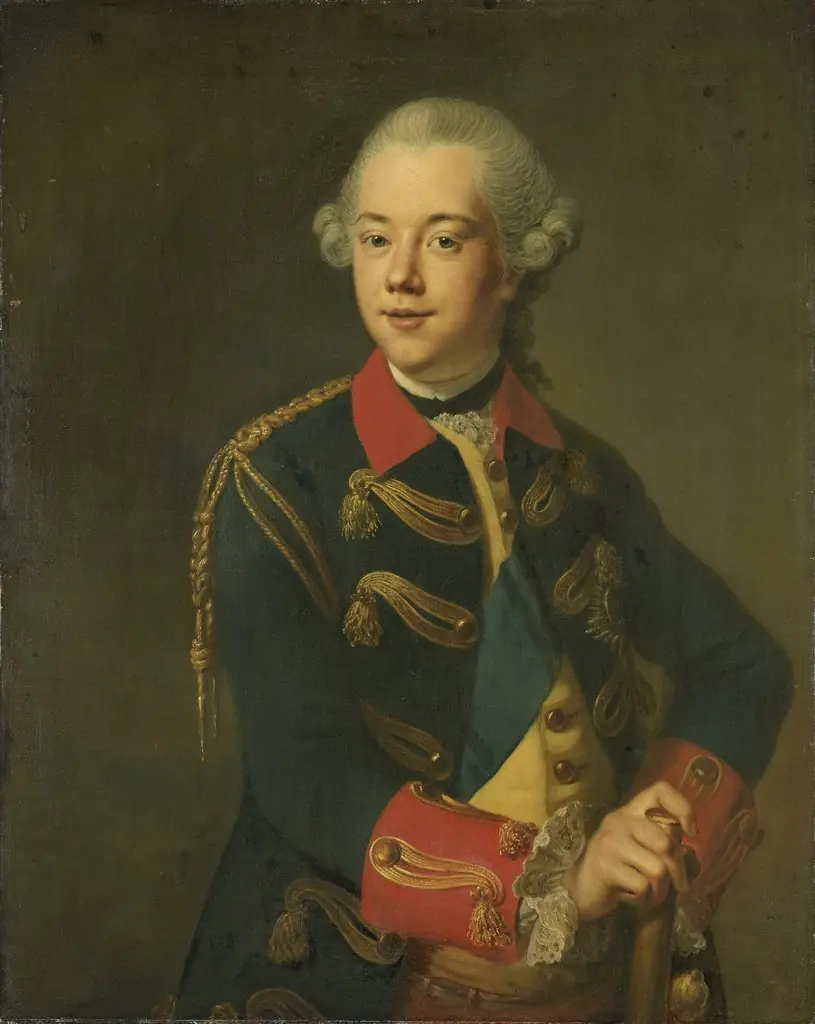 Portrait of William V, Prince of Orange-Nassau
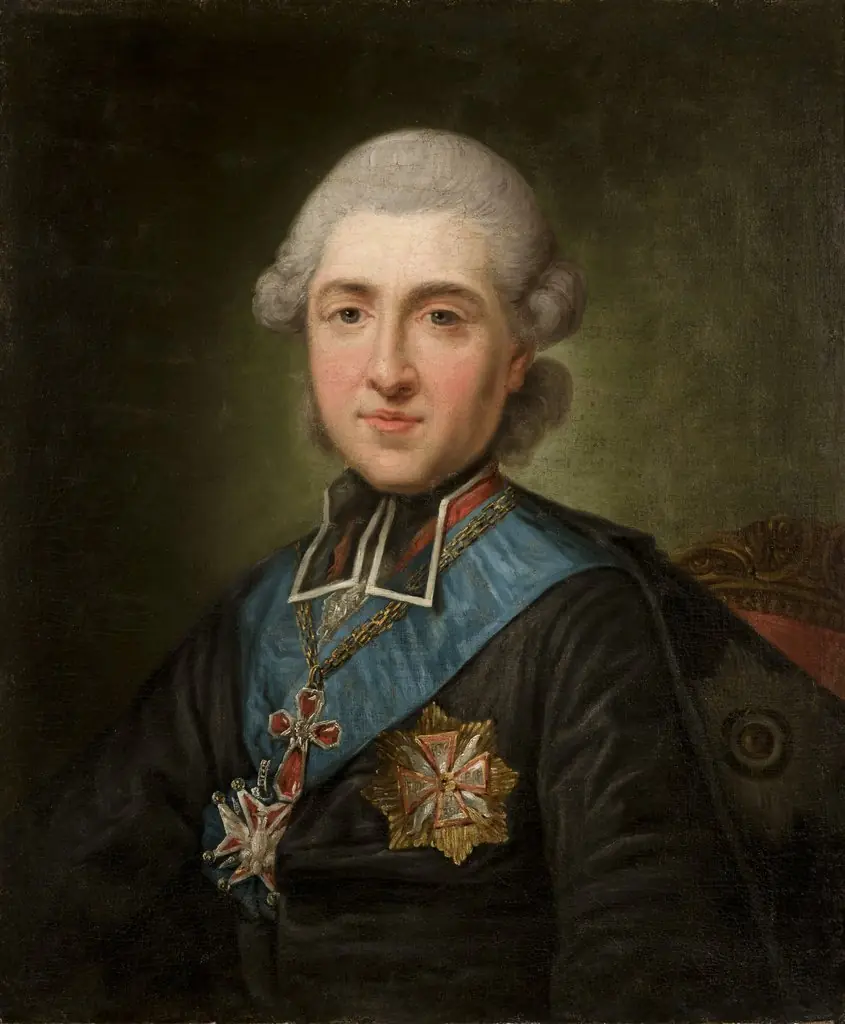 Portrait of Primate Michał Poniatowski
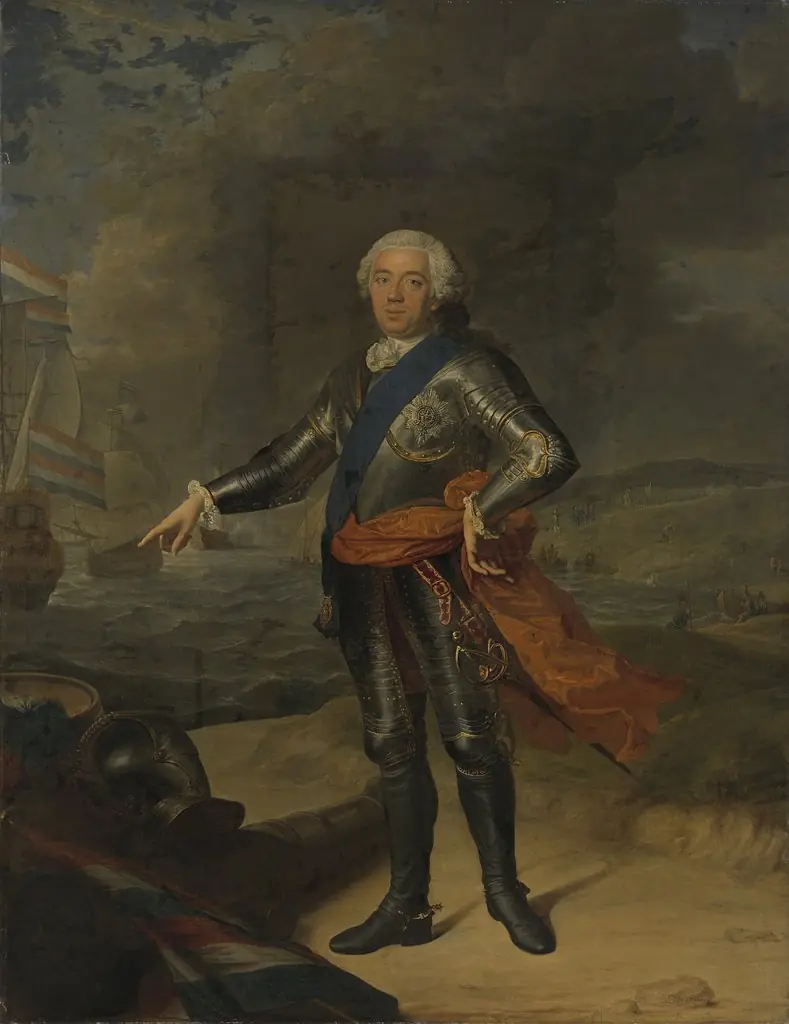
 Posthumous Portrait of William IV (1711-1751)
 Willem V (1748-1806), prins van Oranje-Nassau
 Count Gustav Adolph Gotter
 Friedrich Christian (1722-63), Elector of Saxony and King of Poland
 Portrait of Charles de France (1686–1714)