Artwork
Le Dévouement des Citoyennes de Paris (The Dedication of the Citizens of Paris)
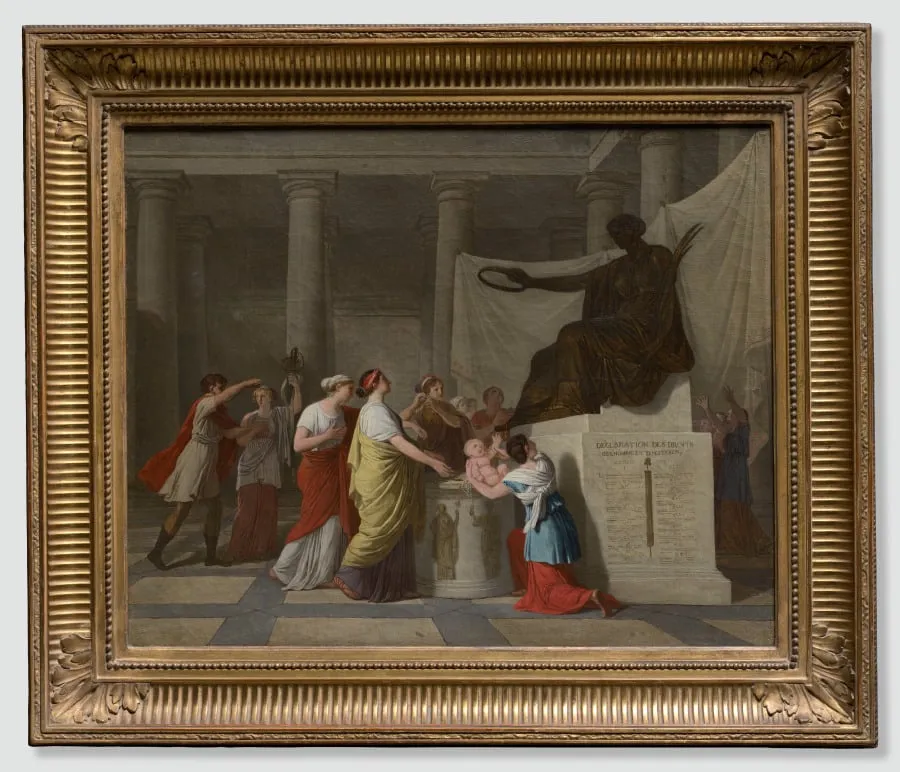
Le Dévouement des Citoyennes de Paris (The Dedication of the Citizens of Paris) is an unspecified painting by the Neoclassicist artist Joseph-Benoît Suvée. It dates from 1794 and is held in the collection of the Cleveland Museum of Art.
- Accession no.
- 2022.40
- Credit line
- Severance and Greta Millikin Purchase Fund
About this work
This painting shows a real moment from 1789, when artists’ wives gave their gold to fund the French Revolution.
A group of women in flowing robes stand in a grand hall, handing over jewelry to a seated official. One woman holds a child who reaches toward the treasure.
This painting shows a real moment from 1789, when artists’ wives gave their gold to fund the French Revolution. The artist dressed the scene like ancient Rome, linking the new republic to old ideals. It was painted in 1794, during the violent Reign of Terror, when such acts of loyalty could be dangerous.
To see how other artists painted revolutionary scenes, look up The Cleveland Museum of Art.
Overview
Created in 1794, during the height of the Reign of Terror, this oil painting records a public ceremony from 1789 in which the wives and daughters of several leading artists presented their jewelry to the nascent French Republic. The composition places the donors in a spacious hall, with a seated official receiving the gifts, while a child reaches toward the offered treasure.
Subject & Meaning
The work commemorates a moment of civic devotion, highlighting the personal sacrifices made by women connected to the artistic community. By portraying the donors as active participants in the revolutionary cause, the painting underscores the notion that loyalty to the Republic extended beyond the battlefield to the domestic sphere, reinforcing the revolutionary ideal of collective responsibility.
Technique & Style
The artist adopts a classical Roman visual language, dressing the figures in flowing drapery reminiscent of antiquity and arranging the scene with a sense of formal ceremony. This historicizing approach aligns the French Republic with the virtues of the ancient Roman Republic, using balanced composition, subdued lighting, and a restrained palette to evoke timeless civic virtue.
History & Provenance
Executed by Joseph‑Benoît Suvée, the painting was completed amid the political turbulence of 1794, when public displays of revolutionary fervor could entail great risk. Its provenance traces back to early post‑revolutionary collections, later entering public museum holdings where it serves as a visual document of the interplay between art, politics, and gender during the early French Republic.
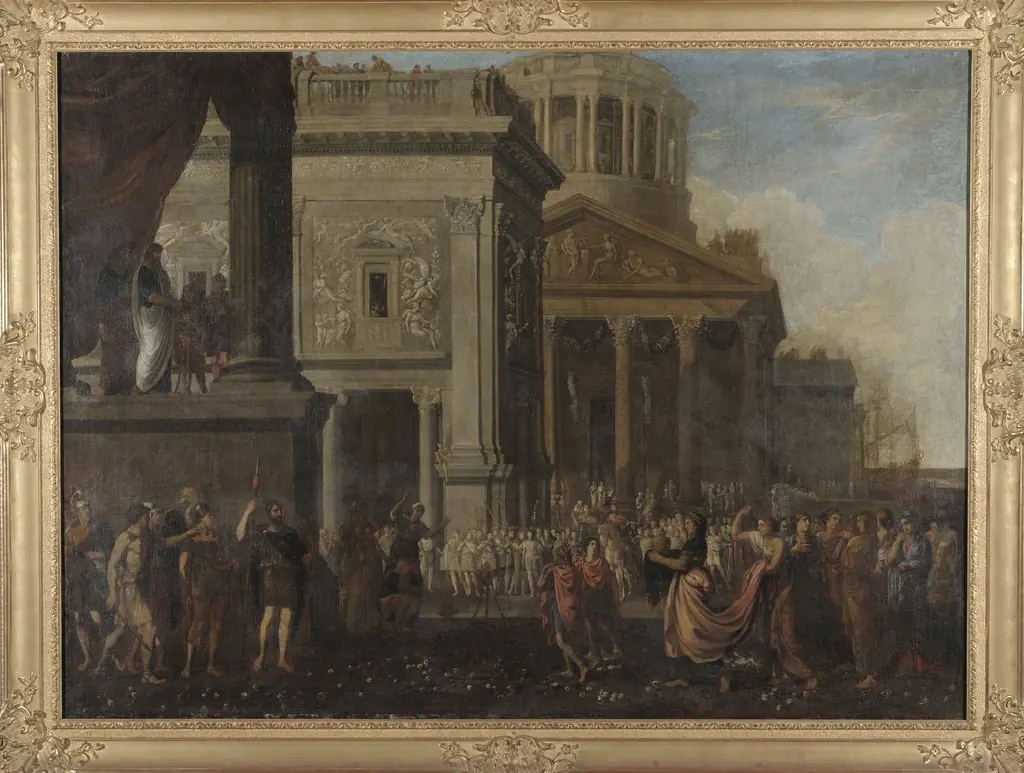
Artist & collection
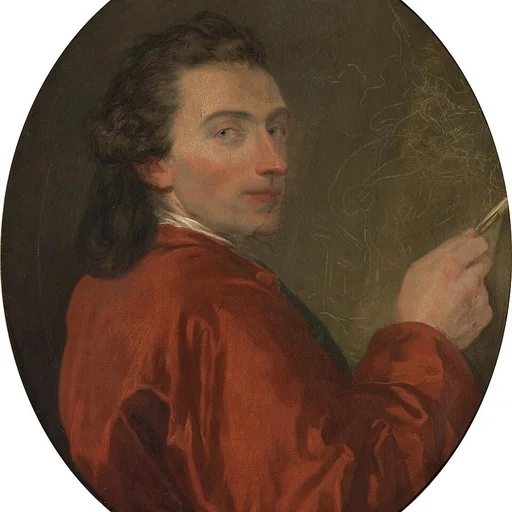
Artist
Joseph-Benoît Suvée (3 January 1743 – 9 February 1807) was a Flemish painter strongly influenced by French neo-classicism.

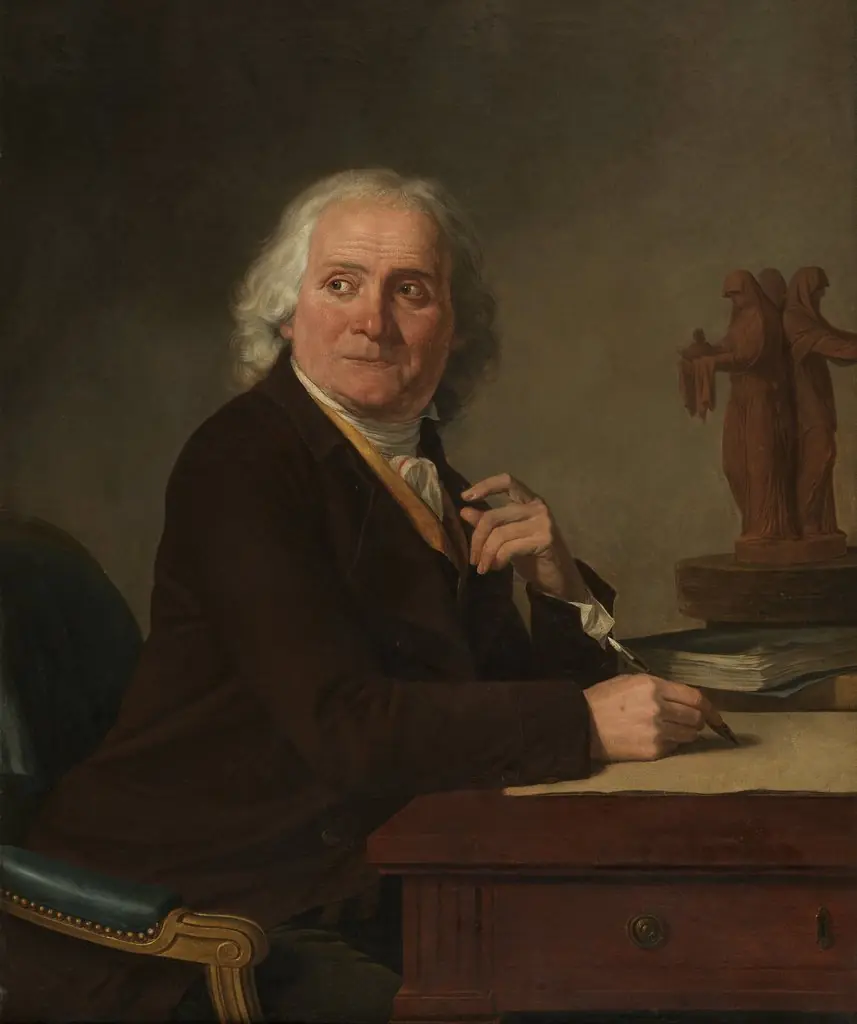
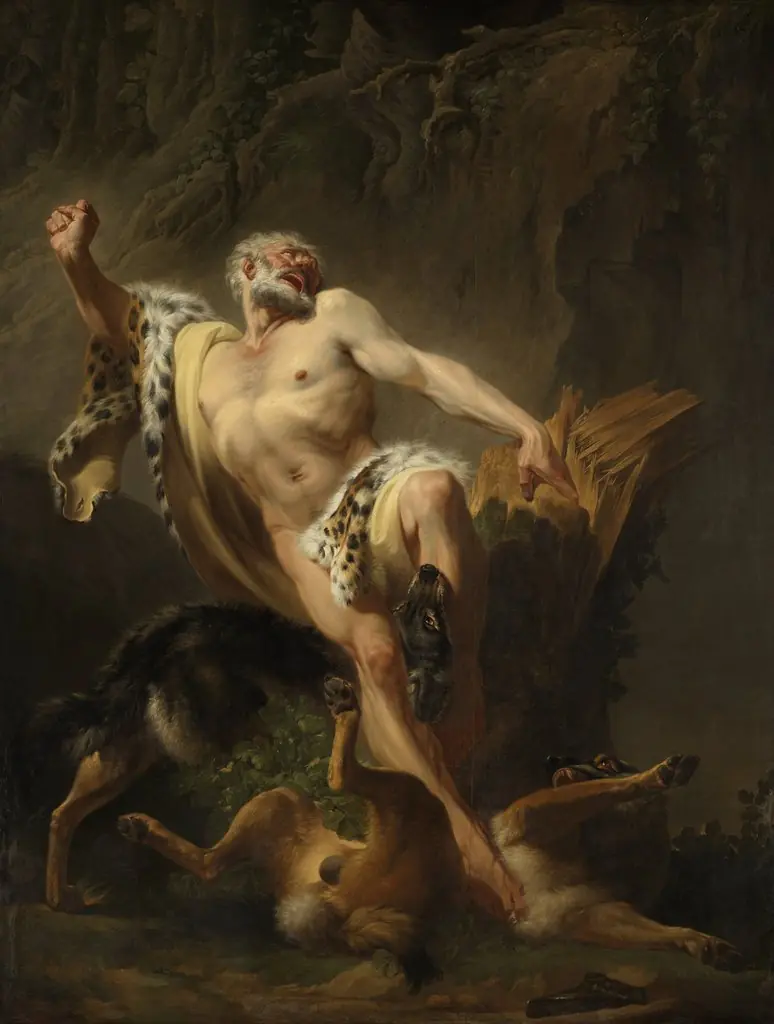
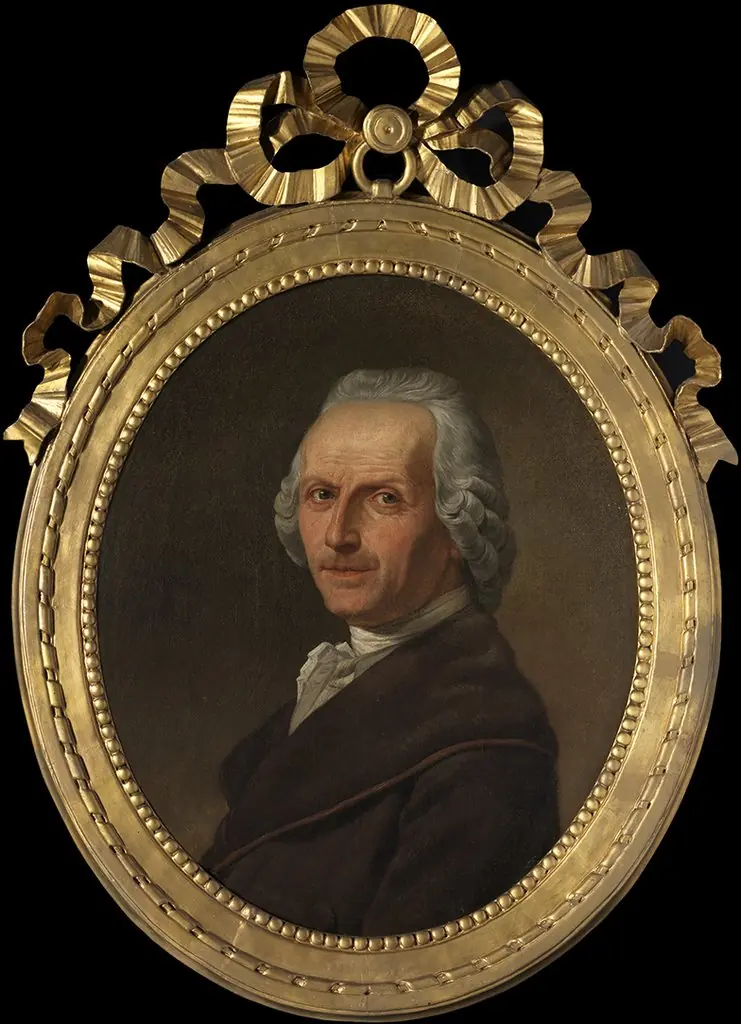
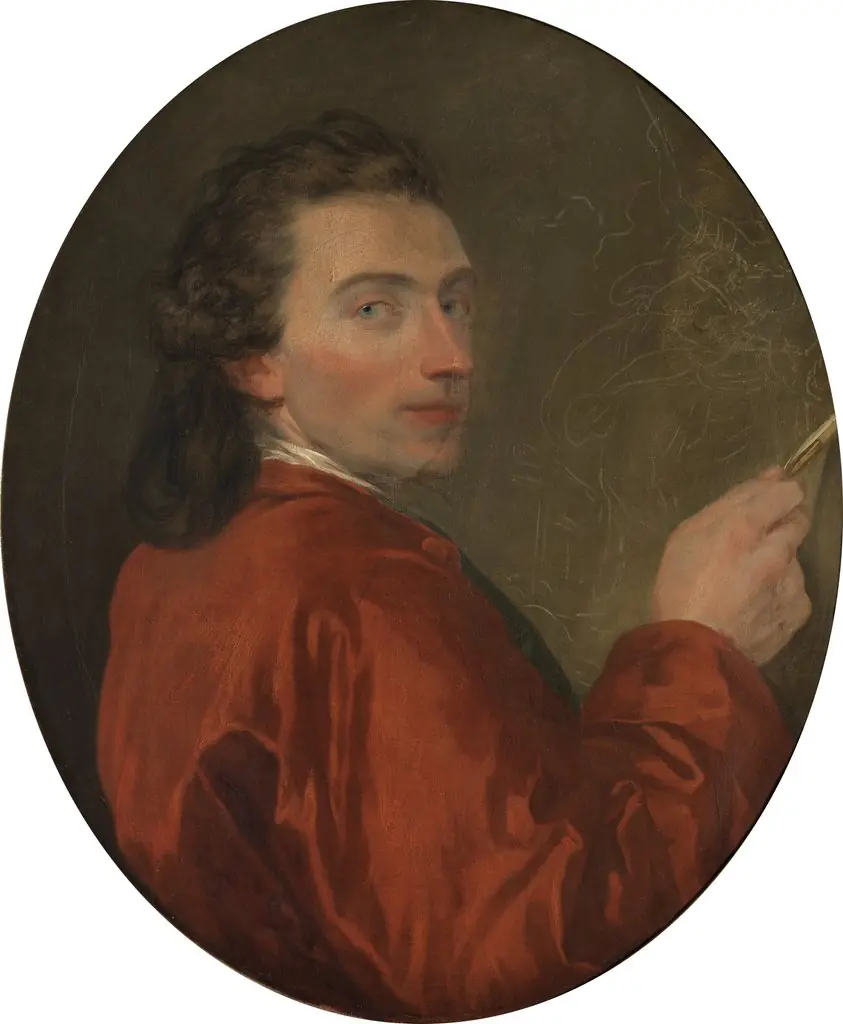
- Agrippina with the ashes of Germanicus
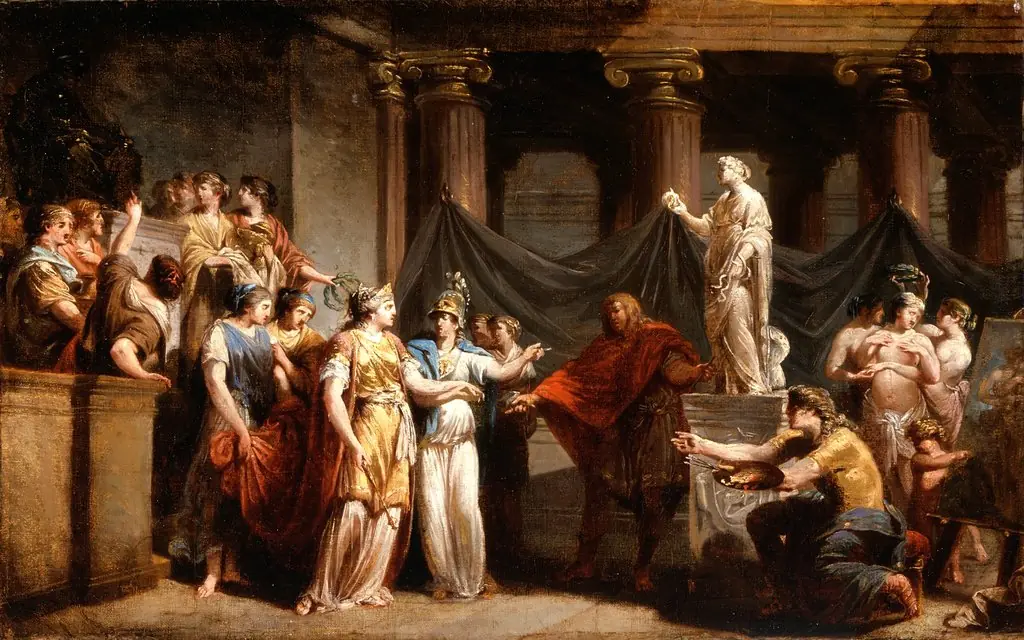 The Temple of the Liberal Arts, with the City of Bern and Minerva
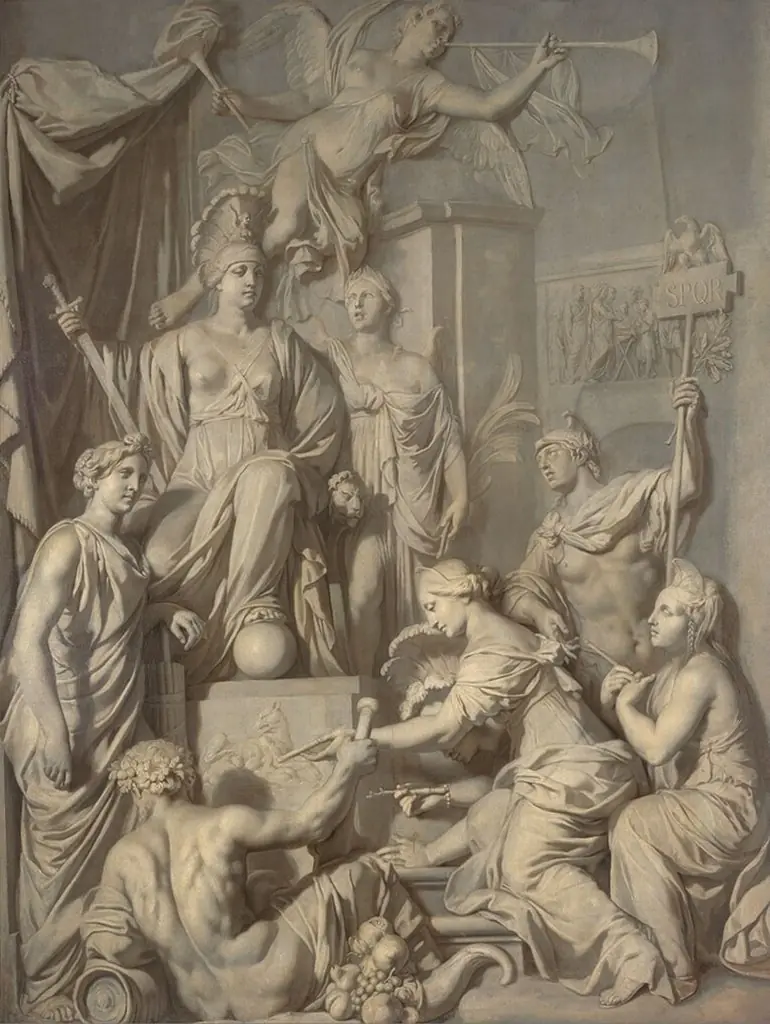 Rome Wearing the Crown
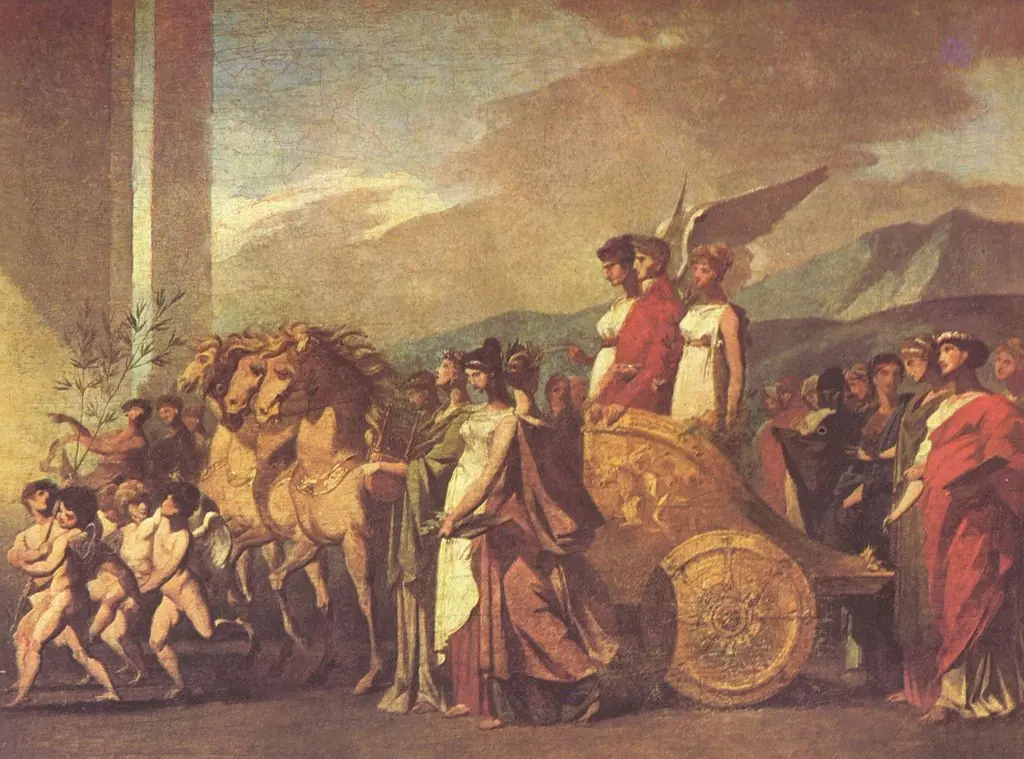 Le triomphe de Bonaparte ou la Paix
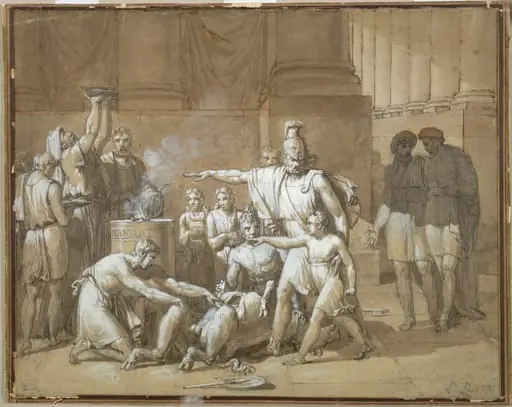 Hannibal Swearing Eternal Enmity toward Rome
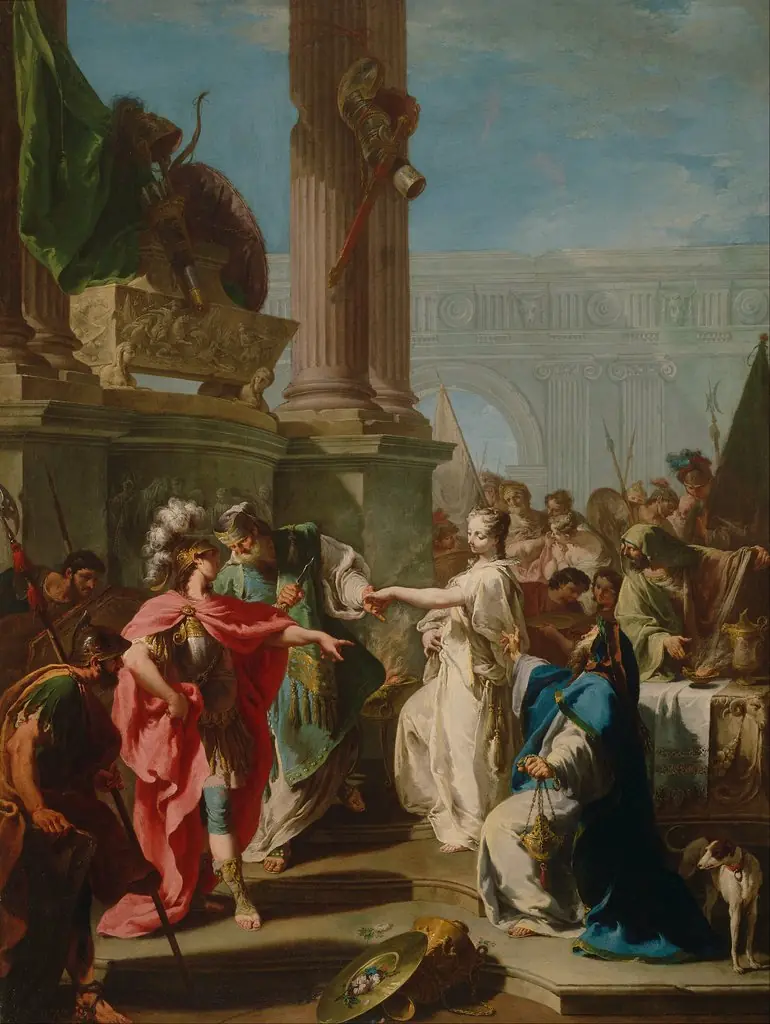 The Sacrifice of Polyxena in Malibu
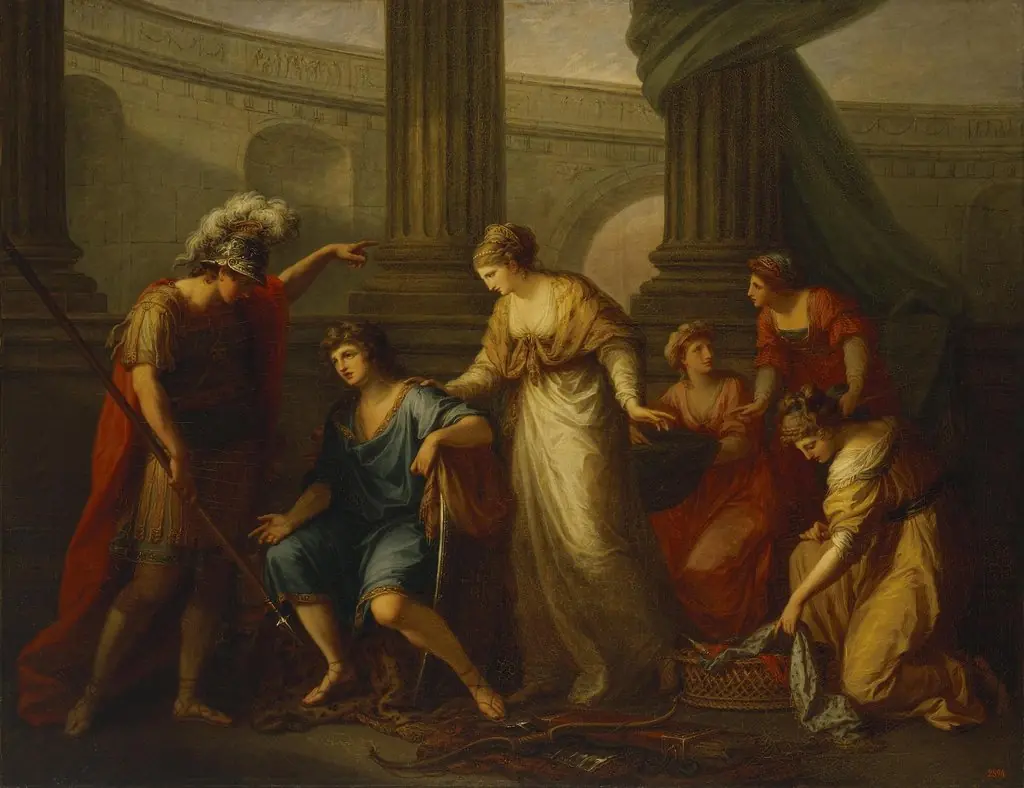 Hector Calling Up Paris to a Battle
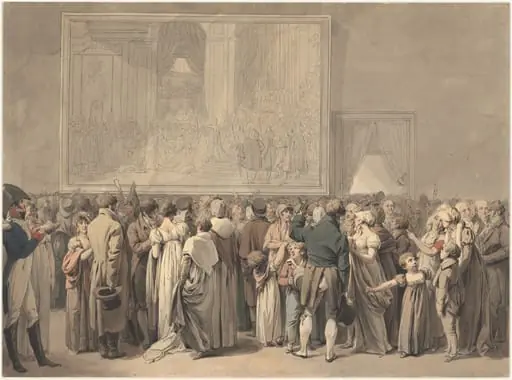 The Public in the Salon of the Louvre, Viewing the Painting of the "Sacre"
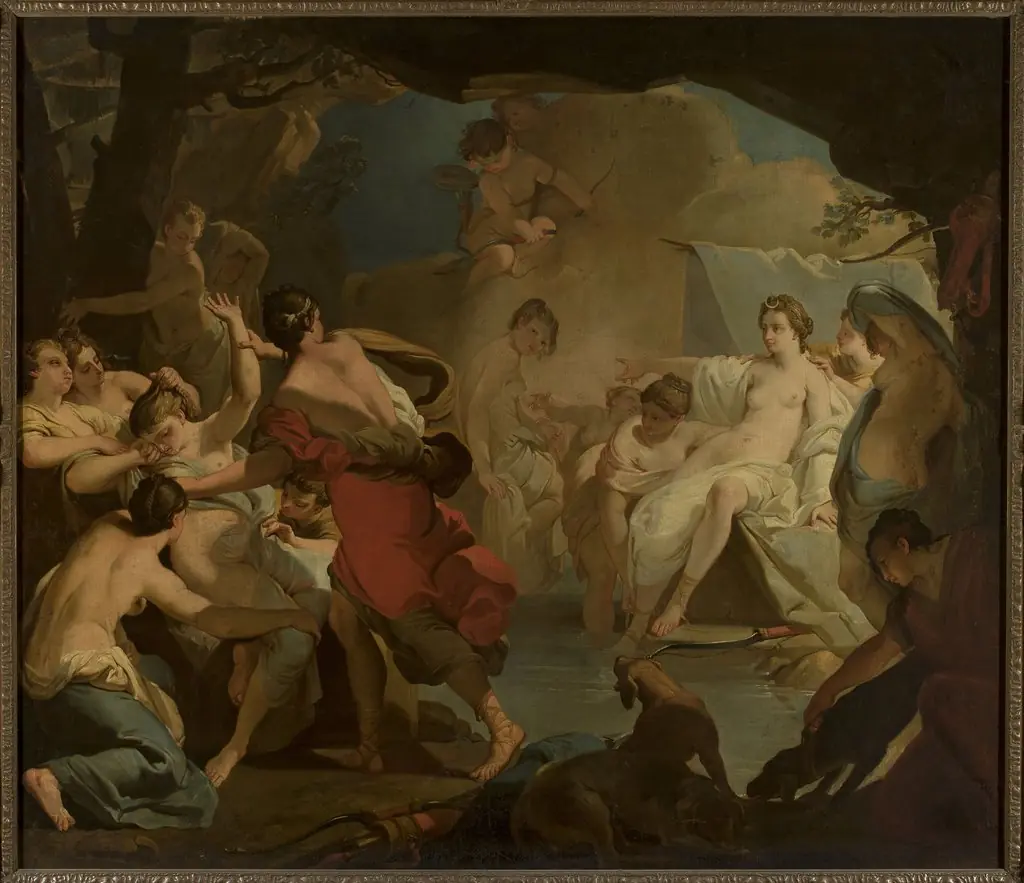 Diana's judgement of the nymph Callisto
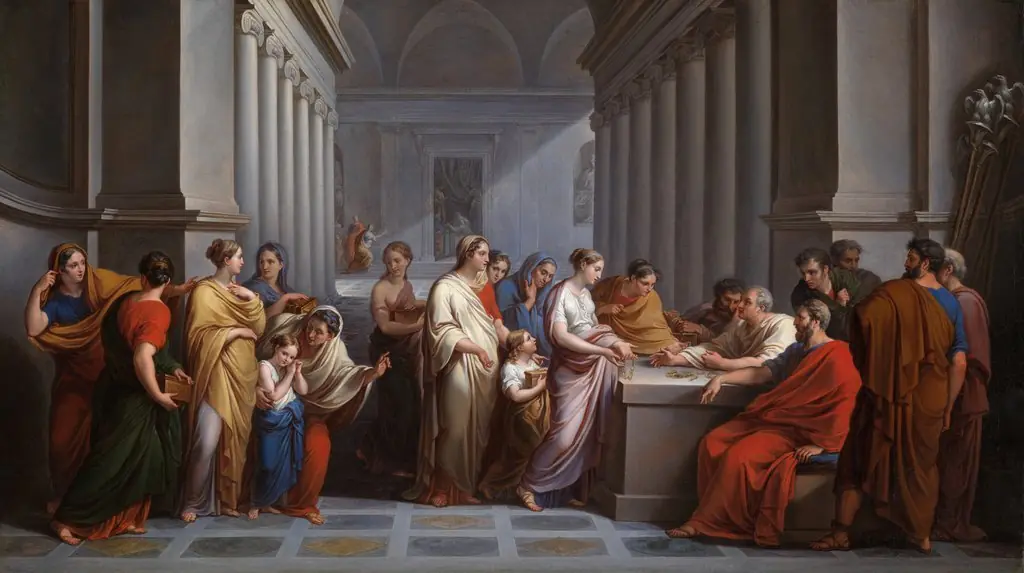 Roman Women Offering Their Jewellery in Defence of the State
 In the sculptor's studio
 Triomftocht van keizer Trajanus