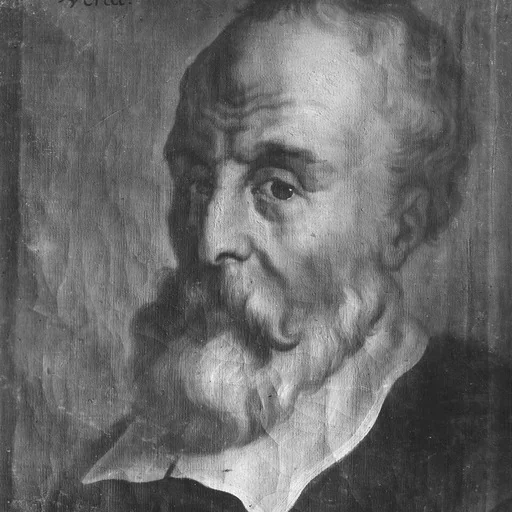
Period
Classical Antiquity
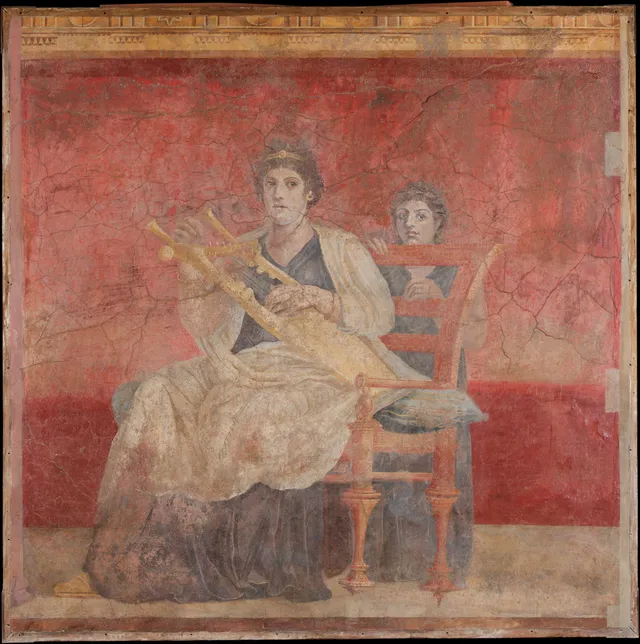
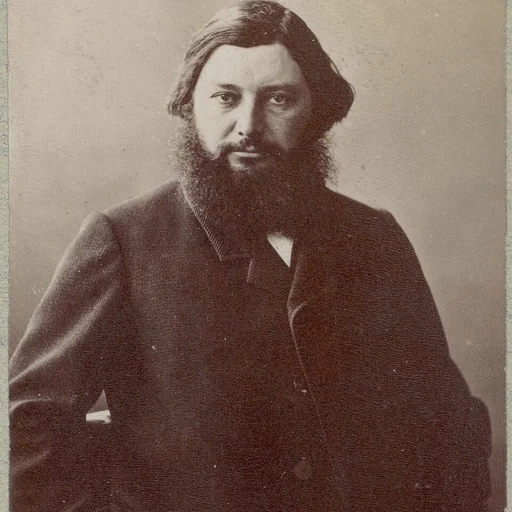
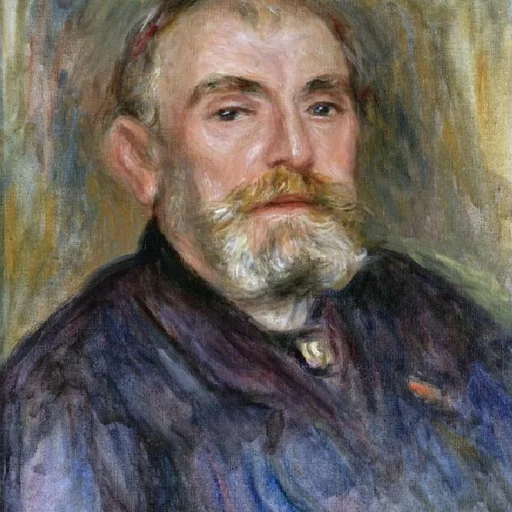
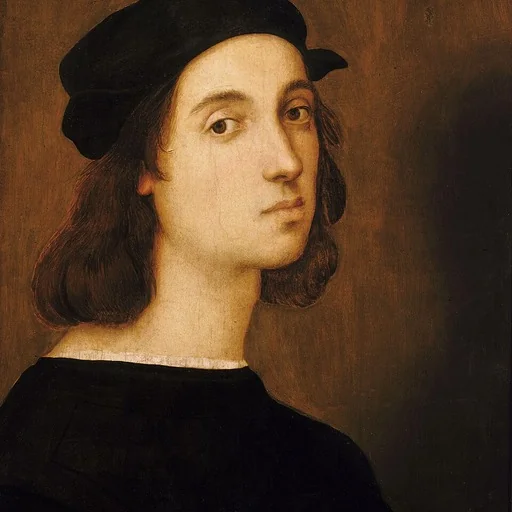
Classical Antiquity is an art period of the -1199–500 period. The gallery holds 12,249 works in this period, including works by Paolo Veronese, Gustave Courbet and Henry Lerolle.
Classical antiquity is the long Mediterranean epoch of the ancient Greeks and Romans, conventionally stretching from roughly the 8th century BCE—the age of Homer—to the decline of the Roman Empire in the 5th century CE. It arose in the fragmented world of the Greek city-states, where competitive civic patronage, athletic culture, and religious cult drove an unprecedented investment in temples, votive statues, and painted pottery. Scholars divide Greek art into three broad phases: the Archaic (from about 800 BCE), the Classical (conventionally beginning with the Persian Wars of 480–448 BCE and running to the death of Alexander the Great in 323 BCE), and the Hellenistic, which extended Greek forms across Alexander's conquered territories until Rome's annexation of Ptolemaic Egypt in 30 BCE.
The defining achievement of Classical art was the naturalistic, idealized human figure. Sculptors pursued a balance of lifelike observation and mathematical perfection, most famously codified in the Canon of Polykleitos, whose lost treatise governed the proportions of his bronze Doryphoros (Spear-Bearer). Myron's Discobolus captured arrested motion, while Phidias oversaw the sculptural program of the Parthenon and created the colossal Athena Parthenos and the Zeus at Olympia. In the 4th century Praxiteles softened these forms toward greater sensuousness, and the Hellenistic period pushed further into dynamism, emotion, and dramatic realism.
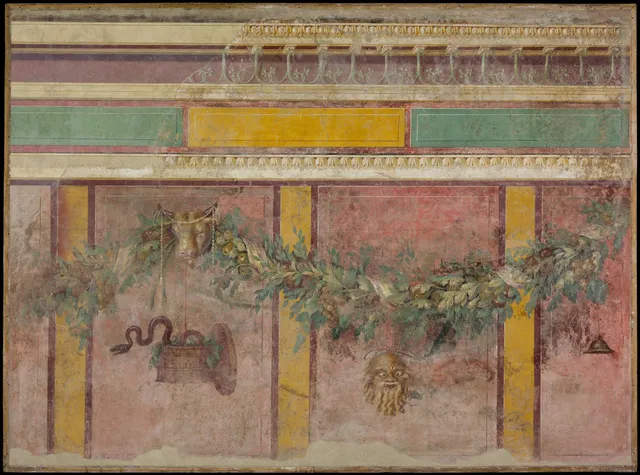
Rome absorbed and transmitted this inheritance, copying Greek masterworks in marble and adapting their idealism to imperial propaganda, as in the Augustus of Prima Porta. Roman wall painting is among the era's most vivid survivals: the frescoes from the Villa of P. Fannius Synistor at Boscoreale—built shortly after the mid-1st century BCE and buried by Vesuvius in 79 CE—are exceptional examples of the Second Style, using illusionistic architecture and trompe l'oeil to dissolve the wall into imagined space. Our collection holds painted panels from Rooms H and L of this villa, along with a Romano-Egyptian Portrait of a Woman in the encaustic tradition of the Fayum mummy portraits.
The classical canon became the foundational vocabulary of Western art, revived in the Renaissance and again, deliberately, in the 18th-century Neoclassical movement, which returned to its measured proportions and heroic restraint as an ideal of order and reason.
Key artists
Works
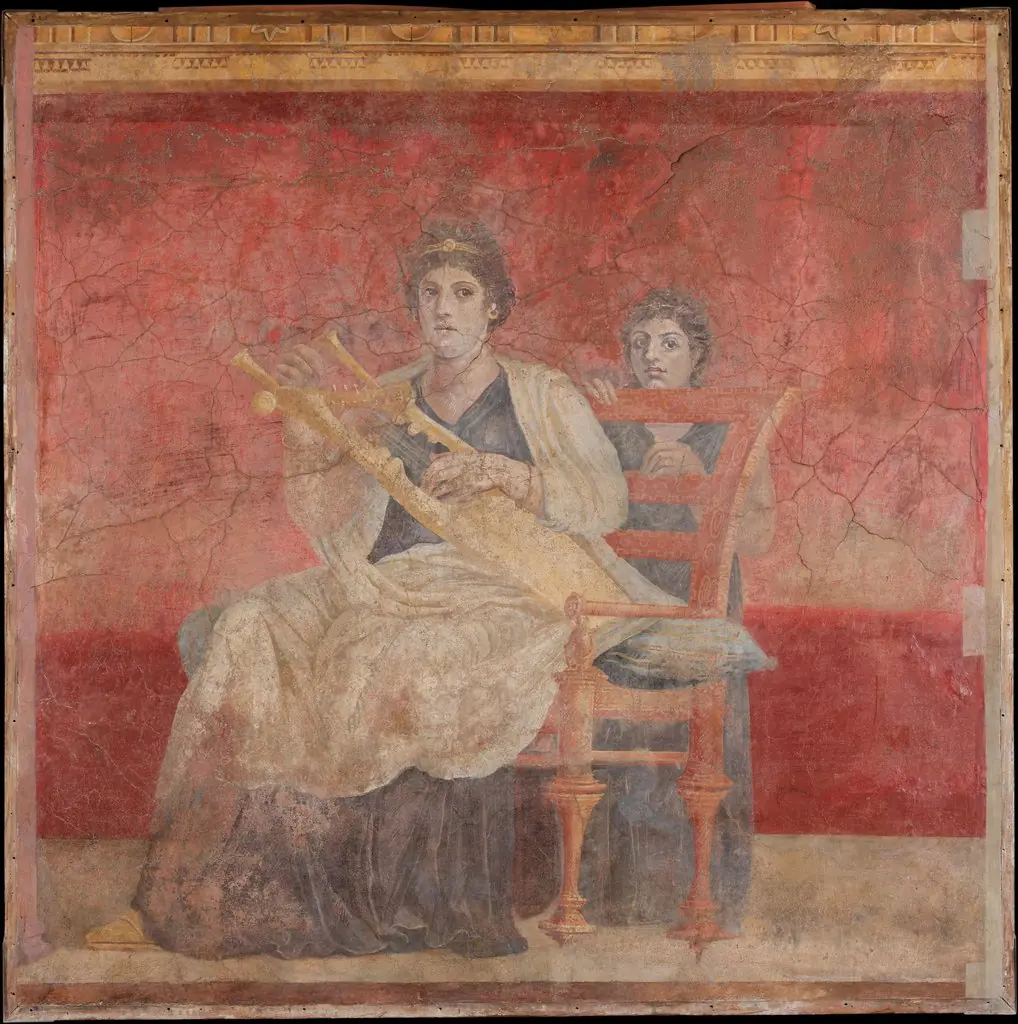 Wall painting from Room H of the Villa of P. Fannius Synistor at Boscoreale
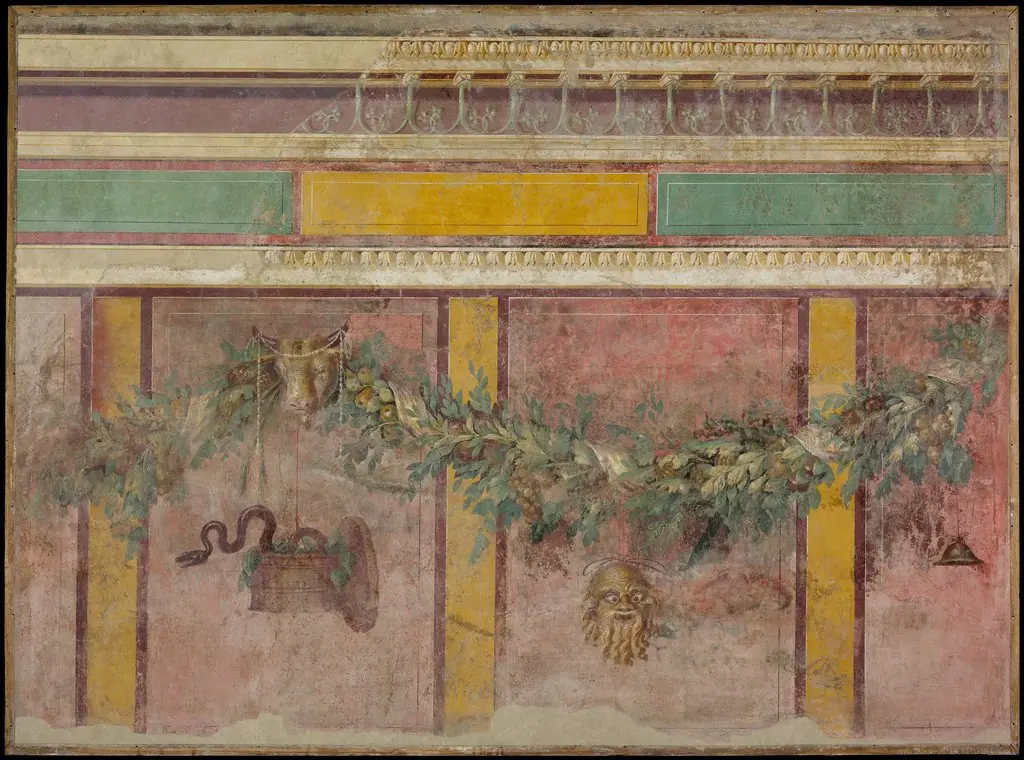 Wall painting from the west wall of Room L of the Villa of P. Fannius Synistor at Boscoreale
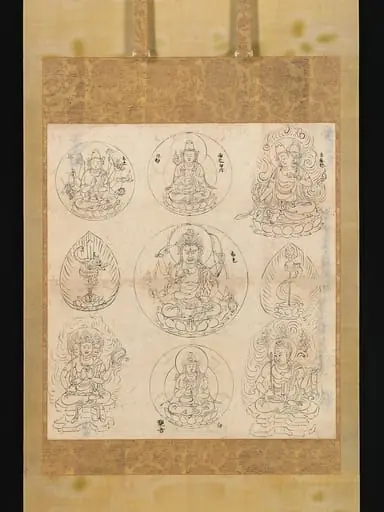 愛染曼荼羅図像 (Aizen mandara zuzō)|Iconographical Drawing of the Mandala of the Wisdom King Aizen
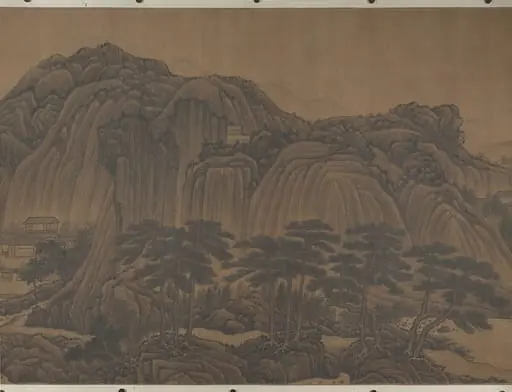 清 佚名 舊傳顧愷之 會稽山圖 卷|The Hills of Kuaiji
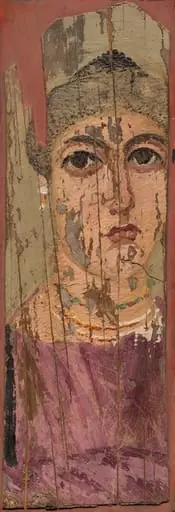 Portrait of a Woman
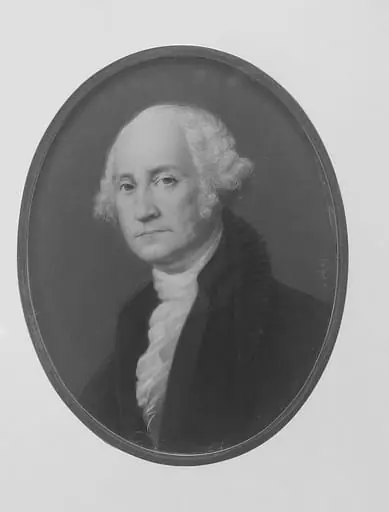 George Washington
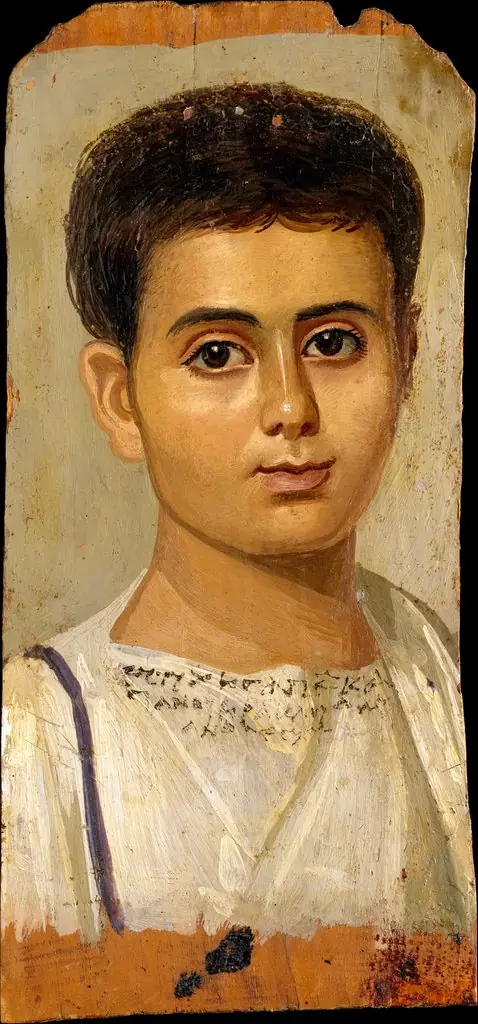 Portrait of the Boy Eutyches
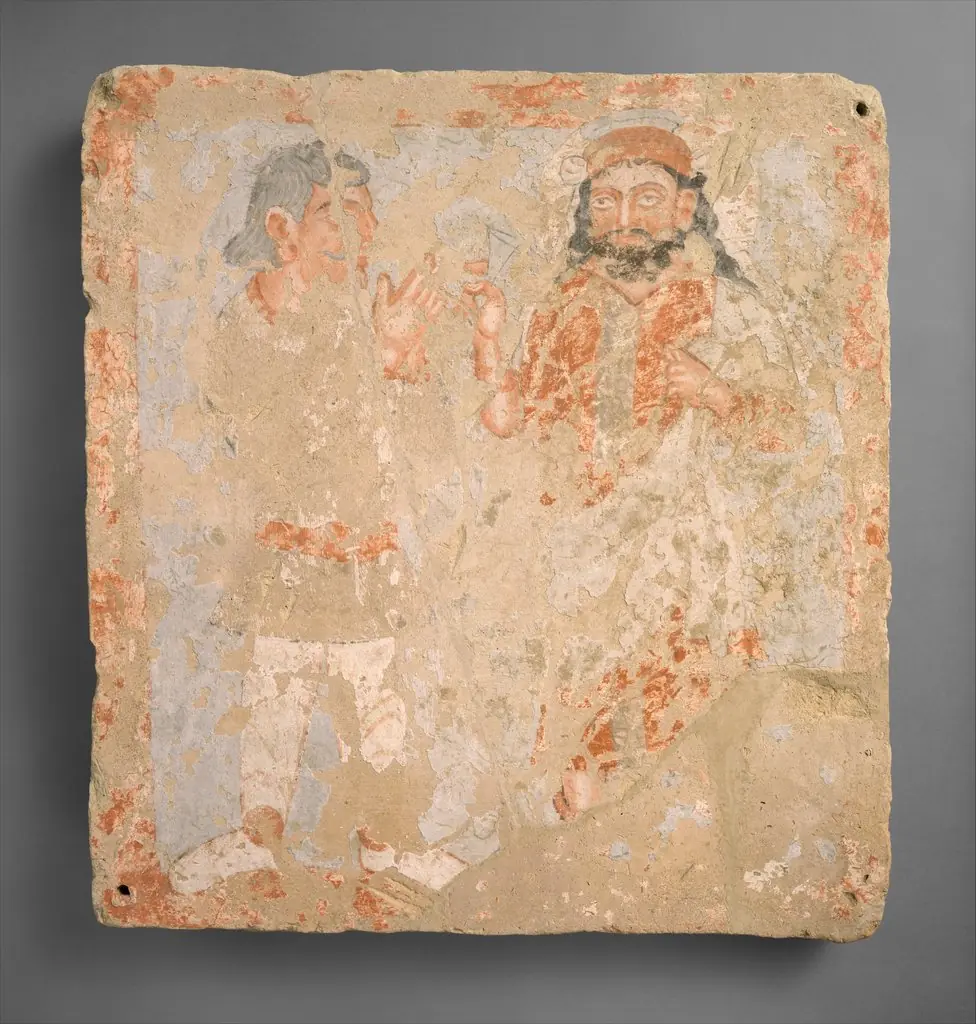 Panel with the god Zeus/Serapis/Ohrmazd and worshiper
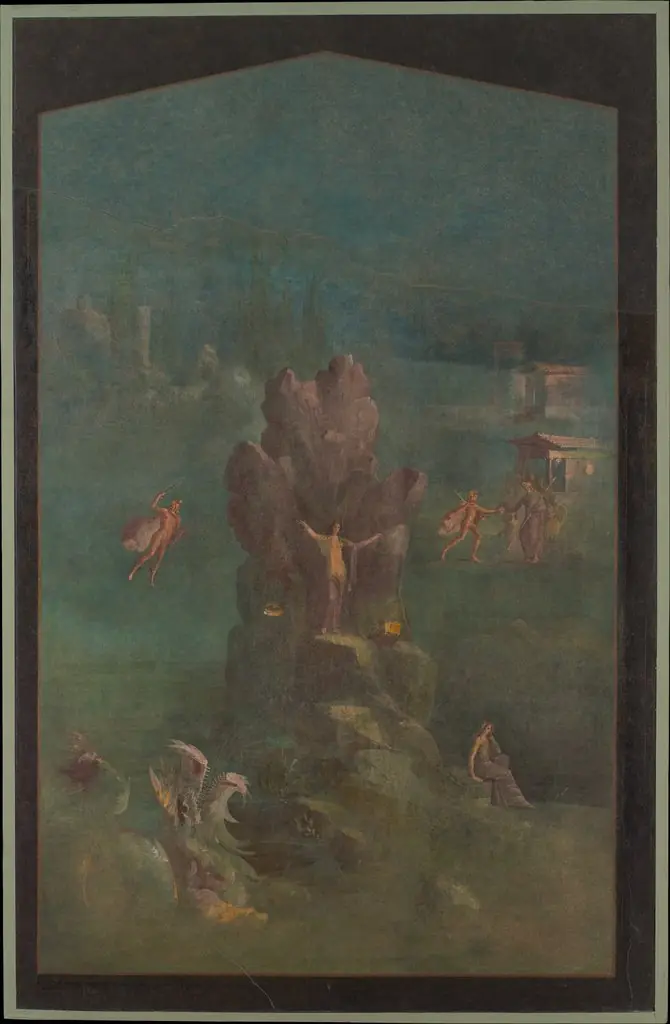 Wall painting: Perseus and Andromeda in landscape, from the imperial villa at Boscotrecase
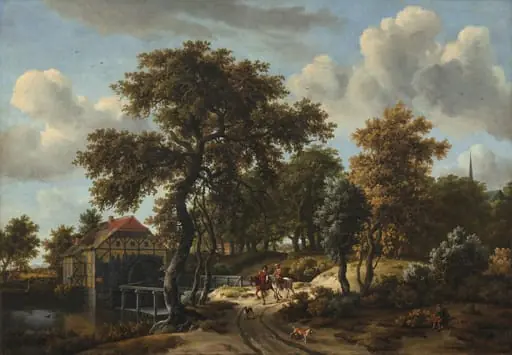 The Travelers
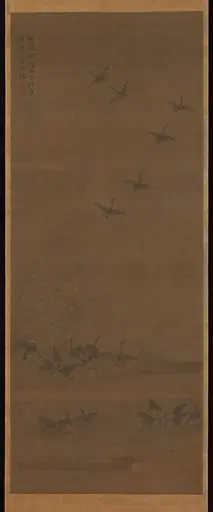 芦雁図|Reeds and Geese
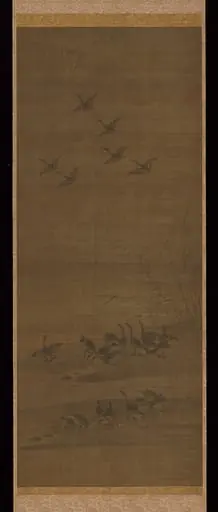 芦雁図|Reeds and Geese
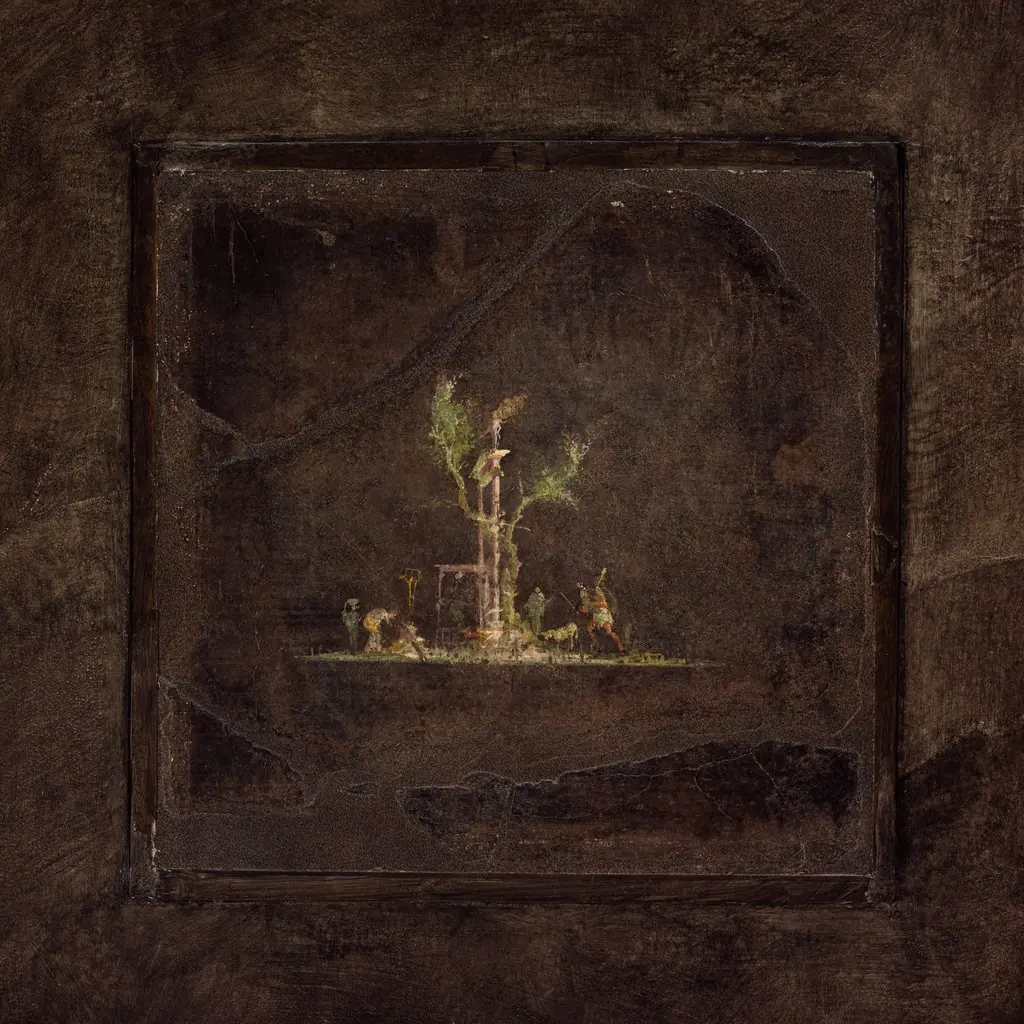 Wall painting on black ground: landscape, from the imperial villa at Boscotrecase
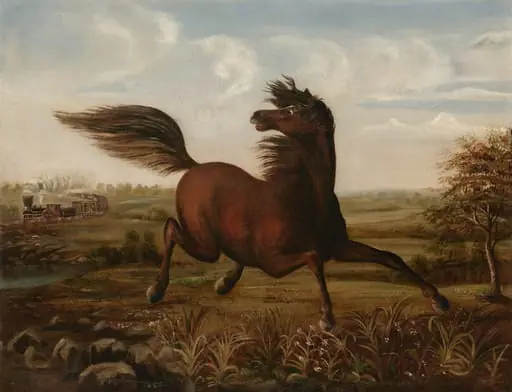 The Neigh of an Iron Horse
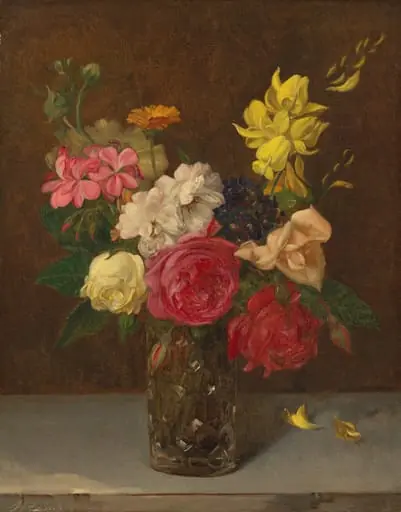 Flowers in a Cut Glass Vase
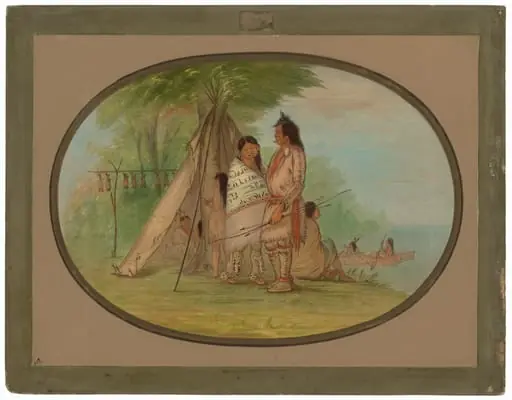 Nayas Indians
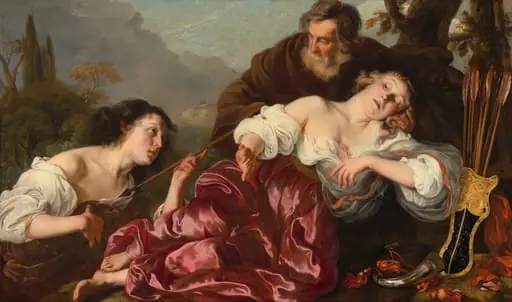 Silvio with the Wounded Dorinda
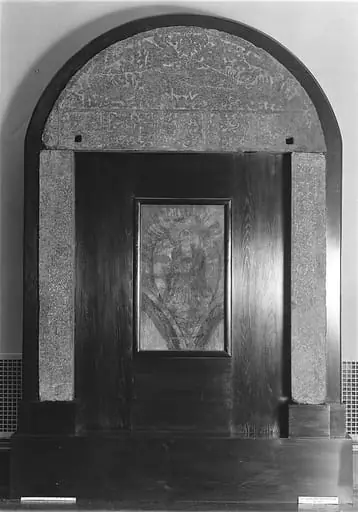 北魏(?) 佛像壁畵|Buddha
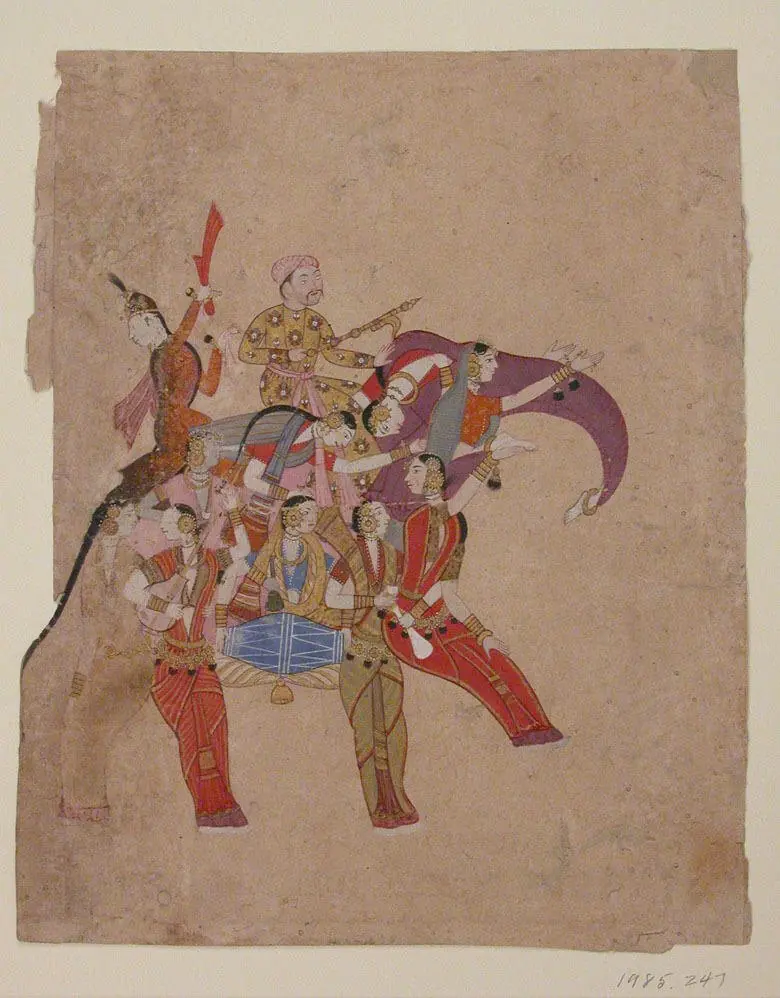 Composite Elephant - Deccan Painting Early 17th Century
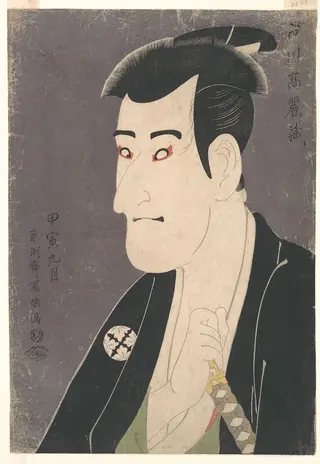 三代目市川高麗蔵の志賀大七|Kabuki Actor Ichikawa Komazō III as Shiga Daishichi in the Play A Medley of Tales of Revenge (Katakiuchi noriaibanashi)
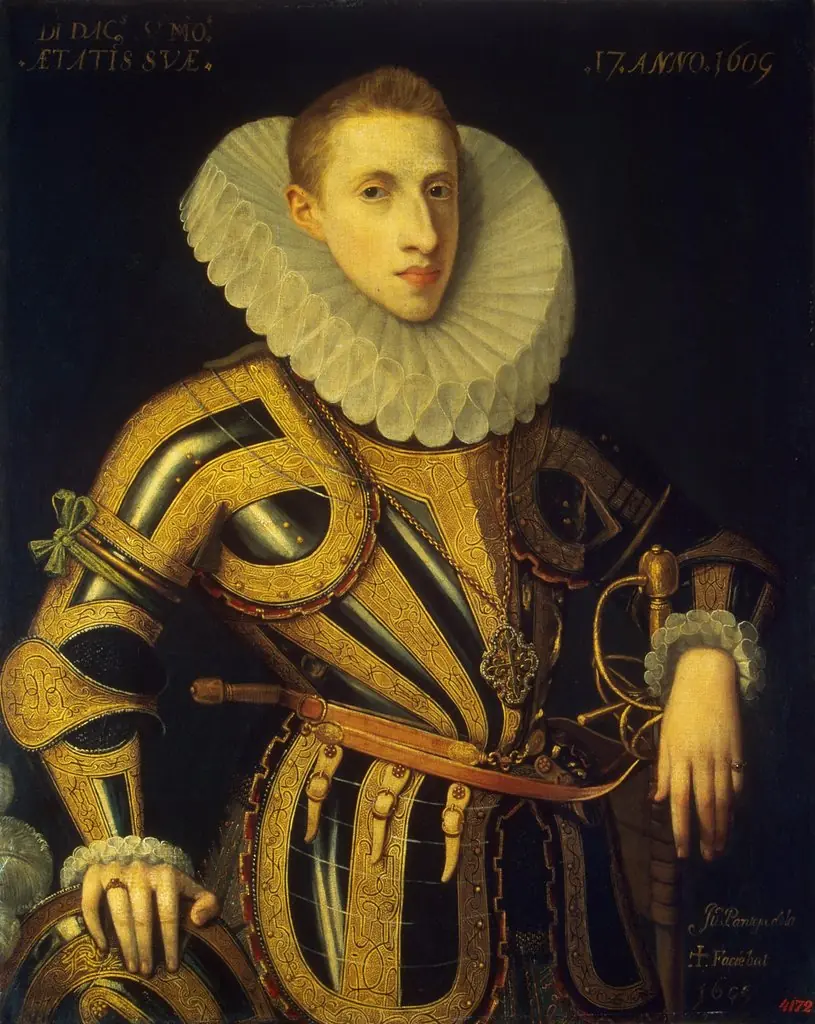 Portrait of Diego de Villamayor
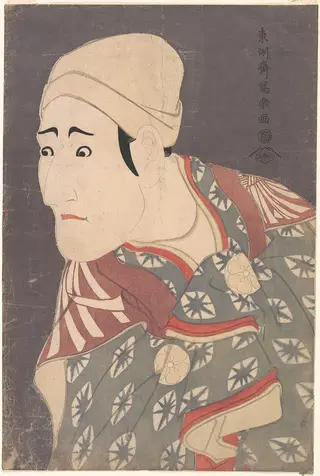 八代目守田勘弥の鴬の次郎作|Kabuki Actor Morita Kan’ya VIII as the Palanquin-Bearer in the Play A Medley of Tales of Revenge (Katakiuchi noriaibanashi)
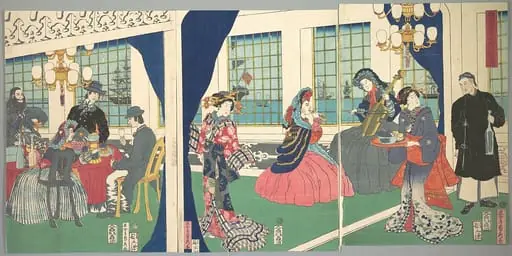 Untitled
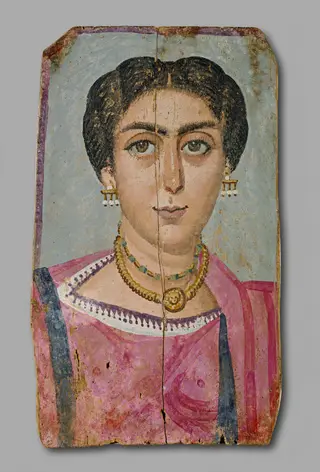 Mummy Portrait - Woman with Necklace
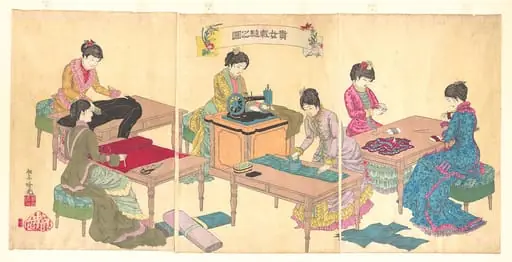 安達吟光画 『貴女裁縫之図』|Ladies Sewing (Kijo saihō no zu)
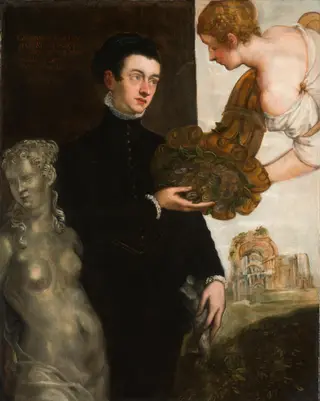 Portrait of Ottavio Strada
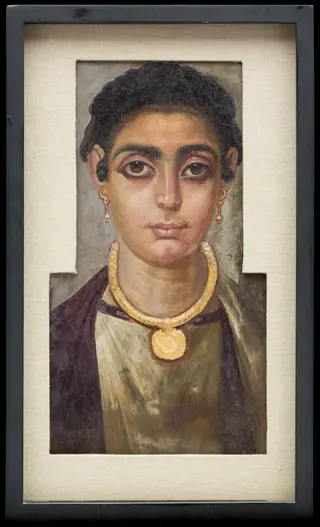 Head of a Woman
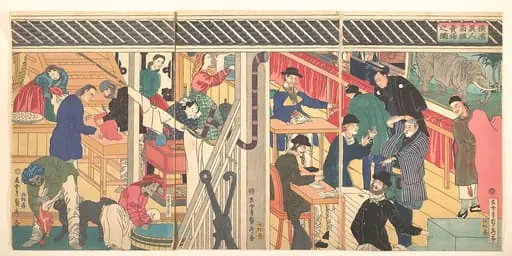 「横浜異人商館買場之圖」|Foreign Business Establishment in Yokohama (Yokohama ijin shōkan uriba no zu)
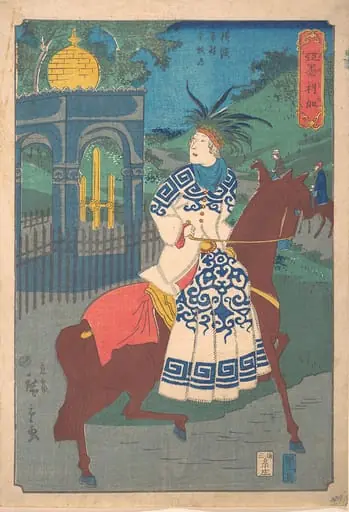 二代歌川広重画 『亜墨利加 横浜本村本牧道』|American Woman Riding Side-Saddle on the Road at Honmoku, Motomura, Yokohama (America Yokohama Motomura Honmoku michi)
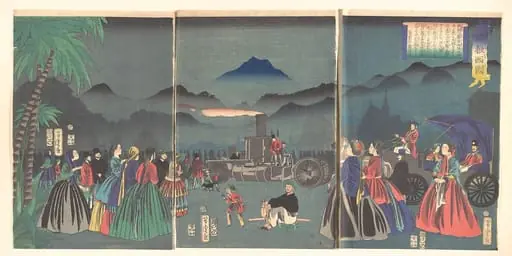 仏蘭西国|France (furansukoku)
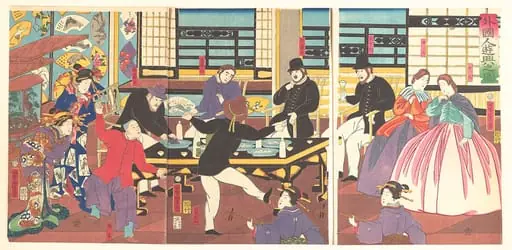 歌川義虎画 『外国人遊興之図』|Foreigners Enjoying a Party (Gaikokujin yūkyō no zu)
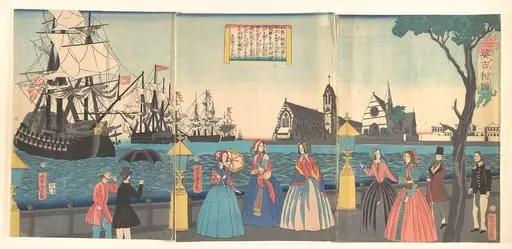 英吉利国|England (Igirisukoku)
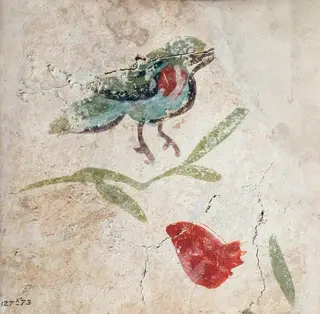 Bird and Fruit
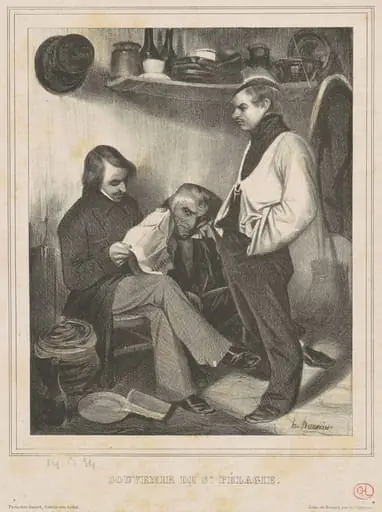 Souvenir de Ste. Pélagie
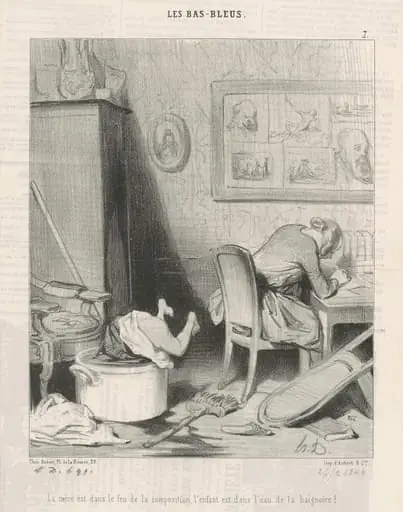 La mère dans le feu de la composition, l'enfant est dans l'eau de la baignoire!
![Mac-Adam [sic] et Bineau aux enfers. Par suite d'une punition terrible, mais méritée, ils sont condamnés à repaver les Champs Elysées.](https://artifactworldgallery.com/img/honore-daumier--mac-adam-sic-et-bineau-aux-enfers-par-suite-d-une-punition-t--172799d6f631077a-w320.webp) Mac-Adam [sic] et Bineau aux enfers. Par suite d'une punition terrible, mais méritée, ils sont condamnés à repaver les Champs Elysées.
Mac-Adam [sic] et Bineau aux enfers. Par suite d'une punition terrible, mais méritée, ils sont condamnés à repaver les Champs Elysées.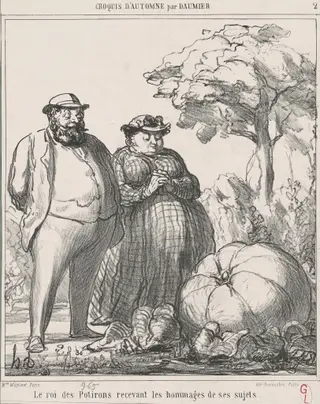 Le roi des potirons recevant les hommages de ses sujets
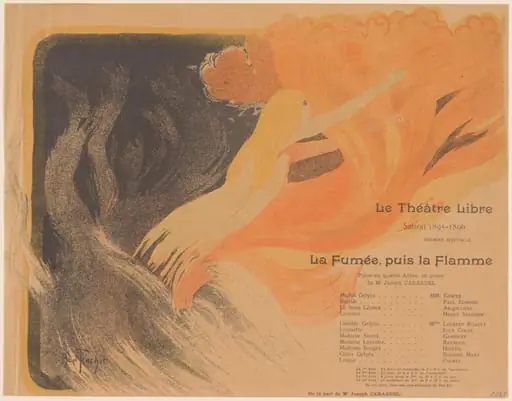 Théâtre Libre: La Fumée, puis la Flamme
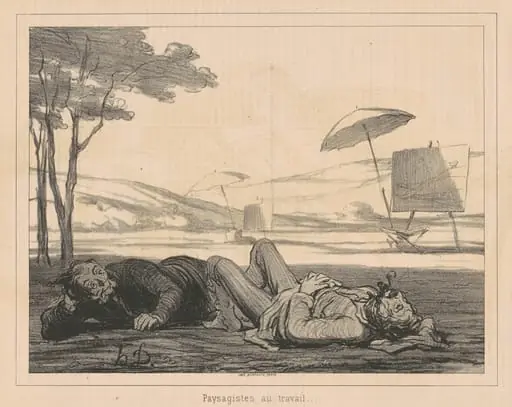 Paysagistes au travail (Landscape Artists at Work)
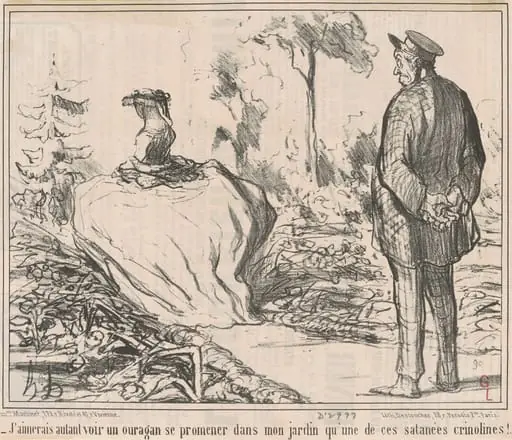 J'aimerais autant voir un ouragan se promener dans mon jardin qu'une de ces satanées crinolines!
![Aux Champs-Elysées, Ratapoil. Par suite d'une délibération philantropique [sic] du Comité du dix Décembre...à deux sous à club...deux sous...](https://artifactworldgallery.com/img/honore-daumier--aux-champs-elysees-ratapoil-par-suite-d-une-deliberation-phi--62ca0cc774af3945-w320.webp) Aux Champs-Elysées, Ratapoil. Par suite d'une délibération philantropique [sic] du Comité du dix Décembre...à deux sous à club...deux sous...
Aux Champs-Elysées, Ratapoil. Par suite d'une délibération philantropique [sic] du Comité du dix Décembre...à deux sous à club...deux sous...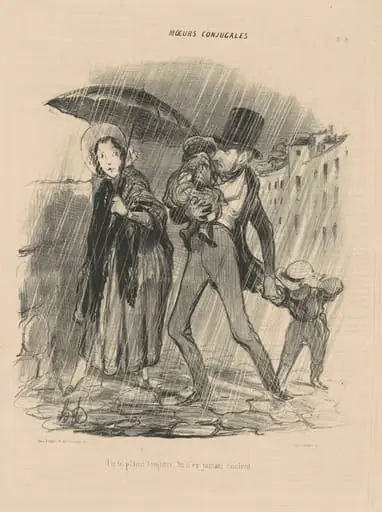 Tu te plains toujours, tu n'es jamais content.
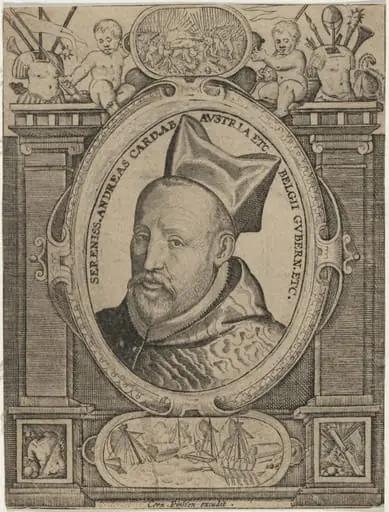 Andreas, Cardinal of the Holy Roman Empire
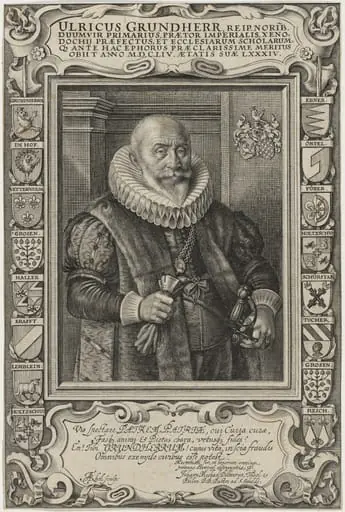 Ulrich Grundherr
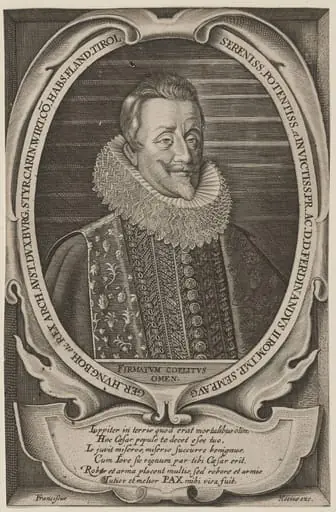 Ferdinand II, Roman Emperor
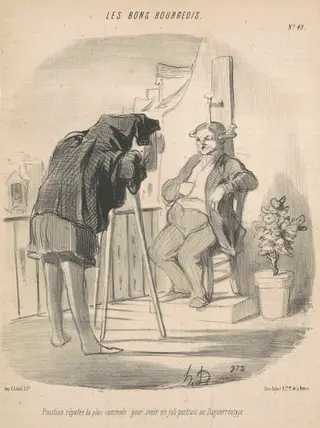 Position réputée la plus commode pour un portrait au daguerréotype
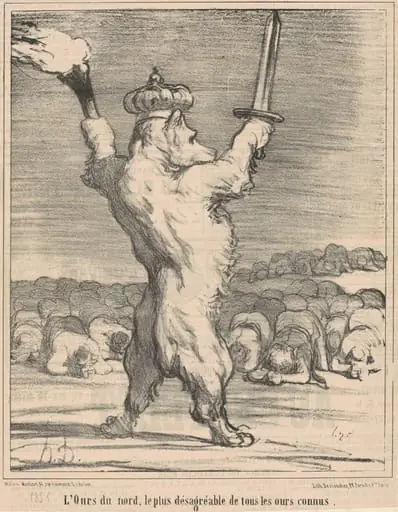 L'ours du nord, le plus désagréable de tous les ours connus
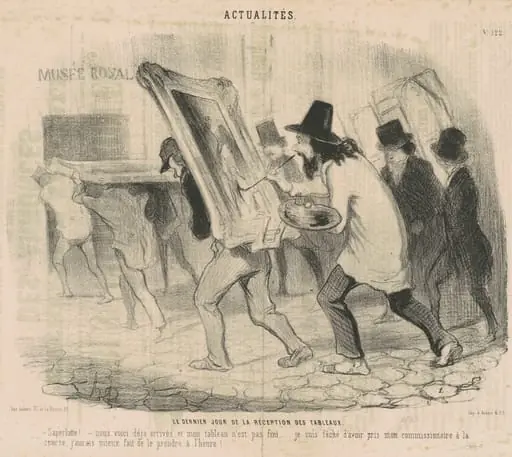 Le dernier jour de la réception des tableaux. Saperlotte . . . Nous voici déjà arrivés et mon tableau n'est pas fini!
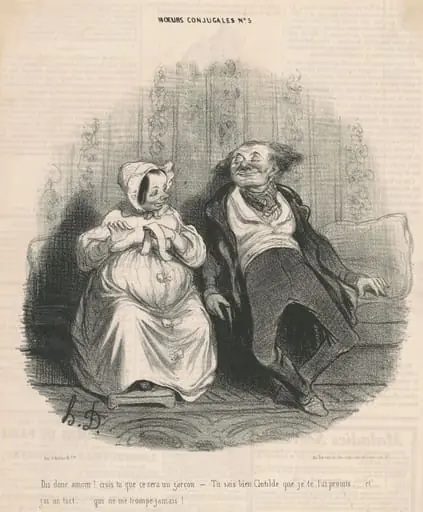 Dis donc amour! Crois-tu que ce sera un garçon. -Tu sais bien Clothilde que je te l'ai promis . . . Et j'ai un tact . . . Qui ne me trompe jamais!
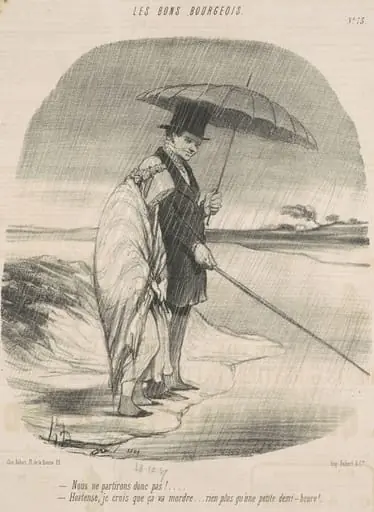 Nous ne partirons donc pas! -Hortense, je crois que ça va mordre . . . Rien plus qu'une petite demi-heure!
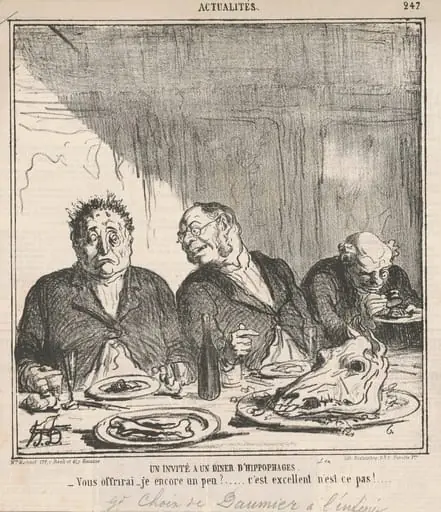 Un invité à un dîner d'hippophages: Vous offrirai-je encore un peu? C'est excellent, n'est-ce pas?
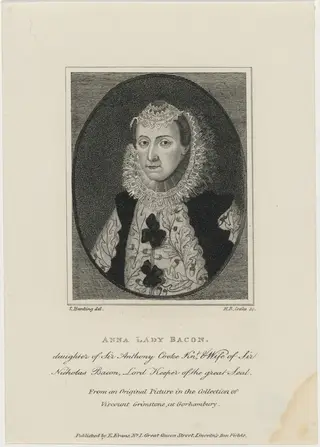 Anna, Lady Bacon, Daughter of Sir Anthony Cooke and Wife of Sir Nicolas Bacon
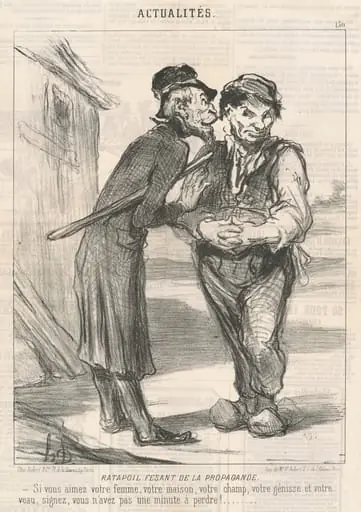 Ratapoil Fesant de la Propaganda: Si vous aimez votre femme, votre maison, votre champ, votre génisse et votre veau, signez, vous n'avez pas une minute de perdre!
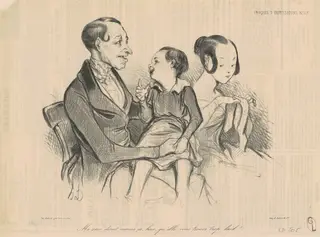 Ma soeur disait comme ça, hier, qu'elle vous trouve trop laid!
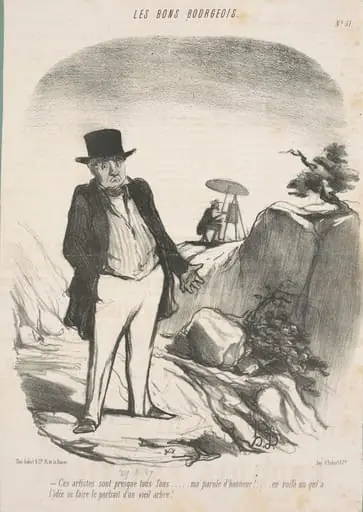 Ces artistes sont presque tous fous . . . Ma parole d'honneur! . . . En voilà un qui a l'idée de faire le portrait d'un vieil arbre!
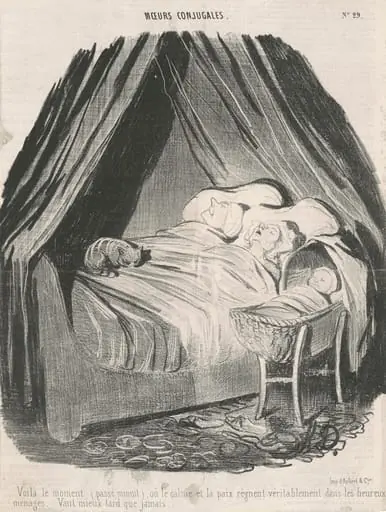 Voilà le moment (passé minuit) o∙ le calme et la paix règnent véritablement dans les heureux ménages. Vaut mieux tard que jamais.
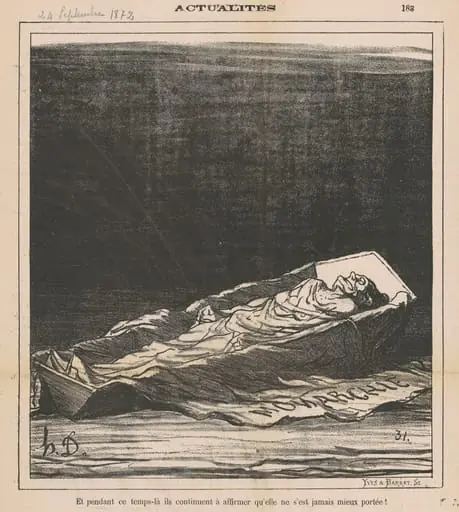 Et pendant ce temps-là ils continuent à affirmer qu'elle ne s'est jamais mieux portée!
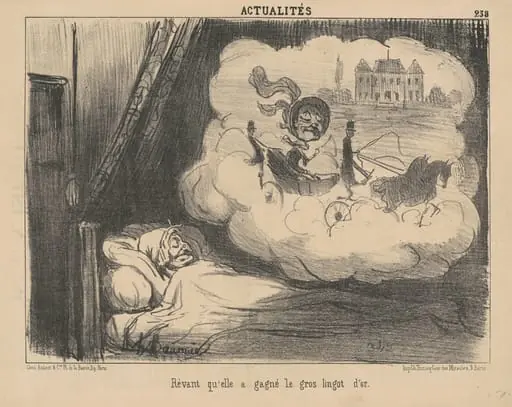 Rêvant qu'elle a gagné le gros lingot d'or.
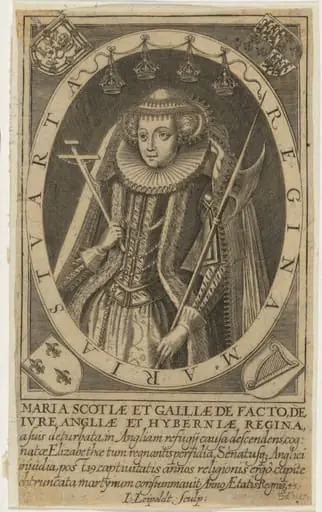 Mary, Queen of Scots
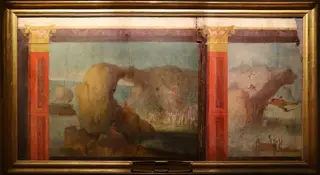 Odyssey landscapes
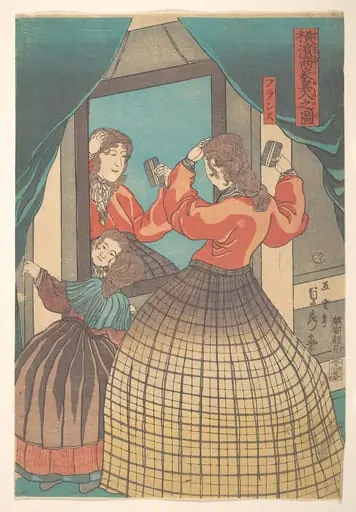 歌川五雲亭貞秀画 『横浜商家異人之図』|French Woman and Girl, from the series Foreign Merchants in Yokohama (Yokohama shōka ijin no zu)
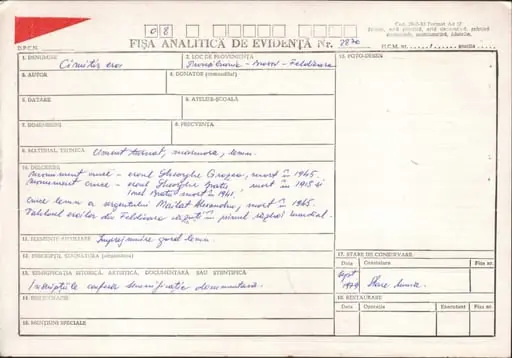 Monument al eroilor căzuți în Primul Război Mondial și în Al Doilea Război Mondial
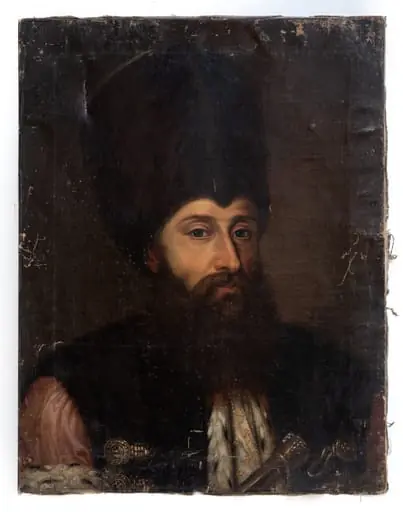 Alexandru Ipsilanti
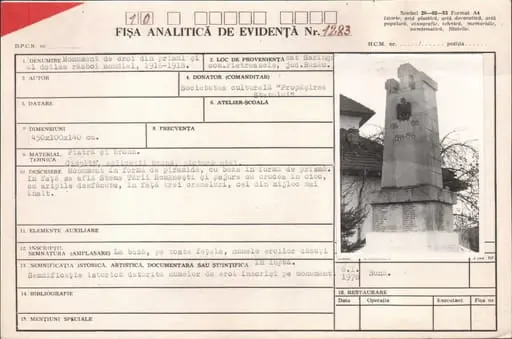 Monument de eroi din Primul și Al Doilea Război Mondial
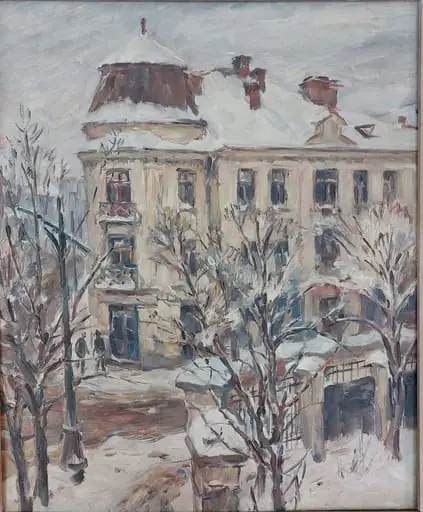 Piața Victoriei
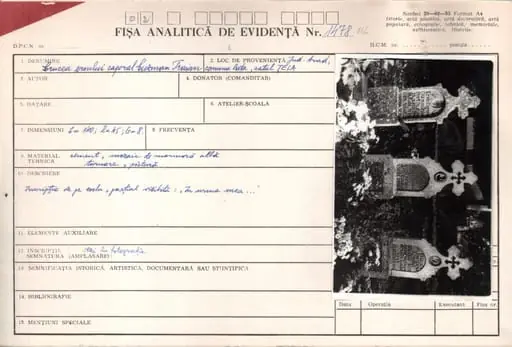 Monument al eroului Cuzman Traian căzut în Al Doilea Război Mondial
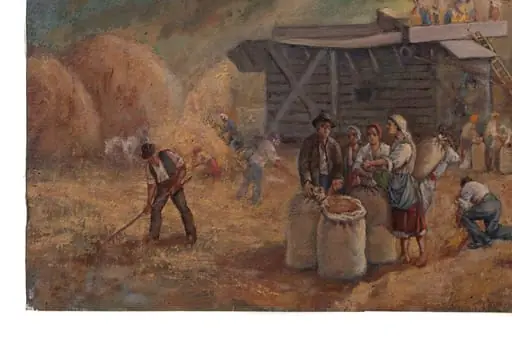 La treierat
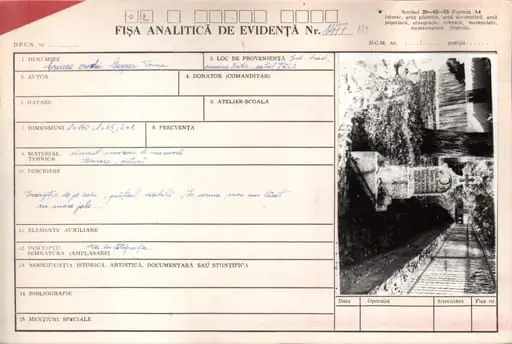 Monument al eroilor căzuți în Al Doilea Război Mondial
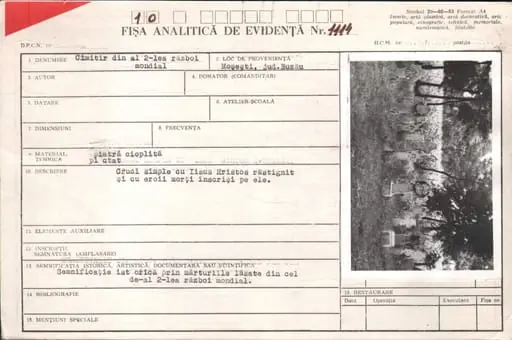 Cimitir din Al Doilea Război Mondial
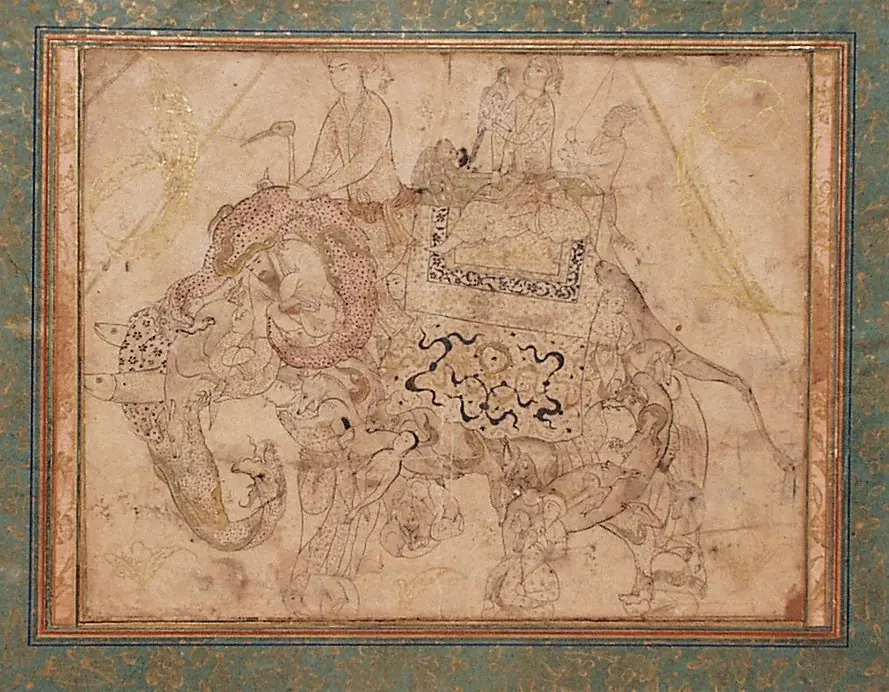 A composite elephant ridden by a prince - 17th century
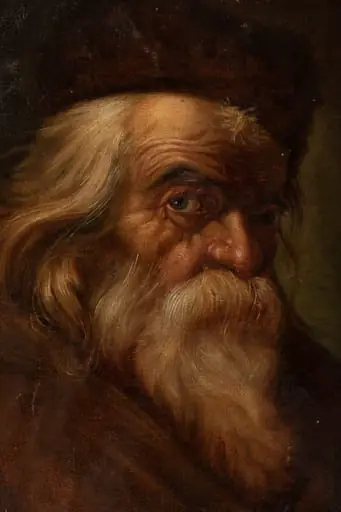 Un rus bătrân
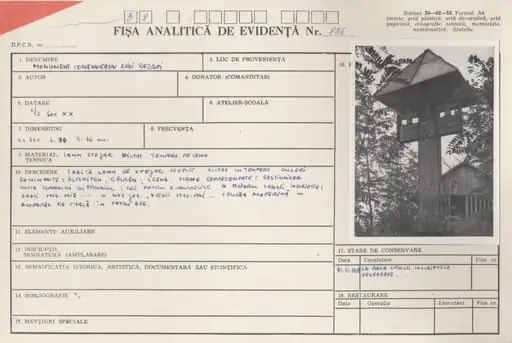 Monument al eroilor căzuți în Primul Război Mondial
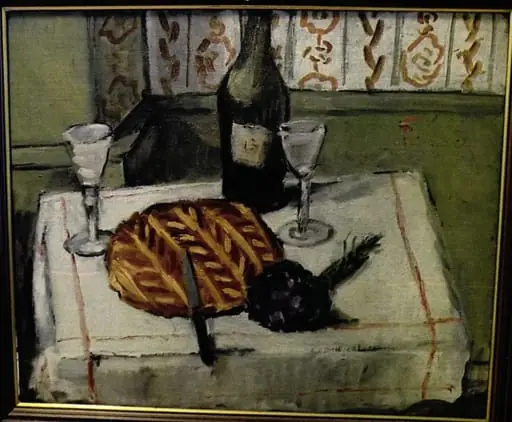 Azimă
Azimă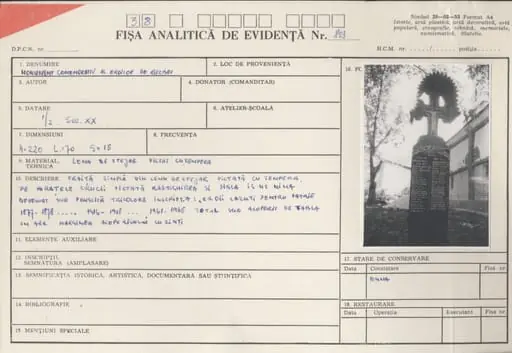 Monument al eroilor căzuți în Războiul de Independență, în Primul Război Mondial și în Al Doilea Război Mondial
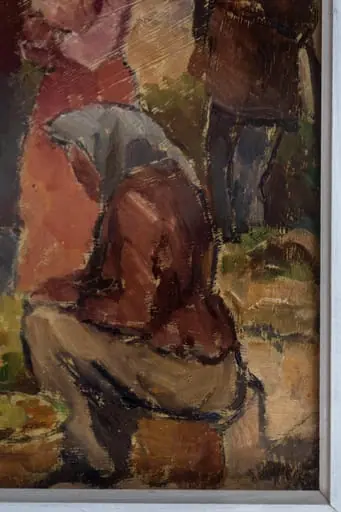 Schiță de compoziție
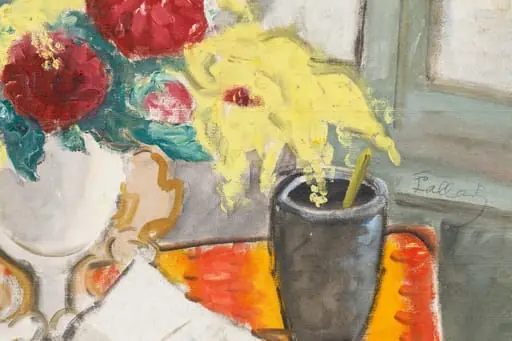 Natură moartă cu carte și flori
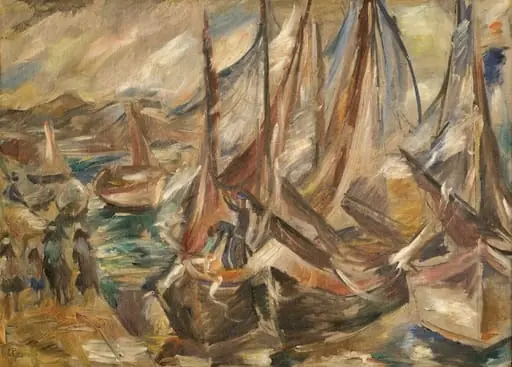 Bărci (Port în Bretania)
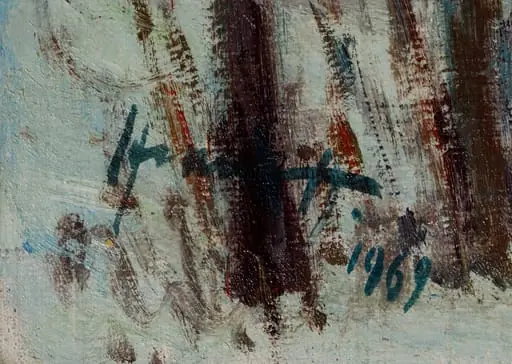 Peisaj - iarna
 Flori de toamnă
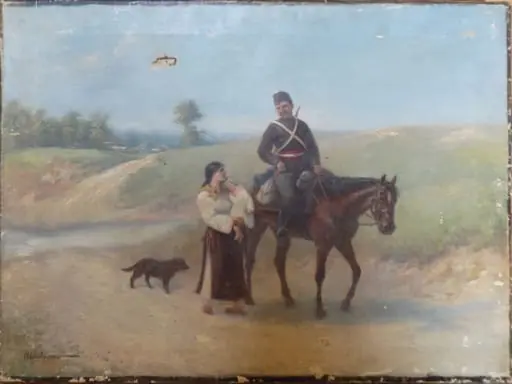 Despărțire de ostaș
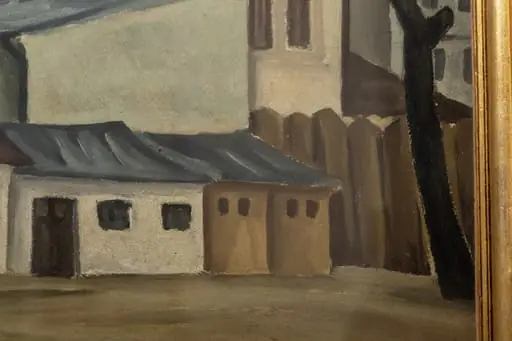 Peisaj urban
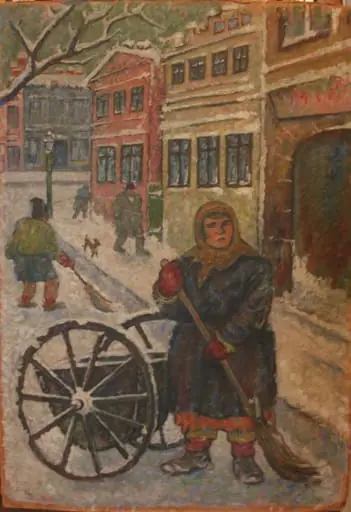 Măturător (Măturătoare)
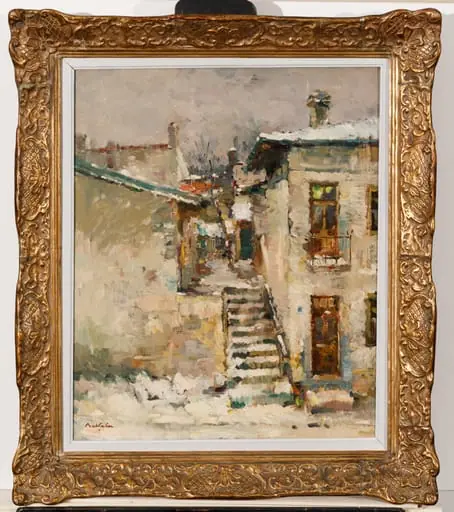 Iarna – Peisaj
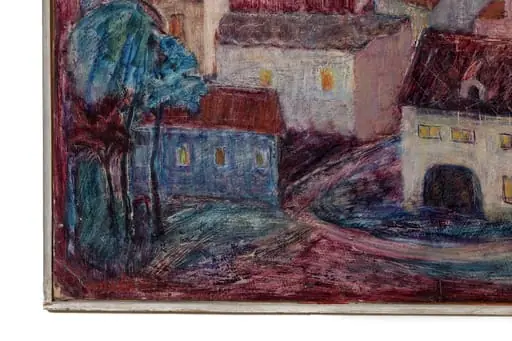 Peisaj urban
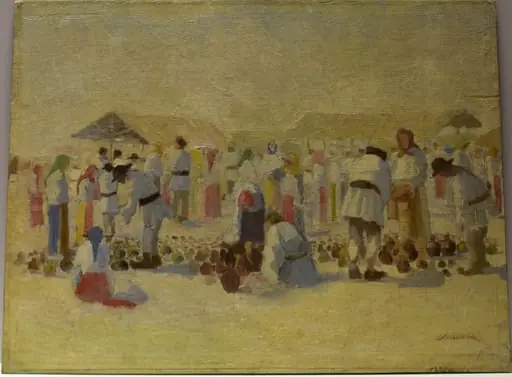 Târg la Olănești
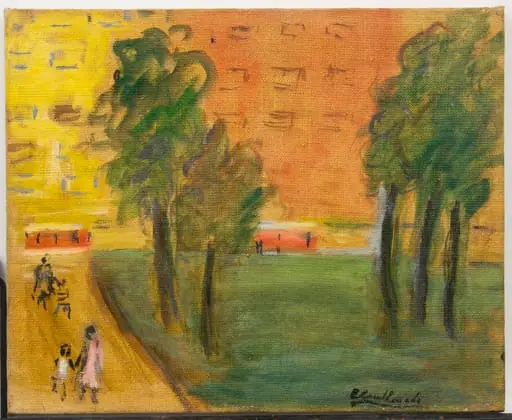 Vedere din Cișmigiu
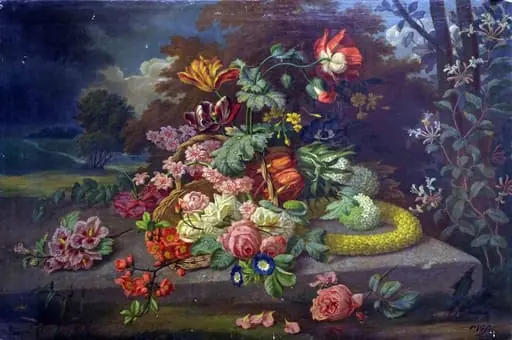 Buchet de flori
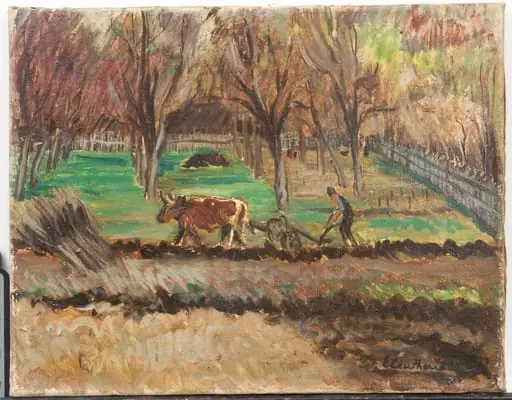 La arat
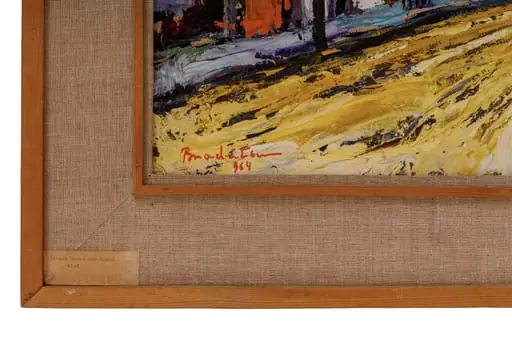 Stradă veche din Roman
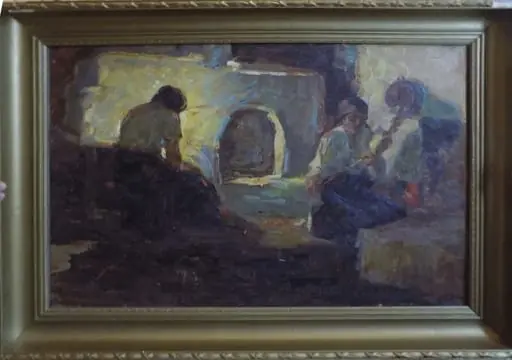 Interior de casă țărănească cu vatră
 Schiță (Târg)
 Șcheii Brașovului - strada Cocova de Jos
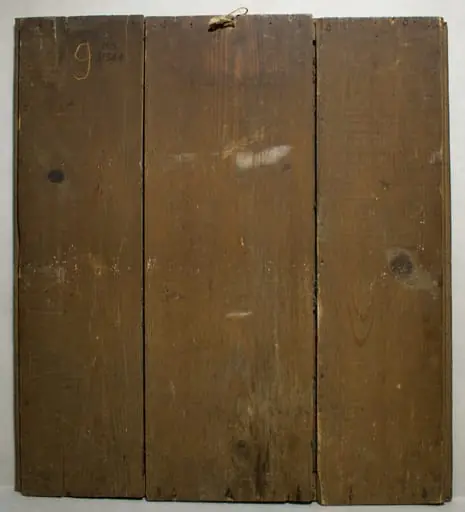 Zugrăvița a combinat cu inocență două teme iconografice (cea a Bunei Vestiri cu cea a Botezului), fenomen frecvent în icoanele Anei Deji.În prim plan, în picioare, un sfânt cu o ramură verde în mâna dreaptă înălțată binecuvintează un înger. Sfântul tânăr, cu părul lung, negru, barbă scută, mustăți. După poziție și trăsături ar putea fi asimilat Sf. Ioan din scena Botezului. Poartă un chiton roșu, asemănător blănii de cămilă și un himation verde.În jurul capului are o aureolă cu limbi de foc asemănător acelora din Pogorârea Sfântului Duh. Îngerul privește către sfânt, ținînd pe brațul stâng un ștergar cu vrâste verzi și roșii, iarăși asemănare cu scena Botezului. Îngerul are trăsături feminine, ochii mari, negri, aripi strânse, tunică roșie cu poale cafenii.Nu poate fi vorba de Botez deoarece lipsește Isus dintre cele două personaje iar decorul arhitectural din planul doi(o construcție cu mai multe caturi, cu intrări largi, cu portal semicircular, 4 ferestre la ultimul cat și acoperiș rotund de olane) nu se regăsește în scena Botezului. De sus coboară sfântul Duh, sub formă de porumbel roșu cu aripi cafenii, pe un fond verde într-un oval de nori alburii marcați cu linii roșii. În partea de jos,relief ușor vălurit, realizat din benzi late cu margini ondulate de culoare verde, roșie și cafenie.Restul câmpului- albastru ultramarin, decorat cu steluțe albe și roșii. Pe trei laturi este pictat un chenar din semicercuri suprapuse, primul cu roșu alternînd cu verde, al doilea ocru. Icoana ar putea fi asimilată Buneivestiri, dar în acest caz în locul sfântului ar trebui să fie un înger iar în locul îngerului Fecioara Maria. Rama este alcătuită din patru șipci drepte, îmbinate oblic la colțuri. Dosul este realizat din scândurele subțiri de brad, dispuse vertical și fixate în cuie.
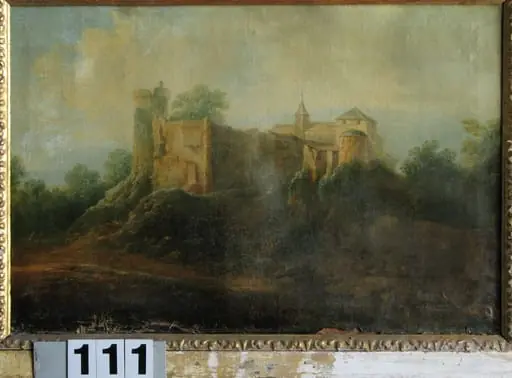 Peisaj cu mănăstire pe deal
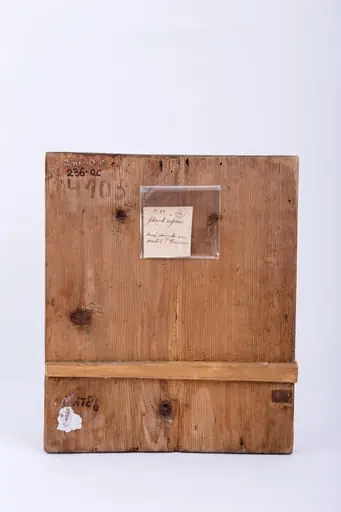 Icoana reprezintă Nașterea Mântuitorului Iisus Hristos. Icoana este împărțită patru secvențe: Nașterea Mântuitorului este în centrul icoanei. Pruncul Iisus Hristos, înfășat în scutece este ținut în legănuț de Maica Domnului și de Dreptul Iosif, logodnicul Fecioarei Maria. În registrul superior este ilustrată venirea magilor după steaua cea călăuzitoare. În colțul drept, este un înger îmbrăcat în cămașă roz, aplecându-se din Ceruri, pentru a privi și a mângâia bucuria Nașterii Pruncului. În registrul inferior este ilustrată îmbăierea Pruncului de către câteva tinere fecioare. Alături este Dreptul Iosif care se arată nedumerit de Taina minunată a Nașterii Domnului și de păstrarea Fecioriei Maicii Domnului și după Naștere. În centrul icoanei este steaua cea călăuzitoare cu un mănunchi de raze luminoase, aducătoare de vestea cea bună. Urcând spre dreapta, întâlnim un ciobănel păstor cu oile. Elementele de arhitectură sunt foarte minuțios realizate, creându-se atmosfera Nazareth-ului. Este o alternanță cromatică luminoasă și vie de roșu zmeuriu, roz, albstru turcoaz-smarald, galben chihlimbar, gri și brun. Cerurile sunt deschise. Icoana este foarte bogată în narațiune. Registrele se întrepătrund armonios. Inscripția din româno-chirilică se traduce Nașterea ICXC Iisus Hristos.
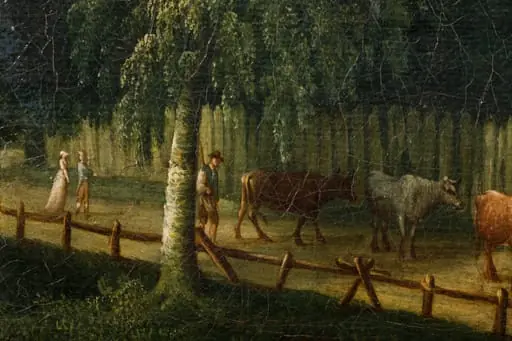 Întoarcerea de la pășune
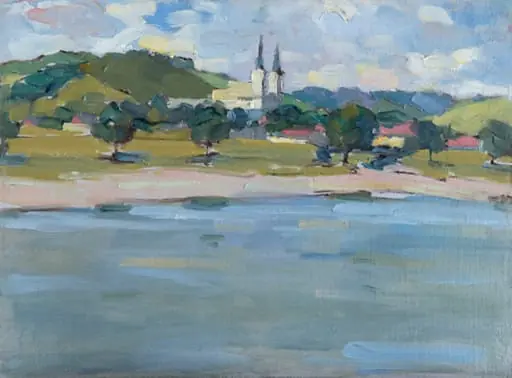 Peisaj
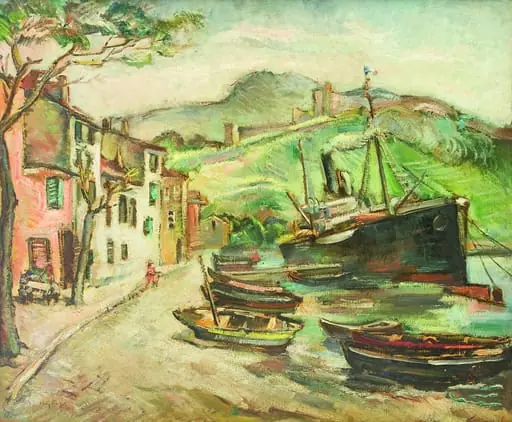 Peisaj
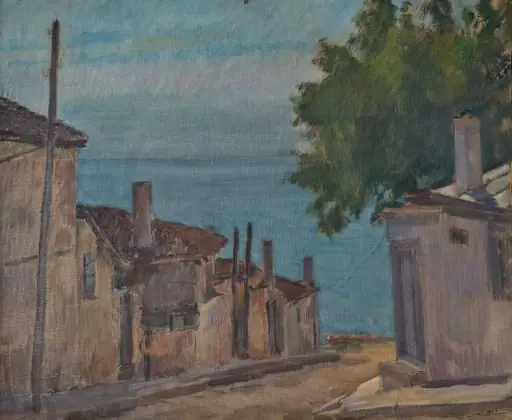 Marină (Balcic)
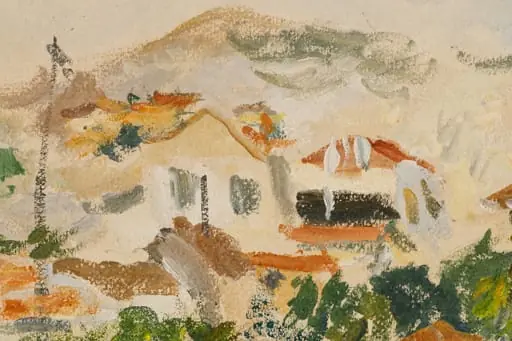 Peisaj. Balcic
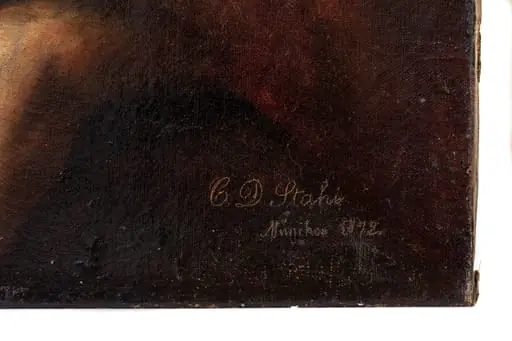 Bătrân cu turban
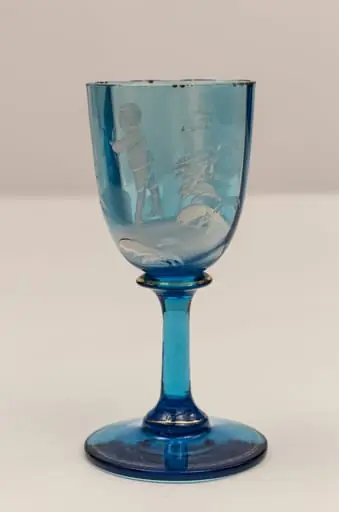 Piesă din sticlă suflată, modelată și pictată, alcătuită dintr-o cupă tronconică, fin fațetată și un picior subțire și înalt, cu talpă circulară, delimitat de două inele în relief. Piesa se încadrează, prin modul de realizare a decorului, stilului artistei Mary Gregory, specializată în sticla emailată, cu personaje și scene realizate alb pe alb pe suportul colorat (turcoaz în acest caz). Decorul apare pe cupa vasului, reprezentând o scenă cu un băiat îmbrăcat în stil victorian, ținând flori în mână, situat într-un cadru natural plin de vegetație (arbori). Piciorul și talpa paharului sunt decorate cu motive circulare aurii. Piesa se încadrează din punct de vedere estetic centrelor cehoslovace, fiind realizată posibil înaintea celui de-al Doilea Război Mondial (elemente detaliate; detalii punctate). Cromatică: turcoaz transparent, alb lăptos, auriu.
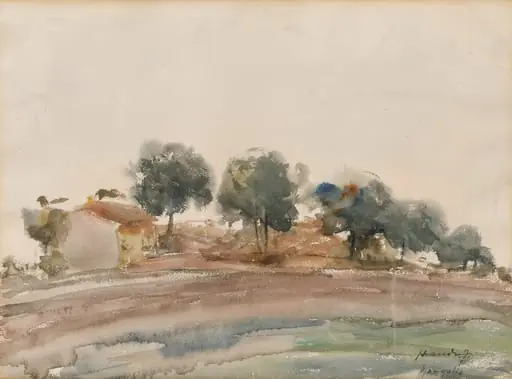 Deal cu pomi
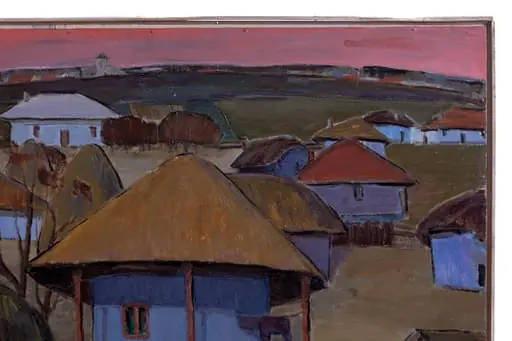 Sat în Moldova
 Peisaj Gura Humorului
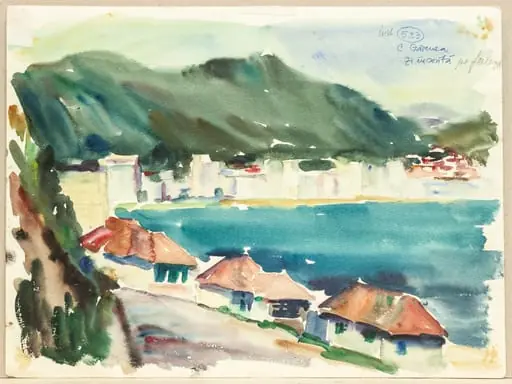 verso: La malul mării
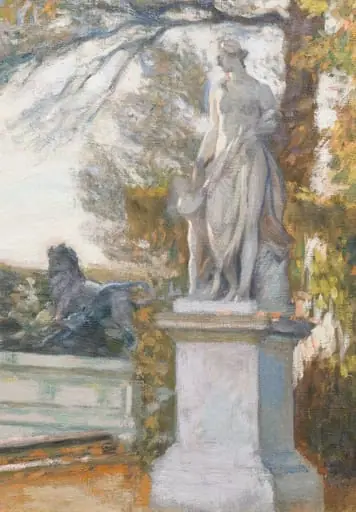 Parc din Luxemburg
 Natură statică
 Portretul unei tinere
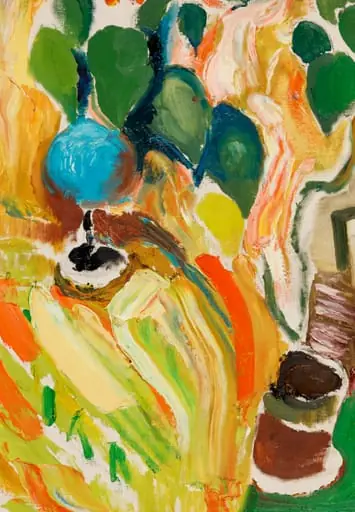 Natură statică
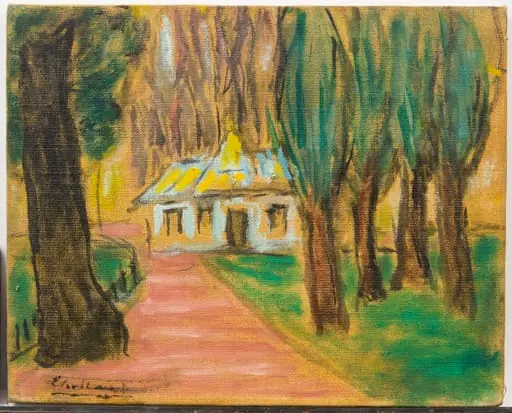 Peisaj din Cișmigiu
 Masă țărănească
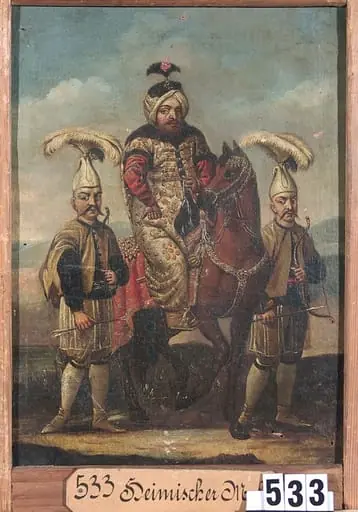 Sultan însoțit de arcași (în registrul inventar: Pașă turc)
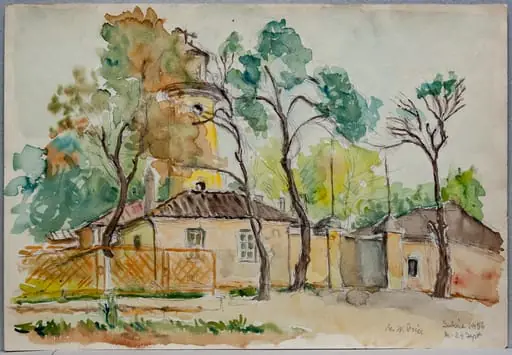 S 38 - Peisaj la Sulina (Stradă cu case și pomi)
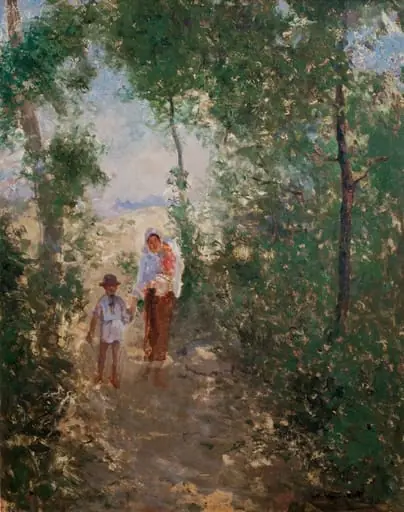 Țărancă cu copii
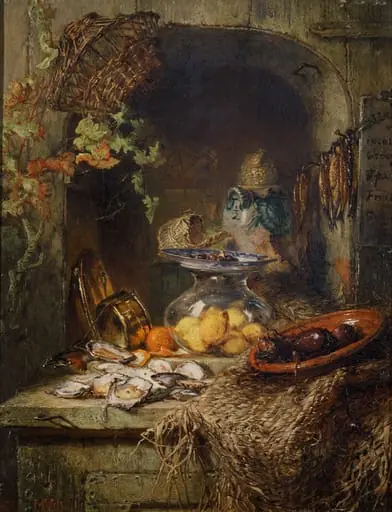 Natură statică
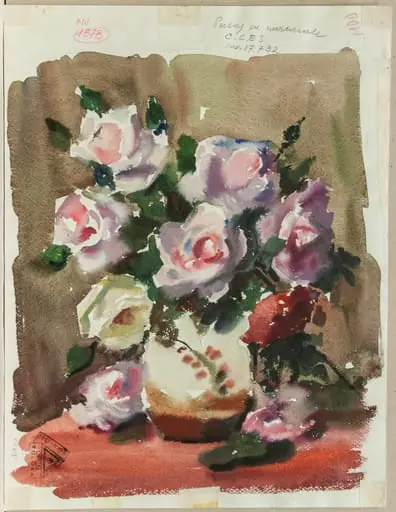 v: Vas cu trandafiri
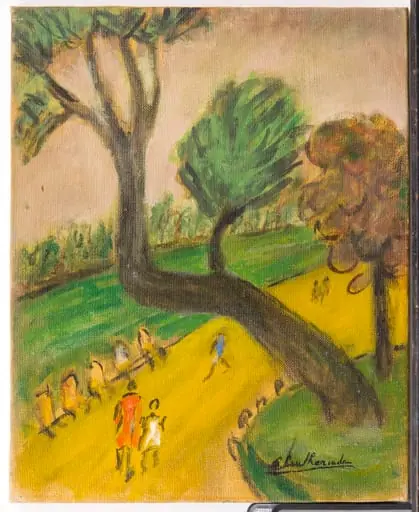 Plimbare în Cișmigiu
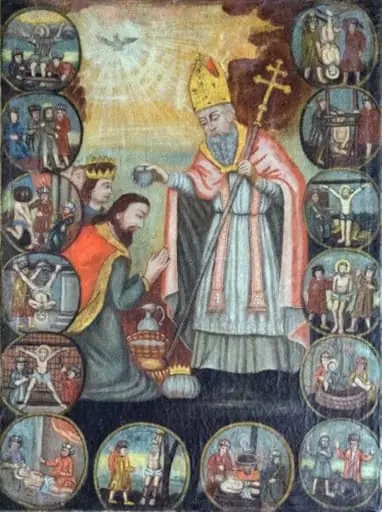 Sfântul Grigore Iluminatorul botezând regele Tiridates (cu scenele torturării sfântului)
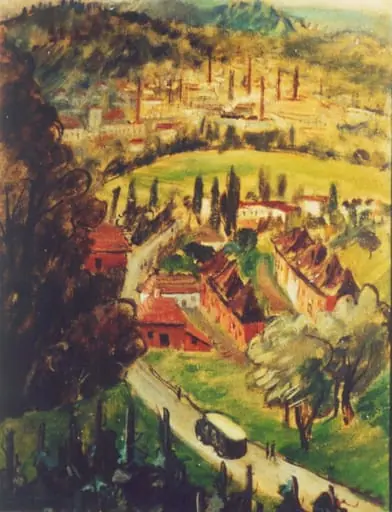 Locuințe muncitorești
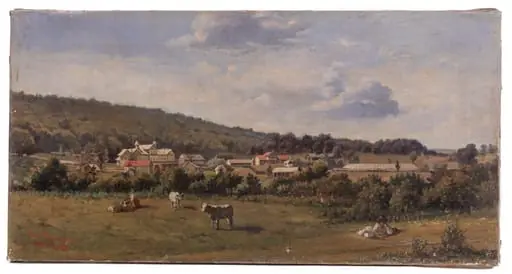 Peisaj
 Pe chei Tulcea
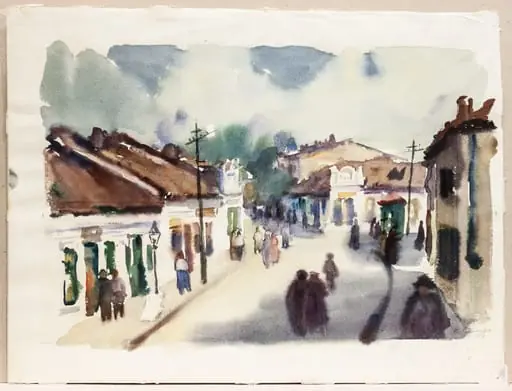 Vechiul centru din Tulcea
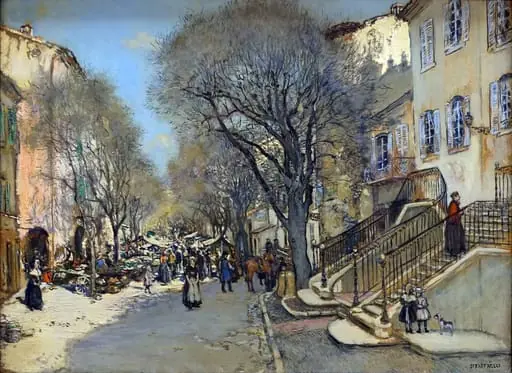 Târgul din Antibes
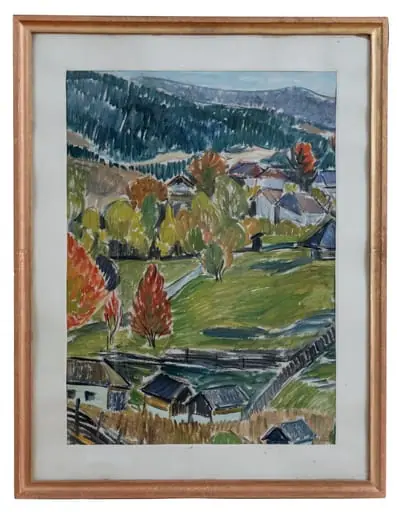 Peisaj de la schit
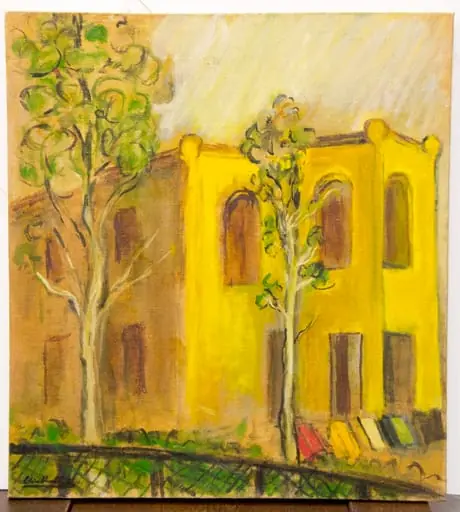 Vedere spre strada Luterană
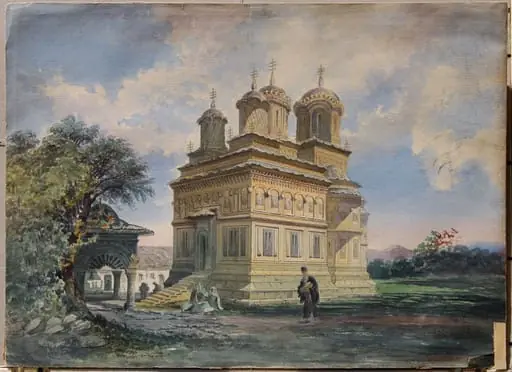 Curtea de Argeș
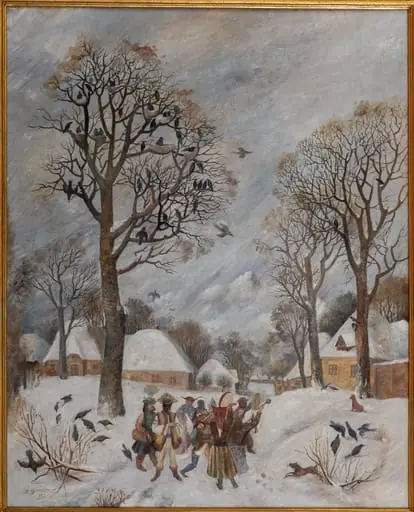 Iarnă în Bucovina
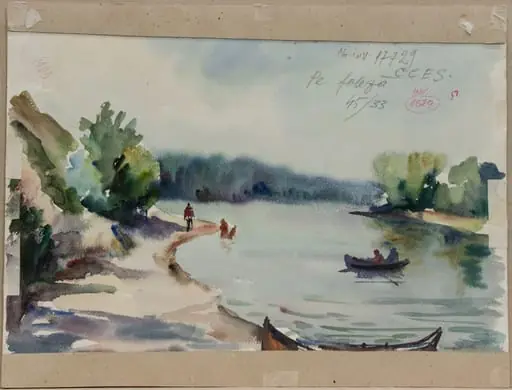 Pe faleză
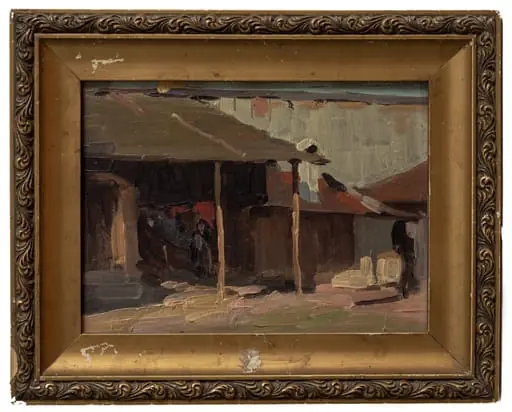 Case la mahala
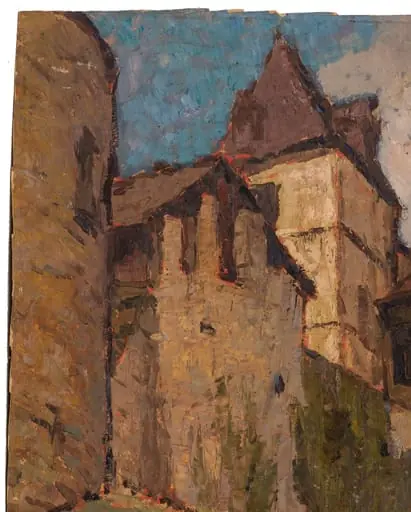 Peisaj
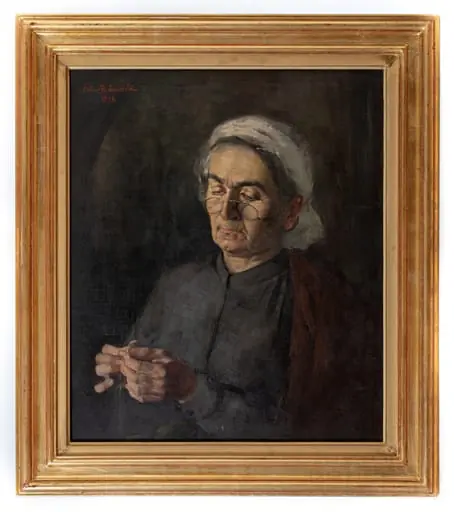 Portretul mamei artistului
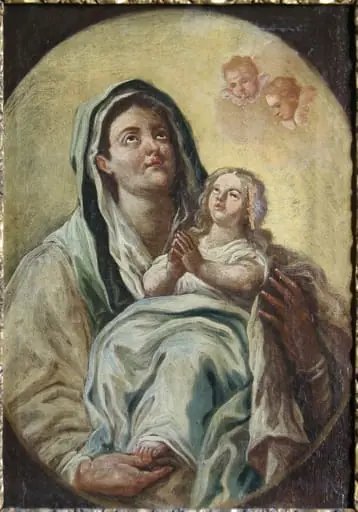 Fecioara Maria cu Pruncul Isus (în Reg. Inv.: Maria cu copilul Isus)
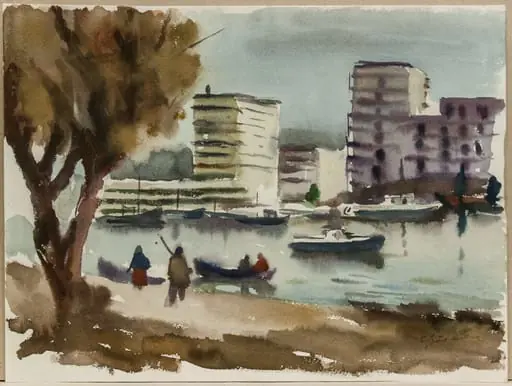 Pe faleză la Tulcea
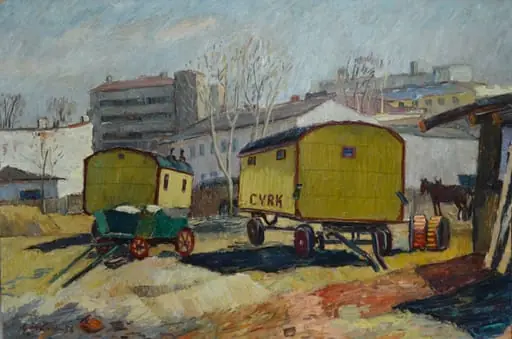 Circ
Circ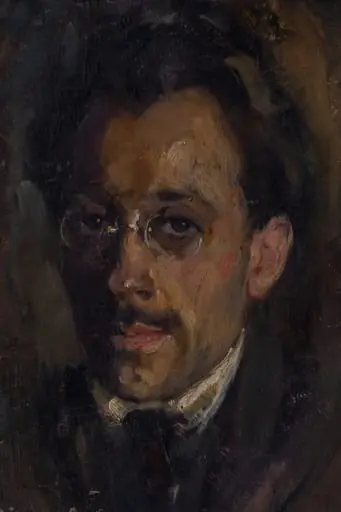 Portret de bărbat (Riconti)
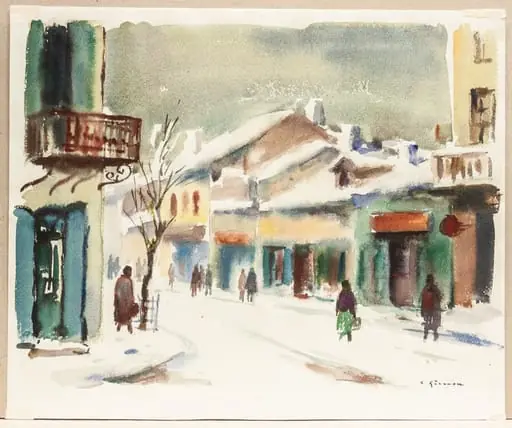 Centrul Tulcei Iarna
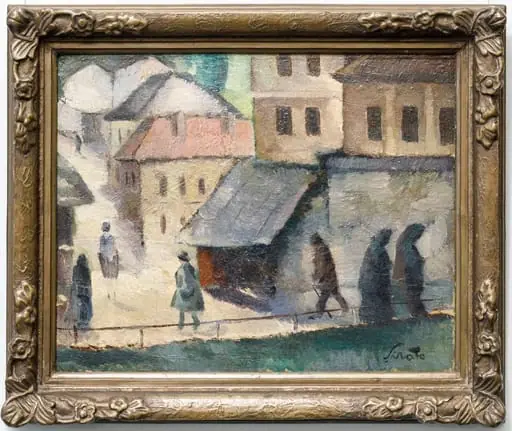 Stradă
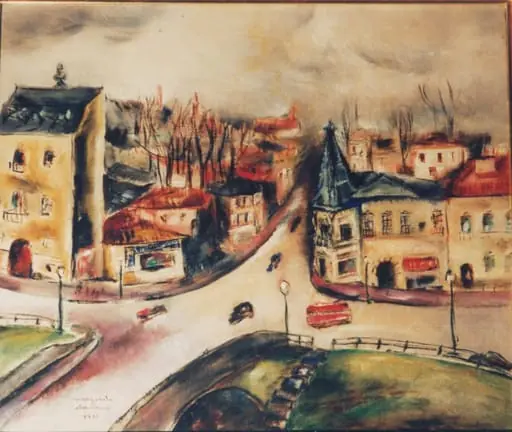 Peisaj citadin
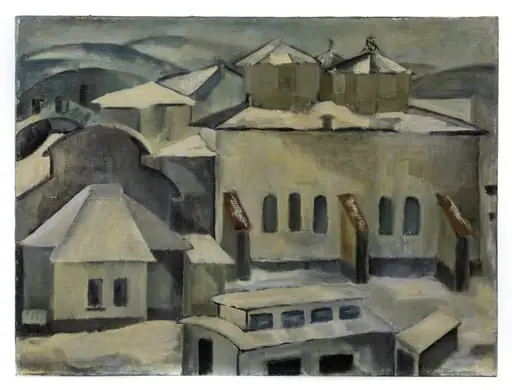 Veche ctitorie Sf. Sava
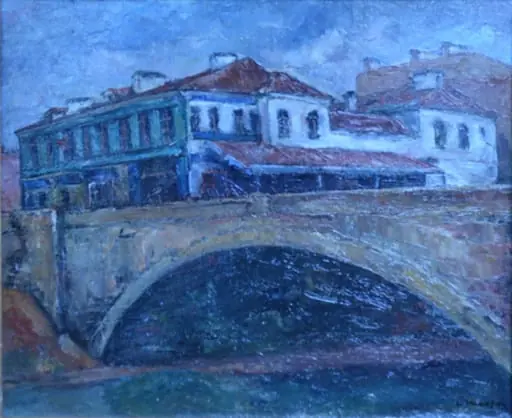 Podul Dâmbovița
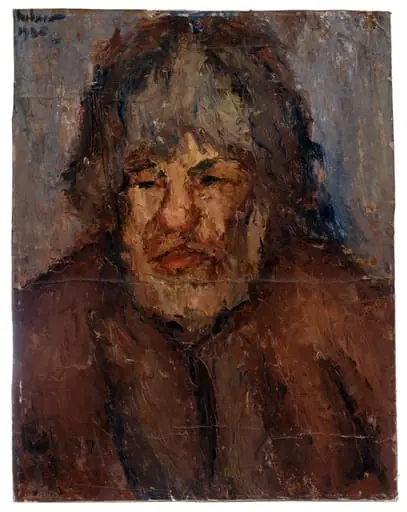 Strămoșul
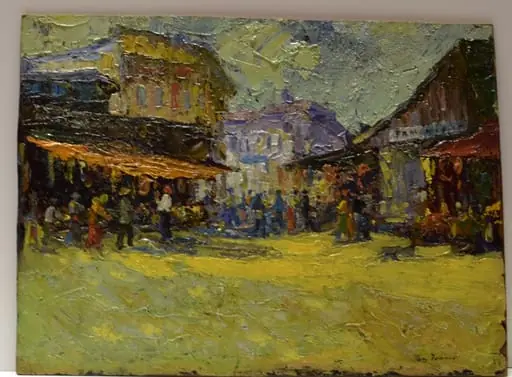 În piață
 Cine sunt ucigașii
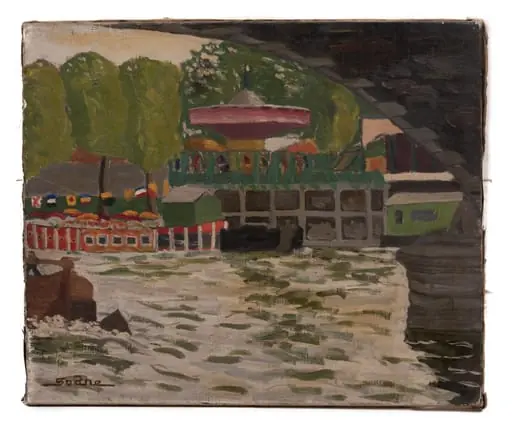 Bâlci
Bâlci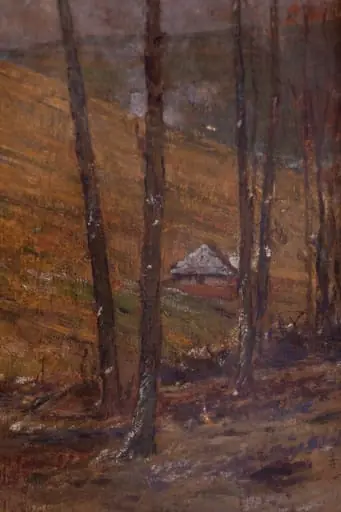 Peisaj de toamnă
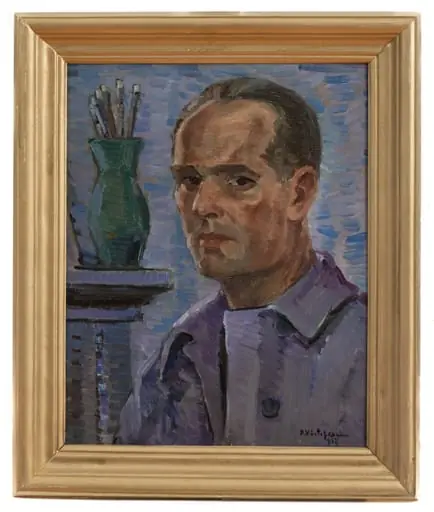 Autoportret 1962
 Moară părăsită - Balcic
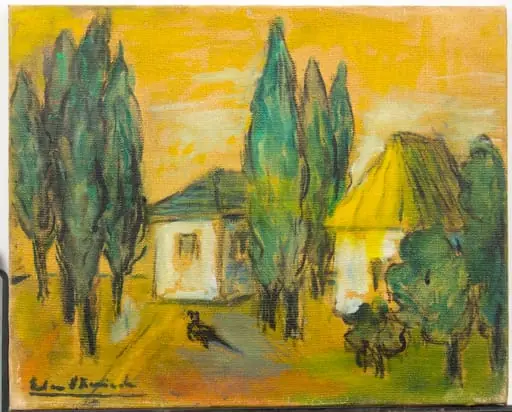 Vedere din Muzeul Satului
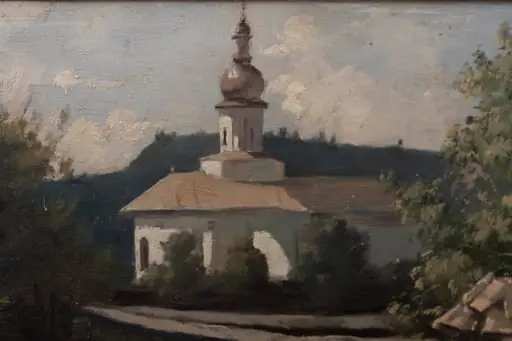 Mănăstirea Neamț
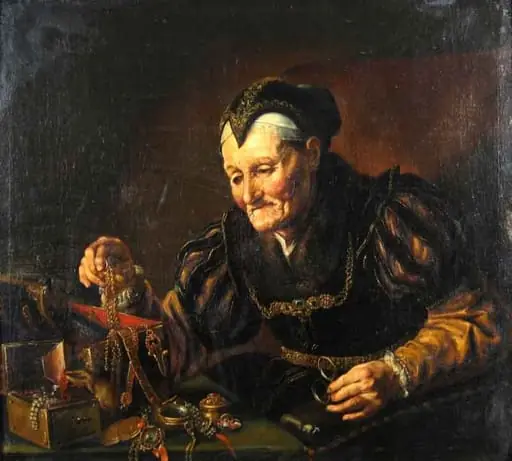 Femeie vârstnică cu bijuterii
 Bătrân cu chelie (Apostolul Petru)
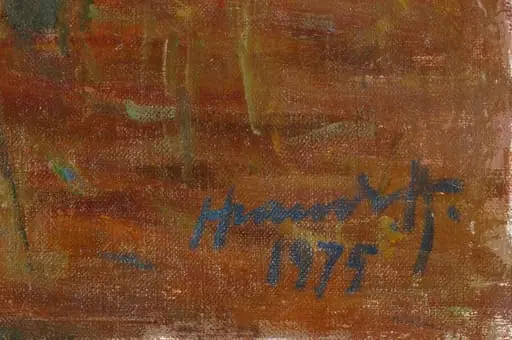 Peisaj de toamnă
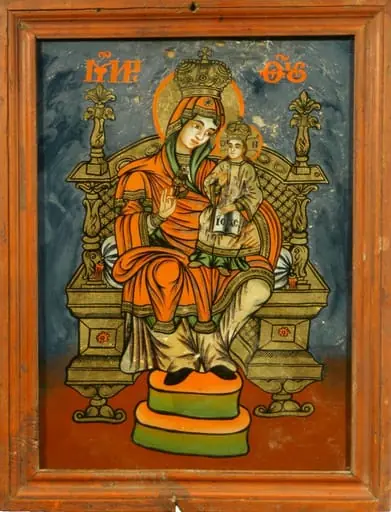 Maica Domnului cu Pruncul, floarea nevestejită
 S6 - Peisaj la Sulina (Malul Dunării și case)
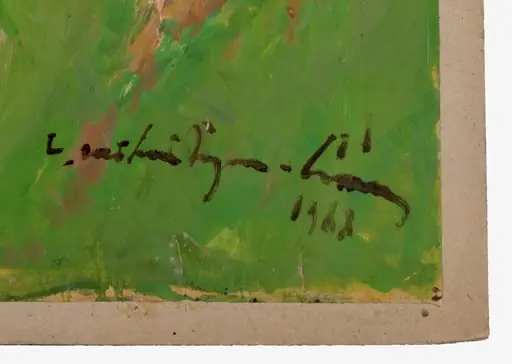 Studiu de peisaj cu un drum pe care merge o căruță trasă de cai. În prim-plan, căruța văzută din spate, dreapta. În căruță, un bărbat cu căciulă neagră și haină gri, o femeie cu batic alb și haină brun-ocru și o fetiță cu batic alb cu verde-roșu, așezată în spatele celor doi, lângă două butoaie. Drumul taie ca o diagonală lucrarea; de-o parte și de alta, iarbă. Linia orizontului foarte ridicată, după care se vede un copac verde, dealul albastru în depărtare și cerul. Semnat și datat cu brun, dreapta jos: V. Mihăilescu Craiu 1968.
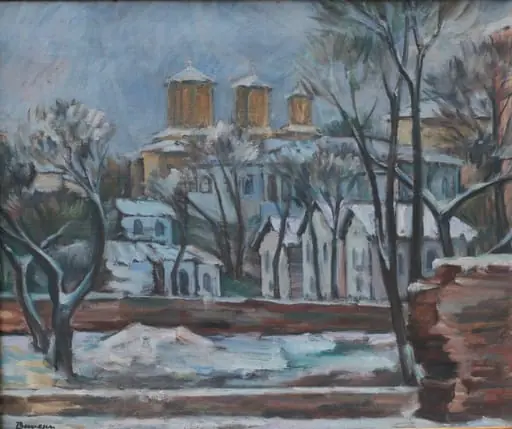 Iarnă în București
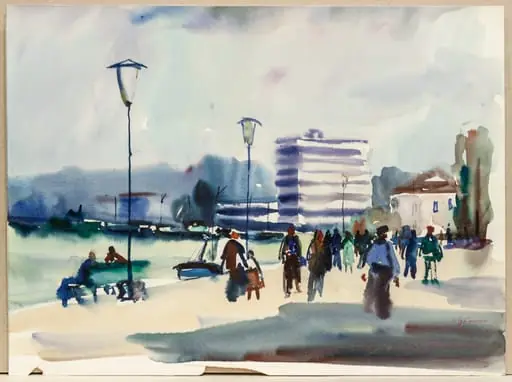 Peisaj cu noul hotel
 Peisaj la Abrud
 În parc
 S 28 - Peisaj la Sulina (Intrare de casă cu flori)
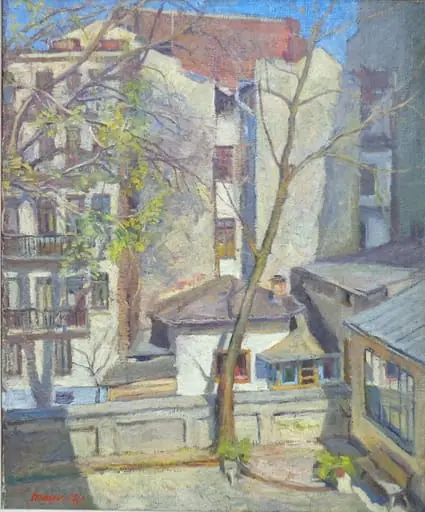 Primăvara între blocuri (curtea văzută din Muzeul Theodor Aman)
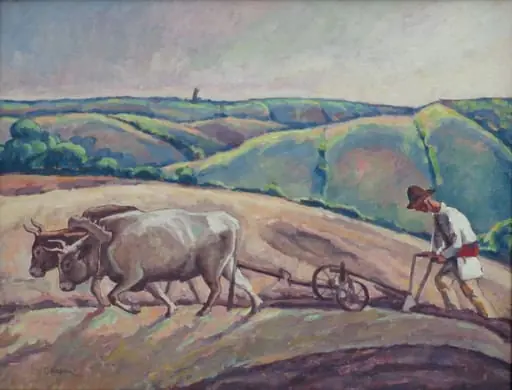 La arat
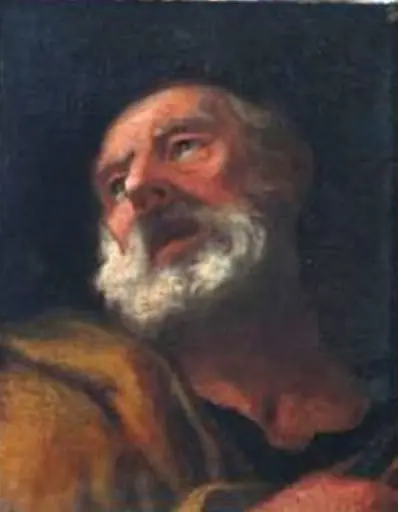 Apostolul Petru
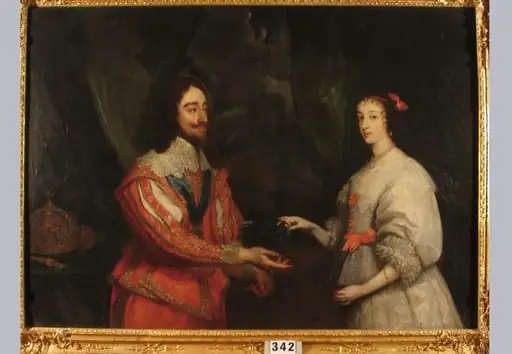 Regele Charles I Stuart al Angliei și soția sa Henrietta Maria de Franța (în Reg. Inv.: Carol I al Angliei și soția sa Henriette din Franța)
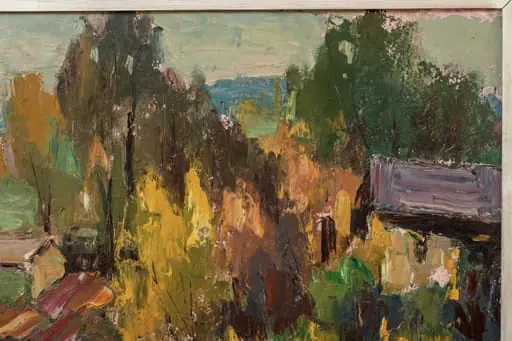 Toamna lângă oraș
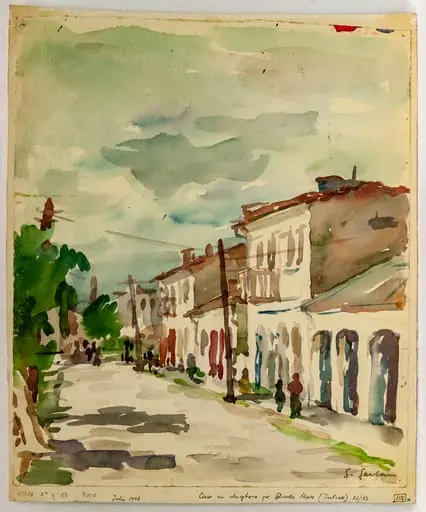 Case cu dughene pe strada Mare (Tulcea)
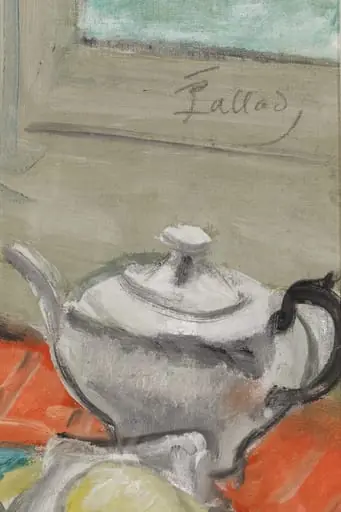 Natură moartă cu revista „Gândirea”
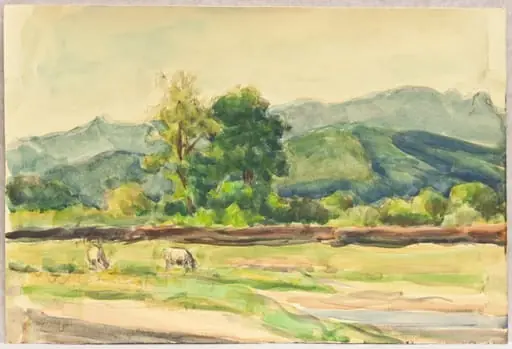 Peisaj la poalele munților
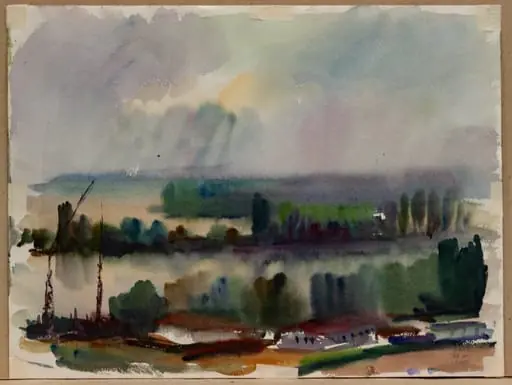 Peisaj (spate)
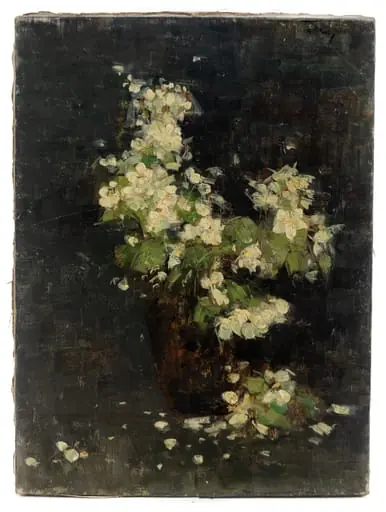 Flori de cireș
 S 9 - Peisaj la Sulina
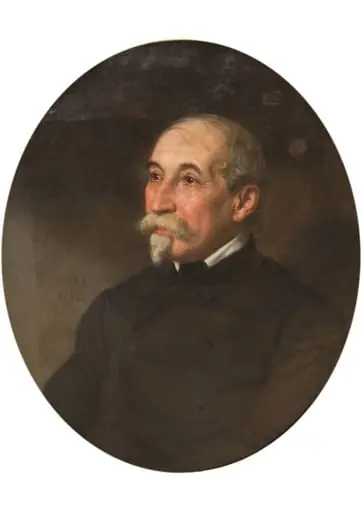 Portretul primarului Scarlat Kretzulescu
 S 12 - Peisaj la Sulina (Stradă și 2 case)
 Senegalez
 Sfinții Arhangheli Mihail și Gavriil sunt reprezentați împreună, fiind mai-marii voievozi ai oștilor cerești. În această icoană, primul este Sfântul Arhanghel Gavriil, îngerul aducător de dar și bunăvestire, iar al doilea este Sfântul Arhanghel Mihail, numit slujitorul Legii. Sfinții Arhangheli sunt înveșmântați în tunică-sacos galbenă chihlimbar, cu mânecile largi gri-antracit, cu mantiile roșii vermillon, aripile roșii-gri antracit. Sfântul Mihail are pantalonii de oștean albaștrii bleu-ciel și ține în mâna dreaptă balanța faptelor bune și a fărădelegilor și în mâna stângă are spada dreptății și a credinței. Fondul icoanei este cerul albastru bleu-ciel ceruleum în registrul superior și un câmp de nouri albi-albaștri, asemenea unor mandorle, în registrul de mijloc. Cromatica armonioasă este alcătuită din: roșu vermillon, albastru bleu-ciel și ceruleum, galben chihlimbar, gri antracit, brun, bronziu, alb, negru. Inscripția din româno-chirilică se traduce Mihail și Gavriil. Icoana este din Nordul Transilvaniei, Nicula.
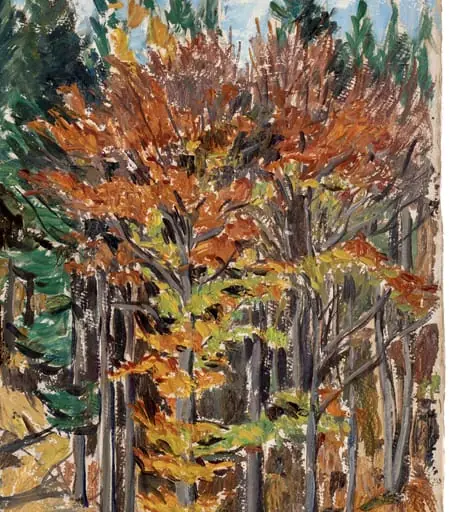 Toamna în pădure
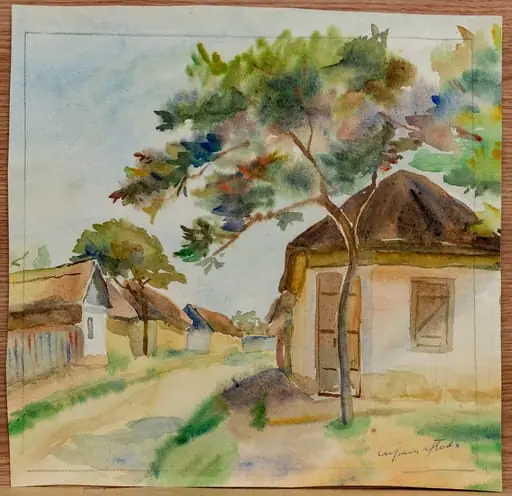 Sat dobrogean
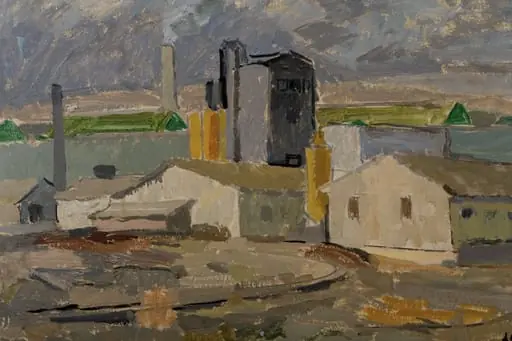 Șantier metalurgic Iași
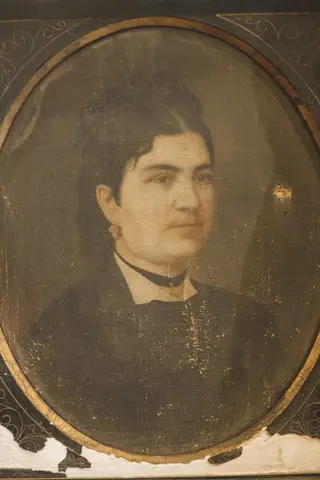 Profira Prăjescu
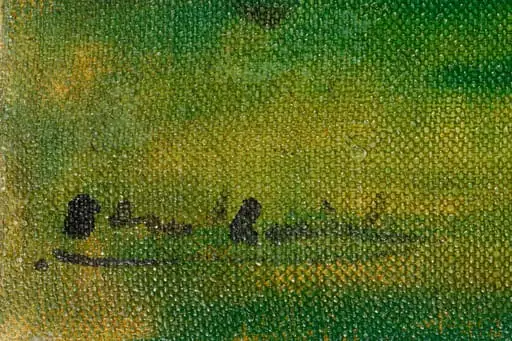 COPAC SECULAR ÎN CIȘMIGIU
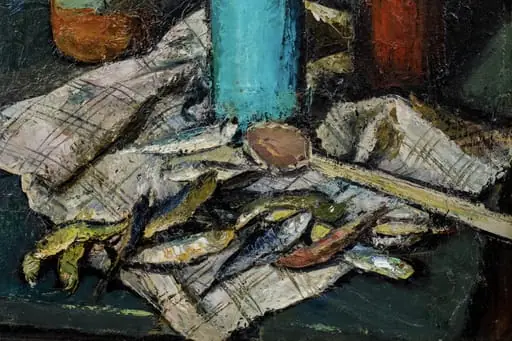 Natură statică (pești, linguri)
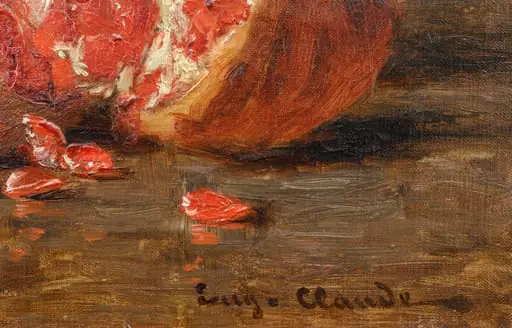 Natură statică
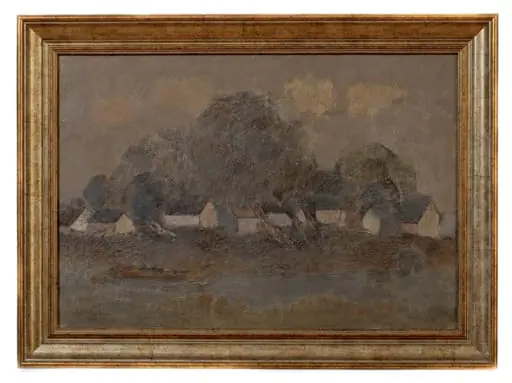 Sat de pescari
 Peisaj cu case
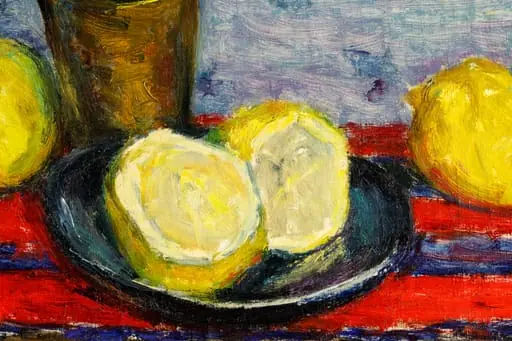 Natură moartă cu lămâi
 Natură statică cu flori
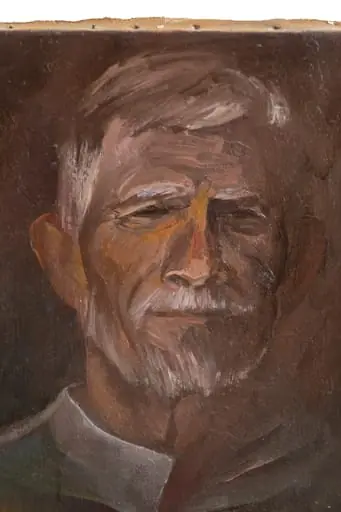 Portret de bătrân
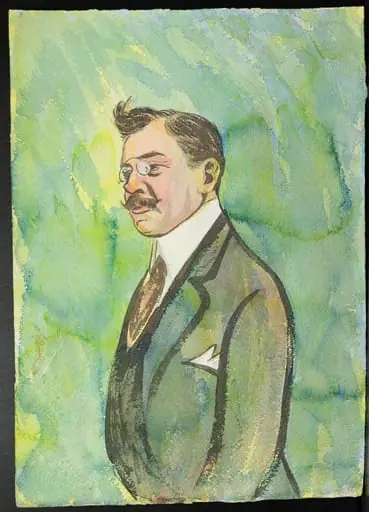 Portretul lui Ion Valjan, acuarelă, redat până la brâu, din semiprofil, privind spre stânga. Fond verde. Ion Valjan a fost pseudonimul scriitorului și dramaturgului român Ion Al. Vasilescu (1881 – 1960). A fost avocat, om politic (membru al PNL) și publicist. În 1950 a fost arestat și închis la Aiud, la Ocnele Mari și la Pitești, unde a decedat.
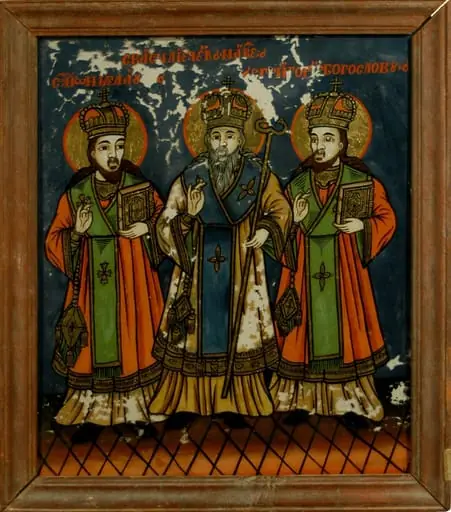 Sfinții Trei Ierarhi
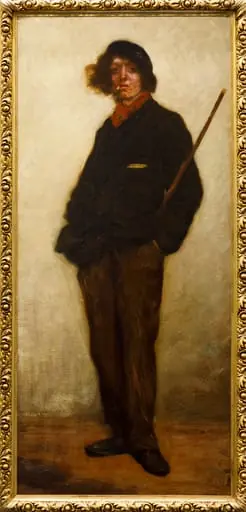 Ștrengarul
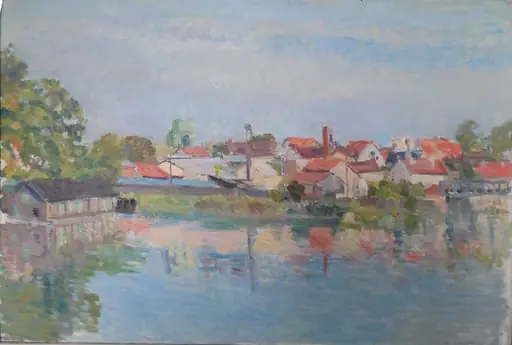 Lacul Tei
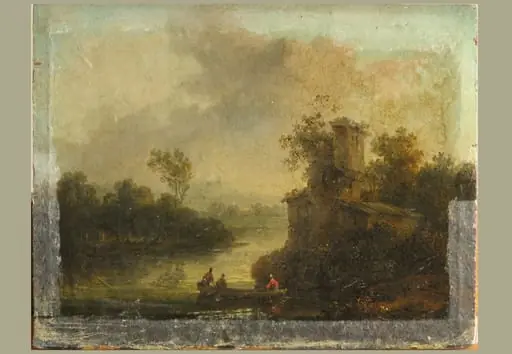 Peisaj cu râu și în dreapta castel cu ruine. Pandant: Peisaj cu râu și în stânga castel cu ruine
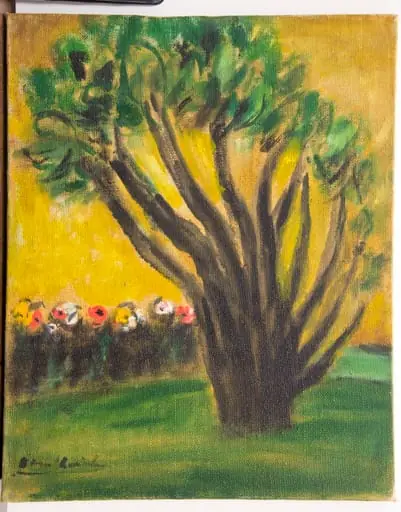 Copac secular din Cișmigiu
 Strada Ștefan cel Mare
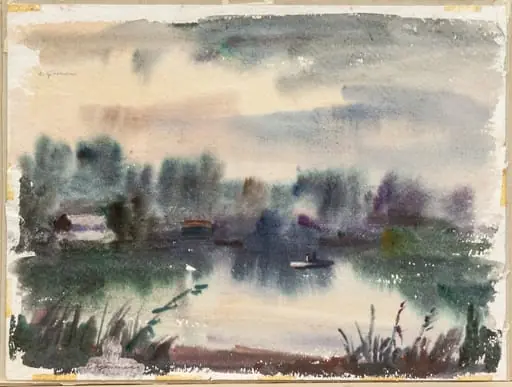 Lacul Ciuperca
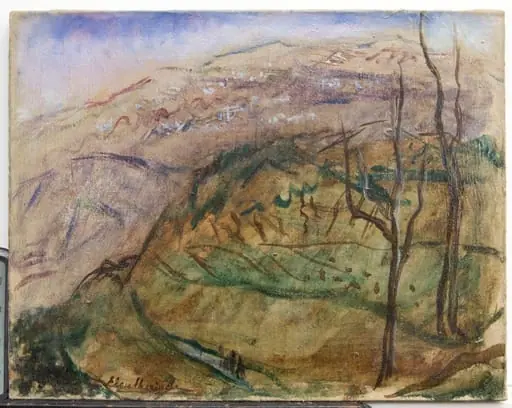 Vilele de vară de la Alma - Ata
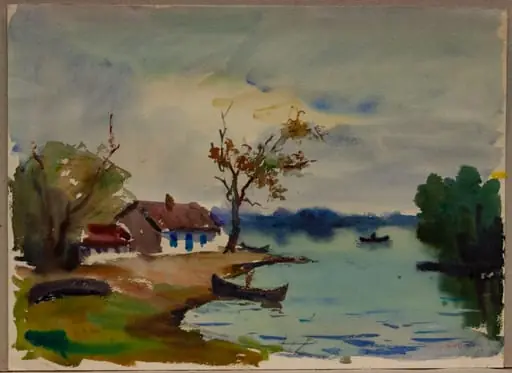 Peisaj din Deltă cu casă
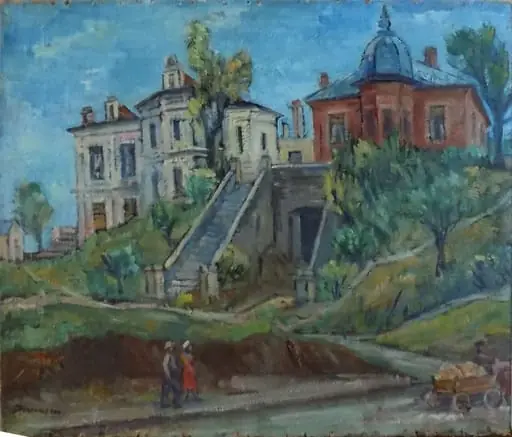 Hanul Șerban Voda
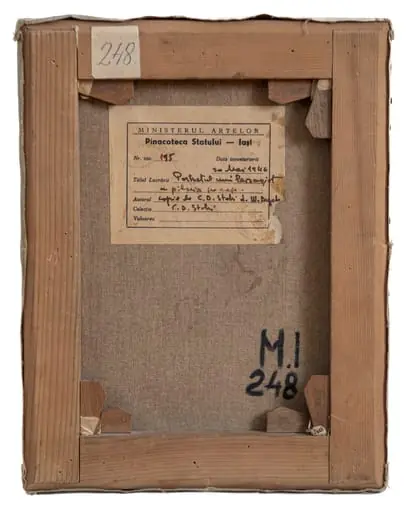 Portretul unui peisagist (copie după Van Dyck)
Frequently asked questions
What is Classical Antiquity?
Classical Antiquity is an art period. The era of ancient Greece and Rome, roughly 800 BCE to 500 CE, which produced the foundational ideals of Western art.
How many Classical Antiquity works does Artifact World Gallery have?
Artifact World Gallery holds 12,249 public-domain Classical Antiquity works, all free to view and download.
Who are the key Classical Antiquity artists?
Key Classical Antiquity artists in the collection include Paolo Veronese, Gustave Courbet and Henry Lerolle.
When did Classical Antiquity take place?
Classical Antiquity dates from -1199–500.
Where can I see Classical Antiquity works?
Classical Antiquity works in the collection are held by Victoria and Albert Museum, National Museum of Art of Romania and Gavrila Simion Eco-Museum Research Institute Tulcea.