Artwork
Elisabeth-Philippe-Marie-Hélène of France, known as Madame Elisabeth
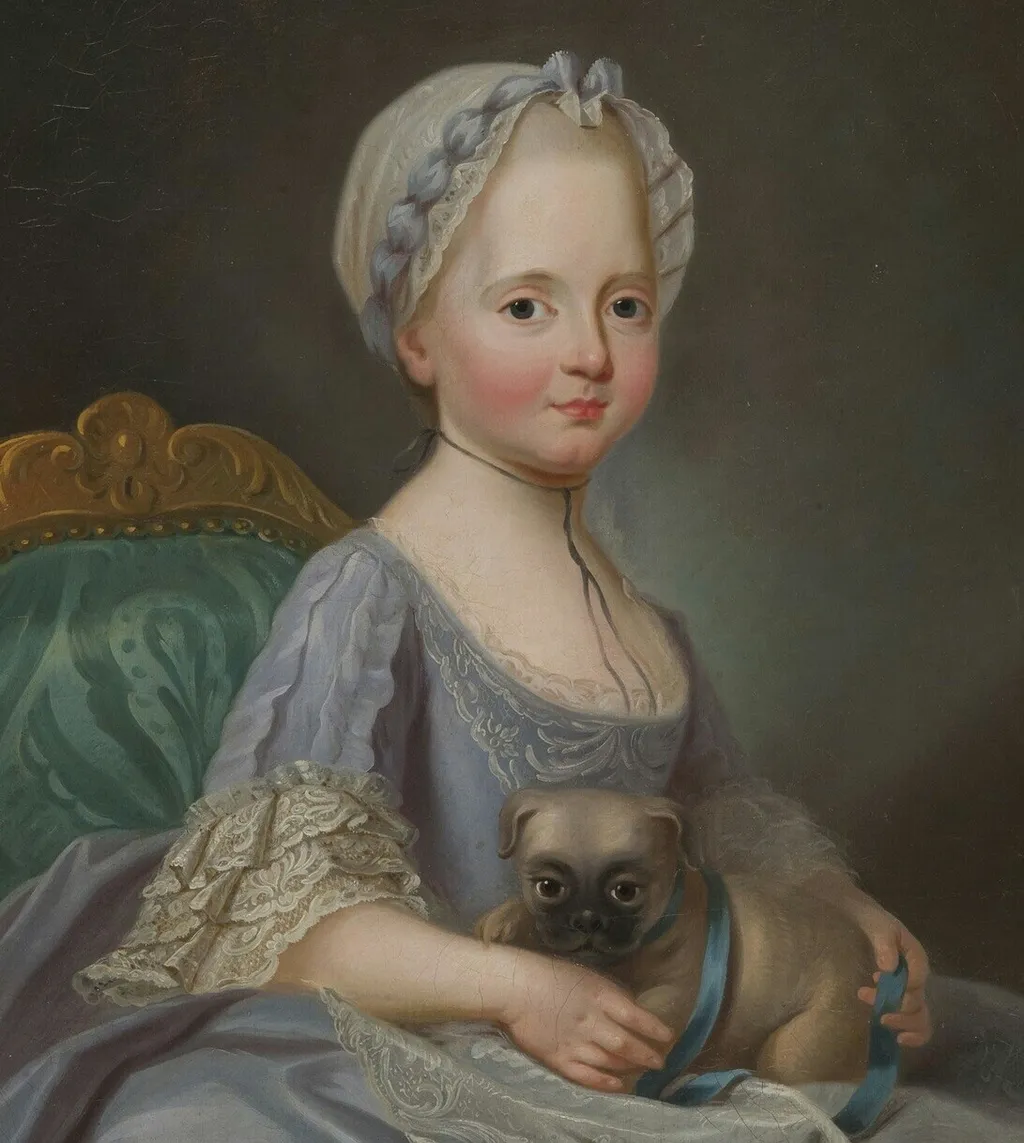
Elisabeth-Philippe-Marie-Hélène of France, known as Madame Elisabeth is an oil painting by the Rococo painting artist Joseph Ducreux. It dates from 1768 and is held in the collection of the Palace of Versailles.
About this work
Overview
The painting is currently held in the Museum of the History of France at the Palace of Versailles, cataloged under inventory number MV 3903.
Elisabeth-Philippe-Marie-Helene of France, known as Madame Elisabeth, is an oil on canvas portrait painted by Joseph Ducreux in 1768. Measuring 80 cm in height and 63 cm in width, the painting depicts the young French princess, who was the youngest child of Louis, Dauphin of France, and the sister of King Louis XVI. The work was created as a test of the artist's skill by the Menus Plaisirs prior to his dispatch to Vienna to paint Marie Antoinette. The painting is currently held in the Museum of the History of France at the Palace of Versailles, cataloged under inventory number MV 3903.
Subject & Meaning
The painting portrays Madame Elisabeth as a young child seated in a three-quarter pose, holding a small pug dog in her lap. She wears a pale lavender dress with wide lace-trimmed sleeves and a fitted bodice edged with decorative stitching, her hair covered by a white cap with blue ribbon braiding. She grasps a blue ribbon attached to the dog's collar, anchoring the pet as a symbol of childhood and domesticity. To the left, a carved giltwood chair frame with green patterned upholstery is partially visible, establishing her royal status and the courtly setting of Versailles. The portrayal emphasizes her youth and position within the French royal family, capturing the young sister of the future king.
Technique & Style
Ducreux employed oil paint on canvas to render the portrait with a polished and refined finish. The composition utilizes a palette of soft blues, lavenders, and creamy whites set against warm brown tones. Light falls evenly across the face and fabrics, modeling the rounded cheeks of the child and the compact form of the dog. The brushwork is smooth and blended, allowing for precise rendering of lace textures and subtle gradations in the silk and skin. The surface shows fine craquelure throughout. Scholarly assessment of the related pastel versions notes a certain stiffness in the attitudes of the sitters and a lack of realism in the rendering of the fabrics and the small dog, characteristics that carried into the oil replicas.
History & Provenance
The portrait was commissioned in 1768 by the administration of the Menus Plaisirs as a preparatory test before Ducreux was sent to Vienna to paint the Archduchess Marie Antoinette. The artist's memoire for the work was recorded under the chapter of preparations for the Dauphin's marriage. The original pastel versions of Madame Elisabeth and her sister Madame Clotilde were located in the gold silverware room of the king's interior apartment in 1789. The oil version at Versailles entered the collections during the reign of King Louis Philippe. It is currently housed at the Museum of the History of France in the Palace of Versailles, under inventory number MV 3903 and INV 4120. A miniature copy of the portrait attributed to Ducreux is held in the Austrian National Library in Vienna.
Context
The commission of this portrait occurred at a critical moment in Ducreux's career. Initially, the court had considered Francois Hubert Drouais for the Vienna commission, but they ultimately preferred Ducreux, who was younger and less expensive. Having been received at the Academie de Saint-Luc in 1764, Ducreux had built a solid reputation among an elite clientele. Before entrusting him with the vital diplomatic task of portraying the future Dauphine, the Menus Plaisirs required proof of his ability, leading to this commission to paint Madame Adelaide and the young sisters Clotilde and Elisabeth. The resulting portraits satisfied the court, leading to numerous replicas and copies, some of which were historically misattributed to the workshops of Louis Michel Van Loo or Drouais until scholar Laurent Hugues correctly identified Ducreux as the author.
Legacy
The portrait established the official iconography of the young princess, leading to several oil copies and a miniature replica that circulated among European collections. The painting itself remains a significant record of pre-revolutionary French royal portraiture and the specific mechanisms of court patronage. The subject, Madame Elisabeth, remained fiercely loyal to her brother Louis XVI during the French Revolution and was executed by guillotine in 1794. Her status as a martyr led the Catholic Church to introduce her cause for beatification and canonization, declaring her a Servant of God. The portrait endures as a poignant visual document of her early childhood at Versailles, long before her tragic fate during the Reign of Terror.
Artist & collection
Artist
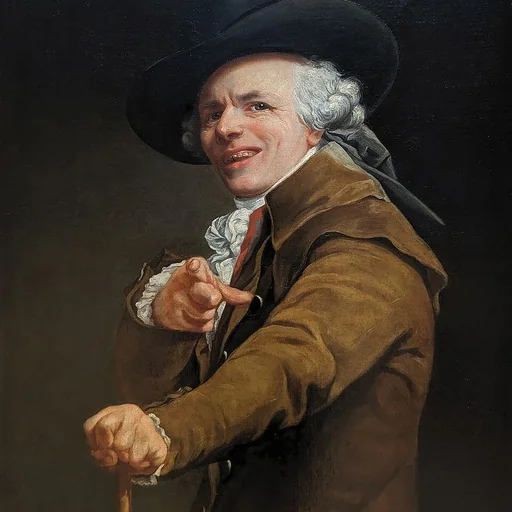
Joseph Ducreux (26 June 1735 – 24 July 1802) was a portrait painter, pastelist and etcher from Lorraine who became a French national.

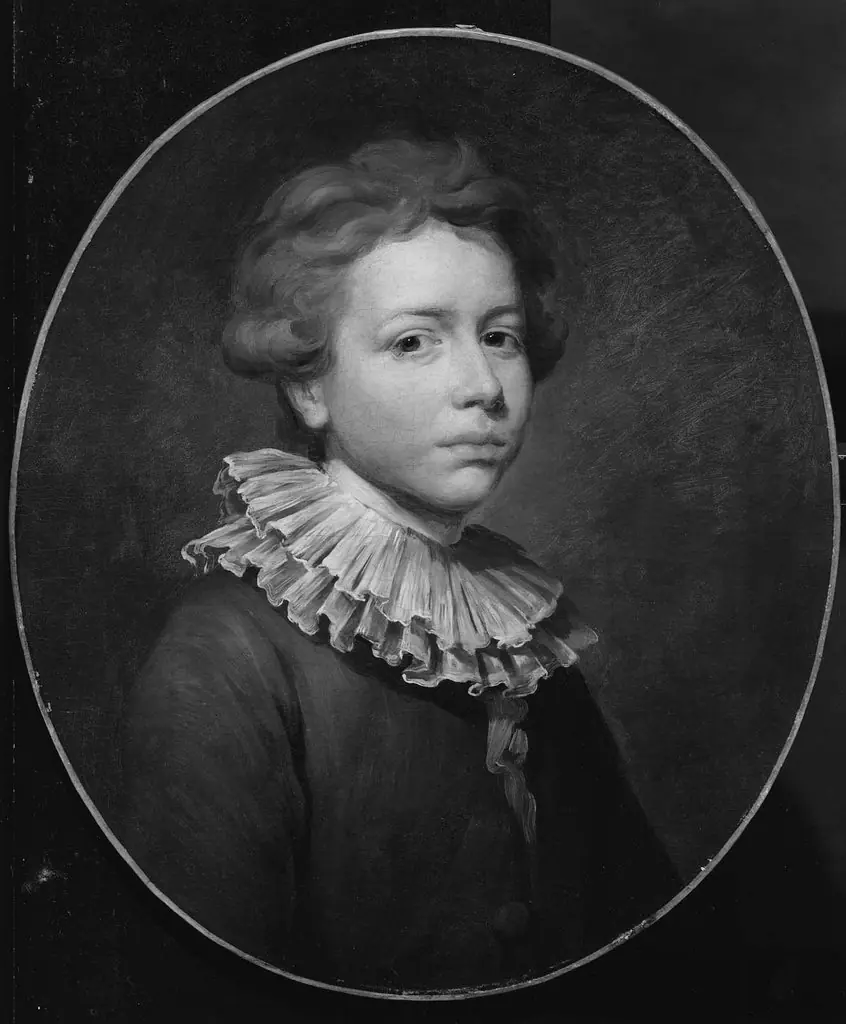
![Head of a Gentleman [recto], by Joseph Ducreux](https://artifactworldgallery.com/img/joseph-ducreux--head-of-a-gentleman-recto--30a49475a608e388-w320.webp)
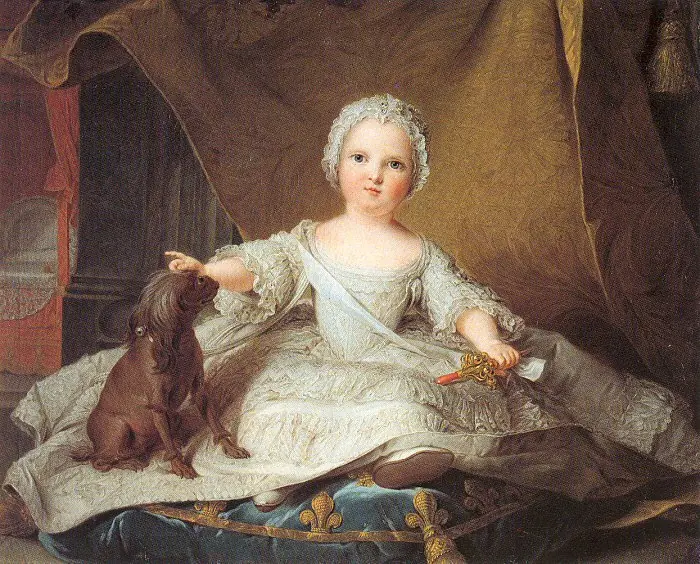 Portrait of Marie Zéphyrine of France
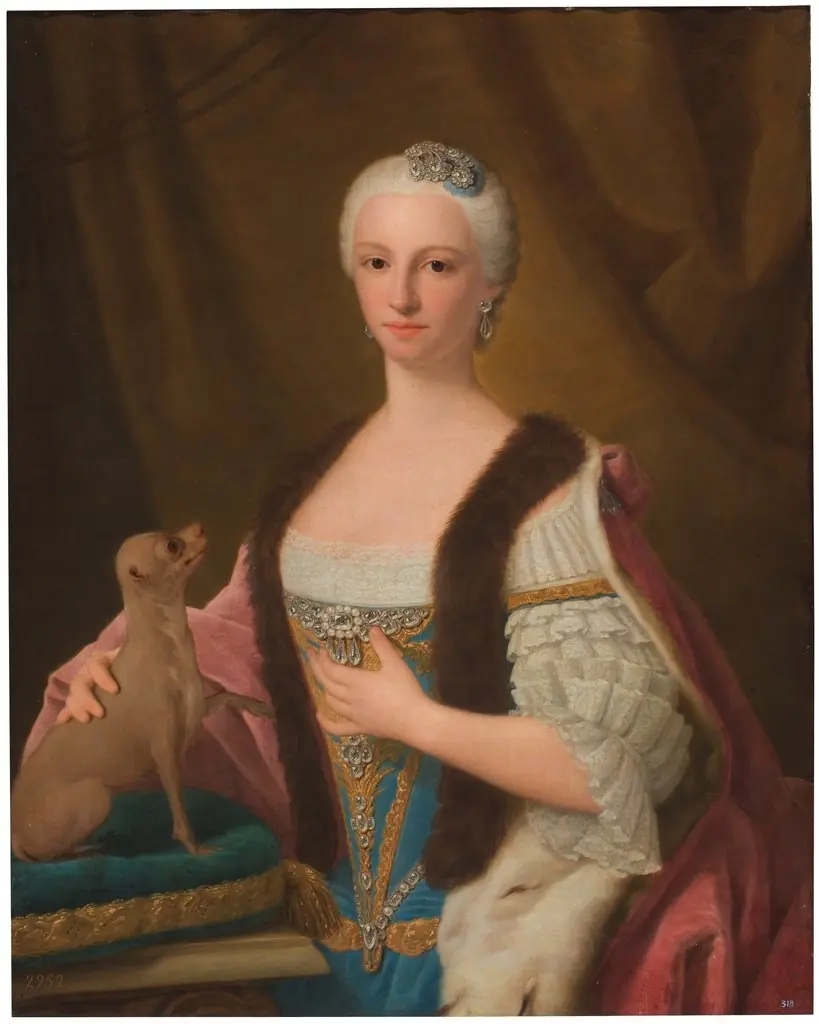 María Antonia Fernanda de España esposa de Vittorio Amadeo III
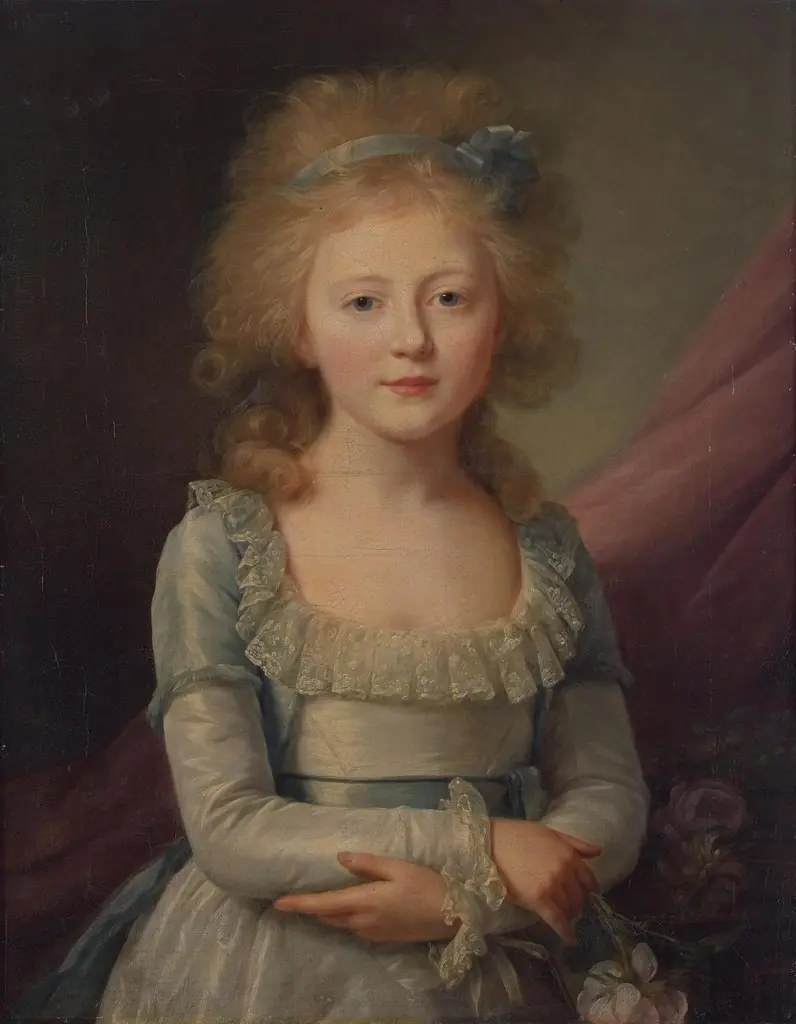 Portrait of grand Duchess Yelena Pavlovna as the Child
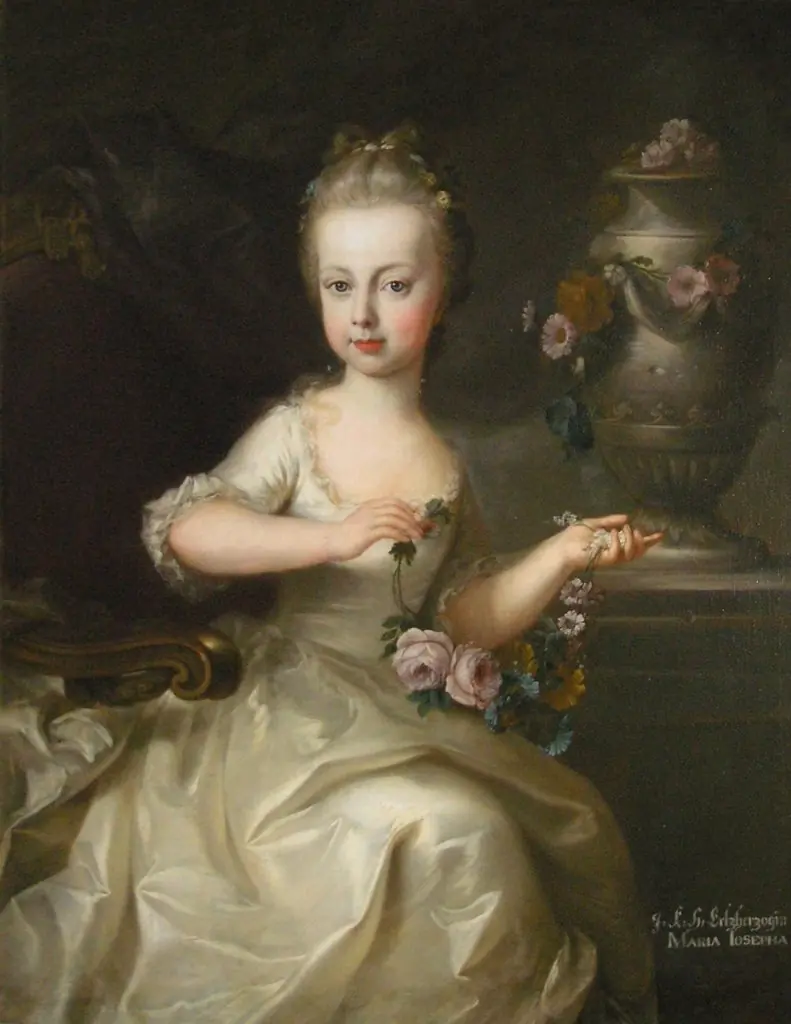 I.K.H. Erzherzogin Maria Iosepha
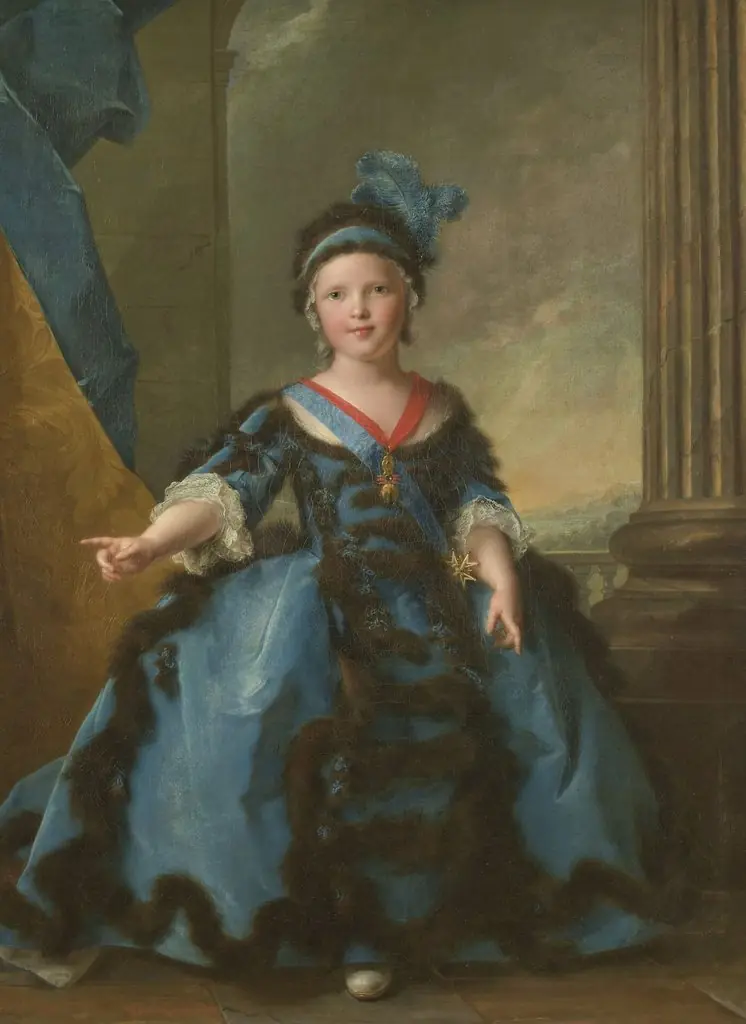 Louis-Joseph-Xavier de France, Duke of Burgundy (1751–1761), son of Louis, Dauphin of France
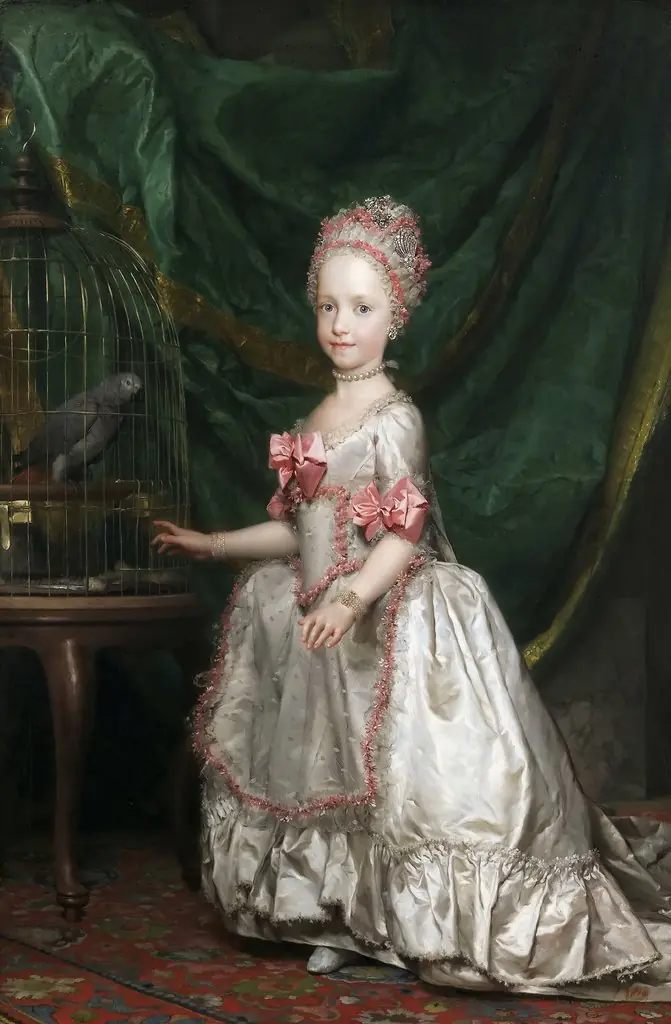 The Archduchess Maria Teresa of Austria
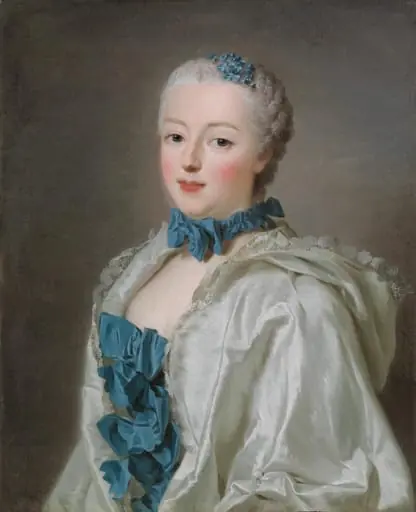 Françoise Marguerite de Sévigné, Grignanin kreivitär
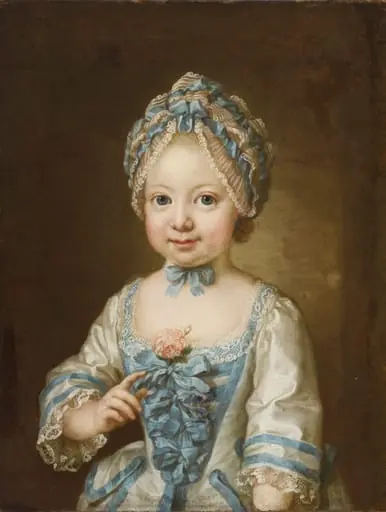 Hedvig Ulrika Hedengran
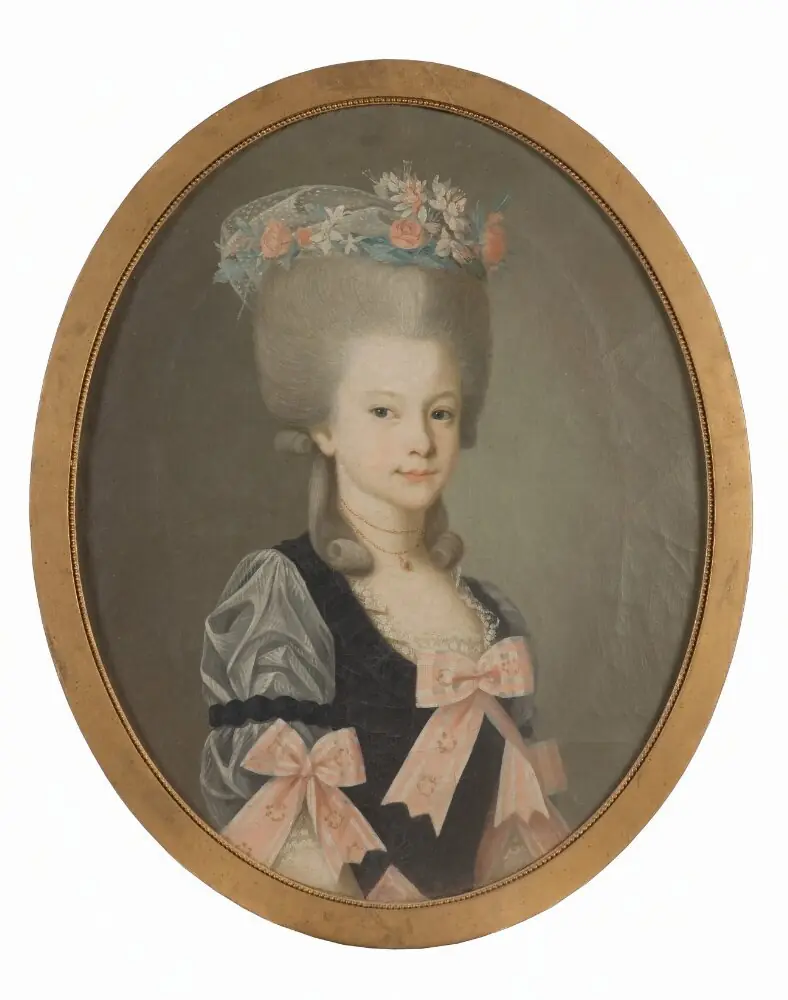 Brita Charlotta Wattrang (1775-1850), gift med friherre Otto Ludvig Benedikt Wrangel af Lindeberg
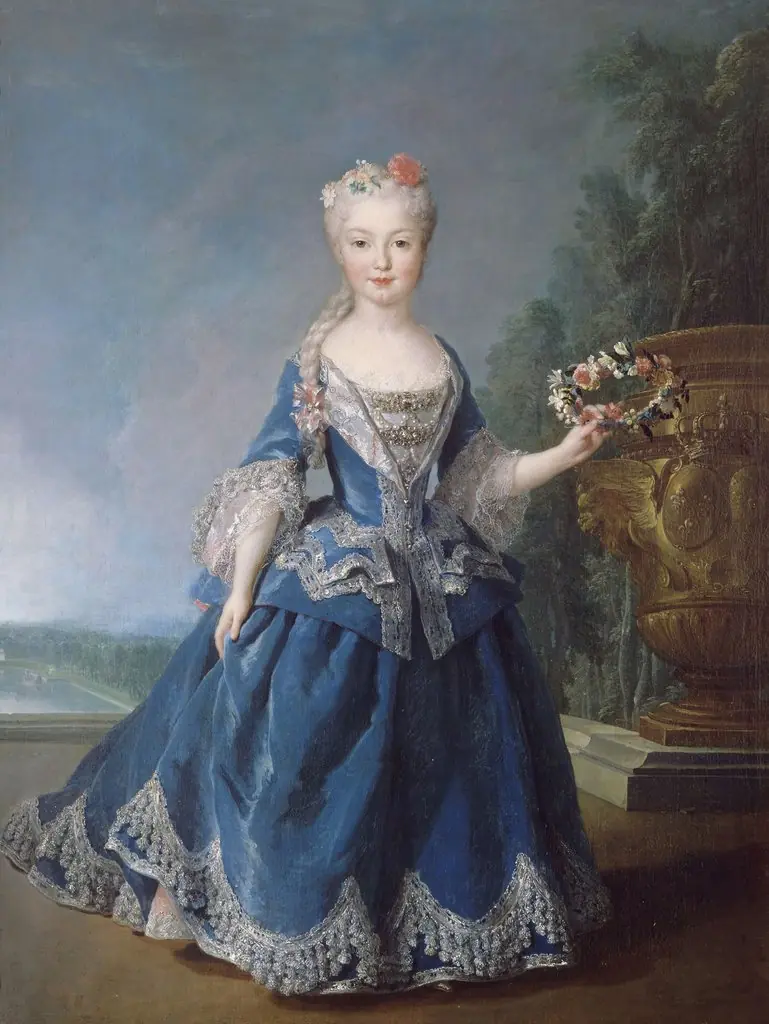 Portrait of Mariana Victoria of Spain (1718-1781)
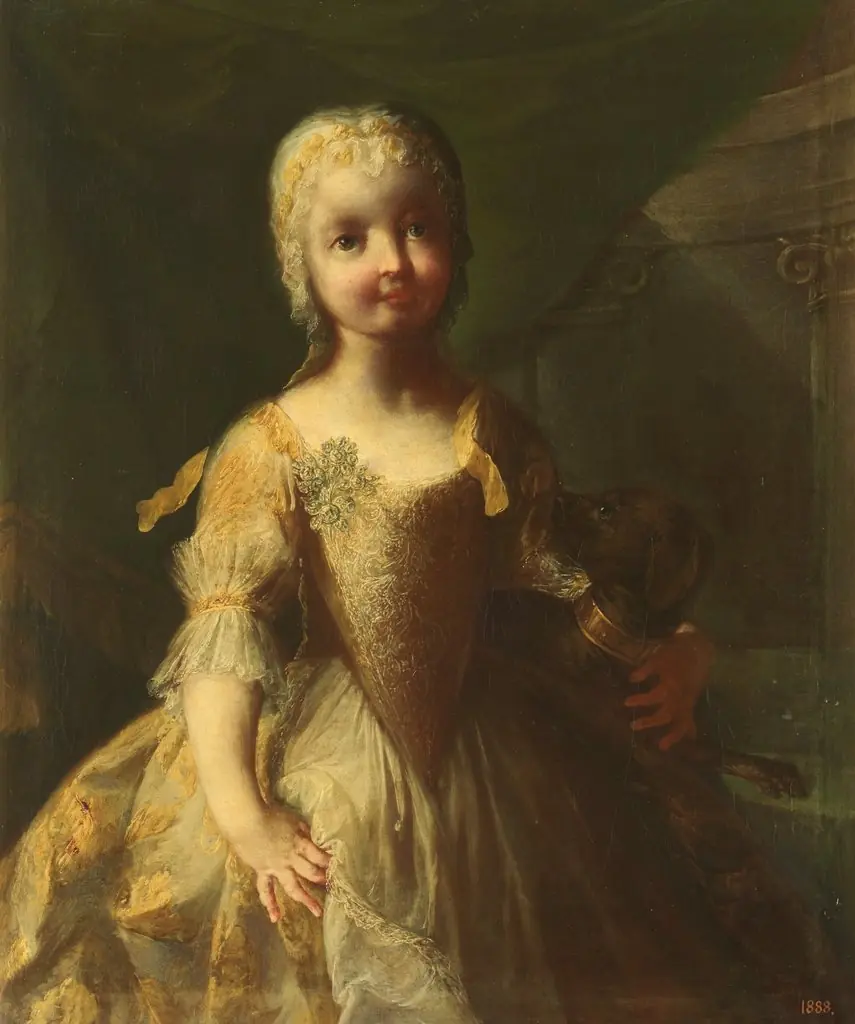 María Isabel of Bourbon and Saxony, Infanta of Naples and Spain
- Madame Louise of France